
And What It Reveals About Aging Villages, Global Shifts, and the Quiet Italian Revival of 2026
The American dream is shifting not disappearing, but relocating.
More and more U.S. citizens are asking the same question in 2026:
What if the life I want isn’t here anymore?
What if it’s tucked into a stone village with crooked alleyways, four-hour lunches, and no drive-throughs?
Italian regions have noticed. And now, some are responding not with grand promises, but quiet, targeted incentives that offer something unusual in today’s world: room to begin again.
While American media often fixates on the “one-euro home” gimmick, the real story is more complex. And more promising.
Because in 2026, dozens of small Italian towns and rural regions are actively recruiting foreign residents — especially remote workers, young families, and entrepreneurs. And while the opportunities aren’t always advertised in English, the incentives are very real.
Here’s where Italy is quietly opening its doors — and what it’s offering Americans who are ready to live a different kind of life.
Looking for More Travel & Culture Reads?
– They Don’t Work 24/7: 5 Vacation Customs in Europe That Drive Americans Crazy
– 7 Dress Code Shocks Americans Face in Italy
– 9 European Beach Habits That Shock First-Time Tourists
Quick, Easy Tips for Interested Americans
Research thoroughly: Each region’s program has unique requirements, deadlines, and financial expectations.
Learn the basics of Italian: Even limited fluency helps you integrate faster and build trust locally.
Prepare for red tape: Italian bureaucracy can be slow—stay patient and persistent.
Budget realistically: Renovations, taxes, and utilities may exceed initial expectations.
Respect local culture: Participate in community life and traditions; small gestures go a long way.
Across Italy’s rolling hills and historic villages, a quiet revolution is underway. Several regions especially those facing population decline are offering financial incentives, tax breaks, and even free housing to attract new residents. On the surface, it sounds like a dream come true for Americans longing for a slower, sunnier life in the Italian countryside. But beneath the charm lies a far more complex story about economics, identity, and survival.
Critics argue that these relocation programs often serve as short-term publicity stunts rather than lasting solutions. Some towns lack the infrastructure or jobs to sustain an influx of newcomers, while others struggle with the cultural tension between preserving tradition and welcoming foreign settlers. What looks like a romantic opportunity can quickly turn into an uphill battle with bureaucracy, renovation costs, and integration challenges.
Still, many Italians defend these programs as vital lifelines for dying towns. Empty homes become lived-in again, schools reopen, and local economies regain momentum. To them, attracting Americans and other foreigners isn’t a gimmick it’s a second chance at revival. The debate ultimately reflects two visions of Italy: one clinging to its past, and one adapting it for a global future.
1. Molise: Still Paying People to Move — But With a Twist
Molise made headlines years ago for offering €700 per month to newcomers. Most dismissed it as a marketing stunt.
But in 2026, the program has quietly matured — and become more focused on sustainability and entrepreneurship.
Here’s what’s on the table now:
- Monthly grants of €600–800 for up to three years
- Must commit to living in a town with fewer than 2,000 residents
- Preference given to those opening a business or offering services (e.g., hospitality, artisan trades, wellness, remote work hubs)
Molise isn’t seeking tourists. It’s seeking community members — people who will enroll their kids in local schools, buy groceries in the town square, and show up to the morning bar for espresso like everyone else.
And while the money helps, the real reward is being invited into a place that needs you — not just tolerates you.
2. Sardinia: Up to €15,000 Toward Home Renovation — For Non-Italians Too
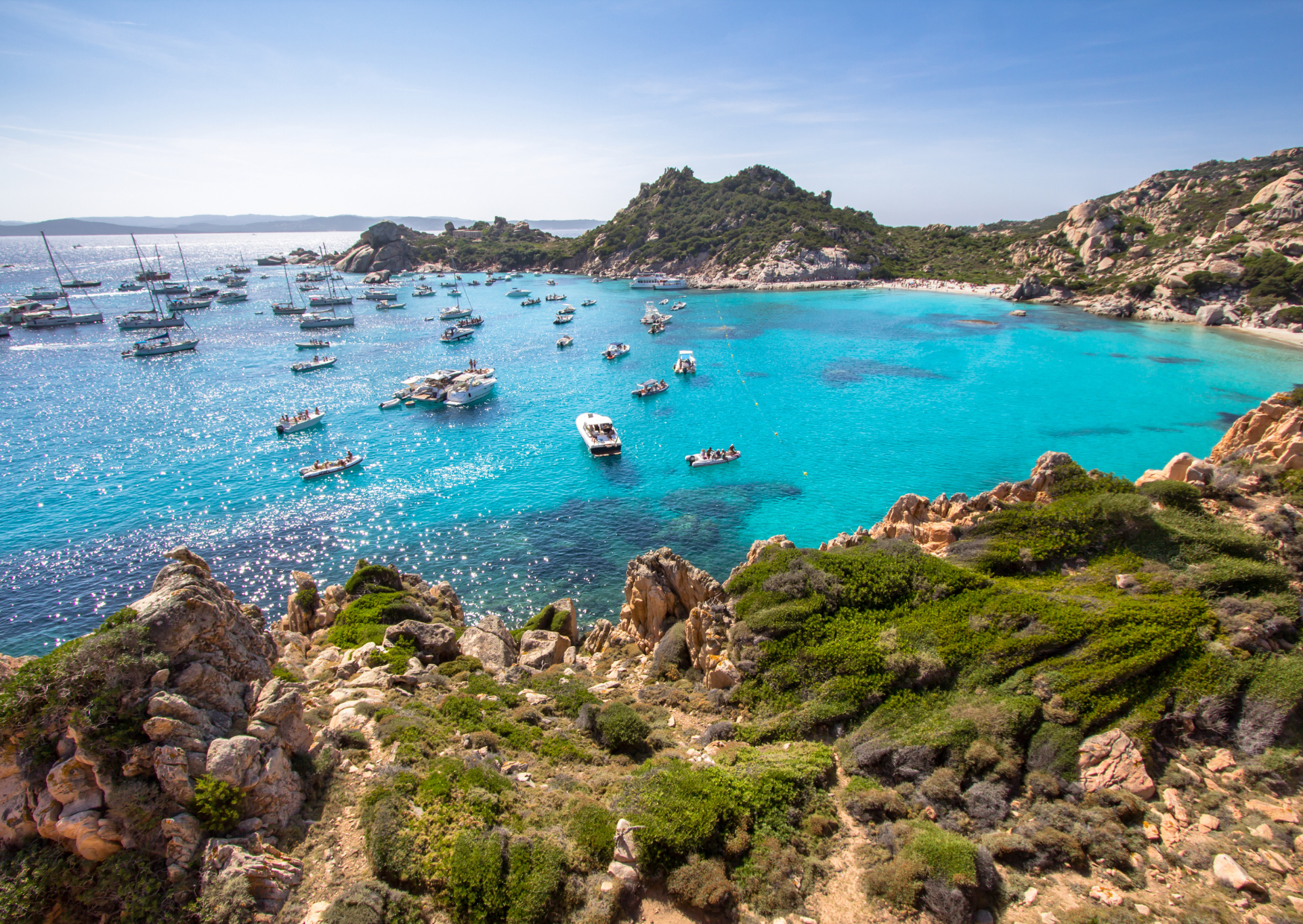
Sardinia, Italy’s second-largest island, remains one of the country’s best-kept secrets — rugged, wild, and refreshingly unpolished.
In 2026, regional grants continue to offer €12,000–15,000 toward the purchase and renovation of a home, provided you:
- Establish residency in a rural municipality
- Commit to living there long-term (at least 5 years)
- Use the property as a primary home (no Airbnb flipping)
While these grants were once intended primarily for Italians, American residents with long-stay visas or dual citizenship are increasingly being approved — especially those who bring remote work or plan to start small businesses.
The homes are real. The towns are small. And the support, though bureaucratic, is available if you persist.
3. Calabria: One-Euro Homes Are Still Offered — But the Real Perks Are Deeper
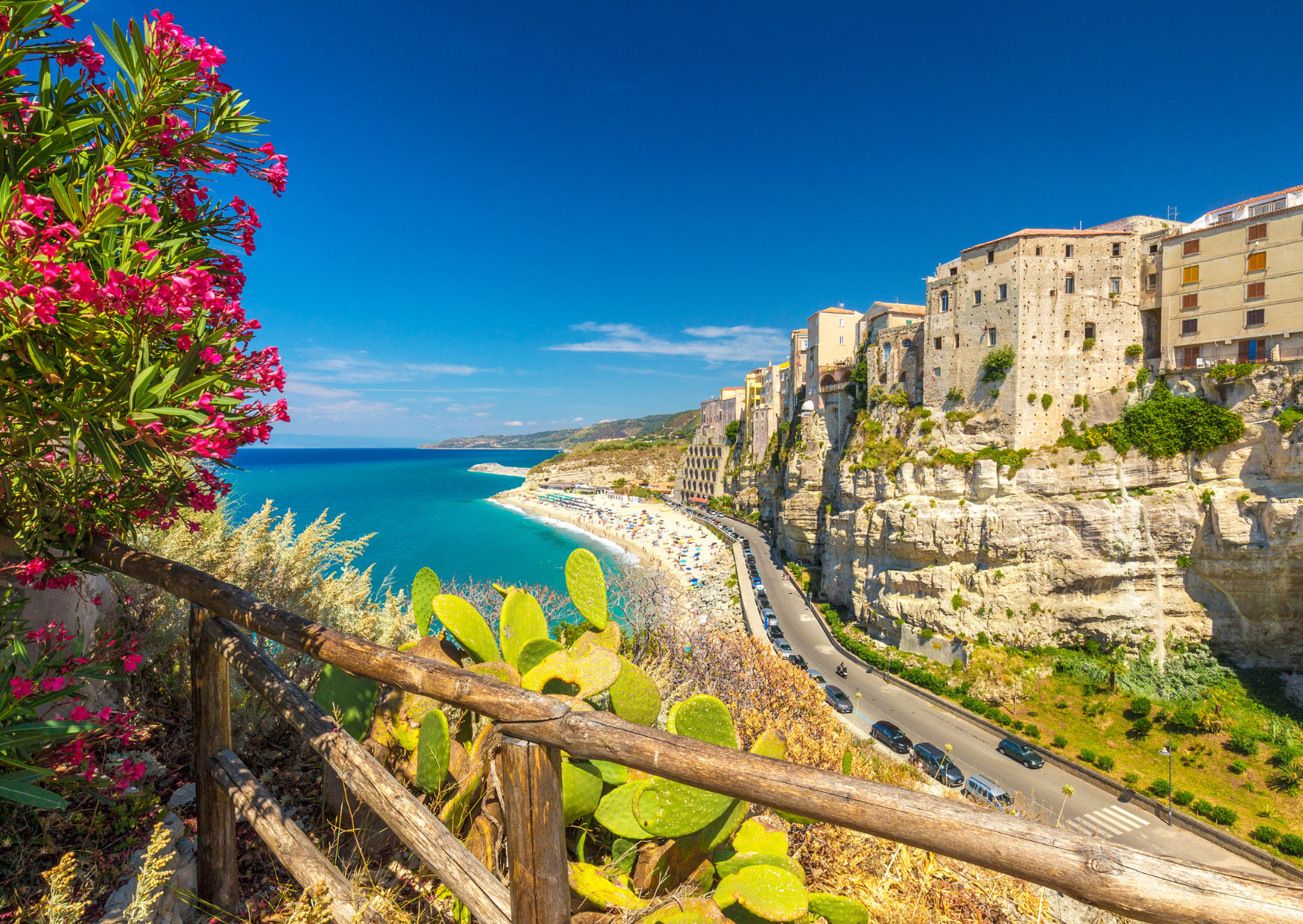
Calabria still makes headlines for one-euro homes. But the 2026 version of this program is more sophisticated — and often more generous.
Here’s what’s changed:
- Some towns now offer renovation grants of up to €20,000, provided you complete the work within 3 years
- Additional tax reductions apply for those who register a local business or hire locally
- Some communes offer symbolic rents on historic properties for writers, educators, or artists-in-residence
In short, Calabria wants more than owners. It wants inhabitants — people who speak Italian (or try), who build lives, who walk the streets.
And with a cost of living far lower than northern Italy, it remains one of the most accessible entry points for Americans willing to adapt.
4. Puglia: Quietly Courting Remote Workers Through Town-Specific Initiatives
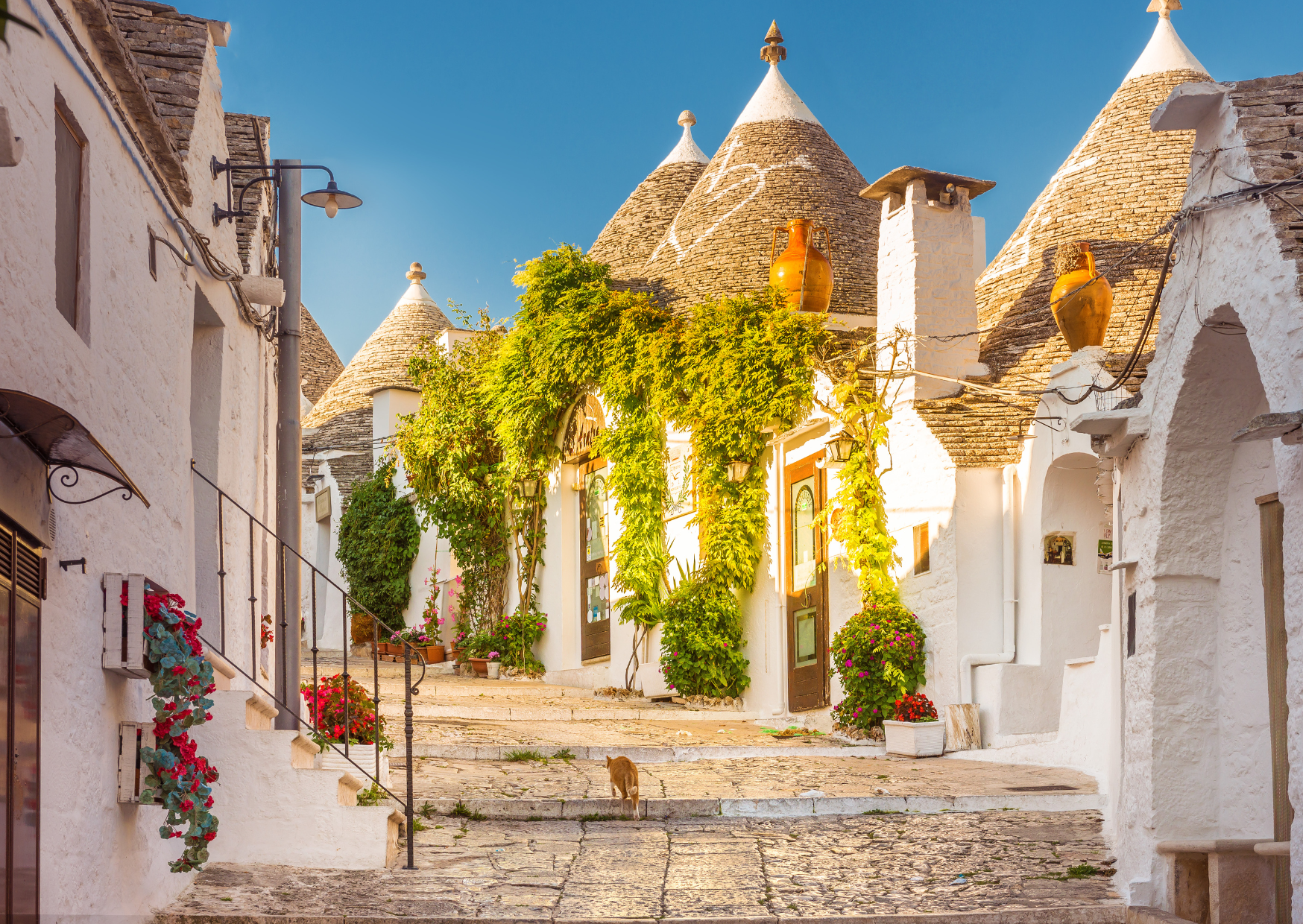
Puglia hasn’t launched flashy national campaigns. Instead, a handful of towns and provinces have created their own incentive programs, particularly for remote workers and young families.
In 2026, you’ll find:
- Regional tax breaks for those relocating from outside the EU
- Town-specific grants for those renovating agricultural land or historic buildings
- Free co-working spaces in towns like Lecce, Ostuni, and Tricase — often in renovated palazzi
These programs aren’t easy to find online — they’re local, Italian-language initiatives, often advertised in town halls or regional newsletters.
But Americans who network locally or work with relocation consultants are increasingly landing long-term homes, community access, and even assistance enrolling their children in local schools.
5. Piedmont: Offering Strategic Benefits for Entrepreneurs and Skilled Artisans
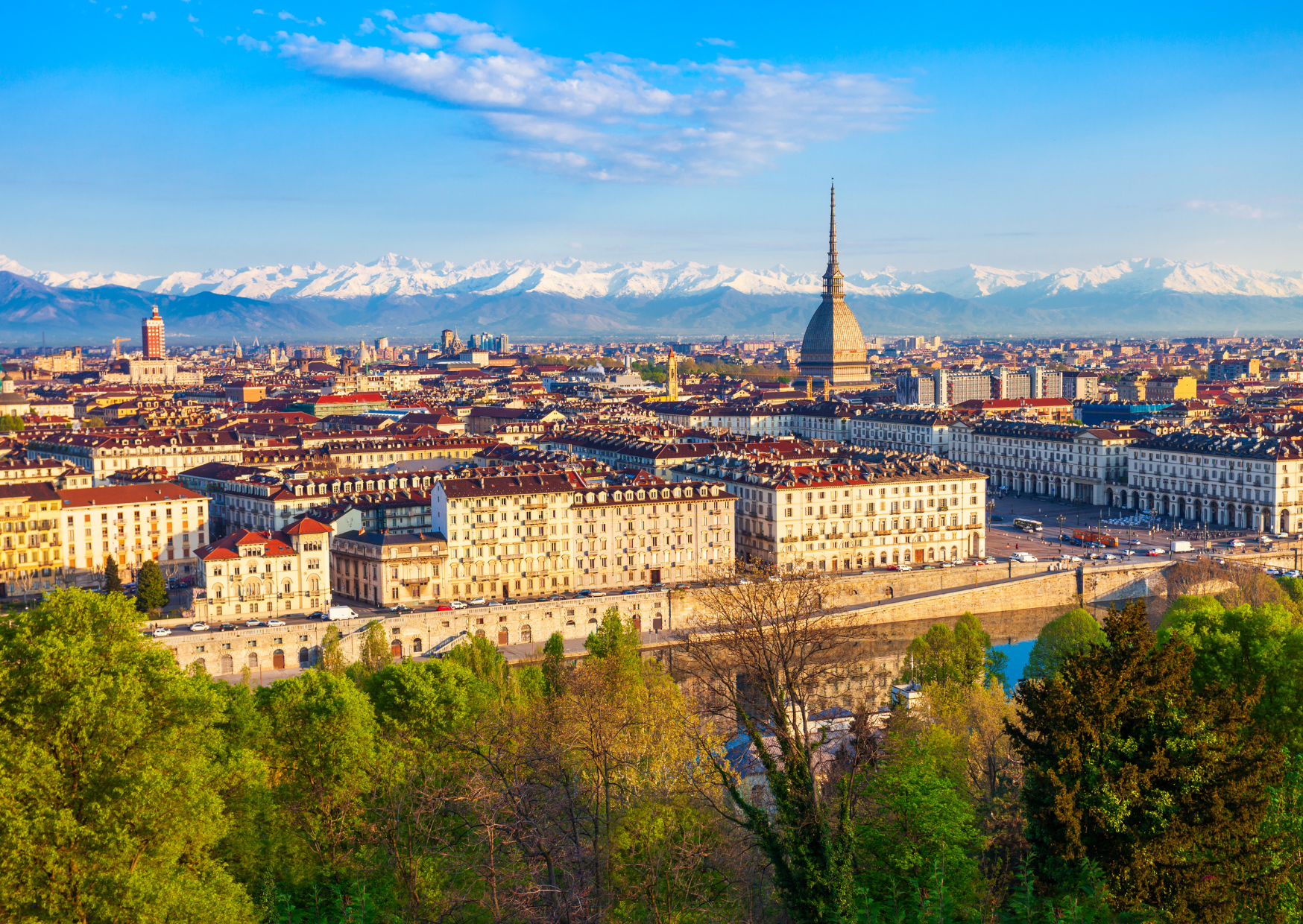
Piedmont — especially in the Alpine valleys — is experimenting with economic revival through skilled immigration.
If you’re a:
- Chef
- Winemaker
- Artisan (textile, wood, metals, design)
- Digital service provider
…you may be eligible for regional relocation grants, workspace support, and 5–10 year residency plans that lead to citizenship.
What sets Piedmont apart is its focus on economic contribution, not just demographics.
Americans with skills that align with regional industries — slow food, wine, heritage trades, or boutique tourism — are especially welcome.
6. Basilicata and Abruzzo: Small Programs, Big Openings
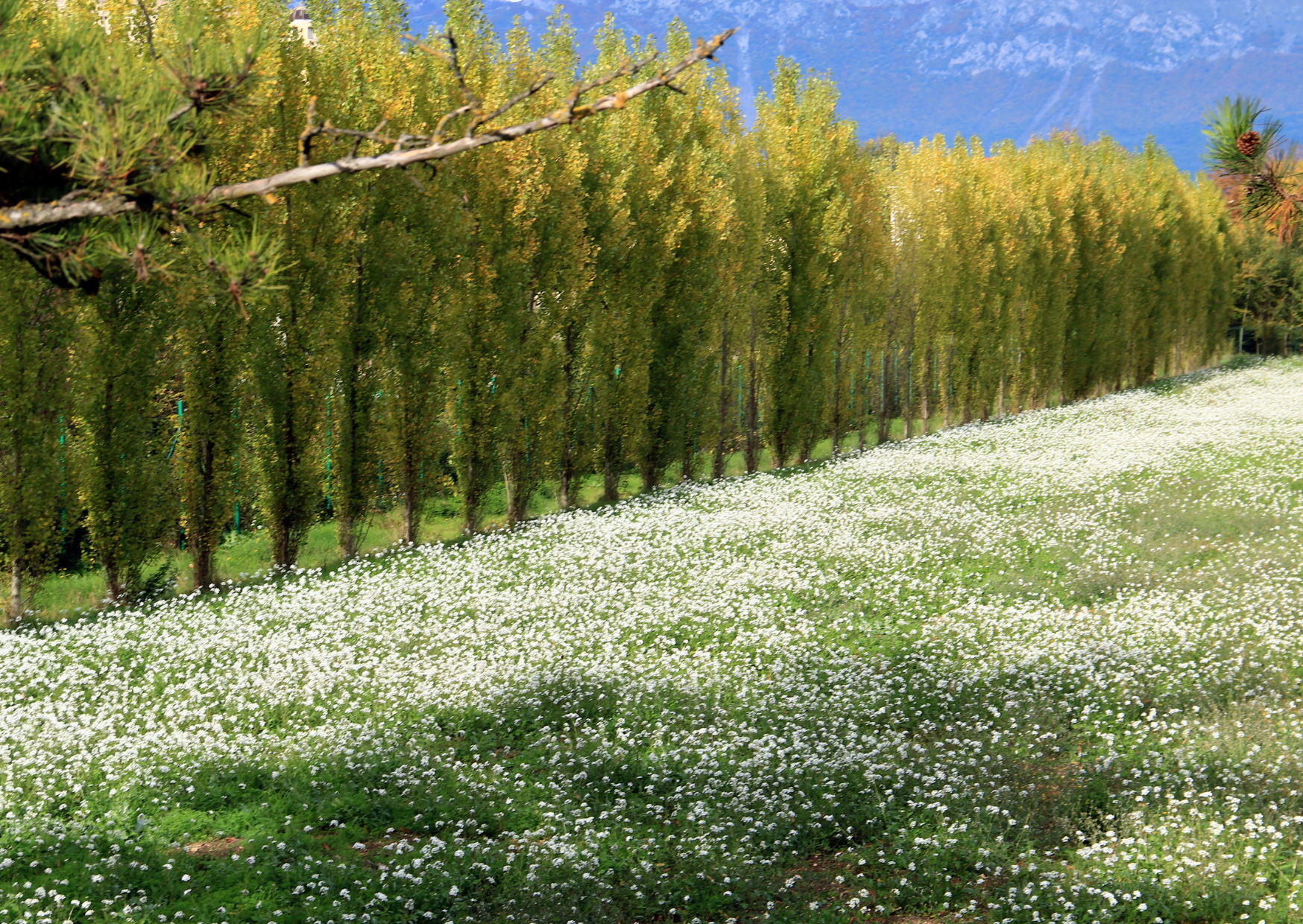
In Basilicata and inland Abruzzo, a handful of towns have launched targeted offers:
- Symbolic home sales for €1–5
- Free use of land for farming or eco-tourism projects
- Monthly living subsidies for new residents under 40
These regions don’t have the marketing budgets of Tuscany or Sicily.
But what they do have is space, real opportunity, and a desperate need for revitalization.
What they want in return:
- Families who send their kids to local schools
- People who speak Italian or are willing to learn
- Residents who engage in community events, local traditions, and help stem the tide of depopulation
It’s not just an invitation — it’s a quiet social contract.
7. Liguria and Emilia-Romagna: Targeting Medical Professionals and Remote Teachers
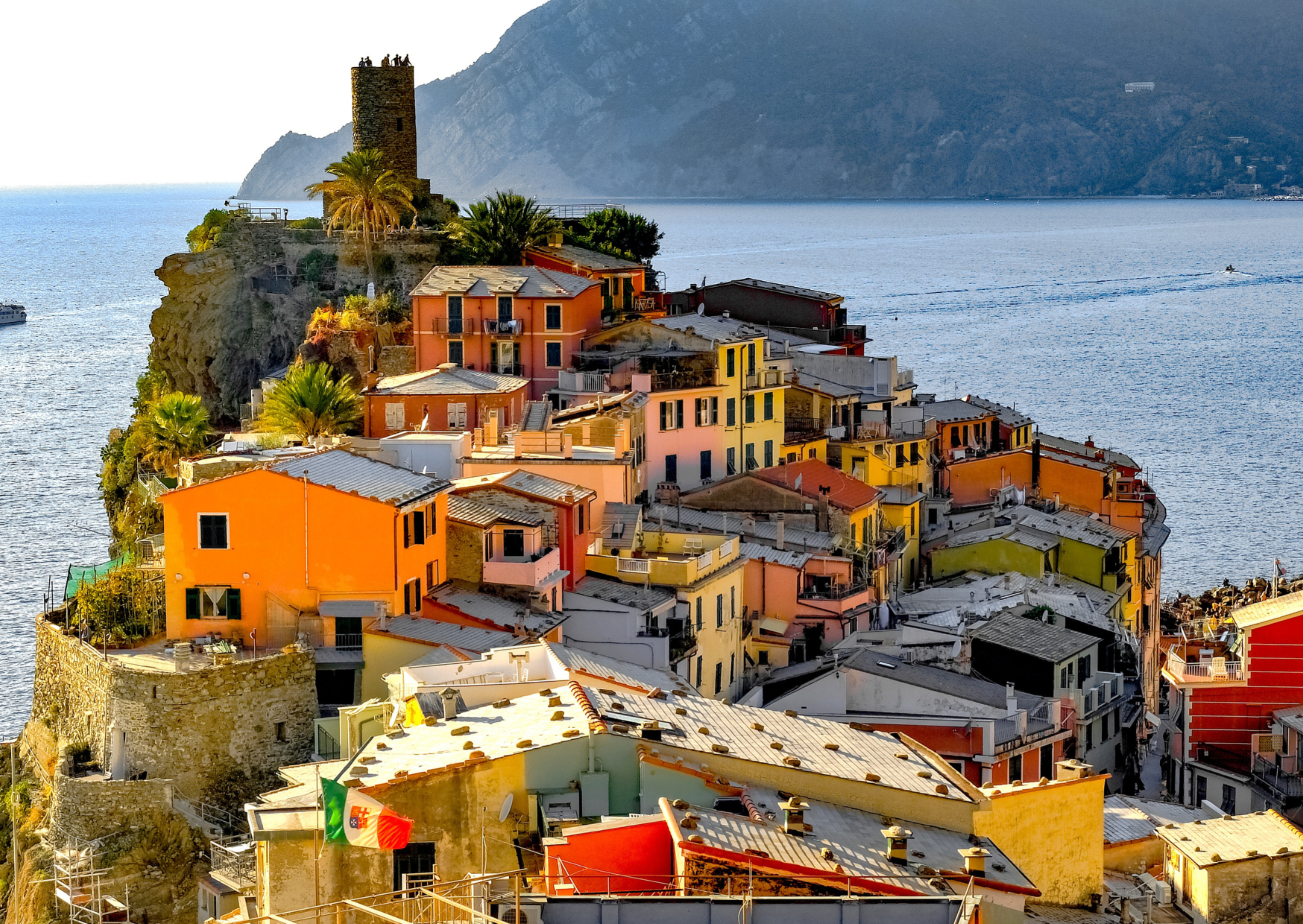
In an unexpected twist, several inland towns in Liguria and Emilia-Romagna are offering housing subsidies and visa assistance for:
- Nurses
- Physical therapists
- Teachers (especially English-speaking, STEM, or music educators)
Americans who qualify for professional visas or hold dual citizenship are being recruited through provincial employment offices, and often offered:
- Reduced-cost rentals
- Residency fast-tracks
- Assistance with health care access and integration
This isn’t about foreign investment. It’s about filling roles that locals are no longer taking — and stabilizing communities on the brink of collapse.
Why These Programs Aren’t Advertised Loudly in the U.S.
Most of these opportunities aren’t showing up in your Instagram feed for one simple reason:
They weren’t created for Americans.
They were created to:
- Save towns from depopulation
- Restore abandoned buildings
- Fill essential service roles
- Keep local economies alive
If foreigners benefit, that’s a bonus. But you need to do the legwork:
- Speak some Italian (or work with a translator)
- Navigate regional bureaucracy
- Apply in person, often with paper documents
The upside? You’re not competing with millions.
These programs are quiet, targeted, and still wide open for those willing to ask the right questions.
Why you Should
One reason you should pay attention to this story is that it speaks directly to a growing desire many Americans have for a different way of life. The idea that Italian regions are actively recruiting foreign residents feels surprising, emotional, and almost too good to be true. For people exhausted by high costs, stress, and instability in the U.S., the thought of being wanted somewhere else is incredibly powerful. That emotional pull makes the topic instantly compelling.
You should also explore this angle because it highlights a real opportunity. Some of these regions are offering incentives because they genuinely need people to move in, invest, buy homes, open businesses, and bring life back to towns that are shrinking. For Americans dreaming of leaving the rat race, this can sound like a rare second chance. It turns relocation from a fantasy into something that feels possible.
Another reason you should lean into this subject is that it combines aspiration with controversy. On the surface, it looks like a dream: beautiful landscapes, historic towns, lower living costs, and financial encouragement to move. But underneath that dream is a much deeper story about economic decline, population loss, and local desperation. That contrast makes the topic much more interesting than a simple travel or lifestyle story.
You should cover the hidden motives because that is where the real tension lives. These Italian regions are not just being generous for no reason — they are trying to solve serious structural problems. They need taxpayers, workers, homeowners, consumers, and long-term residents to prevent entire communities from fading away. That gives the story a sharper edge and makes people question whether this is a gift, a strategy, or both.
Finally, you should pursue this topic because it has strong viral potential. It mixes beauty, escape, politics, economics, and suspicion all in one. People are naturally drawn to stories that begin like a fantasy but turn into something more complicated. The idea that Americans are being lured to Italy sounds romantic at first, but the hidden motives make it provocative, and that is exactly what gets attention.
Why you Shouldn’t
At the same time, you shouldn’t present the story as if these regions are simply handing Americans a perfect new life. That can make the topic feel exaggerated and misleading. Many of these towns come with real challenges, including aging populations, limited jobs, language barriers, slow bureaucracy, and homes that may need major repairs. If you oversell the dream, the audience may feel manipulated once they realize the reality is much harder.
You shouldn’t frame the incentives as purely suspicious either. Yes, there are hidden motives, but that does not automatically mean there is something sinister happening. Local governments are often trying to survive, protect their communities, and keep towns from disappearing. If the story becomes too conspiratorial, it may lose credibility and ignore the fact that these regions are responding to real demographic and economic problems.
Another reason you shouldn’t oversimplify this topic is that Italy is not one single experience. Different regions have different rules, goals, cultures, and economic conditions. One town may be trying to revive its housing market, while another may want entrepreneurs or families with children. Treating all of Italy as if it is running one big campaign to recruit Americans can weaken the story and make it feel less trustworthy.
You shouldn’t assume Americans are the guaranteed solution these towns are looking for. Some newcomers may arrive with romantic expectations, only to leave when the adjustment becomes difficult. Others may not integrate into local communities the way officials had hoped. If the story acts like Americans are automatically saving these regions, it ignores the fact that relocation alone does not fix deep structural decline.
Finally, you shouldn’t make the topic only about Americans being “wanted,” because that can flatten the more serious issue underneath it. The real story is not just that Americans are being invited it is that some Italian communities are facing population collapse and are trying bold strategies to survive. That is more important, and ultimately more powerful, than the fantasy of being recruited. The strongest version of this piece keeps both truths in view: the opportunity is real, but so is the crisis driving it.
One Country, Two Choices
Most Americans come for the incentives.
But the ones who stay do so for something else entirely:
- Slower days and longer meals
- Children walking to school in safe, tight-knit villages
- Shopkeepers who remember your name
- A rhythm of life that doesn’t need constant reinvention
And when you add it up — free or symbolic housing, business support, tax relief, and full cultural integration — the value goes far beyond euros.
It’s an invitation to belong.
To tourists, Italy is scenery.
To regional officials, it’s a living organism — and they’re trying to keep it alive.
One version of Italy says: Come visit, then go home.
The other says: Come stay — but show up fully.
And in that second Italy, right now in March 2026, doors are quietly being held open.
Not for anyone. But for the right kind of neighbor.
The idea of moving to Italy with government support is undeniably alluring, but it’s more than just a lifestyle upgrade it’s a commitment to rebuilding forgotten communities. Those who take the leap quickly learn that Italy’s real offering isn’t money or property, but purpose. Living among locals, speaking their language, and embracing their rhythms turn the dream into something meaningful.
For many who relocate, the adjustment is both humbling and rewarding. Daily life unfolds at a slower pace, bureaucracy tests patience, and yet every evening meal, conversation, and town festival reveals why so many stay for good. The incentives might get you there, but the connection keeps you there.
Ultimately, these programs highlight an important truth about Italy itself: this country’s wealth is cultural, not financial. For Americans chasing simplicity and community, the move offers more than a new address it offers a new way to live.

About the Author: Ruben, co-founder of Gamintraveler.com since 2014, is a seasoned traveler from Spain who has explored over 100 countries since 2009. Known for his extensive travel adventures across South America, Europe, the US, Australia, New Zealand, Asia, and Africa, Ruben combines his passion for adventurous yet sustainable living with his love for cycling, highlighted by his remarkable 5-month bicycle journey from Spain to Norway. He currently resides in Spain, where he continues sharing his travel experiences with his partner, Rachel, and their son, Han.