
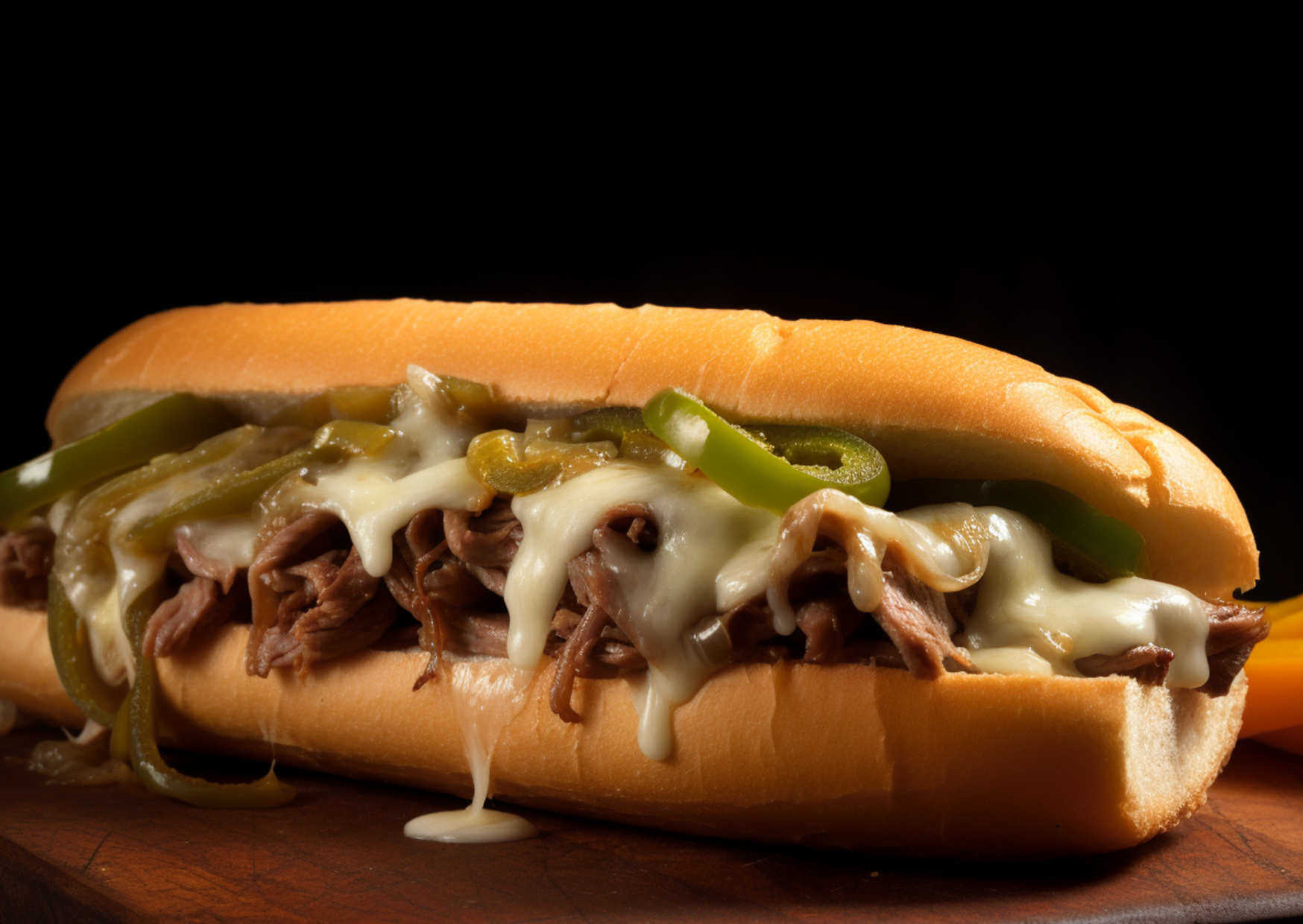
Below is a chef-tested, “Italy-legal” cheesesteak that keeps the spirit of Philly but swaps out the additives, seed oils, and processed cheese product for real dairy, real beef, and a roll that reads like a sentence, not a paragraph. I’ll also show the “American chain” version you should avoid, with the exact swaps that make the difference.
What “wouldn’t fly” in Italy actually means
No courtroom needed. In practice, the classic tourist-trap cheesesteak leans on things that Italy either regulates hard or that traditional shops simply won’t touch.
- Processed “cheese product” vs real cheese. You know the bright orange sauce. It’s stabilized with emulsifying salts and flavors. Italian counters expect real cheese with a name and a place.
- Seed-oil fryers and griddles. Cheap blends stay stable on a hot line. Italy’s everyday fat is olive oil or real animal fat, not anonymous “fryer oil.”
- Water-pumped beef. Brined or “enhanced” cuts stay juicy on a flat top. Italian butchers sell unadulterated muscle cuts and slice to order.
- Rolls that read like lab notes. Dough conditioners, shelf-life tricks, added sugars. A proper pane has flour, water, yeast, salt. That’s it.
Call it law, call it culture, the effect is the same. Clean inputs, short labels, honest fat, real cheese.
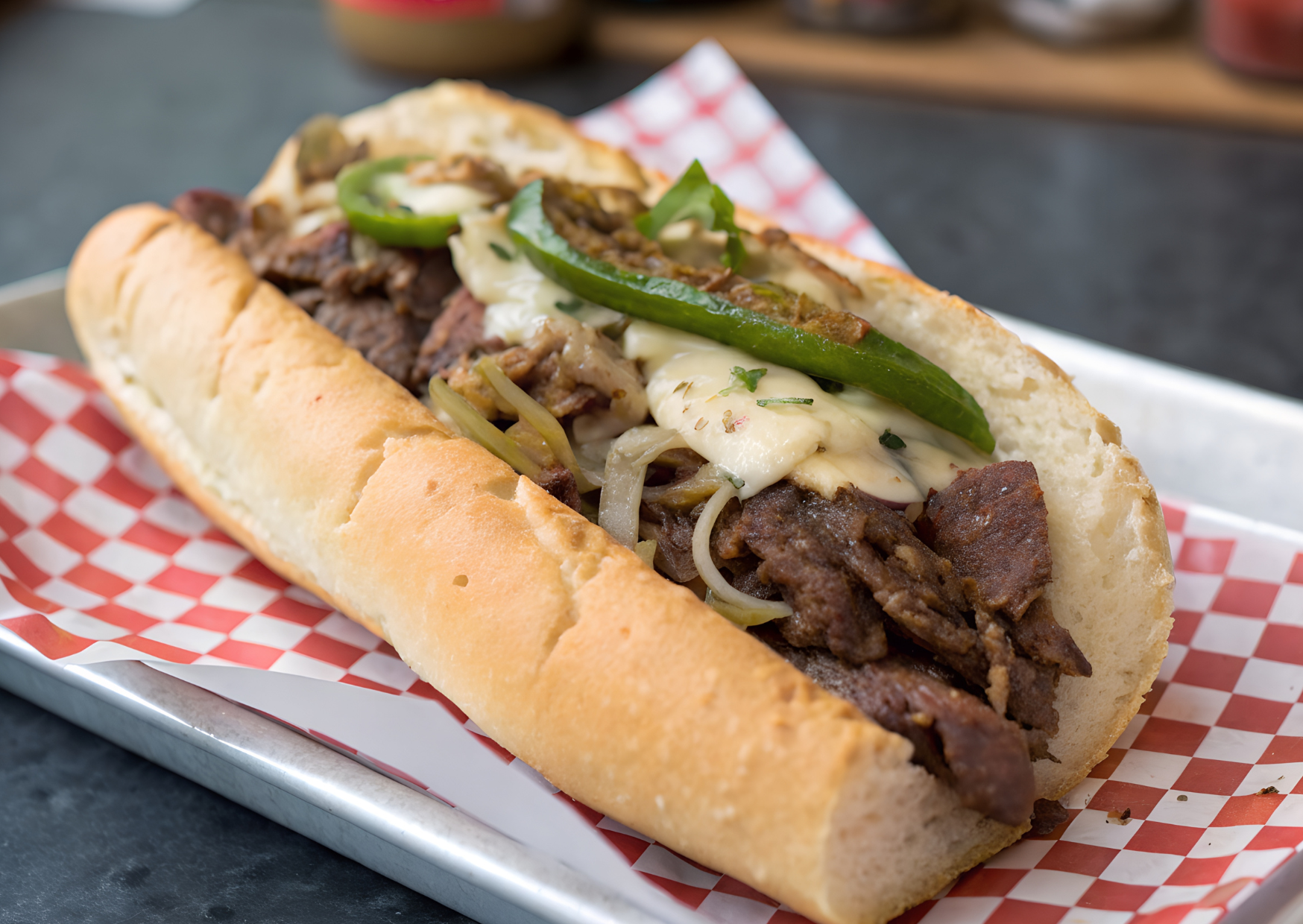
The “Italy-legal” Cheesesteak
Yield
4 big sandwiches
Time
30 minutes active, 45 minutes total
Ingredients
- 700 g flank steak or top sirloin, well chilled
- 2 tbsp red wine vinegar
- 2 tbsp extra-virgin olive oil, plus more for the pan
- 2 medium yellow onions, thinly sliced
- 1 green bell pepper and 1 red bell pepper, thinly sliced
- 2 cloves garlic, minced
- 160–200 g Provolone Piccante DOP, thinly sliced
Alternative: provola affumicata or young caciocavallo - 4 long rolls with short labels
Ingredients list should read like: flour, water, yeast, salt. Sesame optional. - Sea salt and freshly ground black pepper
- Optional finishing: a splash of dry white wine, chopped parsley, peperoncino flakes
Why this works: real cheese melts cleaner, olive oil keeps flavors clear, and unbrined beef takes a proper sear.
Step-by-step
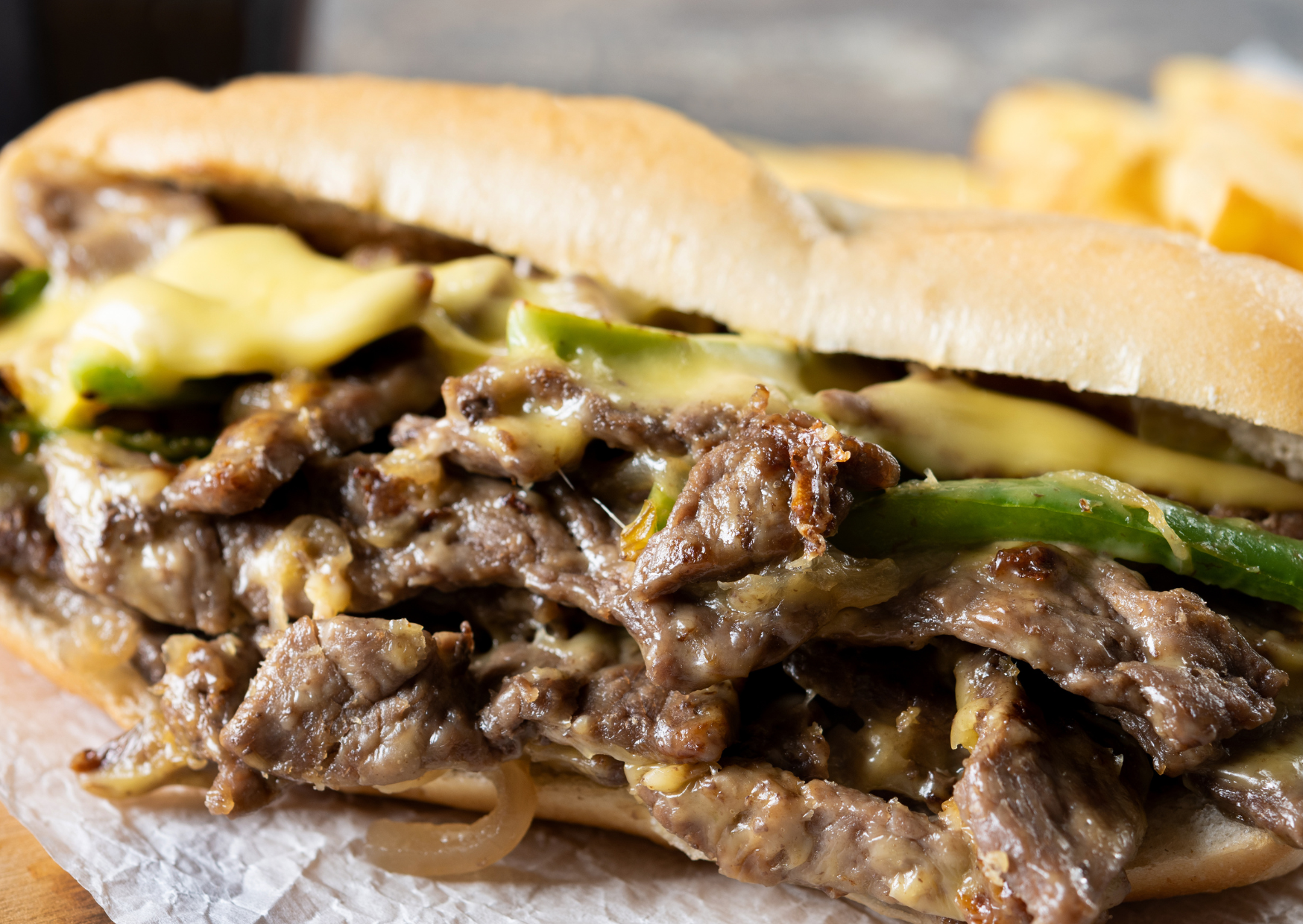
1. Prep the steak
Place the beef in the freezer for 20 minutes so it firms up. Slice very thinly across the grain. Toss with red wine vinegar, 1 tbsp olive oil, 1 tsp salt, and plenty of black pepper. Thin slices cook fast and stay tender without chemical help.
2. Soften the veg
Film a large cast-iron or steel pan with olive oil over medium heat. Add onions and peppers with a pinch of salt. Cook 10–12 minutes until sweet and limp, stirring now and then. Add garlic for the last minute. Slow veg makes the sandwich taste cooked, not assembled.
3. Toast the rolls
Split lengthwise. Brush cut sides with a kiss of olive oil. Toast on the dry pan until golden. Keep warm. A crisp interior keeps the sandwich from collapsing.
4. Sear the beef
Raise heat to high. Add a drizzle of olive oil. Spread the steak in a thin, single layer. Do not move for 60–90 seconds. Flip and cook 30–60 more seconds. Season again. If using wine, splash and let it hiss away. High heat plus thin cut equals juicy without “enhancers.”
5. Marry it together
Push beef into four tidy mounds. Top each with a quarter of the onions and peppers, then the cheese. Lower heat to medium-low. Add a lid for 30–45 seconds to steam-melt. Lid equals perfect melt without sauce-in-a-jar.
6. Build
Lay each mound into a roll. Press gently to set. Sprinkle parsley or peperoncino if you like heat.
7. Rest one minute
Let the sandwich sit a minute so juices settle. Patience keeps flavor inside the bread.
Ingredient notes that make or break it
- Cheese: Provolone Piccante DOP melts with a slight pull and real sharpness. If you only find domestic provolone, choose “aged” or “sharp.” Avoid slices labeled “cheese product”.
- Beef: Flank, sirloin, or knuckle. Ask your butcher to semi-freeze and slice paper thin. You want muscle, not brined mystery.
- Oil: Extra-virgin olive oil for vegetables and finishing, a neutral high-oleic olive oil or light EV for the high-heat sear if your pan runs scorching. Olive oil gives flavor and stays honest on the label.
- Rolls: Local bakery, same-day. Squeeze to test spring. Short ingredient list means clean chew.
Optional “Italianate” variants that still feel like Philly
- Bistecca e Cipolle: Add a splash of aceto balsamico to the onions in the last minute. Sweet-sour plays well with sharp provolone.
- Funghi e Timo: Sauté 250 g mushrooms with thyme and fold into the onions. Umami without a lab.
- Peperonata twist: Slow-cook peppers with tomato and garlic, then use as the veg layer. Saucy but clean.
The version to avoid, with exact swaps
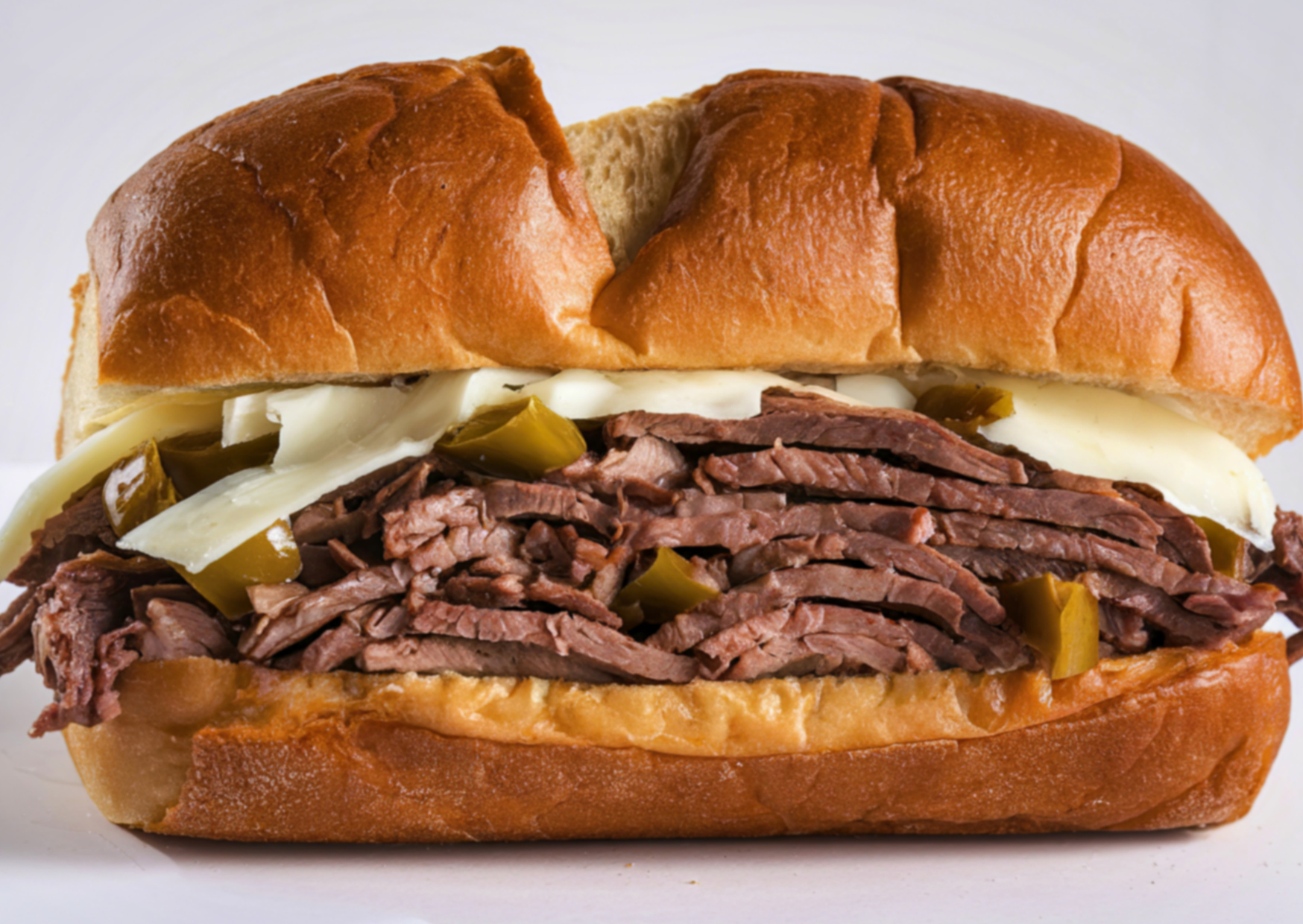
Chain-style build you don’t want:
- “Whiz” sauce or “cheese product”
- Prebrined “enhanced” beef
- Seed-oil griddle
- Conditioner-heavy roll
- Sugared pepper-onion mix
Swap map:
- Whiz → real provolone
Melt in the pan under a lid. Flavor goes up, label goes down. - Enhanced beef → real cut sliced thin
A quick marinade with salt and vinegar handles tenderness. - Seed oil → olive oil or clarified butter
Cleaner taste, better after-feel. - Conditioned roll → bakery roll
Better chew, fewer additives. - Sugared veg → slow onions and peppers
Natural sweetness, no crash.
Why this sandwich hits harder than the chain original
- Better melt, less bloat. Real provolone is rich without the gluey finish.
- Actual beef flavor. The vinegar-salt pre-seasoning wakes up a quick sear.
- Olive oil aromatics. Onions and peppers taste like themselves, not fryer memory.
- You feel human after. Clean fat plus clean starch equals clean afternoon.
Make-ahead and scaling
- Slice and season the beef up to 12 hours ahead. Keep chilled.
- Softened onions and peppers hold 3 days in the fridge. Rewarm gently with olive oil.
- Rolls freeze well. Recrisp split-side-down in a hot pan.
- For a crowd: Work in batches, parking finished mounds in a low oven. Build to order so rolls stay crisp.
Cost and sourcing
- Beef 700 g: mid-range price, cheaper than steaks by the portion
- Provolone DOP: a little spendy, but you use ~200 g for four sandwiches
- Rolls: bakery price, not a luxury
- Onions and peppers: humble
Net effect: you beat the cost of two chain sandwiches and eat like an adult.
Quick cleanup plan
- Deglaze the pan with a splash of water or wine while it’s hot.
- Wipe and reuse for toasting.
- Keep a little jar labeled “griddle oil” that is olive oil plus pan drippings for next time. Flavor compounding, no mystery fats.
Serve it like a local would
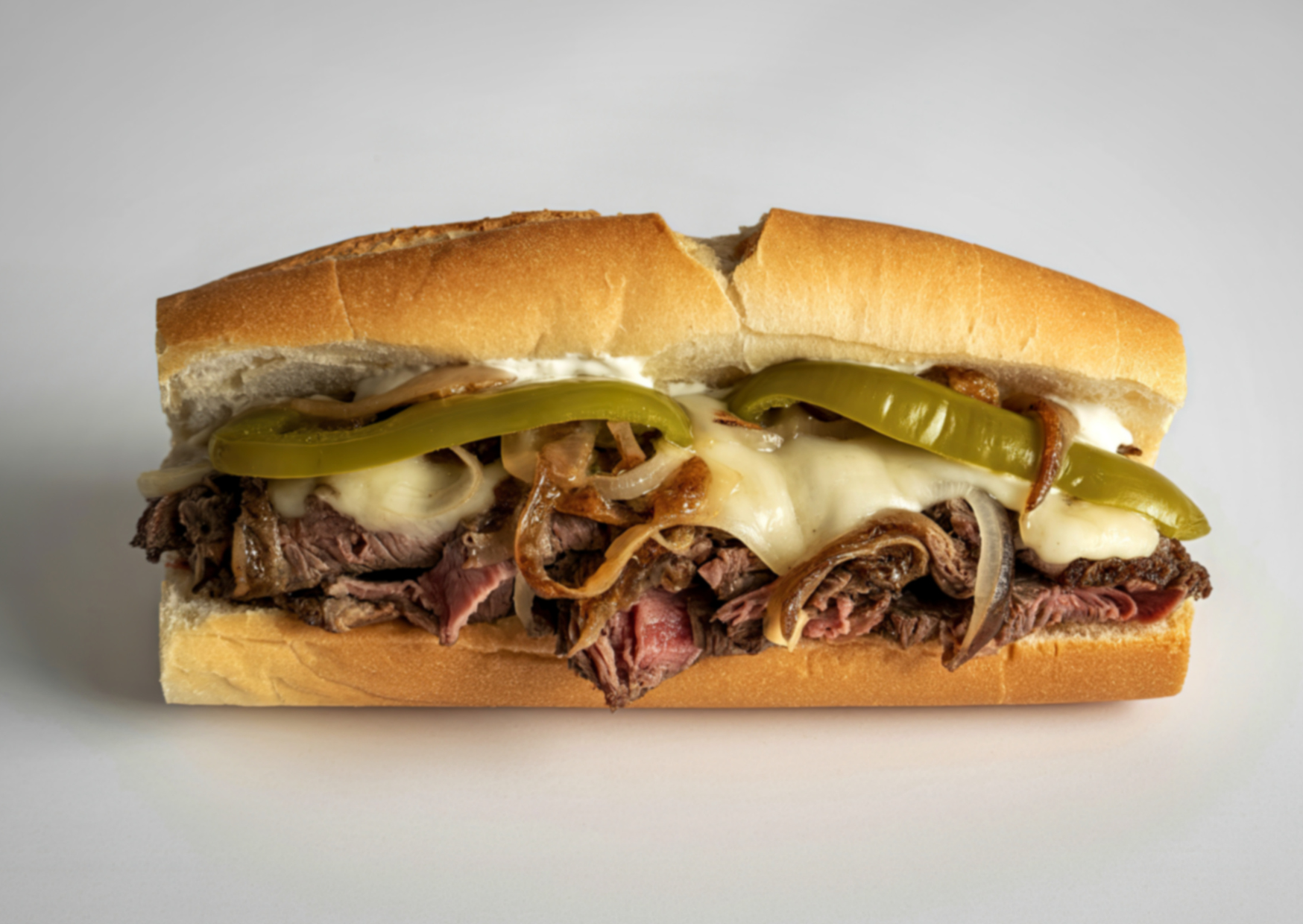
- Plate with pickled peppers or a simple fennel salad with lemon.
- A cold pilsner or sparkling water with a slice of lemon.
- Fruit after if you want closure. Fruit ends a meal without a sugar brawl.
Troubleshooting
- Cheese won’t melt: Lower the heat, add the lid, give it 30 seconds.
- Meat turns gray: Pan too crowded. Cook in two batches.
- Roll soggy: Toast longer, rest the sandwich one minute before biting.
- Too salty: Season veg lightly, finish salt on the beef only.
You do not need a courtroom to upgrade a cheesesteak. Real cheese, real beef, olive oil, and a roll with a short label give you the same comfort with better flavor and a better afternoon. Make it once and the old version will taste like a costume.
Origin and History
The Philadelphia cheesesteak is one of the most famous sandwiches in the United States, and its identity is tied completely to the city that gave it its name. It emerged in Philadelphia in the early twentieth century, usually traced back to hot dog vendors Pat and Harry Olivieri, who began serving thinly sliced beef on a long roll. What started as a local street meal quickly became one of the city’s defining foods.
Its rise made sense. The sandwich was hearty, fast, and deeply satisfying, which made it ideal for workers, late-night diners, and anyone who wanted something filling without ceremony. Over time, the original steak-and-bread concept expanded to include fried onions, melted cheese, peppers, mushrooms, and endless local loyalties about where the best version could be found.
What makes the cheesesteak especially interesting is that it stands at the crossroads of immigrant America and unapologetic American excess. Philadelphia had strong Italian-American influence, and the long roll itself reflects that bread tradition. But the final sandwich moved in a different direction, becoming bigger, messier, and more indulgent than anything that would comfortably fit inside strict Italian culinary logic.
Today, the cheesesteak is not just a sandwich but a cultural symbol. It represents regional pride, street-food practicality, and the American talent for turning simple ingredients into something oversized and iconic. That is part of why the joke works so well: if Italian food laws were real and severe, the cheesesteak would probably be one of the first things on trial.
The phrase “Italian law would ban” works because the cheesesteak violates so many unwritten ideas Italians hold about balance, restraint, and ingredient treatment. The combination of heavily cooked beef, aggressively melted cheese, and a large bread roll feels excessive by traditional Italian standards. To many Italians, it is not just different. It is the kind of dish that ignores nearly every rule of proportion.
One major point of controversy is the cheese itself. In classic cheesesteak culture, processed cheese products and ultra-melty options like Cheez Whiz became part of the legend. From an Italian perspective, this is almost an act of culinary rebellion. Italian cooking tends to respect cheese as something with character, while the cheesesteak often uses it for pure texture, salt, and emotional impact.
Another source of tension is how the ingredients are treated together. Italian cuisine usually values separation of flavor and a degree of structural clarity. The cheesesteak does the opposite. Meat, onions, cheese, juices, and bread collapse into one hot, unified mass. That is exactly what fans love, but it is also exactly why purists elsewhere might find it chaotic.
And yet that chaos is what gives the sandwich its power. The cheesesteak is controversial because it refuses elegance. It is excessive, public, and unapologetic. It does not care about refinement. It cares about hunger, satisfaction, and instant pleasure. In that sense, what some people would call culinary disrespect is also the source of its greatness.
How Long It Takes to Prepare
One reason the cheesesteak became such a staple is that it is remarkably fast to make. If your ingredients are ready, the actual cooking can take about 10 to 15 minutes. Thinly sliced beef cooks quickly, onions soften fast on a hot griddle or skillet, and the sandwich comes together almost as fast as it can be assembled.
The part that takes the most planning is preparing the meat. If you are slicing the beef yourself, you may need 10 to 15 extra minutes, especially if you partially freeze it first to make thin slicing easier. This step matters because the texture of the sandwich depends heavily on getting the meat thin enough to cook quickly and stay tender.
The onions, peppers, or mushrooms, if you use them, usually need another 10 minutes or so. That still keeps the total process manageable. Even a more complete homemade version rarely pushes much beyond 25 to 30 minutes from start to finish, which helps explain why it remains such a powerful weeknight or game-day option.
In the end, the cheesesteak is one of those dishes that feels bigger than the effort required. It tastes like something indulgent and elaborate, but the method is straightforward and fast. That combination of speed and excess is part of the sandwich’s enduring appeal.
Serving Suggestions
A cheesesteak is best served hot, immediately after assembly, when the bread is still soft, the cheese is fully melted, and the meat is juicy. It is not a dish that likes waiting around. The magic lives in that first window when everything feels slightly unruly and perfectly unified.
The classic serving style is simple: wrapped loosely or placed on a tray with fries, chips, or nothing at all. The sandwich is already rich enough to be the center of the meal. A cold drink and something salty on the side usually do more than enough to complete the experience.
If you want to lean into the Italian-American contrast, you can serve it with hot cherry peppers, roasted peppers, or a sharper provolone instead of processed cheese. These additions do not make it “authentic Italian,” but they do bring a little more structure and bite to the sandwich without losing its personality.
For a slightly cleaner home version, a crisp salad or pickled vegetables on the side can help cut the richness. That said, the cheesesteak is at its happiest when treated with honesty. It is not pretending to be balanced cuisine. It is a full-force sandwich, and serving it with confidence is usually the right move.
Final Thoughts
The joke that Italian law would ban the Philadelphia cheesesteak works because it captures something true about the sandwich. It is the opposite of restraint. It ignores delicacy, simplicity, and measured proportion in favor of heat, richness, and immediate satisfaction. And that is exactly why people love it.
Part of the cheesesteak’s lasting power is that it understands what it is. It does not try to sound elegant or culturally pure. It belongs fully to its city and fully to the American instinct for making food louder, heavier, and harder to resist. That honesty gives it more character than many more polished dishes.
At the same time, the cheesesteak also reveals something fascinating about food culture. The same ingredients that might be arranged with precision in one tradition can be pushed toward indulgent chaos in another. Neither version is meaningless. They simply answer different appetites and different ideas about what pleasure should look like.
In the end, the Philadelphia cheesesteak survives precisely because it breaks rules. It is messy, oversized, and impossible to confuse with moderation. Whether that sounds like culinary rebellion or comfort-food genius depends entirely on your point of view. Either way, it remains one of the most unforgettable sandwiches ever built.

About the Author: Ruben, co-founder of Gamintraveler.com since 2014, is a seasoned traveler from Spain who has explored over 100 countries since 2009. Known for his extensive travel adventures across South America, Europe, the US, Australia, New Zealand, Asia, and Africa, Ruben combines his passion for adventurous yet sustainable living with his love for cycling, highlighted by his remarkable 5-month bicycle journey from Spain to Norway. He currently resides in Spain, where he continues sharing his travel experiences with his partner, Rachel, and their son, Han.