
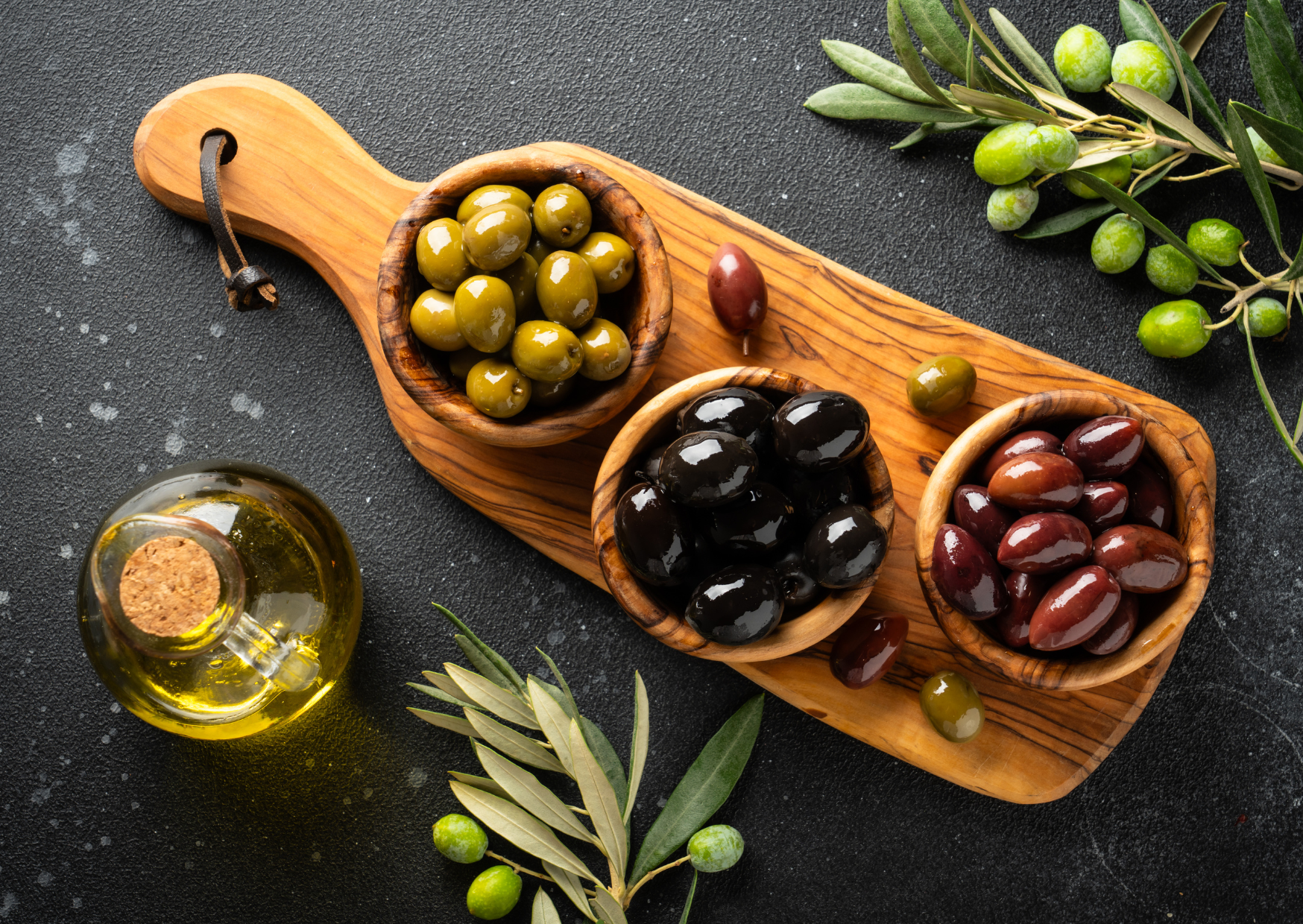
One spoon. One country. One ritual. Sixty days. Dramatic bloodwork. Case closed.
The problem is that the science is not that neat. Extra virgin olive oil does have a credible evidence base behind it. Reviews and meta-analyses still support beneficial effects on some inflammatory and cardiometabolic markers, especially inside Mediterranean-style eating patterns. But “cut in half in 60 days” is too clean as a general claim. Which marker? Compared with what baseline? What else changed at the same time? Was it CRP, IL-6, or something else entirely? The results vary by marker, oil type, dose, and the rest of the diet.
That does not make the olive-oil story fake.
It makes it more useful.
Because the real lesson is stronger than the fake one. Extra virgin olive oil can help. Higher-polyphenol oil may help more. What it replaces matters more than what time you swallow it. And if your “Greek olive oil ritual” sits on top of a bad food pattern, it will not rescue much.
The honest version is not “drink a shot every morning and watch inflammation collapse.”
It is this: for sixty days, use real extra virgin olive oil to displace worse fats and worse meals, and you may see meaningful improvement in some inflammatory markers, especially if your baseline diet was doing a lot of damage.
Our Title Might Be Too Dramatic, But The Pattern Is Real
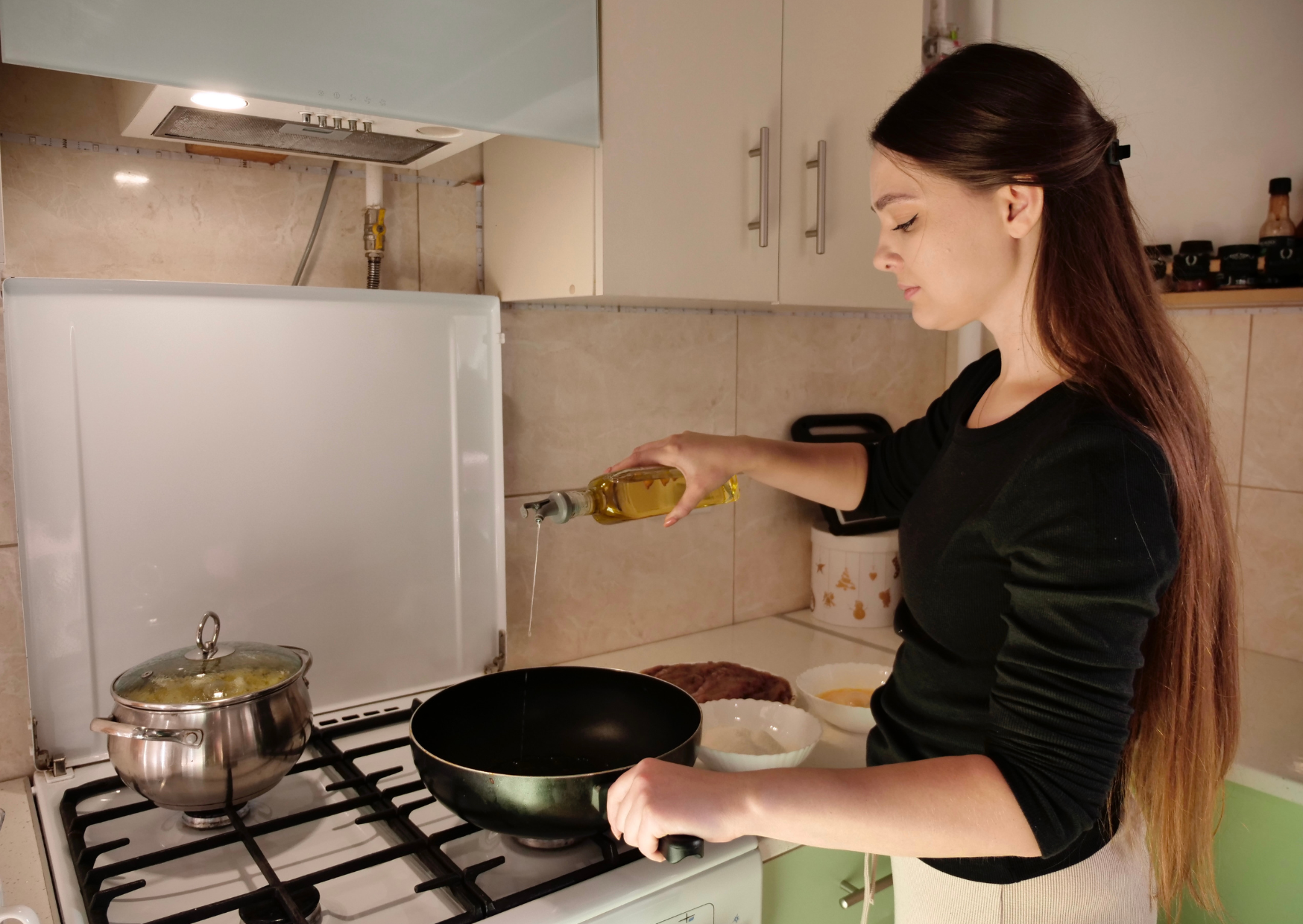
People love a food headline with a medical feel.
It sounds efficient. It lets them believe their kitchen contains a loophole.
But inflammation is not one single number waiting to be crushed by a breakfast ritual. CRP is not the same as hs-CRP. IL-6 is not the same as TNF-alpha. Some reviews show olive-oil-supported Mediterranean diets reduce CRP or hs-CRP and IL-6, while effects on TNF-alpha and other markers are less consistent. That is exactly why the “cut in half” phrasing is too broad.
There is also the issue of context.
If somebody starts taking Greek extra virgin olive oil every morning and, at the same time, stops eating packaged breakfast junk, cuts down ultra-processed snacks, cooks more at home, and loses a few kilos, then the oil is part of a bigger change. It is not working alone. And in real life, that is fine. Food usually does its best work in groups.
This matters because wellness culture keeps selling isolation. One oil. One berry. One seed. One challenge. One detox.
Mediterranean eating does not work like that. Greek olive oil matters because it lives inside a pattern that already leans anti-inflammatory: more legumes, more vegetables, more fish, more simple meals, fewer ultra-processed calories, and a much stronger habit of using oil as part of real food instead of as a supplement cosplay.
So yes, the headline is too clean.
The broader direction is still worth stealing.
Greek Olive Oil Works Better In Food Than In A Shot Glass
This is the first correction most people need.
The internet loves the image of a morning shot of olive oil. It feels medicinal. Disciplined. Ancient.
But the stronger evidence is about total daily intake and food pattern, not a ceremonial swallow before coffee. Reviews focus on olive oil consumption in the context of diet, cardiovascular markers, endothelial function, and inflammatory biomarkers over time. They do not suggest that 8:00 a.m. is when the magic happens.
That is good news because it makes the habit easier and more realistic.
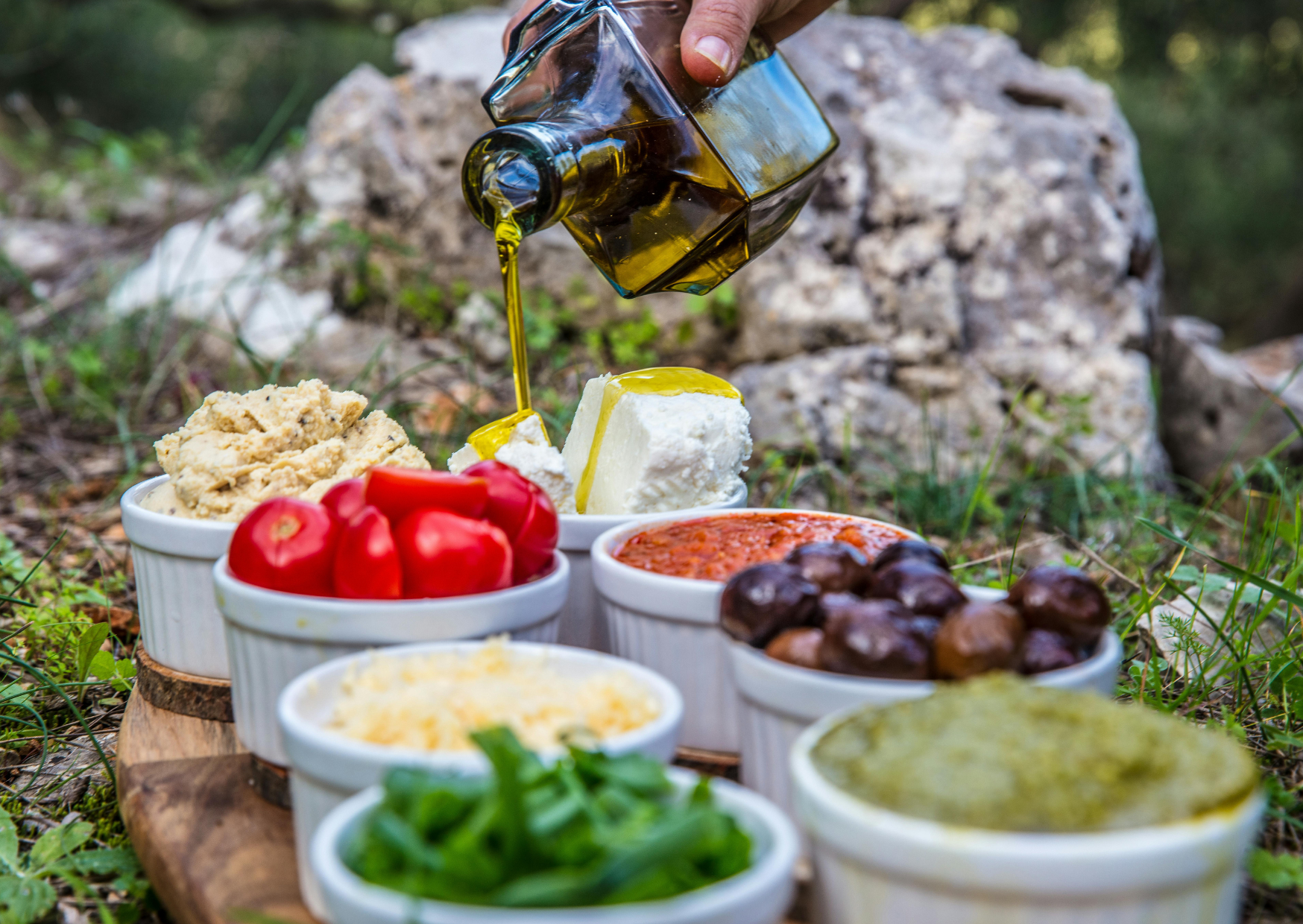
Use the oil on eggs and tomatoes. On lentils. On chickpeas. On grilled fish. On yogurt with cucumber and herbs. On bread with crushed tomato. On salad that would otherwise feel like punishment. On cooked greens that need help. That is closer to the Greek advantage than swallowing a tablespoon on an empty stomach and then spending the rest of the day eating like an airport terminal.
The Greek pattern matters because the oil improves the meals around it.
It makes vegetables easier to want. It makes beans feel like lunch instead of duty. It makes fish less dry, salads less grim, and simple food more repeatable. That is a huge deal in real life because the most anti-inflammatory diet is not the most virtuous one. It is the one you will actually keep eating on a Wednesday when you are tired.
This is where Americans often get the whole Mediterranean thing wrong.
They turn a food into a ritual when they should be turning it into a replacement.
What The Research Actually Says
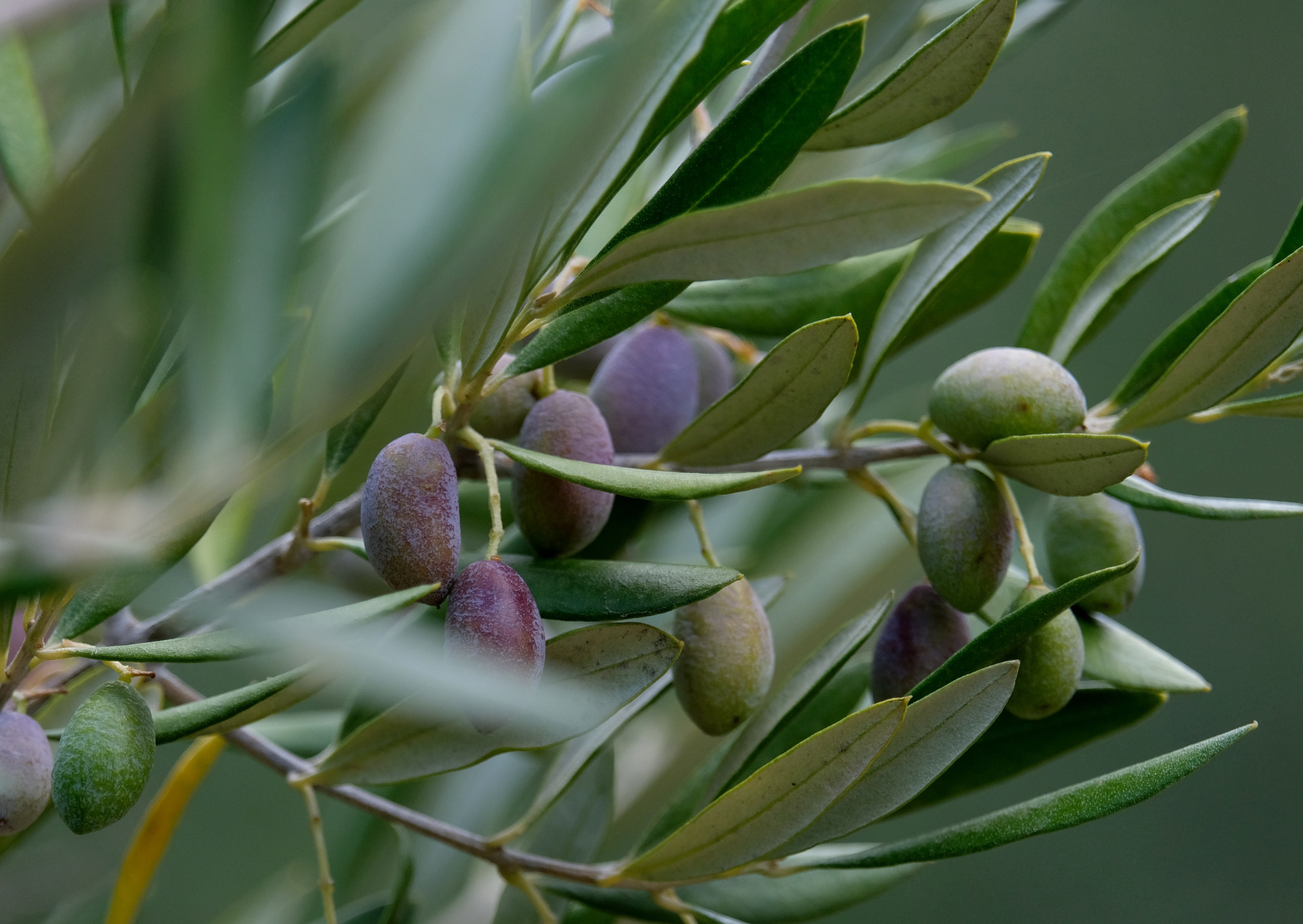
Here is the blunt version.
The research is good enough to take extra virgin olive oil seriously. It is not good enough to promise that everyone will slash inflammation markers in sixty days with a morning spoonful.
A 2025 systematic review and meta-analysis on Mediterranean diets supplemented with olive oils found significant anti-inflammatory effects overall, with reductions in IL-6 and CRP or hs-CRP, while other markers such as TNF-alpha, MCP-1, and IFN-gamma did not show clear benefits. That is a meaningful signal, but it is not a universal miracle.
An earlier meta-analysis also found that olive-oil interventions may improve markers of inflammation and endothelial function. Again, useful, real, not magical.
More recent reviews have also focused on phenolic compounds in extra virgin olive oil, including hydroxytyrosol, oleuropein, and oleocanthal, because those compounds are thought to drive much of the anti-inflammatory and antioxidant action people are actually paying for when they buy quality oil.
And then comes the part people conveniently skip.
Not every study shows a dramatic benefit. Some trials are mixed. Some show no meaningful change in certain inflammatory markers, particularly when refined olive oil is used or when the surrounding diet does not improve much. A 2025 review discussing MASLD literature noted conflicting findings and cited eight-week supplementation research with no significant changes in inflammatory markers in some settings.
That does not weaken the case for extra virgin olive oil.
It just drags it back into reality.
Extra Virgin Matters More Than “Greek” As A Label
This is another place where the internet prefers romance over mechanics.
Greek olive oil has a strong reputation, and not for no reason. Greece remains one of the countries most closely associated with heavy olive oil use inside a Mediterranean food pattern. That cultural pattern matters. But the useful health distinction is usually not nationality by itself. It is extra virgin, freshness, and polyphenol content.
A mediocre bottle marketed with Greek imagery is not automatically doing the job people imagine.
A real extra virgin olive oil with strong phenolic content is much closer to what the evidence is actually about. The newer literature keeps circling back to this point. The phenolic compounds in extra virgin olive oil appear central to the antioxidant and anti-inflammatory effects that make EVOO different from more refined oils.
That is why buying rules matter here.
Not because food people enjoy sounding superior, but because a flat, tired, low-quality bottle is not the same as a peppery, bitter, fresh EVOO with a serious phenolic load. If you are doing this for health, “olive oil” is too vague. The evidence leans hardest toward extra virgin, not generic olive-colored liquid.
So yes, Greek can be a good sign.
But it is not the whole point.
The useful thing to chase is quality.
The Real Win Is The Swap, Not The Spoon
This is the heart of the whole article.
Olive oil helps most when it replaces something worse.
That sounds obvious, but people keep missing it because “add this” is easier to market than “replace that.”
If extra virgin olive oil replaces butter-heavy toast, packaged breakfast pastries, bottled creamy dressings, fried snack calories, or low-quality processed fats, then the inflammatory picture of the day improves. If it just gets added on top of a junk-heavy pattern, then you may get some benefit, but you are also just layering good calories onto bad structure.
This is why Mediterranean-pattern research looks stronger than isolated-food hype.
The oil is not floating in space. It is sitting on tomatoes, beans, greens, fish, bread, yogurt, and meals with fewer ultra-processed interruptions. That broader pattern is associated with lower inflammation and better cardiovascular risk profiles, which is exactly why olive oil keeps showing up as a key ingredient rather than a lone hero.
American food culture does the opposite.
It tries to extract one food from a healthy pattern, sell it as a ritual, and then leave the rest of the damage intact. That is how people end up taking a tablespoon of expensive oil and then eating a sandwich bar, protein cookies, and takeout later. The oil is still a better fat choice than a lot of alternatives. It is just not enough to undo a whole day of edible nonsense.
So the adult version is simple.
Use the oil to change the day, not decorate the day.
Sixty Days Is Enough To See Direction
Can sixty days be enough to improve some markers?
Yes, sometimes.
Several intervention studies and reviews include time frames in the range of a few weeks to a few months, and the literature does report measurable changes in some inflammatory or cardiometabolic markers over those spans. The 2025 meta-analysis specifically noted subgroup patterns where shorter intervention durations could still show IL-6 improvements.
That means two months is not pointless.
It is long enough to notice direction, especially if the starting point is ugly and the overall diet improves.
But sixty days is also short enough that you can fool yourself about cause and effect. If you sleep better, walk more, drink less alcohol, lose some abdominal fat, and cut ultra-processed food during the same period, your bloodwork may improve because the whole system improved. Again, that is not a problem. It is just a reminder not to worship the spoon.
This is why “cut in half” is the wrong way to think about it.
The better question is whether sixty days of consistent extra virgin olive oil use inside better meals can move inflammation in the right direction.
That answer is yes, plausibly, for some people.
And that is already plenty useful.
What Americans Usually Copy Wrong
They copy the ritual.
They skip the meal.
That is the mistake.
They hear that Greeks use olive oil generously, so they buy a good bottle and start treating it like a supplement shot. But they do not start eating beans. They do not start making real lunches. They do not start cooking vegetables. They do not start replacing packaged snacks with food that actually has a structure.
Then they decide the Mediterranean thing is overrated.
No. Their version was overrated.
The Greek pattern is not “oil first thing in the morning.” It is more like this:
- real extra virgin olive oil
- used often
- with plant-heavy meals
- alongside legumes, fish, yogurt, bread, vegetables, fruit
- inside a lower-ultra-processed pattern
That is why it works better than the American copy. The oil is supporting a whole food rhythm, not starring in a solo performance.
Americans also tend to ignore the most important food question in the room: what did the olive oil replace?
If the answer is “nothing,” then the whole plan gets weaker.
The Foods Olive Oil Helps You Eat Matter More Than The Oil By Itself
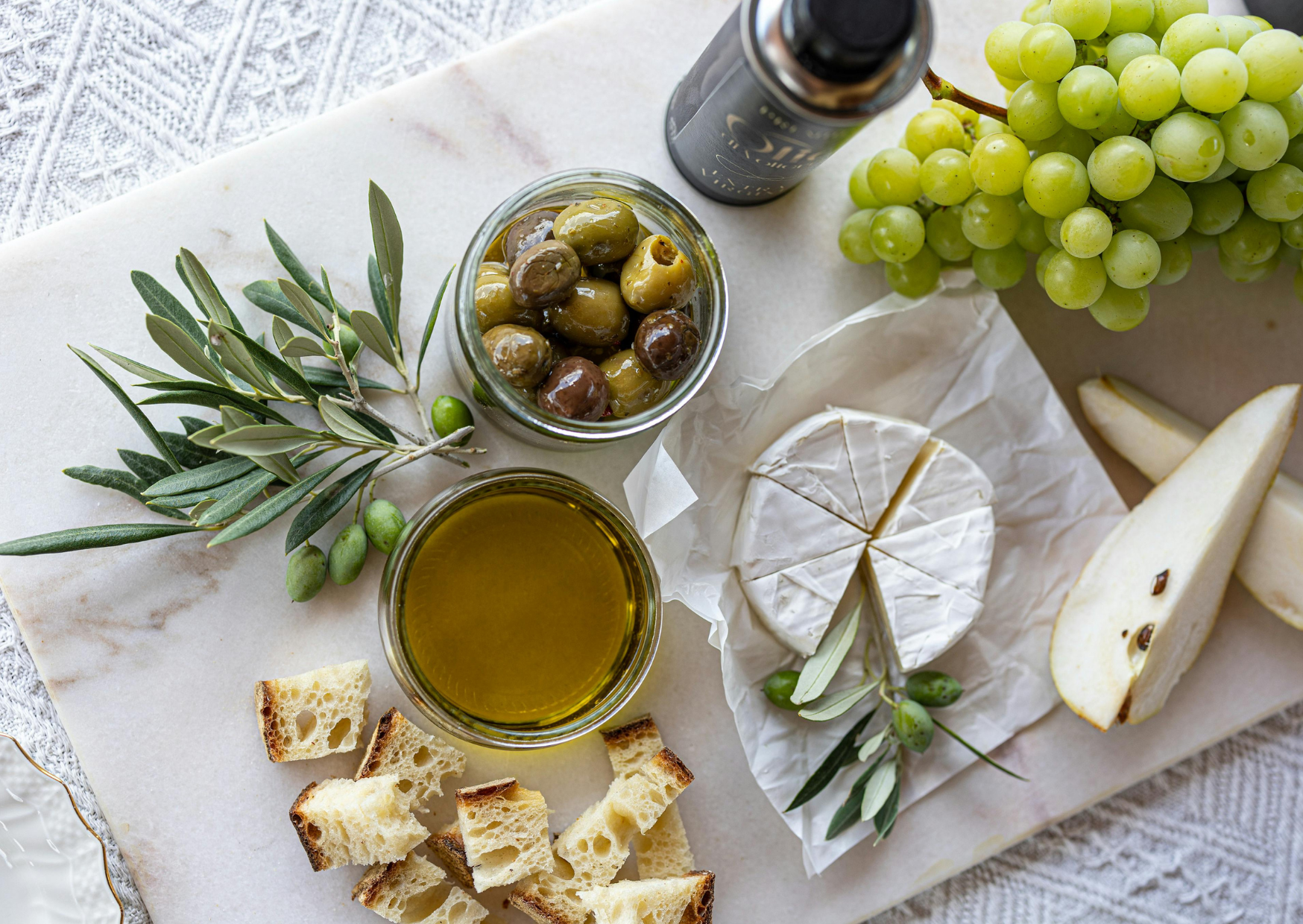
This is the practical reason olive oil is such a useful tool.
It helps normal food win.
It helps eggs become lunch instead of “not enough.”
It helps lentils become dinner instead of a worthy idea you never repeat.
It helps tomatoes, cucumbers, onions, greens, and chickpeas become something satisfying instead of a sad low-calorie performance.
It helps sardines and bread feel like a meal.
It helps yogurt move into savory territory with herbs and cucumber.
It helps roasted vegetables taste like food rather than obligation.
That matters because the anti-inflammatory win usually comes from making better meals easier, not from making better rituals prettier. Reviews of EVOO’s cardiovascular and metabolic effects keep describing benefit in relation to broader disease-risk patterns, not isolated ceremonial use.
This is where Greek olive oil deserves credit.
Not because it is magic.
Because it is one of the few foods that can make an anti-inflammatory meal both healthier and more repeatable at the same time.
That combination is rare.
What To Buy If You’re Serious About This
Do not overcomplicate it.
Buy real extra virgin olive oil.
Look for a bottle that tastes alive. Peppery at the back of the throat is usually a good sign. Bitterness is not a defect in this context. Flat and sleepy is worse than lively and slightly aggressive. The evidence emphasis on phenolic compounds is exactly why a stronger oil often makes more sense here.
Use it generously enough that it actually changes what you eat.
Store it away from light and heat.
Do not buy a tiny expensive bottle and then use it like cologne.
And do not confuse a heavily refined olive product or vague “olive oil blend” with the kind of EVOO the research is mostly talking about.
The point is not perfection.
The point is buying something that actually belongs in the evidence category you are trying to imitate.
Your First 7 Days If You Want The Real Effect
Do not start with a tablespoon on an empty stomach.
Start with your worst food habits.
Day one, replace one processed breakfast with actual food. Eggs, tomato, bread, yogurt, fruit, beans, and olive oil. Not all of that at once. Just enough to stop the sugary packaged cycle.
Day two, build a lunch around olive oil and something plant-heavy. Lentils, chickpeas, white beans, tuna, sardines, tomatoes, greens. The oil should make the meal easier to want.
Day three, remove one bottled fake-health product that is quietly making the day worse. Sugary coffee creamer, sweet “protein” snacks, processed dressings, packaged breakfast bars. Pick the item you use most often.
Day four, cook one dinner where olive oil replaces convenience. Fish and potatoes. Beans and greens. Roasted vegetables and yogurt. Bread, tomato, olive oil, and eggs. Simple beats performative.
Day five, stop obsessing over morning timing. Use the oil where it solves the hardest food decision of your day.
Day six, watch total calories. Olive oil is a better fat choice, but it is still energy-dense. “Healthy” becomes “too much” very easily when nothing gets replaced.
Day seven, look at the bigger inflammation drivers too. Sleep. Alcohol. Waist size. Ultra-processed food. Walking. Stress. The bottle matters. The rest still matters more.
That is the week that gets you out of wellness theater and into real change.
So Did Greek Olive Oil Cut Inflammation Markers In Half
As a general claim, no.
That is too neat, too broad, and too dependent on the exact marker and the exact person. The research supports beneficial effects on some inflammatory markers, especially CRP or hs-CRP and IL-6 in certain settings, but not a universal dramatic halving across the board.
As a practical health move, though, extra virgin olive oil is one of the better bets in the food world.
Not because it performs miracles.
Because it has a serious evidence trail, because higher-polyphenol EVOO appears meaningfully different from weaker oils, and because it makes anti-inflammatory eating much easier to sustain.
That is the version worth keeping.
Greek olive oil every morning is not a cure.
Greek extra virgin olive oil replacing worse fats and helping you eat more vegetables, legumes, fish, and real meals for sixty days is a much stronger story.
Less sexy.
Far more believable.

About the Author: Ruben, co-founder of Gamintraveler.com since 2014, is a seasoned traveler from Spain who has explored over 100 countries since 2009. Known for his extensive travel adventures across South America, Europe, the US, Australia, New Zealand, Asia, and Africa, Ruben combines his passion for adventurous yet sustainable living with his love for cycling, highlighted by his remarkable 5-month bicycle journey from Spain to Norway. He currently resides in Spain, where he continues sharing his travel experiences with his partner, Rachel, and their son, Han.