
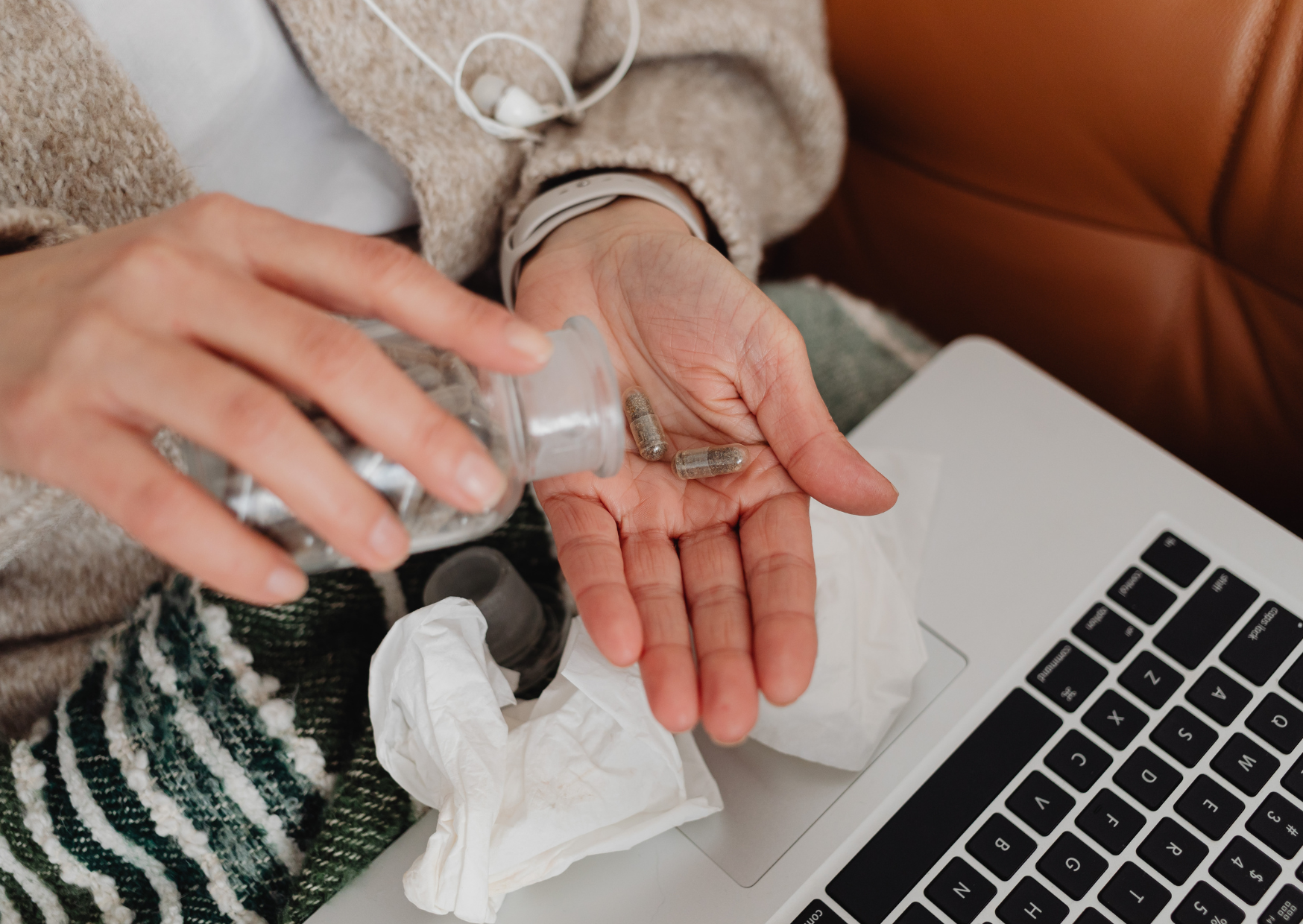
A lot of Americans treat heartburn like weather.
It shows up, they swallow something, and they carry on with the same dinner, same couch, same bedtime, same nightly acid fight. The pill becomes part of the furniture.
That setup is convenient. It is also a very American way to manage reflux. Fix the symptom, keep the structure, and hope the structure stops mattering. It usually does not. Reflux guidance keeps coming back to the same plain advice: large meals, late meals, lying down after eating, excess weight, smoking, alcohol, and certain trigger foods all make symptoms worse for many people.
Spain did not cure heartburn. Spanish meal timing is not a miracle. A late, heavy dinner followed by bed can absolutely make reflux worse, whether it happens in Madrid, Miami, or Manchester. NHS guidance says not to eat within 3 to 4 hours before bed, and Mayo Clinic advises waiting at least three hours after eating before lying down.
But Spain does get one big thing right that many Americans get badly wrong. In the stronger version of the Spanish pattern, lunch does the heavy lifting, dinner is lighter, and there is more upright time after the biggest meal of the day. That changes a lot.
That is the part worth stealing.
The American Heartburn Routine Is Built Backward

Look at how a lot of Americans actually eat.
Coffee first. Maybe on an empty stomach. Then a weak breakfast or no breakfast. A rushed lunch. Something grabbed between tasks. Then by evening the whole day collapses into one giant meal, maybe with drinks, dessert, and another snack later because sitting in front of a screen somehow makes people hungry again. That is not unusual. It is almost the national format.
And it is a great way to keep reflux alive.
Medical advice on reflux is boring because boring is what works. Eat more slowly. Avoid large meals. Do not lie down after eating. Do not keep pushing food close to bedtime. Maintain a healthy weight if you can. Watch the foods that reliably trigger symptoms for you. None of this sounds revolutionary because it is not. It is just very hard to do inside a culture that treats dinner as the emotional reward for surviving the day.
That is why the American routine causes so much trouble. It stacks the biggest volume of food into the least forgiving hours. Then people recline.
Acid does not care whether the dessert felt deserved.
A lot of Americans also live in a constant snack loop that makes the stomach work late and often. Crackers in the car. Chocolate at four. Wine at six-thirty. Dinner at eight. Dessert at nine. Chips at ten. Then an antacid. That is not one meal causing a problem. That is a whole day refusing to end.
Spanish timing, used properly, can interrupt that.
The Useful Part Of Spain Is Not The Clock. It Is The Meal Distribution.
People outside Spain obsess over the hour on the clock.
They hear that lunch is often around 2:00 to 3:30 p.m. and dinner may come later than in the U.S., and they either romanticize it or dismiss it. Both reactions miss the point.
The point is not “eat at 10:00 p.m. and become Mediterranean.” The point is that in many Spanish routines, the bigger, more complete meal lands much earlier in the day than it does for Americans. That gives the body more time upright after the heaviest intake. It also often reduces the need for a giant evening calorie dump.
Even patient guidance from UK hospitals now says reflux can improve when people stop starving through the day and then eating a big meal, eat less in the evening, avoid eating on the run, and remain upright after meals.
That is basically the practical version of what Spain gets right.
A proper lunch at 2:30 p.m. with fish, vegetables, potatoes or rice, bread, maybe fruit, and then hours of normal life afterward is a very different reflux setup from a weak lunch and a massive 8:30 p.m. dinner. The first pattern gives gravity a chance to help. The second pattern turns bedtime into a digestive ambush.
This is why some people feel better with Spanish-style meal timing. Not because “Spanish hours” are medicinal, but because the day stops bottling calories until night.
That is a big difference.
Lunch Is The Part Americans Underestimate

This is the real hinge of the article.
In the U.S., lunch is often treated like an inconvenience. Something fast. Something portable. Something you can answer email over. Something thin enough that you stay “productive,” then mysteriously end up ravenous later.
That is not a good reflux plan.
It is also not a good appetite-regulation plan.
When lunch is too small or too chaotic, dinner gets promoted into a rescue mission. People eat faster, eat more, drink more, and stop later. Then they wonder why the burning starts when they lie down.
A bigger lunch changes the whole slope of the day. It lowers the odds that dinner becomes a blowout. It also lines up the heaviest digestion with the hours when people are naturally upright and moving. Even Mayo Clinic’s practical advice now includes saving the biggest meal for lunchtime as one of the ways to reduce reflux symptoms.
That line matters.
It means this is not just Mediterranean folklore. It is consistent with mainstream reflux advice.
A good Spanish-style lunch also tends to be calmer. Sit down. Real plate. Actual beginning and end. Not a standing sandwich plus office stress plus a sweet drink plus another snack at three. Reflux often gets worse when eating becomes rushed, distracted, and oversized later in the day. NHS digestive guidance also tells people not to rush food, not to overeat, to eat regularly, and to avoid a big meal just before bed.
So yes, lunch matters more than most Americans think.
Probably a lot more.
The Spanish Dinner That Helps Reflux Is Smaller Than Tourists Think
This is where people get confused.
They picture tapas, fried things, wine, and a crowded dinner table at 10:30 p.m. Then they assume Spanish eating must be a reflux nightmare. That can be true if you copy the tourist version, or if you copy only the late hour and not the rest of the structure.
But the dinner that tends to work better for reflux is lighter. Soup. Tortilla. Fish. Vegetables. Yogurt. Fruit. A small bocadillo. Maybe leftovers. Something that closes the day instead of staging a final assault.
Hospital guidance for reflux patients often says the same thing in plain language: eat smaller meals, eat less in the evening, avoid heavy meals, and stay upright after eating.
That is not anti-Spanish. It is actually the useful Spanish version.
The American problem is that dinner often has to serve too many jobs at once. It is the main meal, the comfort event, the social event, the reward, and sometimes the excuse to drink more. That makes it huge.
Then comes the couch.
Then the acid.
A lighter dinner does not feel glamorous. But it is often what separates “Spanish timing helps me” from “Spanish timing wrecked my sleep.”
And the bedtime spacing still matters. If someone eats at 9:30 p.m. and goes to bed at 10:45 p.m., the late dinner is still late. The clock alone does not fix physics. Mayo Clinic and the NHS both warn against lying down too soon after eating, with guidance in the two- to four-hour range depending on the source and symptom pattern.
That is the adult version of this topic.
Not vibes. Spacing.
Why Pills Stay Forever In The American System
This is the part that deserves more honesty.
PPIs work. For many people, they work very well. The American College of Gastroenterology identifies proton pump inhibitors as the main prescription medications for GERD, and they are widely used because they reduce acid production effectively.
The problem is not that PPIs exist.
The problem is that they often become permanent background medication without anyone rechecking whether the original pattern still justifies them, or whether the person is using them to compensate for a daily structure that keeps recreating symptoms.
That is exactly why the American Gastroenterological Association issued a de-prescribing update. Their advice is not “everyone should stop PPIs.” Their advice is more careful. People without a clear ongoing indication should have the reason for taking a PPI reviewed. Many people on twice-daily dosing should be stepped down to once daily if possible. And people should not stop merely because of fear around long-term side effects if they still have a strong indication.
That is a much better frame.
Not pills bad. Structure first.
A lot of Americans are taking a serious acid suppressant while still eating too late, too much, too fast, and then reclining. That is not medication failure. That is a structural mismatch. The pill is doing its job. The routine is undoing part of the benefit.
This is why some people feel dramatically better when they change meal timing and meal size. They are not discovering an ancient Spanish cure. They are finally removing part of the nightly reflux setup.
Who Should Not Freelance This
This needs to be said plainly.
Not everyone with reflux should decide they are now a Spanish lunch person and stop medication on their own.
The AGA de-prescribing update is very clear that some people should generally stay on long-term PPIs. That includes people with severe erosive esophagitis, esophageal ulcer, or peptic stricture. It also includes people with Barrett’s esophagus, eosinophilic esophagitis, or idiopathic pulmonary fibrosis, and often people at high risk of upper GI bleeding.
That is not a niche warning. It is the line between routine reflux self-management and a real medical condition that needs a long-term plan.
There are also alarm symptoms that should move someone out of “lifestyle experiment” territory fast. Difficulty swallowing, bleeding, vomiting, anemia, unexplained weight loss, chest pain, or symptoms that keep breaking through despite treatment are not cues to read one more article about meal timing. They are cues to get evaluated. Mayo Clinic and NHS guidance both flag warning symptoms and situations where medical review matters.
So yes, many people with uncomplicated reflux may be able to use less medication if the routine improves. But “may” is the important word.
This is not a masculinity test. It is not a wellness flex. It is symptom management with guardrails.
Why Spanish Eating Often Feels Easier On The Stomach Even Beyond The Timing

Timing is the big lever, but it is not the only one.
Spanish meal culture often does a few other things that help. People sit down more. They eat more slowly. They are less likely to bolt a giant meal in twelve minutes while multitasking. They often walk afterward, even casually. They are also less likely to treat every emotional dip or errand as an invitation to snack.
Reflux advice lines up with that too. Mayo Clinic recommends eating food slowly and chewing thoroughly. NHS digestive guidance says not to rush food, to eat regularly, and to avoid overeating. Sussex NHS advice also tells patients not to eat on the run, to sit upright when eating, and not to slump after meals.
Those are small habits, but they add up.
American routines often make all of this worse. The meal is late. It is fast. It is large. It may come with alcohol. It is followed by slumping. Then people act surprised that the esophagus objects.
This is where Spain can feel almost medicinal without actually being medicine. The daily rhythm builds in more of the things reflux patients are already told to do: bigger midday eating, less random grazing, slower meals, and more time upright after food.
That does not mean every Spanish food is reflux-friendly. Coffee is still coffee. Wine is still wine. Fried croquetas at midnight are still fried croquetas at midnight. Trigger foods remain individual, and Mayo Clinic and NHS both note that fatty, spicy, acidic, caffeinated, alcoholic, or fizzy items can provoke symptoms in some people.
But once timing and volume are fixed, those food-level triggers often become easier to read.
What Americans Usually Copy Wrong
They copy the hour.
They do not copy the structure.
That is the mistake.
Someone hears that Spaniards eat dinner late, so they push dinner to 9:30 p.m. But they keep the same huge portion, the same dessert, the same wine, the same bedtime, and the same couch. Then they say Spanish eating made reflux worse.
Of course it did.
The useful Spanish version looks more like this:
- real lunch
- lighter dinner
- less evening grazing
- more time upright after food
- slower meals
- less eating in the car or over a keyboard
That is the transferable part.
Not the performance of being “European.” Not buying anchovies. Not starting dinner at the same hour as people in Seville while still going to bed like someone in Ohio.
Americans also underestimate how much the body likes regularity. NHS guidance says to eat regularly and try not to skip meals. That matters because a day built around under-eating and then over-eating is rough on reflux and rough on appetite control.
A lot of heartburn in the U.S. is not mysterious. It is scheduled.
The First 7 Days You Stop Feeding The Fire
Do not start with supplements.
Do not start with imported olive oil.
Start with the daily mechanics.
Day one, make lunch the biggest meal. Not absurdly big. Just clearly bigger than dinner. Use real food and enough volume that evening does not turn into compensation.
Day two, cut dinner by about a third. Soup, eggs, fish, vegetables, yogurt, toast, leftovers. Dinner should close the day, not attack it.
Day three, leave at least three hours between dinner and lying down. Mayo Clinic says at least three hours. NHS says 3 to 4 hours before bed. That spacing matters more than most people think.
Day four, walk for 10 to 20 minutes after lunch or dinner. Nothing heroic. Just upright time with purpose.
Day five, stop the random evening hand-to-mouth loop. No handfuls from bags. No “healthy” snack at 9:45 because television somehow created hunger. Give the stomach an endpoint.
Day six, eat sitting up and eat more slowly. Chew. Put the fork down occasionally. It sounds childish until it works.
Day seven, review your medication use honestly. Better symptoms do not mean you should abruptly stop prescription treatment on your own. But better symptoms do tell you the structure was part of the problem, and that makes a medication review more intelligent.
That week alone will tell many people more than another refill ever did.
The Real Win Is Not Quitting Pills
This is where American health writing usually gets too dramatic.
The real win is not “I got off medication.”
The real win is “I stopped building every evening like a reflux trap.”
Those are not the same thing.
Some people will still need medication, and that is fine. Some will need less. Some will end up on an as-needed approach after medical review. Some will discover that the pill worked better once dinner stopped trying to overpower it. The AGA’s de-prescribing guidance is built around this exact kind of nuance: use the medication when there is a reason, review the reason periodically, and do not confuse symptom improvement with automatic permission to stop.
Spain is useful here because it points to a better daily structure. Bigger lunch. Smaller dinner. Less grazing. More upright time. Slower meals. More ordinary digestion, less nightly pile-up.
That is not exotic.
It is just smarter than the American pattern that keeps pushing the biggest meal of the day right up against a couch and a mattress.
And for a lot of people with uncomplicated reflux, that boring fix is the one that finally changes the night.

About the Author: Ruben, co-founder of Gamintraveler.com since 2014, is a seasoned traveler from Spain who has explored over 100 countries since 2009. Known for his extensive travel adventures across South America, Europe, the US, Australia, New Zealand, Asia, and Africa, Ruben combines his passion for adventurous yet sustainable living with his love for cycling, highlighted by his remarkable 5-month bicycle journey from Spain to Norway. He currently resides in Spain, where he continues sharing his travel experiences with his partner, Rachel, and their son, Han.