
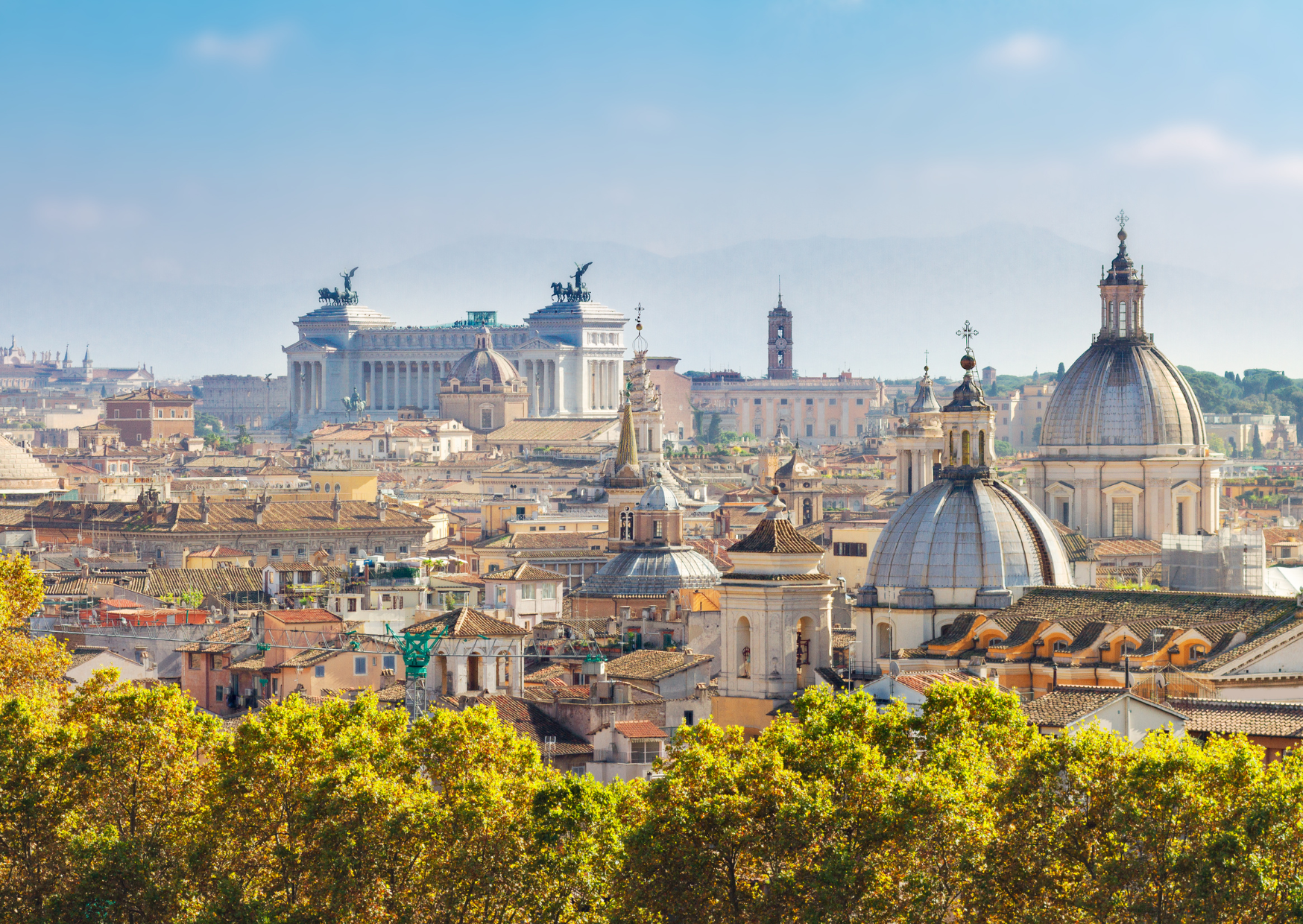
Rome is one of the easiest cities in the world to ruin for yourself.
It is extraordinary, obviously. It is also crowded, expensive, noisy, overbooked, overphotographed, and often experienced by Americans at exactly the wrong speed. People arrive with three days, a panic itinerary, weak shoes, and the strange belief that suffering through lines is the same as understanding Italy.
Then they go home saying Italy was beautiful but exhausting.
That is usually not an Italy problem.
It is a Rome problem, and more specifically, a default-Italy script problem.
If what you actually want is:
- beauty
- food
- walkability
- Italian atmosphere
- history
- memorable daily life
- and a city that still feels like it belongs to the people living there
then Rome is often not the smartest first choice.
And current travel and livability coverage keeps pointing in the same direction. Italy’s 2024 quality-of-life ranking put Bergamo first, while recent travel coverage keeps highlighting cities like Turin, Trieste, and Perugia as strong alternatives to the usual overcrowded circuit.
So no, this is not “Rome is bad.”
It is something more useful:
the Italy most Americans think they want is often better found somewhere else.
Why Rome Is Often The Wrong First Choice
Rome is a city you appreciate more when you are not forcing it to carry your entire Italy fantasy.
That is the issue.
Americans usually want five things from an Italian city:
- great food
- a beautiful center
- enough history to feel transported
- ease of walking
- and the sense that daily life is still visible beneath the tourism
Rome can offer all of that.
It can also bury all of that under:
- transit friction
- queue fatigue
- tourist congestion
- expensive central zones
- and the constant feeling that half your day is being negotiated against crowds
That is why “Skip Rome” is not really an anti-Rome argument. It is a pro-better-fit argument.
For a lot of travelers, especially first-time Americans who say they want “the real Italy,” the better fit is a city that still gives them:
- architecture
- food
- atmosphere
- and local life
without requiring them to fight a capital city every day to enjoy it.
That is where these five cities win.
Turin Is What Adults Pick When They Want A Real City
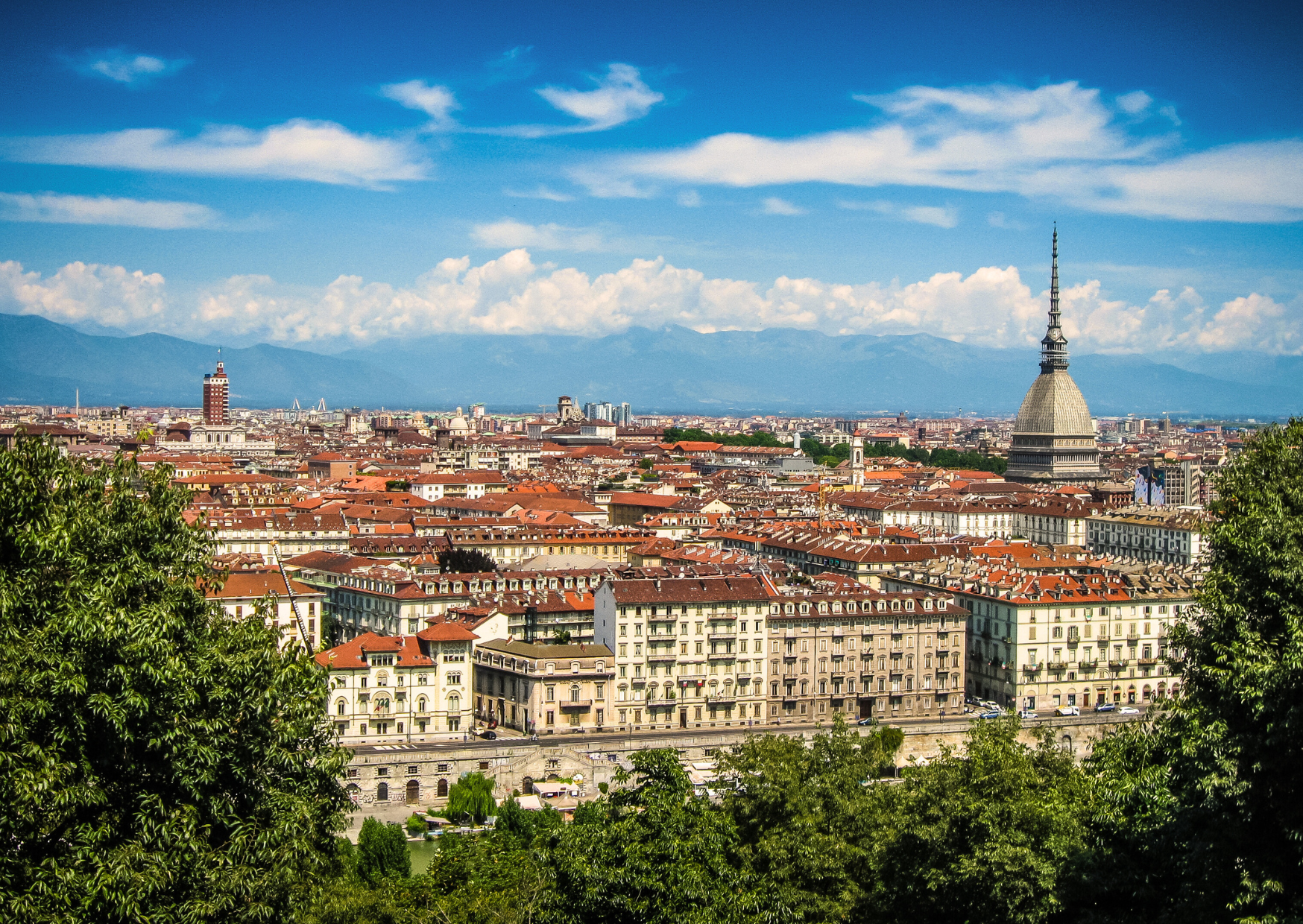
Turin is one of the clearest alternatives because it gives you urban weight without Rome’s chaos.
It has:
- grand architecture
- serious museums
- elegant arcades
- café culture
- aperitivo culture
- and enough historical depth to feel substantial, not just pretty
And unlike Rome, it still often feels like a city where daily life outranks tourism.
Recent travel coverage keeps pushing Turin out of the underrated category and into the “people are finally catching on” category. Condé Nast Traveller’s 2025 feature called it an underrated Italian gem and positioned it as one of the most tasteful city-break choices in Italy. The Telegraph’s 2025 “overlooked corners of Italy” coverage also singled out Turin as a city with far fewer visitors than the obvious big names.
That matters because Turin solves several Rome problems at once:
- it is easier to move through
- the pace is calmer
- the architecture still impresses
- and the city is not trying to survive under the weight of being everybody’s mandatory first stop
If what you want is an Italian city that feels:
- refined
- livable
- cultured
- and not permanently overrun
then Turin is one of the smartest swaps you can make.
It is what people choose when they want Italy without the feeling of being processed through Italy.
Trieste Is Better If You Want Coast, Character, And Less Performance
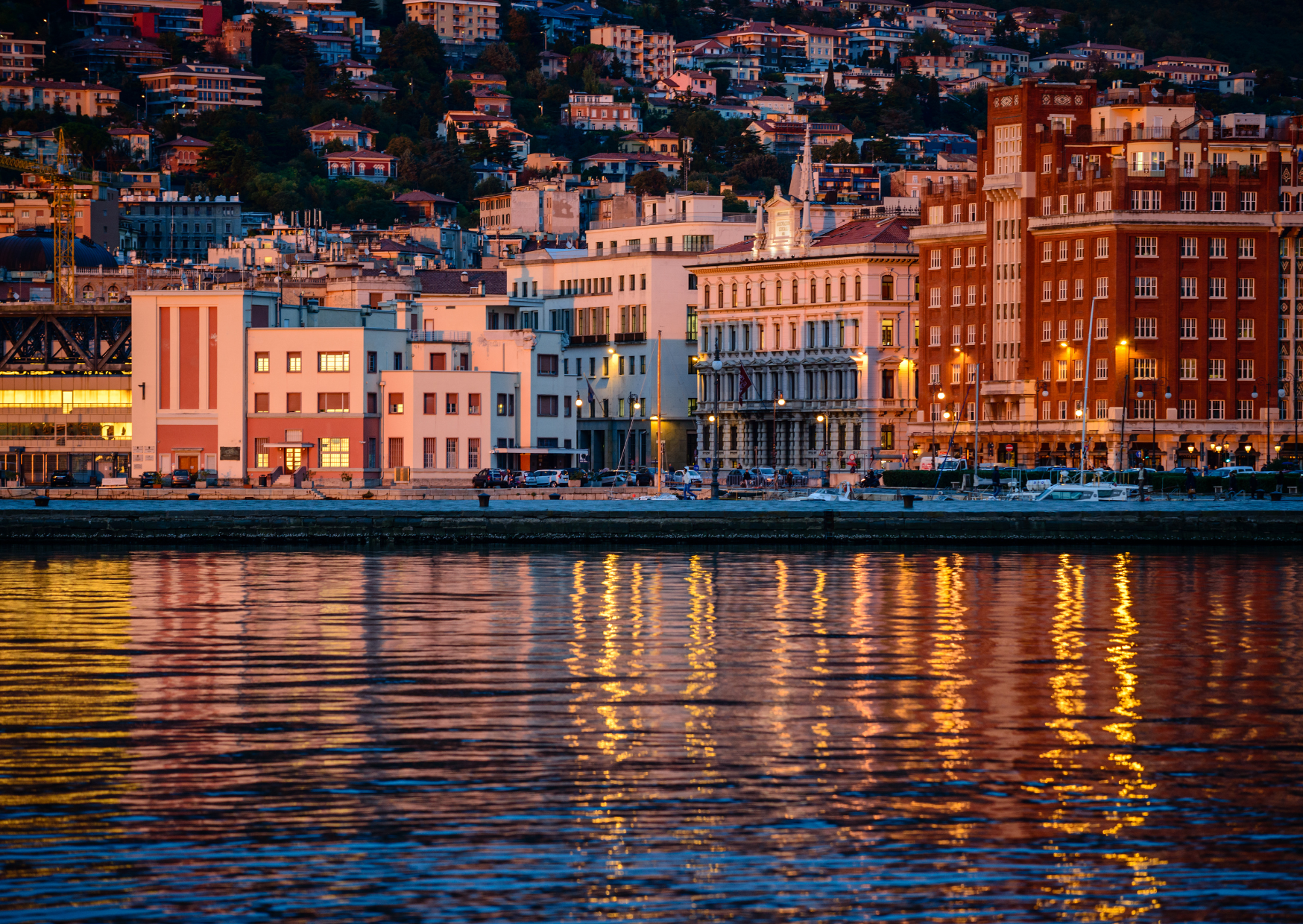
A lot of Americans say they want “something a little different” in Italy, then they still book the same four places.
Trieste is what “different” actually looks like.
It is:
- on the Adriatic
- visibly shaped by Central European history
- more layered than the standard tourist script
- elegant in a quieter, more intelligent way
- and much less burdened by performative tourism than Rome
It also has one of the strongest identity profiles of any Italian city Americans routinely ignore.
The Week’s travel coverage from yesterday listed Trieste among the standout underrated Italian city breaks for people trying to escape the Rome-Florence-Venice churn. It described the city as combining seaside setting, elegant boulevards, museums, and relaxed coastal life. The Telegraph’s 2025 overlooked-Italy feature also grouped Trieste with the kinds of cities that get only a trickle of visitors compared with the default names.
That is exactly why Trieste works.
It gives you:
- sea
- architecture
- cafés
- walking
- and a real city center
without making you feel like you are standing inside a travel cliché.
Rome can feel like a city under constant obligation to be Rome.
Trieste just feels like itself.
That is a major advantage.
Perugia Is The Better Choice If You Think You Want “Historic Italy”
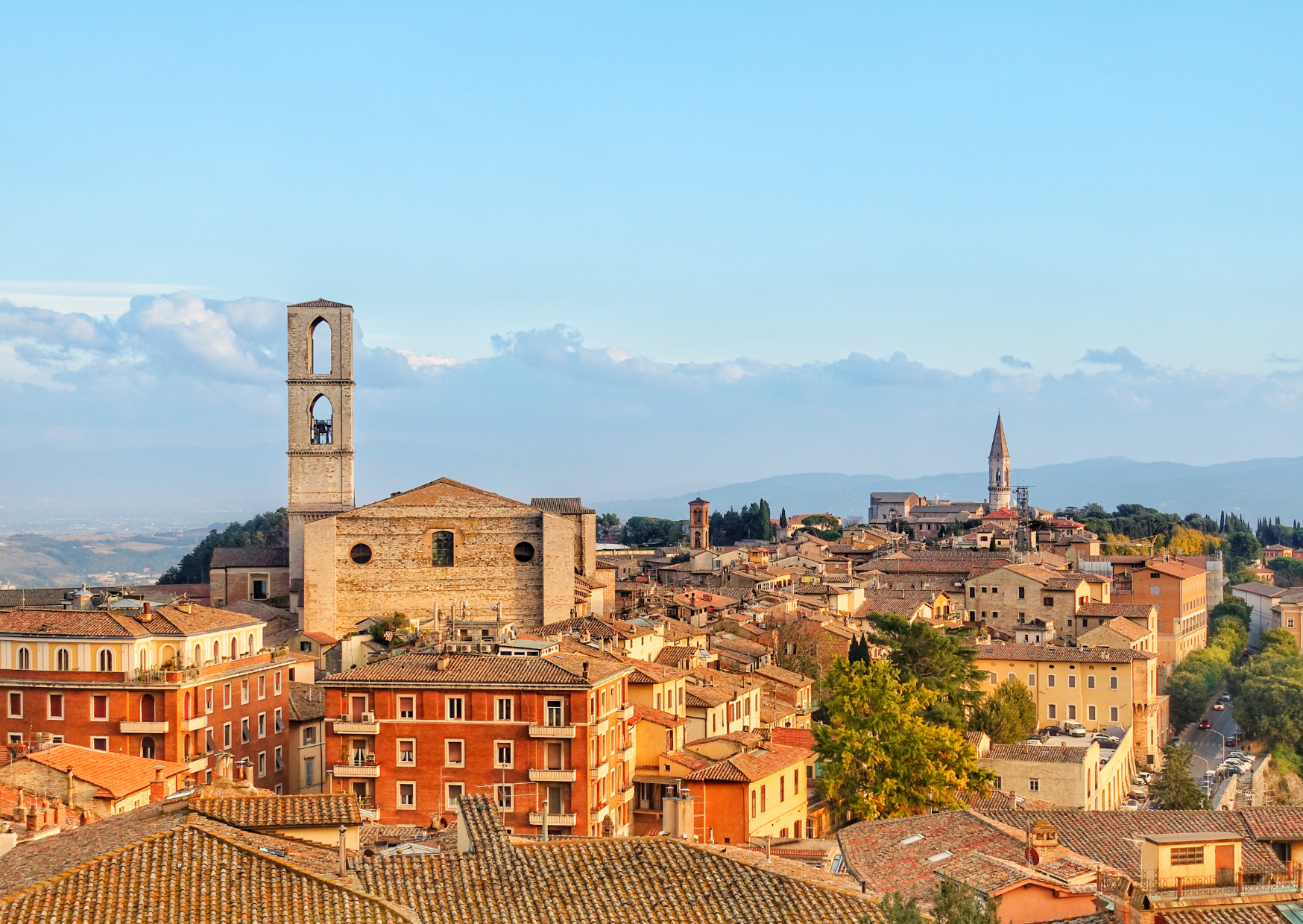
A lot of Americans use Rome as a placeholder for “historic Italian beauty.”
That is usually too blunt.
What they often actually want is:
- medieval or Renaissance atmosphere
- stone streets
- beautiful views
- art and culture
- slower movement
- and a place where the historic center still feels like a place, not a perpetual queue
Perugia can do that far more cleanly.
The Telegraph’s May 2025 feature on Perugia called it an Italian city that remains untouched by the crowds, and noted that Umbria’s landmarks are less crowded than Tuscany’s. That is exactly the right frame. Perugia gives you the part people crave in central Italy without making you pay the full crowd tax of the obvious circuit.
This is where the “Skip Rome” advice becomes practical.
If what you actually want is:
- atmosphere
- architecture
- strong food
- a beautiful center
- and room to breathe
then Perugia often gives you a better daily experience than a first-trip Roman blitz.
It is not “better than Rome” in some absolute sense.
It is often better at delivering the thing many Americans mistakenly book Rome to get.
That is the important distinction.
Bergamo Is What People Pick When They Care About How A City Actually Functions
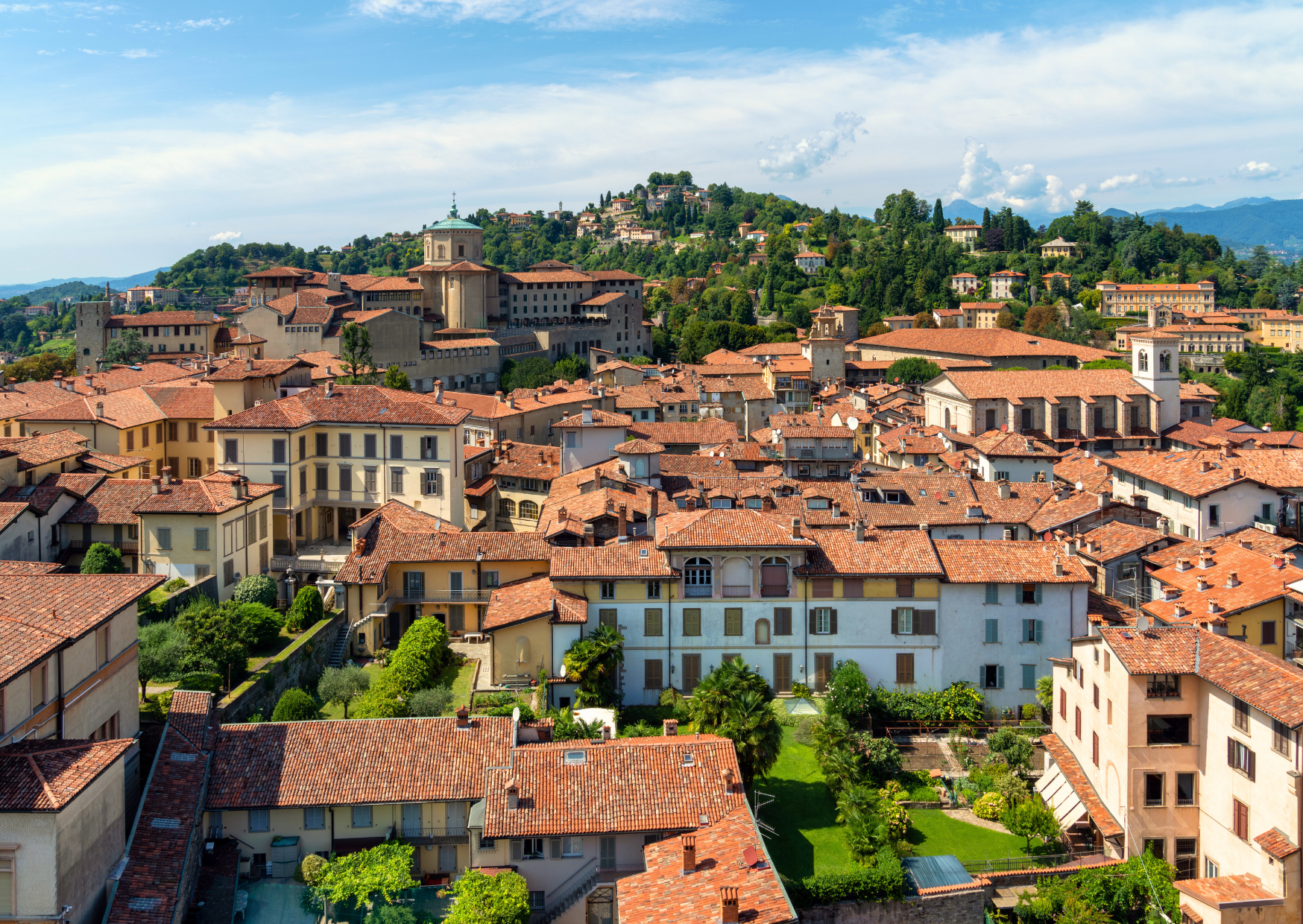
This is where the locals-versus-tourists split becomes obvious.
Tourists often optimize for recognition.
Locals tend to care much more about:
- whether a place works
- whether daily life feels manageable
- whether there is beauty without constant friction
- whether quality is embedded in the ordinary, not just in monuments
That is why Bergamo matters.
In Italy’s 2024 quality-of-life ranking, Bergamo ranked first. That was not a travel-award fluff list. It was a broad quality-of-life ranking from Il Sole 24 Ore summarized by Idealista, and it reflects a city that performs well in the things residents actually live with: services, environment, security, infrastructure, and everyday comfort.
That should make Americans pay attention.
Because a lot of people say they want “an Italian city,” when what they really mean is:
- beauty
- comfort
- order
- food
- and a place that does not make every normal task feel like an event
Bergamo gives you:
- a compelling historic upper town
- a highly functional lower city
- easy access to Milan if needed
- and a much stronger chance that your time there will feel like life, not logistics
Rome has grandeur.
Bergamo has better odds of a sane, enjoyable Tuesday.
That is not as cinematic.
It is often much more satisfying.
Genoa Is The Better Choice If You Want A Port City With Actual Edge
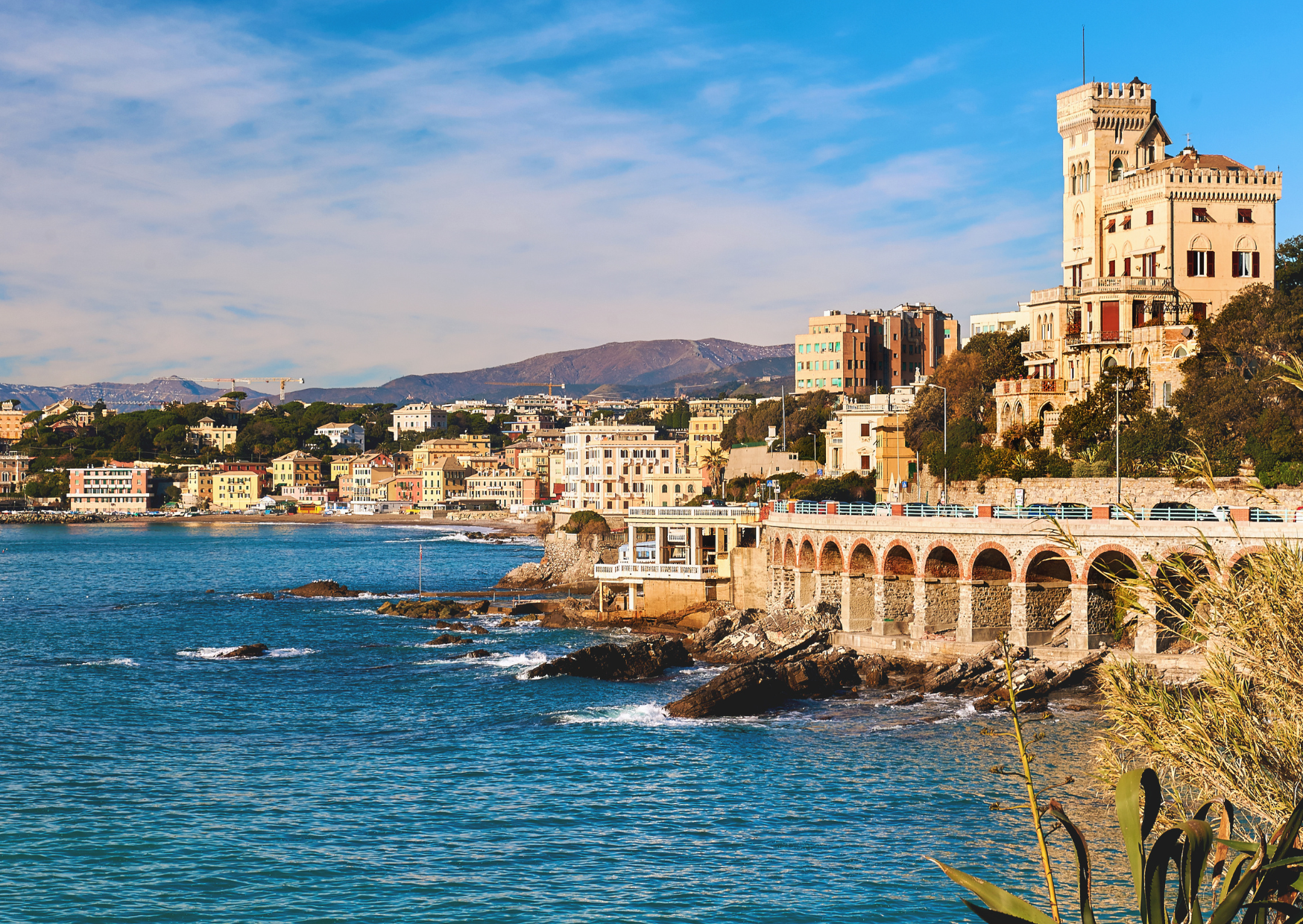
Rome is many things. Edgy is not usually one of them.
If what you want is an Italian city with:
- rough beauty
- layers
- sea air
- density
- serious food
- and a place that feels more lived-in than curated
then Genoa is often the smarter pick.
The Week’s current roundup of underrated Italian cities included Genoa alongside Turin and Trieste, highlighting its medieval alleys, bars, and cultural attractions as a compelling alternative to the big-name circuit.
That is a useful clue, because Genoa is one of those places that does not sell itself in the polished way Rome does. It asks more of you visually and emotionally:
- the streets can feel denser
- the port-city energy is rougher
- the beauty is less obvious on first contact
But that is exactly why people who are tired of over-composed travel experiences often end up preferring it.
Genoa feels:
- less performed
- less flattened for outsiders
- more specific
- and more likely to surprise you than simply confirm what you already expected
A lot of Americans do not actually want “perfect Italy.”
They want interesting Italy.
Genoa is much better at that.
What These Cities Give You That Rome Often Cannot
The point is not that these five cities are universally better.
The point is that they are often better at delivering what people say they want.
What they give you is:
- more breathable daily life
- less crowd exhaustion
- a stronger sense of local ownership
- more manageable scale or calmer rhythm
- fewer logistics dominating the day
- and a better chance of liking the city at 11 a.m., not just at sunset
That is what Rome struggles with for first-timers.
Rome is so overloaded with expectation that many people never actually relax into it. They consume it like an obligation.
These other cities are often easier to absorb:
- Turin for urban elegance
- Trieste for coastal intelligence
- Perugia for historic atmosphere
- Bergamo for beauty plus function
- Genoa for texture and edge
And they all have something else in common:
they still feel like places where the local rhythm has not been completely subordinated to foreign itinerary pressure. That is exactly the trait recent travel and livability coverage keeps rewarding.
That is not a small advantage.
It is usually the difference between a city you photograph and a city you actually enjoy.
The Mistake Americans Keep Making In Italy
They keep trying to solve Italy with fame.
They assume the most famous city must be the best first move.
Then they build their trip around:
- recognition
- prestige
- obligatory sights
- and the fear of “missing” something
That leads straight back to Rome.
But Italy is one of the worst countries in Europe for that strategy, because it has too many cities with:
- serious history
- serious beauty
- serious food
- and much lower tourist saturation than the obvious names
So the normal American mistake is not choosing Rome.
It is choosing Rome when Rome is not actually the best fit for what they want from the trip.
That is a much more expensive mistake.
Because once a city becomes a symbolic obligation, you often spend the entire visit defending the decision instead of enjoying the place.
Your First 7 Days If You Want The Better Italy, Not The Louder Italy
Day 1: Define The Real Goal
Do you want:
- ancient grandeur
- easier daily life
- food
- coast
- lower stress
- a more local rhythm
Most people do not want “Rome.” They want one of those things.
Day 2: Stop Using Fame As A Proxy For Quality
A city being mandatory on the internet does not mean it is the best choice for you.
Day 3: Choose Based On Your Likely Tuesday
Which place would still feel good when you are not staring at a landmark?
That is the city you actually want.
Day 4: Price The Ordinary, Not The Bucket List
Coffee, lunch, transport, rent, the daily walk.
This is where city quality becomes real.
Day 5: Check Crowd Pressure
If the place is famous for being overwhelmed, believe it.
Do not build your whole trip around your own exception fantasy.
Day 6: Pick One City With Strong Local Rhythm
This is where places like Turin, Trieste, Perugia, Bergamo, and Genoa keep winning.
Day 7: Let Italy Be More Specific
Do not ask, “What is the best Italian city?”
Ask:
“What kind of Italian city do I actually want to live inside for a few days?”
That question usually gets you out of Rome and into something better.
The Honest Takeaway
If what you really want is:
- beauty
- food
- atmosphere
- history
- and a city that still feels like itself
then Rome is often not your smartest first move.
The better choices are often:
- Turin
- Trieste
- Perugia
- Bergamo
- Genoa
Not because Rome has become bad.
Because these cities are often better at delivering the version of Italy people say they want:
less crowded, less performative, more livable, and less likely to make you feel like your entire trip is one long public queue.
Rome is incredible.
It is also a lot.
And for a lot of Americans, the better Italy starts the moment they stop assuming the capital is the answer.

About the Author: Ruben, co-founder of Gamintraveler.com since 2014, is a seasoned traveler from Spain who has explored over 100 countries since 2009. Known for his extensive travel adventures across South America, Europe, the US, Australia, New Zealand, Asia, and Africa, Ruben combines his passion for adventurous yet sustainable living with his love for cycling, highlighted by his remarkable 5-month bicycle journey from Spain to Norway. He currently resides in Spain, where he continues sharing his travel experiences with his partner, Rachel, and their son, Han.