

These two islands sit about 80 kilometers apart in the Atlantic Ocean. Same archipelago. Same country. Same general climate. Same visa pathway.
And yet they attract very different people for very different reasons.
The internet treats this comparison like a beauty contest. Which one has the better beach. Which one has the better Instagram sunset. Which one “wins.”
That framing is useless for someone actually planning to live on one of them.
If you are an American retiree considering the Canary Islands, the real question is not which island is prettier. It is which island fits the specific daily life you want to build. Because the differences in cost, infrastructure, social texture, healthcare, terrain, climate micro-zones, and expat community structure are significant enough that picking the wrong one can turn a dream retirement into an expensive correction.
This is the full comparison. Not vibes. Numbers, logistics, and the trade-offs nobody puts in the brochure.
The Geography Matters More Than You Think
Both islands are volcanic. Both are in the Atlantic off the coast of West Africa. Both are Spanish territory with full EU membership benefits.
But they are shaped very differently, and that shape determines almost everything about daily life.
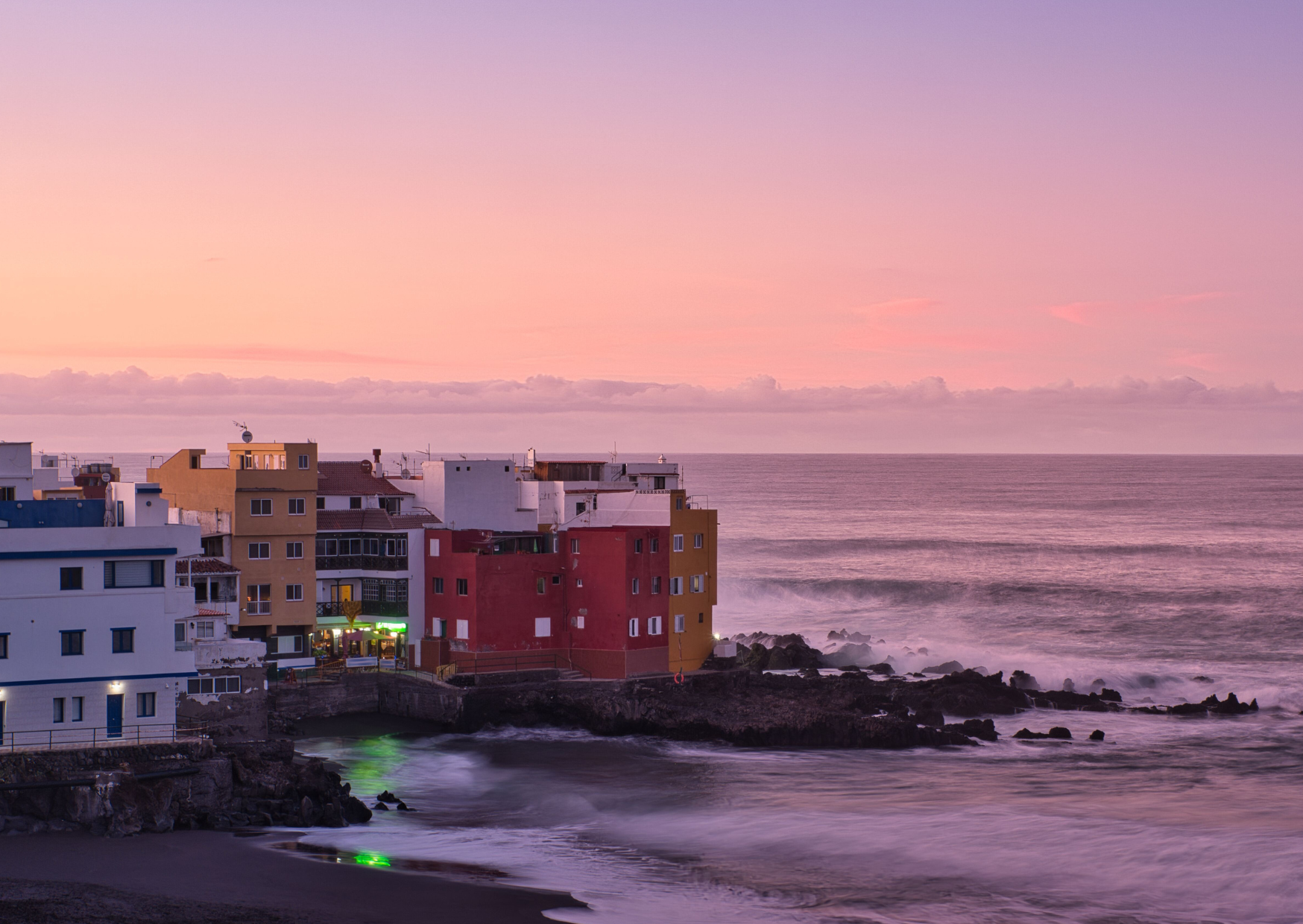
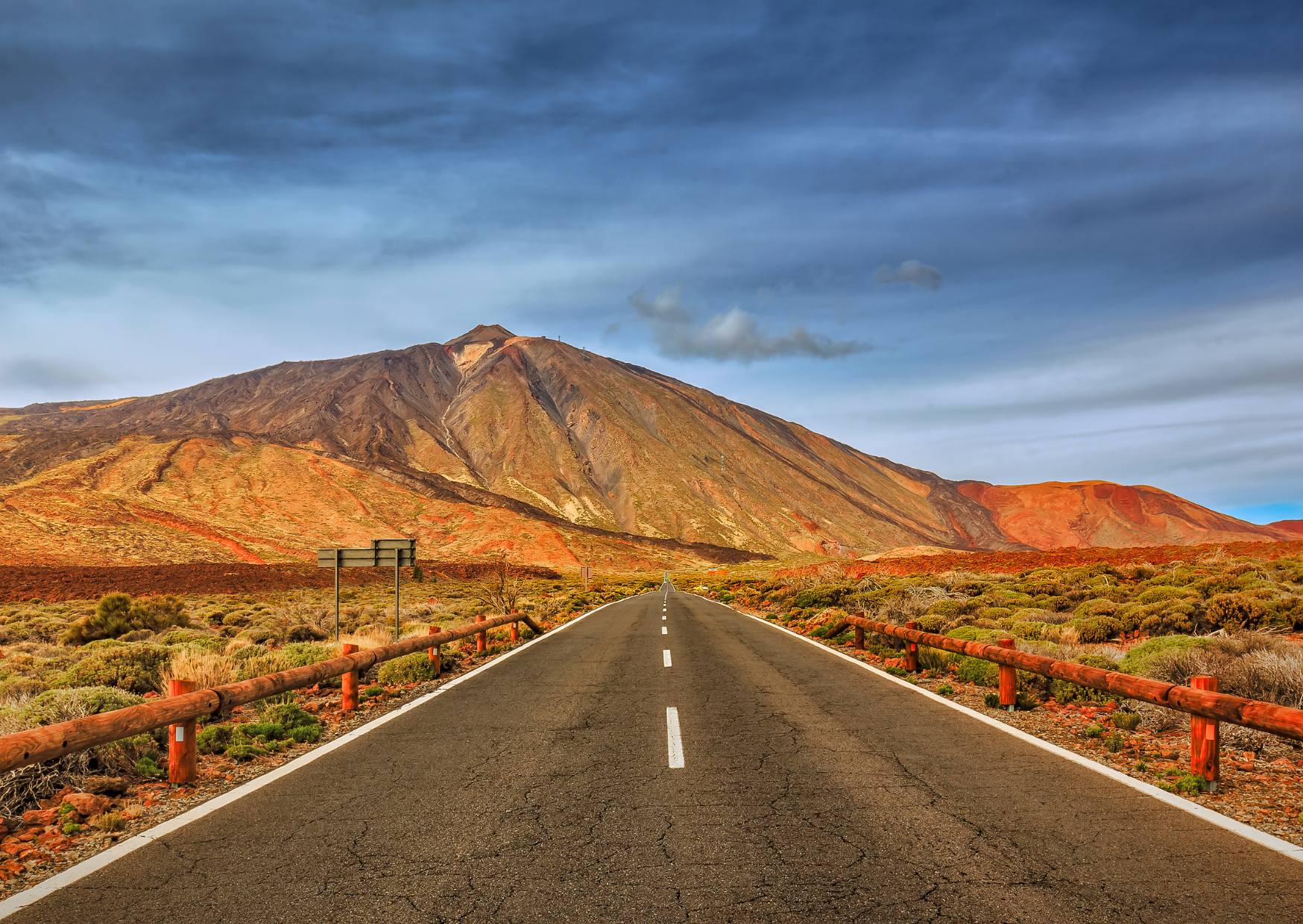
Tenerife is dominated by Mount Teide, the highest peak in Spain at 3,718 meters. The mountain creates a dramatic climate split. The north side is green, lush, cooler, and cloudier. The south side is dry, hot, and reliably sunny. Most tourist infrastructure and expat communities are concentrated in the south. The north feels like a different island entirely.
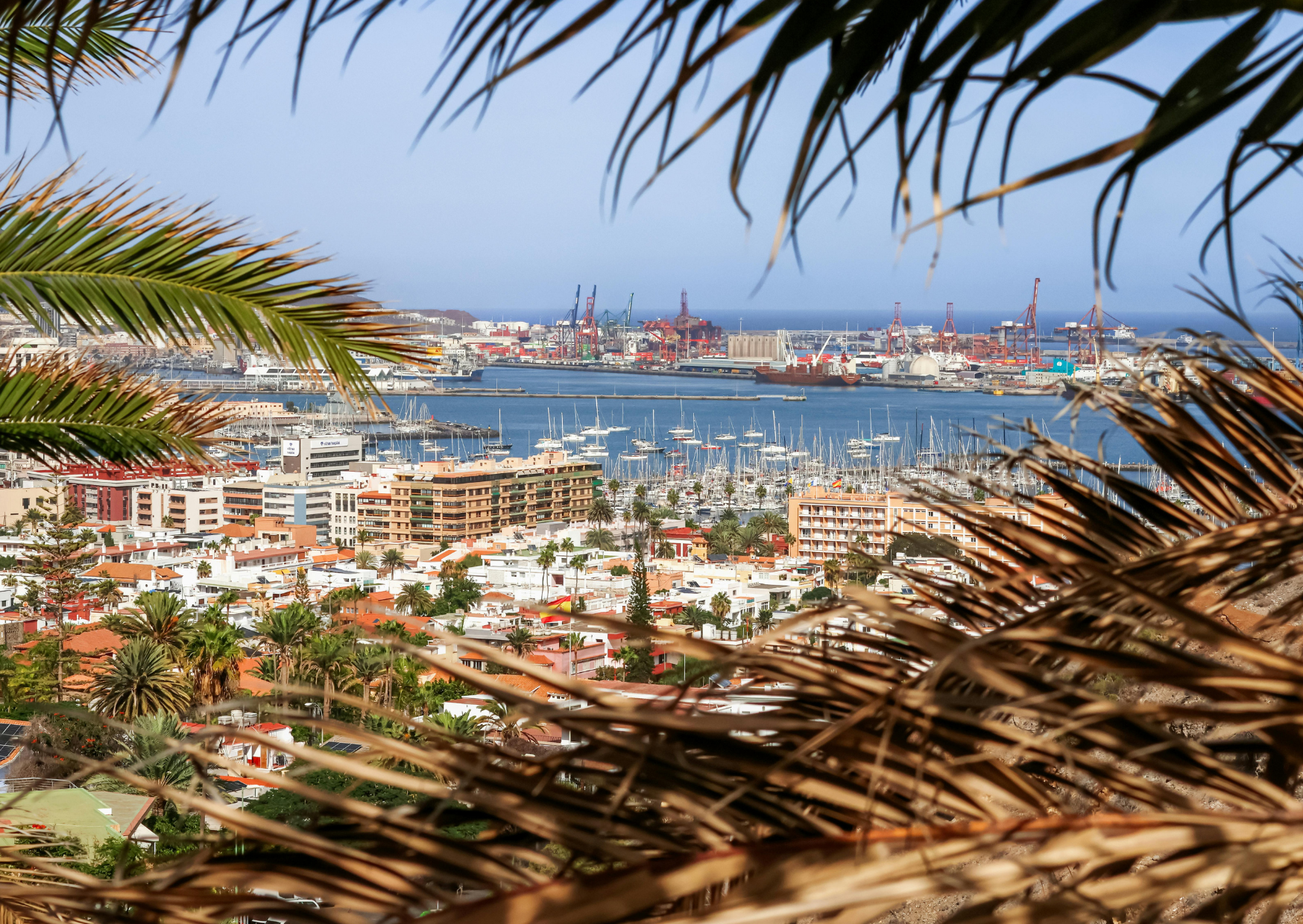
Gran Canaria is rounder and more varied. It has been called a “miniature continent” because of its range of microclimates. The south is dry and resort-heavy. The interior is mountainous and surprisingly green. Las Palmas, the capital, sits in the northeast and has a genuine urban feel that nothing on Tenerife matches.
This matters for retirees because where you live on each island changes the experience more than which island you pick. South Tenerife and south Gran Canaria are more similar to each other than south Tenerife is to north Tenerife.
The first decision is not Gran Canaria or Tenerife. It is what kind of environment you want.
- Resort-adjacent sunshine with tourist infrastructure: south of either island
- Real city life with urban amenities: Las Palmas, Gran Canaria
- Green, cooler, quieter, more traditionally Spanish: north Tenerife
- Varied terrain with easy access to both city and coast: Gran Canaria overall
Climate Comparison
Both islands have extraordinary climates by European standards. But the details differ.
Tenerife south (Los Cristianos, Playa de las Américas, Costa Adeje):
Average winter temperature: 18 to 22°C. Average summer temperature: 24 to 29°C. Rainfall: almost none. Sunshine: relentless. This is the driest, sunniest part of the Canaries. If you want guaranteed sun every day, this is the spot.
Tenerife north (Puerto de la Cruz, La Orotava, Santa Cruz):
Average winter temperature: 15 to 19°C. Average summer temperature: 22 to 26°C. Rainfall: moderate, especially in winter. Cloud cover: frequent. The north is greener and more temperate. It feels more like a mild Atlantic climate than a subtropical one.
Gran Canaria south (Maspalomas, Playa del Inglés, Mogán):
Average winter temperature: 18 to 22°C. Average summer temperature: 24 to 28°C. Rainfall: minimal. Very similar to south Tenerife. Dry, sunny, hot in summer.
Gran Canaria north and Las Palmas:
Average winter temperature: 17 to 21°C. Average summer temperature: 23 to 27°C. Rainfall: light to moderate. Cloud cover: occasional but less persistent than north Tenerife. Las Palmas has a reputation for one of the best urban climates in the world. Mild year-round, rarely too hot, rarely too cool, with enough variation to feel like seasons exist without ever being unpleasant.
The practical difference: if you want extreme sunshine and do not mind dry, barren landscapes, south Tenerife is marginally sunnier. If you want a more balanced climate with mild weather and occasional clouds that keep things from feeling monotonous, Las Palmas is hard to beat.
Cost Of Living
This is where the comparison gets useful.
Both islands are cheaper than mainland Spanish cities like Madrid, Barcelona, or Valencia for some categories, and surprisingly comparable for others.
Rent in south Tenerife (Costa Adeje, Los Cristianos):
- One-bedroom apartment: €650 to €900
- Two-bedroom apartment: €850 to €1,200
- Prices have risen sharply due to digital nomad and tourist demand
Rent in south Gran Canaria (Maspalomas, Playa del Inglés):
- One-bedroom apartment: €600 to €850
- Two-bedroom apartment: €800 to €1,100
- Slightly cheaper than south Tenerife on average
Rent in Las Palmas de Gran Canaria:
- One-bedroom apartment in the center: €600 to €900
- Two-bedroom apartment in good neighborhoods (Mesa y López, Triana, Guanarteme): €800 to €1,100
- The best value for an actual city environment in the Canaries
Rent in north Tenerife (Puerto de la Cruz, La Orotava):
- One-bedroom apartment: €500 to €700
- Two-bedroom apartment: €650 to €900
- The cheapest option across both islands for decent quality
Groceries are comparable across both islands. Expect €250 to €350 per month for a couple shopping at supermarkets like Mercadona, HiperDino, or Lidl. Local markets add variety. Fish is excellent and affordable on both islands. Imported goods cost more than on the mainland due to shipping.
Dining out is slightly cheaper in Las Palmas and north Tenerife than in the tourist-heavy south of either island. A menú del día runs €8 to €13 in local spots on both islands. Tourist-area restaurants charge €15 to €25 for similar quality.
Monthly cost for a couple including rent, food, utilities, healthcare, and moderate dining out:
- South Tenerife: €2,200 to €2,800
- South Gran Canaria: €2,000 to €2,600
- Las Palmas: €2,000 to €2,600
- North Tenerife: €1,700 to €2,200
North Tenerife is the budget winner. Las Palmas is the best value for a full urban life. South Tenerife is the most expensive option, mostly driven by rent inflation from tourism and short-term rental demand.
Healthcare
Both islands have strong healthcare infrastructure. This is a genuine advantage of the Canaries over other popular retirement islands in the Atlantic and Mediterranean.
Gran Canaria: Hospital Universitario de Gran Canaria Doctor Negrín and Hospital Universitario Insular de Gran Canaria are both large public hospitals in Las Palmas. The city also has extensive private healthcare options. For most specialist care, you will not need to leave the island.
Tenerife: Hospital Universitario de Canarias (in La Laguna, north) and Hospital Universitario Nuestra Señora de Candelaria (in Santa Cruz) are the main public facilities. The south of the island has smaller clinics and hospitals, but for serious care, patients are typically referred to the northern facilities.
This creates a practical difference for retirees in south Tenerife. If you need specialist care or a major procedure, you are looking at a 45 to 75 minute drive north. In Las Palmas, the major hospitals are in the city itself.
Private health insurance, required for the non-lucrative visa, runs €80 to €200 per month depending on age and provider on both islands. After one year of legal residence, access to the Spanish public system via the convenio especial (roughly €60 per month) becomes available.
For healthcare access and convenience, Gran Canaria has a clear advantage because the major hospitals are in Las Palmas, where many retirees actually live. Tenerife’s hospital concentration in the north creates a logistical gap for south-coast residents.
Getting There And Getting Around
Flights:
Both islands have international airports with extensive European connections.
Tenerife has two airports. Tenerife South (TFS) handles most international and charter traffic. Tenerife North (TFN) handles domestic and inter-island flights. The split can be confusing for newcomers.
Gran Canaria has one airport (LPA), about 25 minutes south of Las Palmas. It is the busiest airport in the Canaries and has direct flights to most major European cities.
Neither island has direct flights to the U.S. Retirees flying home will connect through Madrid, Barcelona, Lisbon, or London. That connection adds 3 to 5 hours to total travel time depending on the route.
On-island transport:
This is where Gran Canaria pulls ahead significantly.
Las Palmas has a functioning public bus network (guaguas), and a new light rail (MetroGuagua) system running through the city. The city is walkable in the central neighborhoods. You can live in Las Palmas without a car. Many retirees do.
Tenerife’s public transport is less developed. The south coast is car-dependent. Bus routes exist but are designed more for commuters than for daily errands. North Tenerife has better public transport coverage, but even there, a car makes life meaningfully easier.
If not owning a car is a priority, Gran Canaria (specifically Las Palmas) is the clear winner. If you are comfortable driving and want a quieter environment, south or north Tenerife works fine with a vehicle.
The Expat Community Difference
Both islands have established expat communities. But the composition and feel are different.
Tenerife’s expat community, especially in the south, is heavily British and Northern European. Decades of package tourism built a permanent population of retirees from the UK, Germany, and Scandinavia. There are English-language services, British pubs, international supermarkets, and social clubs.
The American presence in south Tenerife is small but growing. The existing infrastructure is not American-oriented. It is British-oriented. That is fine for daily life but means the cultural references, social norms, and even the English spoken around you will feel more British than American.
Gran Canaria’s expat community is more diverse. Las Palmas has attracted a large digital nomad population alongside traditional retirees. The mix includes Northern Europeans, South Americans, other Spaniards from the mainland, and an increasing number of Americans. The city feels more cosmopolitan and less like a retirement enclave.
The social difference matters.
- If you want a ready-made English-speaking retiree community with familiar social structures: south Tenerife
- If you want a more mixed, urban, international environment: Las Palmas
- If you want the most traditionally Spanish experience with the fewest expats: north Tenerife
North Tenerife is the sleeper pick for retirees who actually want to integrate into Spanish life. Fewer tourists. Fewer expats. More local culture. More need for functional Spanish. But also more reward for making the effort.
Daily Life Texture

Numbers and logistics matter. But the thing that actually determines whether you love where you live is the daily texture. What does a random Wednesday feel like.
South Tenerife on a Wednesday:
You wake up. It is sunny. It is always sunny. You walk to a café near the beach. The crowd is a mix of tourists and long-term expats. You might hear more English and German than Spanish. The restaurants serve a mix of Spanish food and international tourist cuisine. The landscape is dry and built-up. The beach is the focal point. In the evening, the promenade fills with walkers, and the tourist restaurants open for dinner at 7 p.m., which is two hours earlier than mainland Spanish dinner time.
It is comfortable. It is warm. It can also feel like living inside a resort.
Las Palmas on a Wednesday:
You wake up. It is mild and pleasant. You walk to a local café in Triana or Mesa y López. The crowd is mostly local. You hear Spanish. You go to the market. You run errands on foot. The city feels like a real, functioning Spanish city that happens to have a beach. In the evening, you walk to Playa de Las Canteras, one of the best urban beaches in Europe, and eat at a restaurant where the menú del día costs €10 and the fish was caught that morning.
It feels like living in a city. Not a resort.
North Tenerife on a Wednesday:
You wake up. It might be cloudy. You drive or walk to a local bar for coffee. The crowd is almost entirely local. You hear Spanish. The landscape is green and volcanic. The pace is slow. You might visit a bodega or a local market. In the evening, you eat at a guachinche, an informal family-run restaurant that serves homemade food and local wine. There are no tourists.
It feels like living in a quiet, green, affordable corner of Spain that most visitors never see.
The Wednesday test matters more than any comparison chart. Which of those days sounds like the one you want to repeat for years.
The Residency Math
The non-lucrative visa income requirement applies equally regardless of which island you choose. The threshold is roughly €2,400 to €2,800 per month for a primary applicant.
The difference is what that money buys.
In south Tenerife, that monthly income covers rent, basic expenses, and not much else. You are budget-conscious.
In north Tenerife, that same income leaves room for dining out, travel, and savings.
In Las Palmas, it covers a comfortable urban life with a buffer.
The islands do not change the visa. They change the lifestyle the visa buys you.
Private health insurance costs are comparable across both islands. The convenio especial public healthcare option is available in both after one year of legal residence.
One bureaucratic note: the NIE and residency processes in the Canaries can be slower than in some mainland offices. Both islands deal with high volumes of foreign residents. Appointment availability at the extranjería can be frustrating. Budget extra patience for the paperwork phase regardless of which island you pick.
What Each Island Does Better
Gran Canaria wins on:
- Urban infrastructure (Las Palmas is a real city)
- Public transport (walkable, bus network, new MetroGuagua)
- Healthcare access (major hospitals in the capital)
- Diversity of expat community
- The Wednesday test for people who want city life with a beach
- Varied terrain within a small area
Tenerife wins on:
- Guaranteed sunshine in the south (marginally sunnier than Gran Canaria south)
- Mount Teide and dramatic volcanic landscape
- Budget living in the north
- Established English-speaking retiree community in the south
- Authentic Spanish living in the north
- Green, lush northern landscapes for people who want coolness and nature
Neither island wins on:
- Direct U.S. flights (both require European connections)
- Bureaucratic speed (both are slow)
- Avoiding tourist-heavy areas (both islands have them, concentrated in the south)
The Mistake Most Americans Make
The mistake is almost always the same. An American visits one island on vacation, loves it, and decides to retire there based on a ten-day experience in a hotel.
That is how you end up in south Tenerife when you would have been happier in Las Palmas. Or in Maspalomas when you would have thrived in Puerto de la Cruz.
A vacation tests weather and scenery. Retirement tests infrastructure, cost, healthcare, social life, transport, and what it feels like when the novelty wears off.
The smartest move is to rent short-term on both islands before committing. One month in Las Palmas. One month in south Tenerife. One month in north Tenerife if you are drawn to the quieter option. That is three months and a few thousand euros. It is also the difference between guessing and knowing.
Retirees who do this almost always end up somewhere different from where they originally planned.
That is not a failure. That is the process working.
What Actually Matters Here
Gran Canaria and Tenerife are both excellent options for American retirees. The climate is forgiving. The healthcare is strong. The cost of living is manageable. The food is good. The visa pathway is the same.
The difference comes down to what kind of daily life you want.
If you want a real city with a beach, reliable public transport, diverse social options, and hospitals nearby, Las Palmas on Gran Canaria is the stronger pick.
If you want maximum sunshine, an established English-speaking community, and a resort-adjacent lifestyle, south Tenerife works.
If you want the cheapest option with the most authentically Spanish feel, north Tenerife is the quiet winner that almost nobody talks about.
Pick based on the Wednesday, not the Saturday.
That is the only advice that actually holds up after the first year.

About the Author: Ruben, co-founder of Gamintraveler.com since 2014, is a seasoned traveler from Spain who has explored over 100 countries since 2009. Known for his extensive travel adventures across South America, Europe, the US, Australia, New Zealand, Asia, and Africa, Ruben combines his passion for adventurous yet sustainable living with his love for cycling, highlighted by his remarkable 5-month bicycle journey from Spain to Norway. He currently resides in Spain, where he continues sharing his travel experiences with his partner, Rachel, and their son, Han.