
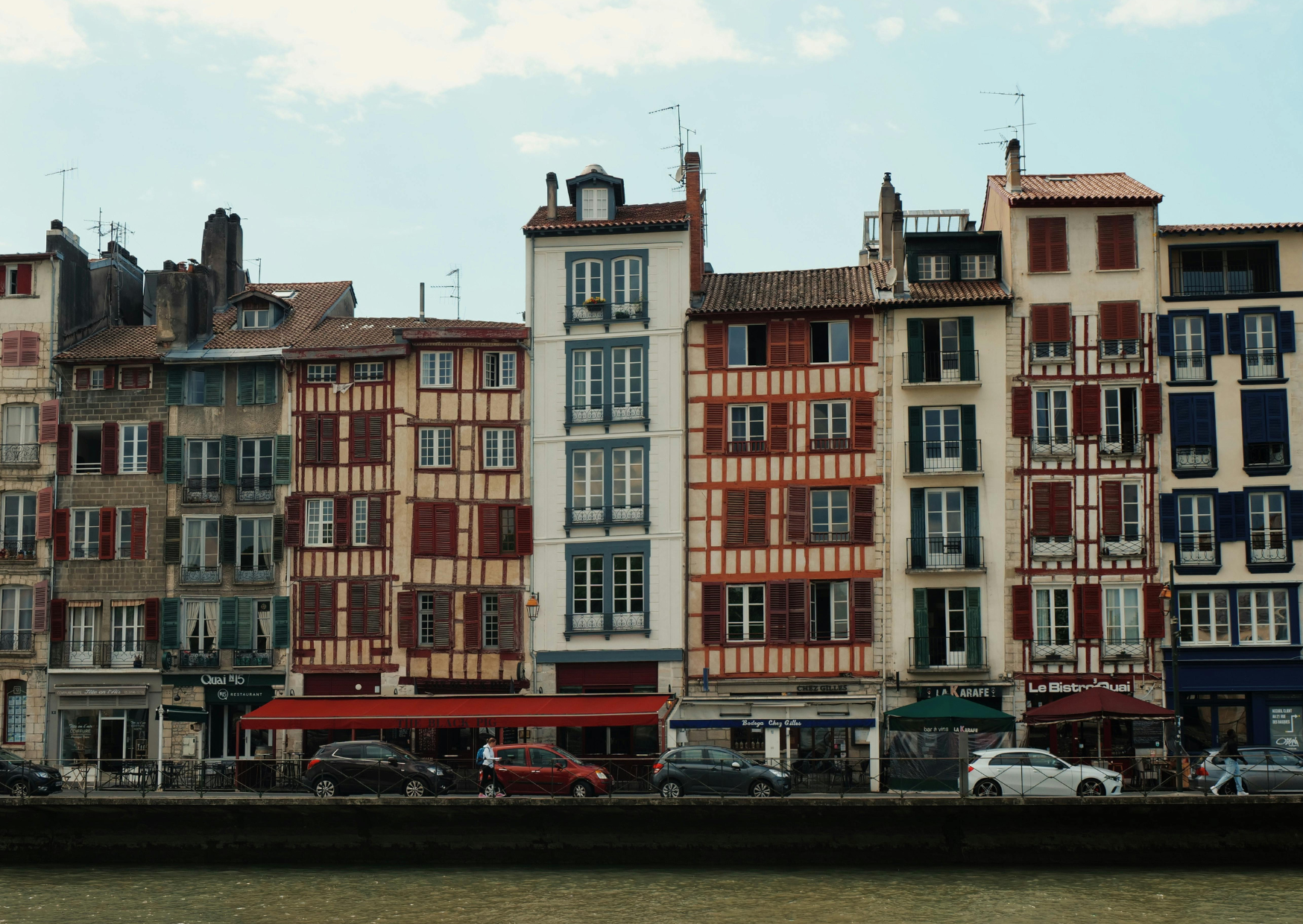
Americans say they want France.
What they usually mean is:
- Paris for three expensive days
- maybe Nice if they want sunlight with their debt
- maybe Lyon if they have read exactly one “smart traveler” article and want to sound evolved
Then they come home saying France was beautiful, crowded, and oddly tiring.
That is not a France problem.
That is a default-France script problem.
Because the version of France most Americans chase is the one everyone else already overloaded. The better version is often sitting one or two tiers below the international fantasy map, in cities that still have:
- real street life
- real local rhythm
- lower costs
- fewer crowds
- and far less pressure to perform France back at the visitor
And if you look at current livability rankings and city cost comparisons, the pattern is obvious. In the 2025 Villes et villages où il fait bon vivre ranking summarized by Connexion France, places like Dijon, Brest, Angers, and Nancy all show up strongly in the “big and medium” town rankings. At the same time, current Numbeo comparisons show cities like Angers, Dijon, Nancy, and Brest materially cheaper than Paris.
That is the useful France.
Not “hidden gems.” That phrase ruins everything it touches.
Just cities that still feel like they belong to themselves.
Why Americans Keep Missing The Better French Cities
The mistake is not loving Paris.
The mistake is assuming Paris is the only place that can deliver:
- architecture
- café life
- markets
- walkability
- food worth remembering
- and that quiet French confidence people are actually chasing
That is where the whole itinerary goes wrong.
A lot of Americans are not really shopping for “the capital.”
They are shopping for:
- a city that feels beautiful without constant logistical punishment
- a place where lunch does not require advance combat planning
- and a version of France that feels inhabited, not staged
Paris can still be wonderful, obviously. It can also be:
- brutally expensive
- crowded in the wrong neighborhoods
- overly optimized around tourism
- and tiring in a way that makes people defend the experience instead of enjoying it
The better French cities usually do something simpler:
they give you enough of what you came for, with much less friction.
That is not as cinematic.
It is often a much better trip.
Angers Is What People Mean When They Say They Want A Better Pace
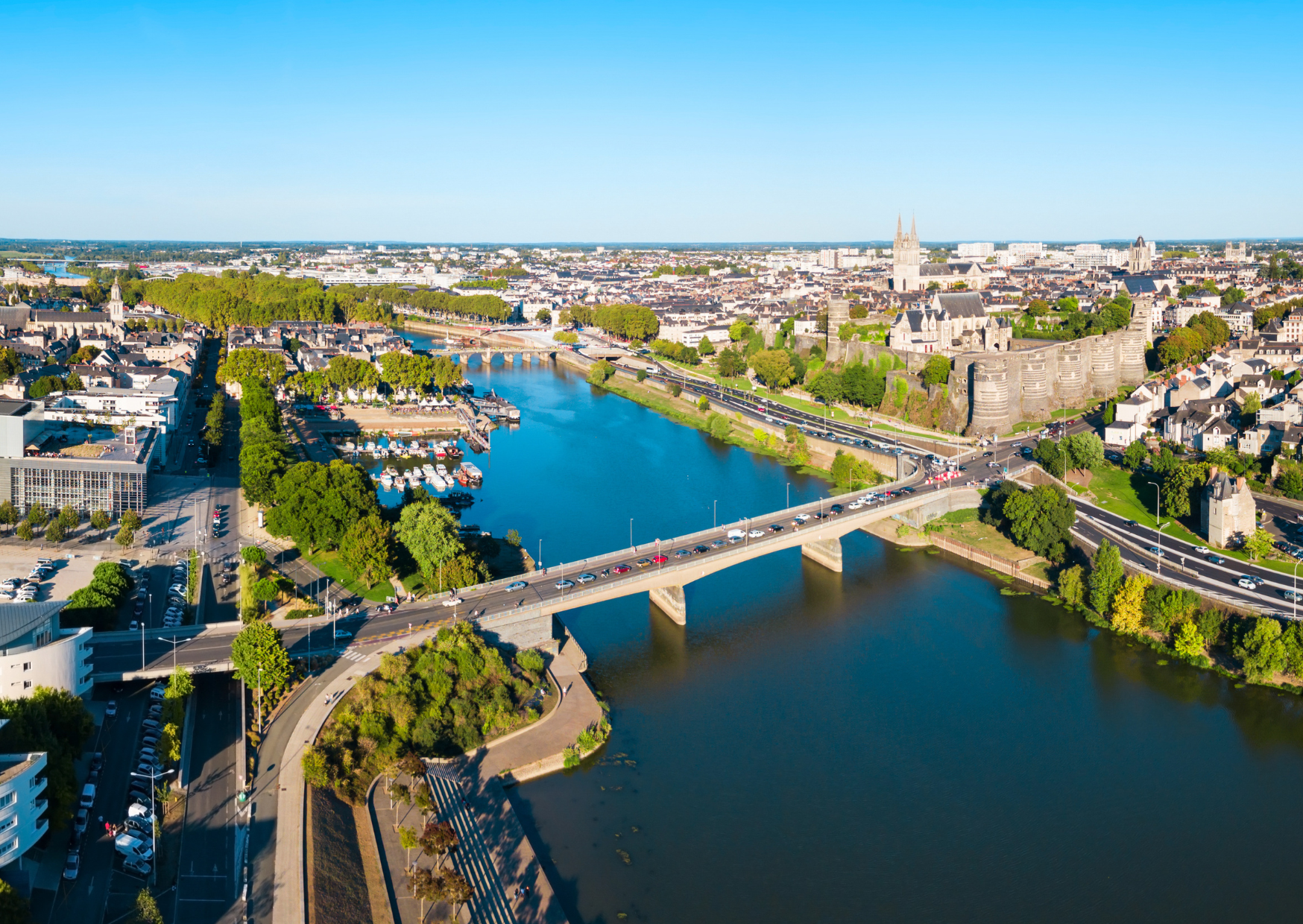
If someone says they want:
- a beautiful French city
- greenery
- river life
- calmer daily rhythm
- and lower housing pressure than Paris
they should be looking at Angers long before they start fantasizing about squeezing themselves into some overpriced capital arrondissement.
Current Numbeo comparisons are very blunt here. To maintain the same standard of life as €6,100 in Paris, you would need about €4,392.9 in Angers assuming rent in both cities, and in a separate updated snapshot about €4,354.7 versus €6,200. That is not a rounding error. That is a structurally different cost burden.
And Angers is not just “cheaper.”
It keeps showing up in quality-of-life conversations. The 2025 ranking covered by Connexion France put Angers in the top ten among big and medium French towns, and separate 2026 ranking summaries still place it near the top nationally.
That tells you two things:
- locals clearly rate it highly
- this is not just “cheap because nobody wants it”
Why it works:
- elegant without being self-important
- greener and calmer than Paris
- real city services without full big-city punishment
- lower financial drag
The tradeoff:
- less global-city energy
- less fashion-theater
- less endless novelty
- fewer excuses to pretend your life is a film set
For a lot of people, that last one is not a loss.
It is relief.
Dijon Is Better Than The Version Of Paris Most Food-Loving Americans Actually Use
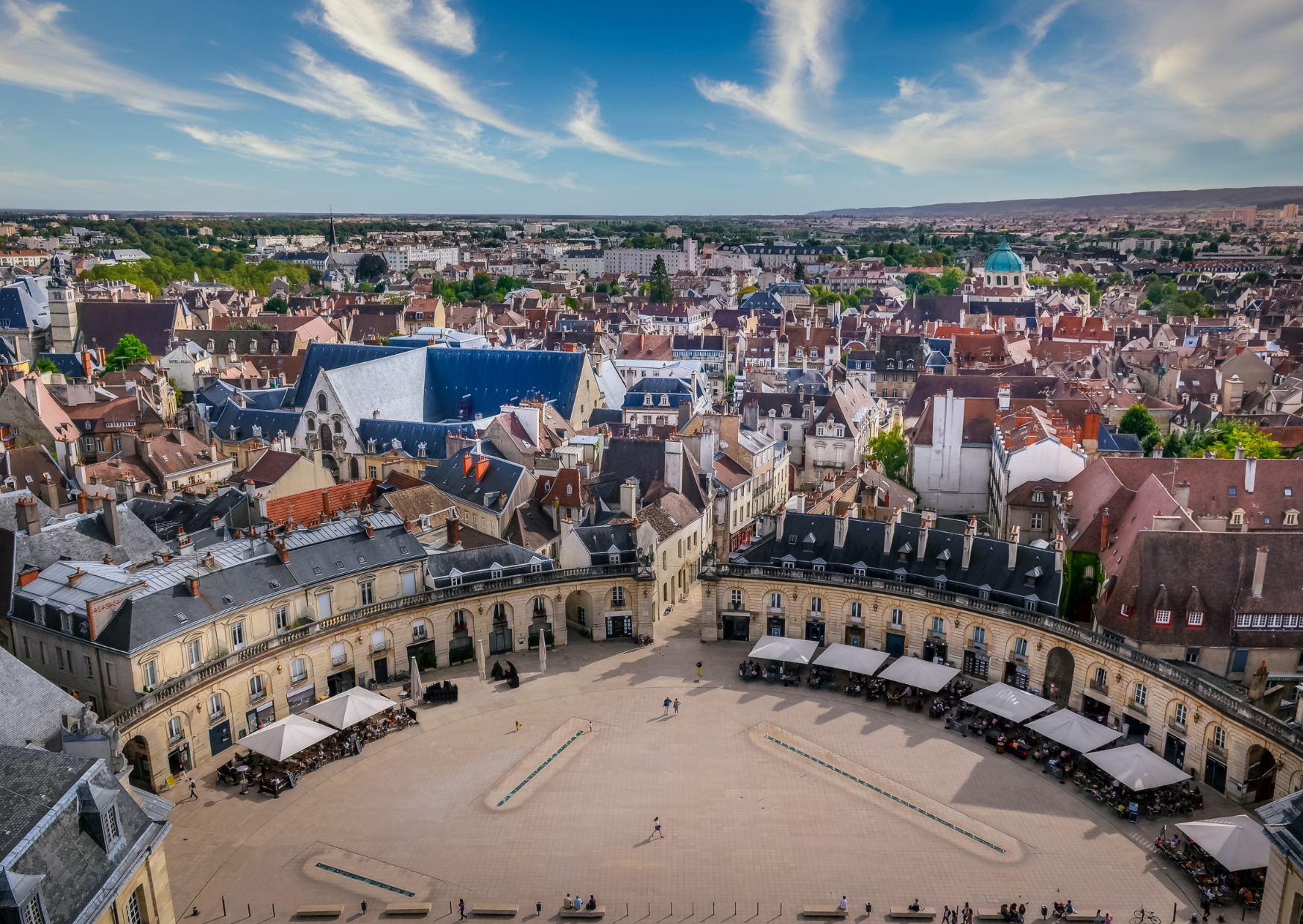
A lot of Americans tell themselves they “need” Paris because they want:
- cafés
- markets
- wine
- rich food
- old stone
- and the kind of street-level pleasure France sells so well
The funny part is that many of those people would be happier in Dijon.
Dijon keeps surfacing in exactly the two conversations that matter here: livability and value. In the 2025 quality-of-life ranking summarized by Connexion France, Dijon ranked 4th among France’s big and medium towns. And on current cost comparison data, to maintain the same standard of life as €6,100 in Paris, you would need around €4,103.5 in Dijon.
That is a serious difference.
And unlike the usual “cheaper alternative” story, Dijon is not short on actual French pleasures. Even The Times recent France city coverage includes Dijon among the lesser-known city options for an affordable culture hit and as a worthwhile stop in Burgundy.
Why it works:
- strong food identity without Paris-level performance
- beautiful center
- Burgundy access
- cultural weight without tourist crush
The tradeoff:
- it is not Paris, so if what you want is symbolic capital, this will not scratch that itch
- fewer giant museum-box bragging rights
- less “I was in Paris” status at dinner later
But if what you want is to actually enjoy France instead of narrating France, Dijon is often the stronger play.
Nancy Is The Kind Of French City Smart Travelers Usually Discover Too Late
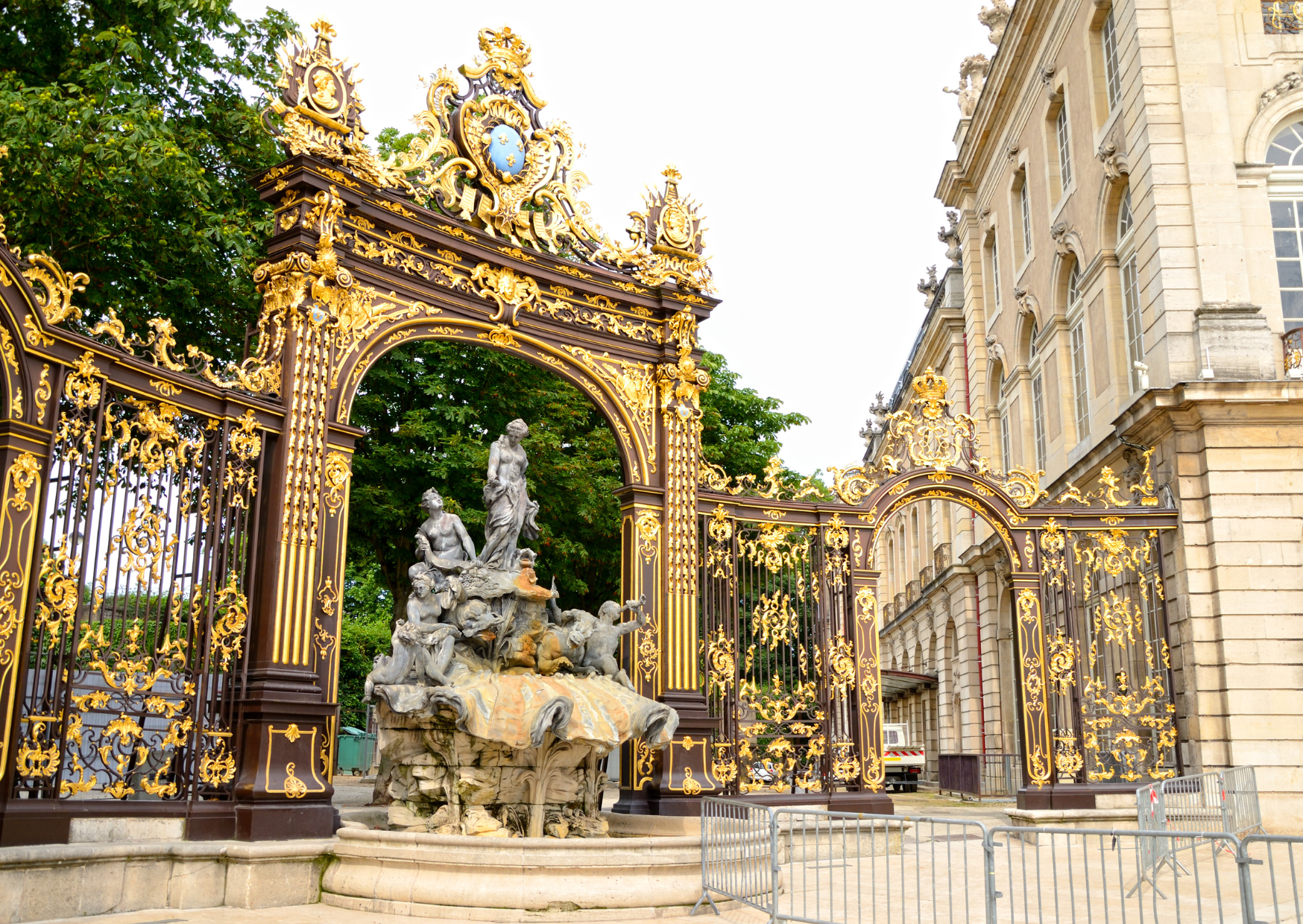
Nancy is one of the clearest examples of a city Americans skip because it does not scream for attention in the international imagination.
That is exactly its advantage.
It is architecturally serious, historically rich, manageable in scale, and materially less punishing than Paris. Current Numbeo comparison data says you would need around €4,220.0 in Nancy to maintain the same standard of life that €6,100 buys in Paris. That is a substantial drop in pressure.
And again, this is not some random low-cost outlier. Connexion France’s 2025 quality-of-life ranking put Nancy in the top ten of big and medium towns.
That combination matters:
- lower cost
- strong local standing
- not overrun
Nancy gives people what they often say they want from France:
- beauty
- walkability
- enough art and architecture to feel transported
- and a center that still feels proportioned for human life
The tradeoff:
- less obvious international prestige
- a lower profile in the Anglophone travel machine
- and a city that rewards curiosity more than checklist tourism
That last point is exactly why many Americans miss it.
They are still choosing France by brand recognition.
Nancy is better if you choose by lived quality.
Brest Is The Best Option If You Want To Stop Paying For The Idea Of France
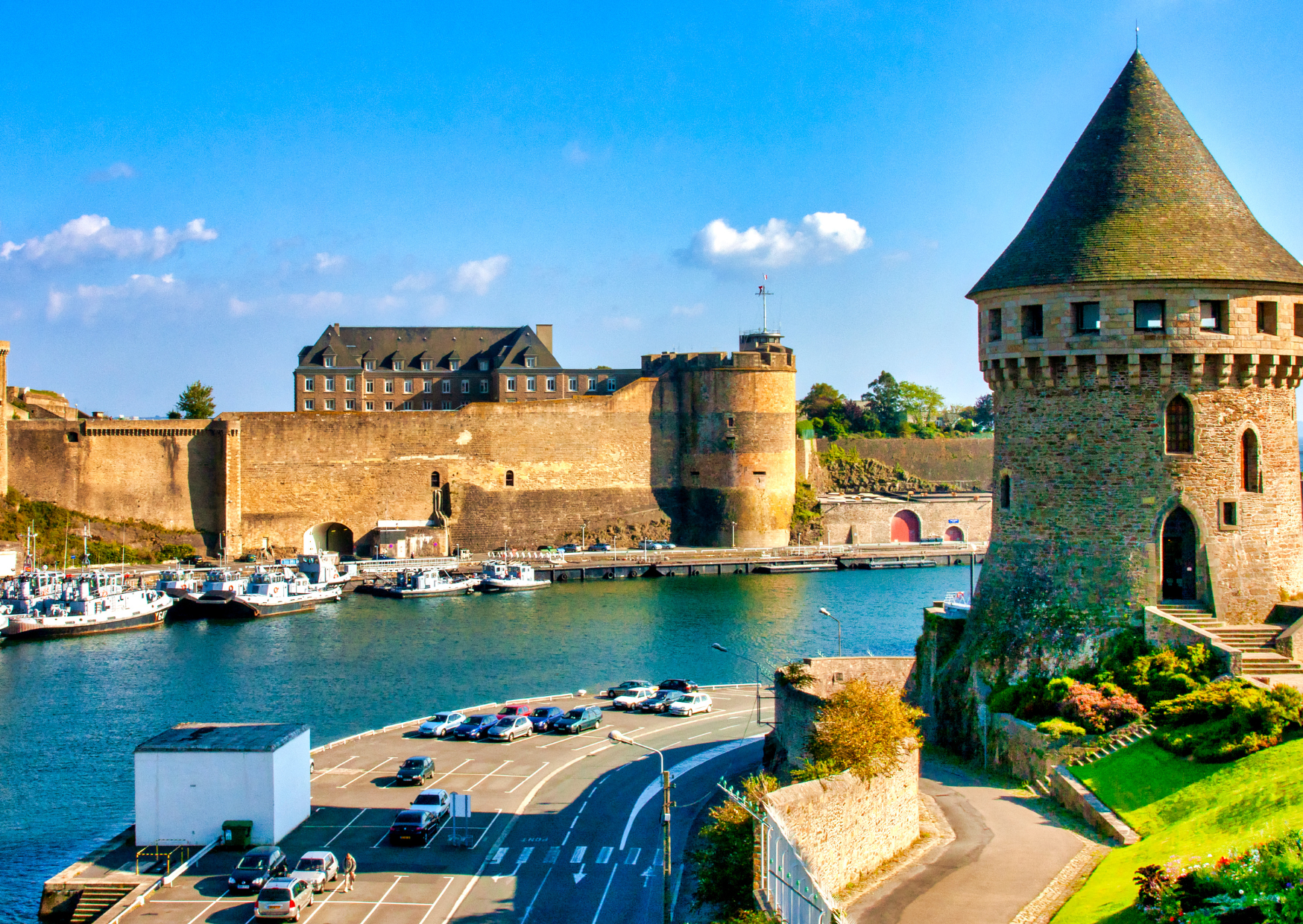
This is where the conversation gets more adult.
A lot of Americans do not need “the best-known French city.”
They need a French city where they can:
- breathe
- pay less
- access the sea
- and stop funding the inflation premium of places everyone else already fetishized
That is where Brest becomes very interesting.
On current Numbeo numbers, to match a €6,100 Paris standard of living, you would need only around €3,703.0 to €3,711.6 in Brest. That is a dramatic drop, not a cute little savings.
And there is another useful signal: Numbeo’s current quality-of-life comparison gives Brest a quality-of-life index of 187.33 versus 146.23 for Paris, while also showing a much lower cost-of-living index and a much better property-price-to-income ratio.
This does not mean Brest is “better than Paris” in some universal travel-poster sense.
It means it is doing something a lot of people secretly need:
offering a less inflated, more functional, more breathable urban life.
Why it works:
- Atlantic setting
- lower cost pressure
- strong value relative to Paris
- better odds of a sane day-to-day rhythm
The tradeoff:
- this is not postcard-French in the way Americans usually imagine
- rougher edges
- less decorative fantasy
- more weather, more realism, less curation
For some people, that feels like “less France.”
For others, it feels like finally getting a real place instead of paying a surcharge for mythology.
Nîmes Is The Smarter Southern Choice For People Tired Of Paying The South Of France Tax
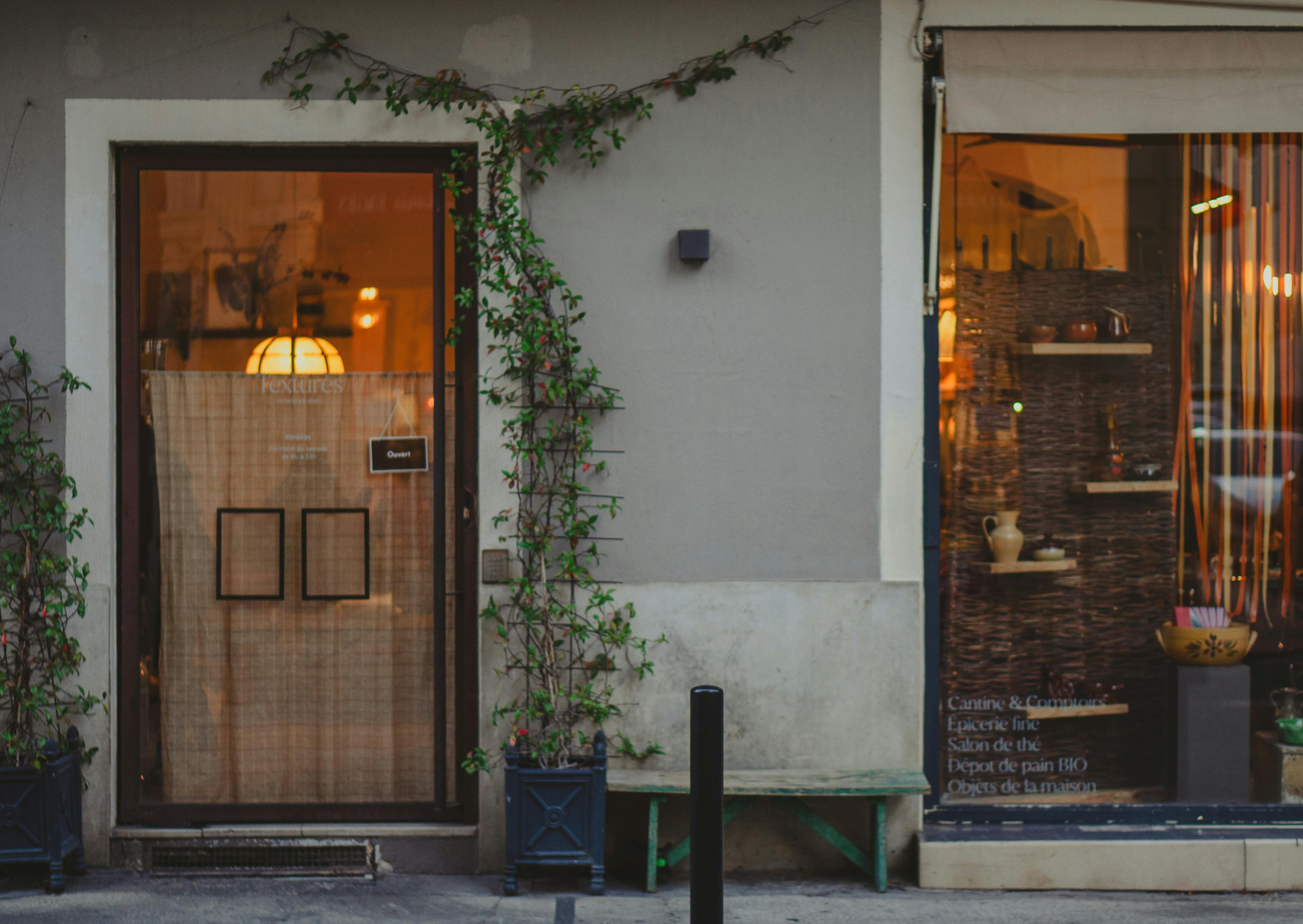
A lot of Americans hear “South of France” and immediately start overpaying for somebody else’s fantasy.
They picture:
- Nice
- glamorous coast
- sun premiums
- polished money
- and the strange idea that suffering financially is part of the Mediterranean experience
If what they actually want is:
- Roman history
- southern light
- walkable beauty
- and a lower-cost daily life than the Riviera circus
then Nîmes is often a much better fit.
We do not have a full Paris comparison snippet returned in the same format here, but current city-level Numbeo data still gives us a clear price profile. In Nîmes, a meal at an inexpensive restaurant is about €15, a three-course mid-range meal for two is about €50, and a cappuccino is around €3.11. Those are human numbers, not full-Riviera performance pricing.
And independent cost comparison coverage says Paris is 52.8% more expensive than Nîmes.
That is a major signal.
Why it works:
- southern climate
- Roman architecture
- enough beauty and history to feel like a “real” French trip
- lower cost than the obvious southern prestige zones
The tradeoff:
- less glamour branding
- fewer opportunities to cosplay wealth on the promenade
- less Riviera social theater
Again, that is either a problem or a blessing depending on whether you want a life or a backdrop.
The Real Pattern Is Not “Hidden.” It Is That Locals Rate Function And Americans Chase Symbolism
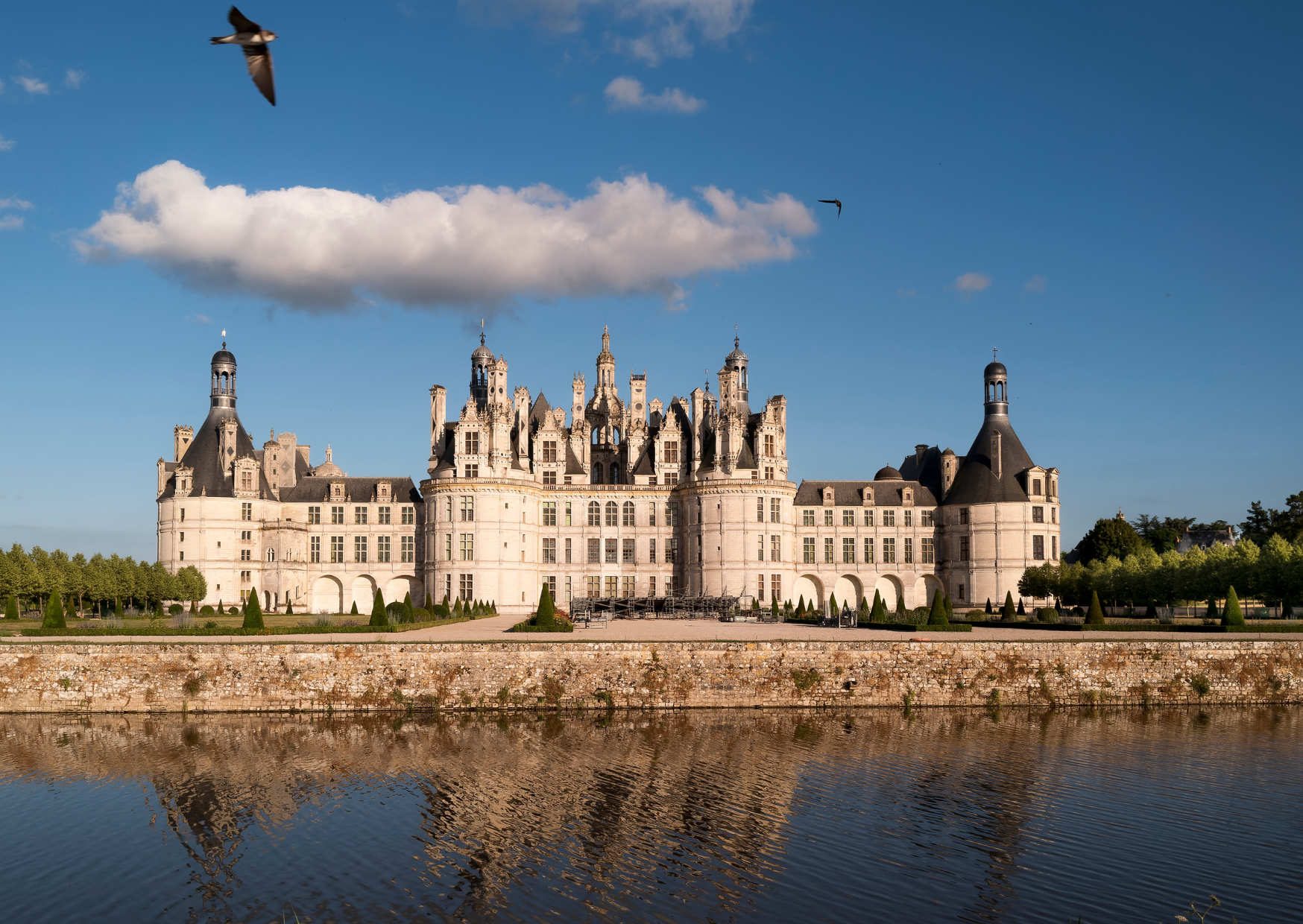
This is the part that explains the whole list.
Cities like Angers, Dijon, Nancy, Brest, and Nîmes are not universally ignored.
They are often overlooked by Americans specifically because Americans still choose France through a filter of symbolic value:
- Which city sounds prestigious
- Which one photographs well
- Which one appears in films
- Which one is easiest to explain later
Locals, by contrast, keep rewarding different traits:
- livability
- lower stress
- stronger daily rhythm
- less financial punishment
- better housing logic
- and cities that still function as places to live, not merely to consume
That is exactly what current rankings keep showing. The 2025 quality-of-life list highlighted places like Dijon, Brest, Angers, and Nancy, not because they are trendy “alternatives,” but because they actually perform well for real life.
That is the entire lesson.
The better French city is often not the one with the biggest international brand.
It is the one where a Tuesday still feels good.
Lower Prices Do Not Mean You Are Getting The Same France For Less
This is where people lie to themselves.
A lot of Americans want to believe they can get:
- Paris atmosphere
- Paris convenience
- Paris prestige
- and Paris access
for dramatically less money just by moving one rung down the ladder.
That is not how this works.
You are usually getting a different bargain:
- lower rent or lower total living costs
- fewer crowds
- less international churn
- a smaller or calmer social scene
- and a more local, less globally curated version of France
That is not “Paris for less.”
It is often a better daily life for people who do not actually need Paris.
That is a much smarter trade.
It just requires a little ego honesty.
Because a lot of capital-city attachment is not practical.
It is identity.
And once you admit that, the other cities start looking much more attractive.
The First 7 Days If You Want The Better French City Instead Of The Obvious One
Day 1: Define What You Actually Want
Do you want:
- beauty
- food
- lower rent
- less crowd pressure
- coast
- daily calm
- better walkability
Do not just say “France.” That is too vague to help you.
Day 2: Compare Against Paris Honestly
Use one real cost comparison, not vibes.
If €6,100 in Paris buys what €4,100 in Dijon or €4,220 in Nancy buys, that is not a tiny difference.
Day 3: Test A Tuesday, Not A Landmark
Would you enjoy the city:
- in the morning
- doing errands
- buying lunch
- walking home
- with no “must-see” event carrying the day
That is the real test.
Day 4: Choose Function Over Symbolism
A city can be less famous and substantially better for your actual life.
Day 5: Decide How Much Crowd Tolerance You Really Have
A lot of Americans claim they do not mind crowds.
Then they spend half the trip irritated.
Be honest.
Day 6: Stop Paying Prestige Premiums You Do Not Actually Use
This is where most bad location decisions begin.
Day 7: Pick The Place You Would Still Like If Nobody Else Was Impressed
That is usually the right city.
The Honest Takeaway
The French cities Americans do not know about are often exactly the ones that make more sense:
- Angers
- Dijon
- Nancy
- Brest
- Nîmes
Not because Paris suddenly stopped being special.
Because these places often give you:
- lower costs
- fewer crowds
- stronger livability
- and a much better shot at experiencing France as a place, not a performance
The smartest move in France is often not to chase the city everyone already sold to you.
It is to choose the city that still has enough pride, enough beauty, and enough local rhythm to work without constant international validation.
That is where the better France usually starts.

About the Author: Ruben, co-founder of Gamintraveler.com since 2014, is a seasoned traveler from Spain who has explored over 100 countries since 2009. Known for his extensive travel adventures across South America, Europe, the US, Australia, New Zealand, Asia, and Africa, Ruben combines his passion for adventurous yet sustainable living with his love for cycling, highlighted by his remarkable 5-month bicycle journey from Spain to Norway. He currently resides in Spain, where he continues sharing his travel experiences with his partner, Rachel, and their son, Han.