
Americans say “peanut butter” like it means one thing.
It does not.
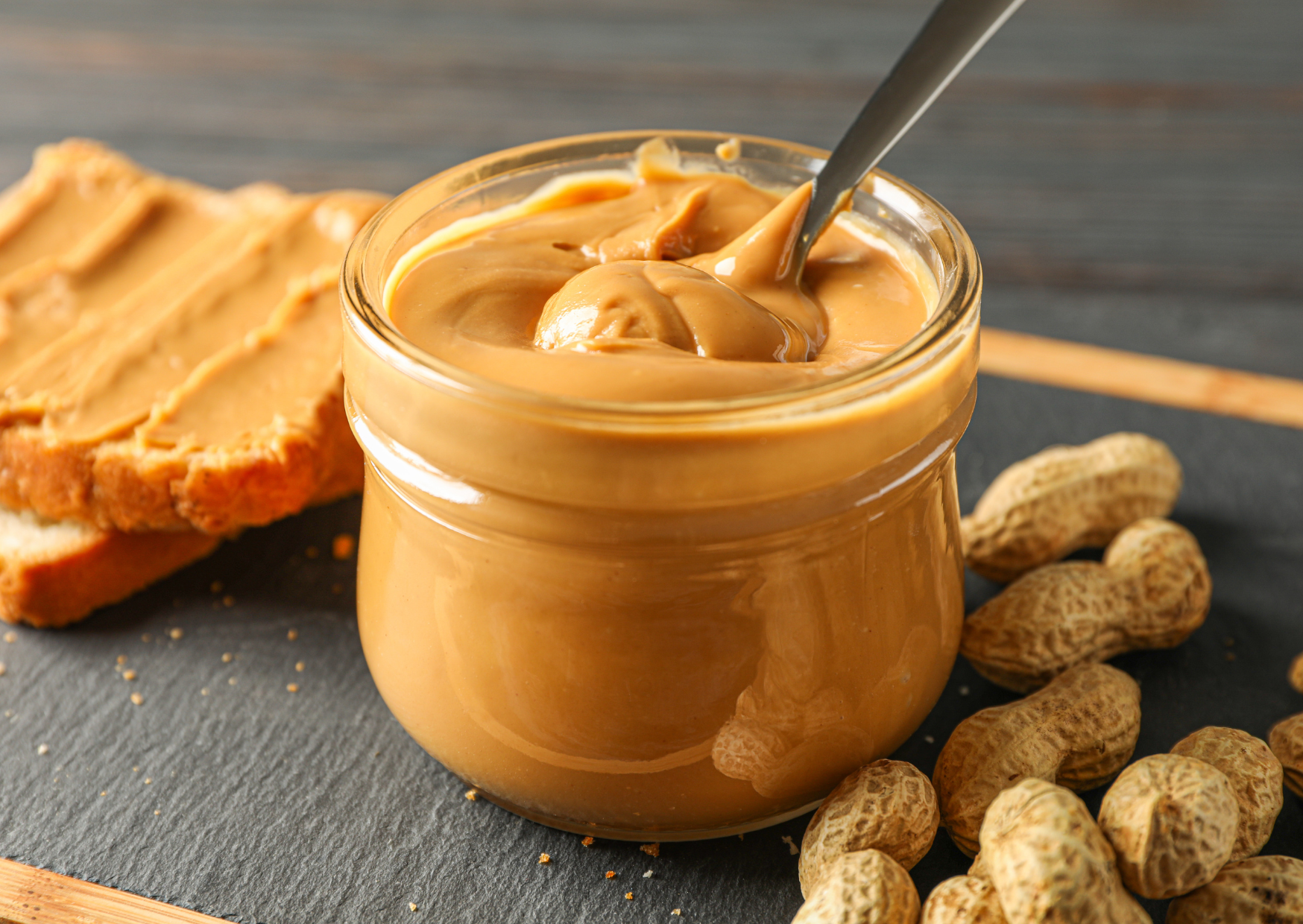
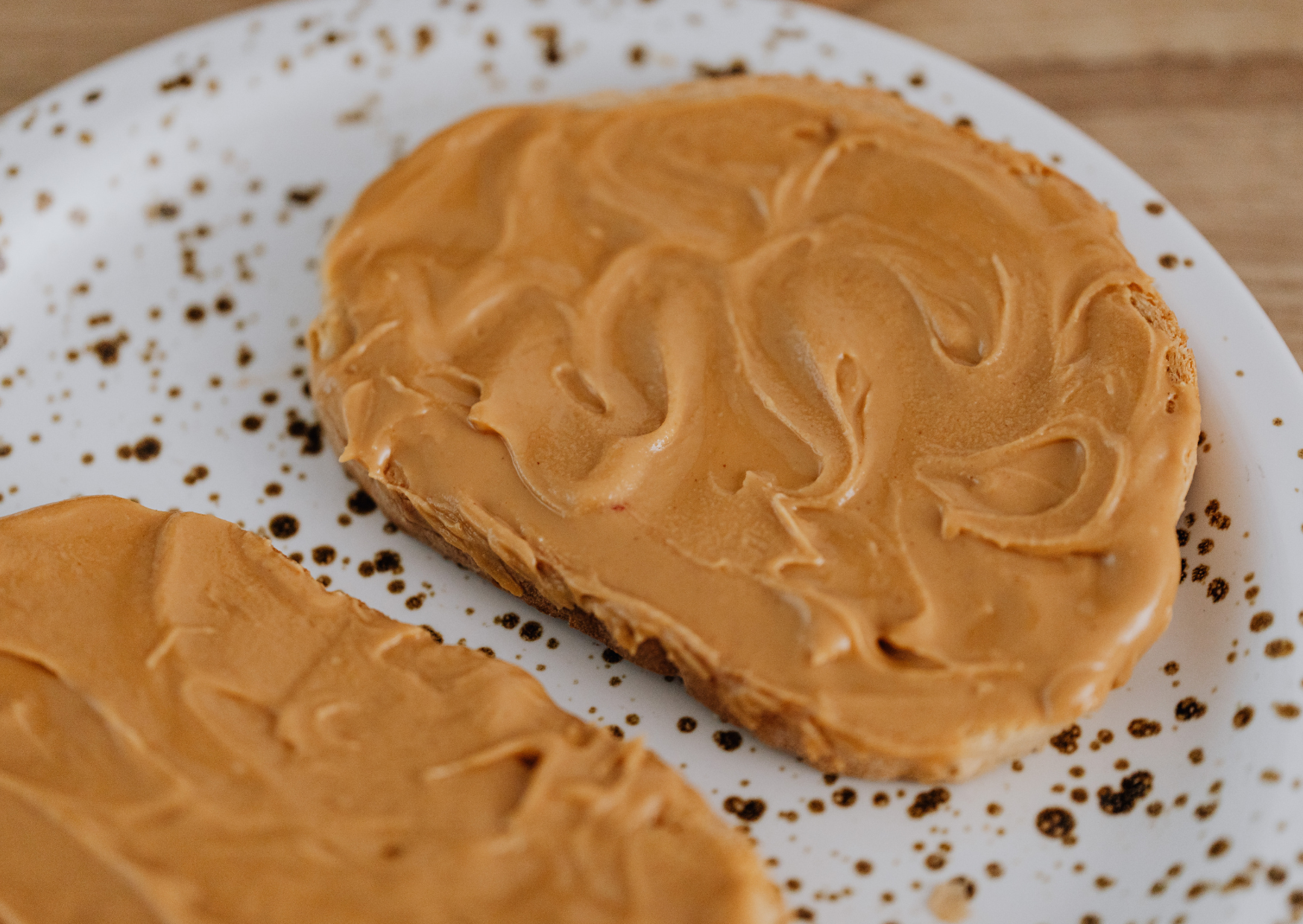
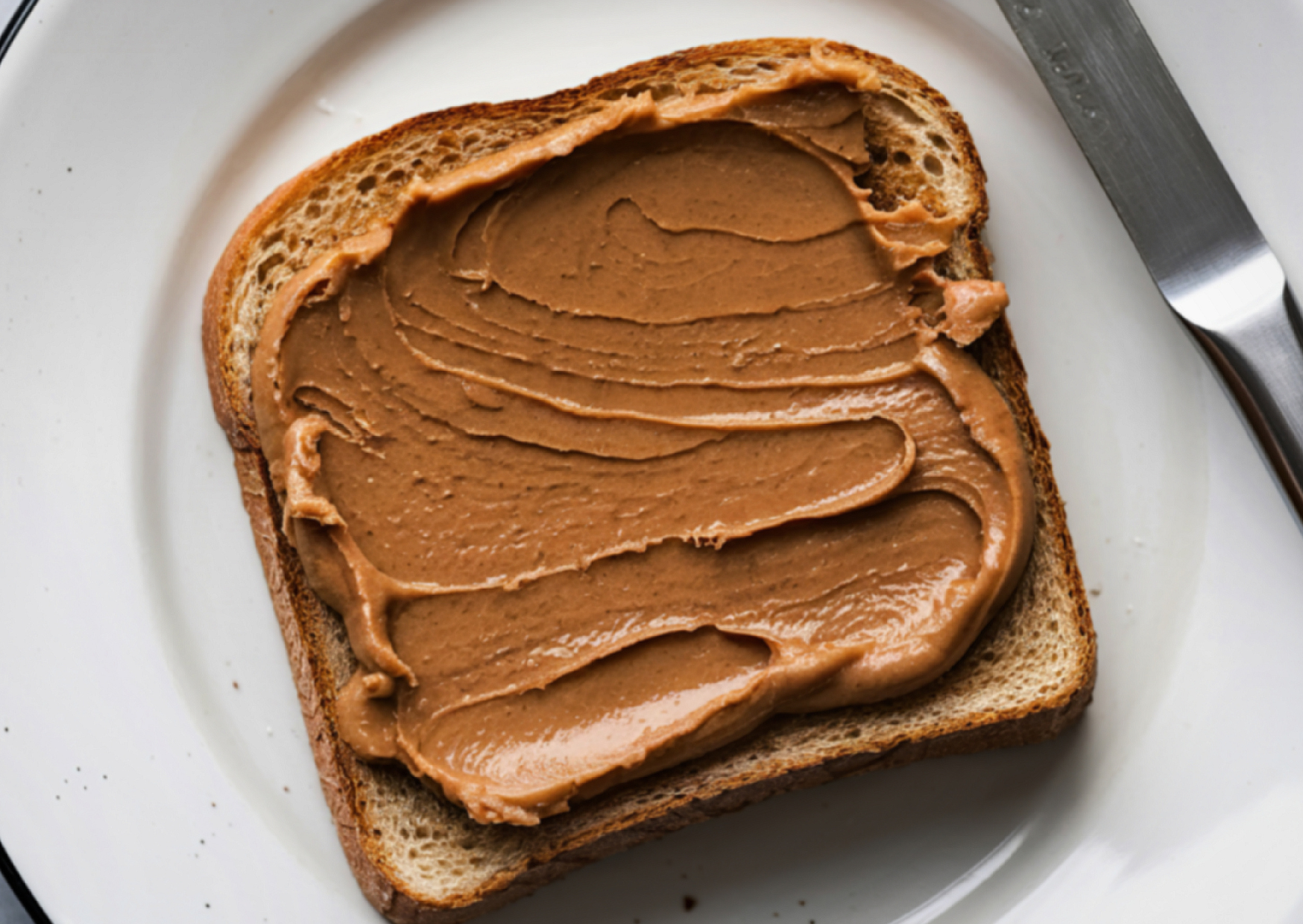
In the U.S., “peanut butter” usually means the sweet, smooth, ultra-spreadable, no-stir kind that behaves almost like frosting with protein. It is stable, soft, slightly salty, slightly sweet, and designed to sit in a cabinet for ages without turning into an oily science project. That is the Jif and Skippy expectation, even if people pretend they are buying it for sandwiches and not because they will absolutely eat it off a spoon. SKIPPY’s own U.S. ingredient list still shows the classic American formula logic: roasted peanuts, sugar, hydrogenated vegetable oil to prevent separation, and salt.
Then Americans move to Spain, walk into a supermarket, and discover something annoying.
Peanut butter exists. You can buy it. But the specific thing they mean by “American peanut butter” is often not what is sitting on the shelf.
What they find instead is usually crema de cacahuete that behaves more like:
- ground peanuts in a jar
- a fitness product
- a “natural” spread
- a health-food item that expects you to stir it and stop whining
That is why people say they “can’t really find” American peanut butter in Spain and much of Europe.
They do not mean there is no peanut paste in Europe.
They mean the default product category is different.
Spain absolutely has peanut butter. It just usually has the wrong kind for an American craving.
This is the first thing people get wrong.
Spain is not a peanut-butter desert. Major retailers carry peanut butter products. Carrefour Spain currently lists multiple versions, including a 100% peanut Carrefour-branded peanut butter at €2.85 for 500 g, plus products like Whole Earth organic peanut butter and higher-protein peanut butter lines.
So the problem is not absence.
The problem is that much of what Spain sells as peanut butter is built around the European expectation:
- simpler ingredients
- fewer sweeteners
- little or no added sugar
- little or no stabilizing fat
- “natural” separation accepted as normal
- a product coded as healthy, sporty, or specialty
That is not the same cultural object as classic American peanut butter.
An American looking for “peanut butter” is often looking for a specific texture-memory and flavor-memory, not just crushed peanuts.
And that is the mismatch.
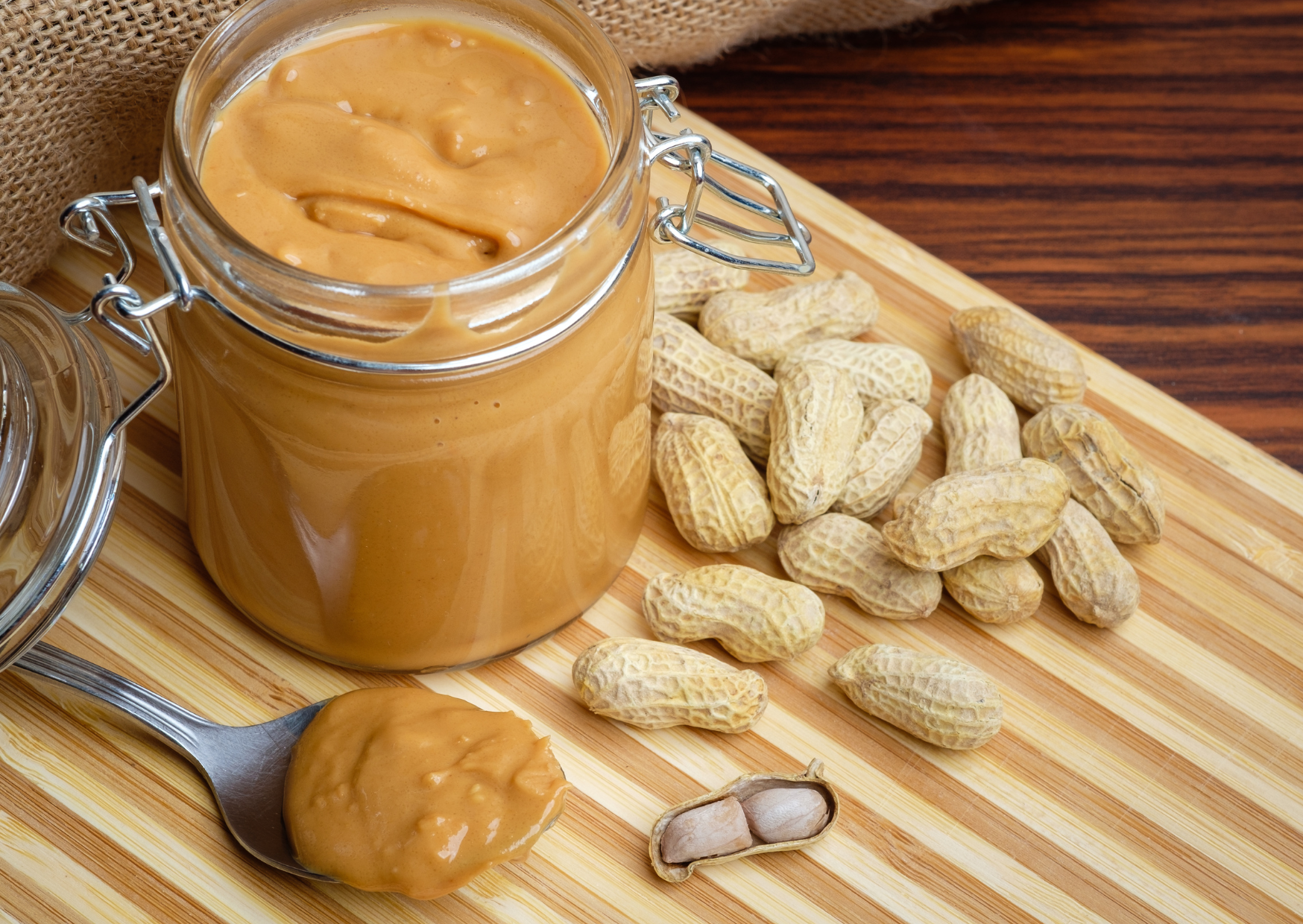
American peanut butter is not just peanuts. It is a texture system.
This is the real reason Americans struggle.
The classic mass-market American style is not famous because it is made from peanuts. It is famous because it is engineered to be:
- sweeter
- smoother
- more uniform
- more spreadable
- less prone to oil separation
- emotionally consistent from jar to jar
That is where the sugar and stabilizers matter.
SKIPPY’s U.S. creamy formula explicitly uses sugar and hydrogenated vegetable oil “to prevent separation.” That is not an accident. It is the whole point of the product.
By contrast, the peanut butter products easy to find in Spain are often sold as:
- 100% peanut
- no added sugar
- no palm oil
- no emulsifiers
- high protein
- gym-adjacent pantry food
That creates a product that may be nutritionally cleaner on paper, but it does not scratch the same itch.
So when Americans say, “I can’t find peanut butter here,” what they usually mean is:
“I can find peanut paste, but I can’t find my sugary stabilized childhood adhesive.”
That is a very different complaint.
The Spanish shelf treats peanut butter like a niche spread, not a foundational pantry religion
This is the second big reason.
In the U.S., peanut butter is a mainstream family staple. It is lunchbox food, emergency dinner food, toddler food, college food, late-night food, athlete food, baking food, and “I do not feel like cooking” food.
In Spain, peanut butter is much less central to the national pantry.
It exists, but it often sits in one of these identities:
- health-food shelf
- bio/organic shelf
- international shelf
- sports nutrition-adjacent shelf
- specialty spread shelf
That changes what manufacturers bother making.
If the category is niche, the dominant products tend to skew toward:
- health-conscious buyers
- gym buyers
- vegan buyers
- imported-food buyers
Those consumers are more likely to want 100% peanut jars than a sweetened stabilized sandwich spread. Carrefour’s own offerings reflect that logic, with the prominent store-brand listing emphasizing 100% peanut butter.
So Spain is not refusing peanut butter.
It is stocking the version the local category actually supports.
The American brands usually show up as imports, and imports are a bad place to build a habit
This is where Americans get frustrated enough to say the thing “doesn’t exist.”
Yes, you can sometimes buy SKIPPY in Spain.
But where do you find it?
Often not as a boring mainstream supermarket default.
Instead, it shows up through:
- Amazon
- specialty import sellers
- “American food” websites
- occasional international sections
- overpriced third-party marketplace listings
That is not the same thing as “it is widely available.”
On Amazon Spain right now, SKIPPY Smooth 1.13 kg is listed at €19.50, sold by a third-party seller using Amazon fulfillment. That is a very different retail reality from a normal domestic staple.
Meanwhile, Carrefour’s 100% peanut butter is €2.85 for 500 g. Even before you do exact per-kilo math, the message is obvious:
- local-style peanut butter is ordinary
- imported American-style peanut butter is niche and expensive
That is why people stop saying “I can buy it online” after a while.
Because paying import-premium prices for a pantry basic is not the same as truly having it.
Europe does not hate peanut butter. It just prefers a less dessert-like version
This is the part Americans often misread as anti-American snobbery.
It is not that Europe “won’t allow” peanut butter.
It is that Europe often treats peanut butter as:
- a nut spread
- a protein source
- an ingredient
- a health-food product
America often treats it as:
- a sweet-salty comfort spread
- a sandwich identity
- an all-purpose snack glue
- a processed food designed for texture and nostalgia as much as nutrition
That difference changes the shelf dramatically.
If the market sees peanut butter as a nut product, then 100% peanut jars make sense.
If the market sees peanut butter as a child-friendly comfort spread, then sugar-and-stabilizer formulas dominate.
Spain and much of Europe skew more toward the first model.
The U.S. built a much stronger business around the second.
The taste problem is bigger than most Americans expect
This is where the homesickness gets stupidly specific.
A lot of Americans think they can simply buy any peanut butter and adapt.
Then they taste a 100% peanut jar and realize:
- it is saltier or less sweet
- it tastes more roasted
- the texture is heavier
- the oil separation is annoying
- it does not spread the same way
- it does not make a PB&J taste “right”
That last part matters.
American peanut butter is built to behave perfectly in a PB&J. It spreads cleanly, binds to cheap sandwich bread, and delivers the same sweet-fat-salt hit every time.
A natural European-style peanut butter often behaves more like a cooking ingredient or toast topping. It can be excellent. It can also feel wrong if your brain is expecting school-lunch peanut butter.
So the problem is not only market availability.
It is that your tongue is asking for a processed cultural artifact, and the local shelf is offering a nut spread.
The hidden reason: Spain did not build a peanut butter childhood
This is the cultural reason underneath all of it.
American peanut butter is powerful because it is emotionally infrastructural. People grew up with:
- PB&J sandwiches
- peanut butter crackers
- ants on a log
- peanut butter cookies
- spoonfuls straight from the jar
- peanut butter as default “safe food”
Spain did not build childhood around peanut butter in that way.
Spain built childhood around other defaults:
- pan con things
- olive oil
- jam
- cocoa spreads
- cheese
- cured meats
- biscuits
- yogurt
- bakery products
When a culture does not build lunchbox and childhood around peanut butter, it does not need six versions of stabilized sweetened peanut spread in every store.
That is why the product category feels thinner.
It is not missing because Europe is banning your nostalgia.
It is missing because your nostalgia is not the local demand engine.
Strict EU contaminant rules also make peanut products a tightly watched category
This is not the main reason American-style peanut butter is harder to find, but it is part of the broader picture.
The EU keeps strict maximum levels for contaminants in foods, including aflatoxins. Commission Regulation (EU) 2023/915 sets tight contaminant limits, and the EU’s own 2023 summary notes that maximum levels are set at strict levels considered reasonably achievable.
That matters because peanuts are one of the food categories regulators watch closely for aflatoxin risk. EFSA’s own work has specifically discussed occurrence data in peanuts, peanut butter, and peanut oil, and EU commentary has noted that for consumers of peanuts and peanut butter, aflatoxin exposure is a meaningful risk-management issue.
This does not mean “Europe bans American peanut butter because of aflatoxins.”
That would be too simplistic.
It does mean peanut products sit inside a more tightly regulated contaminant framework, which reinforces why the category is treated as a serious food product, not just a soft nostalgic spread. It is one more reason the European shelf often leans toward simpler, more ingredient-forward peanut products rather than a giant free-for-all of sweetened novelty spreads.
The real issue is not legality. It is that “American peanut butter” is a different product category
This is the sentence that fixes the whole debate.
When Americans say they cannot really find American peanut butter in Spain and most of Europe, they are usually comparing two different categories:
Category A: American mainstream peanut butter
- sweetened
- stabilized
- no-stir
- soft and fluffy
- built for sandwiches
- brand-led and nostalgic
Category B: European mainstream peanut butter
- more likely 100% peanut
- less sweet or unsweetened
- more likely to separate
- denser and more roasted
- sold as a health/productivity ingredient
- less emotionally central to the pantry
Both are technically peanut butter.
They are not the same pantry object.
That is why the American shopper keeps saying, “This is not it.”
Because often, it is not.
Pitfalls Americans miss when they complain about this
They say there is no peanut butter in Spain.
That is false. Spain has peanut butter. Major chains sell it. Carrefour currently lists several peanut butter products, including a store-brand 100% version.
They assume imported SKIPPY means the problem is solved.
Not really. Imported niche listings at high prices are not the same as broad normal availability. Amazon Spain’s current third-party SKIPPY listing makes that obvious.
They confuse “natural” with “the same but healthier.”
A 100% peanut spread can be great. It still may not behave or taste like what an American means by peanut butter.
They blame regulation for everything.
The main issue is taste and market structure, not a simple ban. Regulation matters more at the margin than at the center.
They underestimate how much nostalgia is doing the work.
Half the craving is not flavor. It is memory, texture, and what the product meant in your old routine.
The first 7 days you stop fighting the peanut butter aisle
If you move to Spain and want peace, do this.
Day 1: Admit what you are actually craving
Is it:
- peanuts
- sweetness
- texture
- PB&J nostalgia
- a comfort food ritual
Those are not the same thing.
Day 2: Buy one local 100% peanut jar on purpose
Use it as a test, not as a replacement fantasy.
You need to understand the category you are actually living with.
Day 3: Stop expecting it to taste like SKIPPY
If you go in with that expectation, you will hate everything.
Day 4: Decide whether you want a nut spread or an American comfort spread
Those are two different shopping missions.
Day 5: If you need the real American thing, treat it like an import luxury
Do not build your weekly food system around expensive niche imports.
Day 6: Build a new local default
Toast, olive oil, tomato, cheese, jam, yogurt, fruit, whatever actually fits your new pantry life.
Day 7: Keep one nostalgia food, not ten
If peanut butter is your one thing, fine. But know what you are paying for: familiarity, not nutrition efficiency.
Where this lands in real life
You can find peanut butter in Spain and in much of Europe.
What you often cannot find easily, cheaply, and everywhere is the specific American peanut butter experience:
- sweet
- stabilized
- fluffy
- no-stir
- childhood-coded
- mass-market and boringly cheap
Instead, you get a category that is more likely to be:
- 100% peanut
- health-coded
- thicker
- less sweet
- less central to everyday family food culture
That is why Americans keep insisting the product is “missing.”
The jar is there.
The product they mean is often not.
The honest takeaway
This is not really a peanut butter story.
It is a story about how one food can mean two completely different things in two different grocery cultures.
In the U.S., peanut butter is a comfort product that became a national staple through sweetness, texture engineering, and repetition.
In Spain and much of Europe, peanut butter is more often a niche nut spread that never became the emotional backbone of lunch.
So yes, you can buy peanut butter in Spain.
But if what you want is a cheap, easy, everywhere, no-stir, American-style jar that tastes like your childhood pantry, you are not looking for “peanut butter.”
You are looking for a very specific American food system in a country that built a different one.

About the Author: Ruben, co-founder of Gamintraveler.com since 2014, is a seasoned traveler from Spain who has explored over 100 countries since 2009. Known for his extensive travel adventures across South America, Europe, the US, Australia, New Zealand, Asia, and Africa, Ruben combines his passion for adventurous yet sustainable living with his love for cycling, highlighted by his remarkable 5-month bicycle journey from Spain to Norway. He currently resides in Spain, where he continues sharing his travel experiences with his partner, Rachel, and their son, Han.