
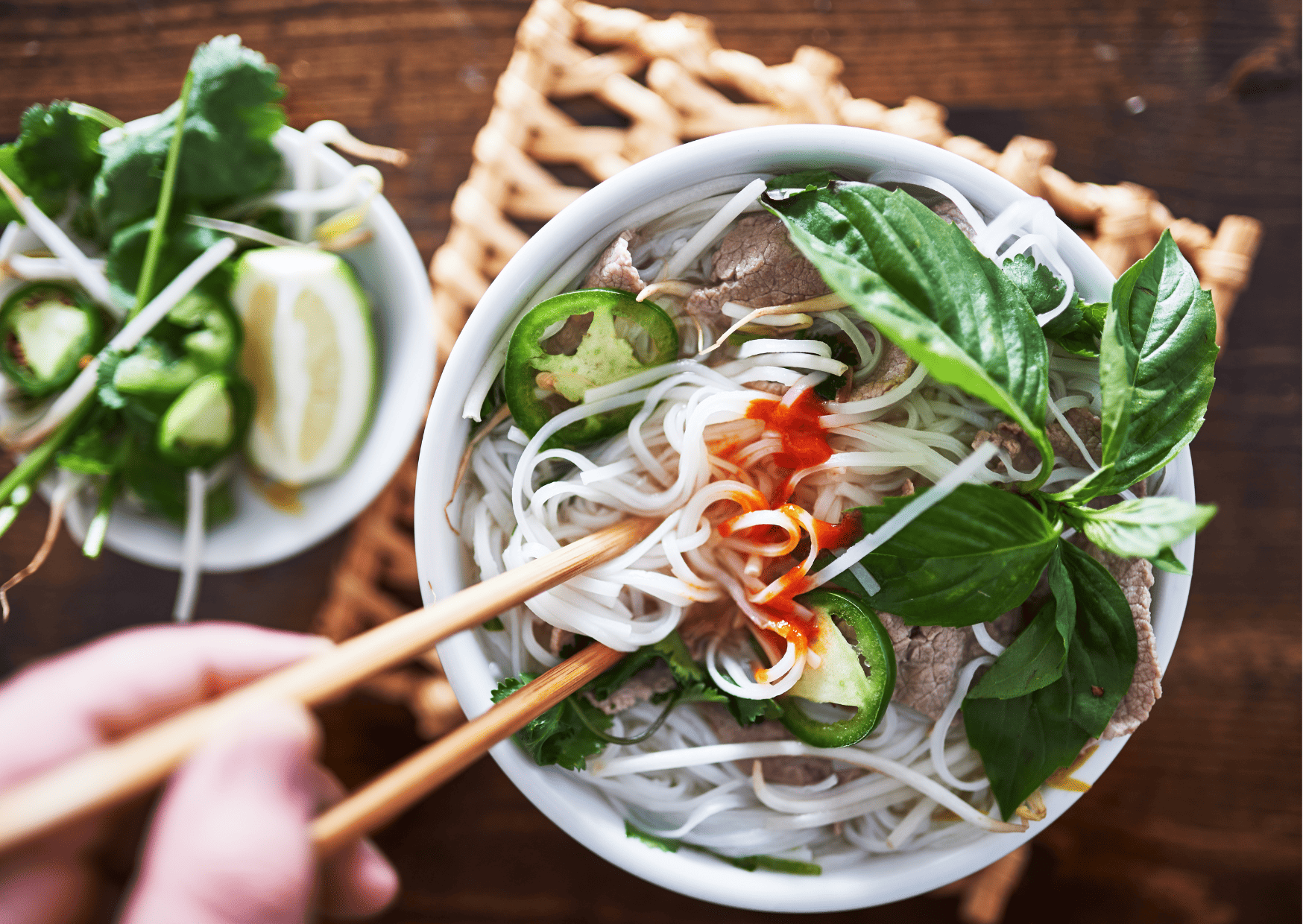
Our full guide on the most popular Vietnamese dishes to try and to cook at home.
Vietnamese cuisine is known for its fresh ingredients, vibrant flavors, and balanced nutrition. Here are some of the most popular Vietnamese dishes, along with recipes, tips, and approximate calorie counts.
Read here best Vietnamese Breakfast, 40 Vietnam Travel Tips and Best Things to Do in Vietnam
WHERE TO STAY IN VIETNAM
The cost of staying for a night in a private double room in a low-end guest house is $8-10 USD. There are also Airbnb options starting from $10-20 USD and be ready to have a local experience.
Click here to book your accommodation in Vietnam with Booking and Agoda!
BOOK YOUR TRAVEL INSURANCE
Two of our favorite travel insurance: Heymondo Vs Safetwing cheapest travel Insurance. You can get for $135 USD your Heymondo Travel Insurance with Heymondo discount code valid for 90 days. Read our full comparison of Genki vs Safetywing Travel Insurance Review and the comparison Heymondo vs Genki
Most Popular Vietnamese Dishes
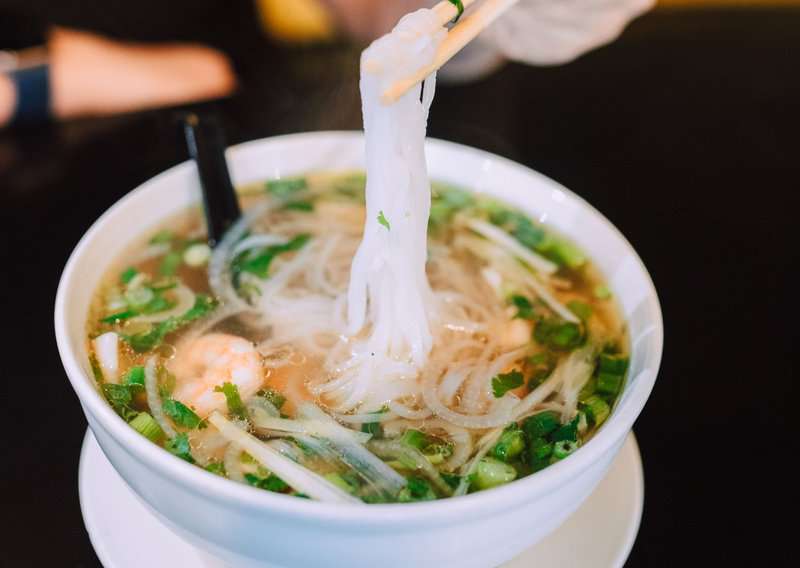
1. Pho (Vietnamese Noodle Soup)
Ingredients:
8 cups beef broth
1 onion, halved
3-inch piece of ginger, sliced
2 star anise
1 cinnamon stick
1 pound beef sirloin, thinly sliced
8 ounces rice noodles
1/4 cup fish sauce
1 tablespoon sugar
Bean sprouts, fresh herbs (cilantro, basil), lime wedges, and sliced jalapeños for serving
Instructions:
In a large pot, toast the onion, ginger, star anise, and cinnamon stick until fragrant. Add beef broth, fish sauce, and sugar. Simmer for at least 30 minutes.
Prepare rice noodles according to package instructions. Drain and set aside. Place cooked noodles in bowls. Top with raw beef slices. Pour hot broth over the beef and noodles. Serve with bean sprouts, fresh herbs, lime wedges, and jalapeños.
Simmer the broth longer for a deeper flavor. Freeze the beef slightly before slicing for thinner, more even pieces.
Calories: Approximately 350-400 per serving.
Read here how to make Pho
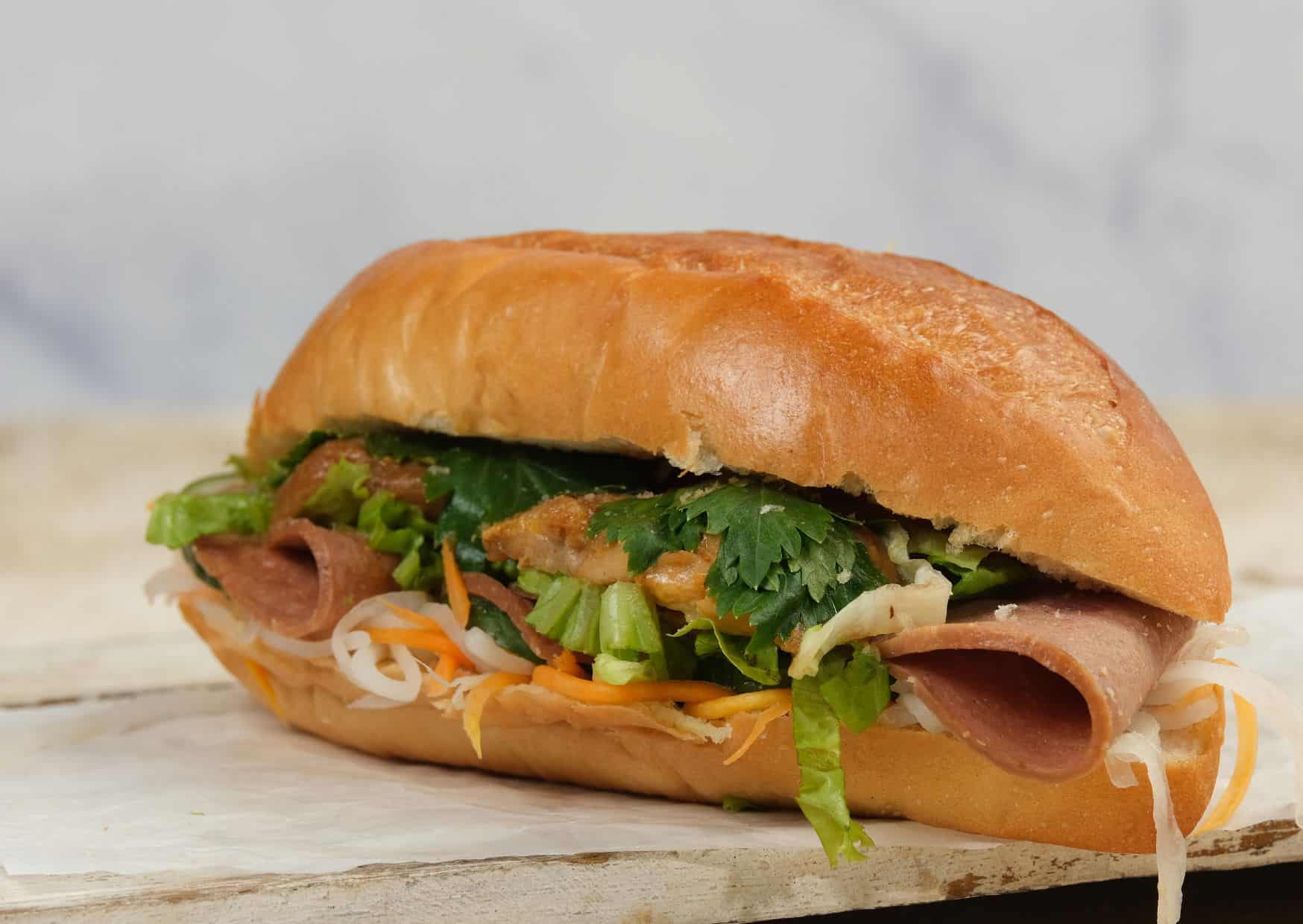
2. Banh Mi (Vietnamese Sandwich)
Ingredients:
1 baguette
1/2 pound pork belly or grilled chicken
1 cucumber, thinly sliced
1 carrot, julienned
1/4 cup daikon radish, julienned
Fresh cilantro
2 tablespoons mayonnaise
1 tablespoon soy sauce
1 tablespoon rice vinegar
1 teaspoon sugar
Instructions:
Mix rice vinegar, sugar, and a pinch of salt. Add julienned carrot and daikon radish. Let it sit for at least 30 minutes. Grill or pan-fry the pork belly or chicken until fully cooked. Slice thinly.
Slice the baguette open and spread mayonnaise on one side. Add cucumber slices, pickled vegetables, meat, and fresh cilantro. Drizzle with soy sauce.
Use a crispy baguette for the best texture. Add pâté for a more traditional flavor.
Calories: Approximately 400-450 per sandwich.
Read here how to make Bahn Mi
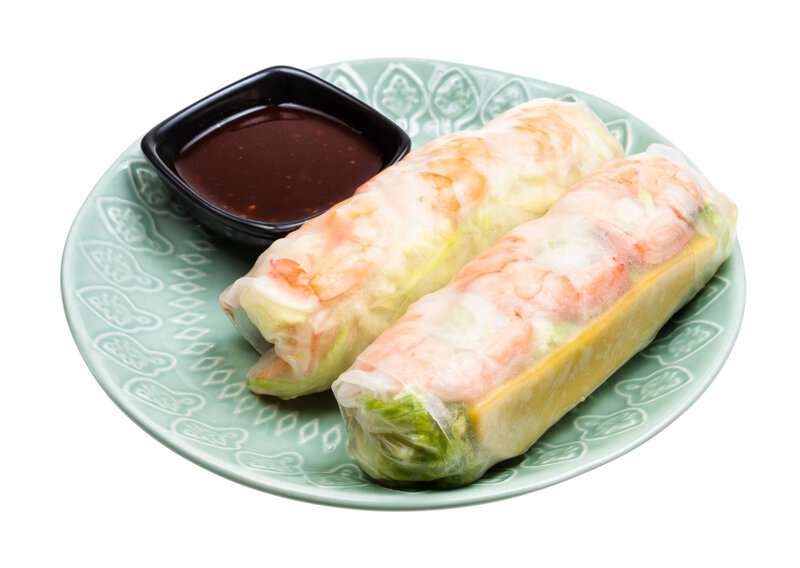
3. Goi Cuon (Vietnamese Fresh Spring Rolls)
Ingredients:
8 rice paper wrappers
1/2 pound shrimp, cooked and sliced in half
1 cup cooked vermicelli noodles
Fresh herbs: mint, cilantro, Thai basil
1 cucumber, julienned
1 carrot, julienned
Lettuce leaves
Peanut sauce or hoisin sauce for dipping
Instructions:
Arrange the shrimp, noodles, herbs, cucumber, carrot, and lettuce. Dip a rice paper wrapper in warm water until pliable. Place on a flat surface. Arrange shrimp, noodles, herbs, cucumber, carrot, and lettuce in the center. Roll tightly, folding in the sides as you go. Serve with peanut sauce or hoisin sauce for dipping.
Keep the rolls covered with a damp cloth to prevent them from drying out. Customize the fillings to your taste.
Calories: Approximately 150-200 per roll.
Read here how to make Vietnamese Spring Rolls
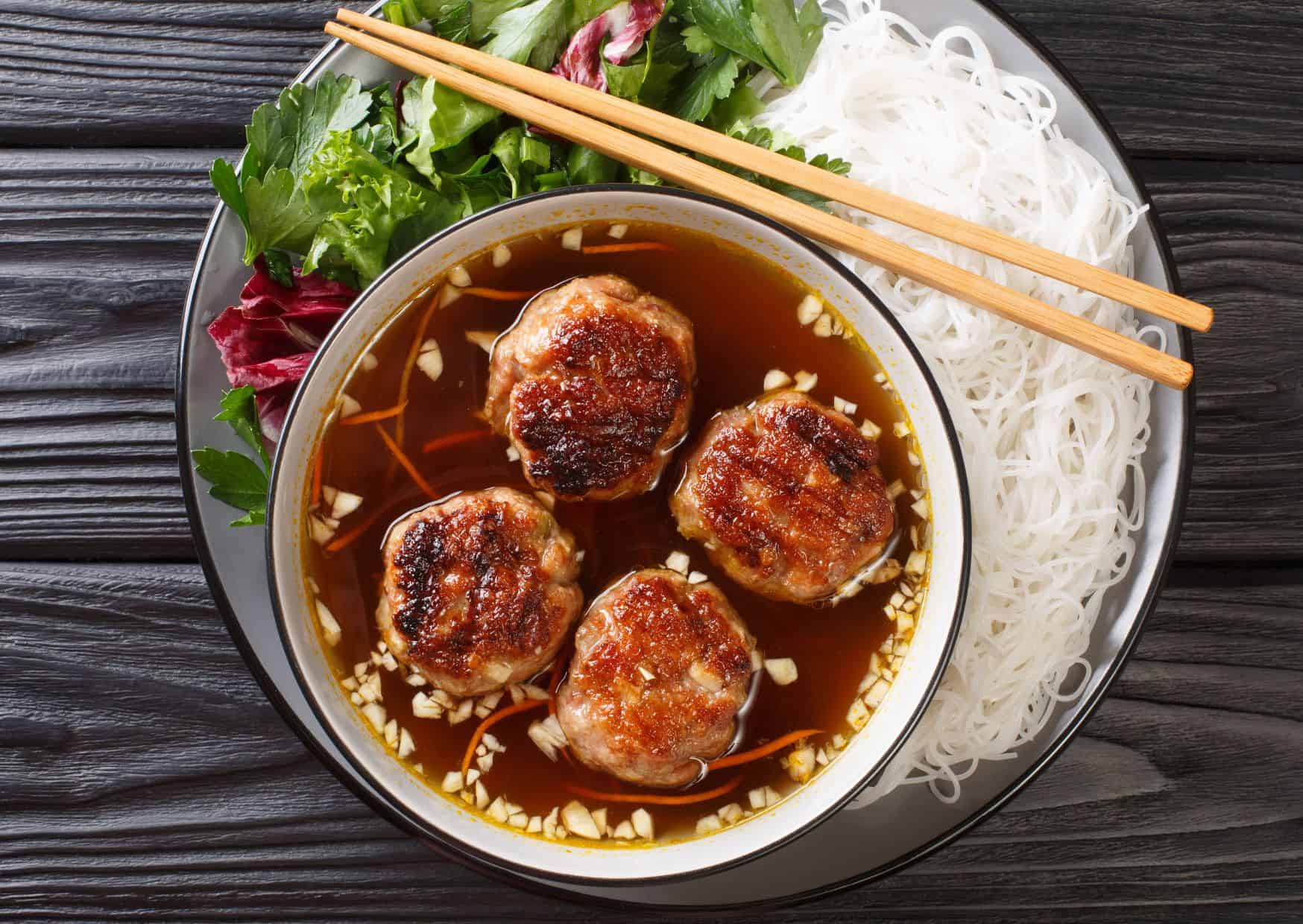
4. Bun Cha (Grilled Pork with Vermicelli Noodles)
Ingredients:
1 pound pork shoulder or pork belly, thinly sliced
1/2 pound ground pork
8 ounces vermicelli noodles
Fresh herbs: mint, cilantro, Thai basil
Lettuce leaves, shredded
1 cucumber, thinly sliced
Carrot and daikon radish, julienned (optional)
For the Pork Marinade:
1/4 cup fish sauce
2 tablespoons sugar
2 tablespoons honey
3 cloves garlic, minced
1 shallot, minced
1 teaspoon black pepper
1 tablespoon lemongrass, finely chopped (optional)
For the Dipping Sauce (Nước Chấm):
1/4 cup fish sauce
1/4 cup sugar
1/4 cup lime juice
1/4 cup water
1-2 cloves garlic, minced
1-2 Thai bird chilies, sliced (optional)
2 tablespoons shredded carrot (optional)
Instructions:
Combine fish sauce, sugar, honey, garlic, shallot, black pepper, and lemongrass in a bowl. Add the sliced pork and marinate for at least 1 hour, preferably overnight.
Prepare the Meatballs: Mix ground pork with garlic, shallot, fish sauce, sugar, and black pepper. Form into small meatballs.
Grill the pork slices and meatballs until cooked through and slightly charred. Cook the vermicelli noodles according to package instructions. Drain and rinse under cold water.
Make the Dipping Sauce: Combine fish sauce, sugar, lime juice, and water. Stir until the sugar is dissolved. Add minced garlic, chilies, and shredded carrot if using.
Place a portion of noodles in serving bowls. Top with grilled pork slices, meatballs, fresh herbs, lettuce, cucumber, and pickled vegetables if using. Serve with the dipping sauce on the side.
Marinate the pork for as long as possible to enhance the flavors. For an authentic smoky flavor, grill the meat over charcoal.
Calories: Approximately 450-500 per serving.
Read here how to make Bun Cha
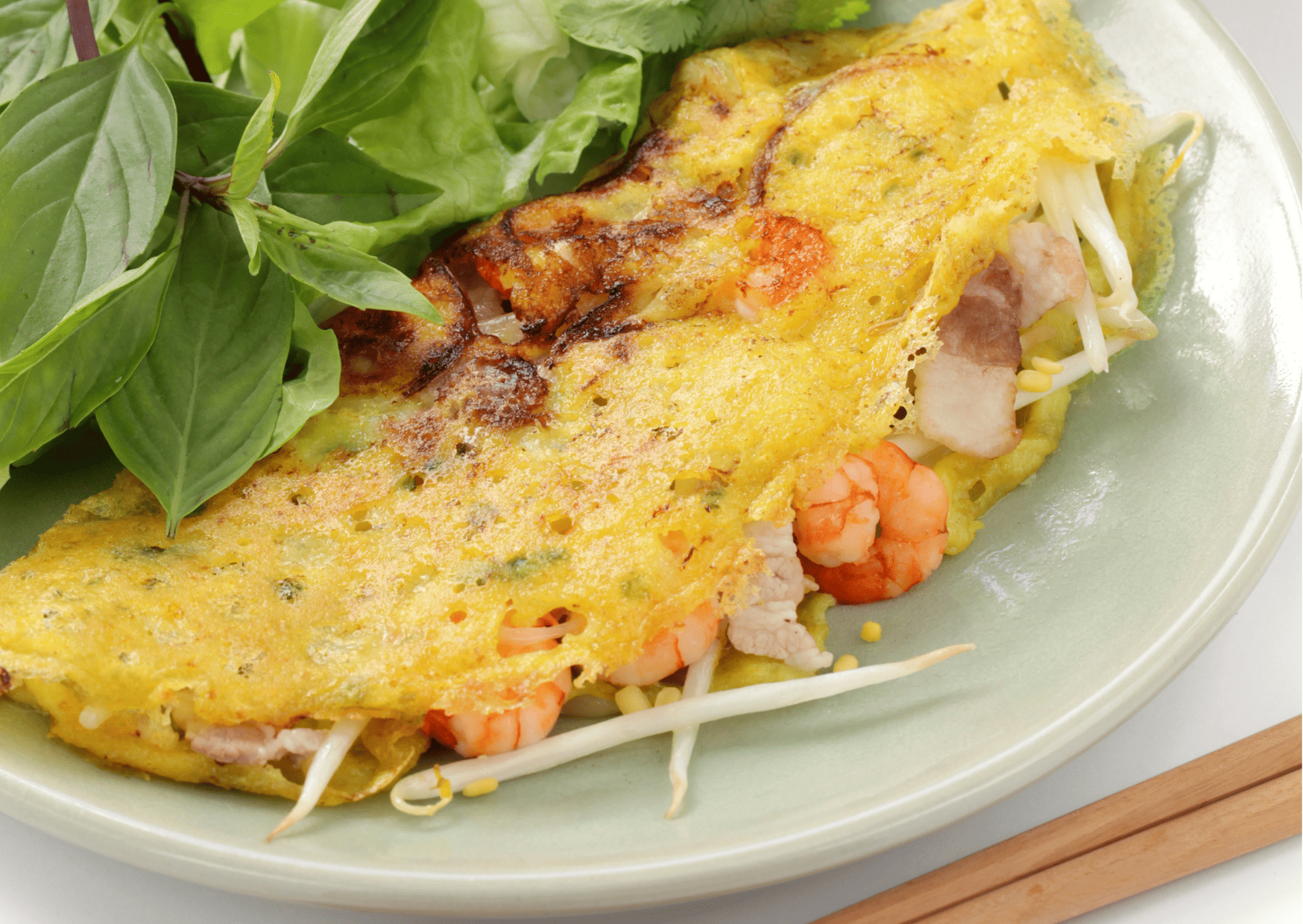
5. Banh Xeo (Vietnamese Sizzling Pancakes)
Ingredients:
1 cup rice flour
1/2 cup coconut milk
1 cup water
1/2 teaspoon turmeric powder
1/2 pound shrimp, peeled and deveined
1/2 pound pork belly, thinly sliced
1 onion, thinly sliced
2 cups bean sprouts
Fresh herbs: mint, cilantro
Lettuce leaves for wrapping
Dipping sauce (Nước Chấm, same as above)
Instructions:
In a bowl, mix rice flour, coconut milk, water, and turmeric powder until smooth. Let it rest for 30 minutes. In a skillet, cook the shrimp and pork belly until done. Remove and set aside.
In the same skillet, heat a small amount of oil. Pour a thin layer of batter into the skillet. Add shrimp, pork belly, onion, and bean sprouts on one half of the pancake. Cook until crispy, then fold the pancake in half. Serve with fresh herbs, lettuce leaves, and dipping sauce.
Ensure the batter is thin to create crispy pancakes. Serve immediately for the best texture.
Calories: Approximately 300-350 per pancake.
Origin and History
Vietnamese cuisine has roots that stretch back thousands of years, shaped by geography, trade, and regional diversity. The country’s fertile land, warm climate, and long coastline created a natural abundance of fresh herbs, rice, fish, and vegetables—all foundational elements in Vietnamese cooking. Over time, these ingredients became the building blocks of the country’s most beloved dishes.
Historical influences also played a major role. Chinese culinary techniques introduced the use of noodles, broths, and certain spices, while French colonialism brought bread, pâté, and coffee. Instead of overshadowing local traditions, these influences blended seamlessly with Vietnamese flavors, resulting in dishes like banh mi and pho that feel both familiar and deeply Vietnamese.
Each major region contributed its own character. Northern Vietnam favored subtle, balanced flavors. Central Vietnam embraced spicier, more complex dishes, often tied to royal cuisine. Southern Vietnam leaned into sweetness and abundance, influenced by its tropical produce. Together, these regional identities helped shape the iconic dishes that represent Vietnamese cuisine today.
One of the ongoing debates within Vietnamese cuisine is authenticity versus adaptation. Many cooks argue that dishes like pho or bun cha lose their soul when altered with Western ingredients or shortcuts. Others counter that food naturally evolves, especially when ingredients differ across borders, and that adaptation keeps the cuisine accessible and alive.
Another source of tension is whether restaurant versions truly reflect the flavors of Vietnam. Some travelers insist that Vietnamese food outside Vietnam is milder, sweeter, or less herb-forward, leading purists to criticize international interpretations. At the same time, many Vietnamese chefs living abroad intentionally adapt their dishes to suit local palates without compromising technique.
A final controversy surrounds regional pride. Ask someone from Hanoi what “real pho” tastes like, and you’ll hear one version. Ask someone from Saigon, and you’ll hear another. Each region believes its style is the most authentic, creating spirited debates over broth sweetness, noodle thickness, and garnish choices. These disagreements highlight how deeply rooted these dishes are in cultural identity.
How Long You Take to Prepare
Vietnamese dishes vary widely in preparation time. A quick recipe like goi cuon (fresh spring rolls) takes about twenty to thirty minutes, making it perfect for busy days. The ingredients require minimal cooking, relying instead on fresh herbs, vegetables, and cooked proteins already on hand.
More complex dishes like pho or bun bo Hue require more commitment. A proper pho broth takes at least three hours, though many home cooks simmer it for six or more to develop depth. Bun bo Hue, with its layers of lemongrass, chili, and beef, requires slow cooking to achieve its signature richness and aroma.
Mid-range dishes such as banh mi fillings, bun cha, or com tam fall somewhere in between. Most require marinating and grilling, which takes about an hour total. Despite the variety in preparation times, Vietnamese cuisine offers options for every schedule—fast, moderate, and long-simmered masterpieces.
Serving Suggestions
Vietnamese dishes shine brightest when paired with fresh herbs. Mint, cilantro, Thai basil, and perilla leaves add brightness and help balance richer flavors. Whether you’re serving noodle bowls or rolls, a small plate of herbs on the side creates a more authentic experience.
Textural contrast is another hallmark of Vietnamese cooking. Crispy shallots, crushed peanuts, and fresh vegetables elevate simple dishes. For soups like pho, offer lime wedges, chili slices, and bean sprouts so guests can adjust flavors to their preference.
Consider pairing your dishes with traditional beverages to complete the experience. Vietnamese iced coffee works beautifully with hearty meals, while jasmine tea or lime soda complements lighter dishes. These simple additions turn a homemade meal into something reminiscent of a bustling street stall in Hanoi or Saigon.
Final Thoughts
Vietnamese cuisine is incredibly rewarding to explore because it offers bold flavors without relying on heavy ingredients. Each dish is built on balance—salty, sweet, acidic, aromatic, and fresh working together in harmony. Once you understand that philosophy, cooking Vietnamese food becomes intuitive and enjoyable.
What makes these dishes so captivating is their connection to culture and everyday life. Many were born from resourcefulness, shaped by family traditions, and perfected over generations. Bringing these recipes into your kitchen lets you experience a small part of that heritage.
In the end, the five most popular Vietnamese dishes endure because they’re comforting, vibrant, and endlessly adaptable. Whether you’re preparing them for the first time or revisiting old favorites, they offer a taste of Vietnam’s soul—one bowl, plate, or roll at a time.

About the Author: Ruben, co-founder of Gamintraveler.com since 2014, is a seasoned traveler from Spain who has explored over 100 countries since 2009. Known for his extensive travel adventures across South America, Europe, the US, Australia, New Zealand, Asia, and Africa, Ruben combines his passion for adventurous yet sustainable living with his love for cycling, highlighted by his remarkable 5-month bicycle journey from Spain to Norway. He currently resides in Spain, where he continues sharing his travel experiences with his partner, Rachel, and their son, Han.