
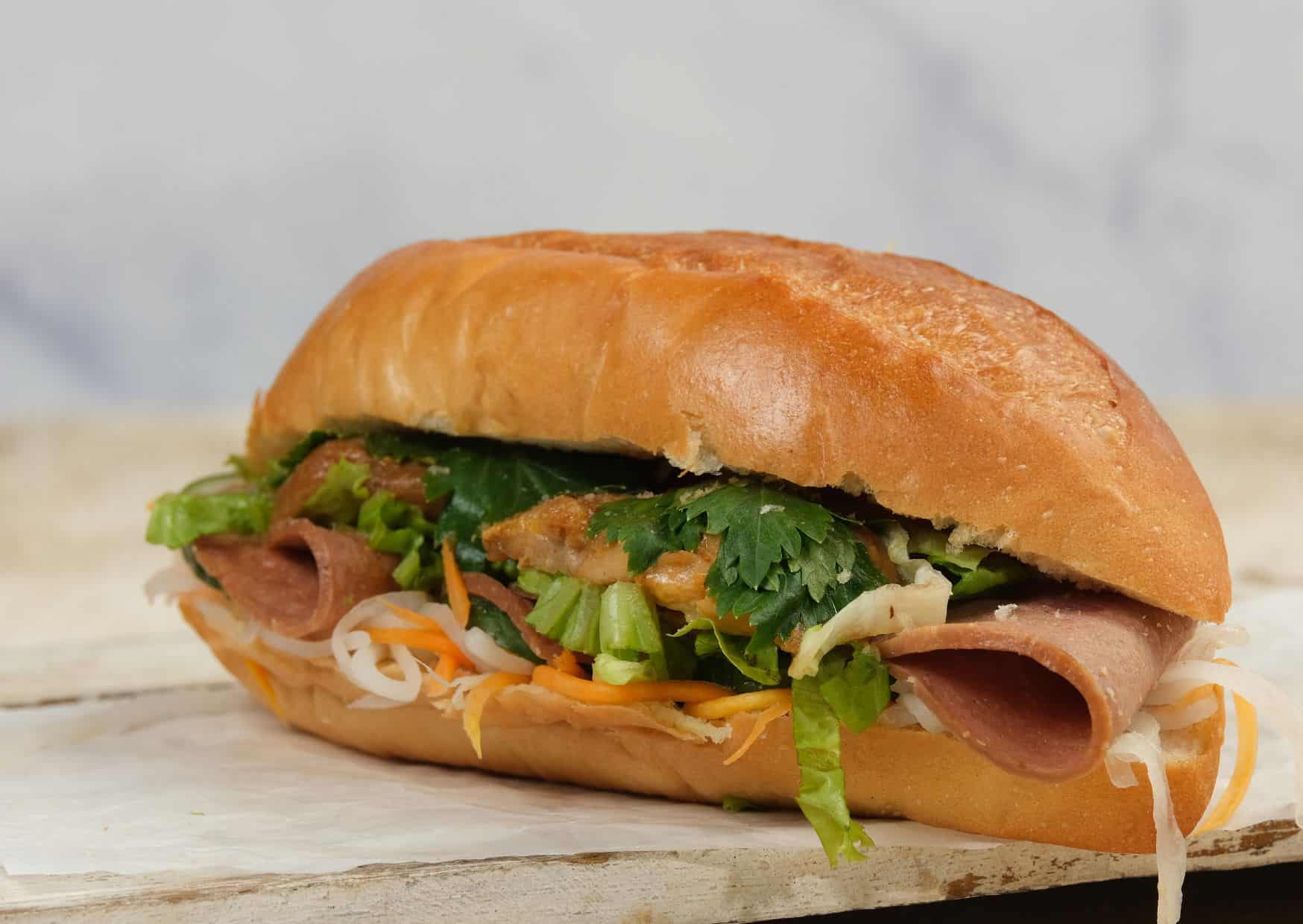
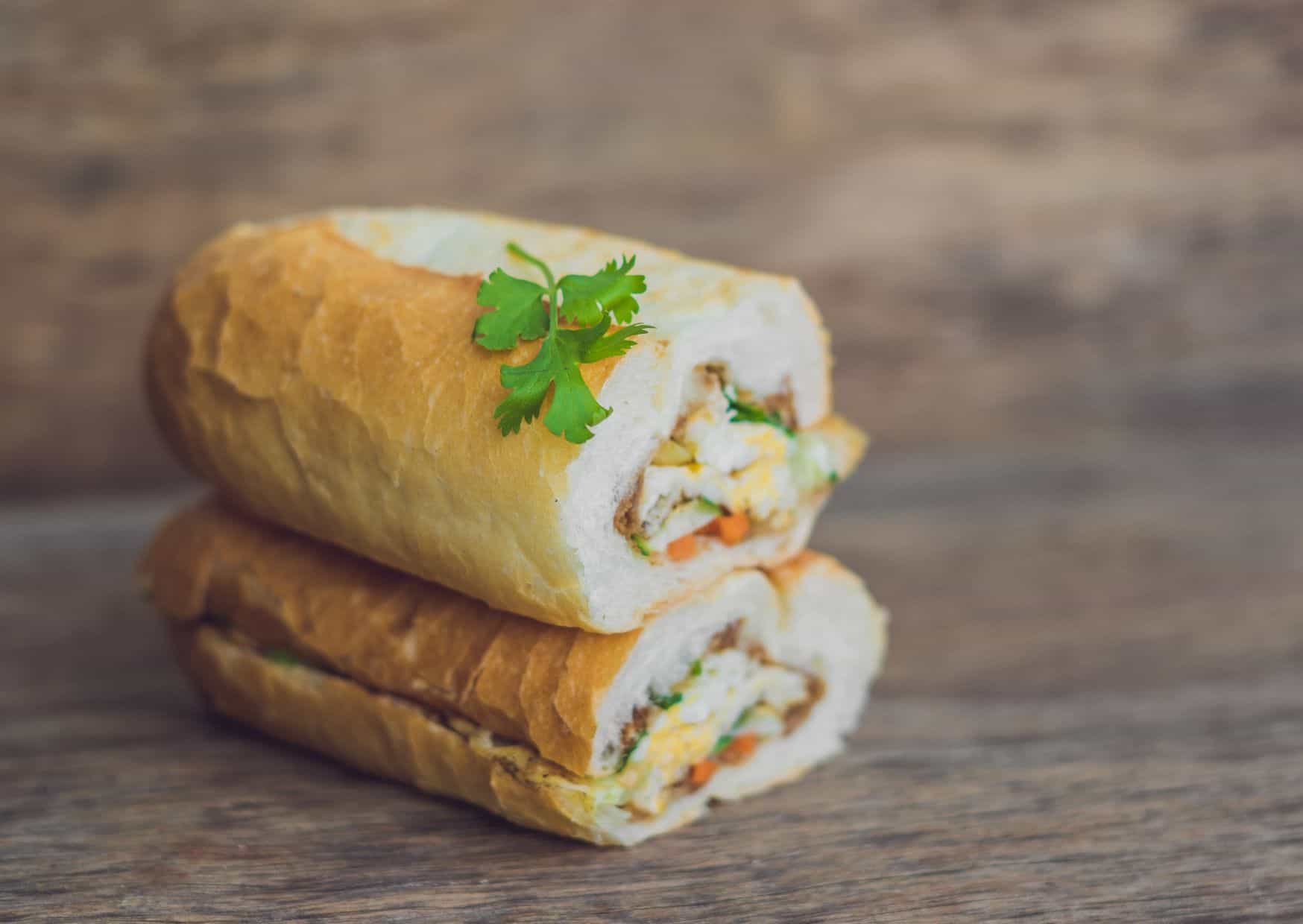
There are sandwiches, and then there’s banh mi Vietnam’s ultimate street food icon that blends French colonial influence with bold Southeast Asian flair. Crispy on the outside, pillowy on the inside, the baguette is the perfect carrier for layers of pickled vegetables, savory meats, fragrant herbs, and spicy condiments. Banh mi is not just a dish; it’s a cultural handshake between East and West, wrapped in a crunchy loaf.
Originally introduced during French rule, the baguette was transformed in Vietnam from a simple bread into a full culinary experience. The locals added their own ingredients cilantro, pork, pâté, pickled daikon and carrots, and chili sauce to make something fast, flavorful, and affordable. Today, banh mi is a global sensation, with countless variations, but the traditional version still holds a special place in every Vietnamese street market and bakery.
So why make it at home? Because the real version the one that crunches when you bite, and floods your mouth with contrasting textures and temperatures is hard to replicate outside Vietnam unless you make it yourself. And luckily, it’s easier than you think.
Read here best Vietnamese Breakfast, 40 Vietnam Travel Tips and Best Things to Do in Vietnam
BOOK YOUR TRAVEL INSURANCE
Two of our favorite travel insurance: Heymondo Vs Safetwing cheapest travel Insurance. You can get for $135 USD your Heymondo Travel Insurance with Heymondo discount code valid for 90 days. Read our full comparison of Genki vs Safetywing Travel Insurance Review and the comparison Heymondo vs Genki
How to Eat
Banh mi is best enjoyed fresh within minutes of assembling. The balance of hot, cold, crunchy, and creamy is what makes it so addictive. It’s a hands-on street food, meant to be eaten without utensils and preferably on the go. Grab a napkin, take a big bite, and don’t be surprised if you finish it faster than you planned.
Avoid refrigerating a finished banh mi; it ruins the bread’s texture and dulls the flavors. If making ahead, prep ingredients separately and assemble just before eating.
How to Partner
Pair your banh mi with iced Vietnamese coffee (cà phê sữa đá) for a classic street food experience. The bold, sweet coffee complements the savory richness of the sandwich. For a boozy brunch, a light lager or even a crisp white wine like Sauvignon Blanc works surprisingly well.
If you want to turn your banh mi into a full meal, add a small side of green papaya salad or a bowl of hot pho broth for dipping—unorthodox, but delicious.
Banh mi’s popularity has exploded in the West, but with that comes a wave of fusion versions that stray far from tradition. While experimentation can be fun, purists argue that many international versions water down the core of what banh mi represents. Bacon and avocado? Maybe tasty, but not Vietnamese.
Another point of contention is the bread itself. Many Western attempts use soft hoagie rolls or standard baguettes both of which lack the unique light, shattery texture of authentic Vietnamese-style baguettes. This texture is critical, and without it, the sandwich becomes something else entirely.
Lastly, the rising cost of “gourmet” banh mi in places like Los Angeles or New York sometimes topping $15 has sparked backlash. In Vietnam, banh mi is affordable street food, not upscale cuisine. Charging high prices without honoring the dish’s working-class roots raises valid questions of cultural respect and authenticity.
How to Make Banh Mi
Banh Mi Recipe Ingredients
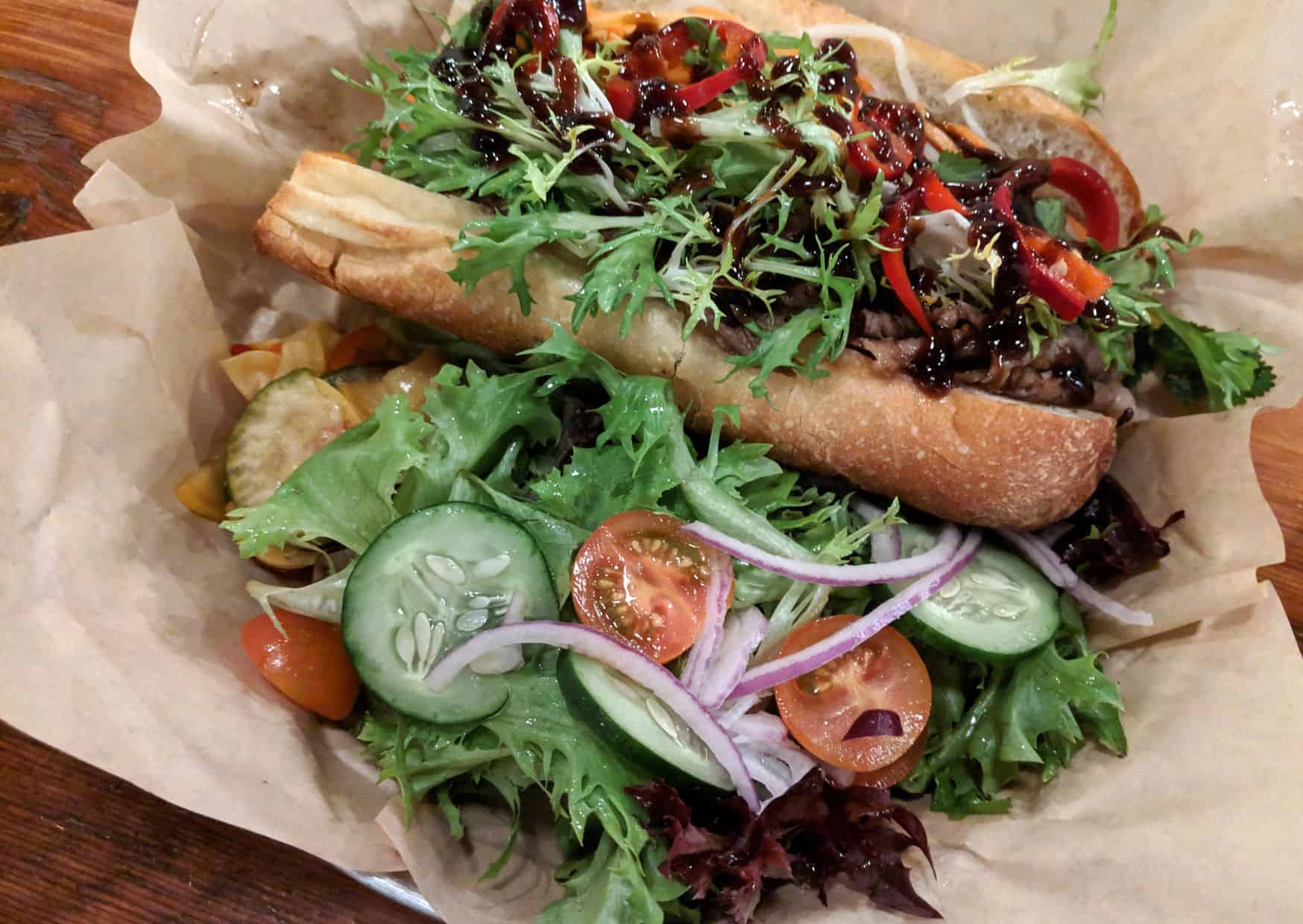
For the Pickled Vegetables:
1 carrot, julienned
1 daikon radish, julienned
1/2 cup rice vinegar
1/2 cup water
1/4 cup sugar
1 teaspoon salt
For the Meat:
1/2 pound pork belly or pork shoulder, thinly sliced
2 tablespoons soy sauce
2 tablespoons fish sauce
1 tablespoon sugar
1 clove garlic, minced
1 shallot, minced
1 tablespoon vegetable oil
For the Sandwich:
1 baguette
1 cucumber, thinly sliced
Fresh cilantro
1-2 jalapeño peppers, thinly sliced (optional)
Mayonnaise or pâté
Get the best deals for your home and kitchen needs
Step By Step How to Make Banh Mi
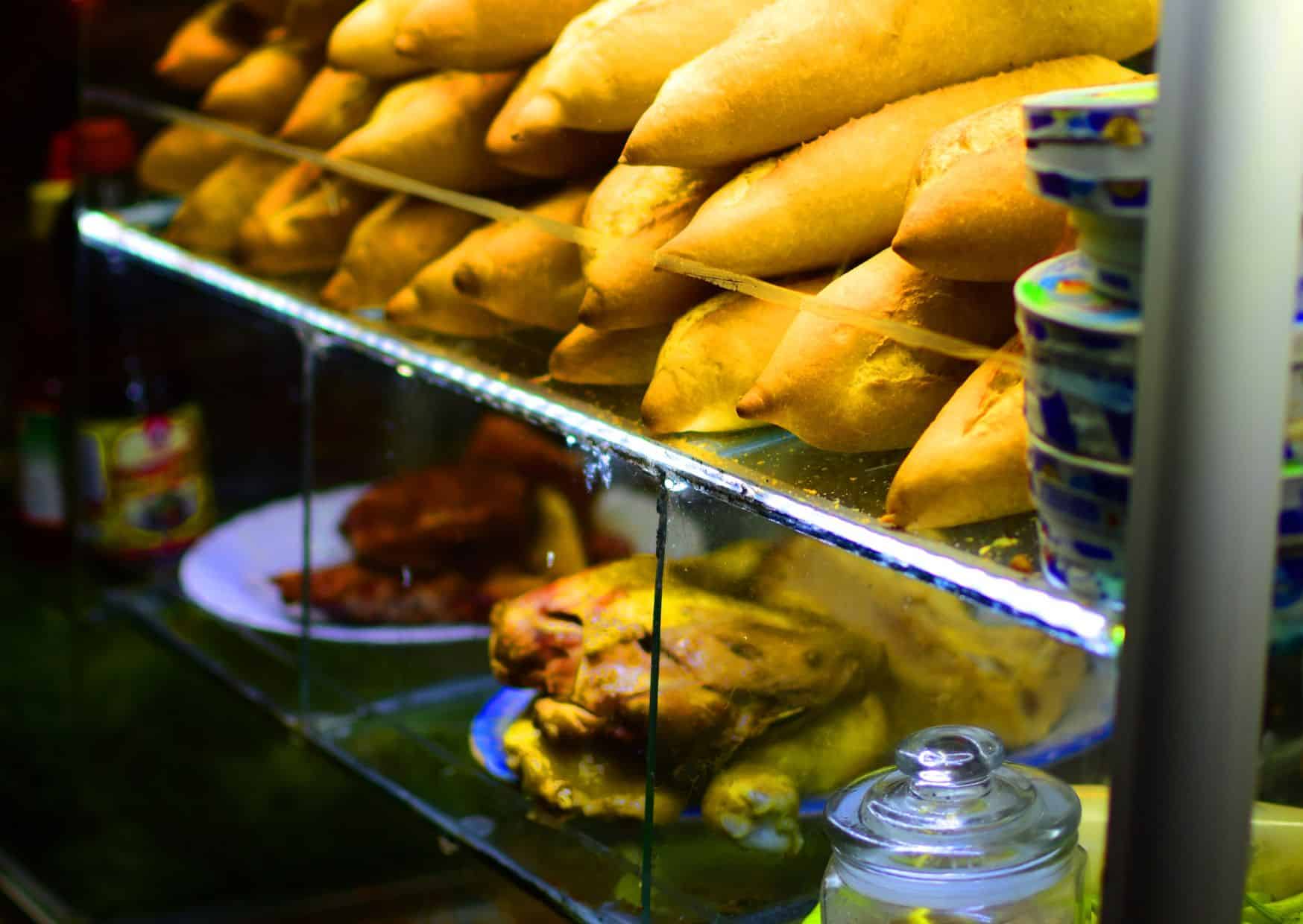
Prepare the Pickled Vegetables
In a bowl, mix rice vinegar, water, sugar, and salt until dissolved. Add the julienned carrot and daikon radish. Let it sit for at least 30 minutes, or overnight for better flavor.
Marinate the Meat
Combine soy sauce, fish sauce, sugar, garlic, shallot, and vegetable oil in a bowl. Add the pork slices and marinate for at least 30 minutes, preferably overnight.
Cook the Meat
Heat a skillet over medium-high heat. Add the marinated pork and cook until fully cooked and slightly caramelized, about 3-5 minutes per side.
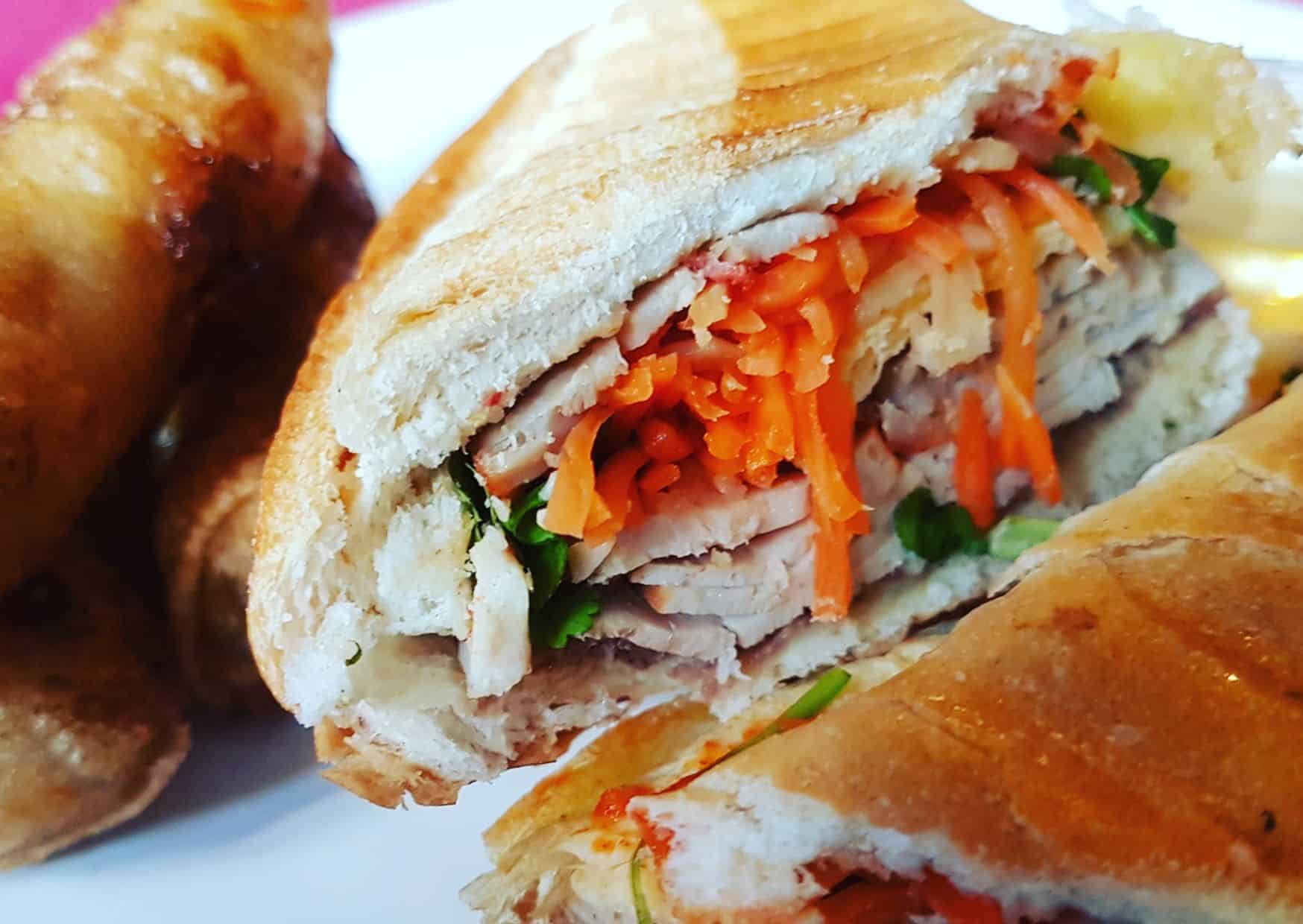
Assemble the Sandwich
Slice the baguette open and lightly toast it if desired. Spread a layer of mayonnaise or pâté on one side.
Add a layer of cooked pork, followed by pickled vegetables, cucumber slices, fresh cilantro, and jalapeño slices if using.
Serve
Serve the Banh Mi immediately to enjoy its fresh and vibrant flavors.
Tips To Make Banh Mi
Use a light and airy baguette for the best texture. Toasting the bread slightly can enhance the overall flavor and texture.
Prepare the pickled vegetables in advance and let them marinate for a longer time for a more intense flavor. Marinate the meat overnight to allow the flavors to penetrate deeply.
Feel free to customize your Banh Mi with different proteins like chicken, beef, or tofu for a vegetarian version.
How Many Calories Have Banh Mi
Calories: Approximately 400-500 per sandwich
Protein: 20-25 grams
Carbohydrates: 50-60 grams
Fat: 15-20 grams
Fiber: 3-5 grams
Origin and history
Banh mi is one of the clearest examples of how a borrowed food can become something entirely new. The baguette arrived in Vietnam during the French colonial period, but Vietnamese cooks transformed it over time into a lighter, crisper loaf and paired it with local herbs, pickles, chiles, sauces, and proteins that gave the sandwich its own identity. What began as colonial bread eventually became a distinct Vietnamese staple rather than a copy of a French original.
The word banh mi itself simply means bread in Vietnamese, which is part of why the sandwich’s story matters so much. It is not just a filled roll, but a food that moved from imported symbol to everyday local language. Over time, the South Vietnamese street version became especially important, with the sandwich evolving into the crisp, layered, portable meal many people now picture when they hear the name.
Its rise was not only about taste, but also about practicality. Banh mi became street food because it was fast, filling, affordable, and easy to carry. That made it ideal for workers, students, and city life. The combination of airy bread, rich fillings, bright herbs, and sharp pickles gave it the kind of balance that feels both satisfying and lively, which is one reason it spread so easily beyond Vietnam.
What makes banh mi especially important in food history is that it became one of Vietnam’s most recognizable culinary exports without losing its street-level character. It moved from local bakery counters and market stalls to global menus, yet it still carries the same basic DNA: crisp bread, contrast, and bold layering. That is why it feels bigger than a sandwich. It is a lesson in how a country can absorb outside influence and turn it into something unmistakably its own.
The controversy around banh mi begins with the word “authentic.” Many people use it loosely, but banh mi is one of those dishes that quickly exposes the difference between inspiration and imitation. The bread matters, the balance matters, and the pickled vegetables, herbs, pâté, mayonnaise, and protein are not random extras. A sandwich can be delicious and still drift far from the version Vietnamese cooks would recognize as properly built.
That is also why the Subway comparison hits such a nerve. Subway built its brand around customizable sandwiches, but banh mi already offered a more vivid model: sharper flavor, more contrast, better texture, and a stronger sense of place. The point is not only that Vietnam preferred its own sandwich tradition. It is that banh mi represents the kind of sandwich logic global chains often flatten: one that depends on freshness, proportion, and character rather than endless substitution.
Another controversial part of banh mi’s popularity is how often it gets softened for foreign audiences. Some versions become oversized, overfilled, or so sweet and saucy that the sandwich loses its clean tension. Others remove the pâté, skip the pickles, or replace the bread with something too dense and chewy. These changes may make the sandwich more familiar to outsiders, but they also strip away what made it compelling in the first place.
The deeper truth is that banh mi is not famous because it is endlessly adaptable. It is famous because it is highly specific. It works when the bread shatters lightly, the vegetables stay crisp, the herbs stay bright, and the rich elements never overwhelm the fresh ones. That is why so many homemade versions feel disappointing. People copy the appearance first and understand the structure second.
How long you take to prepare
An authentic-style homemade banh mi does not have to be an all-day project, but it does reward planning. If you use ready-made baguettes and a straightforward filling such as grilled pork, rotisserie chicken, tofu, or Vietnamese cold cuts, you can build a very good version in about 35 to 45 minutes. That includes quick pickling the vegetables, preparing the spread, warming or cooking the protein, and assembling the sandwich.
If you want deeper flavor, it helps to start earlier. Quick-pickled carrot and daikon improve with even 30 minutes of resting time, and marinated pork benefits from at least a few hours in the refrigerator. In that version, the hands-on work may still be under an hour, but the total preparation stretches longer because flavor develops before you ever slice the bread.
Making the bread from scratch changes the equation completely. A true banh mi-style baguette is one of the hardest parts to reproduce at home because it needs a delicate crust and light interior rather than the heavier chew of many Western bakery loaves. If you bake your own, the project can easily become half a day. That is why many home cooks get better results by buying the best light baguette they can find and focusing their effort on the filling and balance.
The most realistic weeknight strategy is to divide the work. Pickle the vegetables in advance, marinate the meat earlier in the day, and mix the sauces before dinner. Then all that remains is cooking the filling, toasting the bread lightly, and assembling everything while the textures are still fresh. That approach keeps the sandwich fast without making it taste rushed.
Serving suggestions
Banh mi is best served fresh, while the bread is still crisp and the fillings still feel cool, bright, and distinct. That is the whole point of the sandwich. If it sits too long, the crust softens and the vegetables lose their snap. Serve it as soon as it is assembled so the contrast between warm protein, cool pickles, fresh cilantro, and airy bread stays sharp.
It works beautifully as a full lunch on its own, but it also pairs well with simple sides that do not compete too much. A small cucumber salad, lightly dressed greens, or a bowl of clear broth can complement the sandwich without dulling its edge. If you want something richer, serve it with crisp fries or roasted sweet potatoes, but keep the portions light so the sandwich remains the center of attention.
For gatherings, banh mi is especially good when turned into a build-your-own spread. Lay out warmed proteins, pâté, mayonnaise, sliced cucumber, pickled carrot and daikon, cilantro, chilies, and split baguettes, and let people assemble their own. That preserves the freshness and also helps everyone control spice, herbs, and richness without compromising the structure of the sandwich.
If you are serving it for dinner, think about contrast in the meal as a whole. A cold lime soda, iced tea, or sparkling water works well because banh mi already carries so much salt, fat, acid, and crunch. You do not need a heavy drink or a complicated side. The sandwich already brings enough drama to the table.
Final thoughts
What makes banh mi so memorable is not just that it tastes good. It is that every bite feels engineered for contrast. Crisp bread meets soft filling, rich spread meets sharp pickles, herbs lift the meat, and heat cuts through fat. That kind of balance is why the sandwich feels alive rather than heavy.
It is also a reminder that great sandwiches are rarely about excess. Banh mi does not win by piling on more and more ingredients. It wins by making each ingredient matter. When the bread is right and the fillings are layered with restraint, the sandwich tastes complete without ever feeling overloaded.
That is why authentic banh mi is worth making at home. Not because it is impossible to buy elsewhere, but because building it yourself teaches you what the sandwich is really about. You start to understand that the pickles are not garnish, the cilantro is not decoration, and the bread is not just a container. Every part has a job.
In the end, banh mi beat sandwich chains at their own game because it offered what mass customization usually cannot: identity. It has a point of view. It tastes like somewhere. And once you understand that, making it at home stops being a trend and starts becoming a way to respect why the sandwich mattered in the first place.

About the Author: Ruben, co-founder of Gamintraveler.com since 2014, is a seasoned traveler from Spain who has explored over 100 countries since 2009. Known for his extensive travel adventures across South America, Europe, the US, Australia, New Zealand, Asia, and Africa, Ruben combines his passion for adventurous yet sustainable living with his love for cycling, highlighted by his remarkable 5-month bicycle journey from Spain to Norway. He currently resides in Spain, where he continues sharing his travel experiences with his partner, Rachel, and their son, Han.