

Most Americans obsess over the passport expiration date and stop there. The page that causes the ugly surprise is usually deeper in the book: the blank visa and stamp pages, which airline staff may check before they let you board.
A lot of travelers think a valid passport is a yes-or-no question.
Not expired, photo looks like you, name matches ticket, done.
That is not how international check-in works.
For a long list of destinations, the passport also needs enough blank pages, sometimes consecutive blank pages, and sometimes pages that are blank in the exact way immigration rules mean by blank. A page with old stamps, visas, water damage, or the wrong type of page can turn a perfectly paid-for trip into a desk conversation nobody wants at 6:10 a.m.
This catches Americans because the habit at home is simple. Check the expiration date. Maybe check the visa. Show up. Fly.
Airline agents are checking something stricter than that.
They are checking whether they can legally carry you to a country that may refuse you on arrival. If they board you without the required blank pages, they are the ones stuck with the fallout, not just you. So when the rule says two blank pages, or two consecutive visa pages, or one page per stamp, the person at the counter is not being dramatic. They are protecting the airline from a mess.
That is why this feels petty right up until it ruins a ticket.
And yes, the fix can cost about $200 in a hurry, sometimes more, and sometimes it is not even fixable the same day.
The Page They Care About Is Not The One With Your Face
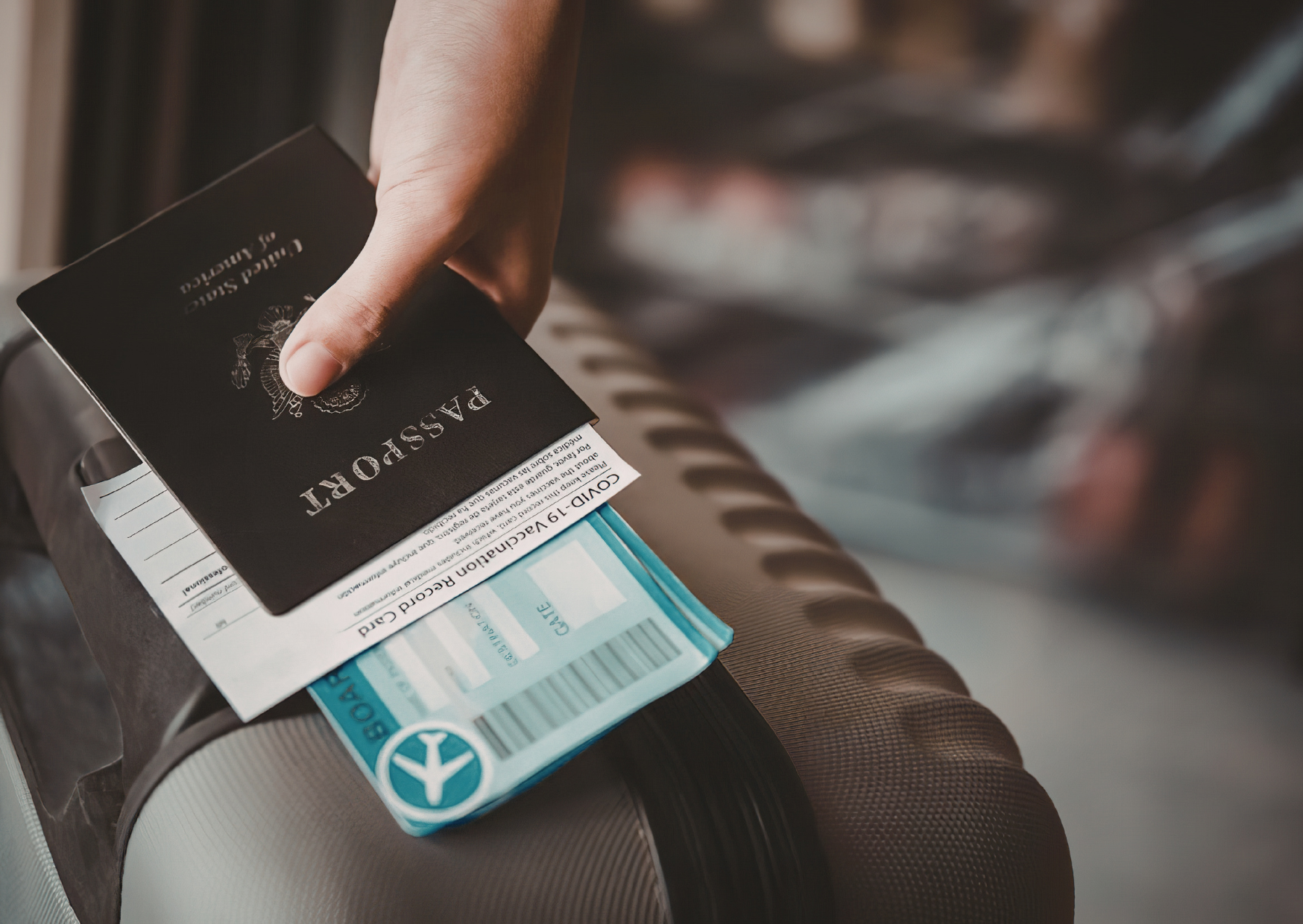
The forgotten page is the blank visa page, not the photo page, not the signature page, and not the emergency contact page most people never fill in anyway.
That sounds obvious until a traveler flips through the passport and says, “I still have room.” Room is not the same thing as what border authorities count as usable space.
Some countries want one blank page for a stamp.
Some want two.
Some want two consecutive blank visa pages.
Some do not count endorsement pages at all, which is the detail that turns mild confidence into a check-in denial.
That last part matters more than people think. A traveler can be holding a passport that looks half-empty and still be short on usable pages because the remaining space is in the wrong section, broken up by old stamps, or sitting on pages the destination will not count.
This is also why frequent travelers get caught. The passport is still valid for years, but the real estate inside the book is nearly gone. Nobody notices because most trips go through automated gates, or because prior trips used only a stamp or two, or because the passport has become one of those objects people assume works until it doesn’t.
The United States no longer lets travelers add pages to an existing passport book.
That old workaround is gone.
So once page space becomes the problem, the answer is usually renew the whole book, not “add a couple of pages” and move on.
That is the expensive part people learn too late.
Airline Staff Are Not Guessing. They Are Checking A Rule Set.

At the counter, the airline is not making up its own passport standards based on vibes and mood.
The staff are checking destination and transit requirements that include validity, visa rules, health rules, and blank-page requirements. That is why a traveler can be waved through for one trip and stopped cold for another with the same passport. The passport did not change. The itinerary did.
A nonstop to Madrid is one document problem.
A routing through Paris to Johannesburg is another.
A cruise with multiple foreign ports is another.
The rule that matters is the one attached to where you are going and where you are transiting, not the general feeling that “my passport is fine.”
That is also why arguing at the desk rarely works.
The agent is not being asked whether the rule is sensible.
The agent is being asked whether the airline can board someone whose documents may fail on arrival.
That tends to produce very little romance and a lot of “I’m sorry, but…”
Americans also misunderstand denied boarding here. This is not the glamorous version tied to overbooking, vouchers, and compensation. If the airline refuses to board you because your documents do not meet the rule, that usually lands in the your paperwork, your problem category.
No €250 surprise payout.
No righteous airport speech.
Just a bad morning and a new to-do list.
That is why the boring passport check matters more than the dramatic airport story afterward. Once you are at the desk, the decision is mostly over.
The Blank Page Rules Change By Country And They Are Not Always Generous
The easy mistake is assuming every country wants one blank page.
Plenty do.
Plenty do not.
South Africa is the classic trap because it wants two consecutive completely blank visa pages, and endorsement pages do not count. Not two half-clear pages. Not one clean page and one almost-clean page. Two consecutive visa pages, blank, in the correct part of the book.
Italy requires two blank pages for the entry stamp.
Portugal requires two blank pages for entry.
Spain uses a lighter rule, but even there the page requirement is tied to stamps, not just the abstract fact of owning a passport.
Indonesia requires at least two blank pages and six months of passport validity beyond arrival. China requires two blank pages and also has a separate catch that matters if you try to solve the problem in a panic: the standard 12-page U.S. emergency passport is not accepted there for visa-free entry.
That last detail is where people get humbled.
They assume a rushed replacement passport solves everything.
Sometimes it solves the book problem and creates a new destination problem.
France adds another version of the same headache. It requires a blank page for stamps, but it also does not recognize the 12-page U.S. emergency passport for entry. So a traveler who scrambles for an emergency document may discover that the replacement gets them a new passport in hand but still not a clean path through French immigration.
Cruises deserve their own paragraph because cruise passengers are unusually good at lying to themselves about documents. A lot of them hear “closed-loop cruise” and switch off. The practical advice is much less relaxed. A passport book is the smarter document to carry, and the guidance for cruises still tells travelers to make sure the book will have two or more blank pages and enough validity. That matters even more if the ship reroutes, someone gets sick, or a missed departure turns a cruise problem into a same-day international flight problem.
The deeper issue is not that the rules are unfair.
The issue is that passport page math is not standardized, and Americans often travel as if it is.
The Airport Fix Is Usually Not At The Airport And It Is Rarely Cheap
The phrase “fix it at the airport” makes this sound like a kiosk problem.
It is not.
There is no cheerful desk near security printing fresh visa pages while you buy a coffee.
If blank pages are the problem, the real fix is usually a rush passport appointment at a passport agency, not an airport counter. In the United States, that means the traveler needs urgent international travel within 14 calendar days and still is not guaranteed an appointment exactly when or where they want one.
Then the money starts.
For an adult who is eligible to renew a passport book, the government fee is $130. Add the $60 expedited service fee for urgent agency processing and $22.05 for 1-to-3 day delivery of the new passport book, and the total lands at $212.05.
That is the cleanest version.
If the traveler is not eligible to renew and has to apply as a first-time adult applicant, the passport book fee is still $130, but there is also a $35 acceptance fee, plus the same $60 expedite fee and $22.05 delivery charge. That comes to $247.05.
So the headline number is actually polite.
Around $200 is the floor for some travelers, not the ceiling.
And that is before a rebooked flight, a hotel near the passport agency, ground transport, or the cost of losing a nonrefundable itinerary.
There is another ugly wrinkle. The rushed document may be a limited emergency passport in some circumstances, and those passports do not work everywhere. Travelers who imagine a same-day replacement as a universal rescue device are giving themselves too much comfort.
Sometimes the expensive fix still leaves the itinerary broken.
That is why the smarter rule is brutal and simple: if the passport pages look close, they are already too close.
Nobody wants to discover that at Newark, JFK, Atlanta, Chicago, LAX, or Miami with a suitcase in one hand and a boarding group in the other.
Why Americans Miss This Even When They Travel A Lot
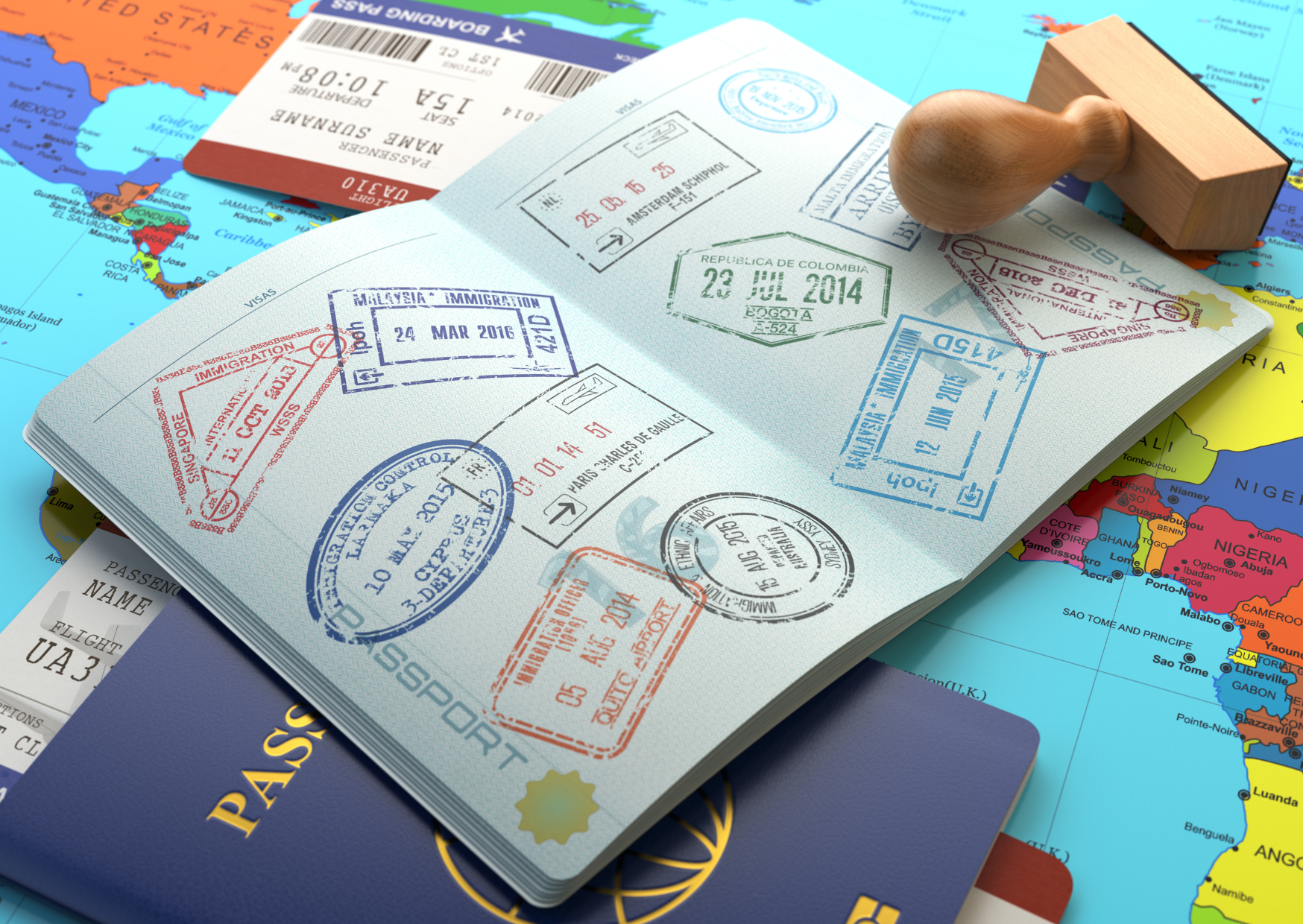
The American travel habit trains people to think in expiration dates, not page capacity.
That habit makes sense domestically because none of this matters on a flight to Phoenix or Boston. Even on many international trips, the page issue stays invisible until the passport gets older, the traveler starts stacking more destinations, or the itinerary includes places with stricter rules.
There is also a visual trick to modern passports.
People flip through them quickly and see “space.”
Immigration officers and airline staff see usable visa pages.
Those are not the same thing.
Another reason this gets missed is that many travelers assume the airline website would have warned them in plain English. Sometimes it does. Sometimes the information is buried in a general travel-documents section. Sometimes the booking engine nudges the traveler to check entry requirements. But airlines still expect passengers to arrive with correct documents. The responsibility does not slide back to the carrier just because the traveler did not read far enough.
Then there is the family factor.
A lot of Americans aged 45 to 65 are not traveling alone anymore. They are managing a spouse’s passport, maybe an older parent’s paperwork, maybe an adult child’s international wedding trip, maybe a cruise that was booked a year ago and then mentally filed away as “handled.” One low-page passport in the family can turn everyone else’s smooth plan into a waiting area.
This is where good planners do something oddly bad.
They focus on the expensive parts of the trip and skim the cheap part.
Flights get compared across three browsers.
Hotels get studied down to the breakfast buffet.
Then the passport gets a ten-second glance.
That is upside-down.
The passport is the one object in the entire transaction that can make the rest of the money irrelevant.
Seven Days Before Any International Trip, Count Pages Like An Adult
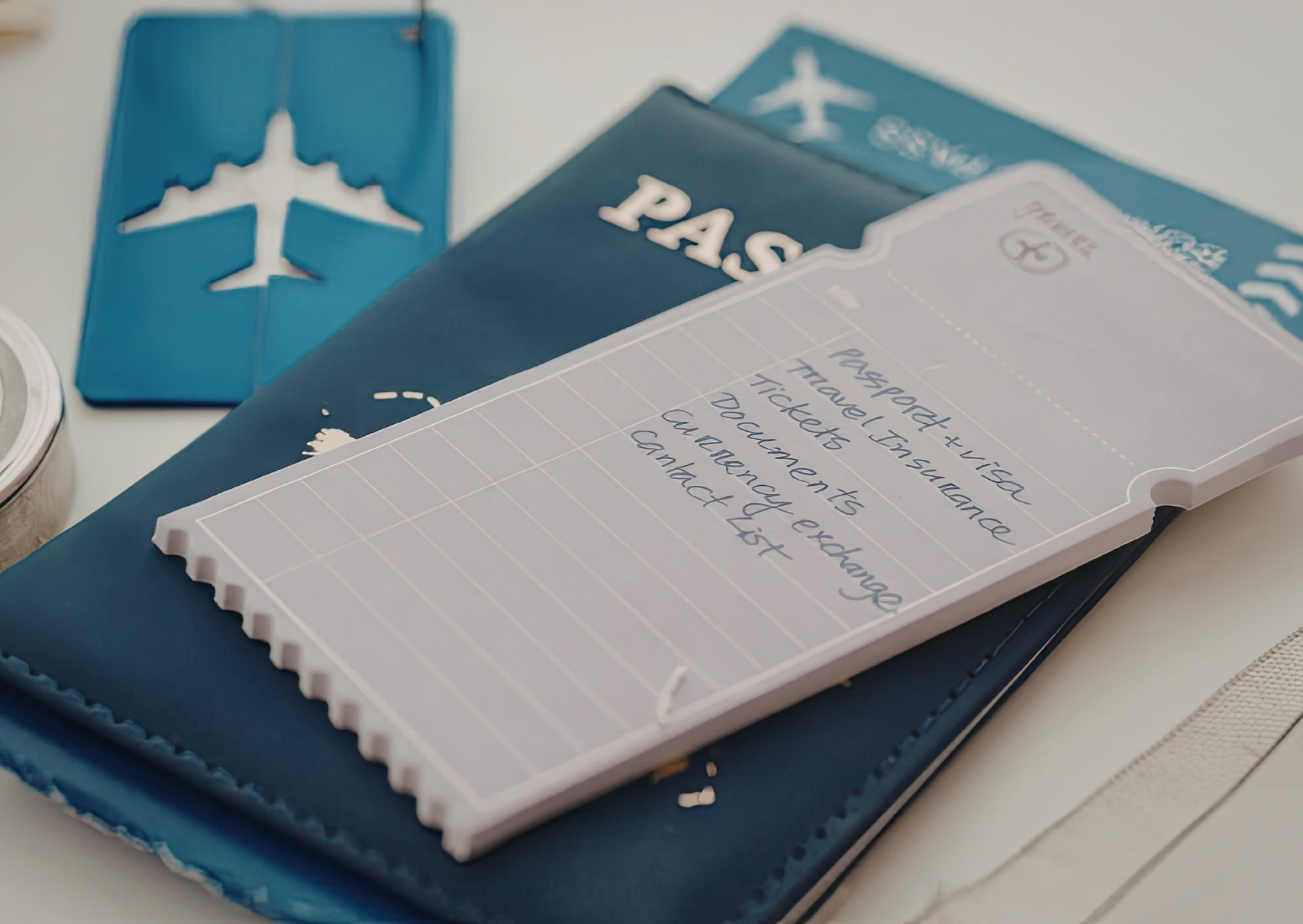
A practical travel system beats confidence every time.
Seven days before any international trip, pull the passport out and do a real check, not the casual flip people do while standing by the kitchen counter.
Look for validity first, then blank pages, then destination-specific rules, then transit-country rules.
Count the blank pages that actually qualify.
If the destination says two blank pages, confirm you truly have two blank pages. If it says two consecutive blank visa pages, confirm exactly that. If a country excludes endorsement pages, stop counting those pages immediately and see what remains.
Then check the full routing, not just the destination printed in your head.
A traveler going to Cape Town via Europe still has a South Africa rule problem.
A traveler cruising through several countries may have multiple page demands layered together.
A traveler connecting through France or heading to China with an emergency passport may have a separate document problem that has nothing to do with blank space and everything to do with the replacement passport type.
This is also the moment to use the same kind of tools airline staff use before they decide whether to board you. The broad document databases exist for travelers too. They are not perfect substitutes for reading official country requirements, but they are a much better starting point than asking a Facebook group whether anyone “had trouble last summer.”
If the passport is getting crowded and the trip is not immediate, renew early and request the large book.
That part is almost offensive in how easy it is. The larger passport book comes with more visa pages at no extra cost. Travelers who leave the default book size in place and then pay rush fees later are paying a tax on optimism.
Also, do not assume one blank-looking page means safety. A single page can disappear fast with entry and exit stamps, and some itineraries require more than that anyway.
The rule should be conservative.
If the book looks thin on usable space, treat it as thin.
The Cheap Fix Happens On Your Sofa Not At Gate 42
The smartest version of this problem is deeply boring.
Renew the passport before it gets crowded.
Ask for the large book.
Check the actual blank pages, not the general mood of the passport.
Read the destination and transit rules like someone who enjoys keeping their own money.
That is the whole trick.
Americans get burned here because the mistake feels too small to be expensive. It is only a page count. It is only paperwork. It is only a passport that still has years left before expiration.
Then the airline employee opens the book, flips past the photo page, lands on the visa pages, and the whole trip suddenly depends on a detail the traveler never bothered to count.
That is the part worth stealing from seasoned international travelers. They do not trust the vague sense that a passport is “probably fine.”
They count.
They verify.
They leave for the airport knowing the document can survive contact with the actual rules.
That habit is worth a lot more than $200.

About the Author: Ruben, co-founder of Gamintraveler.com since 2014, is a seasoned traveler from Spain who has explored over 100 countries since 2009. Known for his extensive travel adventures across South America, Europe, the US, Australia, New Zealand, Asia, and Africa, Ruben combines his passion for adventurous yet sustainable living with his love for cycling, highlighted by his remarkable 5-month bicycle journey from Spain to Norway. He currently resides in Spain, where he continues sharing his travel experiences with his partner, Rachel, and their son, Han.