
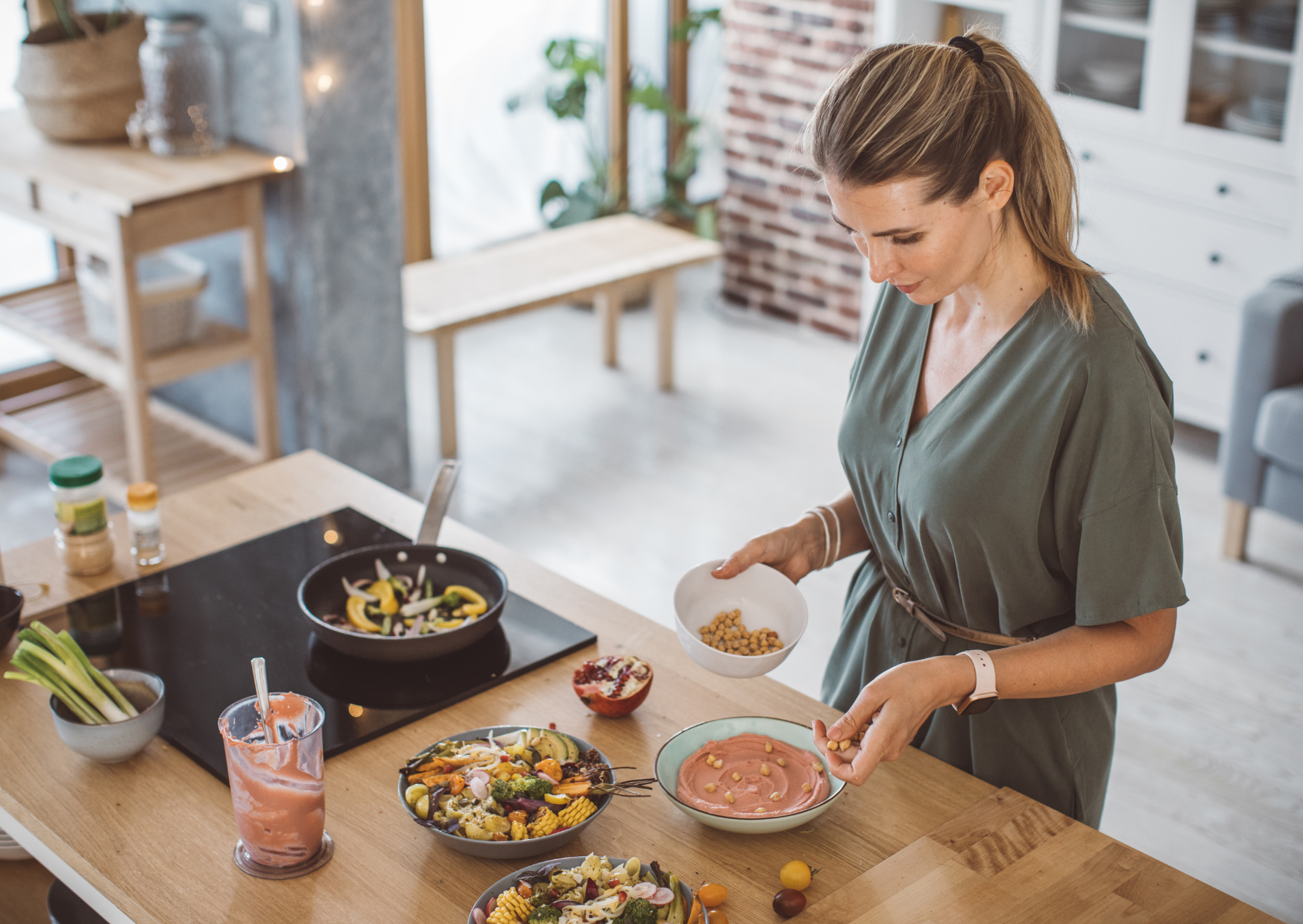
Americans keep trying to turn health into a project.
A new year arrives. The planner gets cleaner. The shoes get bought. The vitamins multiply. Somebody orders a walking pad, a protein powder, and a better version of themselves.
The intention is real. One recent wellness survey found 82% of respondents planned to focus more on overall health and wellbeing in 2026, and the American Psychiatric Association found 82% of Americans planned to make at least one New Year’s resolution, with physical fitness and diet among the most common goals.
The part that interests me is not the ambition.
It is the fact that Americans keep having to declare health as a goal in the first place.
In a lot of Europe, at least in the parts that still get daily life roughly right, many of the things Americans call health resolutions are not framed as resolutions at all. They are just the shape of the day. Walking because the city still makes walking possible. Eating a simpler lunch because lunch is still allowed to exist. Moving more because transport still includes a body. Working less because the structure leaves more room. Buying food that looks like food because the week is not built entirely around panic convenience.
That does not mean Europeans are saints.
It means health is often less performative and more structural.
That is a very different advantage.
Americans Keep Treating Health As A Willpower Problem
The health-and-wellbeing survey number is revealing for one simple reason.
If 82% of people say they want to focus more on health, then health is clearly not feeling built into normal life strongly enough. It is something people feel they must chase, rescue, restart, optimize, and drag back into the calendar by force.
That is the part people miss when they talk about motivation.
A lot of Americans are not short on intention. They are short on supportive structure. The workday is long enough or fragmented enough to crowd out ordinary movement. The food environment is built around convenience and overbuying. The transport environment keeps trying to put a car between the person and every small errand. Health becomes a plan because the week itself is not helping much.
Europe, in the useful version of this comparison, is not better because people there wake up more virtuous.
It is better because more ordinary habits are already doing part of the work.
That difference matters a lot more than one more resolution app.
In Much Of Europe, Walking Still Counts As Life, Not Exercise
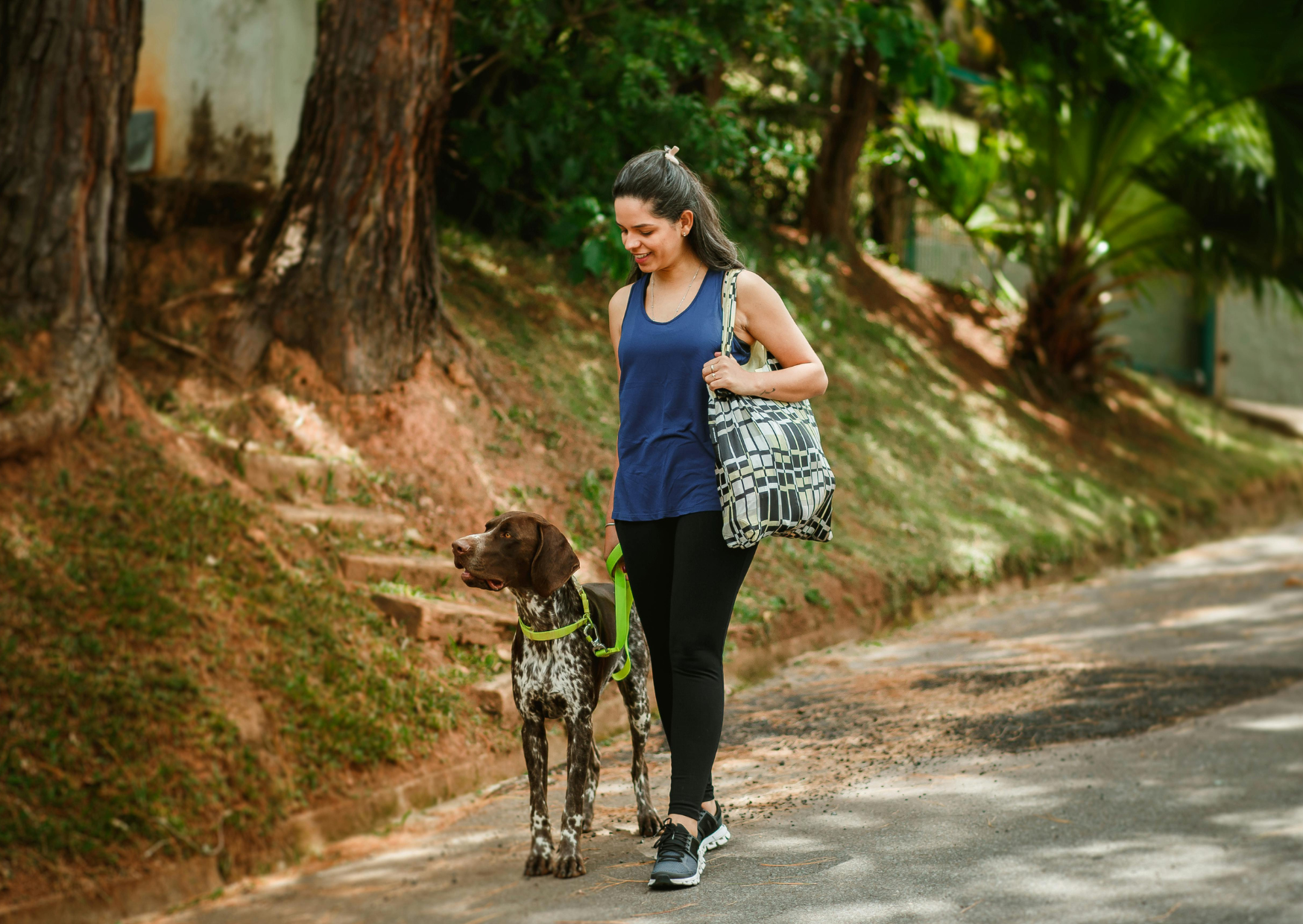
This is one of the biggest differences, and it is not glamorous.
Americans often isolate movement into a special category called fitness. You go somewhere to do it. You schedule it. You change clothes for it. You feel guilty when you miss it.
A lot of Europe still treats movement more like background transportation.
Eurostat’s health-enhancing physical activity data shows that a large majority of people aged 15 and over in the EU report at least some walking as transport during a typical week. And that is the key point. Walking is not only recreation. It still sits inside the basic mechanics of getting somewhere.
That changes the whole emotional tone of health.
When the pharmacy, bakery, school, bus stop, market, train station, or café can be reached on foot, movement stops needing a motivational speech. It just happens. You are less dependent on finding an extra hour and more likely to accumulate activity in pieces that do not feel like punishment.
This is also why a lot of Americans misunderstand European “healthy living” when they visit.
They see people walking and assume those people are making excellent choices.
Often they are just living inside a place that still expects legs to matter.
That is a much more powerful health advantage than most wellness marketing.
Work Leaves More Room For A Body In The First Place

It is easier to “focus on health” when the week is not trying to consume the whole person.
Eurostat says the average actual working week in the EU was 36.0 hours in 2024. OECD figures continue to show the broader annual-hours gap too. The U.S. was around 1,811 hours worked per year, while Spain was around 1,634 in the latest OECD country figures.
That is not a tiny lifestyle difference.
It is a real amount of life.
Those hours do not automatically turn into yoga and longevity, obviously. Some of them become errands, television, family obligations, doomscrolling, and all the usual human nonsense. Fine. The point is not that Europeans spend every spared hour becoming their best selves.
The point is that more hours remain available for ordinary self-maintenance.
That means you are more likely to cook.
More likely to walk somewhere instead of solving everything through a steering wheel.
More likely to sit down and eat at a speed that does not insult the digestive system.
More likely to have a social life that is not entirely crammed into one stressed Saturday.
A lot of American “health goals” are really just attempts to re-buy time the system already spent.
That is why the comparison can feel a little rude.
Food In Europe Still Looks More Like Daily Food Than A Health Program
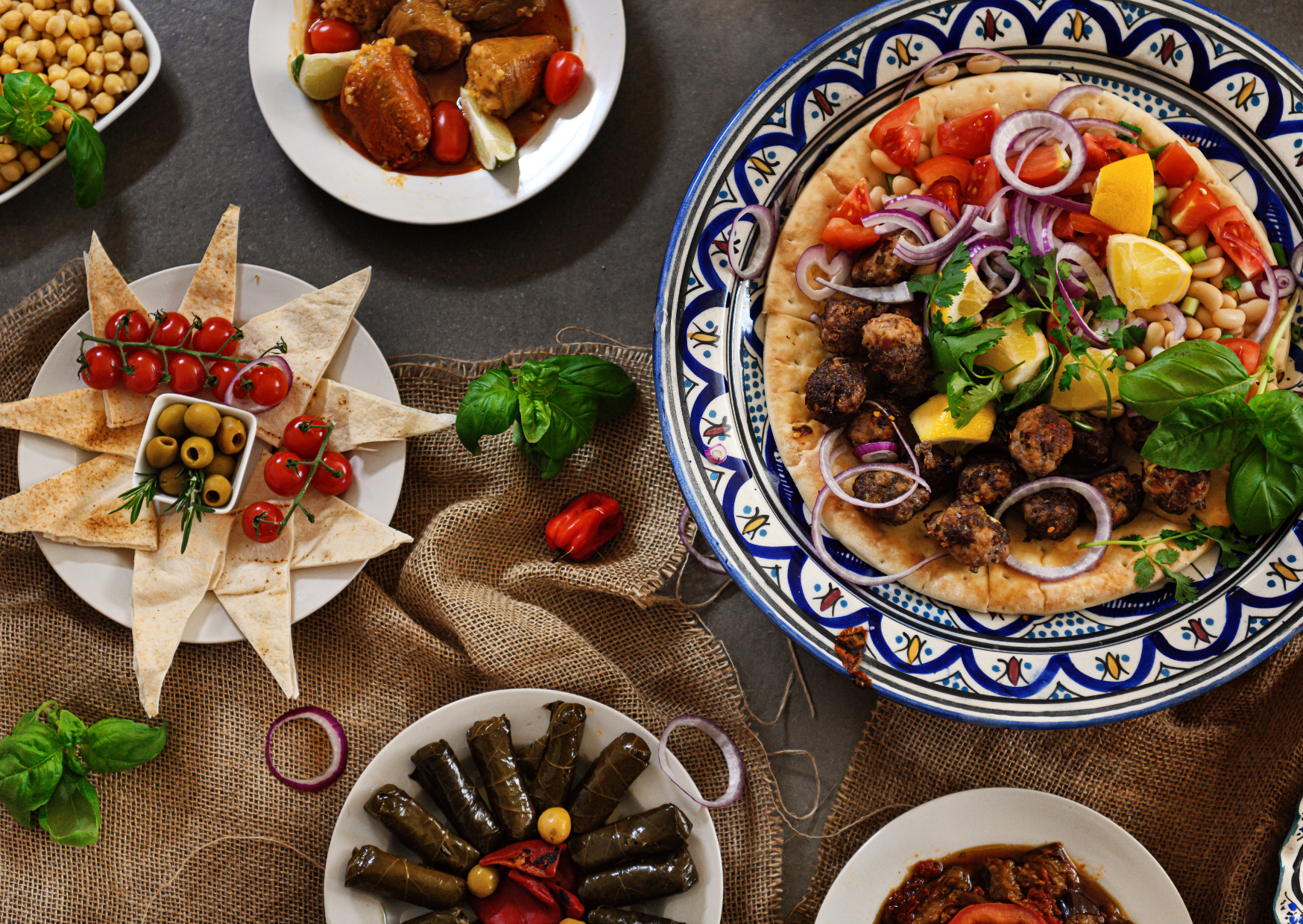
This is another part of the title that needs balance.
Europe is not a nutritional utopia. It has junk food, obesity, over-drinking, diet fads, and plenty of people who eat badly in several languages. Nobody needs a fantasy here.
But ordinary food habits still look different enough to matter.
Eurostat’s nutritional-habits data found that in 2019, 67.1% of the EU population aged 15 and over reported eating at least one portion of fruit and vegetables daily. Daily fruit consumption was especially high in countries like Italy, Spain, and Portugal, where roughly two-thirds or more reported eating fruit at least once a day.
That is not proof that everyone is following a perfect Mediterranean diet.
It is proof that plain produce still sits more visibly inside daily eating patterns than many Americans are used to. Meals are also more likely to be built around simpler repeated foods rather than around giant weekly grocery hauls, ultra-processed backup options, and the weird American habit of buying food for an imagined future self who cooks beautifully on Thursday after a long workday.
The European advantage here is not purity.
It is less friction between buying food and eating food in recognizable form.
That counts for more than another “clean eating” resolution ever will.
The Healthiest Part Is Often That Health Is Less Isolated
This may be the most important difference.
Americans often try to improve health by carving out a separate lane for it. The workout lane. The supplement lane. The “I’m being good this month” lane. Health becomes an extra responsibility laid on top of an already crowded schedule.
In a lot of Europe, the healthier pieces are more likely to be blended into ordinary life.
You walk because the city makes walking useful.
You sit outside because public life still exists.
You eat a slower lunch because lunch has not been fully replaced by desk behavior.
You see people because social life is not always trapped behind driving and scheduling and huge distances.
You use transit, stairs, markets, and public space because they still function as normal infrastructure.
None of those things sounds dramatic enough to become a resolution.
That is exactly why they work better.
A system that folds health into the background usually beats one that keeps asking people to manufacture it from willpower after the real day is already over.
Americans Want Health. Europe Often Gives It More Daily Support
That is the cleanest way to frame the comparison.
Not “Europeans already solved health.”
Not “Americans are doing it wrong.”
More like: many of the behaviors Americans now identify as health goals still have more structural support in Europe.
If your environment gives you more daily walking, somewhat shorter average work time, easier access to public life, and food habits that still include fruit and vegetables as normal rather than aspirational, you do not need to be exceptionally disciplined to look a little healthier on paper. You just need to be ordinary inside a different system.
That is why so much wellness culture in the U.S. now feels faintly exhausting.
It keeps trying to solve structurally created problems through individual intensity.
More tracking.
More rules.
More optimization.
More products.
More declarations.
Europe is hardly innocent of that nonsense, but it still contains more places where the healthier option is also the more ordinary one.
That is a very big deal.
The American Goal Culture Around Health Is A Symptom
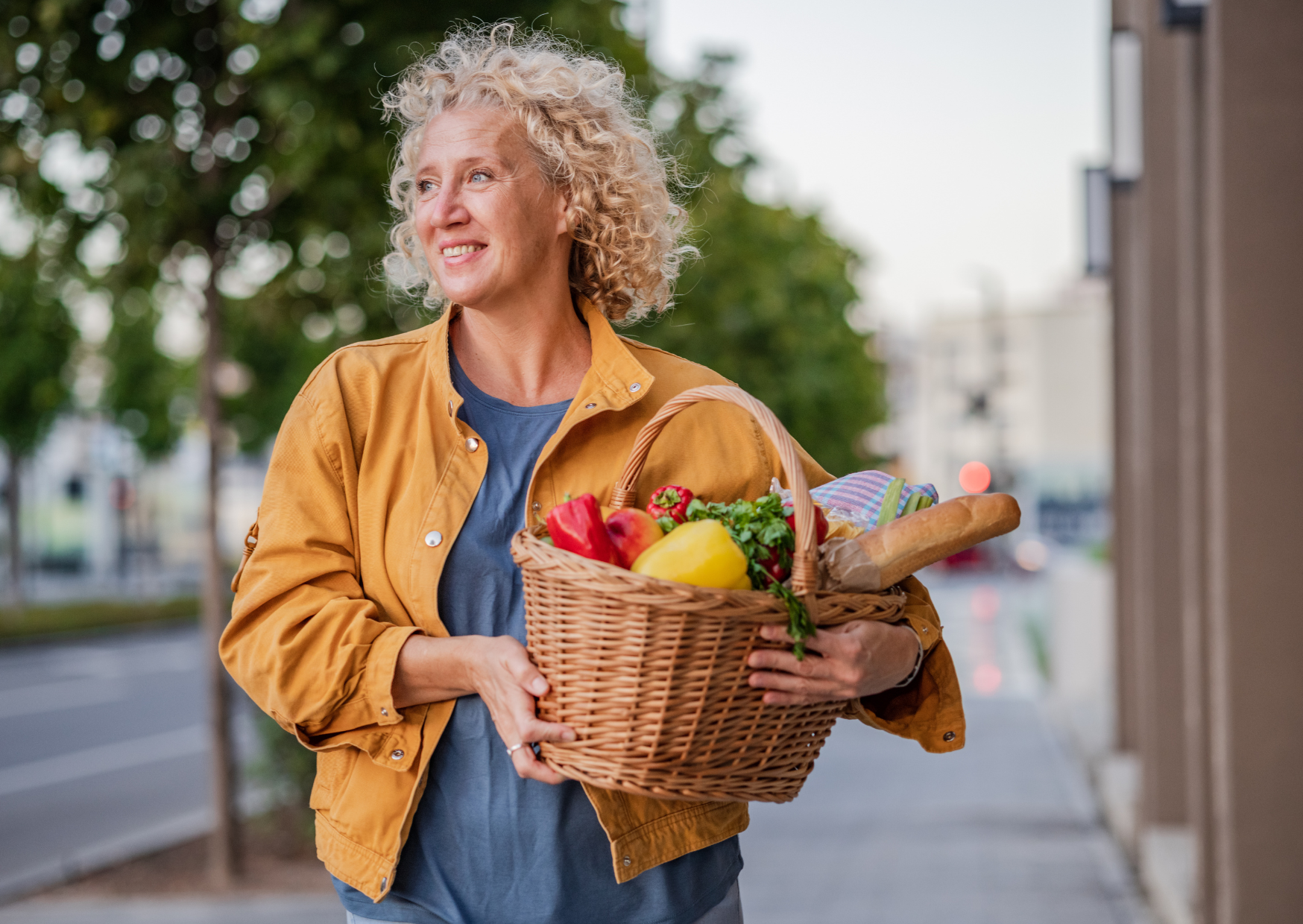
This is the part I keep coming back to.
When a society says it wants to focus on health, that sounds admirable.
When 82% say they want to focus more on health and wellbeing, it also sounds a little like a distress signal. It suggests a population that can feel the gap between how it wants to live and how its routines are actually set up.
That gap is where a lot of money gets wasted too.
People buy health because the week is not producing enough of it naturally. They buy equipment, subscriptions, powders, apps, plans, classes, trackers, and motivational systems to create, manually, what some environments produce more quietly by design.
That does not mean Americans are foolish to try.
It means the effort is often aimed at the wrong level.
Health is partly about discipline.
It is also about friction.
If the day makes walking hard, eating well inconvenient, time scarce, and social life logistically expensive, then even smart people start losing health through attrition.
That is why Europe can look almost annoyingly calm on this topic.
Not because everybody is trying harder.
Because many people are being asked to fight fewer structural headwinds.
The First Week You Try The European Version
You do not need to move to Europe to steal the useful part.
You do need to stop treating health like a dramatic side quest.
For one week, try this instead.
Walk your transport where you can. Not for steps. For purpose.
Buy food for three days, not for a fantasy seven-day culinary performance.
Eat lunch sitting down.
Remove one convenience food that exists mainly because you are too tired to think by the time you get home.
Protect one hour that does not belong to work, errands, or a screen.
Do not call any of this wellness.
Just call it Tuesday.
That is the part worth copying.
A few blunt rules help:
- make movement part of the route
- make food more recognizably food
- stop waiting for a perfect health month
- protect time before you optimize supplements
- treat public life as health infrastructure
That last one sounds abstract until you live with it for a while.
Then it starts feeling obvious.
The Best European Health Habit Is That It Does Not Always Look Like A Habit
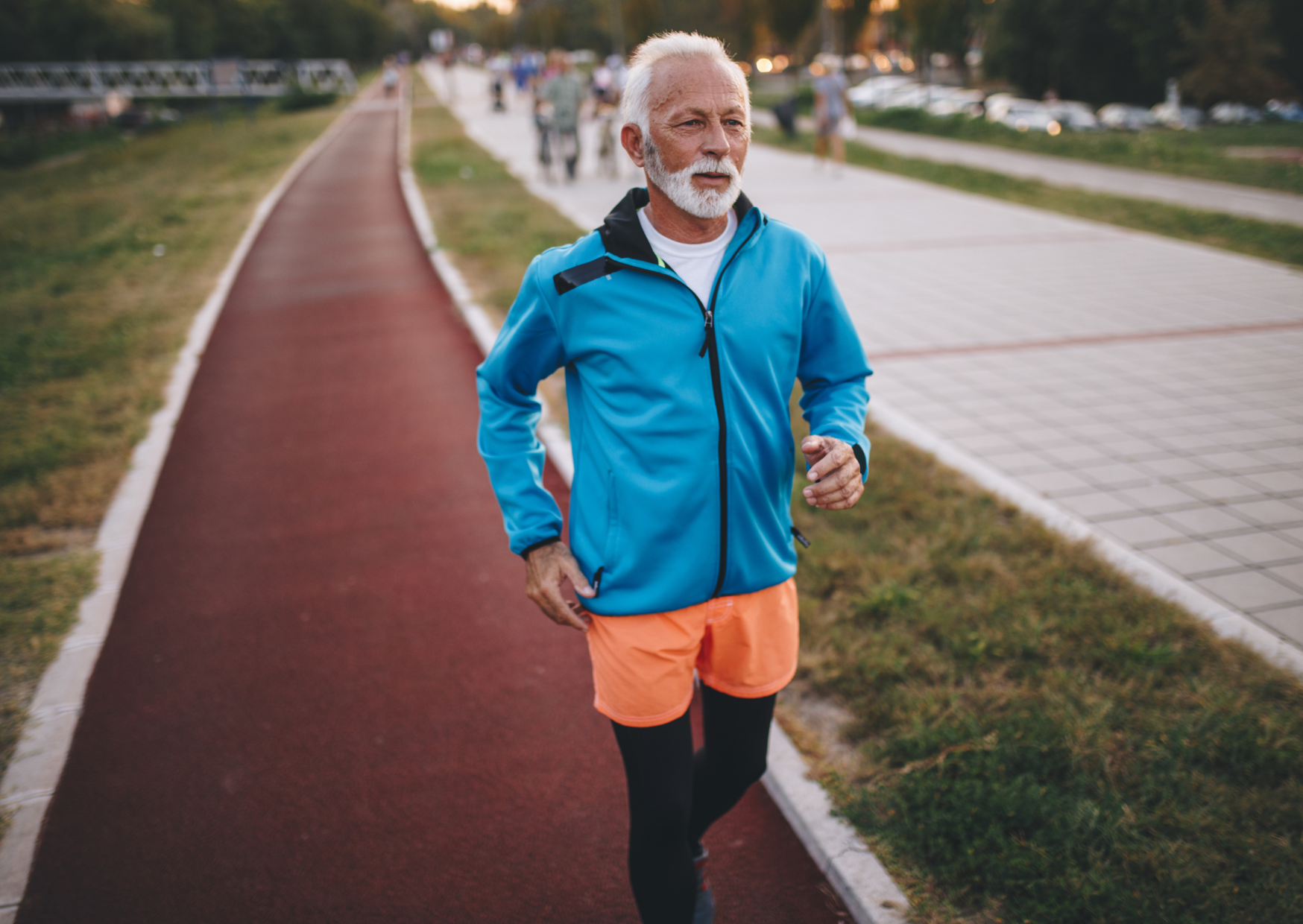
That is the honest ending.
The reason Americans keep turning health into a 2026 priority is not that they do not care. They care plenty. The surveys make that clear.
The problem is that too much of their environment still treats health as an elective project. Something to schedule, purchase, track, and rescue from the rest of life.
In many parts of Europe, the healthier pattern is less visible because it is less theatrical. More walking. Slightly more time. More ordinary produce. Less dependence on a car for every small action. More chance for meals and social life to remain part of the week instead of achievements squeezed into it.
That does not solve everything.
It does make one thing easier.
You stop having to announce health as a goal quite so loudly, because more of it is already happening in the background.
That is what Americans are really noticing when Europe feels healthier.
Not some secret Mediterranean wisdom.
Just a daily structure that fights them a little less.

About the Author: Ruben, co-founder of Gamintraveler.com since 2014, is a seasoned traveler from Spain who has explored over 100 countries since 2009. Known for his extensive travel adventures across South America, Europe, the US, Australia, New Zealand, Asia, and Africa, Ruben combines his passion for adventurous yet sustainable living with his love for cycling, highlighted by his remarkable 5-month bicycle journey from Spain to Norway. He currently resides in Spain, where he continues sharing his travel experiences with his partner, Rachel, and their son, Han.