
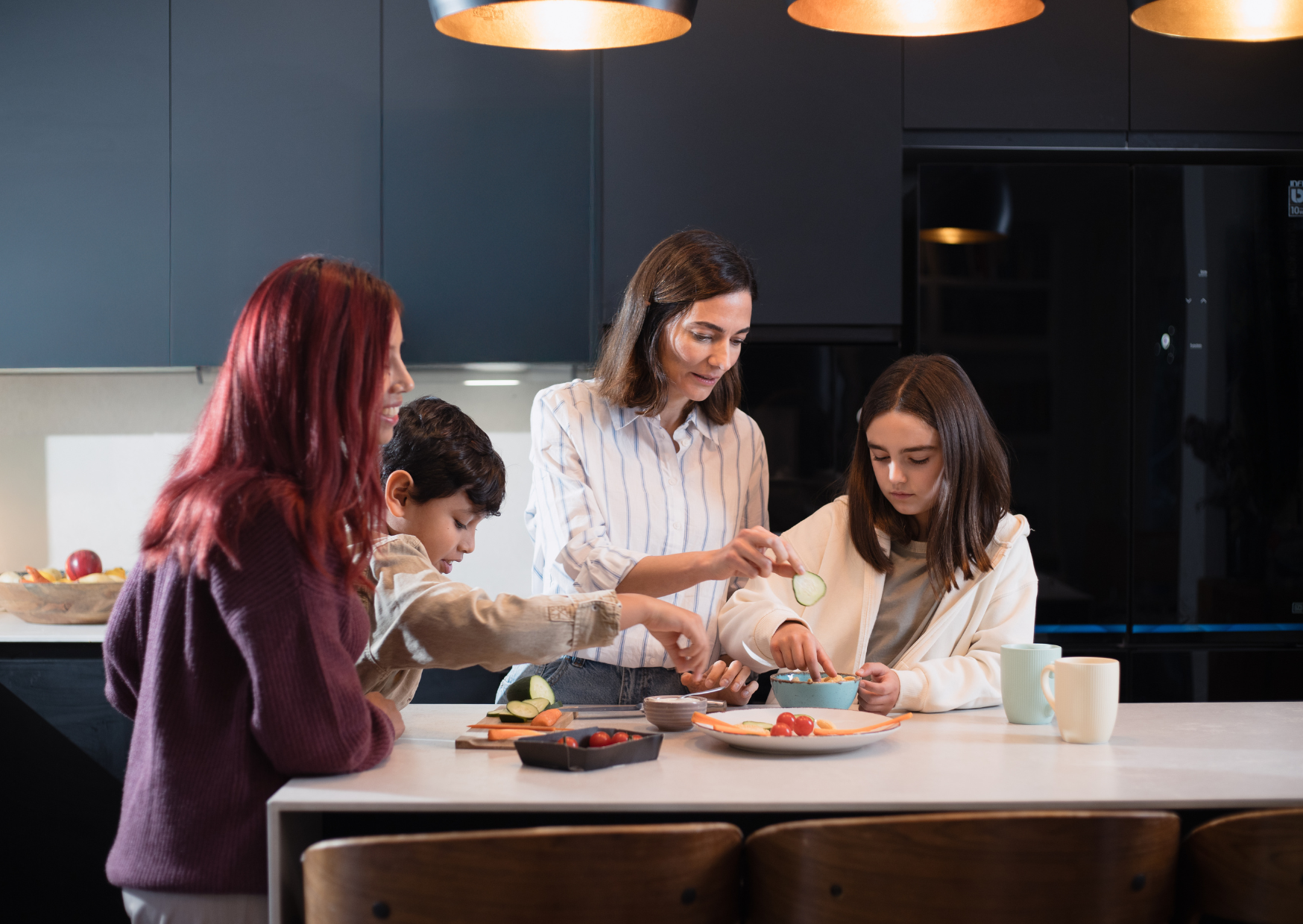
The lie Americans are sold is that weight loss requires a personality transplant.
You have to track everything. You have to go hungry. You have to learn a new identity vocabulary. You have to “be good” forever. You have to treat food like a moral test and your body like a problem you created.
For 60 days, I didn’t do any of that.
I just cooked European recipes. The boring ones. The ones built around soup, vegetables, beans, fish, eggs, yogurt, fruit, simple bread, olive oil, and meals that actually look like meals. I stopped eating like an American adult with a stress schedule and a pantry full of edible content.
I lost 22 pounds.
Not because Europe is magic. Not because one cuisine is holy. Not because calories don’t count in Lisbon. Because the European recipe pattern quietly removed the daily behaviors that make weight gain easy in the U.S.: ultra-processed dominance, snack meals, portion escalation, sugar as background, and dinner-as-compensation.
This isn’t a miracle story. It’s a systems story. When the system changes, the body often follows.
The Real Experiment Was Not Europe It Was Structure
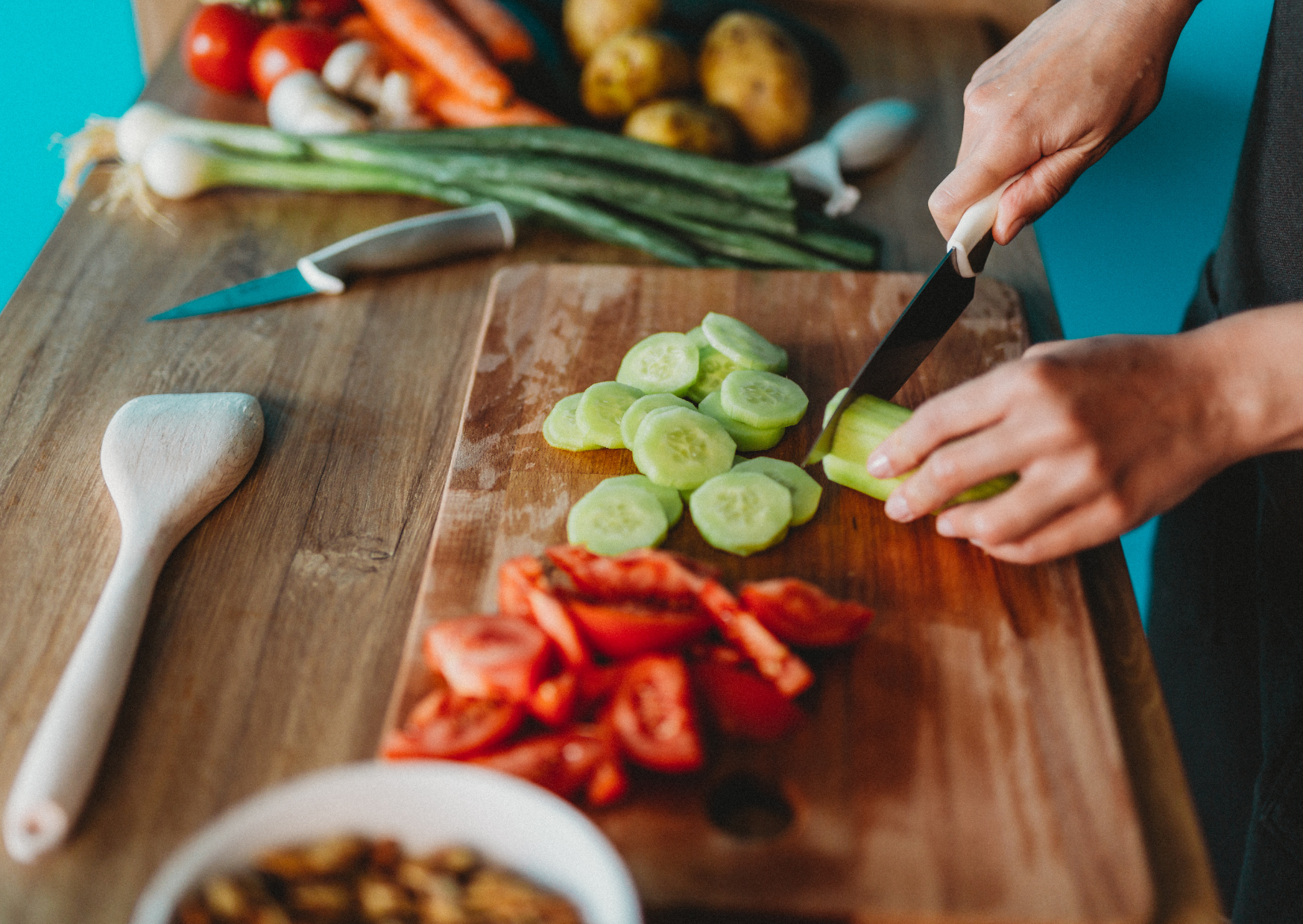
“European recipes” sounds like a travel Instagram category. That’s not what I mean.
I mean a pattern of cooking that shows up across a lot of European home kitchens, even when the countries argue about everything else.
A few traits kept repeating:
- meals built from recognizable ingredients, not assembled from packaged products
- lunch that behaves like lunch
- dinner that is satisfying but not designed as a dopamine finale
- vegetables treated as normal, not as an apology
- fats used for flavor and satiety, not for deep-fried theater
- dessert treated as dessert, not as a disguised breakfast
The biggest change wasn’t what I ate. It was how often I ate real meals instead of edible fragments.
In the U.S., a lot of adults don’t really eat meals most days. They eat around exhaustion. Coffee becomes breakfast. A bar becomes lunch. A “healthy snack” becomes the afternoon plan. Then dinner becomes the moment the body finally demands real food, and people overshoot because they’ve been underfed and overstimulated all day.
European cooking, when you actually do it at home, pushes you back into a meal rhythm without making a speech about it.
That rhythm is where the weight loss usually starts.
The American Habit That Makes Weight Loss Harder Than It Needs To Be
The habit is not “too many carbs” or “not enough protein.”
It’s default ultra-processed food.
The U.S. food environment makes it normal for adults to get more than half of their calories from ultra-processed foods. That isn’t a niche problem. It’s the baseline. And ultra-processed foods are engineered to be easy to overeat, fast to eat, and hard to stop eating. They tend to be calorie-dense, low in fiber, and built to keep you reaching for “a little more.”
When your diet is built on that foundation, weight loss becomes a constant fight because the environment is constantly pushing you in the other direction.
European recipes don’t automatically eliminate ultra-processed foods, but they tend to push them out of the center of the plate. The plate becomes vegetables, beans, eggs, fish, potatoes, rice, pasta in sensible amounts, soup, yogurt, fruit, and bread that actually feels like food.
You can still overeat those things. It’s just harder to do it accidentally every day.
That’s the entire cheat code. Not a secret ingredient. Less accidental overeating.
What I Actually Ate For 60 Days
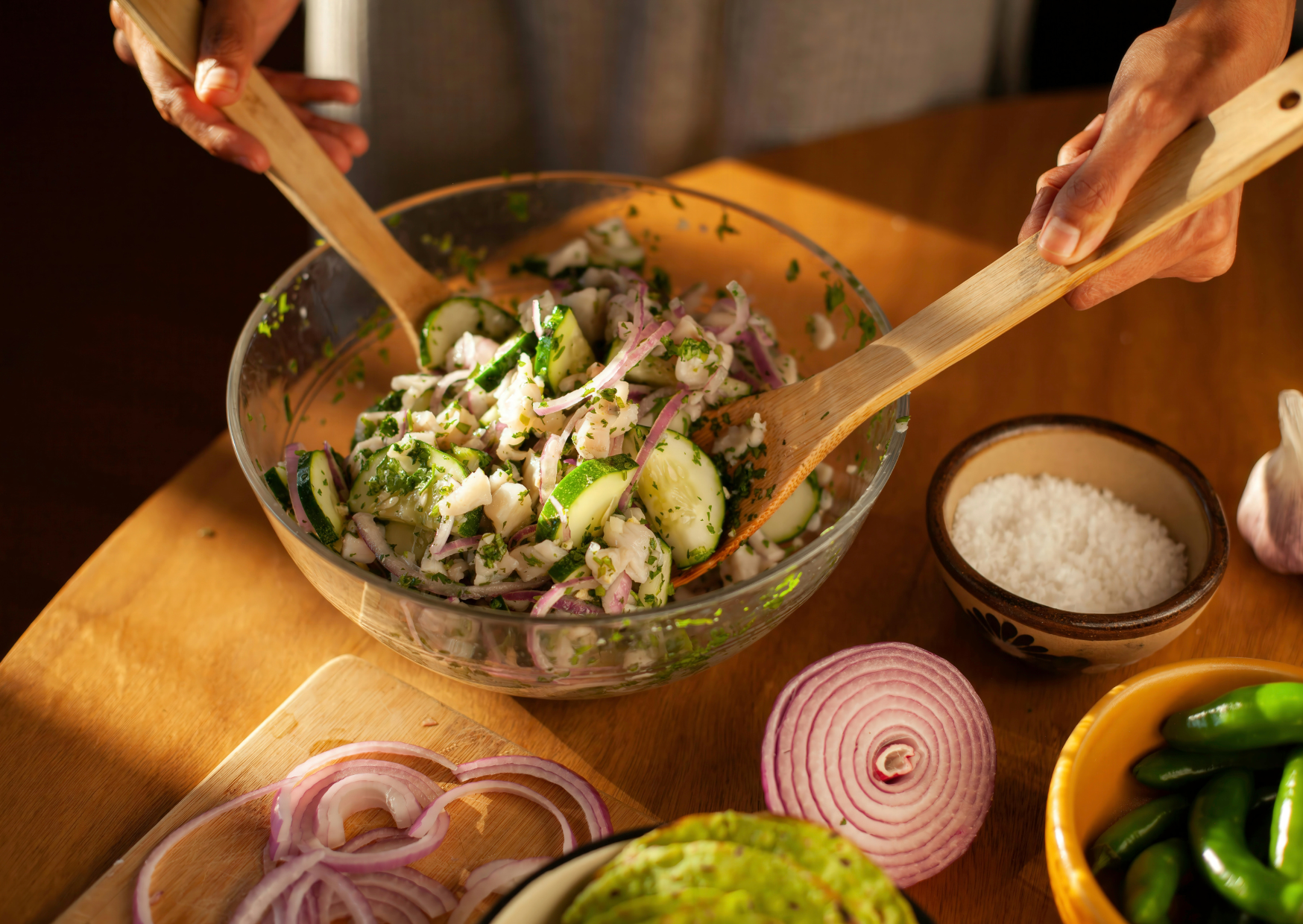
No, it wasn’t all salads and grilled fish.
That would be a different kind of diet lie.
It was normal, repeatable European home food. The kind of food that doesn’t require willpower theater.
Here’s what showed up constantly:
Breakfast
- plain yogurt with fruit and nuts
- eggs with tomatoes and bread
- oats with milk and fruit
- leftover soup on days I felt awful, which happens to adults more than they admit
Lunch
- lentil soup, chickpea stew, bean salads
- tortilla with salad
- sardines or tuna with bread, tomatoes, olive oil
- simple pasta with vegetables and cheese, not a giant restaurant bowl
Dinner
- fish with potatoes and greens
- chicken with vegetables and rice
- vegetable soup plus bread and cheese
- pasta with a real sauce and a side vegetable, not pasta as the entire identity of the meal
Snacks weren’t banned. They just weren’t the plan.
- fruit
- a small piece of cheese
- nuts
- yogurt
- sometimes a pastry, but it lived in the real dessert lane, not in the “this is basically breakfast” lane
I didn’t stop eating enjoyable food. I stopped eating the kind of food that makes you hungry again 90 minutes later.
Satiety is everything when you don’t want to diet.
Why It Worked Without Dieting
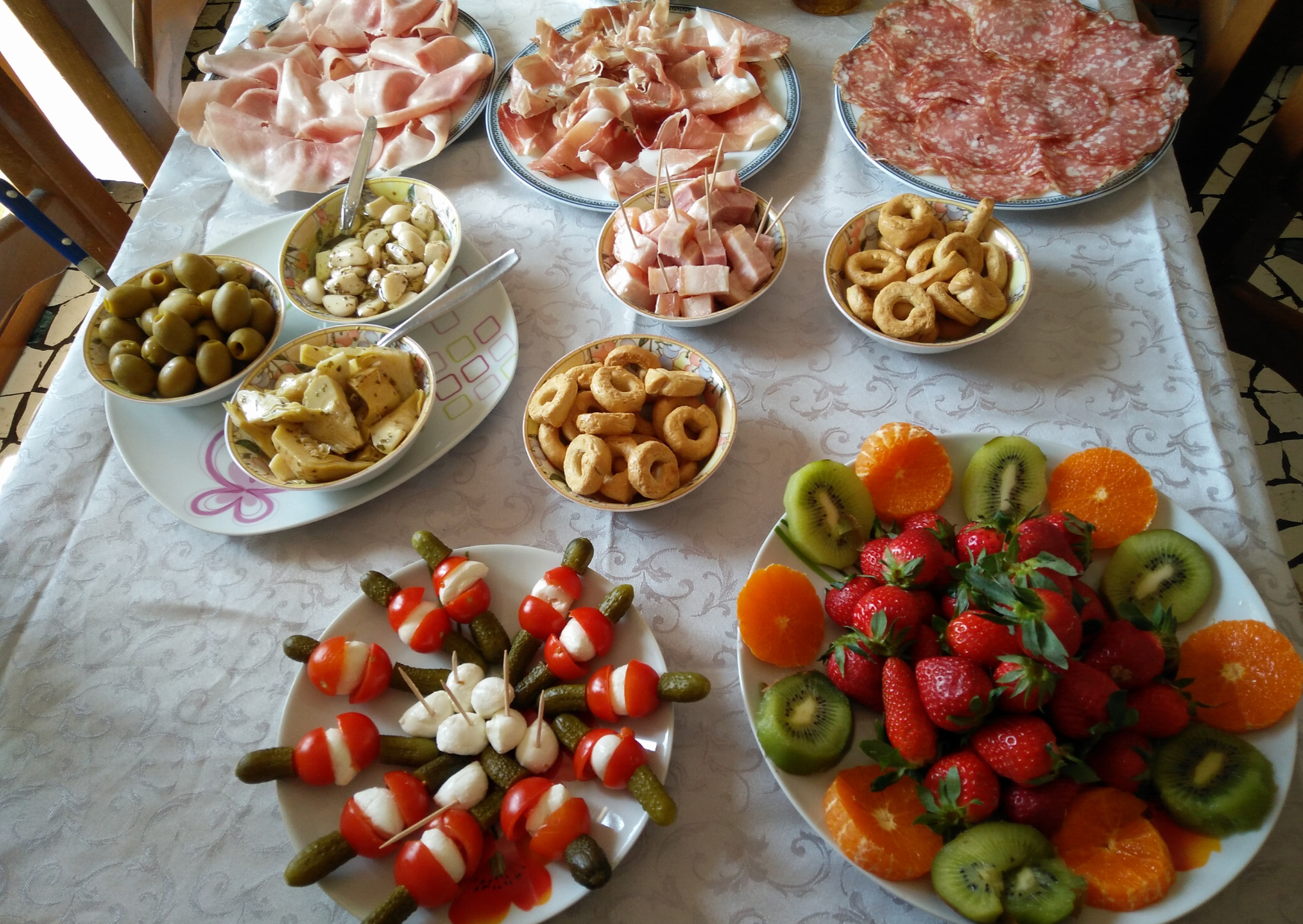
A few boring mechanisms did most of the work.
Lower calorie density
A bowl of vegetable soup and bread is a lot of volume for not a lot of calories, and it feels like a meal. Same with bean stews, lentil soups, and vegetable-heavy plates.
More protein across the day
Not bodybuilder protein. Just regular protein at breakfast and lunch, which reduces the late-afternoon crash and the dinner blowout.
Less liquid sugar and sweet snacks as background
In the U.S., sugar sneaks into coffee, yogurt, cereal, sauces, breads, and “healthy” bars. When you cook European recipes, sweetness tends to move back into actual desserts.
Fewer meals built on refined flour plus refined oil
This combo is the quiet American staple. Chips, crackers, pastries, many snack foods, many frozen convenience meals, many “grab-and-go” lunches. European cooking uses flour and oil too, but the day is less dominated by that pairing.
Less snacking because meals were more complete
A proper lunch reduces snack dependency. That sounds obvious, but Americans often forget lunch is allowed to be real.
Dinner stopped being emotional compensation
This is the one nobody wants to admit. When the day is nutritionally steady, dinner doesn’t need to fix the day emotionally.
The weight loss wasn’t mysterious.
It was the predictable result of eating in a way that makes overeating harder.
The Part People Get Wrong About Pasta And Bread
Americans love turning Europe into a contradiction.
How can Europeans eat bread and pasta and still be slimmer?
Because the question is childish.
It’s not bread versus no bread. It’s what the bread is doing in the day.
In the American pattern, bread often shows up as:
- oversized sandwich base
- sweet breakfast base
- snack base
- processed toast base
- something eaten in a hurry with more processed food
In the European pattern, bread often shows up as:
- one part of a meal that includes vegetables and protein
- a side with soup
- a vehicle for olive oil and tomatoes
- a modest slice with cheese, not a huge stack with a gallon of sauce
Same ingredient class, different system.
Pasta is similar. In the American pattern, pasta often arrives as:
- a giant portion
- restaurant portion expectations at home
- heavy sauces with lots of added fat and sugar
- pasta as the only meaningful component of dinner
In many European home patterns, pasta is:
- a smaller portion
- paired with vegetables
- paired with a side salad or greens
- eaten earlier in the day more often than Americans expect
You don’t need to fear pasta. You need to stop letting pasta become your entire dinner identity.
Portion and context do more work than food rules.
The Quiet Lifestyle Change That Made It Easier
Cooking European recipes changes behavior outside the kitchen too.
It made me:
- grocery shop more often, because fresh ingredients are easier when you restock lightly
- walk more, because I wasn’t food-coma tired all afternoon
- sit down for lunch more often, because the food was worth sitting down for
- snack less, because I wasn’t constantly chasing energy
- feel less “hungry panic,” because the day was more stable
None of this was forced. It was a side effect.
This is why weight loss without dieting is possible. Not because dieting is fake, but because when meals are built correctly, you don’t need as much restraint.
Restraint is what people use when the food pattern is unstable.
Stability makes restraint less necessary.
Pitfalls Most People Miss When They Try This
A lot of people hear this and immediately do a broken version of it.
Here’s how they mess it up.
They copy restaurant Europe, not home Europe.
European restaurants can be rich. Lots of oil. Lots of bread. Lots of dessert. Lots of wine. If you copy restaurant behavior, you’ll gain weight in Europe too.
They treat olive oil like a free food.
Olive oil is wonderful. It is also calorie-dense. Use it like Europeans do at home: for flavor and satiety, not as a pour-until-you-feel-virtuous ingredient.
They under-eat protein.
Some people go full vegetables and bread and wonder why they get ravenous later. Protein doesn’t need to be extreme, but it needs to be present.
They keep American snacking plus European meals.
If you keep the snack economy and add soup and pasta on top, the math won’t work.
They try to be perfect and burn out.
The whole point is to make the pattern easy, not fragile.
If you want results, build the version you can repeat when you’re tired.
The First 7 Days If You Want To Try This Yourself
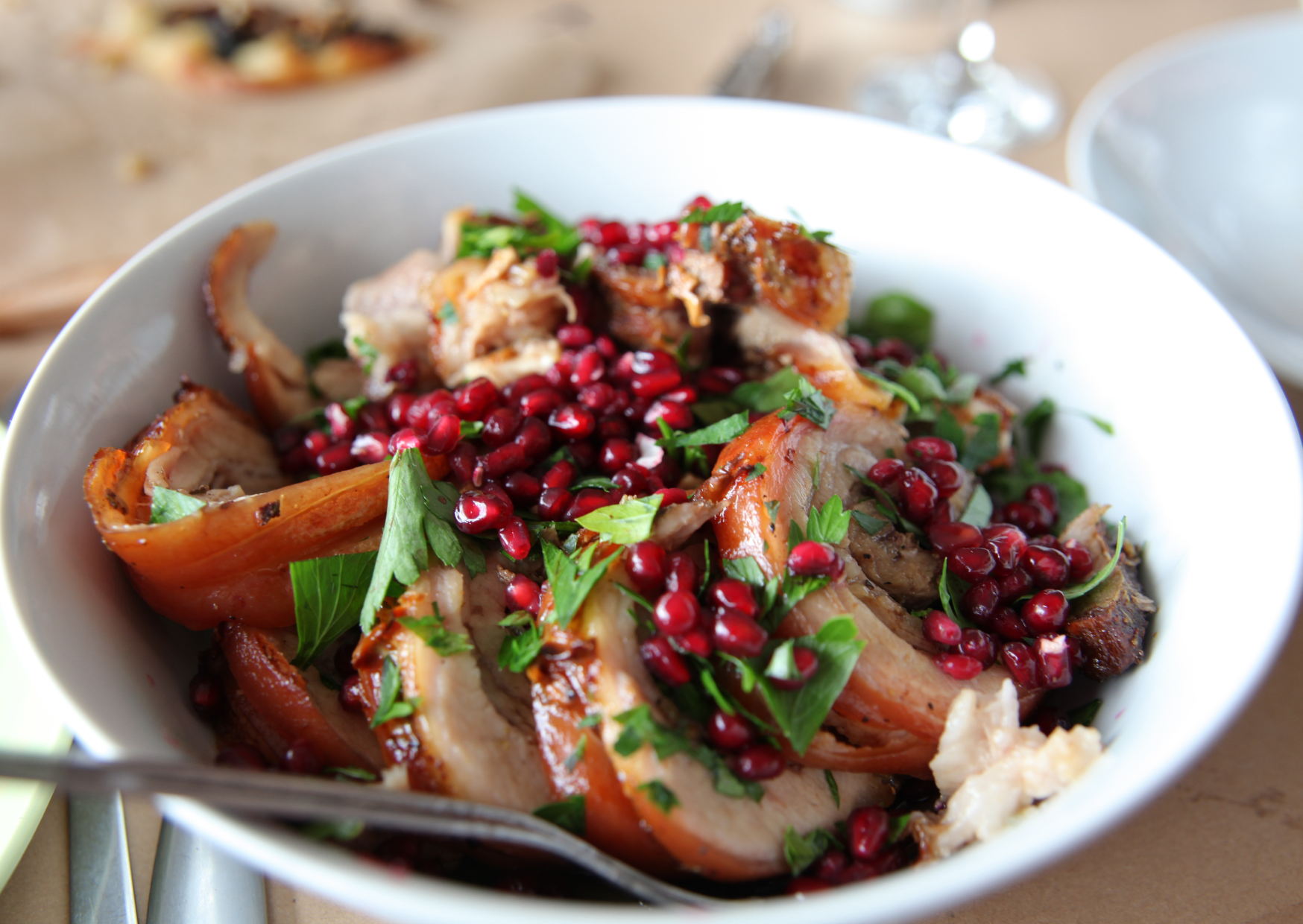
Here’s a week plan that doesn’t require willpower cosplay.
Day 1
Make one pot of soup that can be lunch for two or three days. Lentil soup, minestrone, chickpea stew, vegetable soup with beans. Soup is the stealth tool.
Day 2
Fix breakfast so it stops being dessert. Plain yogurt with fruit and nuts, eggs and tomatoes, oats with nuts, leftover soup. Keep it simple.
Day 3
Cook one fish dinner. Any fish you’ll actually eat. Add potatoes or rice and a vegetable. One plate.
Day 4
Cook one bean-based lunch. Chickpea salad with tuna, lentils with vegetables, beans with olive oil and vinegar. Eat it seated. Don’t eat it like a snack.
Day 5
Cook one simple pasta that includes vegetables. Pasta with garlic and greens, pasta with tomato and sardines, pasta with zucchini, pasta e fagioli. Keep the portion modest and add a side salad.
Day 6
Replace one ultra-processed snack habit with a real snack. Fruit, yogurt, nuts, cheese. The goal is to stop the daily edible-content drip.
Day 7
Do a “European fridge” reset. Ingredients, not products. Vegetables, eggs, yogurt, cheese, fish, beans, fruit, bread, olive oil. When the fridge is built correctly, the week is easier.
If you do this week and nothing else, you’ll usually notice the first change before the scale moves: fewer cravings, more stable energy, less need to snack.
That’s how it starts.
What I Learned About Weight Loss That Nobody Wants To Hear
The most uncomfortable lesson is that a lot of weight gain is not caused by a lack of knowledge.
It’s caused by an environment that makes overeating normal and then blames individuals when they struggle.
European cooking is not a cleanse. It’s a pattern that makes it easier to eat like a human being again. Meals are meals. Snacks are snacks. Dessert is dessert. Lunch exists. Vegetables are normal. Soup is respected. Fish and legumes show up quietly. You stop living on edible interruptions.
When I cooked only European recipes for 60 days, I didn’t “diet.”
I stopped eating in a way that required dieting later.
That’s the difference.
The Only Way This Works Long Term
If you want this to last, don’t treat it as a challenge.
Treat it as a new default.
Keep three repeatable anchors:
- a soup you can make weekly
- a bean dish you actually like
- a simple protein-plus-vegetable dinner you can cook half-asleep
Then keep one indulgence lane that feels human and doesn’t trigger a relapse. A pastry on Saturday. Pasta night with friends. Wine sometimes. Dessert sometimes. The whole point of the European pattern is that indulgence exists, but it’s not the background music of every day.
Consistency beats intensity.
And the weight loss becomes a side effect of the day, not the goal of the day.

About the Author: Ruben, co-founder of Gamintraveler.com since 2014, is a seasoned traveler from Spain who has explored over 100 countries since 2009. Known for his extensive travel adventures across South America, Europe, the US, Australia, New Zealand, Asia, and Africa, Ruben combines his passion for adventurous yet sustainable living with his love for cycling, highlighted by his remarkable 5-month bicycle journey from Spain to Norway. He currently resides in Spain, where he continues sharing his travel experiences with his partner, Rachel, and their son, Han.