
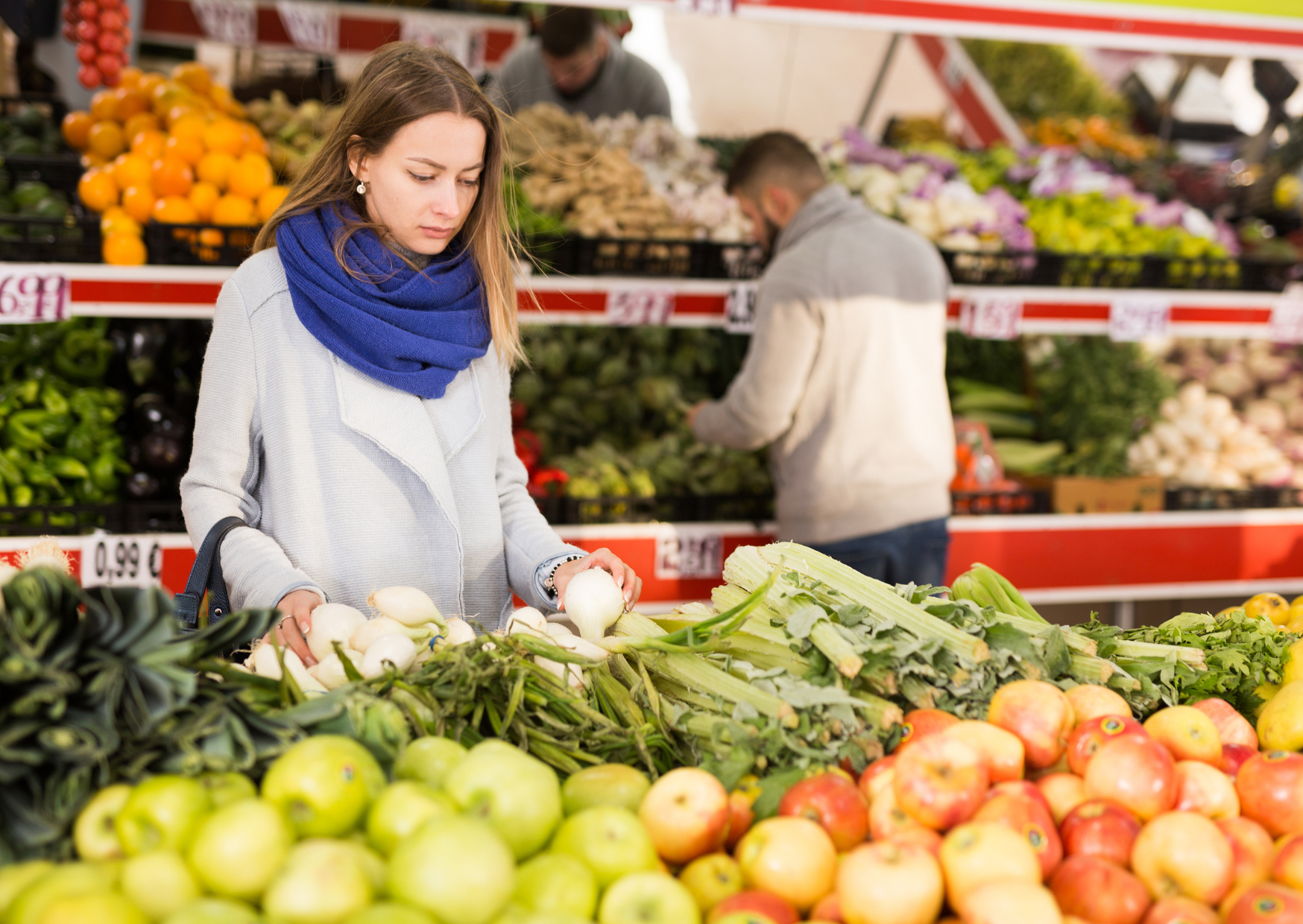
$80 disappears fast at Whole Foods.
A bottle of olive oil, a decent loaf, eggs, yogurt, tomatoes, some greens, maybe a protein that feels responsible, and suddenly the receipt looks like it paid private-school tuition.
In a normal European market rhythm, the same problem behaves differently. Not because Europeans are morally superior. Not because every market is magically cheap. And not because America has somehow forgotten what a tomato is.
It behaves differently because the basket starts with meals, not with branding, abundance, or retail temptation.
That sounds small. It is not small.
In places like Barcelona, where the city still has a dense network of fresh-food markets, the daily logic of shopping is built around dinner, tomorrow’s lunch, breakfast, and what needs using up first. You feel it at Mercat de Sant Antoni. You feel it at Mercat del Ninot. You feel it in the fact that nobody needs to buy a heroic amount of food to feel like they have a real kitchen.
And once that rhythm gets into your head, €20 starts acting bigger than it has any right to.
The €20 Basket That Actually Turns Into Food
Strip the fantasy out of it.
No truffle oil. No wellness snacks. No imported berries pretending it is June. Just the kind of basket that quietly feeds people when the weather is ordinary and nobody is trying to impress anyone.
Using current public Spanish grocery pricing as a reality check, a very plain fresh-food basket lands at roughly €19.50 to €20:
- chicken breast, about 500 g, around €4.72
- 12 eggs, around €3.14 to €3.19
- tomatoes, 1 kg, around €2.29
- rustic sliced loaf, around €1.99
- Greek yogurt, 1 kg, around €2.29
- cooked chickpeas, 400 g, around €0.85
- extra virgin olive oil, 500 ml, roughly €3.65 to €4.25
That is not an influencer basket. It is not trying to be photogenic.
It is breakfast, lunch insurance, and two to three dinners if the household is even slightly competent.
Eggs and tomato on toast with olive oil.
Chickpeas with chopped tomato, salt, oil, maybe a spoonful of yogurt on the side.
Chicken seared hard, torn over bread, tomatoes beside it, yogurt turned into a quick sauce with garlic or lemon if that is around.
A bowl of yogurt in the morning.
An omelet at night when nobody feels ambitious.
That is the part American grocery math often misses. The basket is not seven separate products. It is a chain reaction.
Every item talks to the others.
The bread is not “a bakery purchase.” It is the landing place for eggs, tomatoes, chicken, oil.
The yogurt is not only breakfast. It becomes sauce, snack, backup protein, something to steady a meal that would otherwise feel thin.
The olive oil is not garnish. It is structure.
This is why the basket feels bigger than the receipt.
Actually, bigger is the wrong word. It feels more coherent. That is the real advantage.
The Honest Correction On The Whole Foods Math
Here is the part that needs saying plainly.
A strict one-to-one ingredient match at Whole Foods does not automatically hit $80.
If the comparison is brutally fair, the direct match for chicken, eggs, tomatoes, bread, Greek yogurt, chickpeas, and olive oil lands closer to $45 to $50, depending on the chicken and store pricing.
That matters.
Pretending the direct equivalent is always $80 would make the argument weaker, not stronger.
But it also misses how Americans actually shop there.
Because the real Whole Foods problem is not just price. It is price plus store logic.
The store nudges shoppers toward premium produce, prepared food, lifestyle extras, and fragmented ingredients that look healthy without necessarily turning into more meals. So the real cart often becomes something like this:
- chicken or salmon
- eggs
- a loaf of bread
- olive oil
- boxed greens
- berries
- avocados
- yogurt
- maybe one prepared soup, salad kit, or dip
Now the total starts climbing fast.
A salmon fillet at around $14.99 a pound. Blueberries at $8.99 for 11 ounces. Spinach at $3.69 for a small 5-ounce box. A bag of organic avocados at $5.54. Olive oil at $15.49. Bread at $4.99. Tomatoes around $3.49 a pound.
Now the $80 title stops looking dramatic and starts looking like a Tuesday.
And still, weirdly, that cart may feed worse.
Not because the products are bad. Whole Foods is very good at selling good products.
Because good products are not the same thing as connected meals.
You can spend $80 on impressive ingredients and still arrive at 8:10 p.m. asking what, exactly, is dinner.
That is a very American grocery experience.
Why The European Basket Feels More Filling
“Feeds me better” does not mean more calories.
It does not mean Europe has discovered a secret anti-inflammatory peasant potion while Americans wander the aisles in a fog of seed oils and regret.
It means the basket is better at producing satiety, repetition, and low-friction meals.
Those three things matter more than most grocery marketing admits.
A lot of expensive American grocery spending gets swallowed by foods that are healthy in isolation but weak in combination. A clamshell of greens. A punnet of berries. An avocado bag. A premium dip. One protein. A luxury loaf. It looks responsible. It even looks generous.
Then dinner arrives and the cart has attitude but no plan.
The European market basket behaves differently because it leans on foods that are boring in the best possible way. Eggs. Chickpeas. Bread. Yogurt. Tomatoes. Olive oil. Chicken.
Boring food is often high-function food.
It repeats well.
It fills gaps.
It tolerates fatigue.
You can eat the same tomato-and-egg structure three different ways in four days and nobody has to give a TED Talk about it. One day it is toast. One day it is an omelet. One day it is chickpeas with chopped tomato and a fried egg on top.
That is not culinary failure. That is household stability.
There is also the simple issue of waste. A fancy American cart often has too many soloists. The greens belong to one imagined salad. The berries belong to one aspirational breakfast. The dip belongs to one snack mood. Then half of it dies in the fridge.
The cheaper European basket is harsher and smarter. Everything has at least two jobs.
That is why it wins.
The Store Teaches You How To Spend
This part is cultural, not mystical.
Barcelona has 39 fresh-food markets. That matters, not because every resident shops like a saint, but because the city still makes a fresh-food buying rhythm physically normal. A place like Mercat de Sant Antoni on Carrer del Comte d’Urgell or Mercat del Ninot on Carrer de Mallorca is not arranged like a giant lifestyle showroom. It is arranged like a place where people need fish, eggs, greens, tomatoes, meat, bread, and then they need to go home.
The difference sounds cosmetic until you stand inside it.
At a market counter, quantity becomes human again.
Two tomatoes.
Six eggs.
Three chicken breasts.
A wedge of cheese, not a plank the size of roofing material.
A loaf that has a purpose.
This is retail discipline by architecture.
The stall format quietly resists excess. There is less room for the American style of drifting into adjacency purchases because the environment keeps asking a practical question: what are you cooking?
Whole Foods, by contrast, is very good at selling possibility.
Possibility is expensive.
It sells the person who might host, meal-prep, detox, brunch, snack elegantly, eat more berries, get serious about greens, build a grain bowl, become the kind of adult who buys the good tahini, and maybe start pan-roasting salmon on weeknights.
Some of that possibility becomes dinner. A lot of it becomes a glowing receipt and a half-used refrigerator.
That does not mean markets make people virtuous. They do not.
It means the physical logic of the place is different. The market rewards specificity. The upscale American supermarket rewards abundance disguised as self-improvement.
That is how two people with similar intentions can leave with very different food futures.
Protein Stops Being A Luxury Accessory
American grocery culture has a strange habit of turning protein into a premium identity purchase.
Wild salmon. Pasture-raised this. Grass-fed that. High-protein yogurt with a gym font. Jerky that costs the same as rent in a small Galician village.
None of those foods are inherently bad. Some are excellent.
But in practical kitchen terms, Europeans often solve protein more cheaply because they treat it as a meal component, not as a personality.
Eggs do huge work.
Chickpeas do huge work.
Sardines do huge work.
Yogurt does more work than people give it credit for.
Chicken is there, yes, but not always as the star, and not always in American portion logic where one dinner seems to require enough meat to frighten a cardiologist.
This changes the economics immediately.
A dozen eggs at around €3.14 to €3.19 is not glamorous. It is powerful. So are chickpeas at €0.85 a jar. They stretch meals, calm hunger, and make expensive impulse protein less necessary.
And then there is olive oil, which Americans often treat as a premium wellness purchase and Southern Europeans treat as what it is: the thing that makes cheap food satisfying.
Tomatoes, bread, eggs, chickpeas, and yogurt can feel sparse without oil.
With oil, salt, and heat, the same ingredients feel like food someone actually wants to eat.
That is the hidden budget trick.
Not lower standards. Better scaffolding.
The Cheap Market Fantasy Breaks Fast If You Shop Like A Tourist
Now for the correction that saves everyone some embarrassment.
Europe is not automatically cheap.
It is very possible to walk into a market and torch €20 in under six minutes.
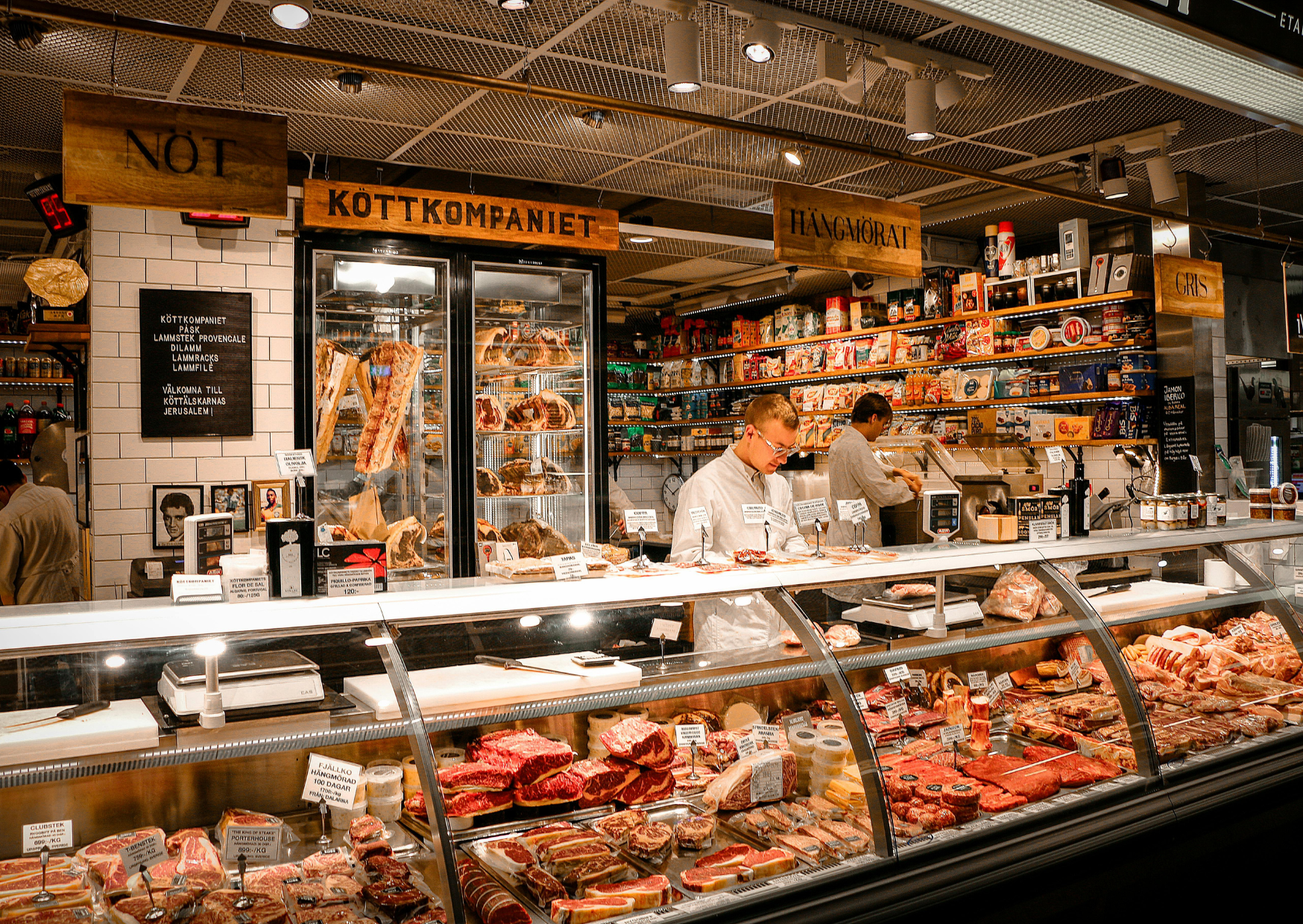
Buy out-of-season berries, expensive mushrooms, artisanal charcuterie, a precious wedge of cheese, and a beautiful fish you have no concrete plan for, and the fantasy collapses immediately. Markets are not magic. They are just more honest.
This is where Americans often lose the plot.
They come in with a “fresh European market” fantasy and shop for atmosphere instead of sequence. They buy what looks cinematic, not what links together.
That is how a market run turns into three luxury ingredients and no dinner.
A few mistakes reliably blow up the savings:
- shopping for one special meal instead of three ordinary ones
- buying too much fresh protein at once
- treating fruit like décor
- buying bakery items that do not connect to the rest of the basket
- confusing seasonal local food with gourmet food
And one more thing.
Do not shop Europe with American weekend energy.
That pace is expensive everywhere.
The households that really keep food costs down are not necessarily more disciplined. They are just less theatrical. They buy smaller amounts more often. They accept repetition. They cook with what is around. They do not need the cart to prove they are living well.
That last part is bigger than grocery budgeting.
The First Week You Stop Bleeding Money On Grocery Theater
Anyone trying to borrow this logic does not need a personality transplant.
Just run a seven-day experiment.
Start with a basket built around overlap, not variety theater. Buy eggs, bread, tomatoes, yogurt, one legume, one protein, and one fat that makes the whole thing edible. That is the core.
On day one, cook the protein plainly. No complicated marinade, no shopping detour for sixteen extra ingredients.
On day two, use the leftovers cold or torn into bread with tomato and oil.
On day three, make the chickpeas do lunch.
On day four, do the egg dinner people keep pretending is beneath them. It is not beneath them. It is dinner.
On day five, use the yogurt twice, once sweet, once savory.
On day six, only refill what actually ran out.
On day seven, throw nothing away without noticing exactly what it cost and why it failed.
That last step is where the lesson lands.
Most grocery overspending is not about gluttony. It is about fragmentation.
Too many foods with too few relationships.
Too much aspiration.
Too little sequence.
Run one week on a tight, connected basket and the difference becomes obvious very quickly. The fridge looks less exciting. The meals get easier. The waste drops. Hunger becomes less dramatic.
And, perhaps most offensively to the premium grocery-industrial complex, the food often tastes more like real life.
When The Cart Is Selling A Vibe Instead Of Dinner
The European advantage here is not that every tomato is better, every market is cheaper, or every household is wiser.
The advantage is that the shopping grammar is often better.
A €20 basket built around eggs, bread, tomatoes, yogurt, chickpeas, chicken, and olive oil is not sexy. It will not trend. Nobody is posting a reverent unboxing video about it.
But it knows what Tuesday is.
It knows what breakfast is when nobody slept well.
It knows how lunch gets made when there are 14 minutes before the next thing.
It knows how dinner survives low energy, mediocre weather, and a fridge that is more practical than aspirational.
That is what feeding better really means.
Not premium ingredients. Not moral superiority. Not the fantasy that Europe is one giant affordable farmers market where everyone glides around in linen buying peaches.
Just better conversion from money into meals.
That is the whole game.
And once a shopper sees that clearly, the expensive part of the American grocery experience starts to look less like bad luck and more like design.

About the Author: Ruben, co-founder of Gamintraveler.com since 2014, is a seasoned traveler from Spain who has explored over 100 countries since 2009. Known for his extensive travel adventures across South America, Europe, the US, Australia, New Zealand, Asia, and Africa, Ruben combines his passion for adventurous yet sustainable living with his love for cycling, highlighted by his remarkable 5-month bicycle journey from Spain to Norway. He currently resides in Spain, where he continues sharing his travel experiences with his partner, Rachel, and their son, Han.