
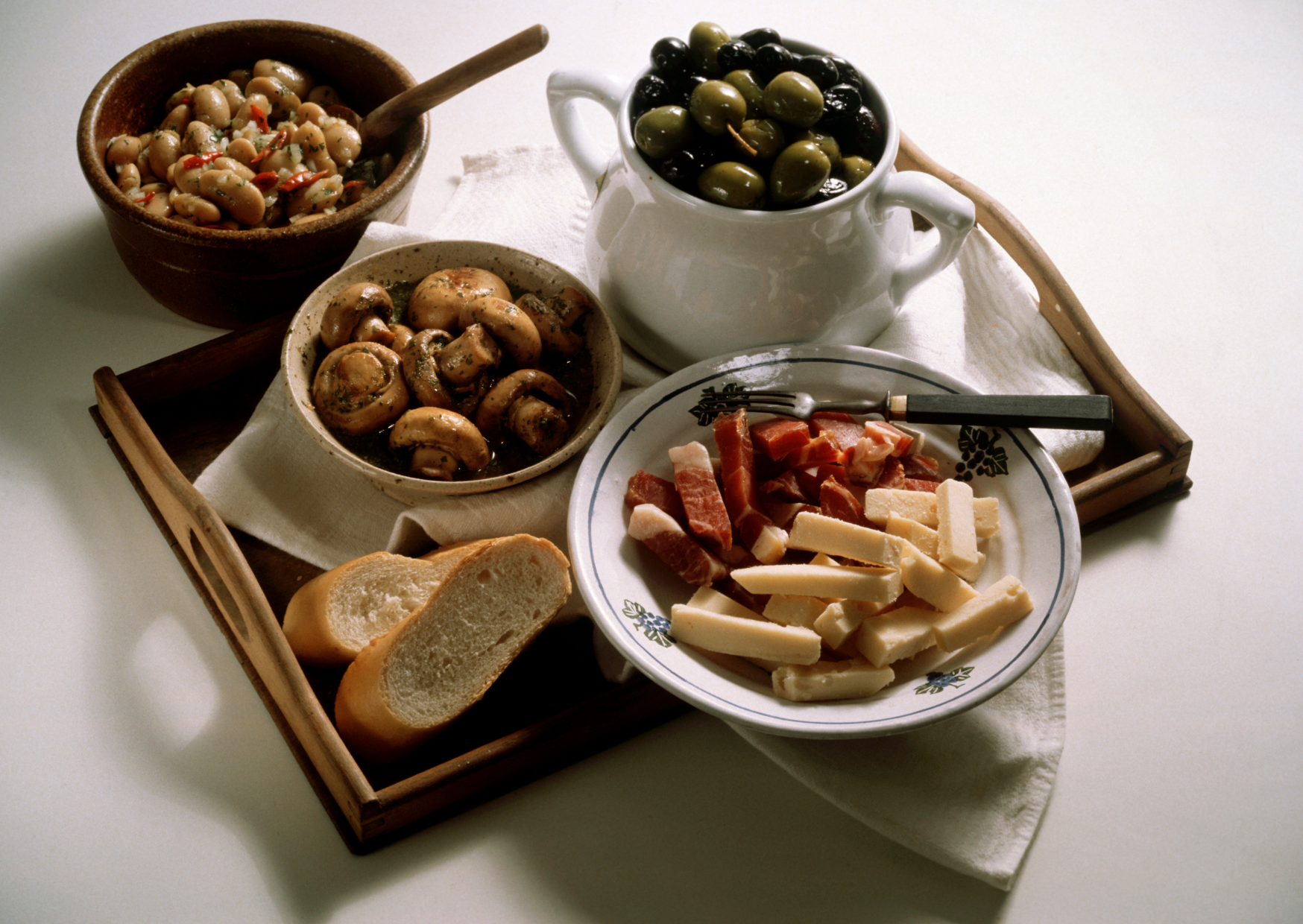
An American sits down in Spain, Italy, or France, opens the menu, and starts hunting for the familiar warm-up act.
Where are the mozzarella sticks. The spinach dip. The platter designed to keep six adults occupied for nine loud minutes. The edible group project that arrives before the “real” food.
Sometimes the answer is that the opening food is already on the table.
Sometimes it comes with the drink.
Sometimes it is not meant to be a separate event at all.
And sometimes the mistake is bigger than the menu. The American expectation is not just “starter first.” It is that the appetizer should do a lot of work. It should feel fun, abundant, comforting, maybe a little irresponsible, and ideally like a decent deal.
In much of Europe, the first food often has a different job. It changes the tempo. It gives people something to nibble while they talk. It opens the appetite without pretending to be a second dinner. In some places it is a bridge to the meal. In others, it is the meal, but only because the whole evening is built around bits and rounds rather than one giant plated finale.
That is why Americans keep getting confused.
They are not just ordering the wrong thing.
They are expecting the front end of the meal to obey the wrong logic.
The American Appetizer Is Doing More Than Starting The Meal
In the United States, the appetizer often has to justify itself immediately.
It cannot just be a few olives, some anchovies, or a slice of tortilla and a drink. It has to announce value. It has to feel shareable. It has to look like something happened.
That is not a moral failure. It is a restaurant habit.
Look at the way big U.S. casual chains frame the category. Applebee’s runs a 2 for $25 promotion built around one appetizer and two entrées, and its late-night push literally sells half-price appetizers as a snack event in their own right, with boneless wings, mozzarella sticks, and spinach-artichoke dip leading the parade. Chili’s has a Triple Dipper built around choosing three appetizers, plus a rewards system that leans on free chips and salsa. The Cheesecake Factory, meanwhile, openly describes its concept as a huge menu with about 225 items, generous portions, and an average check of about $31.05 per guest in fiscal 2024.
That is not subtle.
The appetizer in this system is not only there to stimulate appetite. It is there to sell pleasure, prove generosity, and sometimes absorb the fact that the meal itself may need to feel like entertainment.
So Americans arrive in Europe expecting the same front-end energy.
They expect the first order to be hearty, hot, and obvious.
They expect the table to fill out fast.
They expect the opening food to say, “Relax, you are getting taken care of.”
In Europe, that reassurance often comes from time, not bulk.
That is the mismatch.
In Europe, The First Food Often Exists To Pace The Table
A lot of European opening food is designed less like a pregame and more like a gentle gear shift.
You sit down.
A drink appears.
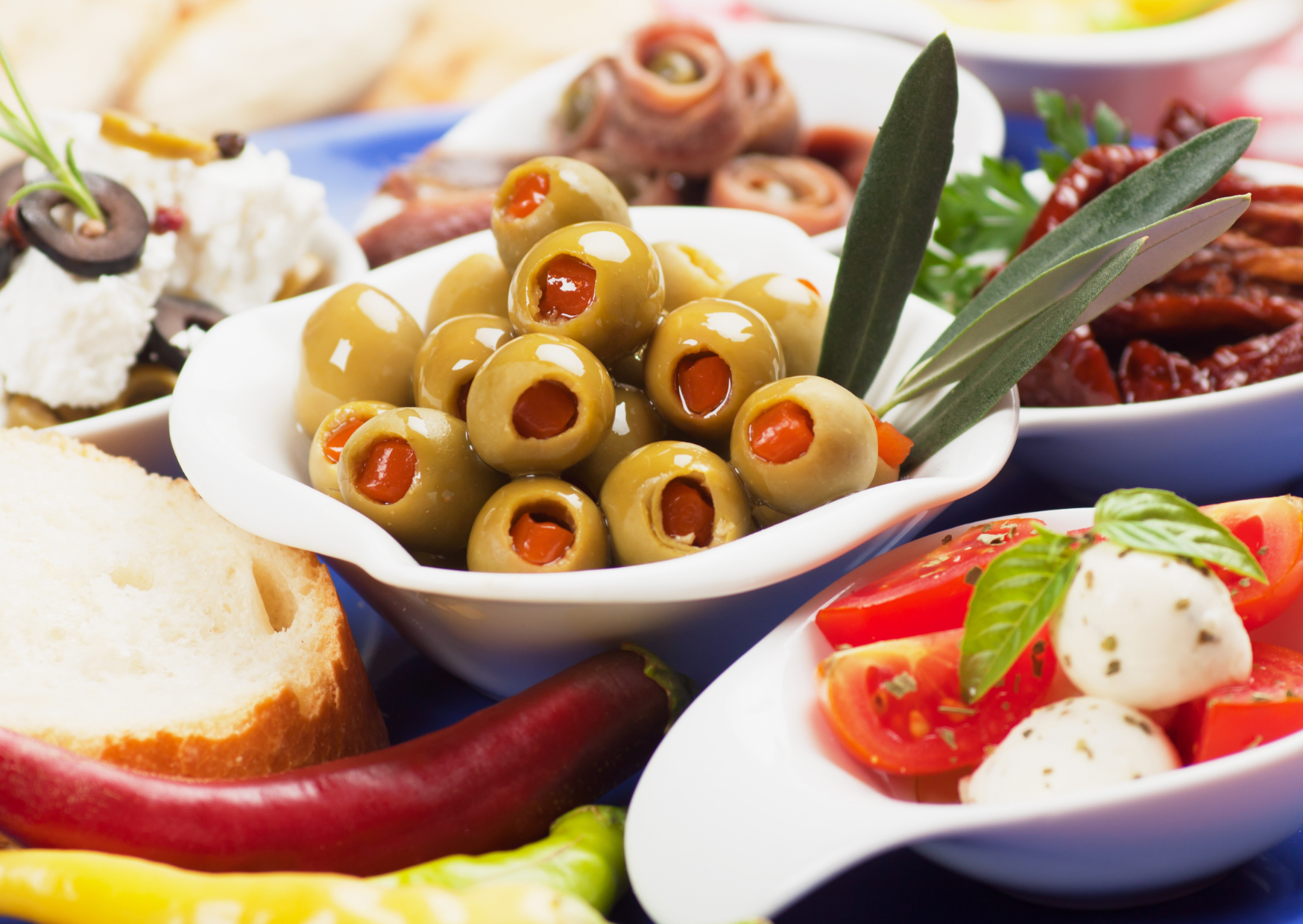
Then maybe some olives, a few slices of cured meat, anchovies, chips, pickled vegetables, nuts, bread, or a little plate of something salty arrives.
That can look underwhelming to an American who grew up with the appetizer as a mini-festival.
But underwhelming is the wrong read.
The food is small because the table is large, not physically large, but socially. The evening has room. People are not being rushed toward the main event. The opener does not need to scream.
This is especially true in places where the drink and the conversation matter as much as the transition into dinner. The first bites are there to support appetite, not destroy it. To keep hands busy. To slow people down just enough that they stop arriving and start being there.
That sounds elegant.
Sometimes it is elegant.
Sometimes it is just a plate of decent olives and some potato chips on a bar counter while two people argue about rent or football.
That is still the same logic.
The first food is not trying to dominate the memory of the night.
It is trying to make the night flow.
Americans often mistake that for stinginess. It usually is not. It is sequencing.
Spain Often Treats The Opening Bite As Part Of The Drink, Not A Gateway To A Giant Entrée
Spain is where Americans get this wrong the fastest.
They hear “tapas” and imagine “appetizers.” Close enough, they think.
Not really.
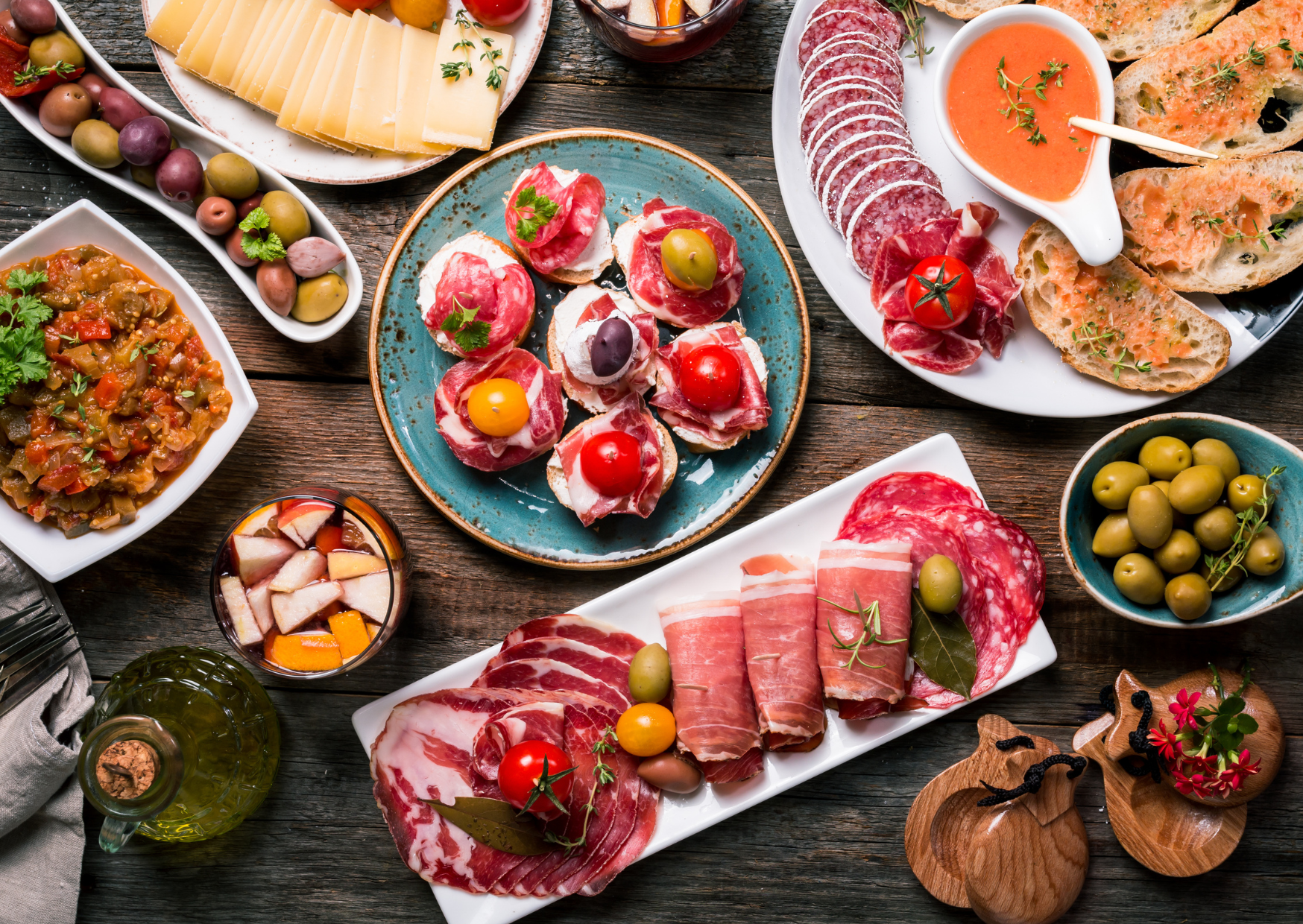
Yes, tapas are small. Yes, they can come first. Yes, they can be shared. But in practice they often behave very differently from an American appetizer. In León, Spain’s official tourism site still describes tapas in the El Húmedo quarter as small portions served with your drink, and even calls them a foretaste of more elaborate dishes. That single phrase explains a lot. The tapa is not automatically a separate paid starter before your main. It can be attached to the drink, it can stand in for the first stage of the evening, and it can also lead nowhere except the next bar.
That changes everything.
A Spanish evening may move through vermouth, beer, or wine and two or three small plates without anybody intending to sit down for a giant “entrée” afterward. Or the tapas may be the soft opening before a later dinner. Or you might have one free bite with a drink and then decide what happens next.
The structure is flexible.
The American appetizer is often rigid. First this, then that.
Spanish tapas culture is looser and smarter than that.
It lets the evening decide.
That is why Americans make a mess of it. They order croquetas, tortilla, patatas bravas, maybe some jamón, then still assume a full second course is coming because that is what dinner scripts in the U.S. have trained them to do.
Then suddenly the table is covered in food, everyone is too full, and the “main” arrives to a room full of regret.
The problem is not that Spain tricked them.
It is that they treated bar food as a trailer when it was already half the film.
Italy Uses Aperitivo And Antipasti To Open Space, Not To Hit You In The Face
Italy confuses Americans in a different way.
The word “antipasto” sounds safely familiar. Great, a starter. Order something. Easy.
But the broader Italian rhythm around the start of an evening is often more interesting than that. Italy’s official tourism site still describes places like Piazza Santo Spirito in Florence as ideal for an aperitivo or dinner, which quietly shows that the pre-dinner drink-and-bite ritual is its own social category, not just a waiting room for the meal. Another official page on Marina di Ravenna says the aperitivo hour marks the beginning of the nightlife.
That is the key.
Aperitivo is often about transition.
Work to evening.
Street to table.
Daylight to night.
You meet. You drink. You nibble. Maybe you continue to dinner. Maybe you do not. Maybe the aperitivo is light. Maybe the bar is generous. In some cities, yes, the buffets can get ridiculous. But even then, the logic is still different from the American starter logic.
It is not there to prove abundance before the main course.
It is there to set the tone.
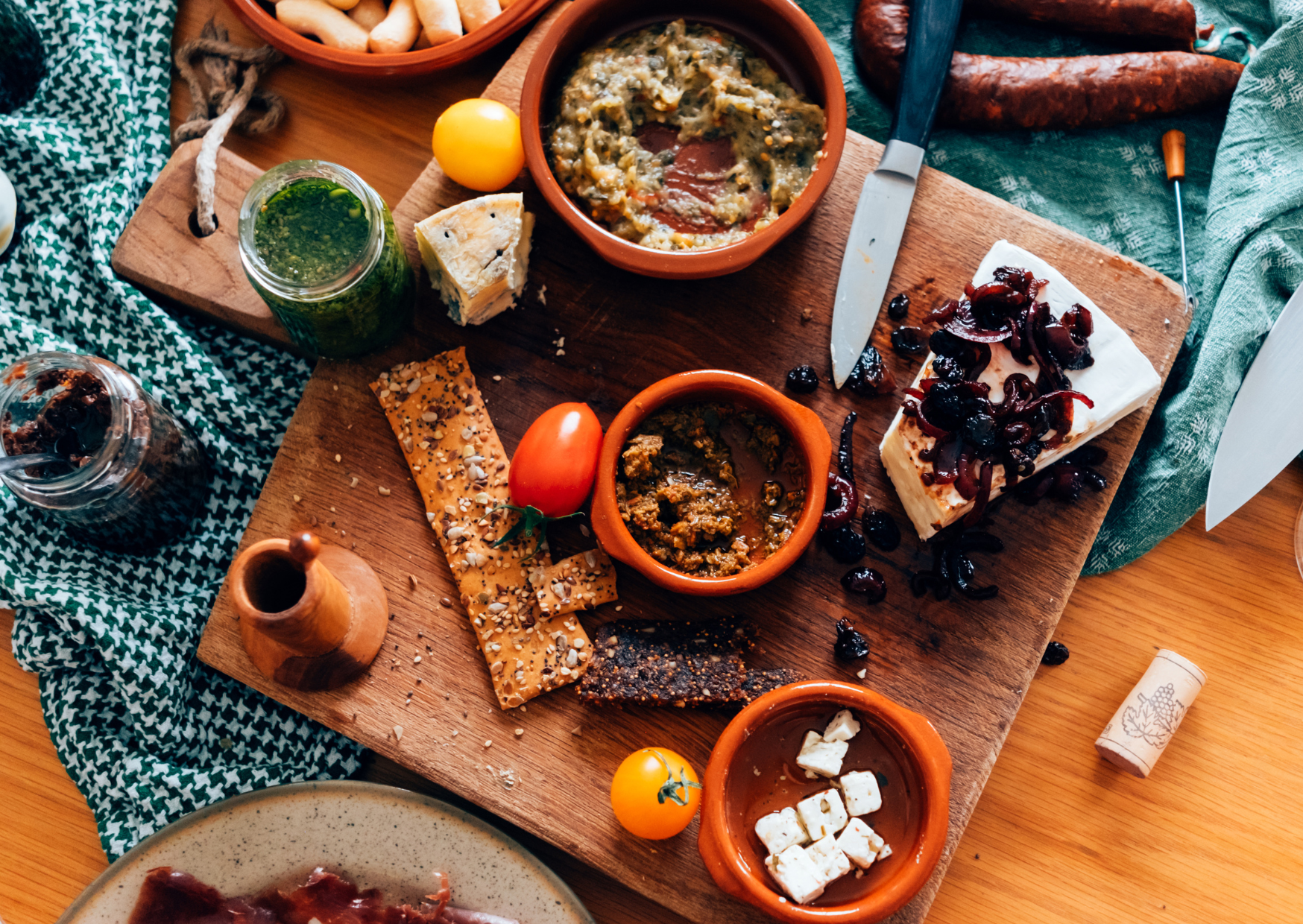
Antipasti at a sit-down meal also tend to behave more calmly than Americans expect. A few slices of prosciutto, some marinated vegetables, a little seafood, crostini, artichokes, burrata, maybe something fried if the region leans that way. The better versions do not try to flatten your appetite. They sharpen it.
That restraint is not always noble. Sometimes it is simply confidence.
The kitchen is not panicking about whether you feel entertained by minute eight.
It trusts the meal.
France Still Believes In Sequence More Than Spectacle
France handles the opening of a meal with even more structure.
UNESCO’s description of the gastronomic meal of the French still presents it as a fixed sequence that starts with an apéritif and ends with liqueurs, with at least four successive courses in between. France’s own tourism language says much the same thing: aperitif, then appetiser, then fish or meat, then cheese, then dessert.
That matters because once a meal is genuinely sequenced, the starter no longer has to behave like a stunt.
It is one chapter.
Not a headline.
This is also why a French opening can seem almost too modest to Americans. In the South, official tourism material for Nice suggests an aperitif on a café terrace, maybe a pastis, then things like pissaladière, pan-bagnat, tapenade, anchoïade, aïoli. These are flavorful foods, but they are not built around the American “starter sampler” instinct. They are rooted in appetite, place, and progression.
The French table, at its best, is not trying to impress by piling everything on early.
It is trying to control the arc.
That can feel formal to Americans.
It can also feel deeply sane.
Because the first bites are allowed to be just first bites. They are not asked to carry the emotional weight of the whole outing.
On Ordinary Weeknights, Plenty Of Europeans Do Not Bother With A Formal Starter At All
Actually, even “Europeans do starters differently” is slightly too tidy.
A lot of Europeans, especially at home on normal nights, simply do not perform a restaurant-grade appetizer ritual at all. They have soup. A few slices of something. Salad. Bread and tomato. A little plate put down while something finishes cooking. Or they go straight into the meal.
That is important because Americans often imagine Europe as one endless chain of beautifully paced multicourse dinners.
No.
Europe contains tired parents, late commuters, students with sad fridges, old men eating standing up at bars, and households making a meal out of whatever is already in the kitchen.
The difference is not that Europeans are constantly producing elegant openers.
The difference is that they do not treat the appetizer as mandatory theater.
If there is a first bite, fine.
If not, also fine.
The meal does not lose dignity because nobody ordered fried calamari first.
That flexibility is part of why the American expectation lands so badly abroad. Americans often treat the appetizer as proof that dinner has begun properly. In much of Europe, dinner begins when people begin eating, not when the designated opening act walks onstage.
This sounds obvious.
It is not obvious if you were trained by menus that divide everything neatly into Appetizers, Entrées, Desserts, Cocktails, and the moral universe between them.
European food culture, even when it is highly structured, is often less addicted to category performance.
And that makes it feel either liberating or disappointingly casual, depending on what the diner came for.
What Americans Often Misread As Poor Hospitality
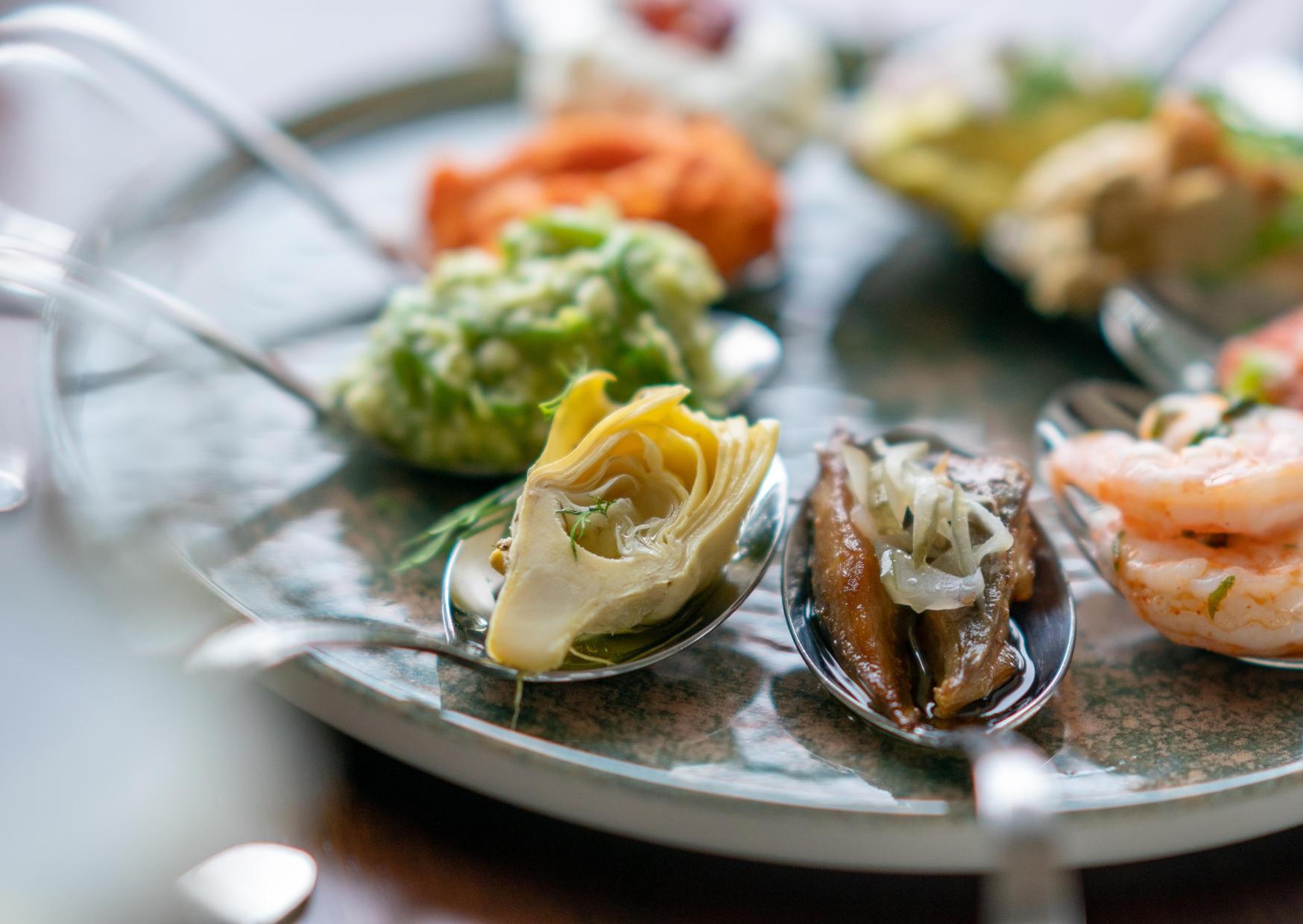
The hardest thing for Americans to accept is that smaller opening food does not necessarily mean less hospitality.
In the U.S., generosity often arrives as volume. Big pours, big baskets, big platters, free refills, “for the table” energy. The customer is reassured through visible surplus.
In Europe, hospitality often feels quieter.
A good olive.
A careful pour.
A plate that is small because more things will follow, or because the point is the drink and the talk, or because overfeeding you at minute one would be clumsy.
That can feel almost suspicious to someone used to abundance as the social language of care.
But a lot of European tables express care differently. Through pacing. Through staying seated. Through not rushing the bill. Through confidence that the evening does not need to peak at the appetizer.
This is where Americans sometimes over-order and blame the culture.
They see a menu of small things and think they need the equivalent of an American starter, then a main, then perhaps dessert because that is how a proper dinner behaves. In Spain or Italy especially, that can produce a table that is wildly out of proportion to the appetite of the actual people sitting there.
The menu was not asking for all that.
The diner brought the script with them.
The Problem Is Not The Food At The Front Of The Meal
Europeans do have appetizers.
That is not the issue.
France has aperitifs and starters in a clear sequence. Spain has tapas and pinchos and little things that open the appetite or replace dinner entirely. Italy has aperitivo and antipasti and all the social choreography around them. Across the continent, there are endless regional versions of “food before the main food.”
But the role is different.
That is the whole story.
The American appetizer often needs to be comfort, value, and entertainment in one move. It has to hit quickly and feel worth ordering.
The European opener is more likely to be a pacing tool. A social lubricant. A small act of appetite management. A companion to the drink. A first move in a longer sequence. Or nothing formal at all on an ordinary night.
Which means Americans arrive expecting fireworks and get olives.
They expect one loud opening number and get a quieter room with more doors.
That room usually feeds people better.
Not always more.
Not always cheaper.
Not always in a way that photographs well.
But better, in the sense that the first thing on the table is not being asked to do the entire job of hospitality by itself.
And once you see that, the giant appetizer platter starts to look less like a universal truth and more like a very specific national habit.
One that Europe never really signed up for.

About the Author: Ruben, co-founder of Gamintraveler.com since 2014, is a seasoned traveler from Spain who has explored over 100 countries since 2009. Known for his extensive travel adventures across South America, Europe, the US, Australia, New Zealand, Asia, and Africa, Ruben combines his passion for adventurous yet sustainable living with his love for cycling, highlighted by his remarkable 5-month bicycle journey from Spain to Norway. He currently resides in Spain, where he continues sharing his travel experiences with his partner, Rachel, and their son, Han.