
The American habit is to treat tomato sauce like a project.
Simmer it forever. Add sugar. Add a dozen herbs. Add garlic three different ways. Add wine, then reduce, then reduce more, then wonder why it tastes oddly harsh and heavy. It becomes a weekend thing, not a weeknight thing. People start believing pasta night requires effort.
In a lot of Italian homes, the opposite is true. The sauce that shows up most often is the one that doesn’t demand a ceremony. It’s fast because it’s built on a simple idea: good tomatoes don’t need babysitting. If you use decent tomatoes and the right fat, the sauce becomes dinner in the time it takes to boil pasta.
This is why Italian grandmothers can make sauce in 10 minutes and still make it taste like something you’d order out. They’re not cutting corners. They’re avoiding the one habit that ruins it: cooking tomato sauce into exhaustion.
The fix isn’t a secret ingredient. It’s restraint.
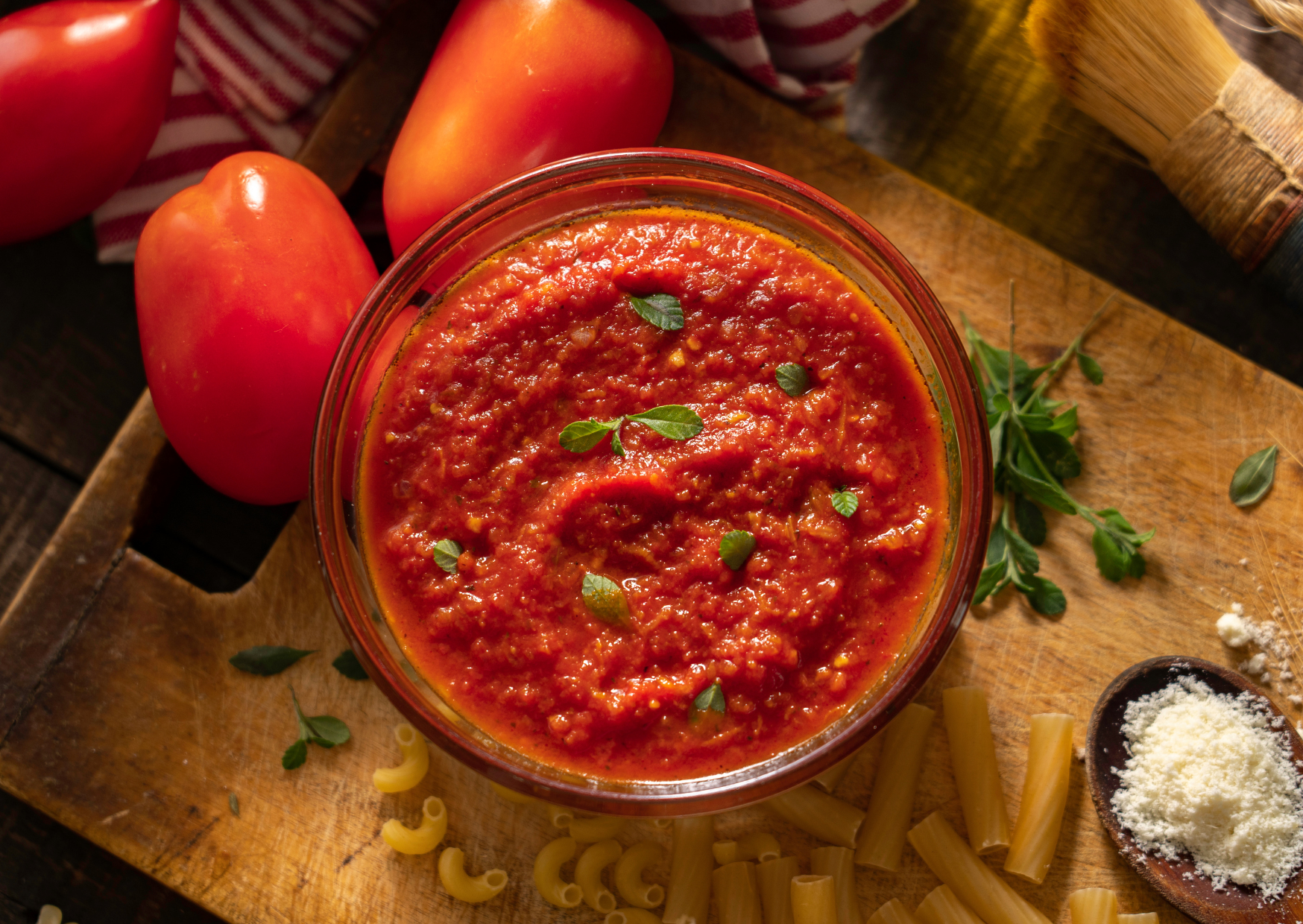
The One Habit That Makes Americans Overcook Tomato Sauce
Americans often treat tomato sauce like stew.
Long simmer, constant stirring, endless adjustments. The goal is “depth.” The result is often muddiness. Tomato loses its brightness. The sauce turns darker, heavier, and strangely flat. People then chase flavor with more ingredients, which makes it heavier still.
A quick Italian tomato sauce works because it preserves tomato’s best qualities: sweetness, acidity, freshness. It also protects the fat from tasting greasy, because the sauce stays light enough to emulsify properly with pasta water.
There’s another hidden American issue: the belief that time equals quality. In tomato sauce, time often equals oxidation and dullness unless you’re specifically making a long-cooked ragù or a slow sugo built for that purpose.
Most weeknight pasta sauces in Italy aren’t trying to become ragù. They’re trying to become dinner.
That’s why short simmer is often the smarter move. You get a sauce that tastes like tomatoes, not like a jar of “Italian seasoning.”
The Italian Shortcut That Isn’t A Shortcut
The sauce is usually one of these two styles:
- Tomato and garlic with olive oil, fast simmer
- Tomato and butter with onion, fast simmer, then remove the onion
The second one is the real “grandmother” move, especially for people who want comforting sauce without sharpness. It’s famously associated with a very simple approach: canned tomatoes, butter, onion, salt. That’s it. No garlic. No oregano. No sugar. No drama.
This method works because butter rounds tomato acidity without masking tomato flavor. Onion perfumes the sauce without needing to be chopped or browned. Ten minutes of simmer is enough to marry it.
This is also why it beats the American habit of adding sugar. Sugar is a blunt tool. Butter is a better one.
And yes, olive oil versions are completely legitimate too. But if you want the sauce that makes Americans say “why is this so good,” butter-and-onion is usually the answer.
Simple fat is doing the heavy lifting. Not time.
The Recipe You Can Make Before The Pasta Is Done
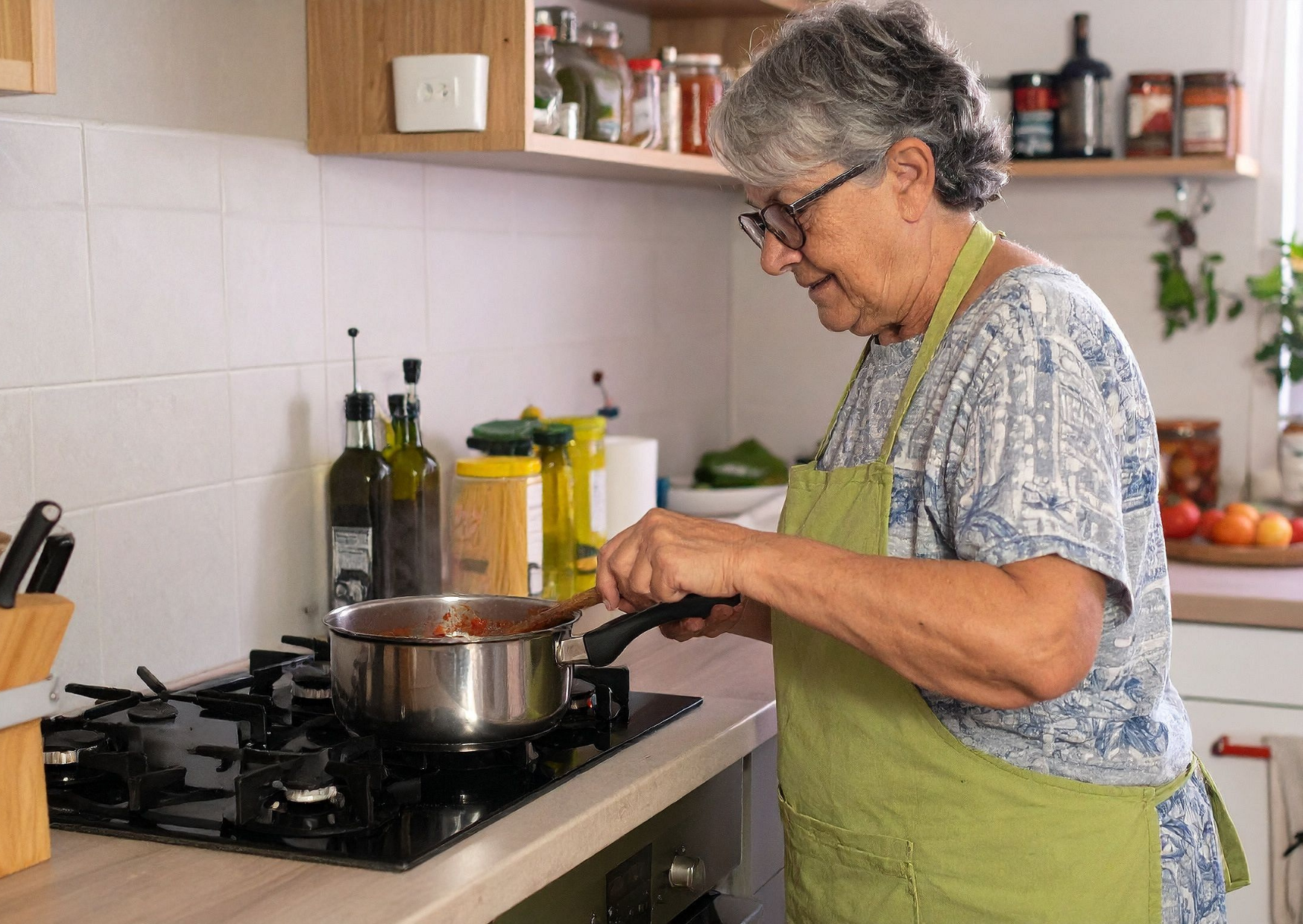
This makes enough sauce for 4 portions of pasta.
Ingredients
- Canned whole peeled tomatoes: 1 can (400 g)
- Butter: 60 g
- Onion: 1 small, peeled and cut in half (about 100 to 130 g)
- Fine salt: 1 teaspoon, then adjust
- Optional: pinch of chili flakes
- Optional: Parmigiano Reggiano or Pecorino for serving
- Pasta: 320 g for 4 portions
That’s the base.
If you want to make it slightly more “Sunday” without making it slow, add one small clove of garlic, crushed, and remove it later. Don’t chop it. Don’t brown it. Just perfume the fat and move on.
Step By Step
- Put a large pot of salted water on to boil.
- In a saucepan, add tomatoes, butter, and the halved onion. Add 1 teaspoon salt.
- Bring to a gentle simmer over medium heat. As soon as it simmers, lower heat so it stays calm, not aggressive.
- Use a spoon to break the tomatoes into chunks. Don’t puree. You want texture.
- Simmer for 10 minutes, stirring occasionally. The butter will melt and the sauce will look glossy.
- Remove the onion halves. Taste. Add salt if needed.
- Cook pasta until al dente. Reserve a mug of pasta water.
- Toss pasta with sauce in a pan for 30 to 60 seconds. Add a splash of pasta water if needed to loosen and help it cling.
- Serve with cheese if you want, and black pepper if you like.
That’s it. Ten minutes.
If you want the Italian finish that makes it feel restaurant-level, the key is the toss with pasta water. Pasta water is the binder that turns sauce into coating instead of puddle.
Why This Sauce Works In Plain Language
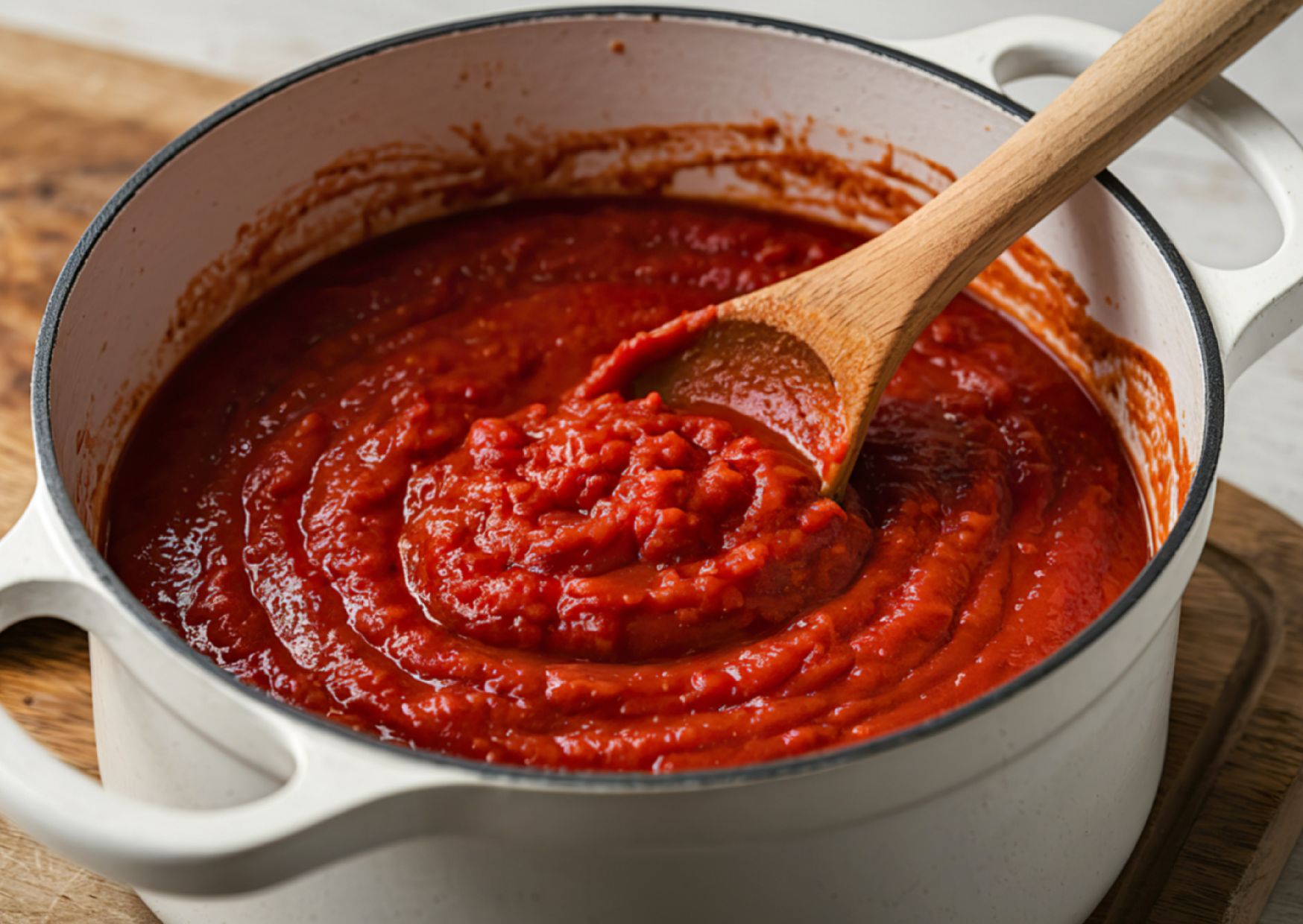
Tomatoes have acidity and natural sweetness. Butter has fat that carries flavor and softens sharpness. Onion has aromatic compounds that dissolve into the sauce as it simmers.
The reason you don’t need an hour is because this sauce is not trying to reduce into a dense paste. It’s trying to stay balanced.
Long-cooking tomatoes can be wonderful when the recipe is designed for it. But for a basic tomato sauce, long cooking often means the fresh top notes disappear. You get “tomato jam” energy. Some people like it. A lot of people don’t realize it’s what they’ve been making.
The 10-minute sauce keeps the tomato alive. It tastes like actual tomatoes plus a little luxury from butter.
Also, there’s a practical reason Italian home cooks favor quick sauces: they’re built around the pasta cooking window. When pasta is ready, sauce is ready. Timing is the technique.
The Euro Cost Breakdown For A Weeknight Pan
Prices vary by store and city, so treat this as a realistic range.
For 4 portions:
- Canned tomatoes 400 g: €0.80 to €1.80
- Butter 60 g: €0.70 to €1.20
- Onion: €0.10 to €0.25
- Pasta 320 g: €0.60 to €1.40
- Cheese for serving (optional): €1.50 to €3.00 depending on quality and amount
Total without cheese: roughly €2.20 to €4.65
Per portion: roughly €0.55 to €1.15
With cheese, you might land closer to €1.20 to €2.00 per portion, still cheaper than most takeout and much calmer than “homemade sauce day.”
The American mistake is assuming “quick” equals “cheap tasting.” This sauce is quick and tastes expensive because butter and decent tomatoes are doing the job.
Better tomatoes matter more than longer cooking.
U.S. And Europe Substitutions That Don’t Ruin It
If you’re in Spain, Portugal, Italy, France:
- Any decent canned whole peeled tomatoes work.
- If your tomatoes taste acidic, add a little more butter, not sugar.
- Use a mild onion. A strong onion can dominate in such a short cook.
If you’re in the U.S.:
- Look for canned whole tomatoes with a clean ingredient list: tomatoes, tomato juice, maybe salt.
- If the can tastes metallic or sour, it’s not you. It’s the tomatoes.
- If you can’t get good whole peeled, use crushed, but keep simmer time short.
Butter options:
- Salted butter is fine. Just reduce added salt.
- If you prefer olive oil, you can make a fast garlic-tomato sauce instead, but it will taste different. Still excellent, just sharper.
Cheese:
- Parmigiano Reggiano is ideal for this sauce.
- Pecorino can work, but it can also overpower a delicate sauce. Use lightly.
Herbs:
- If you add dried oregano and basil and rosemary and thyme, you’re back in American “project sauce” territory.
- If you want one herb, use fresh basil at the end, torn, not cooked for 40 minutes.
One herb is plenty. The sauce is supposed to be simple.
Common Mistakes That Make It Taste Worse
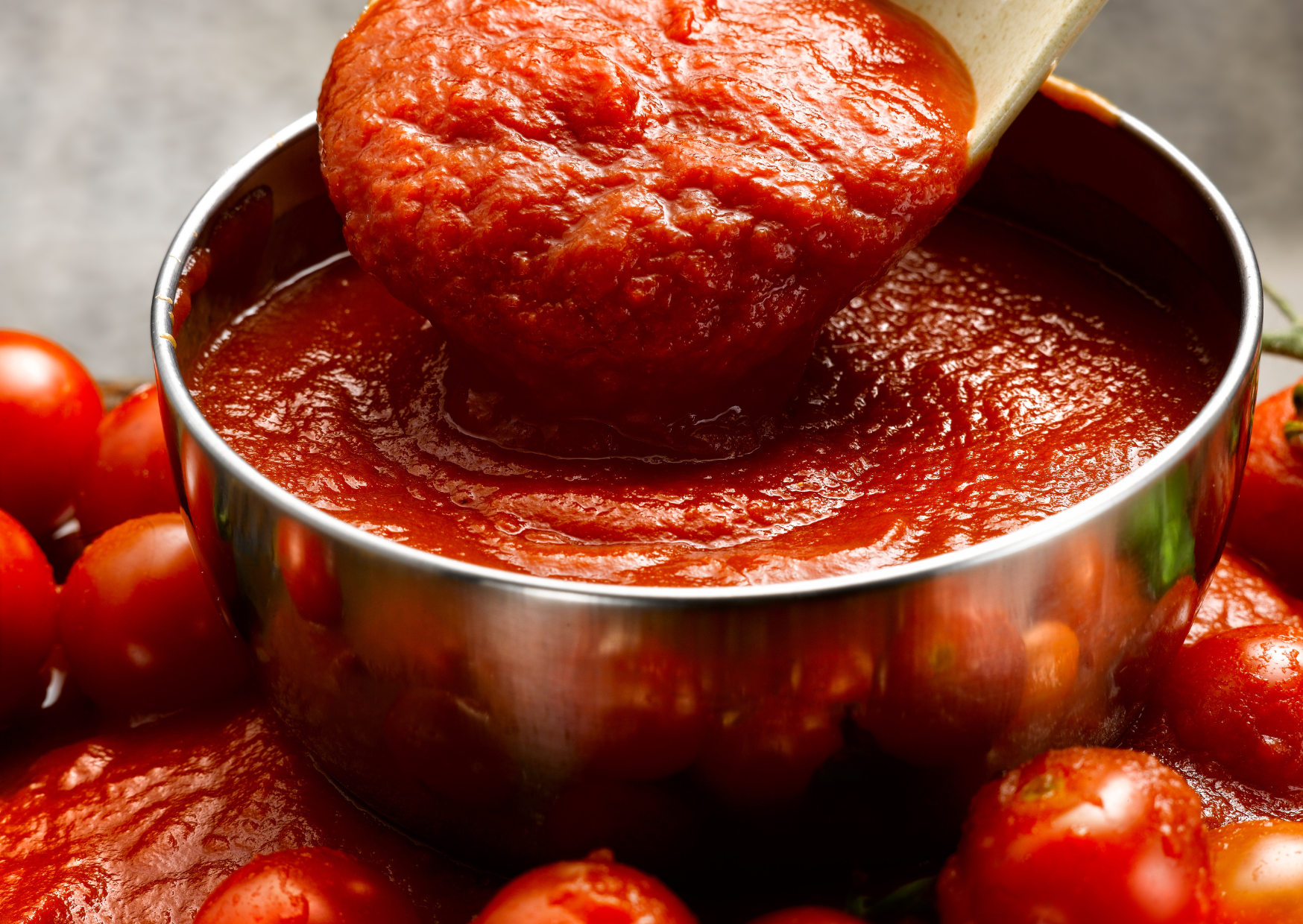
People usually ruin this sauce in predictable ways.
- They boil it hard. Aggressive boiling can make the sauce taste harsh and can separate fat.
- They use low-quality tomatoes and then try to fix it with more ingredients.
- They skip salting properly because they assume cheese will do it later.
- They don’t toss with pasta water, so the sauce sits on top instead of clinging.
- They overcook the pasta, then blame the sauce for being bland.
The “Italian grandmother” result is less about attitude and more about small choices.
Gentle simmer and proper salt do most of the work.
Storage, Leftovers, And The Smart Second Meal
This sauce stores well.
- Fridge: 4 days in a sealed container
- Freezer: up to 3 months
Reheat gently. Don’t boil it hard. Add a splash of water if it thickened.
Leftover ideas that feel very Italian:
- spread on bread, top with a fried egg
- toss with beans and greens for a quick stew
- use as pizza base on flatbread
- stir into rice with cheese for a lazy baked dish
If you want to get very practical, make a double batch and freeze in two containers. The sauce becomes your emergency meal foundation.
That’s the real Italian trick. Not cooking longer. Cooking once and staying calm later.
A Repeatable Week Plan That Makes This A Habit

This is how you turn “I should cook more” into reality.
Day 1: Make this sauce exactly as written. Taste the simplicity.
Day 2: Make it again, but use a different tomato brand. Notice how much the can matters.
Day 3: Use leftover sauce with eggs and bread for an easy dinner.
Day 4: Make the olive oil and garlic version as contrast. Short simmer, no over-stirring.
Day 5: Make a vegetable pasta using this sauce as base, add zucchini or spinach in the last 2 minutes.
Day 6: Freeze a portion. Future you will be grateful.
Day 7: Eat out or make something else. The goal is a tool, not a lifestyle identity.
If you can make one good sauce quickly, you stop buying mediocre jar sauce. You also stop treating dinner like a decision crisis.
Fast and repeatable beats “perfect once.”
The Part Italians Understand That Americans Fight
Italian home cooking often respects a simple truth: the point of dinner is not proving you tried hard.
It’s feeding people well without making life heavier.
That’s why the grandmother sauce is fast. It’s why it uses a halved onion instead of a chopped one. It’s why the ingredient list is short. It’s why the sauce doesn’t cook itself into darkness.
Americans often cook as if the kitchen is a performance space. Italians often cook as if the kitchen is where life continues.
If you want the ten-minute sauce, you have to give up the American need to add more and do more.
You don’t need more effort.
You need fewer habits that make simple food complicated.

About the Author: Ruben, co-founder of Gamintraveler.com since 2014, is a seasoned traveler from Spain who has explored over 100 countries since 2009. Known for his extensive travel adventures across South America, Europe, the US, Australia, New Zealand, Asia, and Africa, Ruben combines his passion for adventurous yet sustainable living with his love for cycling, highlighted by his remarkable 5-month bicycle journey from Spain to Norway. He currently resides in Spain, where he continues sharing his travel experiences with his partner, Rachel, and their son, Han.