
Tourists land in France and order like they’re trying to prove they’ve seen a movie.
French onion soup. Croque monsieur. Steak frites. Coq au vin. Crème brûlée. Something in a little cast-iron pot. Something with truffle oil. Something labeled “authentic.”
None of those foods are illegal. Plenty of French people eat them. The problem is that tourists tend to order the tourist versions of French dishes, in the wrong places, at the wrong times, and then decide France is overrated because the meal tastes like a theme park.
French locals are not allergic to classics. They’re allergic to predictable traps:
- the dish that exists mostly because foreigners ask for it
- the dish that is executed lazily because it will sell anyway
- the dish that is famous but not actually the best thing on that menu
If you want to eat like a local, you don’t need to chase obscure food. You need to stop ordering the most exported version of France and start ordering the thing that makes sense for the region, the season, and the restaurant you’re standing in.
Here are nine dishes tourists order constantly that many French people avoid in tourist settings, plus what locals actually eat instead.
Why Tourists Keep Ordering The Same “French” Food Everywhere
Tourists want safety.
They want a recognizable dish name so they don’t feel stupid. They want something they can pronounce. They want a story they can tell when they go home.
So they order the hits.
The problem is that French restaurant culture is not built around “the hits.” It’s built around:
- where you are
- what’s in season
- what the chef actually wants to cook
- and what the kitchen can execute well at that price point
Locals read menus differently. They look for:
- the plat du jour
- the regional specialty
- the fish if you’re near the coast
- the duck if you’re in duck country
- the cassoulet if you’re in the right corner of the southwest
- the simple thing that shows confidence rather than the flashy thing that shows marketing
Tourists order like the dish itself guarantees quality. Locals know the dish name guarantees nothing.
In France, the room matters more than the dish. If a place is a tourist conveyor belt, the classics are often the weakest part of the menu.
1. French Onion Soup In The Wrong Places
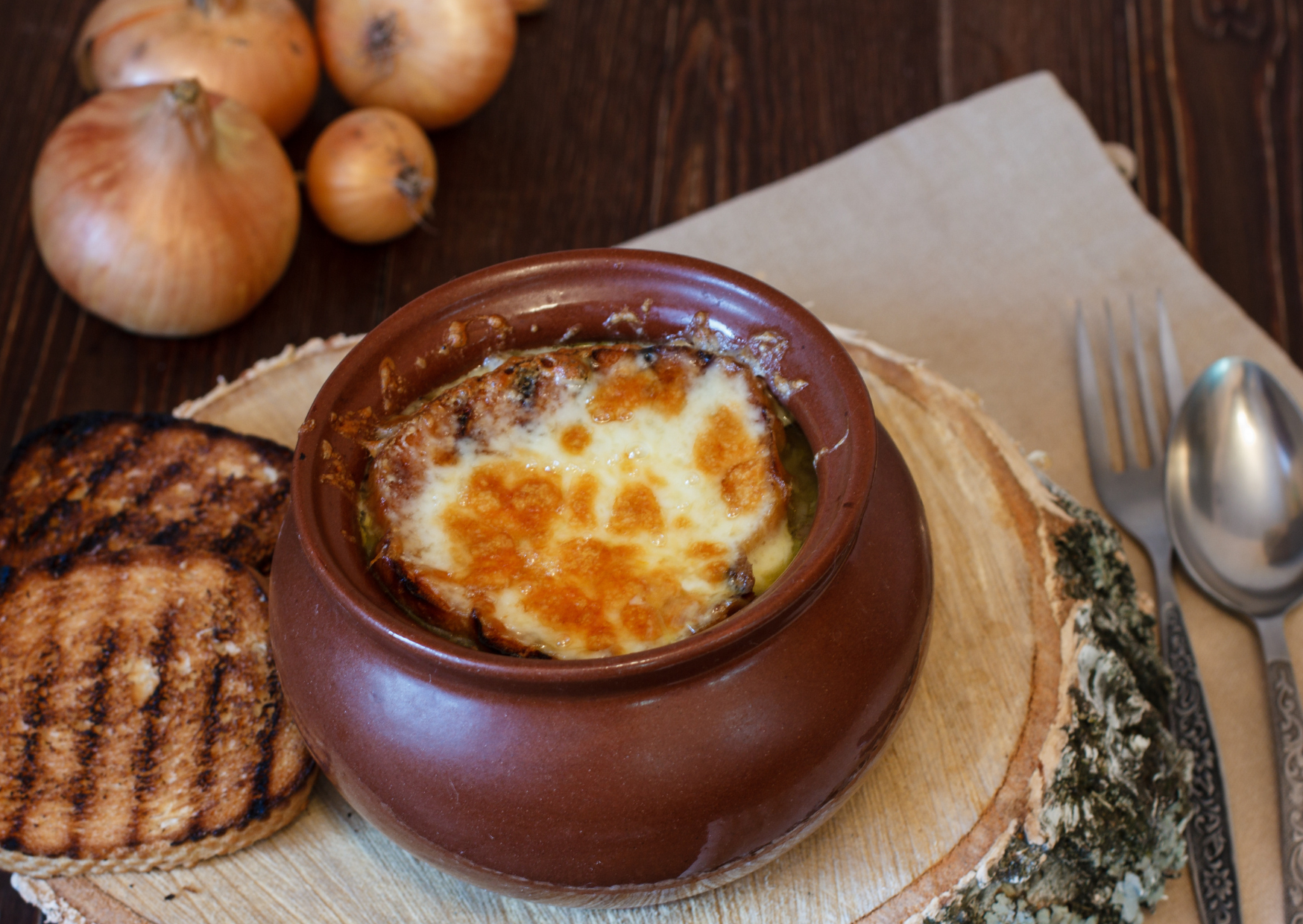
Soupe à l’oignon can be incredible.
It can also be the saddest bowl in Europe: watery onion broth, a rubber mat of cheese, and bread that has the texture of damp cardboard.
Tourists order it because it feels iconic. Locals avoid ordering it in tourist-heavy brasseries because they know it’s a classic that gets phoned in.
The local version is situational:
- cold weather
- a place that actually cares
- sometimes late-night comfort food in certain settings
- sometimes a traditional kitchen that does it properly
What to order instead if you want the same comfort feeling:
- a seasonal vegetable soup
- a potage of the day
- anything the kitchen is clearly making fresh in volume
The trick is simple: if the onion soup is on every menu in a tourist zone, the kitchen is not proud of it. It’s there because you asked.
Order the soup they want to make, not the soup you feel obligated to try.
2. Croque Monsieur That Tastes Like A Bad Cafeteria
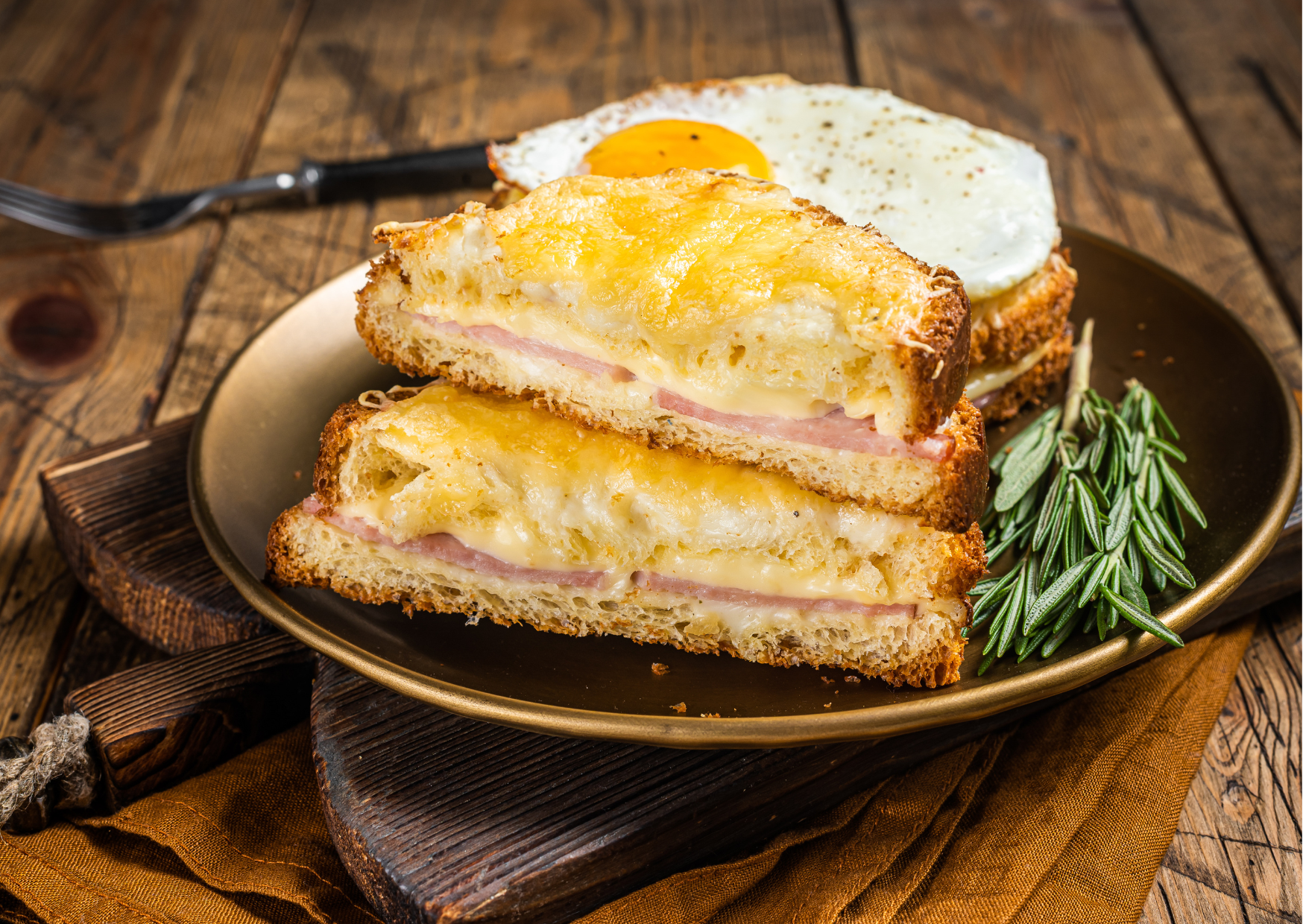
A croque monsieur can be perfect.
Crisp bread. Quality ham. Real béchamel. Proper cheese. Hot and balanced.
In tourist areas, croques often become a lazy trap:
- cheap ham
- heavy sauce
- limp bread
- and a plate that feels like overpriced toast
Locals avoid ordering croques in random cafés that look like they survive on foot traffic. They’ll still eat a croque, but they pick the place.
The local version is often:
- a café that serves it as a serious lunch
- a neighborhood place where regulars are eating lunch, not tourists taking photos
- sometimes a bakery or a simple brasserie that does quick food well
What to order instead if you’re in a tourist-heavy spot:
- the omelette
- a salade with something substantial
- the plat du jour if it exists
- a simple sandwich from a good boulangerie if you want quick and cheap
A good croque is not rare. A good croque in a tourist strip is.
If you’re surrounded by souvenir shops, a croque is usually a mistake.
3. Steak Frites In Restaurants That Don’t Specialize In It
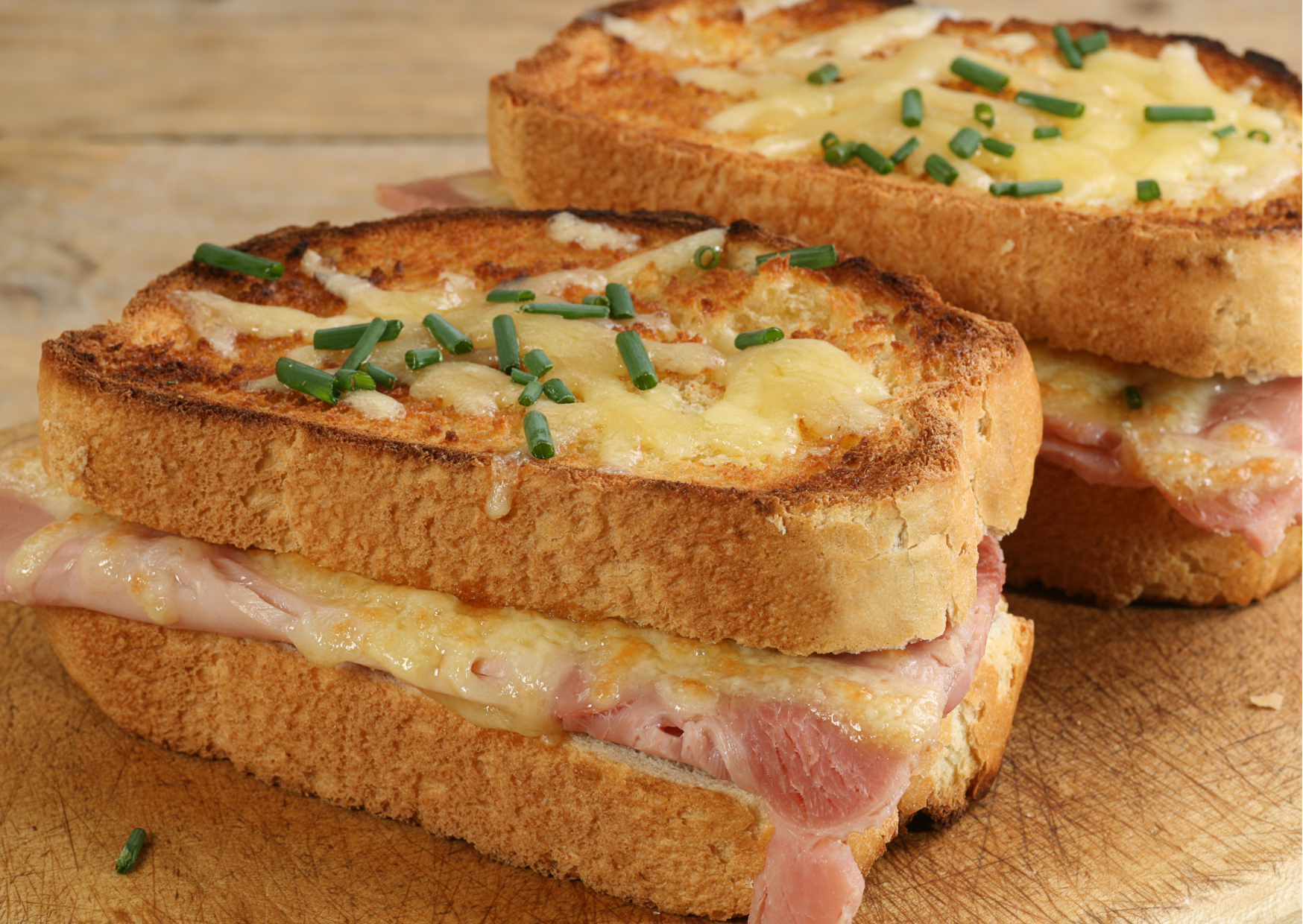
Steak frites is a national default. It’s everywhere. That’s exactly why it’s risky.
Tourists order steak frites because it feels safe. Then they get:
- tired steak cooked wrong
- frozen fries
- and a sauce that tastes like it came from a packet
Locals avoid ordering steak frites in places where the kitchen clearly isn’t a steak house. In France, simple food is only “simple” if the ingredients are good and the execution is disciplined. Otherwise it’s just boring.
The local move:
- order steak frites only in places that clearly care about meat and fries
- or order something else that the restaurant is built for
What to order instead:
- the fish if you’re near the coast
- duck in the southwest
- pork and lentils type dishes in the right regions
- the daily special, because that’s where many French restaurants focus their real effort
Steak frites is not “bad.” It’s just too easy for a mediocre restaurant to sell it while doing it badly.
In France, steak frites is either excellent or forgettable. Tourist zones tend toward forgettable.
4. Coq Au Vin Outside Of The Right Context
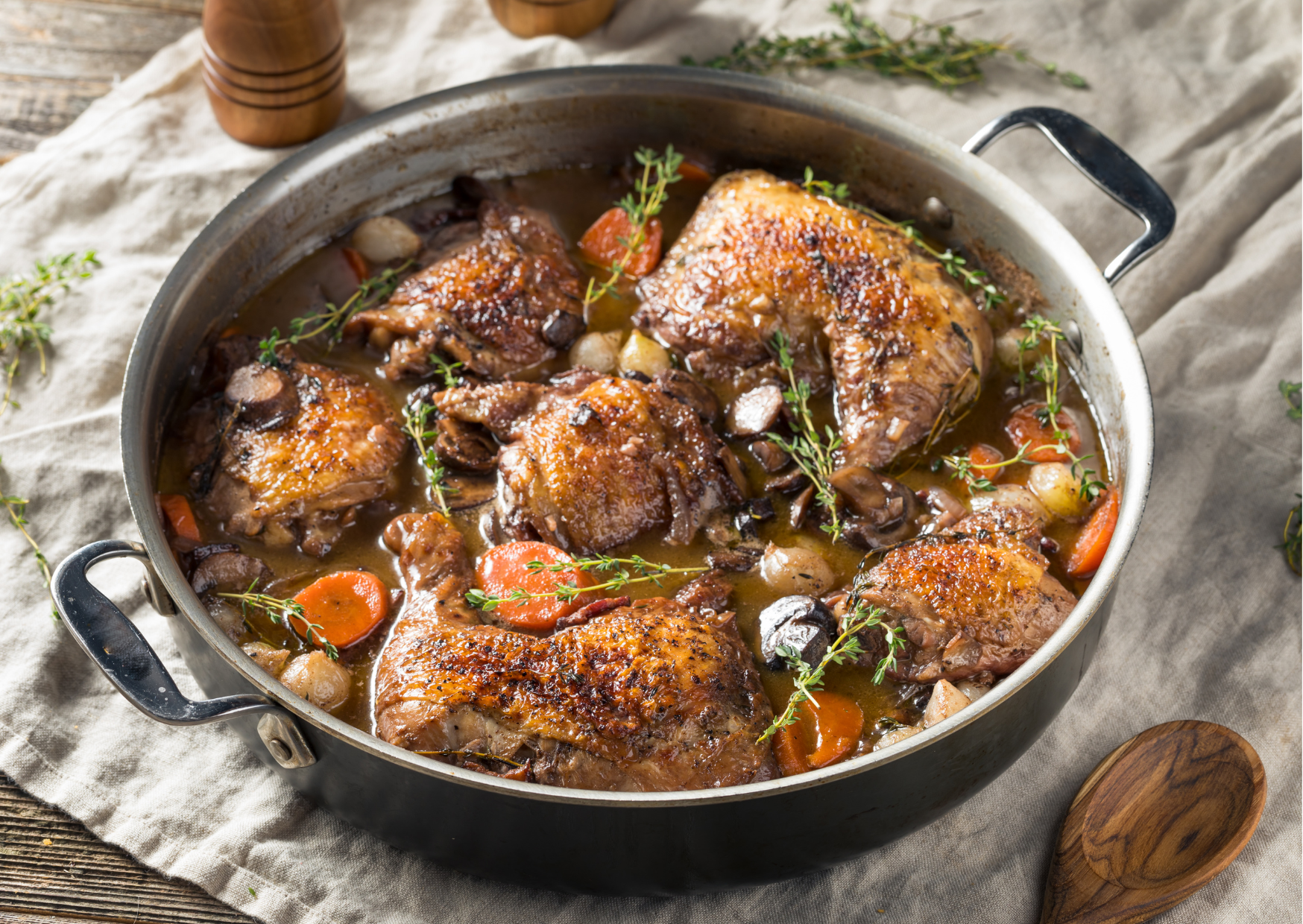
Coq au vin is one of the most misunderstood dishes tourists chase.
It is not a universal “France dish” you should order everywhere. It’s a traditional dish with regional and seasonal logic. It’s also time-consuming. Restaurants that do it well usually do it because they care, not because they want to fill a tourist expectation.
Tourist versions can be:
- too sweet
- too thick
- too heavy
- or just a generic stew sold under a famous name
Locals often avoid ordering coq au vin in tourist settings because it’s rarely the best thing the kitchen can do, and it’s often made in a bulk style that loses the soul of the dish.
What to order instead:
- braised dishes that are actually the house specialty
- a daube or stew that is regional to the area
- the plat du jour if it’s a slow-cooked dish, because that suggests real kitchen rhythm
Coq au vin is worth trying in the right place. It’s not worth chasing as a checklist item.
Chasing famous dishes in France is how you end up eating mediocre food in beautiful places.
5. Bouillabaisse As A Tourist Flex
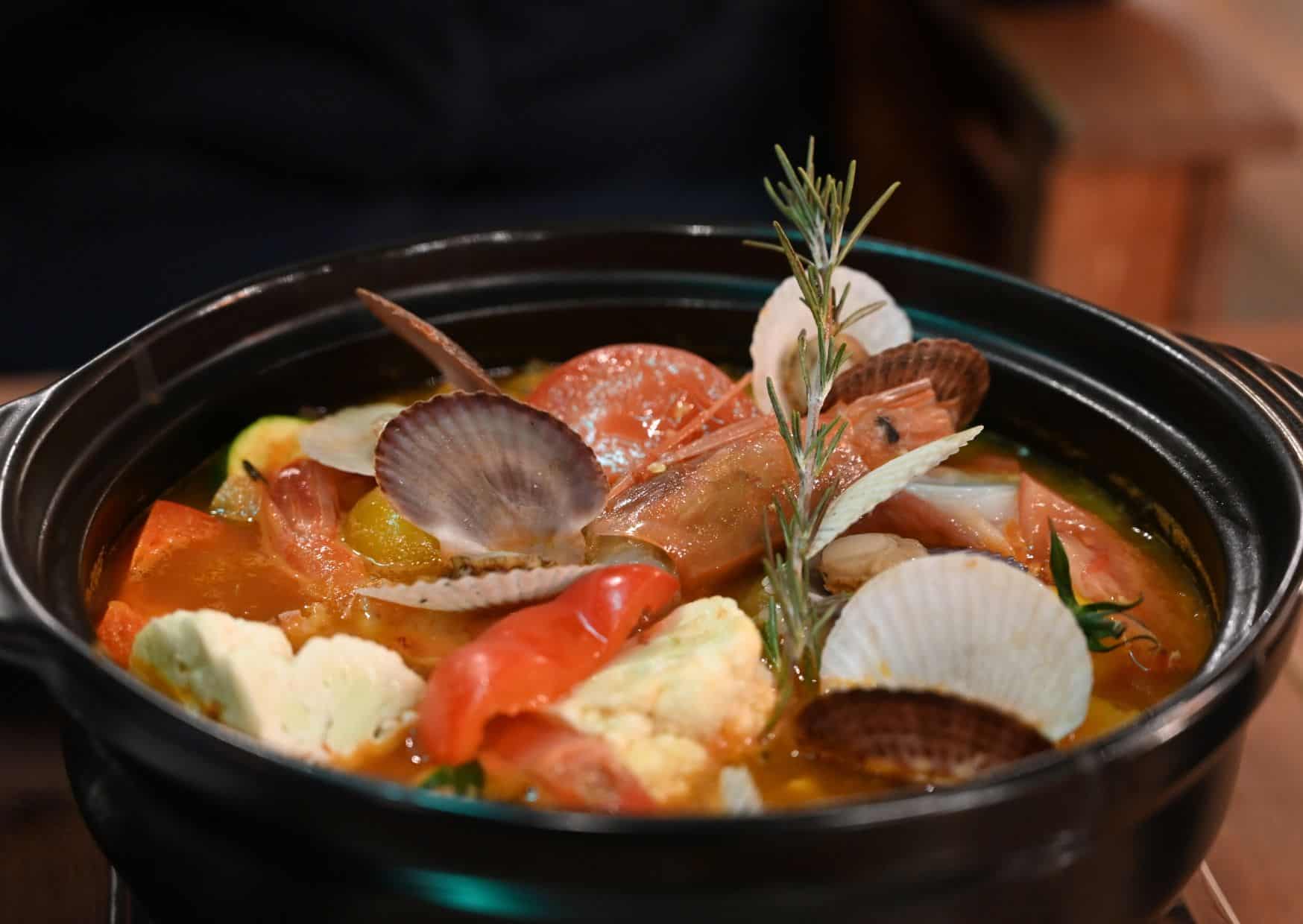
Bouillabaisse is one of the biggest tourist traps in France.
Not because it’s fake. Because it’s expensive, regional, and too often watered down for visitors.
Real bouillabaisse is a serious dish, especially in and around Marseille. It’s not a casual lunch that costs the same as a sandwich. It’s a big, structured meal. It requires quality fish and a kitchen that knows what it’s doing.
Tourists order bouillabaisse in coastal towns that are not Marseille, or in restaurants that are clearly designed to extract tourist money, and then they complain it was overpriced.
Locals avoid ordering bouillabaisse in random places because:
- the good version is expensive and specific
- the bad version is a tourist tax in a bowl
What locals order instead on the Mediterranean coast:
- grilled fish of the day
- seafood pasta or rice dishes that are local to that area
- simpler fish soups that aren’t claiming the bouillabaisse crown
- moules in the right contexts
If you are in Marseille and you want bouillabaisse, do it intentionally and accept the price. If you’re elsewhere and you see bouillabaisse offered cheaply, that’s your warning sign.
Bouillabaisse is a destination dish. Most tourists treat it like a souvenir.
6. Escargots When It’s Clearly A Performance Dish
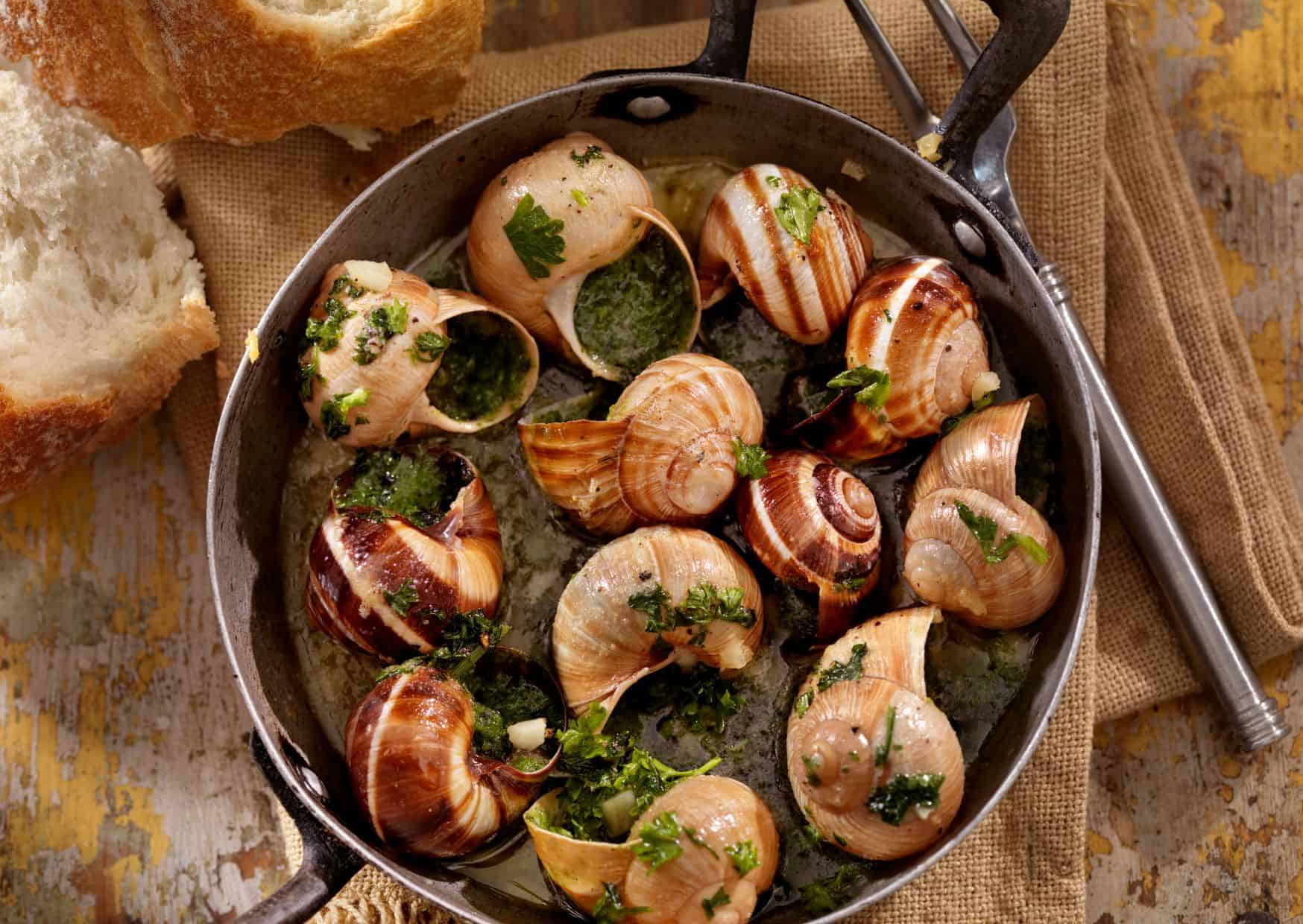
Escargots can be great. Garlicky butter. Herbs. Bread for soaking. The whole point is the butter and aromatics anyway.
But tourists order escargots for the story. Locals often avoid ordering them in tourist-heavy restaurants because the dish becomes:
- rubbery
- overcooked
- and priced like it’s rare, when it’s often not
Many French people don’t eat escargots regularly. It’s more of a special occasion or a traditional menu item you might have a few times a year, often in specific regions or at family gatherings.
What locals order instead when they want that “rich starter” energy:
- pâté or terrine when it looks house-made
- rillettes
- charcuterie boards in the right places
- a seasonal starter that reflects the kitchen’s actual focus
Escargots can be excellent when the place is good. In a tourist trap, it’s often pure performance with butter doing the heavy lifting.
If the restaurant looks like it survives on bus tours, skip the snails.
7. Crêpes As A Full Meal In The Wrong Places
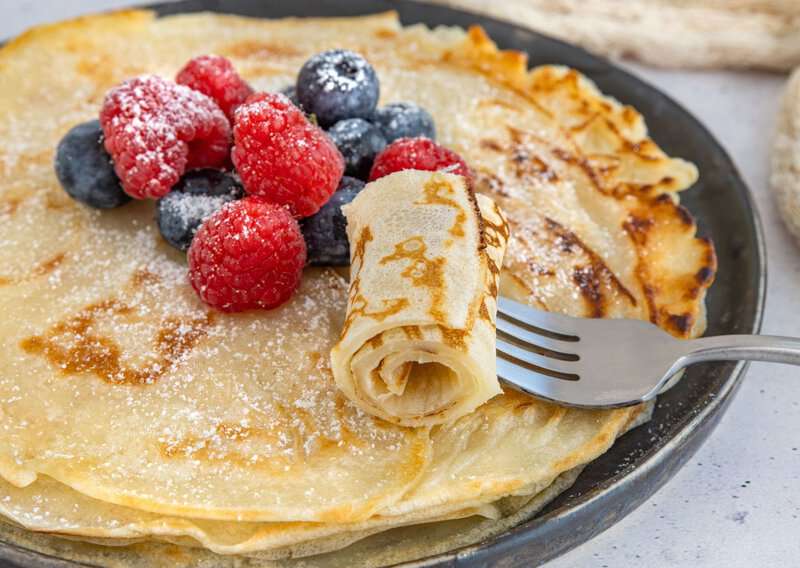
Crêpes are wonderful. They are also one of the most abused tourist foods in France.
Tourists treat crêpes like a national French meal and eat them everywhere. Locals know crêpes have a home: Brittany for the serious savory galette tradition, and crêperies that actually take their batter seriously.
In tourist zones, crêpes can become:
- thick and gummy
- too sweet
- overpriced
- and basically a snack pretending to be a meal
Locals avoid the crêpe trap by doing one of these:
- they eat crêpes in Brittany or in a legit crêperie
- they treat crêpes as a snack, not the main culinary event
- they choose a different lunch when they’re in Paris or the south or the Alps
What to order instead for a quick meal:
- a good bakery sandwich
- a salad with a protein
- a quiche from a good bakery
- the lunch special if you want to sit down
Crêpes are not the issue. Location and execution are.
Crêpes are great when they’re local culture. They’re mediocre when they’re tourist fuel.
8. Ratatouille And Other “Provence Classics” In The Wrong Season
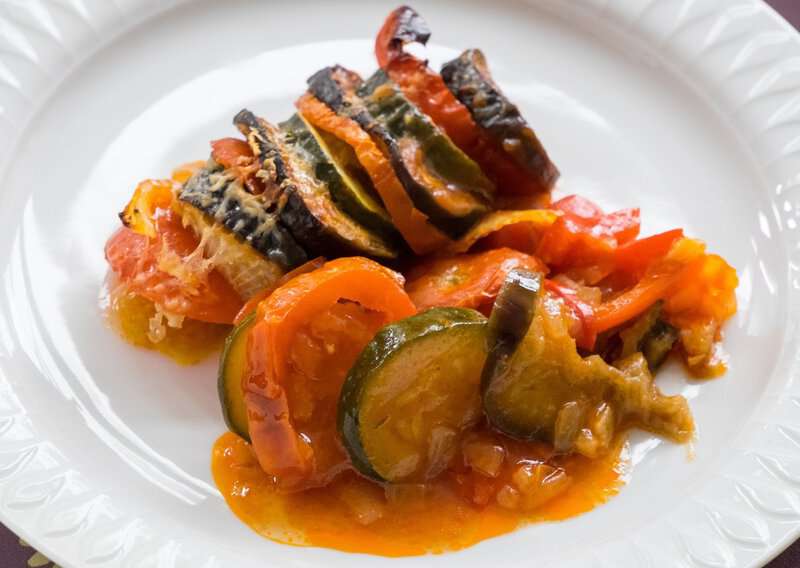
Tourists chase “Provence” food because it sounds healthy and romantic. Ratatouille, salade niçoise, and other southern classics get ordered year-round, everywhere.
But these dishes shine when the ingredients are right. Ratatouille is not a winter dish in the same way it is a summer and late summer dish. When tomatoes are tired and vegetables are sad, ratatouille becomes a bland vegetable pile.
Locals avoid ordering summer vegetable dishes out of season because they know the ingredient quality is the whole point.
What locals order instead:
- seasonal soups and stews in colder months
- braised dishes
- market vegetables that reflect the season
- salads and light plates when the produce actually tastes like something
France still has modern produce supply chains like everywhere. You can get tomatoes in winter. But the question is whether the dish is worth eating then.
If you want the real French advantage, it’s not that the recipe is magical. It’s that eating is more aligned with season in many places.
Out of season classics are how tourists end up disappointed.
9. Crème Brûlée And Tarte Tatin Everywhere Like It’s Mandatory
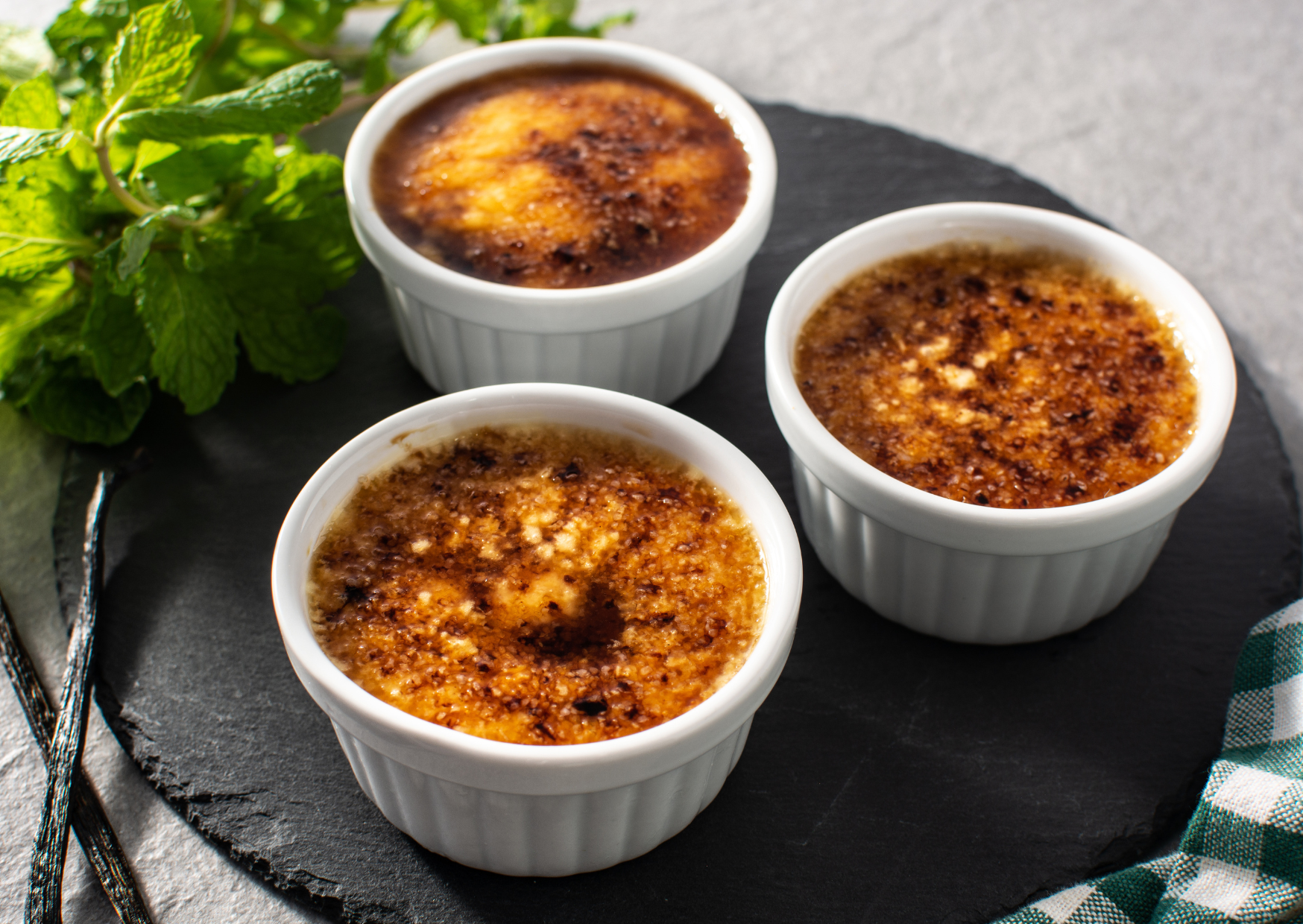
Dessert is where tourists get the easiest win and the easiest disappointment.
They order crème brûlée or tarte tatin because it’s familiar and iconic. In tourist-heavy restaurants, these desserts are often:
- pre-made
- reheated
- overly sweet
- or just not interesting
Locals don’t avoid desserts. They avoid ordering the most standardized desserts in the most standardized restaurants.
What locals do instead:
- order dessert only if the place is known for it
- or order a simpler dessert that is clearly made there
- or skip dessert and get a coffee, because French meals don’t require dessert to feel complete
If you want to order dessert like a local, look for:
- a dessert of the day
- something seasonal
- something the restaurant seems proud of rather than obligated to serve
Crème brûlée can be amazing. It can also be a sugar brick with a burnt top that tastes like a chain restaurant.
The most famous dessert is often the least interesting one on the menu.
The Local Versions Are Often Smaller And More Regional
A lot of tourists think locals “avoid” these dishes because they’re too fancy or too traditional.
It’s usually simpler. Locals avoid the tourist versions because they’ve had the good version at home, in the right region, or in a good restaurant, and they know the tourist version is often mediocre.
French daily eating is also more regional than tourists expect:
- Brittany has its own logic
- the southwest has its own logic
- Alsace has its own logic
- Lyon has its own logic
- the Mediterranean coast has its own logic
So a local eating like a local means you stop trying to force “France food” and start eating “here food.”
That is why the same dish name can mean something completely different depending on where you are.
What French People Actually Order In Tourist Areas
This is the funny part. In heavily touristed areas, locals often don’t eat in the same restaurants as tourists. They have their own places. But when they do eat near tourist zones, they tend to choose lower-risk items:
- a simple salad with a protein
- a basic omelette
- the daily special
- something regional that the restaurant actually has a reason to serve
- seafood in coastal places if it looks fresh and the place is credible
They also pay attention to the room:
- Are locals eating there at lunchtime on a weekday
- Are there office workers
- Are there families
- Does the menu look seasonal or frozen in time
French people are not magical restaurant whisperers. They just have practice. They know that the menu is a signal, not a promise.
How To Order Like A Local Without Speaking Perfect French
You don’t need flawless French. You need a smarter strategy.
- Eat at lunch when possible and look for the plat du jour.
- Order the thing that makes sense for the region.
- Avoid restaurants that clearly exist to serve tourists. You can feel it. The menu is in ten languages and everything is “authentic.”
- Keep your order simple. In France, simple food is where good kitchens show their competence.
- If you want a famous dish, chase it in the right place and accept that the good version might be pricier.
If you do this, you can still eat classics. You just won’t eat the sad versions.
The Honest Takeaway
French locals don’t avoid classic dishes because they’re snobs. They avoid the tourist versions because they’ve learned the same lesson every traveler eventually learns: the most famous dish on the most touristy menu is rarely the best thing you can eat in that place.
Onion soup, croques, steak frites, coq au vin, bouillabaisse, escargots, crêpes, ratatouille, and crème brûlée all have excellent versions. The trick is ordering them in the right region, the right season, and the right restaurant.
France rewards people who stop ordering the idea of France and start ordering what the kitchen can actually do well today.

About the Author: Ruben, co-founder of Gamintraveler.com since 2014, is a seasoned traveler from Spain who has explored over 100 countries since 2009. Known for his extensive travel adventures across South America, Europe, the US, Australia, New Zealand, Asia, and Africa, Ruben combines his passion for adventurous yet sustainable living with his love for cycling, highlighted by his remarkable 5-month bicycle journey from Spain to Norway. He currently resides in Spain, where he continues sharing his travel experiences with his partner, Rachel, and their son, Han.