
On Ikaria, people do not seem to age the way Americans expect.
They age more slowly, more socially, and often with less visible cognitive collapse. The famous claim attached to the island is that there is “almost no dementia.” That phrase comes mostly from Blue Zones-style reporting and media coverage, not from a clean island-wide medical census proving dementia literally does not exist. What is better supported is this: Ikaria is a longevity hotspot, older adults there have been studied as a “blue zone” population, and the pattern linked to their aging is not one miracle food. It is a full way of life built around plant-heavy eating, olive oil, beans, greens, lower meat intake, movement built into the day, social life, and less chronic stress.
That distinction matters.
Because the useful part of Ikaria is not the slogan. It is the mechanism. Older people there often eat in a way that looks like a stricter, older Mediterranean pattern: beans, vegetables, foraged greens, potatoes, olive oil, bread, herbal teas, coffee, and relatively little meat. A 2021 lifestyle description of the oldest old in Ikaria found very high levels of family solidarity, social interaction, and physical activity, while the diet pattern reflected traditional Mediterranean habits, though not in a simplistic “one food explains everything” way.
So yes, diet is part of the reason.
Just not by itself.
Ikaria Matters Because the Whole Pattern Lowers Damage
A lot of dementia writing gets too narrow too fast.
People want one villain or one cure. Sugar. Seed oils. blueberries. Turmeric. Some powdered thing with a serious label.
Ikaria is useful because it forces a broader view.
The island’s older residents are not just eating better. They are also living in a way that appears to reduce some of the biggest long-term pressures on the brain: social isolation, inactivity, metabolic chaos, and chronic stress. The oldest-old study from Ikaria found high family cohesion, strong social contact, and high physical activity. Another study describing the health status of the oldest olds on Ikaria found generally good functional ability and low rates of multimorbidity among the sample, which is exactly the sort of aging profile you would expect to support better cognition too.
That is why “diet is the reason” needs to be understood correctly.
Diet is the anchor.
But the anchor is tied to the whole boat.
The Ikarian Diet Is Not Fancy. It Is Repetitive.
This is one of the most important parts.
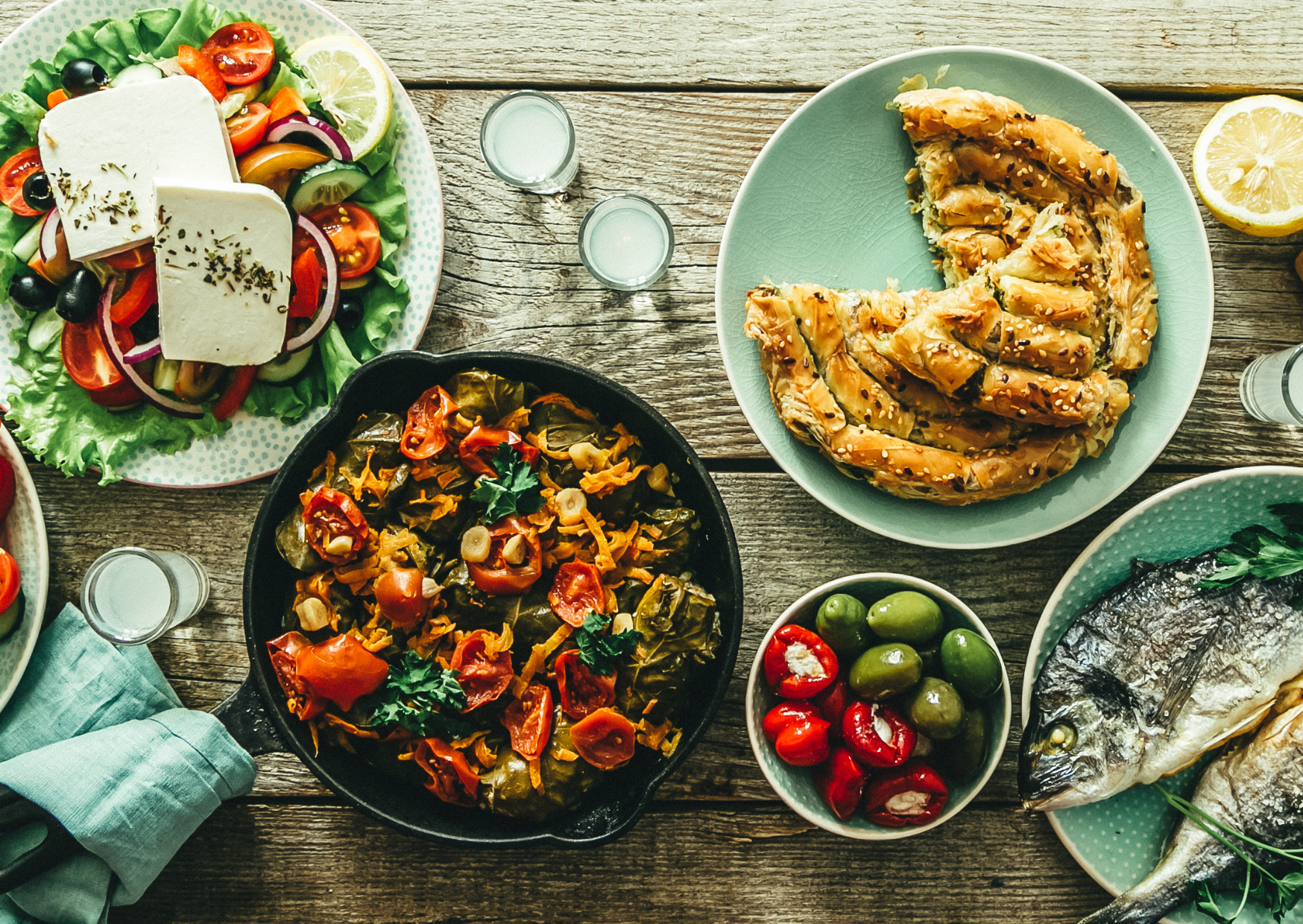
Ikaria does not win because people are eating some obscure anti-dementia superfood every morning. It wins because the daily food pattern is stubbornly ordinary and protective. The classic description keeps coming back to the same foods: legumes, vegetables, potatoes, fruit, whole grains, olive oil, little meat, modest fish, herbal teas, and coffee. Blue Zones reporting on Ikaria emphasizes exactly this pattern, and peer-reviewed work on Ikarian older adults is consistent with a traditional Mediterranean-style food culture rather than a supplement culture.
That matters because repetition beats occasional virtue.
A bowl of lentils four times a week is more powerful than buying one expensive “brain food” and then going back to a junk pattern the rest of the time. Olive oil on vegetables every day matters more than a heroic salmon dinner once a month. Coffee and herbal tea replacing sweet drinks matters more than a trendy cognition smoothie.
The Ikarian way works because the good choices are not exciting enough to fail.
Olive Oil, Greens, and Beans Are Doing a Lot of the Work
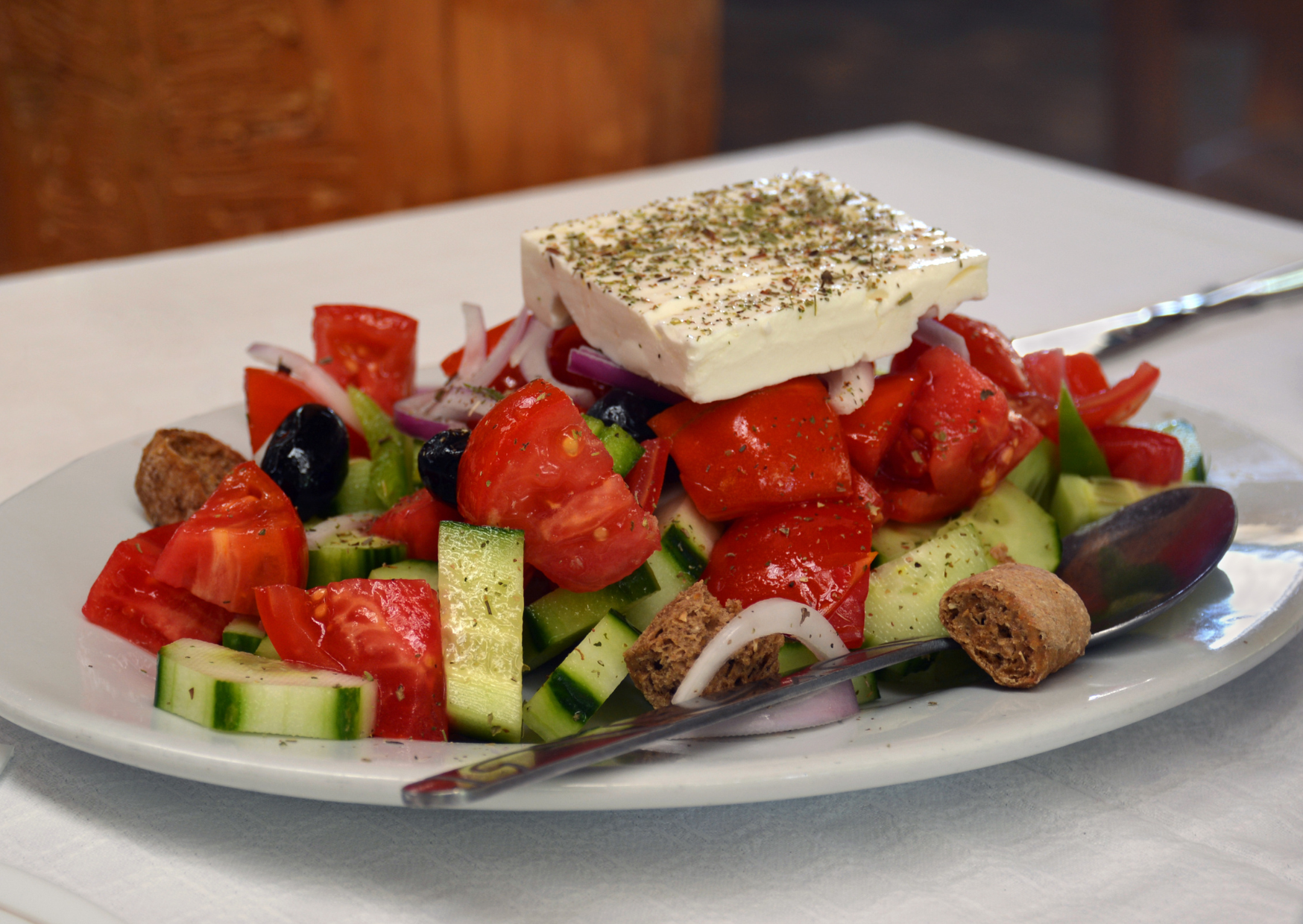
If you forced the Ikarian diet into a short ingredient list, three things would probably matter most:
olive oil
wild or cooked greens
legumes
Why those?
Because they keep showing up in the Mediterranean-diet evidence base around inflammation, vascular health, and cognition. A 2025 review on the Mediterranean diet noted that consuming at least 7 grams of olive oil per day was associated with a 28% lower risk of dementia-related death in large cohort work. Broader Mediterranean-diet reporting in 2024 and 2025 also continues to link higher adherence with lower cognitive decline and lower Alzheimer’s-related risk.
Ikarians are not doing olive oil as a “hack.” They are doing it as food.
That changes everything.
The same goes for greens and beans. These foods bring fiber, polyphenols, minerals, and a much steadier glucose pattern than the average American breakfast bar, deli lunch, and snack loop. They also make it much easier to eat less meat without performing vegetarian identity.
That is one reason the island’s diet keeps getting attention.
It is nutrient-dense without being self-conscious.
Coffee and Herbal Tea Keep Showing Up for a Reason

This part is easy to dismiss because it sounds too pleasant.
But yes, the drinks matter too.
Blue Zones-style reporting on Ikaria repeatedly highlights coffee and herbal teas made with local herbs like rosemary, sage, oregano, and dandelion. Some of that reporting is anecdotal and media-shaped, so it should not be treated like a randomized trial. Still, the idea itself is plausible and fits broader evidence. Coffee intake has been linked in multiple studies to lower risk of cognitive decline and dementia, and plant-rich herbal infusions add more polyphenols and replace worse beverage habits.
Again, the point is not that tea or coffee alone explains the island.
The point is that these drinks belong to a pattern that avoids a lot of modern damage:
less soda
less dessert-coffee nonsense
less all-day sugar drinking
more plant compounds
more pauses
more social drinking of beverages rather than isolated, rushed consumption
That is much more interesting than “they have a secret tea.”
Stress and Naps May Matter Almost as Much as the Food
This is the part diet-only people tend to skip.
Ikaria is not just a food story. It is a nervous-system story.
One reason the island keeps coming up in cognitive-aging discussions is that people there appear to live at a lower stress pitch. A 2025 dementia-focused commentary on the Ikarian lifestyle pointed specifically to slower pace, lower chronic stress, and regular napping as plausible contributors to healthier cognitive aging. That is not proof in the strictest causal sense, but it fits what we know about how stress, poor sleep, and elevated cortisol can affect memory and brain aging over time.
And this is where Americans really struggle.
Many people want the Ikarian meal without the Ikarian pace.
They want the olive oil, not the slower day.
The beans, not the nap.
The greens, not the reduced urgency.
That is not the same intervention.
The island pattern works partly because the body is not getting hit from every angle at once.
Social Life Is Probably One of the Biggest “Brain Foods” on the Island
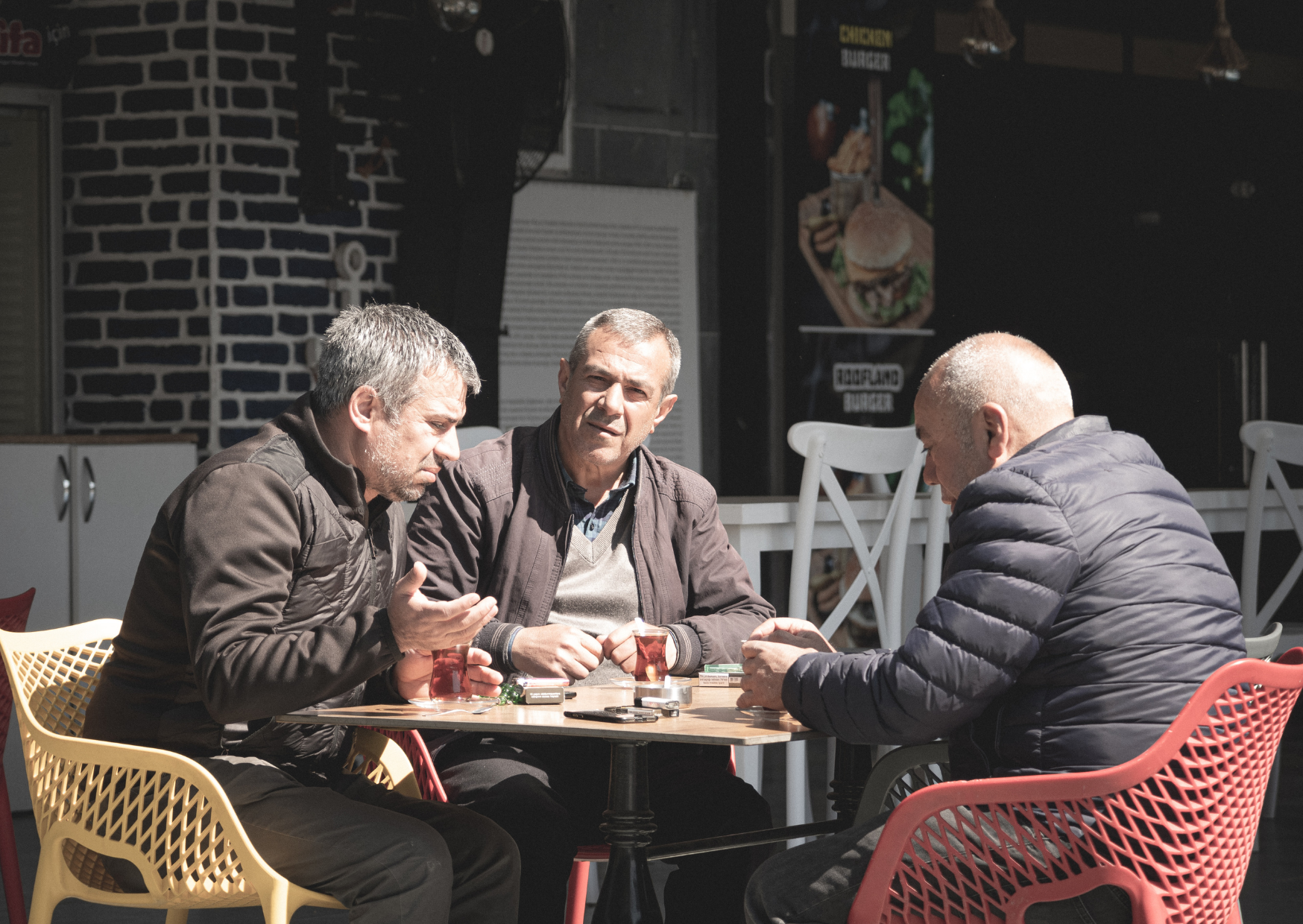
If you wanted one non-food reason older Ikarians seem to hold up well, social life would be near the top.
The 2021 description of life among the oldest old on Ikaria found a very high level of family solidarity and social interaction. That is a huge clue. Social life is cognitively expensive in the best way. It forces language, memory, emotional regulation, face recognition, timing, attention, and ordinary problem-solving into the same day.
That is probably one reason the “almost no dementia” phrase became attached to Ikaria in the first place. People were seeing older adults who were not only alive, but present, conversational, socially engaged, and not disappearing into total cognitive retreat at the rates many Americans expect.
This matters because diet is often easier to market than community.
But community may be doing just as much brain-protection work.
What Americans Usually Copy Wrong
They copy the ingredients.
They do not copy the structure.
So they buy olive oil, maybe make some lentils once, drink fancy herbal tea for three days, and then go right back to isolated meals, stress eating, poor sleep, sedentary routines, and too much ultra-processed food.
That is not the Ikarian pattern.
The useful part of Ikaria is not “Mediterranean” as an aesthetic. It is a daily system:
real meals
plant-heavy food
coffee and tea instead of liquid sugar
walking built into geography
social contact built into life
less rushing
less loneliness
less food chaos
That is why the island keeps producing the same fascination.
It looks like a place where the brain is protected not by one intervention, but by less cumulative damage.
What To Borrow From Ikaria in Real Life

You do not need an island.
You do need to stop trying to solve cognition with a single product.
Borrow these instead:
eat beans multiple times a week
use olive oil daily
eat cooked greens regularly
drink coffee or unsweetened tea instead of sugary drinks
keep meat lower and plants higher
walk for purpose
protect lunch from becoming desk fuel
build social contact into the week
and stop treating rest as failure
Those changes are not glamorous.
That is one reason they have a chance of lasting.
The Part Nobody Wants To Hear
Dementia probably does exist on Ikaria.
It just does not appear to dominate the culture the way it does in many aging societies.
That is the honest version.
The island’s reputation rests on a mix of observation, Blue Zones reporting, and scientific work showing extraordinary longevity, strong function, and a lifestyle pattern that plausibly protects cognition. The strongest takeaway is not literal absence. It is unusually healthy aging.
And yes, diet is one of the main reasons.
Just not as a standalone miracle.
Diet works there because it belongs to a life the brain can survive.

About the Author: Ruben, co-founder of Gamintraveler.com since 2014, is a seasoned traveler from Spain who has explored over 100 countries since 2009. Known for his extensive travel adventures across South America, Europe, the US, Australia, New Zealand, Asia, and Africa, Ruben combines his passion for adventurous yet sustainable living with his love for cycling, highlighted by his remarkable 5-month bicycle journey from Spain to Norway. He currently resides in Spain, where he continues sharing his travel experiences with his partner, Rachel, and their son, Han.