
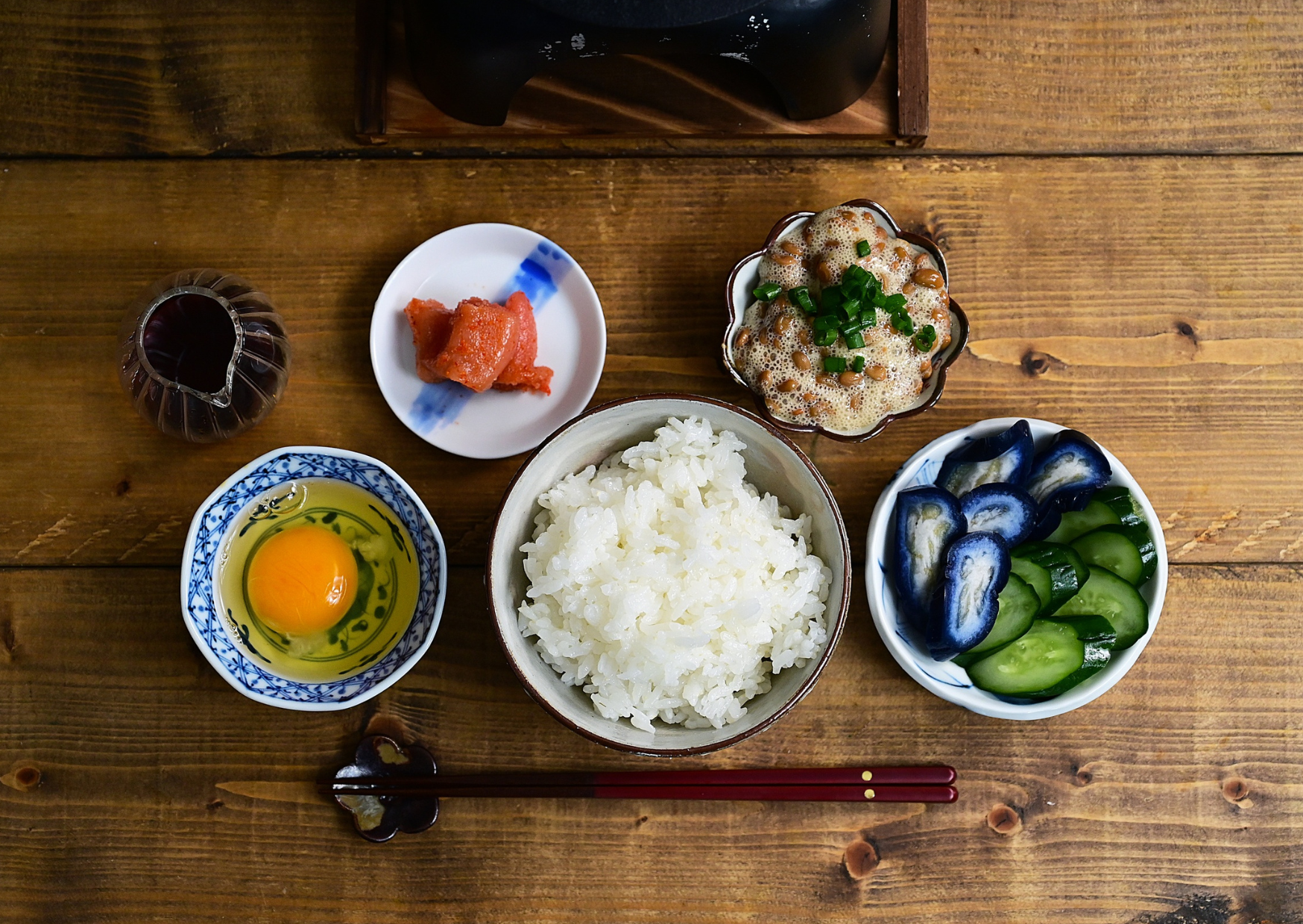
This headline works because it sounds like there must be one perfect meal.
A bowl. A secret. A ritual. One breakfast that explains why Japan has so many people living into their 90s and beyond.
That is not really how it works.
There is no single magical Japanese breakfast that “keeps people alive past 100.” Long life in Japan is tied to a broader pattern: a traditional diet built around fish, soy foods, vegetables, rice, seaweed, fermented foods, and relatively low intake of red meat and heavily processed sugar, plus lower obesity, daily movement, social structure, and a healthcare system that catches problems earlier than the U.S. does. Research reviews on the Japanese-style diet consistently identify those foods as the core pattern associated with lower cardiovascular mortality and better long-term health.
But if you want one breakfast that captures that pattern better than almost anything else, it is this:
A traditional Japanese breakfast built around miso soup, rice, a small portion of fish, and a soy side like natto or tofu, with vegetables or pickles on the side.
That is the meal people are really talking about.
And yes, compared with the average American breakfast, it is almost offensively sensible.
The “Breakfast” Is Really a Whole Philosophy
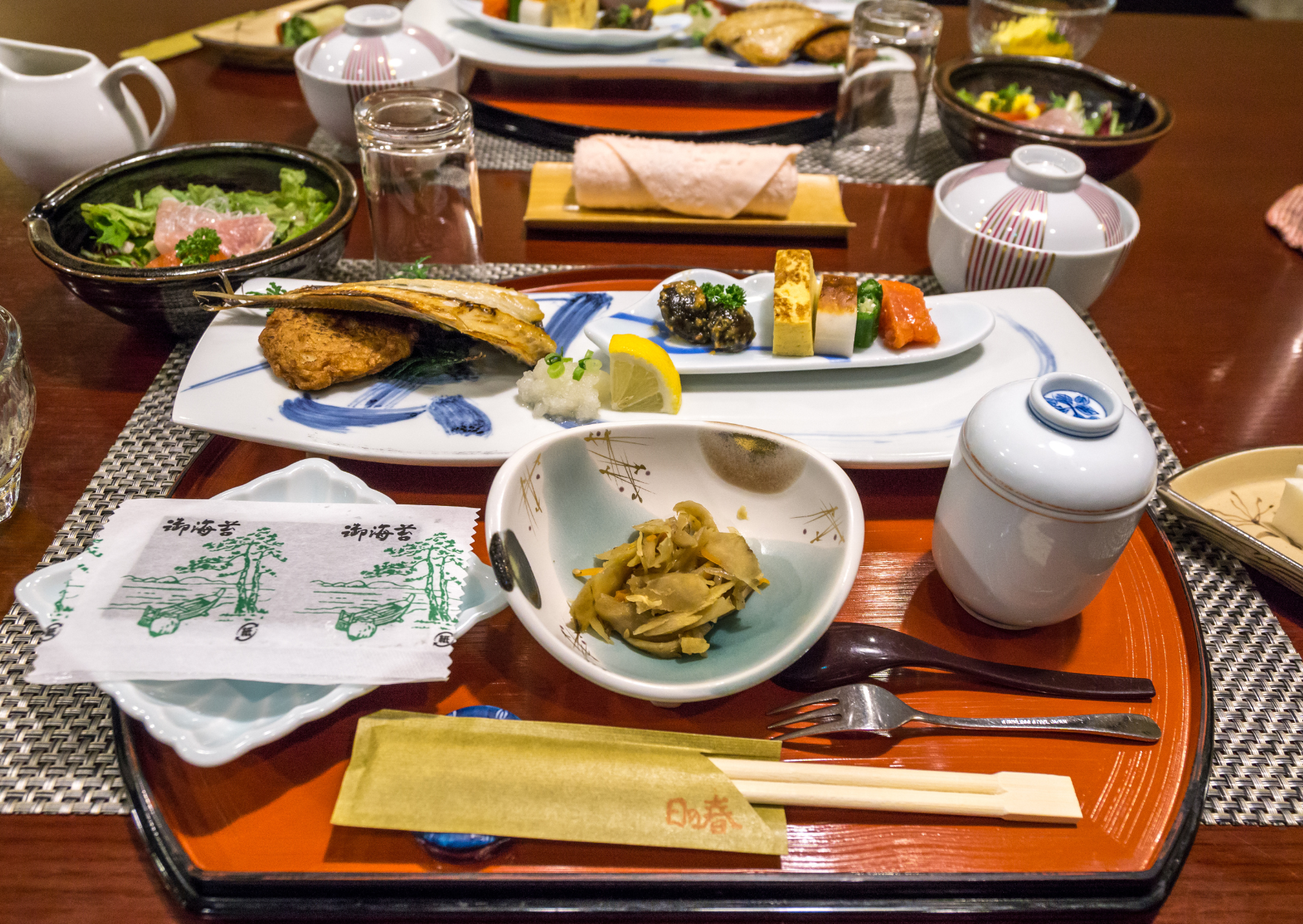
Americans tend to treat breakfast like a speed test.
Grab something sweet. Grab something portable. Grab something beige. Coffee counts as a meal until the crash hits around 10:30, then the vending-machine instinct takes over and the day begins with a blood sugar negotiation.
The traditional Japanese breakfast does almost the opposite.
Instead of starting the day with:
- sugar
- refined flour
- sweetened dairy
- dessert pretending to be cereal
- or protein bars dressed up like responsibility
it starts with:
- warm broth
- rice
- protein
- fermented foods
- modest portions
- savory flavor instead of a sugar hit
That changes more than nutrition. It changes the whole emotional rhythm of the morning.
A savory breakfast built around soup, rice, and protein tends to produce steadier energy than a sweet, processed breakfast designed for speed and shelf life. And when that pattern is repeated for decades inside a broader diet that is lower in ultra-processed foods, it becomes part of a much larger longevity story.
So the “Japanese breakfast” is not really a hack.
It is a refusal to start the day with food that behaves like a snack.
The Core Plate: Miso Soup, Rice, Fish, Natto, And Vegetables
If you strip away the Instagram aesthetics and the fake wellness mystique, the classic longevity-coded Japanese breakfast usually comes down to a few very ordinary parts.
Miso Soup
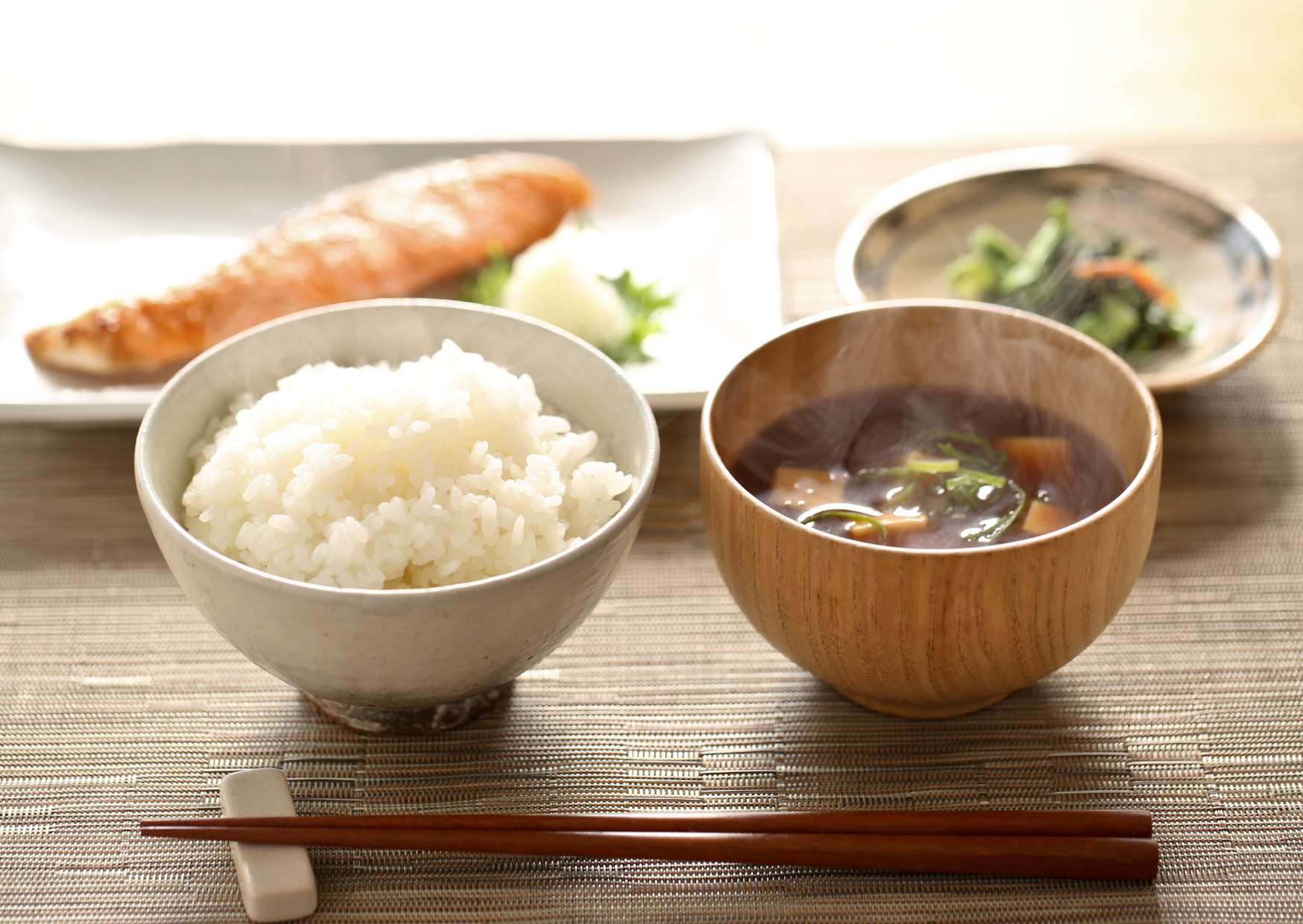
This is the anchor.
Miso soup gives the meal warmth, hydration, and a savory base. It also brings fermented soybean paste into the day early, which is part of the larger Japanese pattern of regular soy and fermented-food intake. Okinawan and broader Japanese longevity discussions repeatedly mention miso soup as a foundational everyday food, often with tofu, seaweed, or vegetables added.
It is not fancy. It is repeatable.
That is exactly why it matters.
Rice
Rice is the unglamorous center.
A 2022 Japanese dietary review notes rice as one of the characteristic foods in the Japanese-style diet pattern alongside vegetables, soy, fish, fruit, seaweed, pickles, and green tea.
This is where Americans often get confused.
They hear “white rice” and assume the whole thing must be nutritionally suspect because American diet culture taught them to fear the wrong villain. But in a traditional Japanese breakfast, rice is not arriving in a mountain next to syrup, sausage, and a pastry. It is arriving in a modest portion next to soup, protein, and vegetables.
That context matters.
Rice here is fuel, not a binge trigger.
Fish
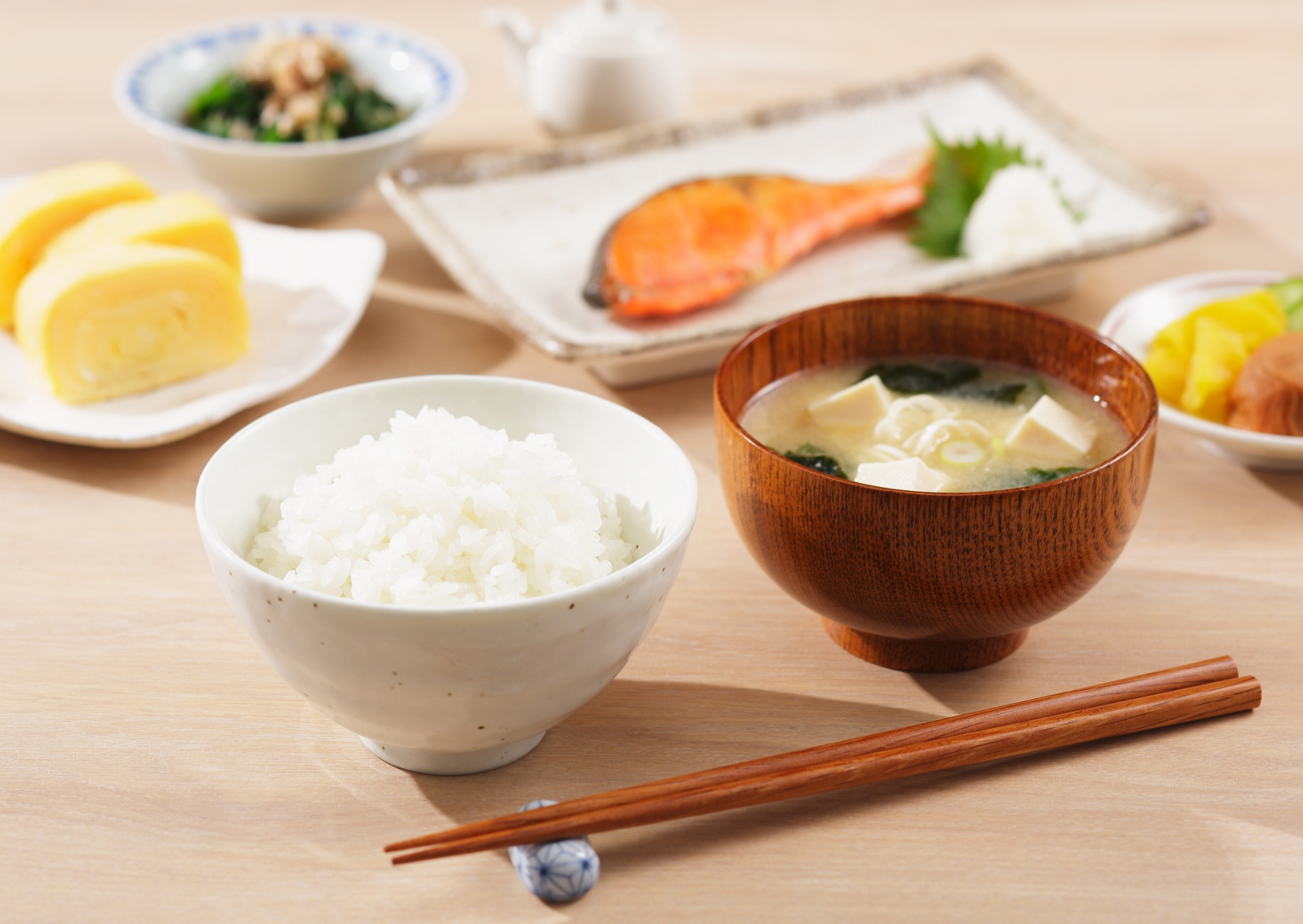
A small piece of grilled fish, often salmon or another oily fish, is one of the clearest differences between Japanese and American breakfasts.
Research on Japanese longevity and food patterns repeatedly points to fish and marine fats as a major part of the traditional diet. Japanese dietary reviews and broader longevity summaries highlight fish as a staple associated with lower cardiovascular risk compared with Western dietary patterns heavier in red meat and saturated fat.
A breakfast with fish sounds strange to many Americans only because they were trained to think fish is a dinner-only food and sugar belongs in the morning.
The fish is not the weird part.
The Pop-Tart is.
Natto Or Tofu
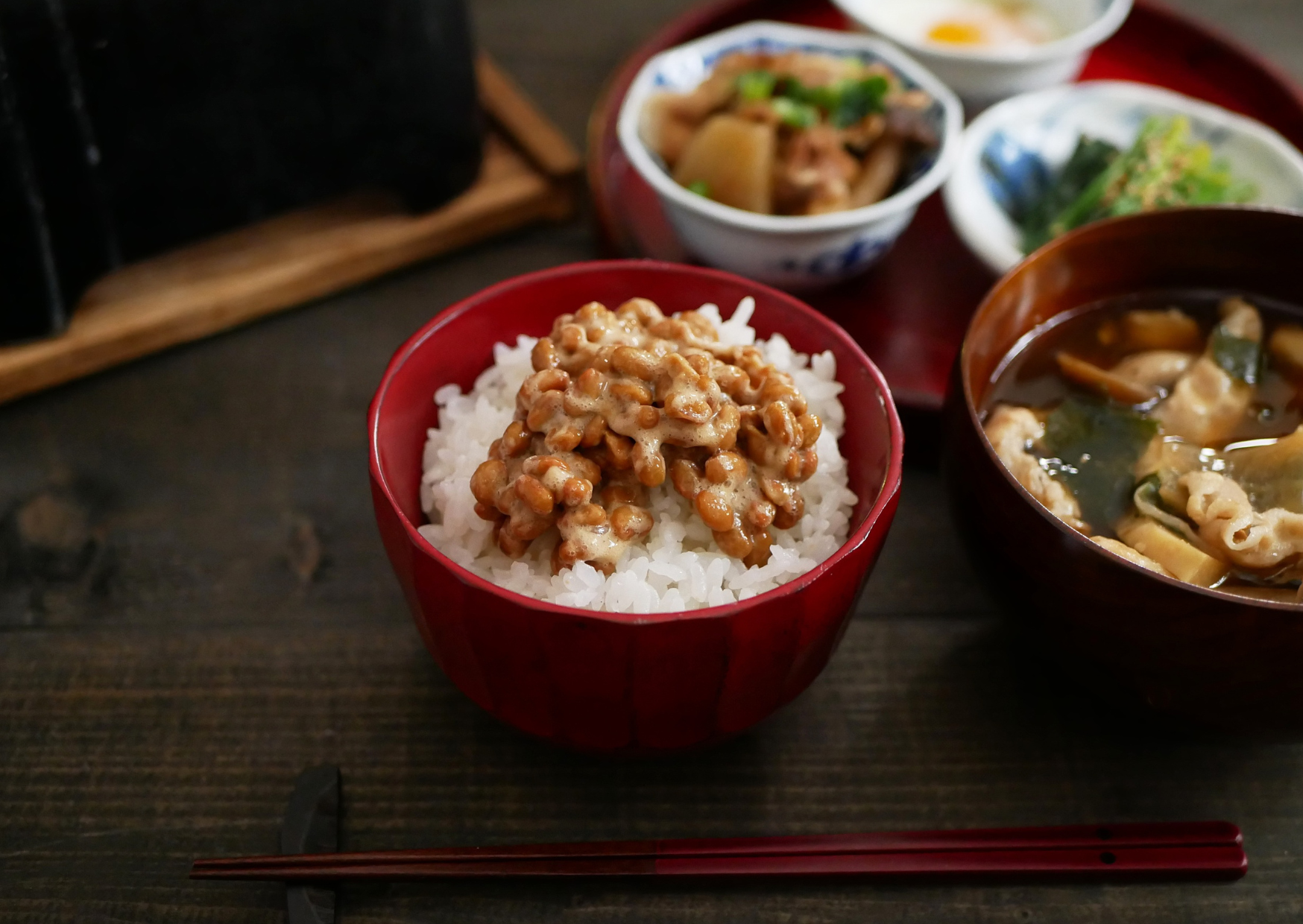
This is where the breakfast becomes obviously non-American.
Natto, fermented soybeans, is one of the most common foods people cite when talking about Japanese longevity because it is nutrient-dense, protein-rich, and deeply normal in many Japanese households even though foreigners often react like they were handed a dare. Soy foods in general are one of the repeated pillars in Japanese-diet longevity research.
Tofu works similarly for people who are not eating natto. It is lighter, milder, and easier for American palates, but it still keeps the meal in the same lane:
- real protein
- savory
- minimally processed
- not sugar-driven
Vegetables, Seaweed, Or Pickles
This is another place where the Japanese breakfast quietly humiliates the American one.
A lot of Japanese breakfasts include:
- seaweed
- pickled vegetables
- greens
- small cooked vegetable sides
That means the meal often begins the day with fiber, minerals, and bitter or savory notes instead of frosting-level sweetness. Reviews of the Japanese dietary pattern repeatedly identify vegetables and seaweed as characteristic foods in the health and longevity profile.
This is the part Americans tend to miss because it is not flashy.
But it may be one of the most important pieces: a breakfast that begins with actual plants instead of a fortified sugar product.
Why This Breakfast Works Better Than The Average American Breakfast
The easiest way to understand the power of this meal is not to idealize Japan. It is to compare breakfast logic.
A traditional Japanese breakfast gives you:
- protein early
- savory food instead of a sugar spike
- fermented foods
- smaller portions
- fewer highly processed ingredients
- a meal that looks more like lunch than dessert
An average American breakfast often gives you:
- refined carbs
- sugar
- sweetened coffee
- processed meat
- low fiber
- “health” branding instead of actual food
That difference affects the whole day.
A breakfast centered on soup, fish, rice, and soy is much less likely to create the hard spike-crash cycle that makes people snack aggressively by midmorning. It is also much less likely to train the palate to expect sweetness from the first meal onward.
And across decades, that matters.
The Japanese dietary pattern has been associated with lower cardiovascular mortality and better health outcomes in multiple studies and reviews, especially when compared with more Westernized eating patterns.
That does not mean breakfast alone explains Japanese longevity.
It does mean breakfast is one of the most visible places where the cultural food pattern is clearly different.
The Okinawa Effect Is Real, But People Misread It
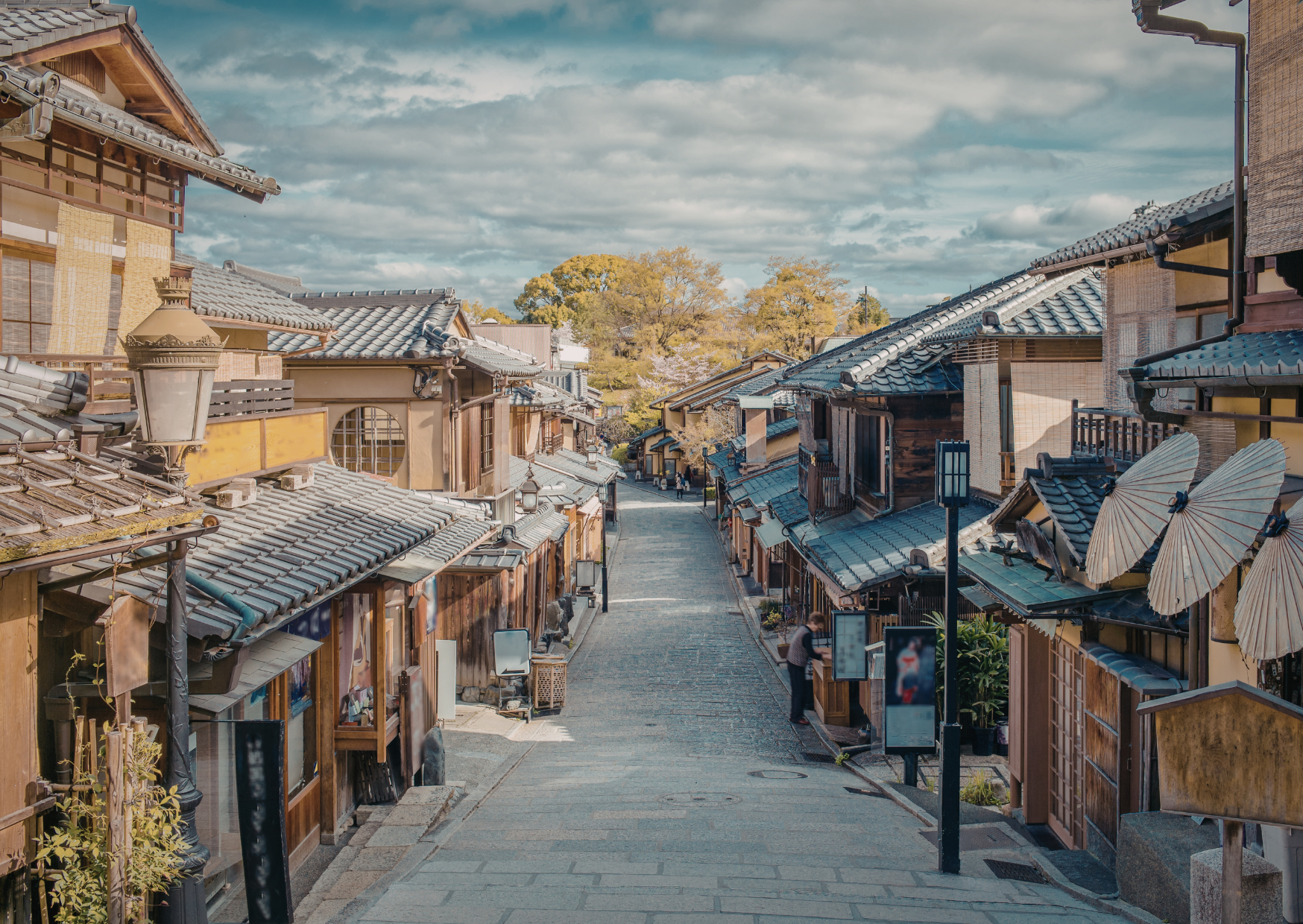
Whenever people talk about Japanese longevity, they eventually drag Okinawa into it.
Not unfairly.
Okinawa has long been one of the most famous longevity regions in the world, and the Okinawan diet is often cited in “Blue Zone” discussions. But the internet turns this into nonsense very quickly, usually by pretending there is one perfect centenarian menu.
The more useful takeaway is simpler:
traditional Okinawan eating was built around modest portions, plant-heavy meals, sweet potatoes, vegetables, soy, and miso-based dishes, with far less processed sugar and far fewer ultra-processed convenience foods than a modern Western pattern. Reviews of Okinawan longevity diets consistently emphasize plant dominance, miso soup, vegetables, and restrained caloric intake.
And there is another crucial point.
The famous Okinawan principle of hara hachi bu, eating until you are about 80% full, is just as important as the ingredient list in many longevity conversations. Blue Zones reporting and broader longevity summaries keep returning to this because portion restraint is part of the system, not a side note.
So when people say “the Japanese breakfast keeps people alive past 100,” they are really smuggling in three different ideas:
- the foods are less processed
- the portions are more restrained
- the meal rhythm is calmer and less sugar-driven
That is much more believable than one miracle soup.
What Americans Get Wrong When They Try To Copy It
This is where the article usually turns into cosplay.
Someone makes miso soup once, buys chopsticks they do not need, and decides they have imported longevity. That is not the point.
The breakfast works in context.
It works because it sits inside a larger pattern of:
- lower intake of processed sugar
- more daily walking
- less giant-portion culture
- stronger social meal structure
- fewer dessert-coded breakfasts
- and a food environment that does not constantly try to sell excitement at 8 a.m.
If you keep:
- sweet coffee drinks
- all-day snacking
- oversized dinners
- hyper-processed packaged foods
- and a chaotic sleep schedule
then adding miso soup does not suddenly turn your life into Okinawa.
This is the American mistake with every “superfood” conversation:
trying to import one symbol instead of the actual system.
The Part That Actually Helps People Live Longer Is Boring
This is what nobody wants to hear.
The Japanese breakfast is useful not because it is exotic.
It is useful because it is:
- repetitive
- modest
- balanced
- low-drama
- hard to binge
- and not designed by a marketing team
That is what makes it powerful.
A breakfast that starts with warm soup, a moderate serving of rice, a small amount of fish, and fermented soy is almost impossible to turn into the kind of compulsive, high-reward, overconsumed meal that modern food culture loves.
And that is probably the real longevity edge.
Not one magic ingredient.
A meal structure that refuses to be absurd.
How To Steal The Useful Part Without Becoming Insufferable
You do not need to become performatively Japanese to learn from this breakfast.
You do not need:
- imported nostalgia products
- a perfect ceramic set
- a social media version of wellness
- or natto if you hate natto
What you can steal is the structure:
- something warm
- a real protein
- a modest starch
- a savory start
- some kind of plant
- no dessert logic
That could look like:
- miso soup, rice, and eggs
- soup, toast, and sardines
- rice, tofu, and greens
- broth, potatoes, and fish
- even a non-Japanese breakfast that follows the same logic
The key is not authenticity theater.
The key is replacing the usual sugar-forward breakfast with something that behaves like food.
The First 7 Days If You Want To Test This Properly
Day 1: Remove Sweet Breakfasts
No cereal, pastries, dessert yogurt, bars, or sweet coffee drinks pretending to be normal breakfast.
Day 2: Add One Warm Savory Anchor
Soup is ideal. Even a simple broth with miso is enough to change the feel of the meal.
Day 3: Add Real Protein
Fish, tofu, eggs, or unsweetened soy-based food. Do not make breakfast a carb event with protein as decoration.
Day 4: Keep The Starch Modest
Rice works well because it is plain and portionable. The point is steady fuel, not a mountain.
Day 5: Add Something Fermented
Miso, natto, or another fermented side if you tolerate it. This is one of the clearest pattern shifts from a standard American breakfast.
Day 6: Add A Plant Before Noon
Seaweed, greens, vegetables, or pickles. It does not have to be a salad. It does have to be real.
Day 7: Eat Until Satisfied, Not Loaded
This is where the Japanese breakfast quietly beats the American one. It does not try to entertain you into overeating.
After one week, most people notice the first actual benefit:
less volatility.
Less craving. Less crash. Less mental food noise.
That is the useful part.
The Honest Takeaway
The Japanese breakfast that “keeps people alive past 100” is not one mystical plate.
It is a traditional savory breakfast pattern built around:
- miso soup
- rice
- fish
- soy foods like natto or tofu
- vegetables, seaweed, or pickles
- modest portions
And what makes it powerful is not that it is Japanese.
It is that it rejects nearly everything modern processed breakfast culture normalizes:
too much sugar, too much processing, too much stimulation, and too much food pretending to be convenience.
Japan’s long life is not explained by breakfast alone. But breakfast is one of the clearest windows into the bigger pattern that matters:
a calmer, less processed, less exaggerated way of eating every day.
That is not very sexy.
It is also exactly why it works.

About the Author: Ruben, co-founder of Gamintraveler.com since 2014, is a seasoned traveler from Spain who has explored over 100 countries since 2009. Known for his extensive travel adventures across South America, Europe, the US, Australia, New Zealand, Asia, and Africa, Ruben combines his passion for adventurous yet sustainable living with his love for cycling, highlighted by his remarkable 5-month bicycle journey from Spain to Norway. He currently resides in Spain, where he continues sharing his travel experiences with his partner, Rachel, and their son, Han.