
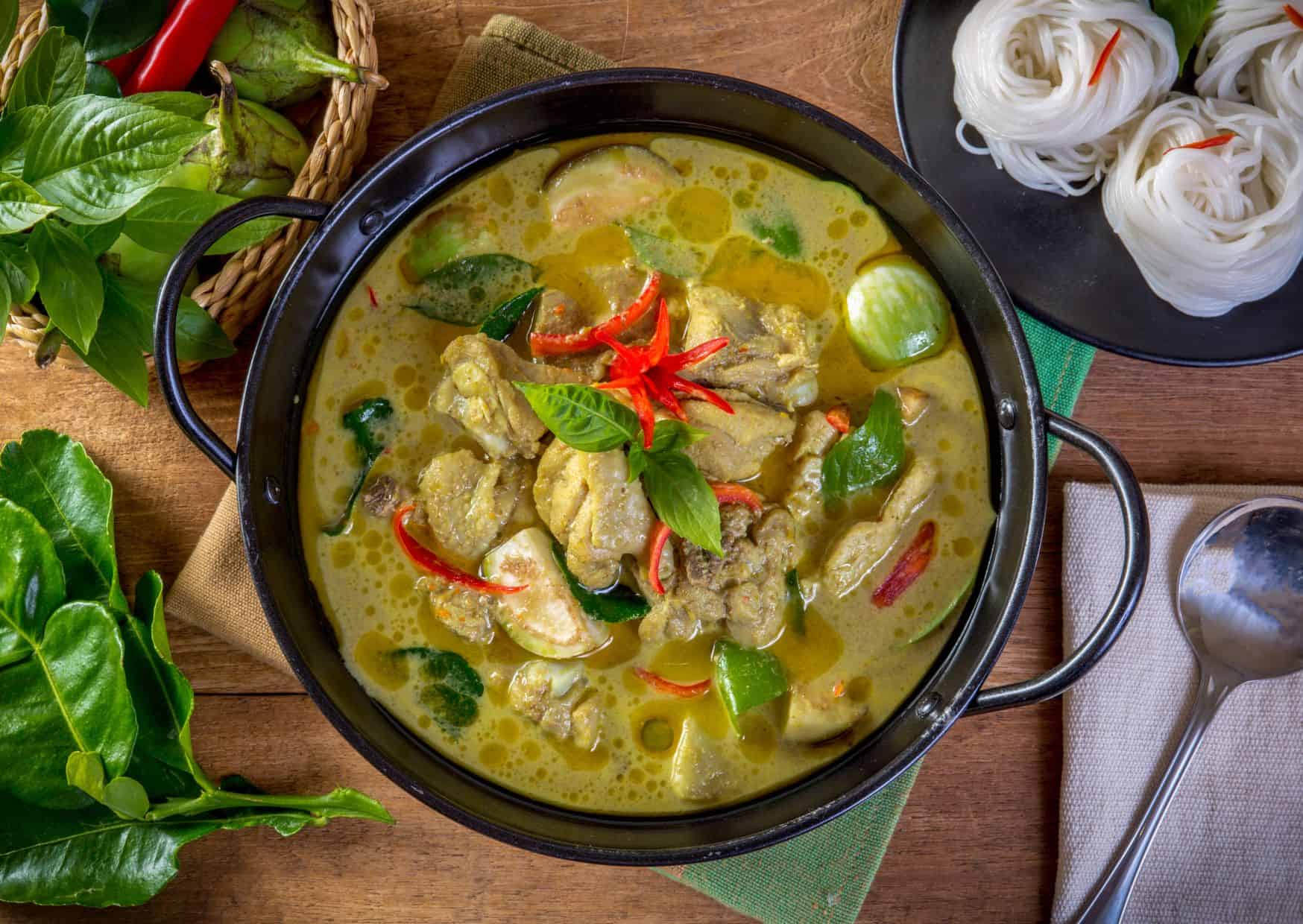
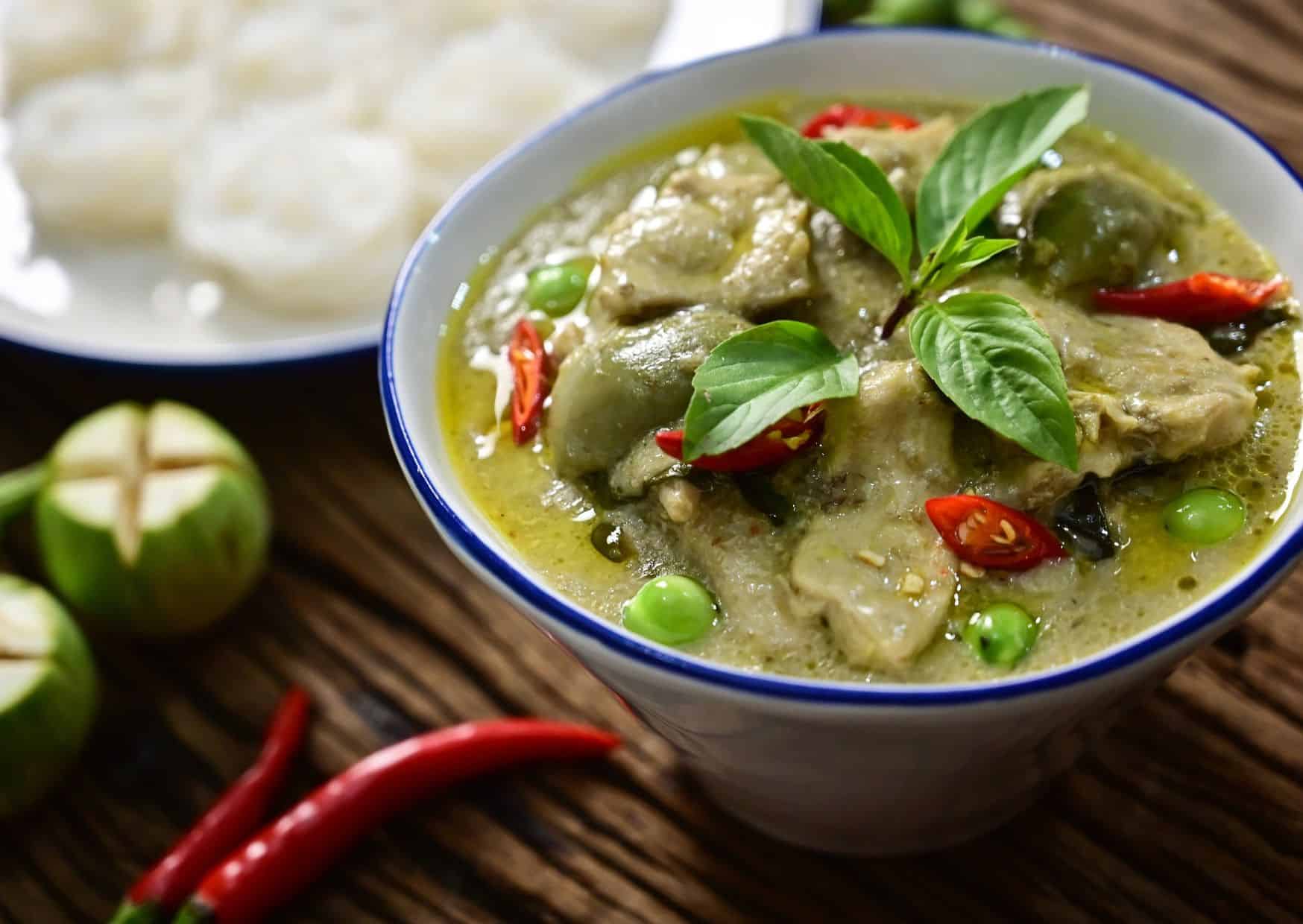
Thai green curry is one of Thailand’s most beloved dishes, known for its fragrant, creamy, and spicy flavours that come together in a beautiful harmony. Made with fresh green curry paste, coconut milk, tender chicken or tofu, and crisp vegetables, it’s a dish that feels both comforting and exotic. In this recipe guide, you’ll learn how to make authentic Thai green curry at home, bringing the vibrant and bold tastes of Thai cuisine straight to your kitchen.
What makes green curry so special is its balance of flavours the heat from green chillies, aromatic notes of lemongrass, galangal, and kaffir lime, and the creamy richness of coconut milk. Every spoonful is an explosion of flavour that warms you from within and leaves you craving more. The best part is, once you have green curry paste prepared or purchased, this dish comes together quickly, making it a perfect weeknight dinner option.
Whether you’re cooking to impress guests, preparing a quick dinner after a busy day, or simply wanting to explore Thai cuisine from home, homemade green curry is a dish that never disappoints. Its colourful presentation and deeply satisfying taste prove why it remains a favourite in Thai restaurants around the world.
Read here how to make Pad Thai, best Thai food and best Thai Breakfast.
BOOK YOUR TRAVEL INSURANCE
Two of our favorite travel insurance: Heymondo Vs Safetwing cheapest travel Insurance. You can get for $135 USD your Heymondo Travel Insurance with Heymondo discount code valid for 90 days. Read our full comparison of Genki vs Safetywing Travel Insurance Review and the comparison Heymondo vs Genki
Best Time To Eat
Thai green curry is best enjoyed as a hearty lunch or comforting dinner, especially on cooler days when you crave something warming, nourishing, and full of bold, aromatic flavours.
Best Dishes To Partner
Pair your Thai green curry with steamed jasmine rice or sticky rice to soak up the delicious sauce. For sides, add Thai spring rolls, a refreshing cucumber salad, or papaya salad (som tam). Enjoy it with iced Thai tea or cold coconut water for a complete, balanced Thai meal.
One of the biggest debates around Thai green curry is whether using store-bought curry paste can still be considered “authentic.” Purists argue that true authenticity requires pounding fresh ingredients by hand with a mortar and pestle. Others believe modern conveniences are simply a way to adapt the dish for busy home cooks without losing its essence.
There’s also discussion about spice levels. In Thailand, green curry is typically much hotter than what’s served in many Western restaurants. Some chefs say reducing the heat for foreign palates dilutes the dish’s character, while others see it as a necessary adaptation to make it more approachable.
Finally, authenticity debates extend to ingredient substitutions. Swapping Thai basil for Italian basil, or galangal for ginger, might make the dish more accessible, but it inevitably alters the flavor profile. For some, this flexibility keeps the cuisine alive internationally; for others, it’s a slippery slope away from its cultural roots.
How to Make Thai Green Curry
Thai Green Curry Recipe Ingredients
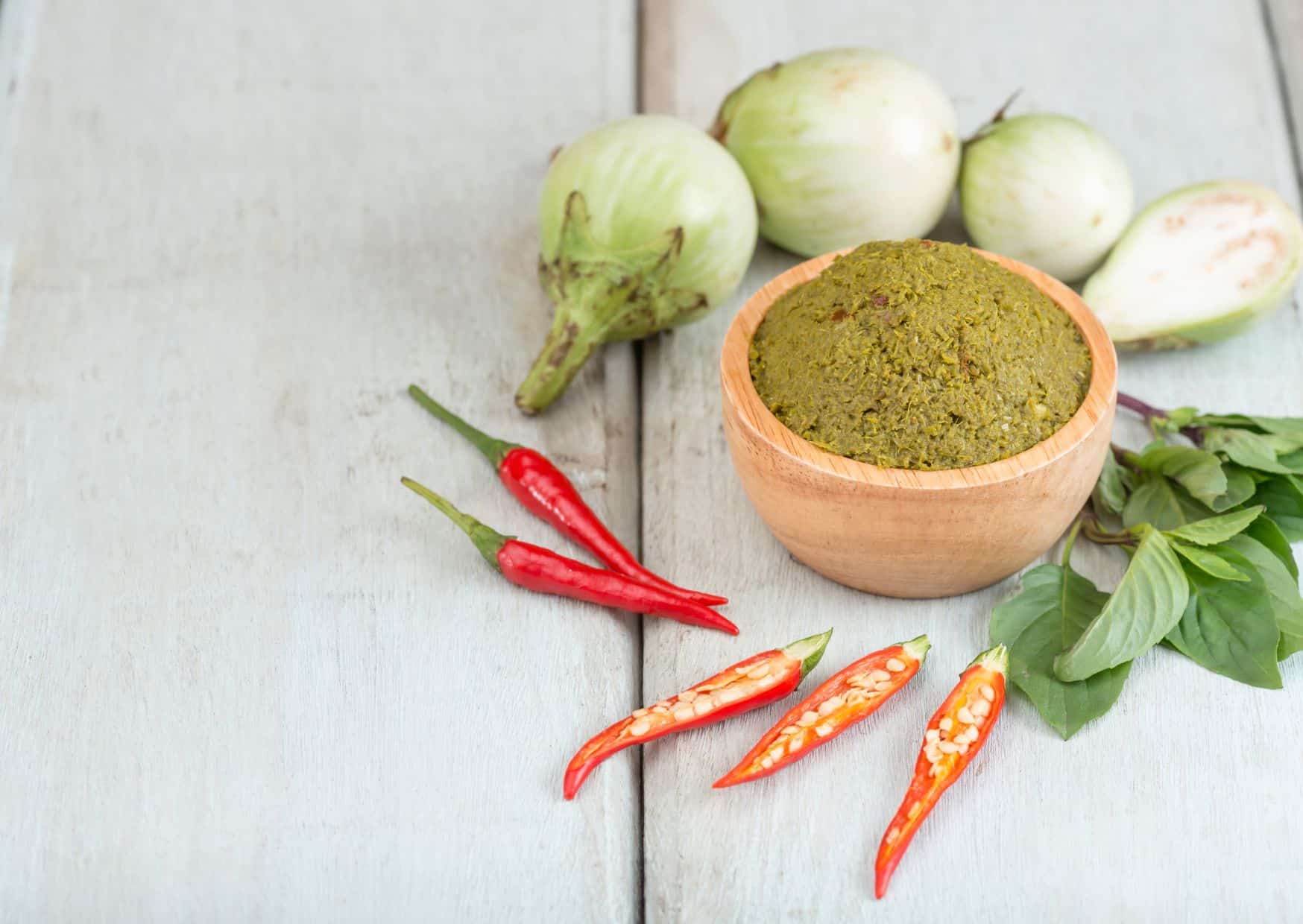
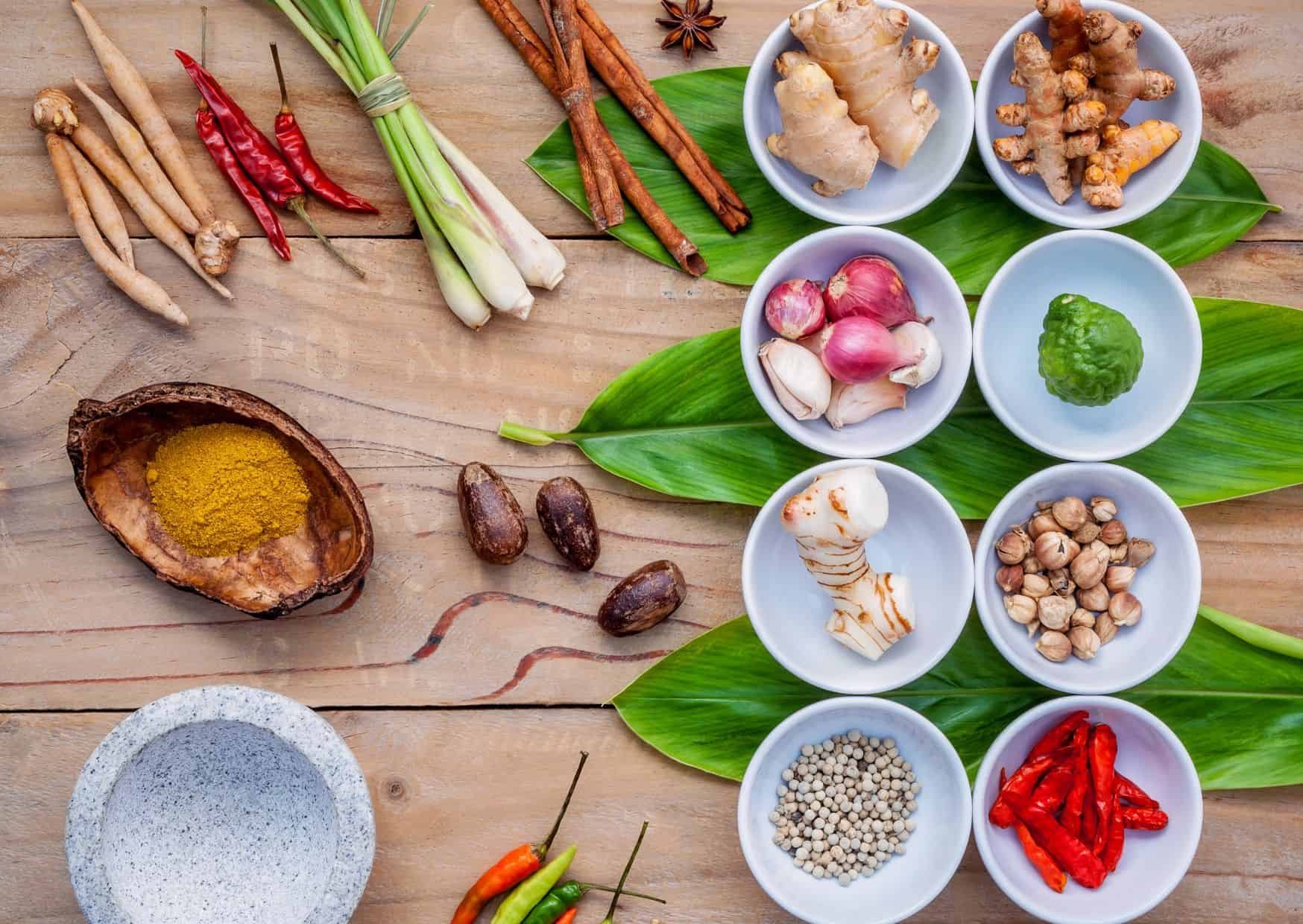
For the Green Curry Paste:
4 green chilies, deseeded and chopped
2 shallots, chopped
3 cloves garlic
1-inch piece galangal or ginger, peeled and chopped
2 lemongrass stalks, finely chopped
1 teaspoon ground coriander
1 teaspoon ground cumin
1/2 teaspoon shrimp paste (optional)
1/4 cup fresh cilantro, chopped
1/4 cup fresh Thai basil, chopped
1 tablespoon lime zest
For the Curry:
1 pound chicken breast or thighs, thinly sliced
1 can (14 ounces) coconut milk
1 cup chicken broth
1-2 cups vegetables (eggplant, bell peppers, bamboo shoots)
2-3 kaffir lime leaves
2 tablespoons fish sauce
1 tablespoon sugar
Fresh basil leaves for garnish
Lime wedges for serving
Jasmine rice for serving
Get the best deals for your home and kitchen needs
Step By Step How to Make Thai Green Curry
Prepare the Green Curry Paste
Combine all the curry paste ingredients in a food processor and blend until smooth. Add a bit of water if needed to form a paste.
Cook the Curry Paste
Heat 2 tablespoons of oil in a large skillet or wok over medium heat. Add the green curry paste and cook, stirring frequently, until fragrant, about 2-3 minutes.
Add the Coconut Milk
Stir in the coconut milk and bring to a simmer. Cook for about 5 minutes, allowing the flavors to meld.
Add the Chicken
Add the chicken slices to the skillet and cook until the chicken is no longer pink, about 5-7 minutes.
Add the Vegetables
Add the vegetables, kaffir lime leaves, fish sauce, and sugar. Cook until the vegetables are tender, about 10 minutes.
Finish the Curry
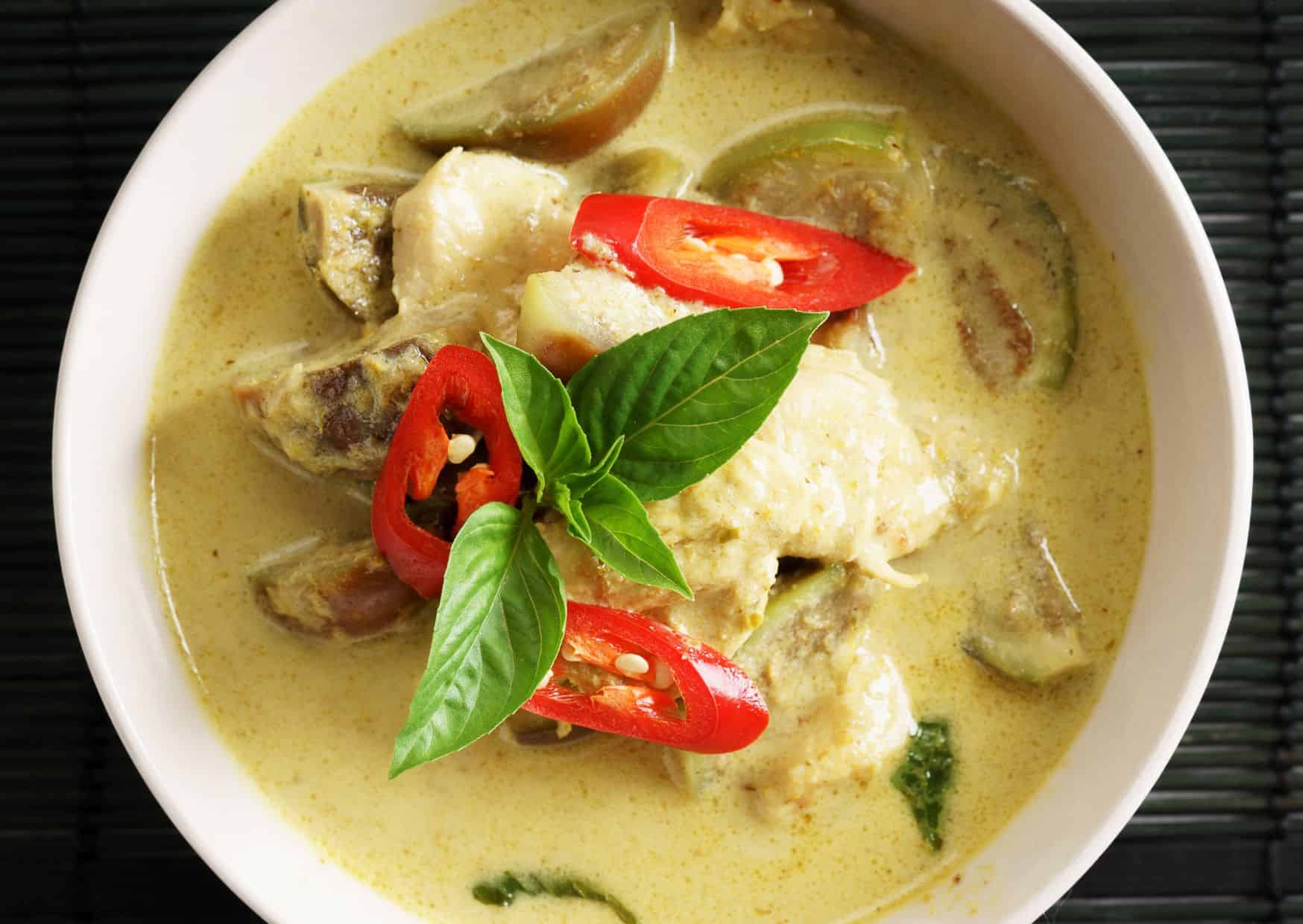
Adjust the seasoning with more fish sauce or sugar if needed. Remove from heat and stir in fresh basil leaves.
Serve
Serve the green curry over jasmine rice with lime wedges on the side.
Tips To Make Thai Green Curry
Use fresh herbs and spices for the curry paste to ensure the most vibrant flavors. You can control the heat by adjusting the number of green chilies in the paste.
Allow the curry to simmer gently to let the flavors meld without boiling, which can cause the coconut milk to separate. Substitute chicken with shrimp, beef, tofu, or a mix of vegetables for different variations.
How Many Calories Have Thai Green Curry
Calories: Approximately 400-450 per serving
Protein: 25-30 grams
Carbohydrates: 15-20 grams
Fat: 25-30 grams
Fiber: 3-5 grams
Origin and History
Thai green curry, known locally as gaeng keow wan, has its roots in central Thailand, where coconut milk, fresh herbs, and aromatic spices have long been central to everyday cooking. Unlike many curries influenced by dried spices, green curry developed around fresh ingredients such as green chilies, lemongrass, and kaffir lime leaves. This gave it a bright, herbal profile that set it apart from other regional dishes.
Historically, green curry was shaped by Thailand’s access to tropical produce and trade routes. Chili peppers, introduced from the Americas centuries ago, were quickly adopted into Thai cuisine and became the backbone of curry pastes. Over time, cooks refined the balance between heat, sweetness, and creaminess that defines green curry today.
In traditional households, curry paste was made by hand using a mortar and pestle. This slow, physical process released essential oils from herbs and spices, creating deeper flavor. Families often passed down specific paste recipes, making each version slightly different from the next.
As tourism and globalization expanded, green curry spread beyond Thailand’s borders. Restaurants adapted the dish for international palates, sometimes reducing heat or simplifying ingredients. Despite these changes, authentic green curry remains a symbol of Thai culinary heritage and everyday comfort food.
One of the biggest debates around Thai green curry is authenticity. Many restaurant and home versions rely on store-bought paste, which can lack freshness and depth. Traditional cooks argue that without freshly made paste, true green curry flavor cannot be achieved.
Another controversial point is spiciness. In Thailand, green curry is often extremely hot, despite its mild appearance. Outside the country, it is frequently toned down to suit broader audiences. This has led many people to believe green curry is mild, when in reality it is traditionally one of the spiciest varieties.
The use of vegetables and proteins also sparks disagreement. Some insist that bamboo shoots and Thai eggplant are essential, while others substitute broccoli, bell peppers, or carrots. Purists see these substitutions as compromises, while modern cooks view them as practical adaptations.
Sweetness is another dividing line. Authentic green curry relies on subtle sweetness from coconut milk and palm sugar. Some Western versions add excessive sugar, turning the dish into something closer to dessert than a balanced curry. This shift often changes how people understand the dish’s true character.
How Long It Takes to Prepare
Making Thai green curry from scratch is not a quick process, especially if you prepare the paste yourself. Grinding fresh chilies, herbs, and spices by hand can take thirty to forty minutes alone. This step, however, forms the foundation of authentic flavor.
Once the paste is ready, cooking the curry takes about twenty to thirty minutes. This includes simmering coconut milk, cooking the protein, and allowing the flavors to blend. During this stage, patience is essential to avoid splitting the coconut milk or dulling the spices.
If you use high-quality store-bought paste, preparation time drops significantly. In this case, the entire dish can be ready in about thirty minutes. While convenient, this method usually sacrifices some complexity.
For many cooks, green curry becomes faster with practice. After a few attempts, paste preparation becomes more efficient, and ingredient organization improves. Over time, the process feels less demanding and more rewarding.
Serving Suggestions
Thai green curry is traditionally served with steamed jasmine rice. The soft, fragrant rice absorbs the sauce and balances the heat. This pairing remains the most authentic and satisfying way to enjoy the dish.
For a lighter option, green curry can be served with rice noodles or rice vermicelli. These provide a different texture while still complementing the creamy sauce. This variation is especially popular for lunch or lighter dinners.
Green curry also works well as part of a shared meal. Served alongside stir-fried vegetables, grilled meats, and fresh salads, it becomes part of a balanced Thai-style spread. This approach reflects how the dish is often enjoyed in Thailand.
For modern presentations, green curry can be paired with brown rice, quinoa, or even cauliflower rice. While not traditional, these options appeal to health-conscious diners and still highlight the curry’s bold flavor.
Final Thoughts
Authentic Thai green curry is a perfect blend of creamy coconut milk, fresh herbs, and aromatic spices that delivers both comfort and complexity in every bite. Making it at home allows you to appreciate the harmony of flavors that Thai cuisine is celebrated for spicy, sweet, savory, and slightly herbal.
Once you master the balance, green curry becomes a versatile dish you can customize. Whether you prefer it with chicken, shrimp, tofu, or just vegetables, the core flavors remain vibrant and satisfying. Serving it with jasmine rice or rice noodles completes the experience, making it ideal for both weeknight dinners and special occasions.
Cooking this dish from scratch is also an opportunity to connect with Thai culinary traditions. Using fresh ingredients like kaffir lime leaves, galangal, and Thai basil transforms it from a simple curry into an unforgettable meal that feels like a trip abroad without leaving your kitchen.

About the Author: Ruben, co-founder of Gamintraveler.com since 2014, is a seasoned traveler from Spain who has explored over 100 countries since 2009. Known for his extensive travel adventures across South America, Europe, the US, Australia, New Zealand, Asia, and Africa, Ruben combines his passion for adventurous yet sustainable living with his love for cycling, highlighted by his remarkable 5-month bicycle journey from Spain to Norway. He currently resides in Spain, where he continues sharing his travel experiences with his partner, Rachel, and their son, Han.