
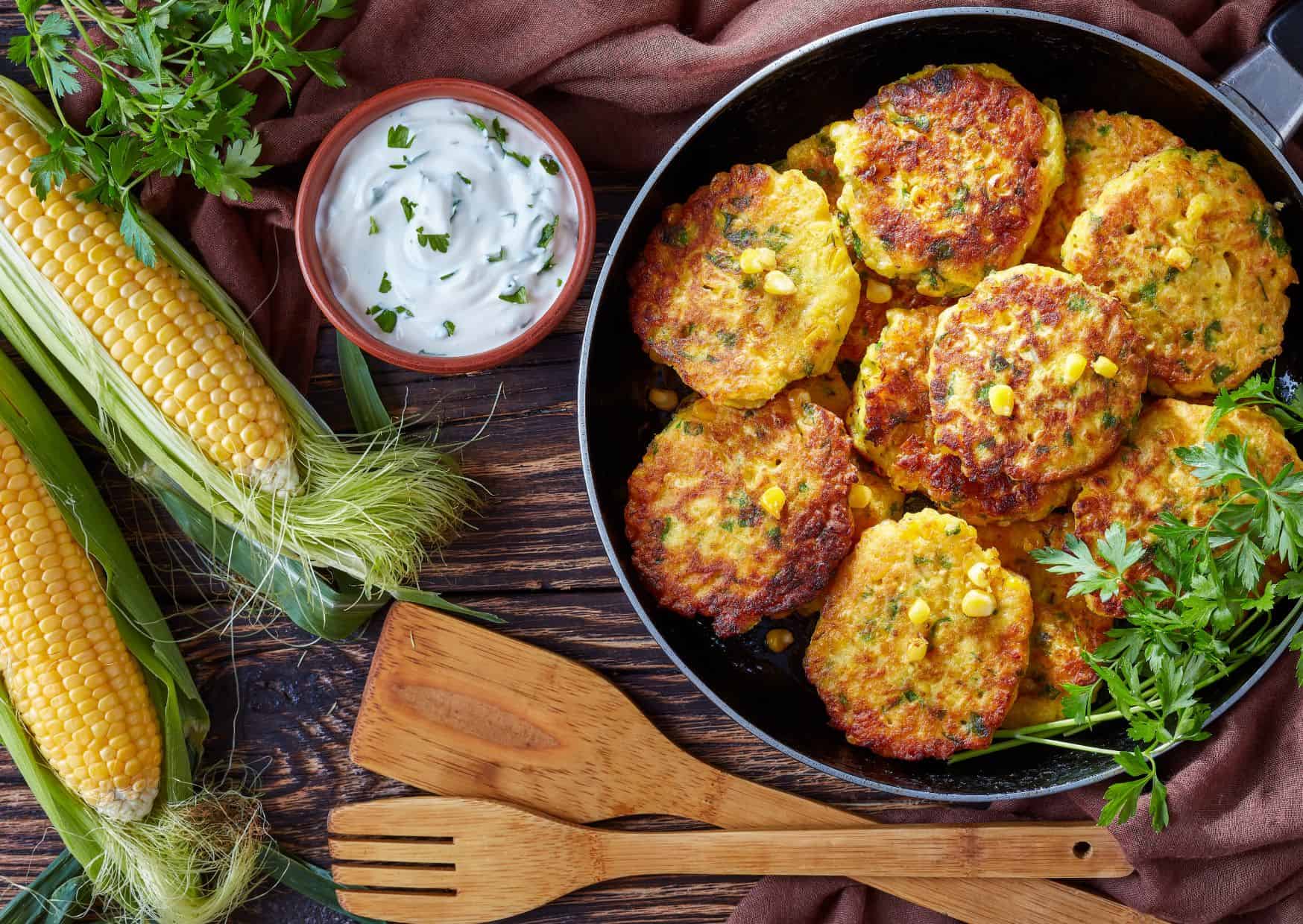
Few Greek appetizers capture the spirit of the Mediterranean like Kolokithokeftedes, or Greek zucchini fritters. Crispy on the outside, soft and herby on the inside, these golden bites are packed with fresh zucchini, mint, dill, and tangy feta cheese—making them both light and deeply satisfying.
Found on the tables of seaside tavernas and family kitchens alike, zucchini fritters are a beloved meze (appetizer) that reflect Greece’s culinary philosophy: simple, seasonal ingredients transformed into something unforgettable. They’re the kind of dish that disappears as quickly as it hits the table.
Even better? You don’t need a deep fryer or hours of prep. With a box grater, a few pantry staples, and a hot skillet, you can bring the flavors of a Greek summer into your kitchen any time of year.
Read here best breakfast in Greece, Greek food and drinks in Greece
Read here best Greece sim card for tourist, our Greece travel tips and Budget Travel in Greece
BOOK YOUR TRAVEL INSURANCE
Two of our favorite travel insurance: Heymondo Vs Safetwing cheapest travel Insurance. You can get for $135 USD your Heymondo Travel Insurance with Heymondo discount code valid for 90 days. Read our full comparison of Genki vs Safetywing Travel Insurance Review and the comparison Heymondo vs Genki
Best Time to Eat
Zucchini fritters are best enjoyed as a light lunch, appetizer, or meze platter addition—especially during late spring through summer when zucchini is in peak season. Serve them hot and fresh for the crispiest texture, or at room temperature during a relaxed garden meal.
How to Partner Them
Serve your fritters with a cool dollop of tzatziki, a squeeze of lemon, and maybe a sprinkle of crumbled feta on top. For drinks, pair with a crisp Assyrtiko white wine, dry rosé, or even a cold glass of ouzo. They also shine as part of a larger spread with olives, pita, grilled halloumi, and tomato salad.
While many people see fritters as casual comfort food, in Greece, dishes like Kolokithokeftedes have a cultural weight that goes beyond the recipe. Using pre-shredded zucchini, skimping on herbs, or deep-frying them until unrecognizable is seen by some Greeks as missing the soul of the dish.
There’s also tension between traditional vs. modern adaptations. Some recipes add breadcrumbs, eggs, or even flour-heavy batters to create a crisp crust—but many Greek home cooks argue that doing so dulls the zucchini’s natural freshness and turns the fritter into a greasy pancake. To them, balance and restraint are key.
And finally, there’s the irony of seeing these humble fritters served at upscale restaurants as “gourmet small plates” with truffle oil or microgreens. While food evolves, some purists argue that elevating a dish born from resourcefulness and simplicity into haute cuisine strips away its meaning.
How to Make Greek Zucchini Fritters
Greek Zucchini Fritters Recipe Ingredients
2 medium zucchinis, grated
1 teaspoon salt (for draining zucchini)
1/2 cup (100 grams) feta cheese, crumbled
1/4 cup (30 grams) grated Parmesan cheese (optional)
1 small onion, finely chopped or grated
2-3 green onions, finely sliced
2 cloves garlic, minced
2 large eggs
1/2 cup (60 grams) all-purpose flour
1/4 cup (30 grams) breadcrumbs (optional, for extra crispiness)
1 tablespoon fresh dill, chopped
1 tablespoon fresh mint, chopped (optional)
1/2 teaspoon black pepper
Olive oil, for frying
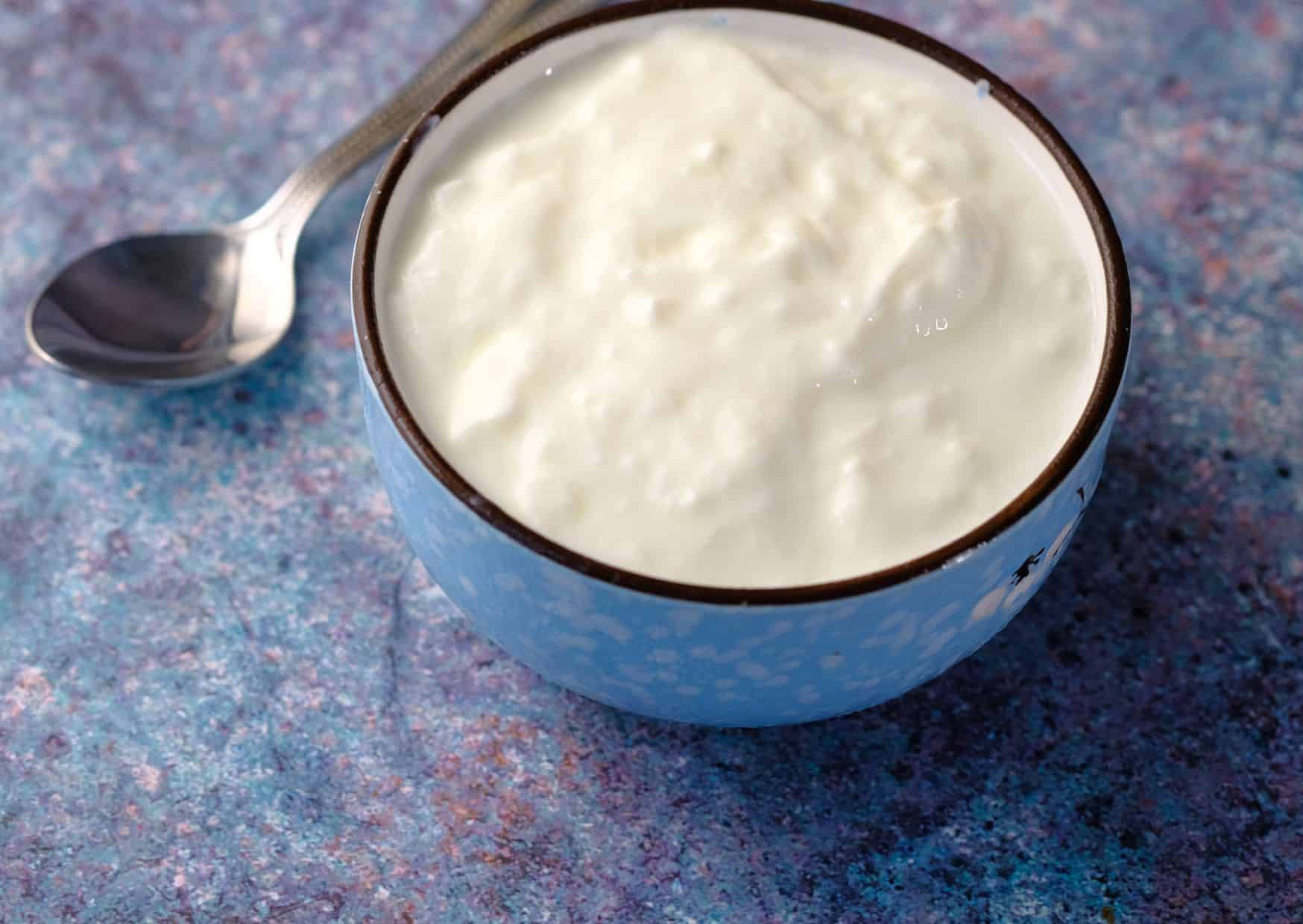
Greek yogurt or tzatziki, for serving
Get the best deals for your home and kitchen needs
Step By Step How to Make Greek Zucchini Fritters
Prepare the Zucchini
Using a box grater or a food processor, grate the zucchinis. Place the grated zucchini in a colander over a bowl and sprinkle with salt. Toss to combine.
Let the zucchini sit for about 10-15 minutes to draw out excess moisture. Afterward, use your hands or a clean kitchen towel to squeeze out as much water as possible. This step is crucial to prevent the fritters from becoming soggy.
Make the Fritter Mixture
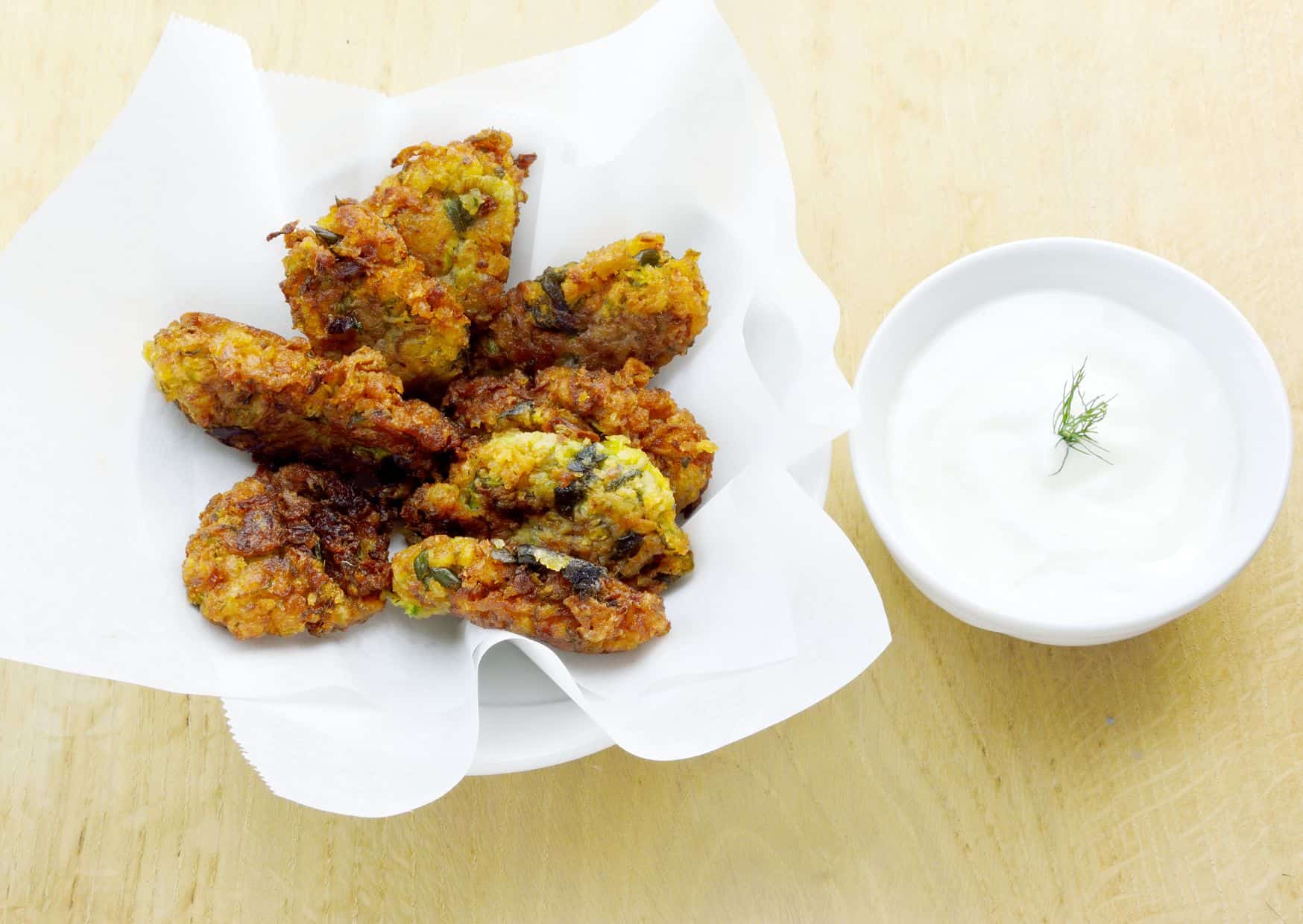
In a large mixing bowl, combine the drained zucchini, crumbled feta, Parmesan (if using), chopped onion, green onions, garlic, dill, mint (if using), and black pepper.
Crack the eggs into the mixture and stir well to combine. Gradually add the flour and breadcrumbs (if using), mixing until you have a thick batter. The mixture should be sticky but not too wet. If it’s too wet, add a bit more flour or breadcrumbs.
Fry the Fritters
In a large skillet, heat about 1/4 inch of olive oil over medium heat. The oil should be hot enough to sizzle when you drop in a small piece of the batter.
Using a spoon or your hands, scoop out portions of the mixture and shape them into patties. Flatten them slightly for even cooking.
Carefully place the fritters into the hot oil, working in batches to avoid overcrowding the pan. Fry for about 3-4 minutes on each side, or until golden brown and crispy. Once cooked, transfer the fritters to a plate lined with paper towels to drain excess oil.
Serve
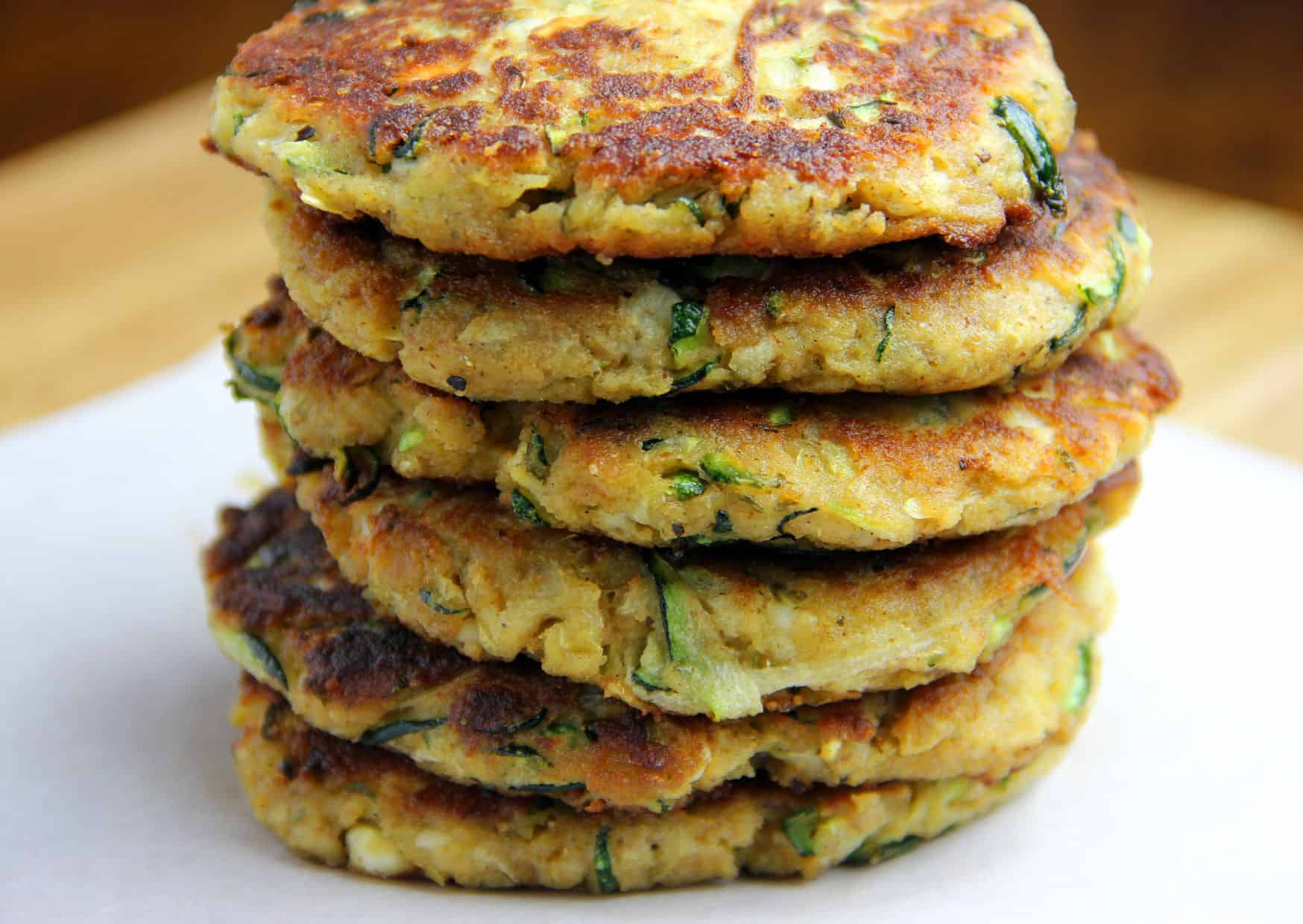
Serve the zucchini fritters warm, with a side of Greek yogurt or tzatziki for dipping.
Tips To Make Greek Zucchini Fritters
Make sure to drain and squeeze out as much moisture from the zucchini as possible. Excess water can make the fritters soggy. Fresh herbs like dill and mint add a wonderful flavor to the fritters. Feel free to adjust the quantities based on your taste.
Maintain the oil at a consistent medium heat. Too hot, and the fritters will burn on the outside while remaining undercooked inside; too cool, and they will absorb too much oil.
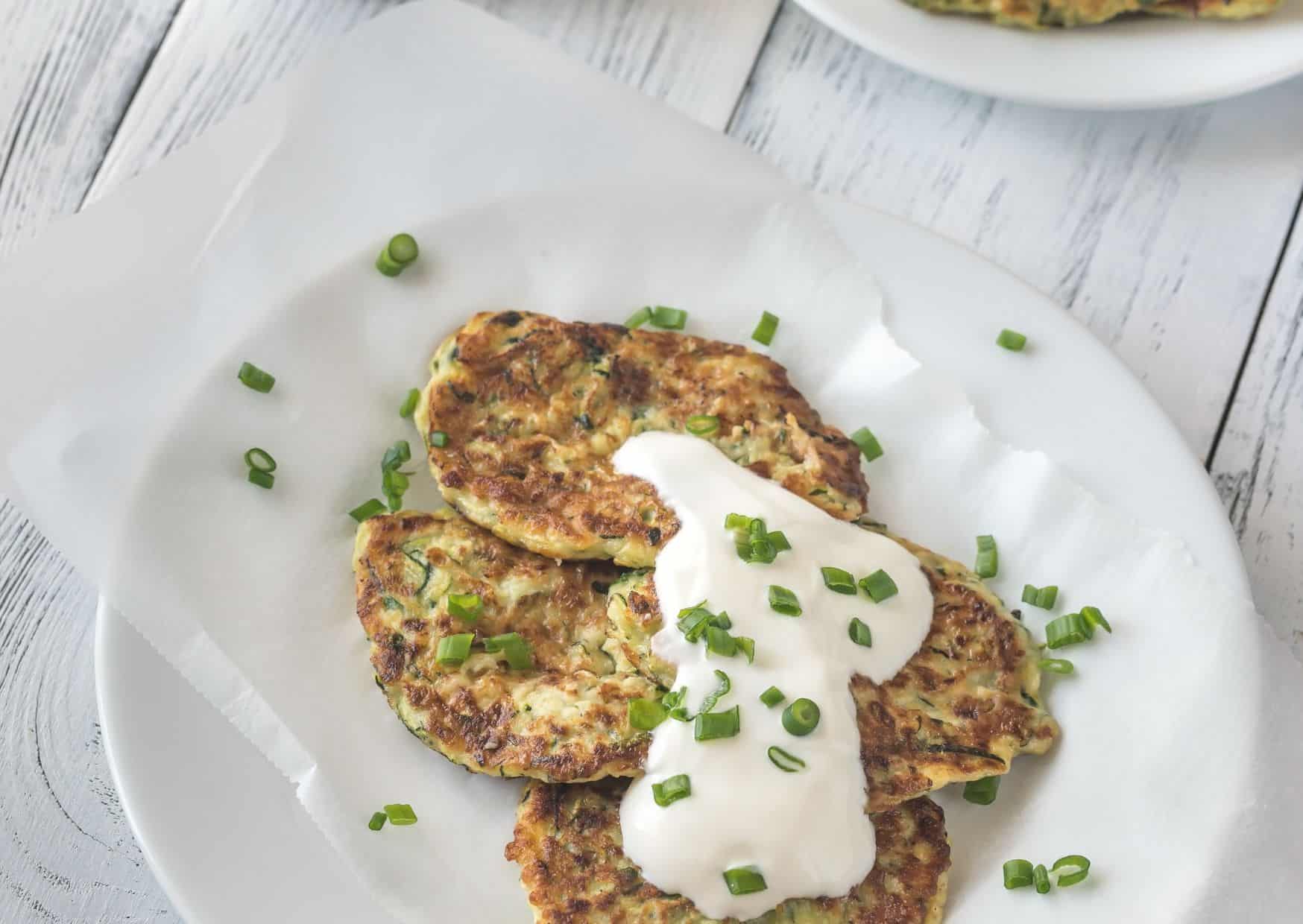
How Many Calories Have Greek Zucchini Fritters
Each fritter (depending on size and the amount of oil absorbed during frying) can range from 80 to 120 calories. The exact calorie count will vary based on the specific ingredients and portion sizes.
Origin and History
Kolokithokeftedes originated in rural Greece, where home cooks relied on seasonal vegetables and simple pantry ingredients. Zucchini thrived in Mediterranean climates, making it a natural foundation for affordable and nourishing meals. Families learned to transform surplus produce into flavorful fritters that could be shared easily.
These fritters developed as part of Greece’s long tradition of meze, small plates designed for social dining. Rather than serving large individual portions, Greek households favored dishes that encouraged conversation and communal eating. Kolokithokeftedes fit perfectly into this lifestyle.
Historically, herbs played a central role in the recipe. Dill, mint, and parsley grew abundantly in home gardens and were added generously. Combined with local cheese and olive oil, they gave the fritters their distinctive aroma and freshness.
As tourism expanded in the twentieth century, kolokithokeftedes moved from village kitchens into tavernas and restaurants. While presentation became more refined, the core recipe remained rooted in home cooking. Today, they symbolize both traditional hospitality and everyday Greek comfort food.
One major debate surrounding kolokithokeftedes is the role of cheese. Some cooks insist feta is essential for authenticity, while others prefer softer cheeses or omit it entirely. Regional traditions often influence this choice.
Another point of disagreement involves texture. Some prefer light, airy fritters with minimal binding, while others favor denser versions that hold their shape firmly. Both styles have loyal supporters and reflect different household practices.
The use of breadcrumbs or flour is also controversial. Traditionalists often use just enough to absorb moisture, while modern recipes may rely heavily on binders. Excessive flour is frequently criticized for dulling flavor.
Frying methods spark further debate. Purists prefer shallow frying in olive oil, while others bake or air-fry for health reasons. Critics argue that alternative methods sacrifice crispness, while supporters value convenience and lighter results.
How Long It Takes to Prepare
Preparation begins with grating and draining the zucchini, which usually takes fifteen to twenty minutes. Removing excess moisture is essential for achieving crisp fritters. Skipping this step often leads to soggy results.
Chopping herbs, crumbling cheese, and mixing the batter takes another ten to fifteen minutes. This stage requires balance, as too much liquid or binder can affect texture. Proper mixing ensures even flavor.
Frying typically takes fifteen to twenty minutes, depending on batch size. Each fritter cooks for two to three minutes per side until golden brown. Maintaining consistent oil temperature is key.
From start to finish, most batches take about forty-five minutes to one hour. With practice and preparation, the process becomes faster and fits easily into weeknight cooking.
Serving Suggestions
Kolokithokeftedes are traditionally served as part of a meze platter. They are arranged alongside olives, bread, salads, and dips. This format encourages sharing and relaxed dining.
They pair especially well with yogurt-based sauces such as tzatziki or lemon yogurt. The cool acidity balances the richness of the fried fritters. A squeeze of fresh lemon enhances brightness.
For light meals, the fritters can be served with tomato salad and grilled vegetables. This combination creates a balanced plate suitable for lunch or summer dinners. It is common in coastal regions.
At gatherings, kolokithokeftedes work well as finger food. Served warm or at room temperature, they remain flavorful for hours. Many hosts prepare them in advance for convenience.
Final Thoughts
Greek zucchini fritters are a celebration of simplicity a reminder that you don’t need complex techniques or rare ingredients to create something truly delicious. All you need is fresh produce, good olive oil, and a respect for tradition.
Whether you’re serving them to guests or enjoying them with your family, these fritters bring a taste of the Aegean into any kitchen. They’re humble, flavorful, and deeply rooted in the joy of seasonal eating.
So the next time you’ve got extra zucchini on hand, skip the spiralizer and make something that’s stood the test of time. Kolokithokeftedes might not be flashy, but they’re proof that the simplest bites often tell the richest stories.

About the Author: Ruben, co-founder of Gamintraveler.com since 2014, is a seasoned traveler from Spain who has explored over 100 countries since 2009. Known for his extensive travel adventures across South America, Europe, the US, Australia, New Zealand, Asia, and Africa, Ruben combines his passion for adventurous yet sustainable living with his love for cycling, highlighted by his remarkable 5-month bicycle journey from Spain to Norway. He currently resides in Spain, where he continues sharing his travel experiences with his partner, Rachel, and their son, Han.