

A €24,000 ruin in Puglia is the kind of sentence that makes Americans feel like they’ve found a loophole in the universe.
You can almost hear the follow-up: “So you’re telling me I can buy a house in Italy for the price of a used car?”
Yes. You can buy the structure.
What you’re actually buying is a five-year project with a long list of invoices. Some are predictable. Some are not. And the most expensive ones are often the boring ones: paperwork, professionals, delays, and the reality that old buildings are not romantic when they’re wet, cracked, and missing half the systems that make a home a home.
So here’s the grown-up version of the story. Not “how to dream,” but what the total cost really looks like after five years when someone buys a €24,000 ruin in Puglia and tries to turn it into a livable place.
The purchase price is the smallest number in the story
A €24,000 purchase price feels like the headline. It’s not. It’s the cover charge.
Even before you touch a single tile, you pay the Italy-specific entry fees most first-time buyers underestimate:
- Notary and closing costs
- Purchase taxes
- Agency fees if an agent is involved
- Technical due diligence, because ruins are where surprises hide
- Utility reconnection and basic site safety, because “livable” starts with water and electricity
The fastest way to think about it: a cheap house has expensive uncertainty. You are not buying a bargain. You are buying a problem you can solve.
And you will solve it with professionals.
If you don’t budget for professionals, you don’t have a plan. You have a fantasy.
Year 0 to Year 1: The true cost of buying the ruin
Let’s start with the first year, because the first year is where people either set themselves up for success or spend the next four years cleaning up mistakes.
Here’s a realistic Year 0 to Year 1 cost stack for a €24,000 purchase.
Purchase taxes and notary
In Italy, purchase taxes depend heavily on whether you qualify for “prima casa” (first home benefits) or you’re buying as a second home. Many buyer guides summarize the common rates as 2% of cadastral value for prima casa and 9% of cadastral value for second home, plus fixed cadastral and mortgage taxes for certain transaction types.
The important word is cadastral value, not market value. In many cases, the tax base is lower than the price you pay, which helps. But you still need to budget.
A safe planning range for a very cheap rural property:
- Purchase tax and fixed taxes: €1,000–€3,000 (it can be higher or lower depending on cadastral value and your status)
- Notary fees and related closing costs: €1,500–€3,500 for a small transaction, sometimes more depending on complexity and location
So on a €24,000 ruin, it’s common to see €2,500–€6,500 in “buying the thing” costs before renovations.
That alone should cure the “€24,000 house” dopamine.
Due diligence you should not skip
If you buy a ruin without proper technical checks, you’re not brave. You’re just volunteering to pay more later.
At minimum, many buyers engage a geometra, architect, or engineer to verify:
- cadastral alignment and recorded plans
- building legality and permitted use
- whether there are unapproved alterations
- basic structural risks
- what kind of permit pathway you’re facing
Budget: €800–€2,500 depending on scope.
You can spend more for deeper inspection, and for a ruin, spending more is often cheaper than pretending.
The Year 1 subtotal
So Year 1 is often:
- Purchase price: €24,000
- Buying costs: €2,500–€6,500
- Technical checks: €800–€2,500
Year 1 subtotal: €27,300–€33,000
And you still own a ruin.
The cheap part is over. Now you pay for transformation.
The renovation reality: what a “ruin” usually needs in Puglia
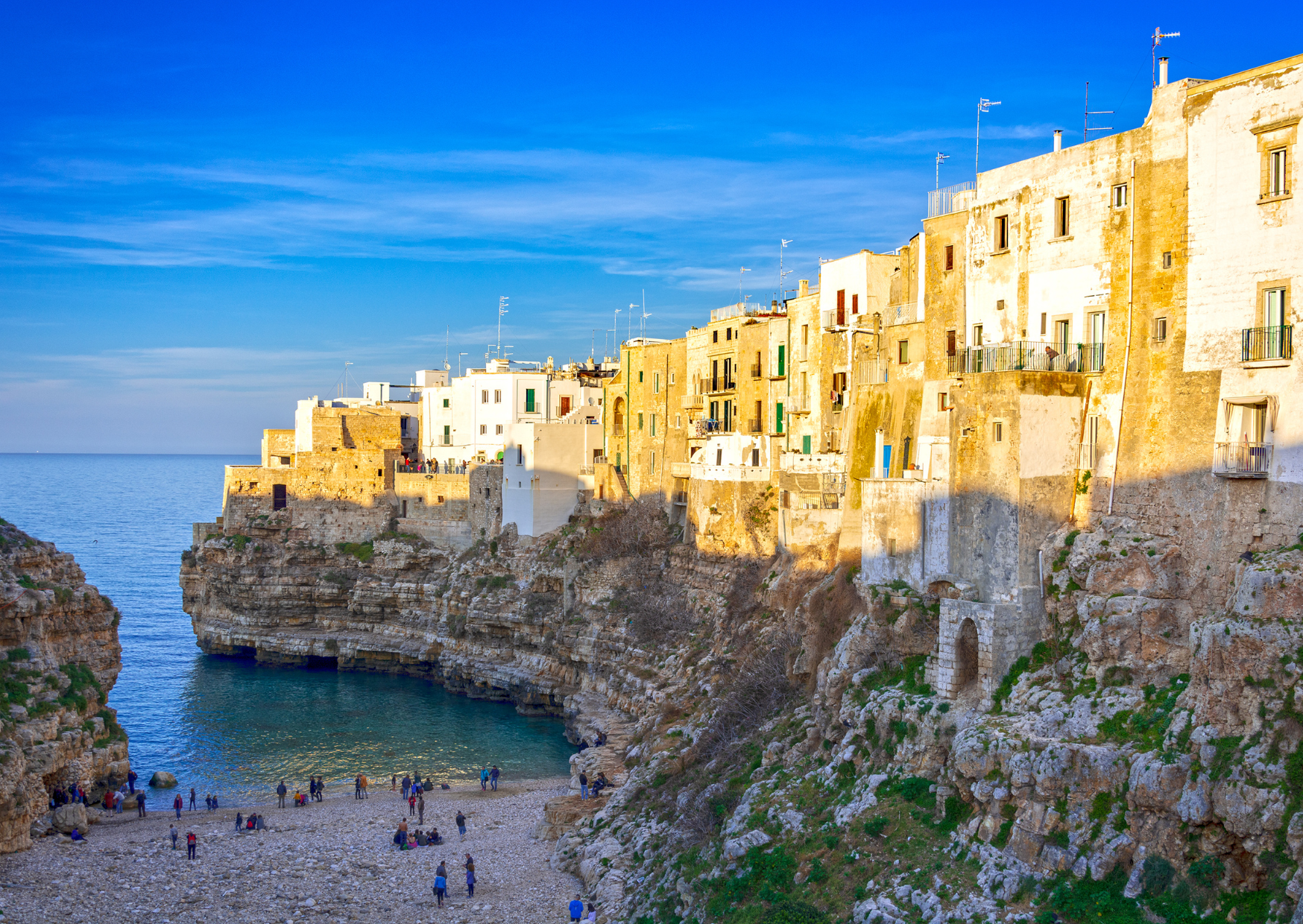
Ruin is a flexible word. Some ruins are basically a shell with a roof and stable walls. Others are a collapse with a romantic doorway.
Most real-life “€24,000 ruin” projects in southern Italy need some mix of:
- roof repair or replacement
- structural stabilization or reinforcement
- damp control and drainage fixes
- new electrical system
- new plumbing
- bathroom and kitchen builds from scratch
- windows and doors
- insulation and heating or cooling choices
- floors and plaster
- septic system or sewer connection depending on location
- exterior work to keep water out, which is where old houses die
Renovation cost ranges in Italy are broad. General guides commonly cite full renovation ranges from a few hundred euros per square meter for light work to well over €1,000 per square meter for major work with systems and structural changes, and higher for high-end finishes.
A ruin is rarely “light work.”
If you want a realistic planning range for a ruin that becomes a livable, modern-feeling small house, the honest starting point is often:
- €900–€1,800 per square meter for major renovation with systems, depending on finish level and complexity
- higher if structural issues are severe, access is difficult, or you’re doing high-end design choices
That sounds brutal until you realize what you’re actually doing: building a modern home inside an old shell.
Permits and professionals: the costs people pretend won’t count
This is the part that turns an Italian renovation into a grown-up project.
In Italy, you typically need a qualified professional to file and manage the proper procedure for your scope of work. Common procedures include CILA for certain minor works and SCIA for more substantial works. For a ruin with structural work, you can expect deeper professional involvement.
A recent Italy renovation permits explainer summarized SCIA-related municipal fees in the ballpark of a few hundred to over €1,000 and professional fees often in the low thousands, with additional structural engineering costs depending on the project.
This is not optional. This is how the system works.
Budget assumptions that keep people sane:
- Geometra, architect, or engineer project management and filings: €4,000–€12,000 over the life of the project, depending on project size and complexity
- Structural engineer involvement if required: €1,500–€6,000
- Municipal fees and administrative costs: €300–€2,000
- Surveys, reports, and compliance documentation: €500–€2,500
So permits and professionals can easily land in a combined range like €6,000–€22,500 over five years, even on a modest ruin.
If you hear someone say, “We’ll just DIY the paperwork,” what they usually mean is: “We don’t yet understand what we bought.”
Italy runs on professionals. Permits are not vibes. Compliance is part of the build.
The five-year cost ledger: three realistic outcomes
Now the part you actually want: the total cost after five years.
Because every ruin is different, the honest way to show this is with three versions. All start with the same purchase price, but different project realities and lifestyle choices.
I’ll assume a small ruin that ends up as a roughly 70–90 m² livable home, because that’s a common scale for these stories. If it’s bigger, costs rise fast.
Baseline costs everyone pays
Let’s lock the unavoidable basics first:
- Purchase price: €24,000
- Purchase taxes, notary, closing: €2,500–€6,500
- Due diligence: €800–€2,500
Baseline: €27,300–€33,000
Now add the renovation and living costs.
Outcome A: The controlled renovation
This is the version where the ruin was structurally decent, the owner didn’t chase luxury finishes, and the project stayed disciplined.
Renovation scope:
- systems replacement
- roof repair but not catastrophic rebuild
- basic modern kitchen and bath
- moderate finishes, not boutique hotel
Costs over five years:
- Renovation works: €70,000–€110,000
- Professionals and permits: €8,000–€16,000
- Utilities connection and upgrades: €2,000–€6,000
- Furniture and appliances: €6,000–€15,000
- Contingency and surprise repairs: €10,000–€20,000
Total project spend over five years (including purchase):
Low end: €27,300 + €70,000 + €8,000 + €2,000 + €6,000 + €10,000 = €123,300
High end: €33,000 + €110,000 + €16,000 + €6,000 + €15,000 + €20,000 = €200,000
That’s the first hard truth: the “€24,000 ruin” can easily become a €120,000–€200,000 story even when things go reasonably well.
Outcome B: The realistic messy middle

This is the most common reality. Something goes wrong. Usually more than one thing.
Common issues:
- roof is worse than expected
- damp is structural, not cosmetic
- electrical and plumbing require more invasive work
- contractor scheduling delays
- material costs jump
- design changes happen midstream
Costs over five years:
- Renovation works: €110,000–€170,000
- Professionals and permits: €10,000–€22,000
- Utilities and site work: €4,000–€10,000
- Furniture and appliances: €10,000–€25,000
- Contingency and surprises: €20,000–€40,000
Total project spend over five years (including purchase):
Low end: €27,300 + €110,000 + €10,000 + €4,000 + €10,000 + €20,000 = €181,300
High end: €33,000 + €170,000 + €22,000 + €10,000 + €25,000 + €40,000 = €300,000
This is why people stop talking about their “cheap Italian ruin” around year three. The story is no longer cute.
Outcome C: The “it turned into a boutique dream”
This is the version where the owner chooses high-end finishes, structural work is significant, and the house is rebuilt to feel like a design property.
Common drivers:
- high-end bathrooms and kitchen
- full roof replacement
- heated floors, premium windows, high-spec insulation
- landscaping, pool, external stonework
- designer lighting and furniture
Costs over five years:
- Renovation works: €170,000–€280,000
- Professionals and permits: €15,000–€35,000
- Utilities and external works: €10,000–€30,000
- Furniture and appliances: €25,000–€70,000
- Contingency and surprises: €30,000–€60,000
Total project spend over five years (including purchase):
Low end: €27,300 + €170,000 + €15,000 + €10,000 + €25,000 + €30,000 = €277,300
High end: €33,000 + €280,000 + €35,000 + €30,000 + €70,000 + €60,000 = €508,000
At this point, the €24,000 is basically trivia.
The ruin price is bait. The renovation is the bill. The finish level decides your life.
The part nobody counts: five years of carrying costs
Even if you’re not living there full-time during the build, you still carry the property.
Common annual costs include:
- IMU property tax if it’s not your primary residence in the Italian tax sense, depending on municipality and classification
- TARI waste tax, often a few hundred euros per year
- Insurance, which can be higher for older properties or those under renovation
- Basic maintenance to prevent deterioration, which in a ruin can mean constant small interventions
Planning range for annual carrying costs on a modest rural property:
- €800–€3,000 per year depending on taxes, insurance, and how much maintenance is required during renovation
Over five years, that’s €4,000–€15,000. Not catastrophic. Not zero.
Also, time is money. If you live elsewhere and travel back and forth to manage the project, travel costs and accommodations can quietly become their own category.
It’s common for long-distance buyers to spend €2,000–€8,000 per year on travel and stays tied to the renovation, depending on frequency and distance. Over five years, this can rival your kitchen budget.
That’s why many “Italy renovation” stories feel financially confusing. People track the contractor invoices but forget the five years of living between invoices.
Carrying costs are real. Travel is part of renovation. Time makes everything more expensive.
Renovation incentives: nice in theory, complicated in practice
Italy has had multiple renovation incentives. The headline-grabbing one was the Superbonus, which has been reduced over time and phased down from its peak generosity.
There are also more standard renovation deductions often discussed as allowing a percentage of eligible expenses to be deducted over time, with caps per property. The details can change based on budget laws and eligibility, and claiming them depends on having taxable income in Italy and meeting the required documentation and payment method rules.
For many foreign buyers, the practical reality is:
- Incentives may help if you are structured properly and have the tax situation to use them.
- They are not a reason to buy a ruin if you can’t afford the renovation without them.
- They add paperwork and professional requirements, which means you should not count on them casually.
So yes, incentives exist. No, they are not the same as “Italy will pay for your renovation.” They are a tool for people who can use them legally and patiently.
If you can’t, you plan as if you get zero and treat any benefit as upside.
Pitfalls most buyers miss when they buy a cheap ruin in Puglia
This is where the “total cost after five years” story usually goes off the rails.
They fall in love with the purchase price and ignore the roof
The roof is the villain of Italian ruins. If it fails, everything fails. Damp, mold, structural damage, and escalating costs follow.
If you don’t price the roof early, you don’t know the real project.
They underestimate infrastructure
Rural properties can require septic work, water connection solutions, electrical upgrades, and access improvements. These are unsexy invoices that can be large.
They treat labor like a fixed price
Contractor availability varies by season and region. Delays are common. Changes happen. Material costs shift. A five-year project is long enough for multiple cost cycles.
They plan for a two-year renovation and get a five-year renovation
This is not pessimism. It’s Italy reality. Permits, scheduling, and decision cycles stretch timelines.
If you budget cash based on “two years,” you often end up underfunded in year four.
They buy the house before they understand the legal status
Cadastral alignment, proper permits, prior modifications, and zoning protections matter. If you buy a legal mess, you inherit the mess.
They chase a luxury finish without saying it out loud
People say they want “simple,” then choose boutique finishes. It’s fine to want beautiful. It’s expensive to pretend you don’t.
Roofs ruin budgets. Infrastructure ruins timelines. Finishes ruin honesty.
The first 7 days after you buy the ruin
This is the week that determines whether year five feels like satisfaction or exhaustion.
Day 1: Freeze the dream and write the real scope
Write what must be done to make the building safe and habitable. Separate “must” from “nice.”
Most projects fail because “nice” quietly becomes “must.”
Day 2: Get a structural and moisture assessment
Not a vibe check. A proper professional look. Ruins in Puglia often have moisture and structural issues that decide the entire approach.
If you don’t know your moisture story, you don’t know your renovation story.
Day 3: Build a permit pathway plan
Ask your professional what procedure applies and what documentation is required. Get a timeline that assumes delays.
You’re not asking for optimism. You’re asking for a plan that can survive reality.
Day 4: Price the roof, electrical, and plumbing first
Those are the spine. Kitchens and tiles are decorations if the spine is broken.
Day 5: Set the contingency rule
Pick a contingency percentage and commit. For ruins, 15–25% contingency is often more realistic than 10% because surprises are normal.
If you can’t afford contingency, you can’t afford a ruin.
Day 6: Decide your finish level in one sentence
Example: “Mid-range, durable, easy to maintain.” Or “Boutique, but small footprint.” Or “Functional only.”
This single sentence prevents the slow drift into expensive choices.
Day 7: Build the five-year cash flow plan
You’re not just paying a total. You’re paying in phases.
Plan how you fund:
- Year 1 compliance and stabilization
- Year 2 structure and systems
- Year 3 interiors
- Year 4 fixes and upgrades
- Year 5 furniture, exterior, and polishing
Cash flow is what kills people, not just total cost.
The honest total after five years

So what did the €24,000 ruin really cost after five years?
For a typical project that reaches a comfortable, modern, livable result without going full luxury, the all-in figure often lands somewhere in a wide range like €180,000–€300,000 once you include:
- purchase and closing
- professionals and permits
- renovation works
- utilities and external fixes
- furniture and appliances
- contingency
- carrying costs and travel
If everything went unusually smoothly and the ruin was more “tired house” than “true ruin,” you might land closer to €120,000–€200,000.
If the project turned into a high-end rebuild, you can easily blow past €300,000 and keep going, especially if you add pools, premium finishes, landscaping, and extensive structural work.
The adult takeaway is not “don’t do it.”
It’s: do it for the right reason.
You buy a ruin in Puglia because you want the life and you can afford the process, not because you think you found a bargain house hack.
Because the bargain was never the house.
The bargain was the idea that you could buy the dream without paying for the build.

About the Author: Ruben, co-founder of Gamintraveler.com since 2014, is a seasoned traveler from Spain who has explored over 100 countries since 2009. Known for his extensive travel adventures across South America, Europe, the US, Australia, New Zealand, Asia, and Africa, Ruben combines his passion for adventurous yet sustainable living with his love for cycling, highlighted by his remarkable 5-month bicycle journey from Spain to Norway. He currently resides in Spain, where he continues sharing his travel experiences with his partner, Rachel, and their son, Han.