
Americans move to Europe and expect a simple grocery adjustment.
Different cheese. Better bread. Yogurt that tastes more serious. Maybe a few favorite snacks disappear, but surely the basic pantry logic is still the same.
Then they hit the supermarket and realize something more interesting is going on.
A lot of the “normal” American pantry is not really normal in much of Europe. Not because Europeans are saints, and not because every U.S. staple is banned. Usually, it is a mix of market structure, food culture, retail habits, and regulation. Some products can still be found, but they show up as specialty imports, “American” novelty items, or limited-time themed promotions rather than boring everyday defaults. Tesco, for example, has a dedicated “American” grocery section, and UK retailers like Lidl run periodic “USA week” style promotions that treat many familiar U.S. products as themed imports, not baseline staples.
That is the real point of this list.
These are not seven items that are literally impossible to find anywhere in Europe. They are seven staples that often do not exist as mainstream, default pantry habits the way they do in the U.S., and there is usually a practical reason behind that.
1) Shelf-stable coffee creamer
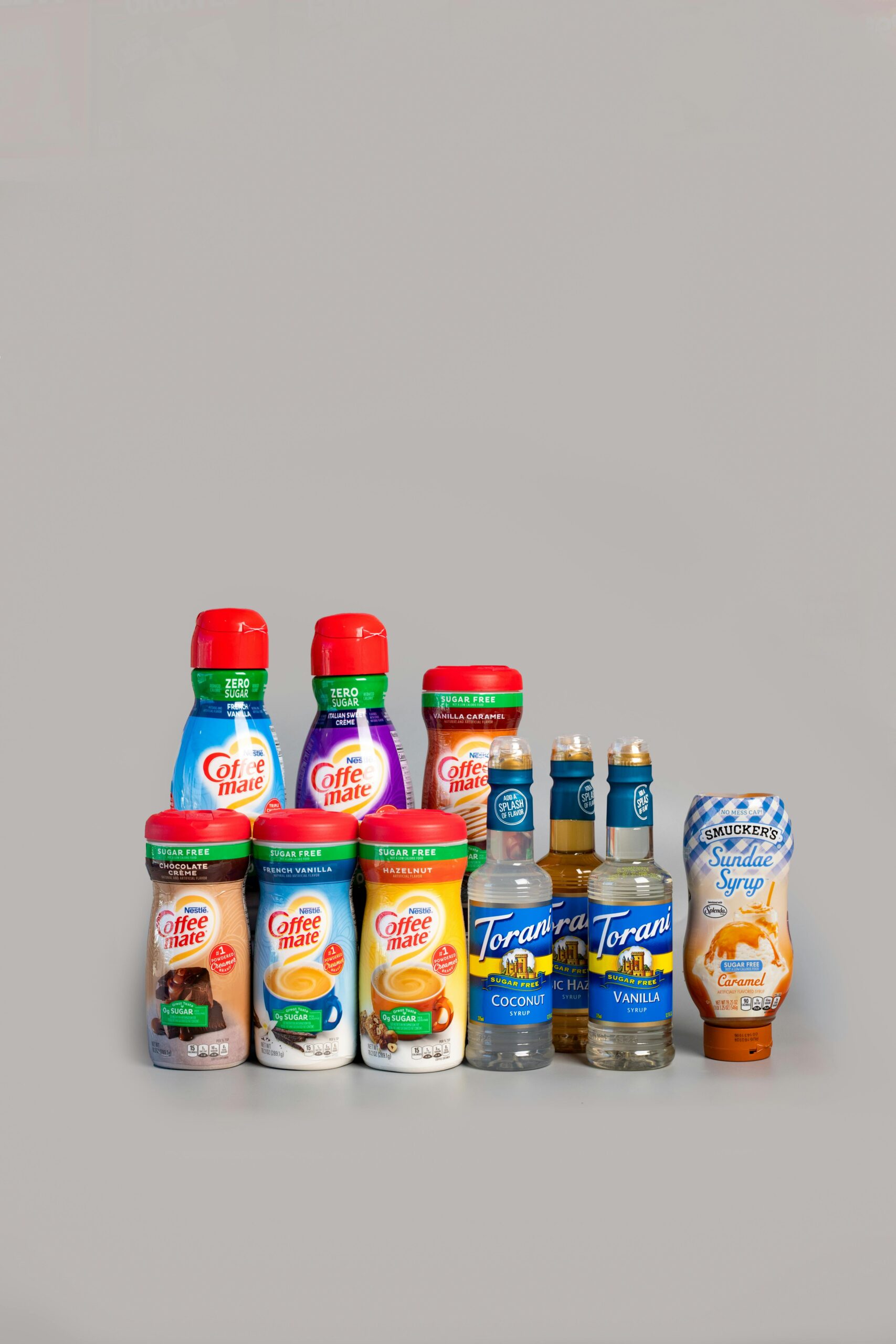
This one is the cleanest American tell.
In the U.S., shelf-stable coffee creamer is a whole ecosystem: powdered tubs, sweetened liquid bottles, flavored creamers that taste like cinnamon rolls, cookies, or hazelnut cupcakes. It is pantry architecture.
In much of Europe, that product category barely holds the same status. You can find milk, UHT milk, evaporated milk, cream, barista milks, and sometimes specialty creamers. What you usually do not find is the same giant everyday culture of heavily engineered, shelf-stable, flavored “creamer” as a pantry default. That is partly because Europe already normalized UHT milk and smaller, more frequent shopping, so the “I need fake dairy that lives in a cupboard forever” solution never became as central. It is also because coffee culture often leans more toward actual milk, actual cream, or drinking coffee black rather than turning it into a dessert-adjacent beverage at home.
The reason is not one law. It is that the product solves a very American problem:
big pantries, bigger coffee servings, and a market built around convenience plus flavor novelty.
2) Canned biscuit dough
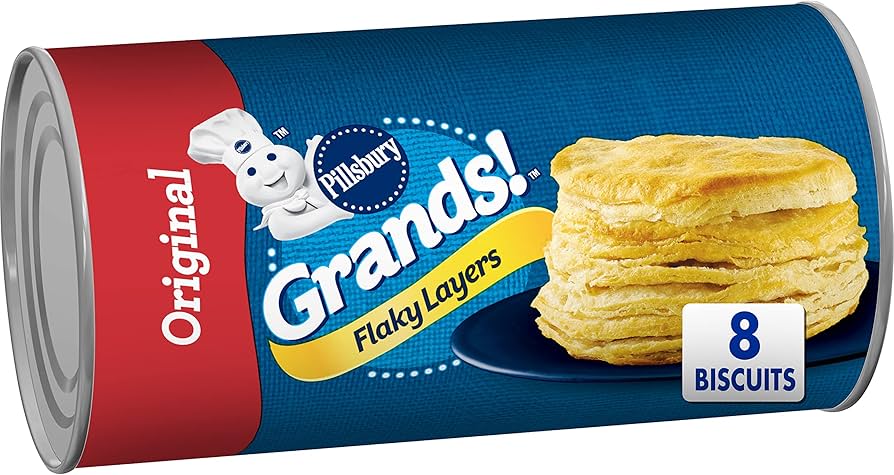
Europe has biscuits. Europe has pastry. Europe has dough.
What it does not broadly have is the American supermarket ritual of refrigerated pop-open canned biscuit dough as a normal household shortcut.
That product depends on a very specific retail logic:
- industrial dough in pressurized packaging
- a home culture built around “fresh-ish” convenience baking
- fewer neighborhood bakeries doing the job for you
- a market where buttermilk biscuits are ordinary enough to justify the shelf space
In much of Europe, if you want bread, rolls, croissants, puff pastry, pizza dough, or bake-at-home options, you often buy fresh, frozen, or local alternatives. The American tube of dough is not illegal everywhere. It just never became a central pantry-language item.
The reason is simple and unglamorous: Europe’s bread infrastructure often made it unnecessary. When bakery culture is more embedded in normal shopping, the specific American convenience product has less reason to dominate.
3) Spray cheese
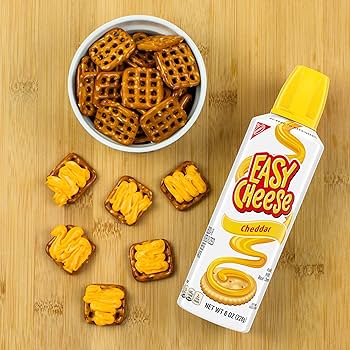
Americans can argue about whether aerosol cheese is “real food,” but it is undeniably a U.S. pantry icon.
In much of Europe, it lands in the category of “that weird imported American thing,” not “normal household staple.”
And honestly, the reason is not mysterious. Europe has a much stronger everyday cheese culture built around:
- actual cheese
- spreadable cheese sold as cheese, not a stunt
- refrigerated dairy norms
- regional cheeses that already cover the “easy snack” function
Spray cheese solves an American convenience problem while also offering novelty. In a market where cheese is already deeply integrated into ordinary food life, the novelty is less useful and the convenience is less persuasive.
This is one of the best examples of a product that is not missing because of some grand ban. It is missing because the local food system never needed it.
4) Ranch seasoning packets as a default flavor system
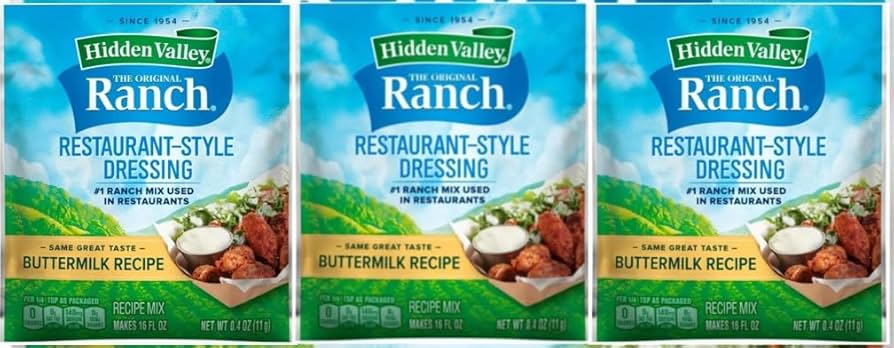
You can absolutely find ranch-flavored products in parts of Europe now. You can also find “American-style” dips and sauces during promotional ranges. Lidl’s UK “US” promotions have explicitly featured buttermilk ranch-style products, which tells you exactly how the market sees them: as an American category, not a neutral pantry baseline.
That is the key distinction.
In the U.S., ranch is not just a dressing. It is a powder packet, a dip base, a flavor identity, a backup meal plan, and a personality trait in some zip codes.
In much of Europe, the same exact pantry logic does not exist at scale. Herbs, yogurt sauces, aioli, garlic dressings, mustard-based dressings, and local flavor profiles do the job without turning “ranch packet plus sour cream” into a foundational household system.
The reason is partly market habit and partly flavor culture. Ranch solves a U.S. craving for a specific creamy-salty-herby convenience profile. Europe has plenty of creamy condiments. It just does not organize the pantry around ranch the same way.
5) Boxed macaroni and cheese as a core pantry fallback
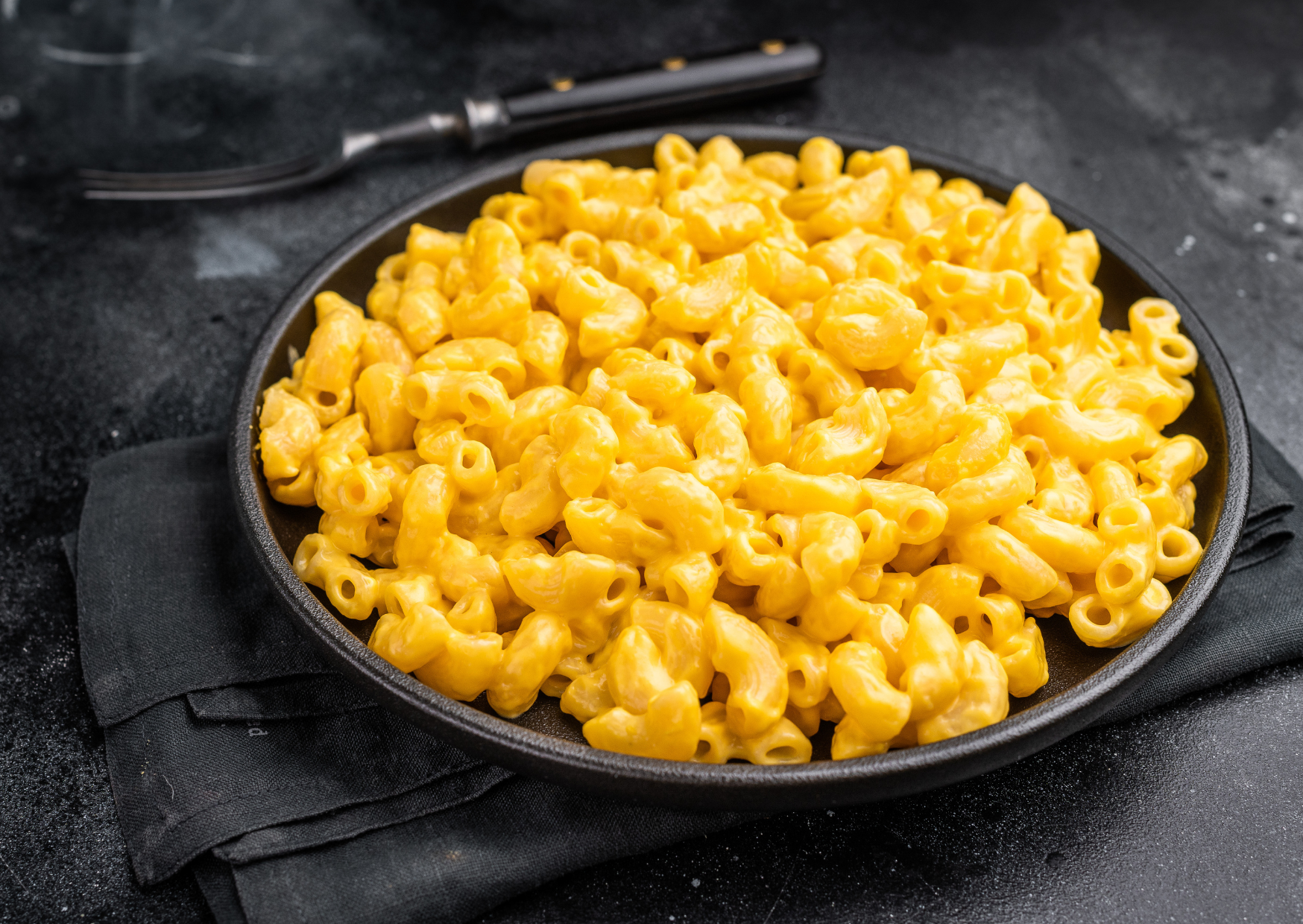
Europe has pasta. Europe has cheese sauces. Europe has boxed meals.
But the specific American pantry concept of powdered boxed mac and cheese as a universal emergency meal is much less central.
You can sometimes find versions of it in import aisles or “American” sections. Tesco’s American grocery category and themed promotions make that obvious. American-style macaroni cheese shows up as a niche or novelty product because it is recognized as distinct enough to merchandize separately.
In the U.S., boxed mac and cheese became a staple because it is:
- cheap
- shelf-stable
- child-friendly
- engineered for repeatability
- emotionally familiar across generations
In much of Europe, pasta plus grated cheese, fresh pasta dishes, béchamel-based baked pasta, or simpler home cooking often occupy that same “easy comfort” territory.
The reason it is not the same staple is not that Europeans are above processed comfort food. It is that the local comfort-food fallback systems developed differently.
6) Frosted toaster pastries as a normal breakfast default
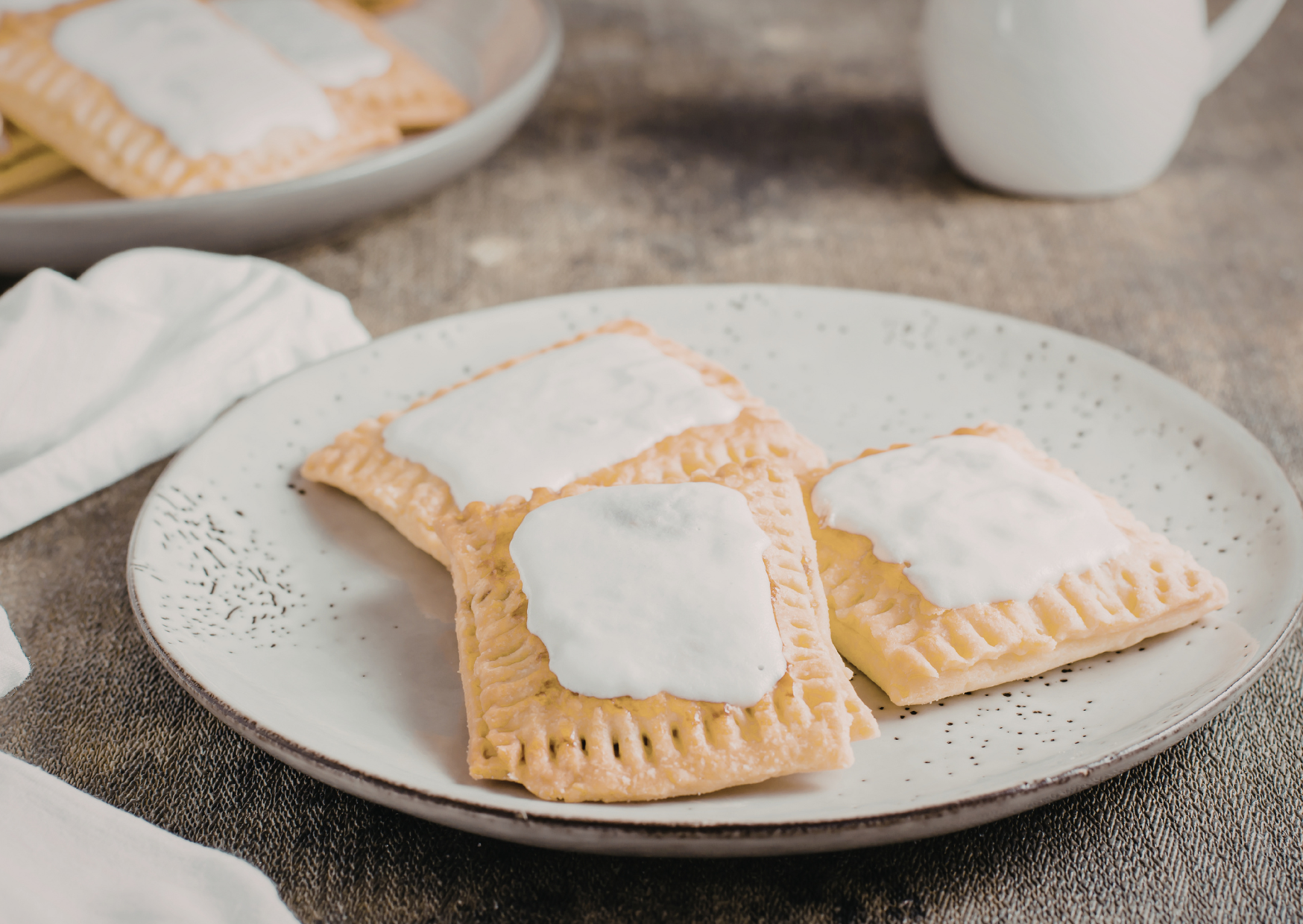
This one is especially revealing because Europe does have Pop-Tarts and Pop-Tart-like products in some markets. Tesco sells multiple Pop-Tarts variants in the UK, including locally marketed versions, which proves the product exists.
But that is not the same as saying the product occupies the same cultural role.
In the U.S., toaster pastries are a mainstream breakfast shortcut for kids and adults, and they sit inside a larger breakfast culture built around:
- sweet packaged convenience
- high-shelf-stability breakfast foods
- eating on the run
- “breakfast as snack” logic
In Europe, even where toaster pastries exist, they are far less likely to function as a universal pantry default. They are more often treated as a branded snack product, a novelty, or an “American-style” item.
There is also a formulation reason the U.S. and Europe diverge here. UK and EU markets have long imposed warning-label pressure on certain synthetic colours used in brightly processed foods. Foods containing six specific colours must carry a warning that they “may have an adverse effect on activity and attention in children,” and both UK and consumer advocacy sources note this pushed many manufacturers toward reformulation.
So yes, toaster pastries exist. But the broader breakfast ecosystem that made them feel normal in the U.S. is not nearly as dominant.
7) Bread and baking products built around bromated shortcuts
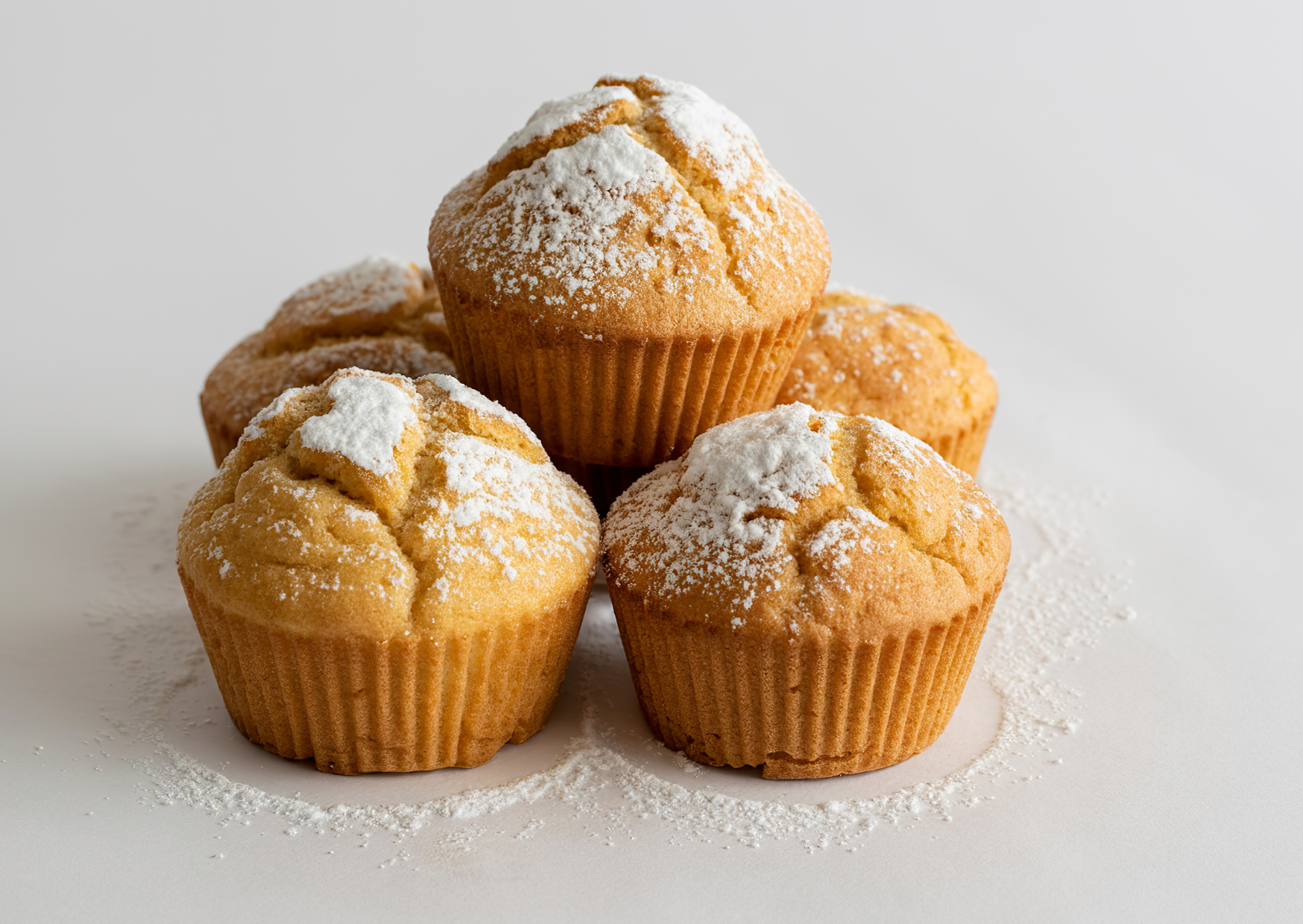
This is the only entry where regulation matters more directly than culture.
A lot of Americans treat packaged sandwich bread, dough improvers, and long-soft industrial baking as totally normal pantry life. One reason some American baked goods behave the way they do is the historic use of additives like potassium bromate in certain baked products. Multiple recent summaries and reporting note that potassium bromate is banned in the EU while still allowed in the U.S. in some contexts.
That does not mean all American bread uses it. It does mean a class of industrial baking shortcuts that persisted in the U.S. has been treated more restrictively in Europe.
The practical effect for the pantry is bigger than one additive. It contributes to a broader difference:
- American shoppers are more used to ultra-soft, highly stable packaged bread products
- European shoppers are more used to bakery bread, shorter shelf-life bread, and products that stale more like actual bread
So the “staple” that often does not exist in the same way is not one exact product. It is the whole assumption that bread should be:
- extra soft
- ultra-stable
- highly engineered
- bought infrequently and stored like a pantry appliance
That assumption has less room to dominate where baking additives are tighter and bakery culture is stronger. The EU’s broader food-additives framework also works from a positive-list system, meaning additives must be specifically authorised under set conditions, not just casually assumed into the supply.
The real reason these staples feel “missing”: Europe built different defaults
Americans often interpret missing pantry items as evidence that Europe is morally superior.
That is lazy.
Europe has plenty of ultra-processed food. It has plenty of sugary snacks, convenience products, novelty junk, and lazy household habits. The point is not that Europe has no processed pantry.
The point is that its default pantry developed around different assumptions:
- smaller homes and often smaller kitchens
- more frequent shopping
- stronger bakery and fresh-food traditions
- less pressure to engineer every food into extreme shelf stability
- more regulatory friction around certain additives and colours
- less cultural attachment to turning every convenience product into an identity
That is why some classic American staples either shrink, shift, or become specialty imports.
They are not always “banned.”
They are often just out of ecosystem.
Pitfalls most Americans miss when they turn this into a purity fantasy
This is where the conversation gets stupid.
They assume “not common” means “illegal.”
Often it does not. Plenty of these products exist in import aisles, specialty stores, or limited promotions. The point is that they are not normal defaults.
They assume Europe has no convenience foods.
False. Europe has convenience foods everywhere. They are just often structured differently.
They confuse additive rules with full product bans.
Sometimes the product exists, but the formula is changed. The UK and EU colour-warning regime is a classic example: the market often reformulates instead of removing the category entirely.
They think “harder to find” automatically means “healthier.”
Also false. A pantry can lose spray cheese and still be full of sugar.
They ignore retail infrastructure.
A place with good bakeries, smaller shopping cycles, and stronger fresh-food norms will naturally produce a different pantry, even before regulation enters the picture.
The first 7 days you stop trying to rebuild an American pantry in Europe
If you move and try to recreate your exact U.S. pantry, Europe will usually punish you with higher prices, weird substitutes, and unnecessary frustration.
A better first week looks like this.
Day 1: Stop hunting product-for-product replacements
Do not spend your first week searching for your exact creamer, exact biscuit dough, exact boxed fallback meal.
You are learning a new pantry language, not rebuilding your old one.
Day 2: Find your local “easy breakfast”
Bakery bread, yogurt, muesli, eggs, fruit, simple cheese, coffee. Pick a boring default and let it stabilize your mornings.
Day 3: Replace convenience products with convenience systems
Instead of canned biscuit dough, find:
- a bakery you trust
- a frozen dough or pastry option
- a simple bread routine
Systems beat product nostalgia.
Day 4: Build one local comfort-food fallback
Not American comfort food. Local comfort food.
Pasta, soup, bread, eggs, lentils, cheese, simple cooked vegetables. This is how you stop needing boxed emergency meals.
Day 5: Treat “American section” food as novelty, not survival
If you find Pop-Tarts or ranch or boxed mac and cheese, fine. Buy it occasionally. But do not design your household around import prices and novelty products.
Day 6: Learn what the local version of “lazy cooking” is
Every country has one. It just may not be your version.
Day 7: Decide what you truly miss
Usually it is fewer items than you think. Once the routine changes, half the “must-haves” stop mattering.
Where this lands in real life
The American pantry staples that “do not exist” in Europe usually disappear for one of three reasons:
- Europe already had a different solution
- the product never fit the local food culture
- regulatory friction made the U.S. version less viable or less attractive
That is the whole story.
Not magic. Not moral purity. Not anti-American snobbery.
Just a different market built around different habits.
And once you understand that, Europe starts feeling less like a place that is “missing things” and more like a place that solved the same daily food problems in another way.

About the Author: Ruben, co-founder of Gamintraveler.com since 2014, is a seasoned traveler from Spain who has explored over 100 countries since 2009. Known for his extensive travel adventures across South America, Europe, the US, Australia, New Zealand, Asia, and Africa, Ruben combines his passion for adventurous yet sustainable living with his love for cycling, highlighted by his remarkable 5-month bicycle journey from Spain to Norway. He currently resides in Spain, where he continues sharing his travel experiences with his partner, Rachel, and their son, Han.