
Americans love the idea of a “paperwork-light” Europe move. No job offer. No employer sponsor. No startup. No complicated investment scheme.
Just bank statements, a clean record, and a calm life.
That story is half true, which is why it keeps spreading. Yes, there are European countries where Americans can qualify for legal residence largely by proving they can support themselves financially. And yes, bank statements are often the core proof.
But here’s the part people learn late: bank statements are rarely the only thing. They’re the backbone, not the whole skeleton.
Most of these routes still require some combination of private health insurance, proof of accommodation, no local work, and the kind of documentation hygiene that separates “approved” from “denied.”
So this article is the grown-up version of the meme. Six countries where bank statements can genuinely get you in the door, what “bank statements” actually needs to look like, and how to avoid the predictable mistakes that waste a year.
The myth is “just bank statements.” The reality is “bank statements plus adult receipts.”
When people say “residency with bank statements,” they usually mean a financially independent or non-working residence permit. The logic is simple: if you’re not going to take a job, the government wants proof you won’t become a public expense.
That proof often includes:
- Recent bank statements showing stable funds
- A reliable income source or sufficient savings, depending on the country
- Private health insurance meeting local requirements
- Accommodation proof (lease, ownership, or a documented plan)
- Police clearance and document legalization rules
The biggest misunderstanding is thinking one chunky account balance is enough. In several countries, the decision-makers want to see ongoing resources, not just a one-time transfer that appeared last week.
So you’ll do better if your “bank statement story” looks like this:
- predictable deposits (pension, dividends, rental income, withdrawals you can explain)
- steady balances over months
- clean documentation with clear account holder names
- a paper trail that looks calm, not frantic
Now let’s get specific.
1) Spain: Non-Lucrative Visa
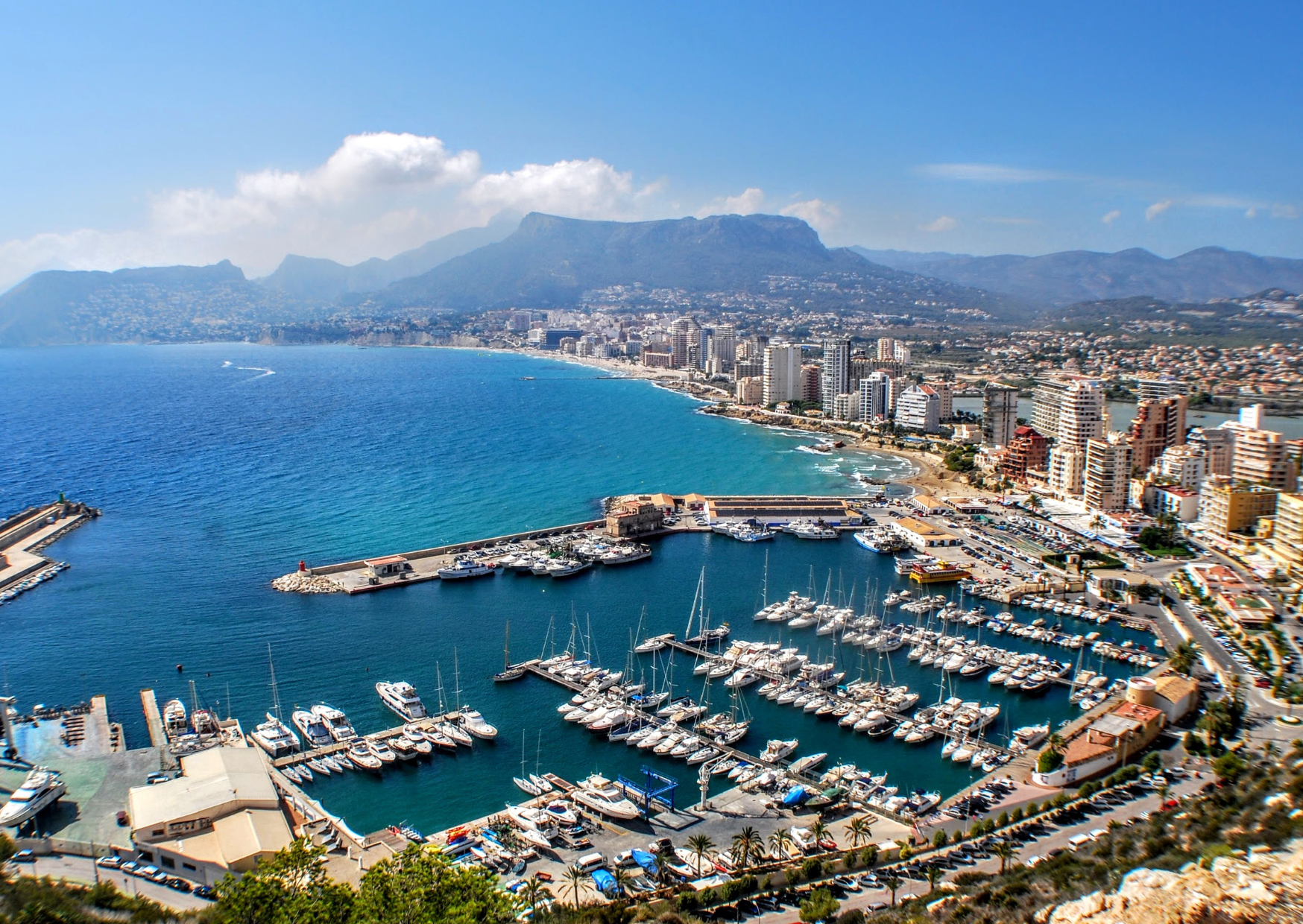
Spain’s non-lucrative residence visa is one of the best-known “show money, don’t work” routes in Europe. It’s popular with Americans who want a long-stay base, and it’s blunt about what it wants: proof you can live in Spain without working.
The financial requirement is tied to IPREM and is commonly described as 400% of IPREM for the main applicant, plus additional amounts for dependents. Spanish consulate guidance spells out that you must show sufficient financial means and provides the IPREM-based benchmark language. For many Americans, that translates to bringing bank statements and proof of income that clearly support the required level.
A few practical realities:
- Spain cares about consistency. Bank statements that show stable resources tend to land better than “we moved money around yesterday.”
- Spain cares about liquidity. If your wealth is mostly locked in property or retirement accounts you cannot access, you need to show how you actually fund monthly living.
- Spain cares about no local work under this status. Plan your income story accordingly.
What this looks like for real people: a retiree showing pension deposits plus a savings buffer, or a financially independent couple showing investment income and strong balances.
The common failure mode: people show a big balance but can’t clearly explain how they will fund life month to month, or they bring statements that look incomplete, messy, or inconsistent.
2) Portugal: D7 visa
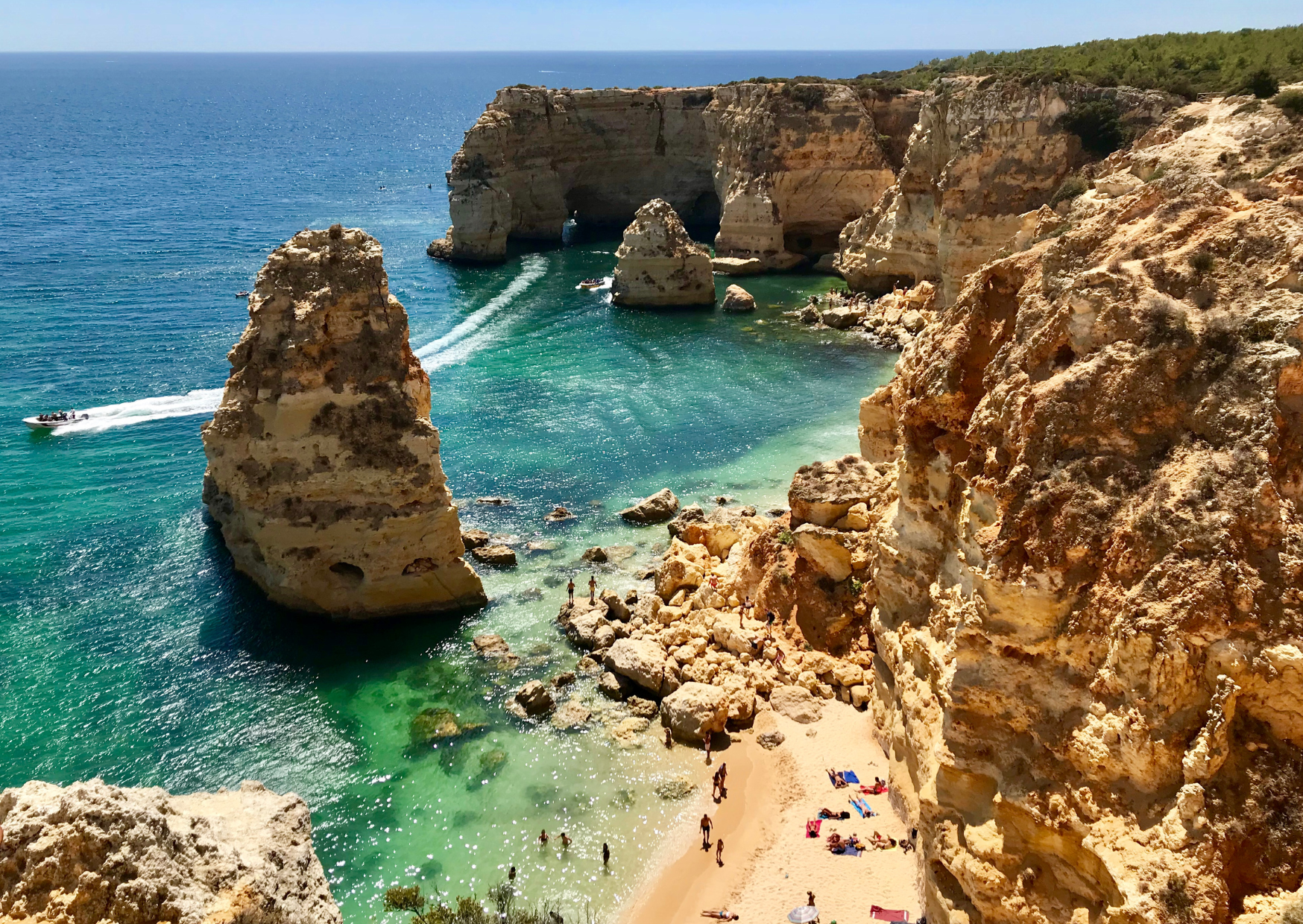
Portugal’s D7 is often described as a “passive income” route, but in practice it’s a “prove self-sufficiency” route. It’s one of the more accessible options for Americans who can show ongoing resources, and bank statements are central.
Many 2026 guidance summaries tie D7 minimums to Portugal’s minimum wage, and they describe a baseline income requirement for the main applicant with additional amounts for spouse and children. You’ll also see repeated mention of showing funds in a Portuguese bank account, plus a history of income and savings.
Here’s the practical truth: Portugal is less about a perfect number and more about a convincing picture that you can live there without drama.
- Bank statements should show regular income or a clear draw plan.
- A Portuguese bank account is frequently treated as part of a strong application file.
- You want statements that look like a normal life, not a last-minute scramble.
Portugal can be a great choice if you want a calmer landing, especially outside the hottest markets. It can also be a bureaucratic patience test. But on the “bank statements can work” question, Portugal is firmly in the yes column.
3) France: Long-stay Visitor Visa

France’s visitor long-stay visa is the quiet option people overlook because it doesn’t come with influencer hype. It’s not marketed as a “retirement visa,” but it’s widely used by retirees and financially independent people who want to live in France without working.
France typically expects proof of sufficient resources, and bank statements are one of the main ways people demonstrate this. Many guides also emphasize you must have suitable accommodation and health insurance, and you must not work in France under this status.
What makes France different is that it often feels less like “hit this exact number” and more like “prove you can support yourself credibly.”
That said, credibility has a texture:
- statements showing steady funds over time
- income sources that are legible (pension, dividends, rental income)
- a housing plan that looks stable, not improvised
- private insurance that meets expectations
France is a strong fit for Americans who want a culturally rich daily life and don’t mind that “simple” paperwork still means careful paperwork.
4) Italy: Elective Residence Visa
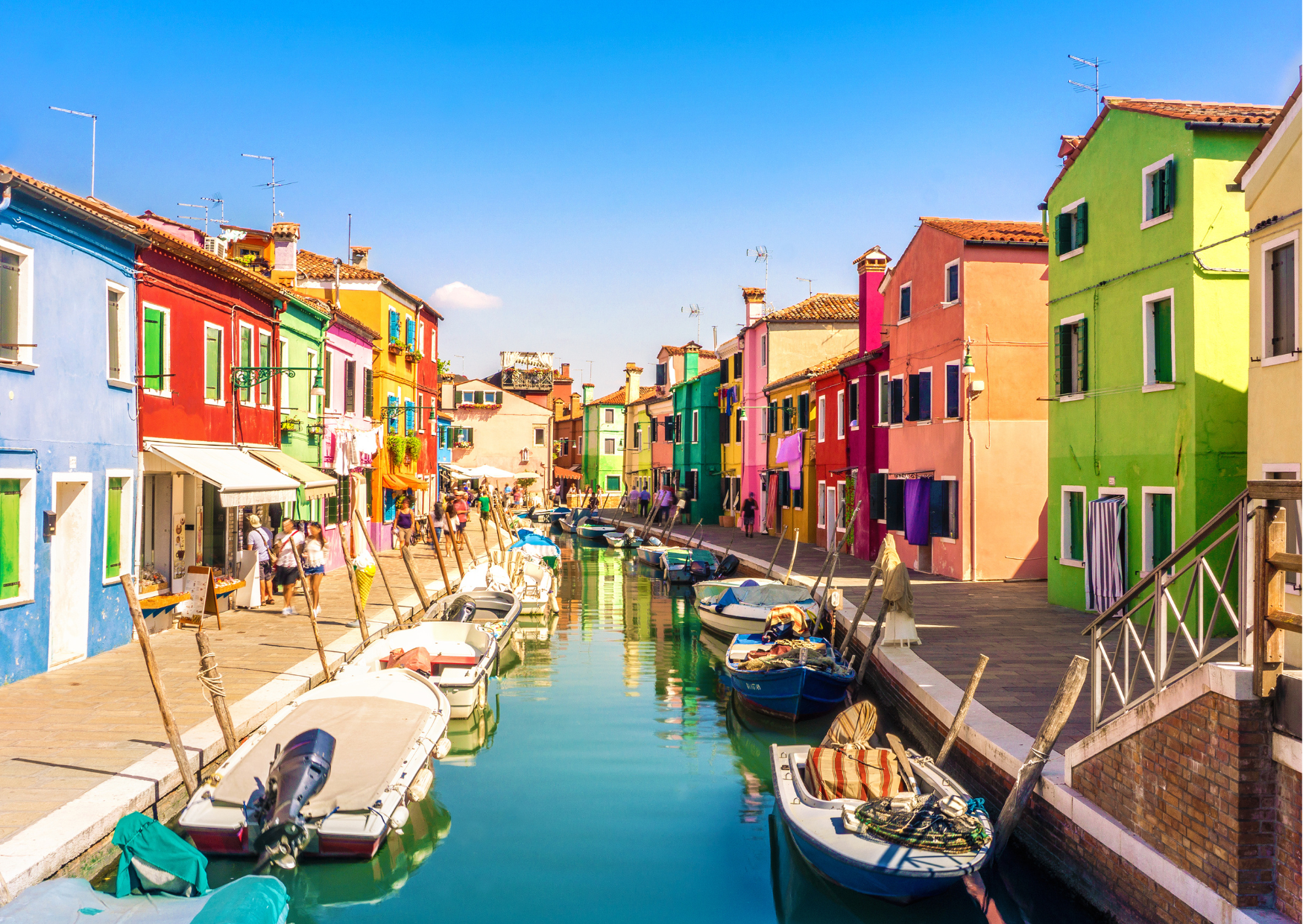
Italy’s elective residence visa is one of the most misunderstood. People hear “elective residence” and assume it means “I elect to live in Italy.” Not quite.
Italy wants proof of stable, passive income, and it’s known for taking that word stable seriously. Many 2025–2026 guidance sources describe a minimum income ballpark and emphasize that income should not come from employment, with documentation often including bank statements, bank letters, and proof of recurring passive income.
In practice, Italy tends to prefer:
- pensions
- annuities
- rental income
- dividends and investment income
A big savings balance can help, but many applicants report that savings alone feels less persuasive than recurring passive income.
Italy is a great match for Americans who have predictable retirement income and want a life built around food, neighborhoods, and slower days. It’s a weaker match for Americans whose plan is “we’ll figure out the money later.”
5) Greece: Financially Independent Person visa

Greece’s financially independent pathway is another route where bank statements can be central evidence. The common theme in Greek guidance is proving sufficient resources to cover living expenses without working locally, often supported by pension documents, investment income, and bank statements.
What makes Greece attractive is that it can be relatively straightforward on the concept: show that you can support yourself, show insurance, follow the process.
What trips people up is confusing “I have money” with “I can document money in a way the decision-maker accepts.”
For Greece, you want:
- clear bank statements
- clear source-of-funds narrative
- stable accommodation plan
- clean insurance paperwork
Greece works well for Americans who want Mediterranean life and can tolerate the administrative steps without spiraling.
6) Austria: Settlement permit without gainful employment

Austria is the option that separates fantasy from seriousness. It’s beautiful, stable, and extremely not casual.
Austria has residence permits for third-country nationals who want to settle without gainful employment, often under quota rules. Austria’s official migration information makes it clear that residence permits are purpose-specific, and official sources and guidance describe proof of sufficient financial means, typically supported by pay slips or bank account statements, plus housing and health insurance requirements.
If you want Austria via this route, you need to be the kind of person who can produce clean documentation, follow rules precisely, and accept that quota availability and timing can matter.
Austria is not the easiest “bank statements only” story. It is, however, a legitimate example of a European country where financial self-sufficiency, documented well, is the core eligibility pillar for certain non-working residence categories.
The pitfalls most Americans don’t see until the denial letter
Here’s what ruins “bank statement visas” over and over.
They treat savings as a personality. A big balance is not a plan. Some countries want to see ongoing income or a believable draw strategy, not a lump sum that could vanish.
They bring chaotic statements. Missing pages, inconsistent names, unexplained transfers, accounts that don’t match the applicant. This is the easiest way to lose trust fast.
They underestimate insurance. Many routes require private coverage with specific terms. “We’ll buy something later” is not a strategy.
They pick housing that screams temporary. Some countries and consulates dislike short-term accommodation that makes you look like a tourist pretending to be a resident.
They confuse “approved visa” with “easy life.” Even when your paperwork works, your real costs, bureaucracy load, and daily rhythm still need to fit your actual temperament.
They assume the first year is the hard part. Renewals exist. Document cycles repeat. If your plan is fragile, year two can be worse than year one.
Your first 7 days to make a bank-statement residency plan real
If you want this to work, do not start by daydreaming about neighborhoods. Start by building a file that could survive scrutiny.
Day 1: Choose one country and commit for 30 days
Do not “compare forever.” Pick the best fit and go deep. The fastest way to fail is to half-build four different applications.
Day 2: Clean your financial story
Write one plain paragraph explaining your funding:
- where your money comes from
- how it arrives monthly or how you’ll draw it
- which accounts will show it
- why it’s stable
If you can’t explain it simply, you’re not ready.
Day 3: Gather six months of statements, minimum
Even if a country doesn’t explicitly demand six months, having a longer, consistent history makes your file calmer.
You want statements that show steady balances and predictable deposits. Avoid creating a last-minute money shuffle that makes you look like you’re staging wealth.
Day 4: Fix the insurance plan
Get quotes that match the country’s expectations and your age reality. Don’t pick the cheapest plan as a reflex. Pick the plan you can actually live with for a year.
Day 5: Build a housing plan that looks stable
You don’t always need a long-term lease at the earliest stage, but you do need something that looks like you’re serious.
A stable plan is not “we’ll Airbnb until we find something.”
Day 6: Do the document hygiene work
Birth certificates, marriage certificates, police clearance rules, translations, apostilles where required. Most denials are not dramatic. They’re paperwork sloppiness.
Day 7: Stress-test your budget in euros
Create a monthly euro budget that includes:
- rent
- utilities
- groceries
- healthcare
- local transport
- a buffer for renewals and admin
- a buffer for flights back to the US
If your plan only works with perfect exchange rates and perfect luck, it’s not a plan.
Where this lands in real life
Yes, there are countries where Americans can get legal residence largely by proving financial self-sufficiency through bank statements.
But the grown-up truth is this: Europe is not selling you a loophole. It’s selling you an administrative relationship.
If you show up with clean paperwork, a stable financial story, and realistic expectations, these routes can be a great fit, especially for midlife Americans who want a calmer daily rhythm.
If you show up with a messy file and a fantasy budget, the same countries will make you feel like the system is unfair. It’s not unfair. It’s just not sentimental.
The honest takeaway: bank statements can open the door, but they don’t carry your life
The best way to think about these visas is not “How do I qualify?”
It’s “Can I live this life for five years without resenting it?”
Because the paperwork is just the entry ticket. Your real experience will be shaped by:
- whether you can tolerate process
- whether you can build community
- whether you can live on your real budget
- whether you can handle the distance from family
- whether your marriage and routines thrive with more time and less speed
Bank statements can get you residency.
Only your actual life can keep you there.

About the Author: Ruben, co-founder of Gamintraveler.com since 2014, is a seasoned traveler from Spain who has explored over 100 countries since 2009. Known for his extensive travel adventures across South America, Europe, the US, Australia, New Zealand, Asia, and Africa, Ruben combines his passion for adventurous yet sustainable living with his love for cycling, highlighted by his remarkable 5-month bicycle journey from Spain to Norway. He currently resides in Spain, where he continues sharing his travel experiences with his partner, Rachel, and their son, Han.