

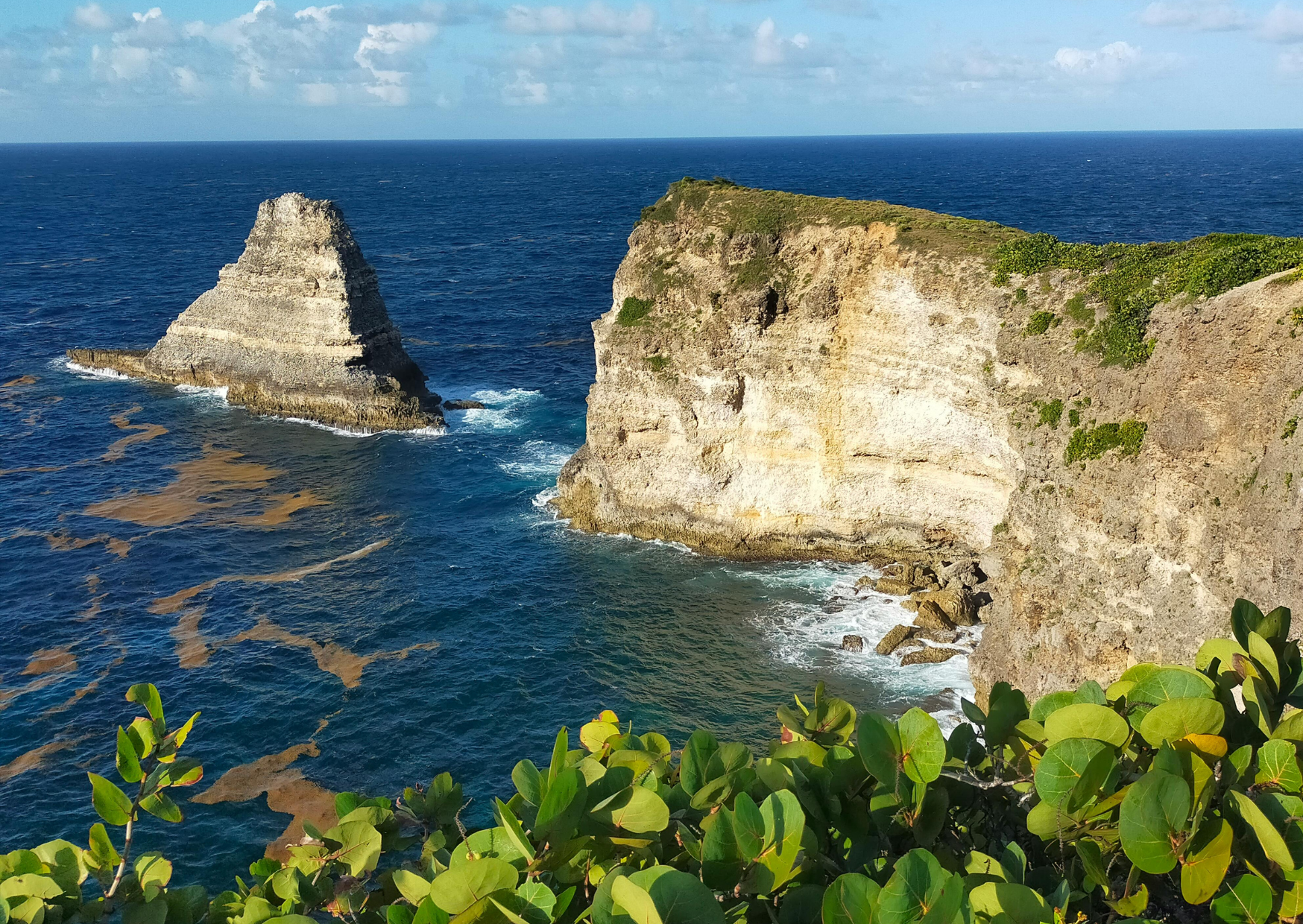
If you say “Azores” out loud to an American, you can watch the fantasy form in real time.
Green cliffs, hydrangeas, whales, slow mornings, and a quiet Atlantic life where money stretches because it is not Lisbon and it is definitely not New York.
That fantasy is not totally wrong. The Azores can be cheaper than mainland hotspots, and the pace can be exactly what burned out people think they’re buying.
But here’s what $190,000 really is in this story: a five-year experiment budget. It’s not “retirement money.” It’s not “we’re set.” It’s a runway.
After five years, what’s left depends less on the island and more on three things you control:
- whether you rented like a resident or paid tourist pricing
- whether you treated every trip to the mainland like a vacation
- whether you managed currency and “small fees” like an adult
I’m going to show the numbers in a way that actually helps: euros first, three spending styles, and the boring line items that change everything.
The number that matters is not $190,000. It’s your monthly burn.

Americans love lump sums because they feel comforting. “We have $190,000” sounds like safety.
On the Azores, safety is monthly.
If your monthly burn is €2,200, you can live a calm life and still have room for surprises. If it’s €3,300, you are living on the edge of your own choices, even if the place is beautiful.
So before we do any math, here’s the blunt frame:
- $190,000 is only impressive if your monthly baseline is controlled
- the Azores rewards boring routines and punishes “permanent vacation” living
- your biggest enemy is not groceries, it’s housing friction and travel creep
And yes, this is all more complicated than the dreamy sentence “We retired to an island.”
Island life is not hard. Island life is specific.
What $190,000 actually became in euros
You don’t retire in dollars in Portugal. You retire in euros.
So the first real question is: how many euros did your $190,000 become, in practice?
If you converted everything in one shot when you arrived in 2021, the IRS yearly average exchange rate for 2021 suggests about €0.846 per $1, which turns $190,000 into roughly €160,740.
If you converted gradually over several years, the euro value could be higher. The IRS yearly averages show 2022 was stronger for euro conversion from dollars (about €0.951 per $1), and 2023 and 2024 averaged about €0.924. A realistic “converted in chunks over time” approach could put your euro pile closer to €170,000+.
So for planning, you should hold two numbers in your head:
- €160,000-ish if you converted early and the dollar was stronger
- €170,000-ish if you converted over time and caught better years
That difference, €10,000, is not a rounding error. It’s several months of rent in the Azores.
Also, the exchange rate does not just matter once. It matters every year you’re living off dollars. If your income stream is still in USD and your expenses are in EUR, you’re living with a built-in variable.
That’s not scary. It just means you budget with a buffer.
Your real retirement currency is euros. Your real risk is exchange rate drift. Your real skill is consistency.
Housing is where the Azores either saves you or bleeds you
You can keep life cheap on the Azores if you rent like a local.
You can also burn through money fast if you rent inside the short-term rental ecosystem and tell yourself it’s “temporary.”
A few current price signals help ground this:
- A cost-of-living dataset for Ponta Delgada shows monthly rent for a furnished 85 m² place around €511 in a normal area and €664 in a more expensive area, with smaller studios commonly in the €480–€680 range depending on area.
- A Numbeo snapshot lists local transit pass pricing around €50 monthly in Ponta Delgada, which matters because transport costs can stay low if housing is walkable.
- An Idealista piece in January 2026 described Azores living as materially cheaper than Lisbon, with a cited “lower than Lisbon” feel that matches what many people experience when they get off the mainland treadmill.
Those numbers are not a promise. They’re a signal: it is possible to rent in the Azores at levels that feel almost suspicious to Americans.
But there are two caveats that decide your fate:
Caveat 1: winter comfort is not optional

If your rental is damp, poorly insulated, and you’re running dehumidifiers and heaters nonstop, your “cheap rent” turns into a monthly mood tax.
You’ll pay in:
- higher electricity
- more laundry
- replacing items that get ruined
- general misery, which makes you spend more because you’re coping
Cheap rent with damp air is not cheap. Comfort is a budget line. Your home becomes your health plan.
Caveat 2: tourist pricing is a silent budget killer
Many Americans do the first year on “medium-term” rentals because it feels flexible. In island markets, flexibility often means you’re paying a tourist premium.
The Azores can be cheaper than Lisbon, but it’s still an island with tourism cycles. If you rent in the tourist machine, you pay like a tourist.
If your goal is to make $190,000 last, the most important decision you make is locking a resident-style lease as early as you realistically can.
Food and transport are cheap only if you stop trying to import your old life

The Azores can feel like a cheat code for grocery spending if you shop like you live there.
It can also feel oddly expensive if you keep chasing imported comforts, branded snacks, and “specialty everything.”
A realistic two-adult grocery baseline in a place like São Miguel often lands in a range that feels manageable, especially if you:
- buy seasonal produce
- cook simply
- treat restaurants as a habit, not a hobby
The transport story is similar. If you live in or near Ponta Delgada and your daily needs are walkable, your transport costs can stay tame. That €50 monthly pass figure is a useful benchmark for how cheap “daily movement” can be when you’re not driving everywhere.
But island life has its own traps:
Cars are not always optional
Outside walkable cores, a car can become necessary. That doesn’t mean “buy a new car.” It means you need to budget for:
- insurance
- fuel
- maintenance
- occasional repairs you can’t price ahead of time
If you’re used to U.S. sprawl, you might assume you’ll need a car. On São Miguel, some people do. Some don’t. The difference is housing location.
Flights and ferries create lifestyle inflation
On an island, travel becomes part of identity. You’ll want to:
- visit other islands
- go to the mainland
- fly back to the U.S. for family
That’s fine. It’s also where budgets get wrecked quietly.
If you treat every trip as “we deserve it,” you will absolutely chew through a $190k runway faster than you expect.
Island life is calm until you monetize boredom. Travel is the new impulse purchase. Your budget fails in airports, not supermarkets.
Healthcare and paperwork: the small fees that stack

Portugal’s public healthcare system is not “free like a fairy tale.” It’s mixed.
A January 2026 overview described typical co-pay style charges like €5 for a GP appointment and €15 for A&E as the kind of small numbers that exist inside the system.
Those co-pays do not bankrupt you. But they do require you to budget like a person who lives somewhere, not like a tourist who assumes everything is covered.
Many expats also carry private health insurance for speed, comfort, or visa requirements. Private insurance pricing varies wildly by age and coverage, but the common guidance ranges for Portugal often land somewhere in the tens to low hundreds of euros per month per person.
Now add the paperwork layer:
Even if you’re the most laid-back island retiree, you still have:
- residence permits and renewals
- document requests
- occasional translations or certified copies
- bank tasks and appointment friction
None of these are huge alone. The danger is that people budget zero for them, then feel like the system is “nickel-and-diming” them.
It’s not nickel-and-diming. It’s just adult life in a regulated country.
If you want $190k to last, plan an annual “admin and compliance” budget and stop being surprised by normal processes.
Small fees are still real fees. Paperwork is a recurring expense. Predictability is what buys peace.
The five-year ledger: three realistic lifestyles, three different leftovers
Now the part you actually asked for: what’s left after five years.
Because nobody’s life is identical, I’m going to show three realistic spending styles. Same starting pot, three different “burn rates.”
To keep this grounded, I’ll use a starting euro pot of €170,000 as a reasonable middle path for someone converting dollars over time. If your actual conversion looked more like €160,000, subtract €10,000 from the “leftover” numbers.
Also, I’m assuming you are living mostly off this pot, not supplementing heavily with a pension. If you do have ongoing income, these numbers change dramatically.
Setup costs you should assume in year one
Even “simple” moves have setup costs. A realistic range:
- deposits and moving-in costs: €1,500–€4,000
- basic household setup (kitchen, linens, small appliances): €1,000–€2,500
- bureaucratic and professional help buffer: €500–€2,000
Call it €3,000–€8,500 in year one depending on your choices.
I’ll use €6,000 as a midpoint.
So: €170,000 minus €6,000 leaves €164,000 for living.
Now the three lifestyles.
Scenario A: The resident, calm, boring life
This is the version where the Azores works like the dream.
Monthly baseline: €2,050–€2,350
Annual: roughly €25,000–€28,000
How it happens:
- rent around €600–€850
- utilities + internet around €150–€250
- groceries around €450–€600
- transport around €50–€150
- healthcare and insurance buffer around €150–€300
- eating out and misc around €300–€500
Five-year spending at €26,500 per year: €132,500
Left after five years: €31,500
That’s the “we still have money” outcome.
It requires discipline that doesn’t feel like discipline, because it’s built on routines.
Scenario B: Normal expat life with a little drift
This is the most common reality for Americans who aren’t trying to be frugal, but aren’t reckless either.
Monthly baseline: €2,500–€2,900
Annual: roughly €30,000–€35,000
How it happens:
- rent creeps up or you choose a more comfortable place
- you travel more often
- you eat out a bit more
- you keep a car or spend more on taxis
- you pay for convenience when you’re tired
Five-year spending at €32,500 per year: €162,500
Left after five years: €1,500
This is the “we made it but barely” outcome.
It’s not failure. It’s math. €190k was a runway, and you used it.
Scenario C: The permanent vacation trap
This is what happens when you treat island life like you’re still on a scouting trip.
Monthly baseline: €3,100–€3,600
Annual: roughly €37,000–€43,000
How it happens:
- flexible rentals priced for tourists
- lots of travel
- lots of dining out
- a car plus convenience spending
- more “we deserve it” decisions because the island feels like a reward
Five-year spending at €40,000 per year: €200,000
Result: the pot runs out before year five unless you have additional income.
This is the version people don’t like to admit, because it makes the dream feel less dreamy.
But it’s real.
Your lifestyle decides the leftover. The Azores rewards boring. Vacation living is the expensive setting.
Pitfalls most retirees miss in the Azores
Here are the mistakes that quietly turn five years into three.
They underestimate housing seasonality
Tourist demand reshapes inventory. If you don’t lock stable housing, you can end up paying premium prices or moving repeatedly, which is exhausting and expensive.
They don’t budget for U.S. gravity
Even if you love island life, the U.S. still pulls on you through family.
Flights back for aging parents, weddings, funerals, grandkids. That travel line item is not optional for most people, and it gets more expensive over time if you ignore it.
They let “cheap daily life” justify expensive habits
This is the psychological trap.
Coffee is cheap. Bread is cheap. The view is priceless. So you start spending on experiences because it feels justified.
A few “just this once” trips later, the budget is gone.
They treat healthcare as solved
Portugal’s system can be excellent, but access and convenience vary. Private insurance and out-of-pocket costs are still part of the picture for many expats. Budgeting zero is how you create stress.
They ignore the exchange rate until it hurts
If your money is in USD and your spending is in EUR, a weak dollar year means your lifestyle gets more expensive overnight.
Even a small currency move matters when you’re living on withdrawals.
They forget to budget “life maintenance”
Clothes, shoes, phone replacements, small repairs, dentist visits, the “stuff you don’t think about until it breaks” category.
On an island, some items can cost more or take longer to replace. That time lag creates convenience spending.
Exchange rates are not background noise. Travel is the real splurge category. Housing stability is the entire game.
Your first 7 days to pressure-test the Azores plan
If you’re considering this move, here’s the only week that matters: the week where you stop fantasizing and start pricing your Tuesdays.
Day 1: Write your monthly number in euros
Not dollars. Euros.
Pick two numbers:
- the number you want
- the number you can survive
If those numbers are the same number, you’re already stressed.
Day 2: Price long-term housing, not short-term
Ignore the pretty listings that are priced like a vacation.
Look for resident rentals, and write down:
- rent
- deposit requirements
- what utilities are likely to be
Day 3: Do a grocery basket test
Pick 15 items you buy weekly and price them locally. If you can’t price them, you don’t have a real plan.
Day 4: Decide whether you need a car
Be honest about your mobility.
If you need a car, budget it fully. If you don’t, prioritize housing that lets you avoid it.
Day 5: Add a travel fund line item
Decide your minimum annual travel:
- island hopping
- mainland trips
- U.S. trips
Then divide it by 12 and call it a monthly expense. This is the fastest way to stop pretending.
Day 6: Build an admin and healthcare buffer
Pick a number that won’t make you panic, but won’t be fantasy.
A realistic starting point for many couples is a few thousand euros per year combined for “admin plus health extras,” even with public healthcare access, depending on your choices.
Day 7: Run the five-year math three ways
Run your plan as:
- calm resident
- normal drift
- vacation trap
If the vacation trap breaks you, good. That’s a useful warning. It tells you what not to do.
A plan without a travel fund is fake. A plan without buffers is fragile. A plan in euros is the only real plan.
Where this lands after five years
If you retired to the Azores with $190,000 and treated it like a runway, five years can be completely realistic.
But the leftover is not a mystery. It’s a reflection of your settings:
- If you lived like a resident, you could plausibly have tens of thousands of euros left.
- If you lived like a normal expat with drift, you might have almost nothing left, but you did buy five years of a calmer life.
- If you lived like you were still on vacation, you probably ran out early unless you had additional income.
The Azores does not demand that you be frugal. It demands that you be honest.
Island life can be gentle, but it will expose any habit you have of spending to reward stress, soothe boredom, or buy convenience. On an island, those habits get louder.
If you want the version of this story that ends well, you don’t need a bigger lump sum. You need:
- stable housing
- a travel budget that matches your real family life
- currency awareness
- boring routines that make your monthly burn predictable
That’s it.
Not romantic. Very effective.

About the Author: Ruben, co-founder of Gamintraveler.com since 2014, is a seasoned traveler from Spain who has explored over 100 countries since 2009. Known for his extensive travel adventures across South America, Europe, the US, Australia, New Zealand, Asia, and Africa, Ruben combines his passion for adventurous yet sustainable living with his love for cycling, highlighted by his remarkable 5-month bicycle journey from Spain to Norway. He currently resides in Spain, where he continues sharing his travel experiences with his partner, Rachel, and their son, Han.