

Spain is the easiest European country to fall in love with if you’re an American retiree.
It’s not subtle. The weather, the street life, the walkability, the healthcare reputation, the café culture, the way older people are visible and out living their lives, the fact that a normal day doesn’t feel like a corporate endurance test.
Spain sells a specific dream: you can slow down without disappearing.
And a lot of Americans do move. Spain’s own data sources and reporting based on them have described rising numbers of U.S. residents and rising first-time residence permits over the last decade.
Now the uncomfortable part: plenty of Americans leave again, often within the first couple of renewals.
Do “most” leave within three years? There is no official statistic that cleanly tracks “American retirees who intended to stay forever but left by year three,” so anyone claiming a crisp percentage is usually selling a narrative. But the churn is real. You can see it in expat communities, in renewal anxiety, in housing moves, in the constant “should we go back?” conversations that start right around the second winter and the second bureaucracy sprint.
Spain seduces. Staying is a different skill.
This piece is about the gap between the honeymoon and the third year, and what actually knocks people out.
Spain’s seduction is not the beaches. It’s the daily life.

The Spain pitch is rarely “come here and live like a tourist forever.” It’s more powerful than that.
Spain offers a version of daily life that feels sane:
You walk to errands. You sit outside without needing a special occasion. You eat at normal times. You see people of all ages in public. Your money often buys more daily calm than it does in many U.S. cities.
For retirees, Spain’s seduction is also practical:
- Great quality of life in expat surveys, year after year
- A healthcare system that is widely perceived as strong
- A country large enough to offer multiple climates and lifestyles
- A rhythm that makes loneliness less likely to swallow you whole if you engage with it
This is why Spain consistently ranks well in international expat surveys on quality of life. It’s also why Spain appears repeatedly in retirement rankings and “best places to retire” lists.
The seduction works because it’s not a fantasy lifestyle. It’s a normal lifestyle that feels better than what many Americans have been surviving.
Then the third year shows up and asks: can you live inside this system when it’s not a novelty?
The hidden countdown clock: year three is when the paperwork and reality stack up
The first year in Spain can feel like a soft landing.
You’re setting up. You’re learning. You’re telling yourself the friction is temporary. You’re spending money on settling in and calling it investment.
Year two is when you renew. That’s when Spain stops being a dream and starts being a relationship with rules.
Year three is when the novelty is gone and the system is still the system.
This is also when several things often converge:
- your first major renewal cycle is behind you, and you realize it will repeat
- your Spanish is better, but not effortless
- your friend group has started to churn because other expats leave
- you’ve done at least one winter, and you understand your housing quality
- you’ve experienced at least one healthcare navigation moment
- you’ve started seeing how taxes and residency presence rules shape your choices
- you’ve flown back to the U.S. enough times to realize distance is not theoretical
This is why “three years” is such a common breaking point even without a perfect statistic. It’s the point where the move stops being an adventure and starts being your life.
And life has maintenance.
The real reasons retirees don’t last
If you want to know why people leave, ignore the dramatic stories. The exits are usually boring.
1) They picked the wrong Spain
Spain is not one experience. Retiring in central Madrid is not retiring in coastal Málaga. Barcelona is not Granada. Valencia is not Asturias. The islands are not the mainland.
A lot of Americans choose their location based on the first two weeks of feelings.
Then they discover:
- the neighborhood is loud at night
- the summer heat is not charming at 62
- the winter damp in an older flat is a mood killer
- the town is lovely, but socially closed if you don’t speak Spanish
- the area is saturated with foreigners, and “community” becomes transient
- the medical specialists you want are not nearby
This is the first big failure mode: they moved to the Spain they visited, not the Spain they can live in year-round.
2) They underestimated bureaucracy and renewal friction
Spain can be bureaucratic. Not in a cute way.
If you are on a non-lucrative residence path, renewals are part of your life. Presence rules matter. Financial proofs matter. Timing matters. Paperwork hygiene matters.
The day-to-day stress is not that Spain has rules. It’s that the rules interact with real life. Appointments, documentation, delays, and requirements create a constant low-grade pressure for people who crave “set it and forget it” retirement.
Many retirees can handle this if everything else is good. They break when bureaucracy becomes the main character of the week.
3) They didn’t plan the U.S. gravity
The U.S. does not stop existing because you moved to Spain.
Aging parents. Adult kids. Grandkids. Family emergencies. Weddings. Funerals.
The first year, you tell yourself you’ll fly back occasionally. By year three, you’ve learned that “occasionally” means “more than you budgeted,” and that long-haul travel has a recovery cost as well as a ticket cost.
This is also where marriages get tested. If one partner wants to return more often, and the other doesn’t, Spain becomes the battleground for a deeper disagreement about family obligation.
4) They expected social integration to be automatic
Spain can be friendly. That doesn’t mean you get adopted.
If you retire to Spain and your Spanish stays weak, your social world can remain an expat bubble. Expats leave. Then you rebuild. Then they leave again.
Some people thrive in that churn. Many people don’t.
The retirees who stay long-term usually do at least one of these:
- learn enough Spanish to handle daily life without fear
- join a repeated local activity that isn’t “expats networking”
- live in a place where neighbors actually become neighbors
- build a routine that puts them in the same places at the same times
Without those roots, the third year can feel lonely, even if your Instagram looks great.
5) The money story changed
Spain can still be good value. It is not the “cheap Europe” fantasy in many popular areas anymore.
Housing costs in hotspots have risen. Energy costs fluctuate. Tourism pushes certain neighborhoods into a permanent short-term rental vibe. Some retirees realize the life they want in Spain is not the life they can afford in the exact place they chose.
They don’t always say “money” because it feels like failure. But it’s often a major factor.
6) Healthcare expectations collided with reality
Spain’s healthcare reputation is strong, and many people have good experiences.
But retirees can still get surprised by:
- how registration and access works in their region
- language barriers in medical settings
- waits for certain specialists in some areas
- the difference between public access and private convenience
- the administrative side of healthcare that nobody puts in the brochure
People don’t leave because Spain has “bad healthcare.” They leave because navigating healthcare in a second language while aging can feel exhausting if you don’t have support.
The trap nobody wants to admit: Spain is easy to enjoy, harder to build on
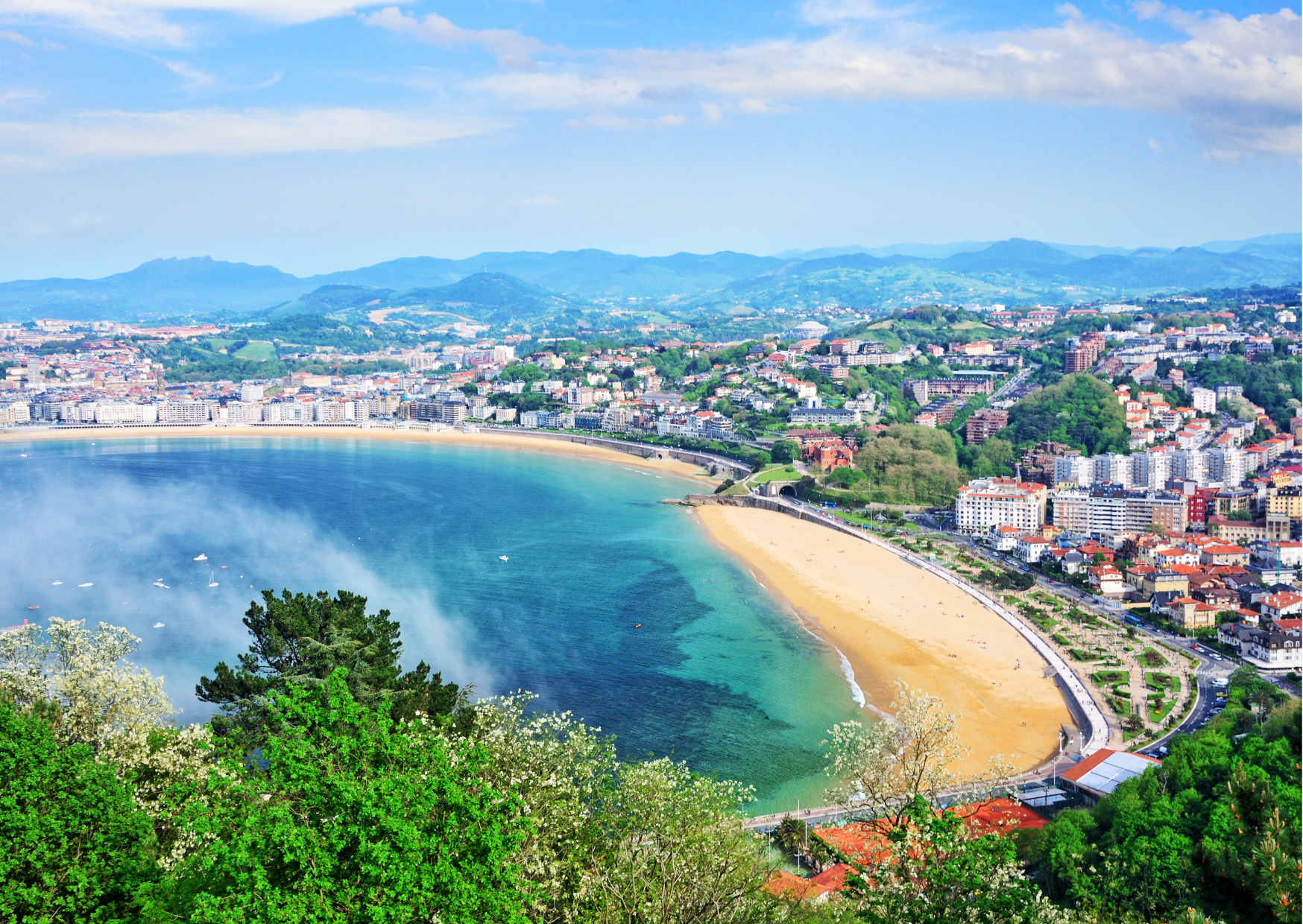
Spain is excellent at being enjoyed.
The café culture, the street life, the walkability, the casual social feel, the food. It’s all there.
But building a retirement life requires more than enjoyment. It requires structure:
- stable housing that works in winter and summer
- a document system you can run calmly
- a budget that survives exchange rate and travel reality
- a social routine that isn’t dependent on constant new arrivals
- a plan for healthcare access and aging, not just “we’ll figure it out”
When retirees “don’t last,” a lot of the time what they mean is: they loved Spain as a place to be, but they couldn’t build a stable system around themselves there.
And that is not a moral failure. It’s a planning mismatch.
Spain rewards people who can do two things at once:
Enjoy the day, and run the admin.
If you can’t do both, the day eventually gets eaten by the admin, and then Spain feels like it “changed.” It didn’t. Your tolerance got used up.
What makes people stay past year three
If you want the survival recipe, it’s not secret. It’s just unglamorous.
They choose boring housing on purpose
The retirees who stay pick comfort and stability over charm.
They prioritize dry and warm in winter, reasonable noise levels, and a neighborhood that functions year-round. They stop chasing the “historic center fantasy” if it makes daily life harder.
They also avoid living in a tourism machine if they want community.
They accept that paperwork is a repeating season
They don’t treat renewals as personal insults. They build a calendar. They keep copies. They keep a clean digital folder. They budget time for it.
They make bureaucracy a known chore, like dental cleaning, not a crisis.
They build a social loop, not a social calendar
A social calendar is events. A social loop is repetition.
Same café, same market, same class, same walking route, same volunteer slot, same gym time.
Repetition is how you stop being a visitor.
They plan U.S. travel like a fixed cost
They create a yearly travel fund. They don’t pretend they’ll “rarely go back.” They accept family gravity and price it.
This alone prevents a lot of financial resentment.
They stop trying to win Spain
This is subtle, but important.
Some Americans turn the move into a performance: best neighborhood, best food, best trips, best constant novelty. It’s exhausting. It also becomes expensive.
The people who stay build a Tuesday life they actually like. They don’t need Spain to be impressive. They need it to be livable.
Pitfalls most people miss before they move

These are the mistakes that feed the “we lasted two years” pattern.
They only test Spain in good weather. If you’ve never lived through the cold damp months in an older building, you don’t know Spain yet.
They assume English will carry them. It can carry you in many places. It will also isolate you over time.
They underestimate how much their marriage relies on external support. Abroad, your spouse becomes your main infrastructure. That can be wonderful. It can also be heavy.
They plan a cheap life in an expensive micro-market. Spain is not one cost-of-living number. Some areas are now priced like global lifestyle hubs.
They don’t design a routine. Without routine, retirees drift into permanent vacation mode, and permanent vacation mode eventually becomes restless and expensive.
They ignore paperwork timing. Spain is not a place where “we’ll do it later” works well for administrative life.
Your first 7 days to see if you’re built to last in Spain
This is not a sightseeing week. It’s a stress test for the real life.
Day 1: Do the winter housing test
Even if you’re visiting in spring or summer, inspect housing like it’s January.
Ask about heating. Look for damp. Ask about insulation. Ask how bills look in winter. If the place feels cold and wet in your imagination, it will be worse in reality.
Day 2: Run the bureaucracy simulation
Do one bureaucratic task on purpose. Something real.
Try to book an appointment. Ask about registering for healthcare. Ask about residency renewals. Notice your stress response. Some people are fine. Others spiral.
Day 3: Live one normal Tuesday
No tourist highlights.
Grocery shop. Do laundry. Walk errands. Take public transit. Eat at normal places. Sit in a café without making it an event. Go home early.
If you only love Spain when it’s a highlight reel, you’re not testing retirement life.
Day 4: Speak Spanish for two hours
Even if you’re terrible, do it.
Order food. Ask a question at a pharmacy. Read labels slowly. Notice whether you feel energized or defeated. Your emotional response matters for long-term integration.
Day 5: Price your actual life in euros
Not the fantasy.
Rent. Utilities. Groceries. Healthcare. A buffer. Travel back to the U.S.
Then ask: does this still feel calm?
Day 6: Find one weekly anchor activity
Pick one thing you’d do weekly that puts you in contact with normal local life: a class, a walking group, volunteering, a gym routine, a market habit.
If you can’t imagine a weekly anchor, you’re planning a vacation, not a life.
Day 7: Decide your “three-year proof”
Write three conditions that would make you feel settled by year three.
Examples:
- “We have two real friendships that feel stable.”
- “We can handle healthcare and admin without dread.”
- “Our housing is comfortable year-round.”
If you can’t define what “working” looks like, you’ll only notice failure when you’re already tired.
Where this lands in real life
Spain really does seduce American retirees. It’s one of the easiest places to arrive and feel, for a moment, like you made a genius decision.
But lasting past three years requires more than romance.
It requires a system.
You need to be the kind of retiree who can enjoy the day and still run the admin, learn enough language to feel dignified, choose housing for comfort rather than fantasy, and price family travel honestly.
If you can do that, Spain can be a spectacular long-term home base.
If you can’t, Spain will still be a spectacular chapter. And leaving doesn’t mean you failed. It means you stopped pretending a chapter had to become an identity.
The honest takeaway Spain forces on you

Spain doesn’t break most retirees. Expectations do.
Spain is a country you can love immediately and still not be able to live in long-term, especially if you chose a tourist version of Spain, avoided the language, underbudgeted housing, and treated bureaucracy as an occasional inconvenience instead of a repeating season.
If you want to last, pick the boring version on purpose:
stable housing, repeatable routine, realistic budget, language effort, paperwork discipline, travel honesty.
Do that, and year three stops being the breaking point. It becomes the point where Spain finally starts to feel normal.
That’s when the seduction ends and the real life begins, which is exactly what you wanted in the first place.

About the Author: Ruben, co-founder of Gamintraveler.com since 2014, is a seasoned traveler from Spain who has explored over 100 countries since 2009. Known for his extensive travel adventures across South America, Europe, the US, Australia, New Zealand, Asia, and Africa, Ruben combines his passion for adventurous yet sustainable living with his love for cycling, highlighted by his remarkable 5-month bicycle journey from Spain to Norway. He currently resides in Spain, where he continues sharing his travel experiences with his partner, Rachel, and their son, Han.