
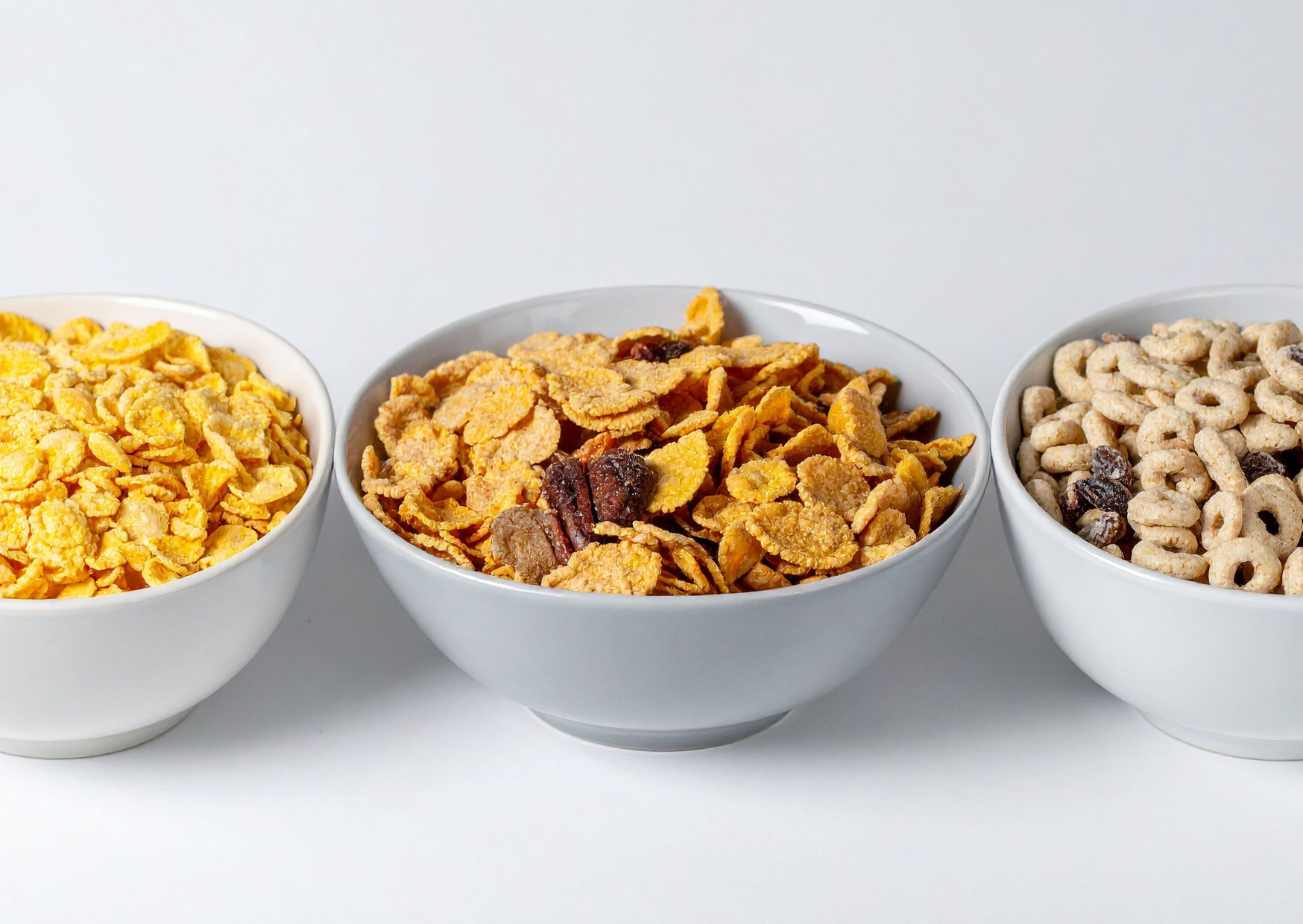
Americans say “Cheerios” like it’s one universal thing, the same way people say “Coca-Cola” like it’s one recipe.
In Europe, that assumption breaks almost immediately.
Not because Europeans have a better moral compass. Because “Cheerios” in Europe is not necessarily the same product you grew up with in the U.S., even when the box looks familiar and the O-shape is doing the same friendly marketing routine.
When I did the side-by-side comparison, the takeaway was blunt: you’re not comparing two versions of the same cereal. You’re often comparing two different cereals that share a name and a shape.
That’s why it’s “not even close.”
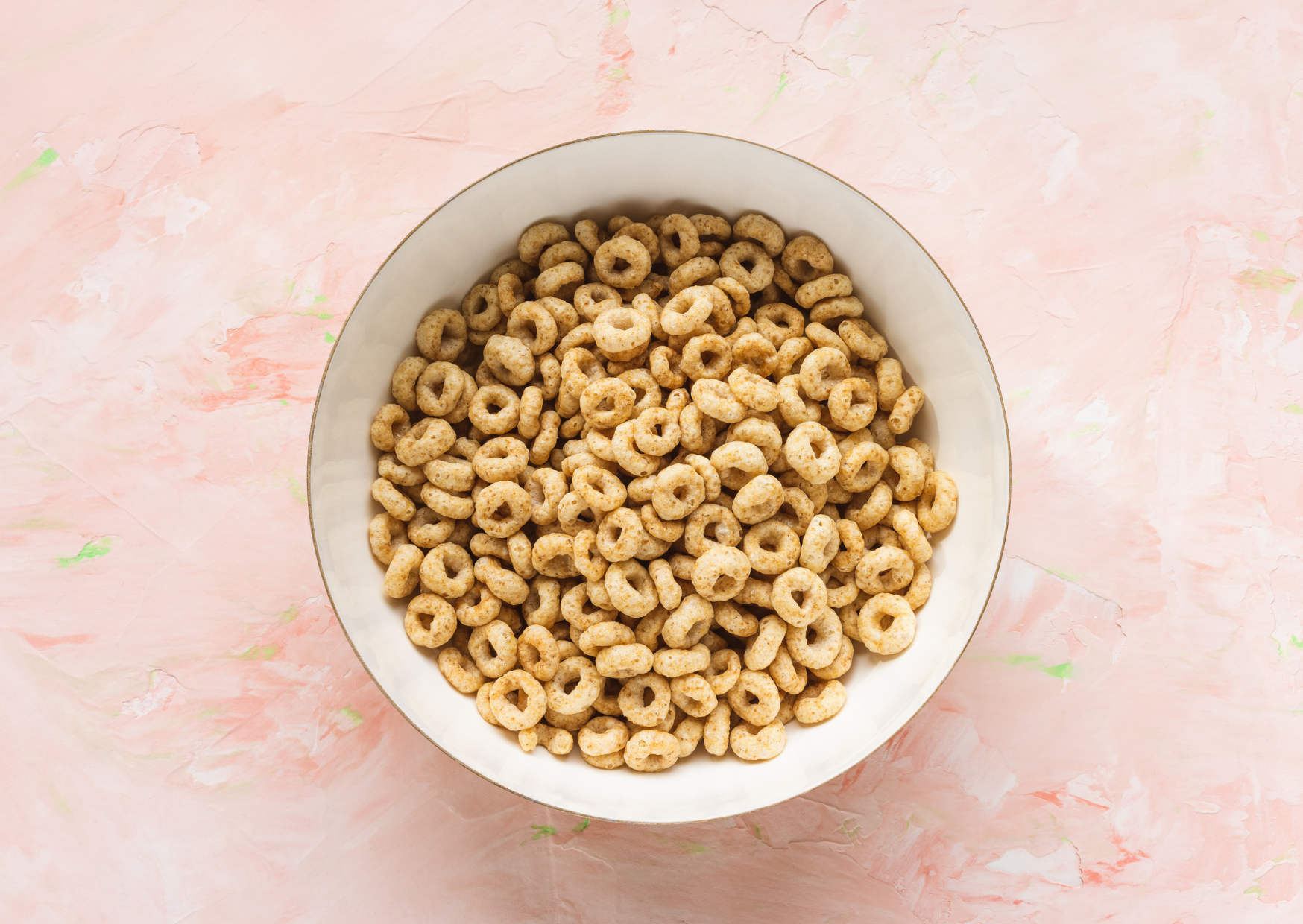
The core mismatch: in the U.S., “Original Cheerios” is basically oats plus a few helpers
Let’s start with the American baseline, because it sets expectations.
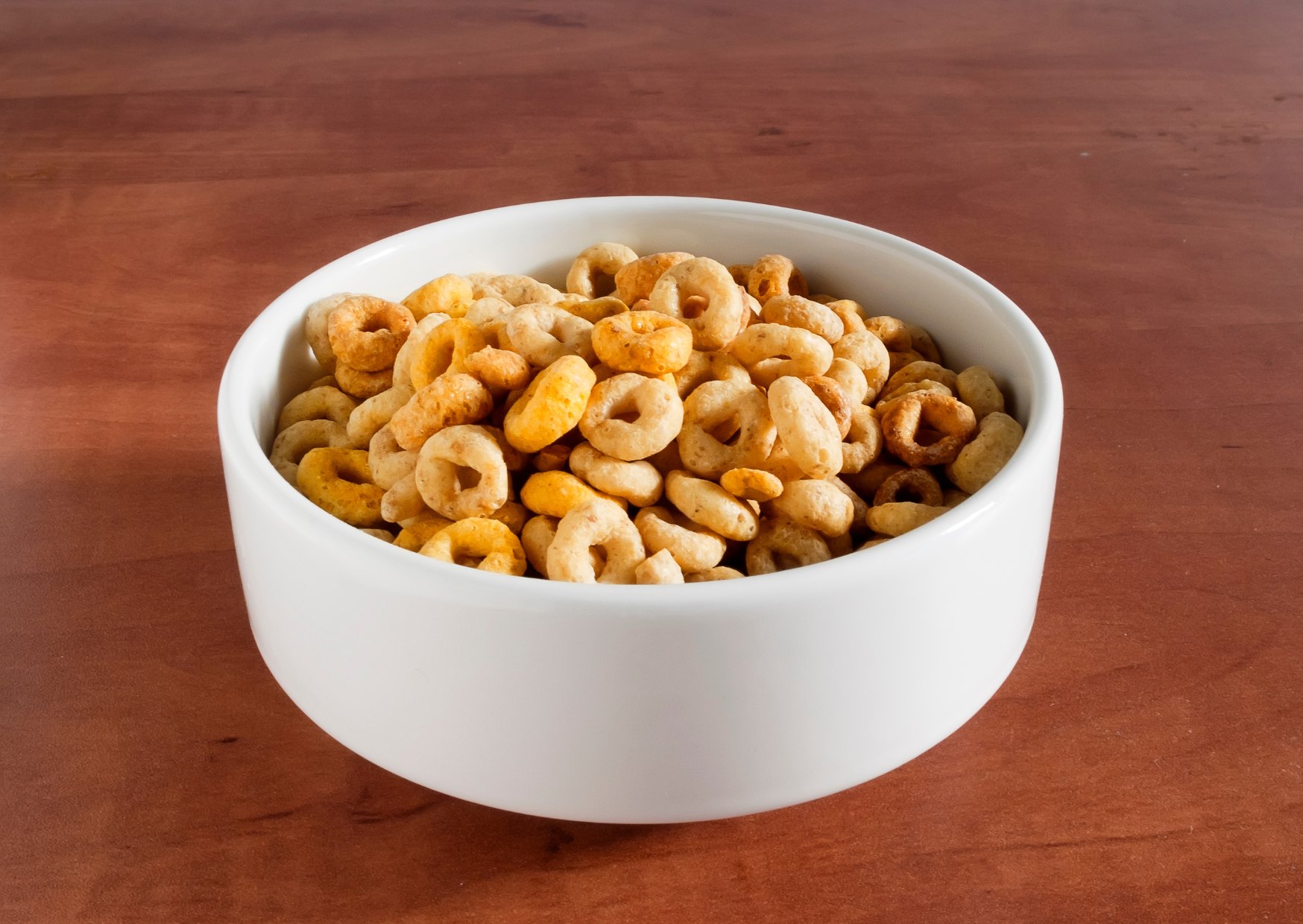
U.S. “Original Cheerios” is a very short ingredient list by modern packaged-food standards. The current ingredients listed by the brand are:
Whole grain oats, corn starch, sugar, salt, tripotassium phosphate, and vitamin E (mixed tocopherols) to preserve freshness, plus added vitamins and minerals.
That’s it. Oats-first, a little starch for texture, a little sugar and salt for taste, a stabilizer, and fortification.
The U.S. version also carries a strong identity as gluten free in mainstream positioning, because it’s oat-based and designed around that promise.
So if you’re an American, your mental model of Cheerios is usually:
- mostly oats
- simple list
- mildly sweet
- “fine” as a daily default, especially compared to louder cereals
That mental model is exactly why the European comparison feels like whiplash.
In the UK and much of Europe, the mainstream “Cheerios” product is a multigrain cereal with a longer, more engineered list
In the UK, the flagship Cheerios product is commonly marketed as “Cheerios Multigrain.” It’s positioned as whole grain, high in fibre, and fortified.
But the ingredient reality is different from the U.S. original.
A published product information sheet for Nestlé Cheerios Multigrain lists ingredients like:
Whole grain oat flour, whole grain wheat, whole grain barley flour, sugar, wheat starch, invert sugar syrup, whole grain maize flour, whole grain rice flour, molasses, calcium carbonate, sunflower oil, salt, colours (carotene, annatto norbixin, caramelised sugar syrup), antioxidant (tocopherols), iron, and added vitamins.
That’s a totally different construction.
Not “oats plus a few helpers.” It’s a blend of grains, multiple sweeteners, an added oil, and added colours.
It also means something that matters in real life: it’s not oat-only, so it’s not the same gluten-free-by-default identity. With wheat and barley in the mix, you’re looking at a cereal that’s categorically different for anyone managing gluten.
So yes, the O-shape is there. The name is there. But the product philosophy isn’t.
This is the first reason the comparison is not close.
The boring reason this happens: outside the U.S. and Canada, Cheerios is typically produced and marketed through a different corporate setup
A lot of people think “Europe changed the recipe” like it’s a government thing.
It’s usually a business thing.
Outside the U.S. and Canada, many of the mainstream Cheerios products are marketed under Nestlé’s cereal ecosystem via Cereal Partners Worldwide (CPW), a longstanding partnership between Nestlé and General Mills. In plain English, it’s a different operating model, with different factories, different sourcing, different product strategy, and different portfolio decisions.
That matters because “Cheerios” in Europe is not obligated to mirror “Original Cheerios” in the U.S. It’s obligated to sell well in that market, in that portfolio, under that brand strategy.
In the UK, for example, the product is explicitly positioned as multigrain. That’s not a minor variation. It’s the whole identity.
So when Americans do a Europe vs U.S. Cheerios comparison, they’re often accidentally doing this:
- U.S. product: “Original Cheerios”
- European product: “Multigrain Cheerios”
Those are not twins. They’re cousins.
The ingredient differences that actually matter day to day
This is where the “not even close” feeling becomes practical instead of dramatic.
1) Grain base: whole oats vs blended whole grains
U.S. Original Cheerios starts with whole grain oats and stays oat-dominant.
UK Multigrain Cheerios starts with oat flour plus wheat and barley as major components, then adds other grains like maize and rice flour.
That affects:
- texture and crunch
- fibre profile
- allergen and gluten reality
- taste, even before sugar is considered
2) Sweetener pattern: “sugar” vs sugar plus syrups plus molasses
U.S. Original Cheerios uses sugar in a short list.
UK Multigrain Cheerios uses sugar, invert sugar syrup, and molasses.
That usually signals a different sweetness goal and a different texture goal. Syrups and molasses do work in cereals beyond sweetness. They can affect binding, color, and the way the cereal toasts.
But if you’re a consumer trying to keep life simple, the practical takeaway is: more sweetener types usually means more engineering, not automatically “worse,” but definitely different.
3) Added fat: none prominent vs sunflower oil included
U.S. Original Cheerios does not foreground an added oil in the main simple list.
UK Multigrain Cheerios includes sunflower oil.
Again, not evil. But it’s another sign this is a different cereal with a different processing approach.
4) Colours: minimal vibes vs explicit added colours
U.S. Original Cheerios is not built on a color system beyond whatever its processing creates.
UK Multigrain Cheerios includes colours like carotene, annatto norbixin, and caramelised sugar syrup.
This is the kind of thing that makes Americans say, “Europe is supposed to be cleaner.” But notice what’s actually happening: Europe is not automatically “no additives.” Europe is often different additives, and the product strategy can lean into a certain look and crunch.
So the difference isn’t “Europe is pure.” It’s “Europe’s Cheerios product is a different engineered formula.”
The part Americans misread: “European Cheerios” is not a clean-eating flex, it’s a different market expectation
Americans go into this comparison expecting Europe to be the stricter parent.
Sometimes that’s true in certain categories. In this specific case, what you’re seeing is more about consumer taste and product positioning.
The UK cereal aisle has long normalized multigrain blends, syrup-based binding in some cereals, and a more explicit “fortified family cereal” identity. So the European Cheerios product leans into that.
Meanwhile, U.S. Original Cheerios has survived for decades partly because it plays the role of “simple, boring, acceptable.” It’s the cereal people buy when they’re trying to calm their pantry down.
So if you’re an American who eats Cheerios for the low-drama factor, the European version can feel like it breaks the deal.
Not because it’s automatically unhealthy. Because it’s not the same contract.
Pitfalls most people miss when they try to do this comparison honestly
This is where the internet ruins a useful observation.
Pitfall 1: Comparing the wrong product names.
You have to compare like with like. “Original” in the U.S. is not “Multigrain” in the UK. If you compare them anyway, you’ll get a dramatic headline but not a clean conclusion.
Pitfall 2: Assuming Europe sells only one Cheerios.
Europe also has imported U.S. Cheerios in specialty shops and import grocery sites, often with the same short ingredient list as the U.S. That’s not “Europe’s version.” That’s America’s version, shipped.
Pitfall 3: Treating a longer ingredient list as instant proof of danger.
A longer list often means a more engineered product, but it doesn’t automatically mean it’s toxic. It usually means the cereal is being designed for a different texture, shelf stability, and taste.
Pitfall 4: Ignoring the real lever, which is your weekly pattern.
If Cheerios is a daily staple, the bigger question is what else is happening: sweet drinks, snacks, late-night grazing, protein at breakfast, walking. Cereal is one part of the week, not a religion.
Pitfall 5: Forgetting that “European eating” is more about routine than ingredients.
Even if a European Cheerios product is more complex, many Europeans still eat breakfast differently overall. Smaller portions, less snacking, more walking. That structure often matters more than whether your cereal contains annatto.
What this means if you’re moving to Europe and trying to keep breakfast boring and reliable
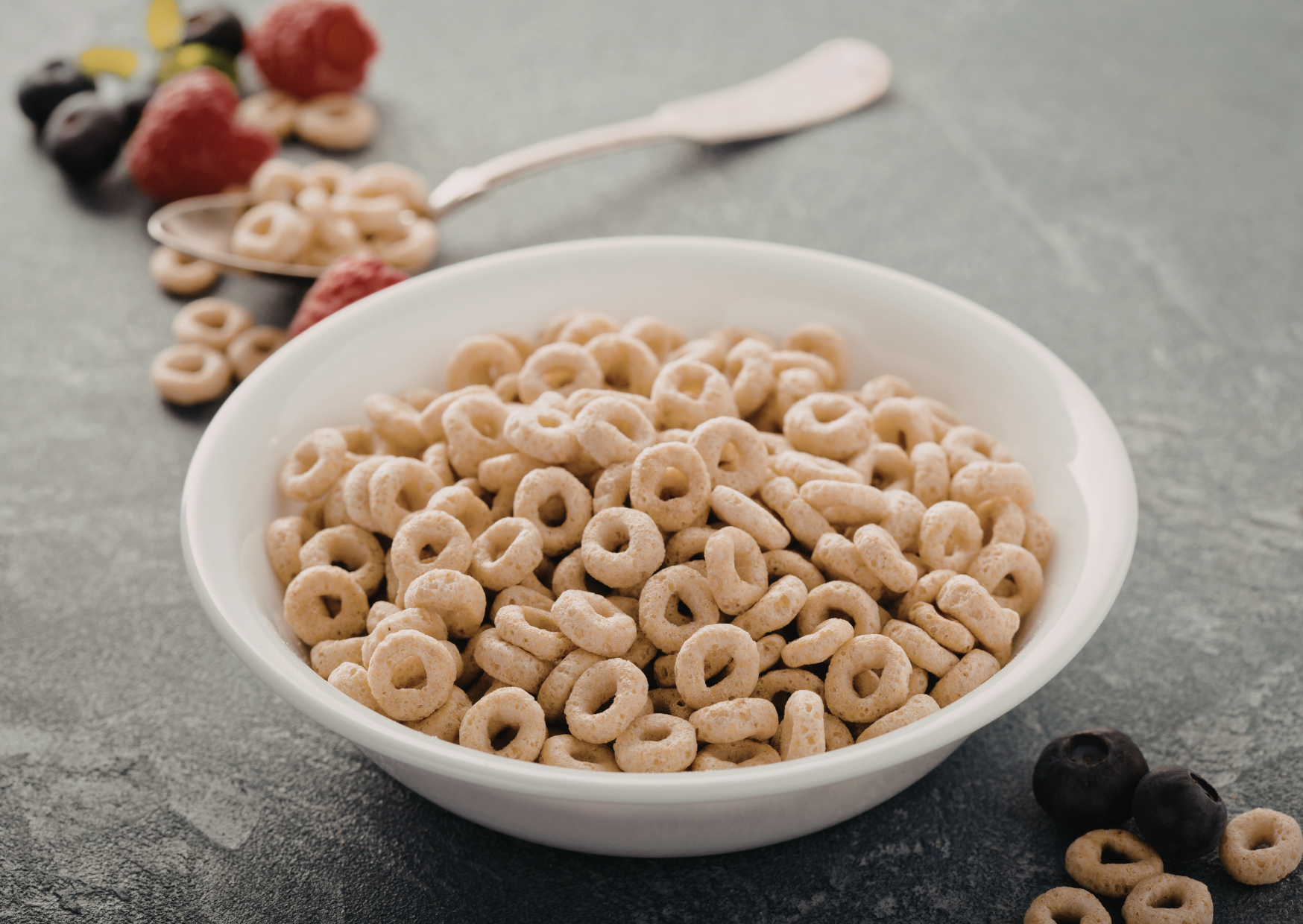
If you’re relocating, you’re going to want at least one “default breakfast” that doesn’t require thought. In midlife, boring breakfasts are a gift.
Here’s the practical rule: pick your breakfast based on what you actually want the cereal to do.
If you want “U.S. Original Cheerios energy”
You’re looking for:
- a short ingredient list
- oats-forward base
- low sweetness
- a cereal that doesn’t turn breakfast into dessert
In Europe, you may not find that exact experience under the local Cheerios brand. You might find it under:
- plain oat cereals
- unsweetened muesli
- basic wholegrain wheat biscuits
- simple store-brand oat rings that are closer to the U.S. idea
If you’re fine with “family multigrain cereal energy”
Then UK-style Cheerios can be perfectly fine, especially if your overall week is stable. The bigger question becomes portion, what you pair it with, and whether breakfast leaves you hungry an hour later.
A useful middle-ground tactic is to treat cereal as a base, not a meal:
- add plain yogurt for protein
- add nuts for satiety
- add fruit, but don’t turn it into a sugar festival
The goal is not to win an ingredient contest. The goal is a breakfast that keeps you steady until lunch without creating snack panic.
The 7-day breakfast reset that makes the move feel easier
This is the first-week plan that stops cereal comparisons from becoming a hobby.
Day 1: Decide what breakfast is for you
Pick one goal:
- steady energy
- low effort
- digestive comfort
- protein-forward
- weight stability
Don’t pick five. Pick one.
Day 2: Build a “two-minute” breakfast
Your breakfast should be easy enough that you don’t skip it and then snack.
Options:
- plain yogurt + oats or muesli + fruit
- eggs + toast
- oats + nuts + berries
- simple cereal + yogurt on the side
Day 3: Make cereal a side, not the entire meal
If you rely on cereal, pair it with protein. This is the easiest way to reduce mid-morning hunger spikes.
Day 4: Remove liquid sugar at breakfast
No sweet coffee drinks as a daily default. Coffee is fine. Sugar delivery disguised as coffee is how breakfast quietly turns into a rollercoaster.
Day 5: Choose your “boring week cereal” and stick to it
This is where people get lost. Pick one cereal that works and stop shopping like you’re in a taste-testing competition.
Day 6: Add a 10-minute walk after breakfast twice this week
You don’t have to become a fitness person. A short walk after eating often improves energy and appetite regulation. If you’re in Europe, this is easy to fold into daily life.
Day 7: Write your breakfast rule in one sentence
Examples:
- “Breakfast is protein plus something boring.”
- “Cereal is allowed, but it’s not the whole meal.”
- “We eat breakfast at home five days a week.”
This is how you stop spinning.
The honest takeaway: the cereal isn’t the scandal, the label assumption is
If you only remember one thing, make it this:
“Cheerios” is not a universal product across the Atlantic.
U.S. Original Cheerios is a short-list oat cereal designed to be mild and reliable. UK and European Cheerios products are often positioned as multigrain family cereals with a more complex ingredient build, including multiple grains, multiple sweeteners, and added colours.
That’s why the comparison isn’t close. It’s not the same product philosophy.
If you’re using this as a broader Europe vs America signal, it’s a useful one: global brands adapt aggressively, and the name on the front of the box does not guarantee the same food inside.
That’s not a conspiracy. It’s just how packaged food works.
The part that matters in real life
Most Americans who thrive in Europe stop obsessing over one label and start building a weekly pattern that feels calmer.
- a boring breakfast
- fewer sweet drinks
- fewer ultra-processed snacks
- more walking attached to errands
- meals eaten like meals
Do that, and your cereal matters less, whether it’s U.S. Cheerios, UK Cheerios, or a local supermarket brand you’ve never heard of.
Because the biggest health difference most people feel in Europe is not one ingredient.
It’s a quieter week.

About the Author: Ruben, co-founder of Gamintraveler.com since 2014, is a seasoned traveler from Spain who has explored over 100 countries since 2009. Known for his extensive travel adventures across South America, Europe, the US, Australia, New Zealand, Asia, and Africa, Ruben combines his passion for adventurous yet sustainable living with his love for cycling, highlighted by his remarkable 5-month bicycle journey from Spain to Norway. He currently resides in Spain, where he continues sharing his travel experiences with his partner, Rachel, and their son, Han.