
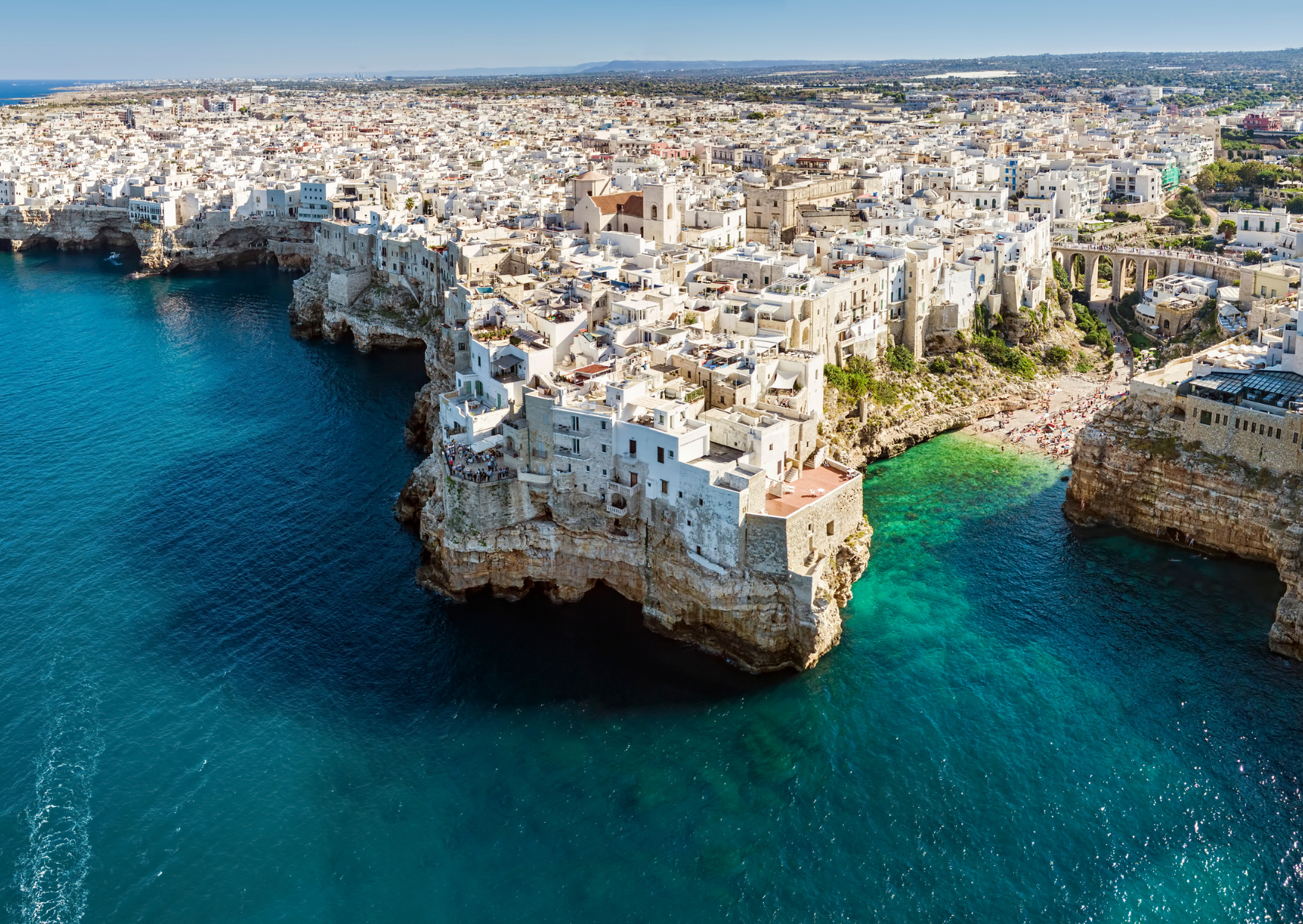
Here’s a number Americans love because it sounds clean: €35,000 a year.
It feels like a line in the sand. Not rich. Not broke. Just… doable. Especially if you’re coming from a U.S. cost structure where “doable” often starts with a 6.
In Southern Italy, €35,000 can absolutely buy a good life. Not influencer-good. Real-good. The kind where you have a normal apartment, eat well, go to the sea when it’s hot, and still have room for a few mistakes.
But it’s not a magic number. It buys different lives depending on one choice that matters more than anything else:
Are you renting in a real local market, or are you renting inside the tourism machine?
That one decision determines whether €35,000 feels spacious or tight.
A quick money win before we get serious: if you do Southern Italy the local way, a couple can often drop their monthly “life costs” by €800–€1,500 compared to many U.S. metro areas, mostly from housing, car costs, and healthcare premiums. The trade is time and friction. You’re not buying convenience. You’re buying breathing room.
First, define what €35,000 means in actual monthly life
€35,000 a year is about €2,916 per month.
If you’re planning for real life, you should not treat that as your spending ceiling. You need:
- A buffer for seasonal spikes (summer electric, winter heating if you’re inland)
- A buffer for travel back to the U.S.
- A buffer for health and paperwork surprises
So the honest working number is usually more like:
- €2,200–€2,600 per month for day-to-day living
- The remaining €300–€700 per month as “life happens” money
That’s the core frame.
Now we’ll make it concrete with three versions of Southern Italy life.
The three lives €35,000 buys in Southern Italy
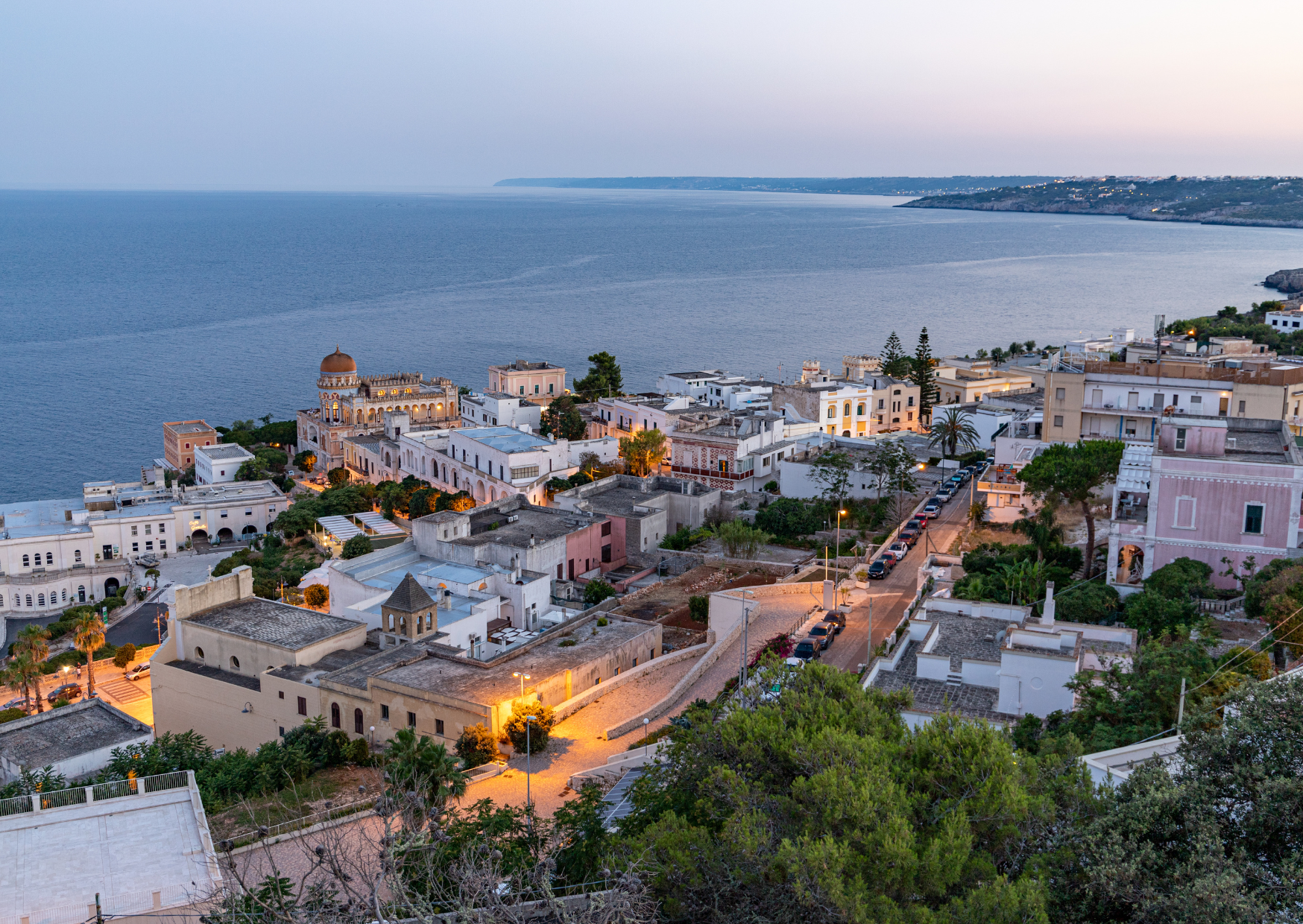
Southern Italy is not one place. Puglia does not feel like Sicily. A coastal town does not price like a working inland city. And a long-term lease is not the same universe as a “digital nomad month-to-month.”
So here are three realistic lives you can buy on €35,000, assuming two adults.
Life A: The local city base
Think Bari, Lecce, Palermo, Catania, parts of Naples’ orbit, or smaller provincial capitals.
You rent a normal long-term apartment. You shop at markets. You take trains and buses. You eat out, but you don’t live like you’re on vacation.
A typical monthly stack can look like:
- Rent (long-term, unfurnished or lightly furnished): €600–€900
- Utilities (electric, gas, water, trash) plus internet: €180–€280
- Groceries and household basics: €450–€650
- Transportation (transit passes, occasional taxi, regional trains): €80–€160
- Healthcare (private insurance or private visits depending on your setup): €120–€350
- Eating out, cafés, social life: €250–€450
- Phone plans, subscriptions, misc: €60–€120
That lands around €1,740–€2,910 depending on rent and how much you go out.
Notice what makes it work: long-term rent and local purchasing habits. This is the version where €35,000 can feel solid.
Life B: The coastal lifestyle, but not the Instagram coast
Think smaller towns in Salento, parts of Calabria near the sea, quieter Sicilian stretches, or “one train stop away” from the famous places.
You’re close to water, but you’re not renting in the hottest tourist zone. You accept that winter is sleepy and summer is loud.
A typical monthly stack can look like:
- Rent (long-term, coastal-ish): €700–€1,100
- Utilities and internet: €200–€320 (summer AC can be real)
- Groceries: €450–€650
- Transportation (you may need a small car here): €180–€450 depending on ownership vs rentals and how much you drive
- Healthcare: €120–€350
- Eating out and social: €250–€500
- Home maintenance and “small life costs”: €80–€200
That lands around €1,980–€3,570.
This can still work on €35,000, but only if you avoid the “coastal premium trap” and keep car costs sane. The minute you insist on a tourist-saturated beach town with short-term rentals, your rent alone can eat the budget.
Life C: The tourist-facing version that quietly breaks the math
This is the version Americans accidentally choose.
You rent something “charming” that is basically priced for weekly visitors. You land in a hot zone. You pay summer rates all year. You shop at the prettiest store. You eat out constantly because your kitchen is tiny and the apartment is not set up for real cooking.
A typical monthly stack can look like:
- Rent (tourist zone, flexible lease): €1,200–€2,000+
- Utilities and internet: €220–€350
- Groceries: €500–€750
- Transportation: €120–€300
- Healthcare: €120–€350
- Eating out: €450–€800
- Misc: €120–€250
That lands around €2,730–€4,800.
On €35,000, this version forces trade-offs fast. You either burn your buffer, skip travel, or start cutting the very things you moved for.
So when people say “Southern Italy is cheap,” ask them which life they’re describing. Because it’s not the same math.
The housing reality: you’re not buying Italy, you’re buying a contract
This is the part most Americans underestimate: in Italy, housing isn’t just a price. It’s a system.
To make €35,000 work comfortably, you want a real long-term lease, not a short-term arrangement that treats you like a tourist.
That means:
- You may need patience, because good long-term places move fast
- You may need Italian language help for listings and contracts
- You may need to accept “unfurnished” or lightly furnished, which often means you’re buying basics
- You need to understand fees, deposits, and the reality that some landlords prefer locals
The upside is huge. Long-term rent is the lever.
A few blunt truths that save money:
- Avoid the “historic center fantasy” unless you’ve priced winter comfort and noise.
- Prioritize insulation and windows over cute tile. Damp and heat make people miserable, then they spend to cope.
- Ask about heating and AC like your life depends on it, because it might.
- Budget a setup fund for furniture, kitchen gear, and the inevitable “why doesn’t this apartment have normal light fixtures” moments.
If your rent is under control, €35,000 buys you air. If rent is not under control, you will feel like you’re always negotiating your own happiness.
The food difference: the local diet is cheaper, the imported diet is not
Southern Italy can be a food paradise, but the budget depends on whether you eat like you live there or eat like you’re recreating an American pantry in euros.
Local staples that keep costs sane:
- Seasonal produce
- Pasta, legumes, rice
- Local cheeses in moderation
- Fish when it’s priced like normal fish, not “tourist fish”
- Meat as a smaller portion, not the center of every meal
- Coffee as a daily ritual that costs less than a U.S. drip obsession
This is where the lifestyle shift is real. If you shop markets and cook simply, €450–€650 a month for two adults can be realistic. If you chase imported brands, specialty snacks, and constant convenience foods, you can push it much higher without even realizing how.
A practical “Italy grocery” rule that keeps people from bleeding money: pick one imported comfort category and stop there. Maybe it’s peanut butter. Maybe it’s a specific cereal. Maybe it’s a certain protein powder. If you try to import your whole U.S. diet, the budget punishes you.
Also, eating out in Southern Italy is where people either feel rich or feel trapped. You can do it cheaply if you go where locals go and accept local pacing. You can also spend like a major city if you live inside tourist restaurants.
Which brings us to the part nobody wants to hear.
Local vs tourist Italy is a pricing system, not a vibe
Southern Italy has two parallel economies running on the same streets.
Local economy:
- Neighborhood bar with coffee and a cornetto
- Simple trattoria with a fixed menu rhythm
- Markets that reward early mornings
- Seasonal pricing that locals understand without talking about it
Tourist economy:
- Menus engineered for fast turnover
- “Scenic” seating that adds invisible markup
- Convenience shopping in beautiful packaging
- Short-term rentals that reset the neighborhood baseline
The pricing difference is not subtle. You can feel it in a week.
If you want €35,000 to work, you need to consciously choose the local system most days. Not because tourists are bad. Because tourist pricing assumes you are temporarily reckless.
Two small behaviors that signal “local” and save money:
- Eat your big meal at lunch when many places do better value.
- Shop where grandmothers shop, not where guidebooks shop.
And yes, this requires patience and language. That’s part of what you’re paying for with the lower cost structure. The money comes back, but you spend it in time.
Seasonality and booking windows: the budget is not flat
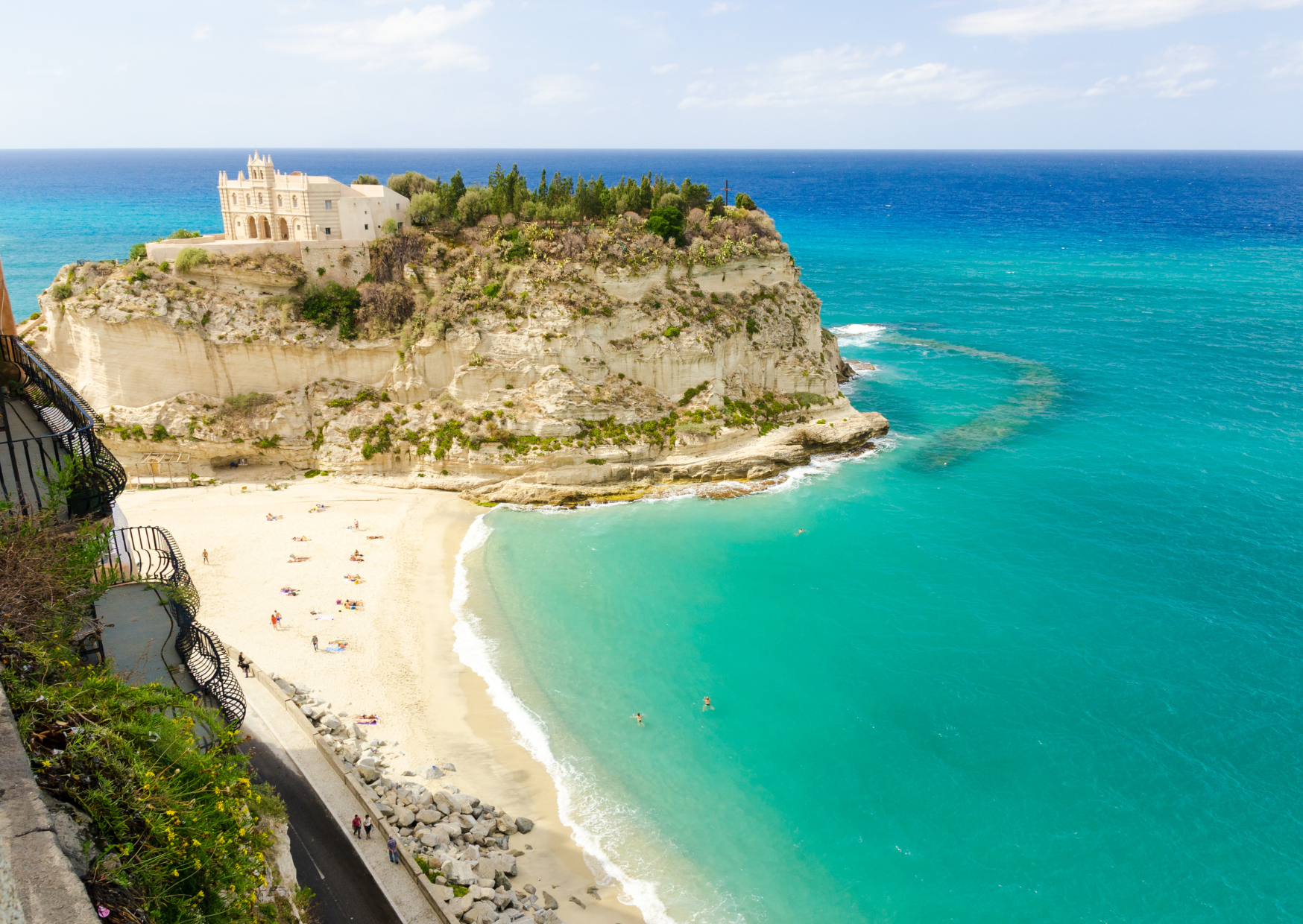
Southern Italy is brutally seasonal, even in places where the weather stays mild.
Summer:
- Electricity spikes if you use AC like an American
- Coastal rent can surge, even for medium-term stays
- Tourist pricing expands everywhere
- Transport gets crowded and less predictable
Winter:
- Some towns feel empty
- Some rentals are easier to negotiate long-term
- Heating costs can surprise you, especially in older buildings
- Humidity and damp can become a quality-of-life issue
If you want €35,000 to feel comfortable, you plan seasonality like this:
- Lock in housing outside peak season if possible
- If you are testing a town, do it in late winter or early spring, not July
- Treat summer as a period of higher variable spending and plan for it
If you are coming over for scouting trips, the best booking window is usually simple: book shoulder season early, and avoid last-minute summer anything unless you like paying for other people’s vacations.
Healthcare and aging: affordable doesn’t mean effortless
For Americans 45–65, healthcare planning is part of the Southern Italy decision whether you want to admit it or not.
Italy’s public system can be excellent, but your access and ease depend on residency status, local capacity, language, and how comfortable you are navigating.
Many expats choose private coverage or private visits for speed and predictability, and in Italy that can be far more affordable than U.S. norms, especially for routine care. But it’s still a real budget line, and it tends to increase with age.
If you’re building a €35,000 plan, treat healthcare like a stack:
- Your access route
- Your private options
- Your out-of-pocket buffer
- Your “what if we need to go back to the U.S.” plan
That last part matters because Medicare decisions and U.S. coverage rules can create expensive regret if you ignore them. You don’t need panic. You do need a plan.
The Italy residency math: €35,000 is a budget and a signal
If you’re aiming for Italy’s elective residence path, income thresholds and consulate interpretation matter, and they are not always consistent from one consulate to another.
What matters for this article is the practical implication: €35,000 is in the neighborhood of the income levels often discussed for a single applicant, but for couples the expectation is typically higher.
So the €35,000 life we’re describing here is best understood as:
- A spending plan that can work in Southern Italy, especially for a couple with housing under control
- Not necessarily a guaranteed fit for every visa scenario without additional income, savings, or a different route
The way to use this information sanely is not “great, we qualify.” It’s: “If our income supports a €35,000 annual life, Southern Italy is one of the places where that life can feel good.”
The 7-day Southern Italy budget reality check
Don’t title your plan “move to Italy.” Title it “test the Tuesday.” This is the first-week sprint that tells you if €35,000 is your number or your fantasy.
Day 1: Pick one base city and one nearby town
Choose a city that functions year-round and a smaller town that tempts you. Examples: Bari plus a nearby coastal town. Palermo plus a smaller Sicilian town. Lecce plus a Salento town.
Your goal is to see the difference between daily infrastructure and postcard life.
Day 2: Run the housing test with real contracts
Look only at listings that resemble long-term rentals, not weekly tourist stays. Ask what’s included, ask about heating and AC, ask about contract terms.
If you can’t find long-term housing in your budget range, €35,000 will not feel comfortable there.
Day 3: Shop like you live there
Do one full grocery run at a market and a regular supermarket, then price your normal week.
Notice how your habits change when you accept local staples. This is where €35,000 becomes possible or not.
Day 4: Simulate your transportation week
Walk the routes you would actually walk. Try buses and trains. If you think you need a car, price it honestly.
Car ownership can quietly eat a budget if you treat it casually.
Day 5: Do the healthcare navigation drill
Find out how locals register with a doctor, where the nearest pharmacy is, how private visits work, and how comfortable you feel doing it.
Comfort matters. If you feel helpless, you’ll end up paying more for convenience.
Day 6: Eat out three times, but only once in a tourist zone
Pick one “scenic” tourist place and two local places.
That contrast teaches you the pricing system faster than a thousand online debates.
Day 7: Build your €35,000 plan with two buffers
Write your monthly plan in euros:
- Your day-to-day number
- Your “seasonal spike” number
Then set two buffers:
- A travel buffer for U.S. trips
- A paperwork and surprises buffer
If you can’t keep buffers, you don’t have a plan. You have a wish.
Where this lands in real life
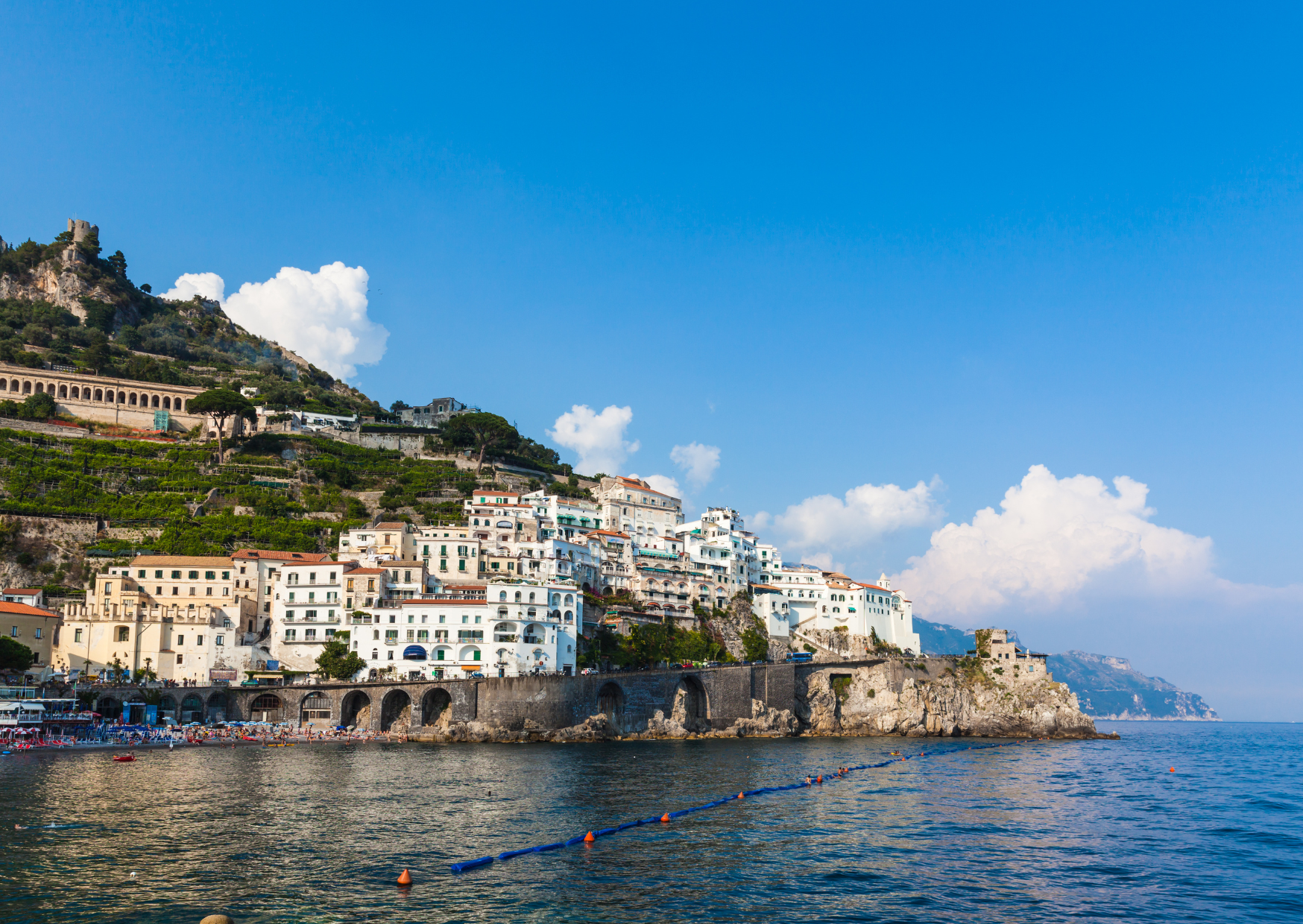
€35,000 buys a good Southern Italy life when you stop trying to live Southern Italy like a permanent vacation.
It buys:
- A normal long-term home in a real neighborhood
- Good food if you lean into local shopping
- A slower, more human rhythm that’s hard to price but easy to feel
- A lifestyle where you can spend on what matters because you’re not bleeding money on the wrong defaults
It does not buy:
- A tourist-coast rental lifestyle with flexible leases and constant dining out
- Total convenience
- A life with no bureaucracy
- A “set it and forget it” retirement strategy without planning healthcare and currency realities
If you want Southern Italy to work on €35,000, your job is simple and unglamorous: choose the local system most days. Let the tourist system be an occasional treat, not your baseline.
That’s the trade. And when you accept it, Southern Italy can feel less like a dream and more like a durable life.
The number that matters more than €35,000
The real question is not what €35,000 buys.
The real question is: what kind of person are you when life is slower, less efficient, and more dependent on relationships and routine?
If you need speed, predictable service, and instant resolution, you will feel deprived even if the numbers work.
If you can handle waiting, learning, and doing things the local way, €35,000 can buy something Americans rarely get in midlife: days that don’t feel like a chase.
That is the part of Southern Italy that people can’t explain well. They just live it.

About the Author: Ruben, co-founder of Gamintraveler.com since 2014, is a seasoned traveler from Spain who has explored over 100 countries since 2009. Known for his extensive travel adventures across South America, Europe, the US, Australia, New Zealand, Asia, and Africa, Ruben combines his passion for adventurous yet sustainable living with his love for cycling, highlighted by his remarkable 5-month bicycle journey from Spain to Norway. He currently resides in Spain, where he continues sharing his travel experiences with his partner, Rachel, and their son, Han.