
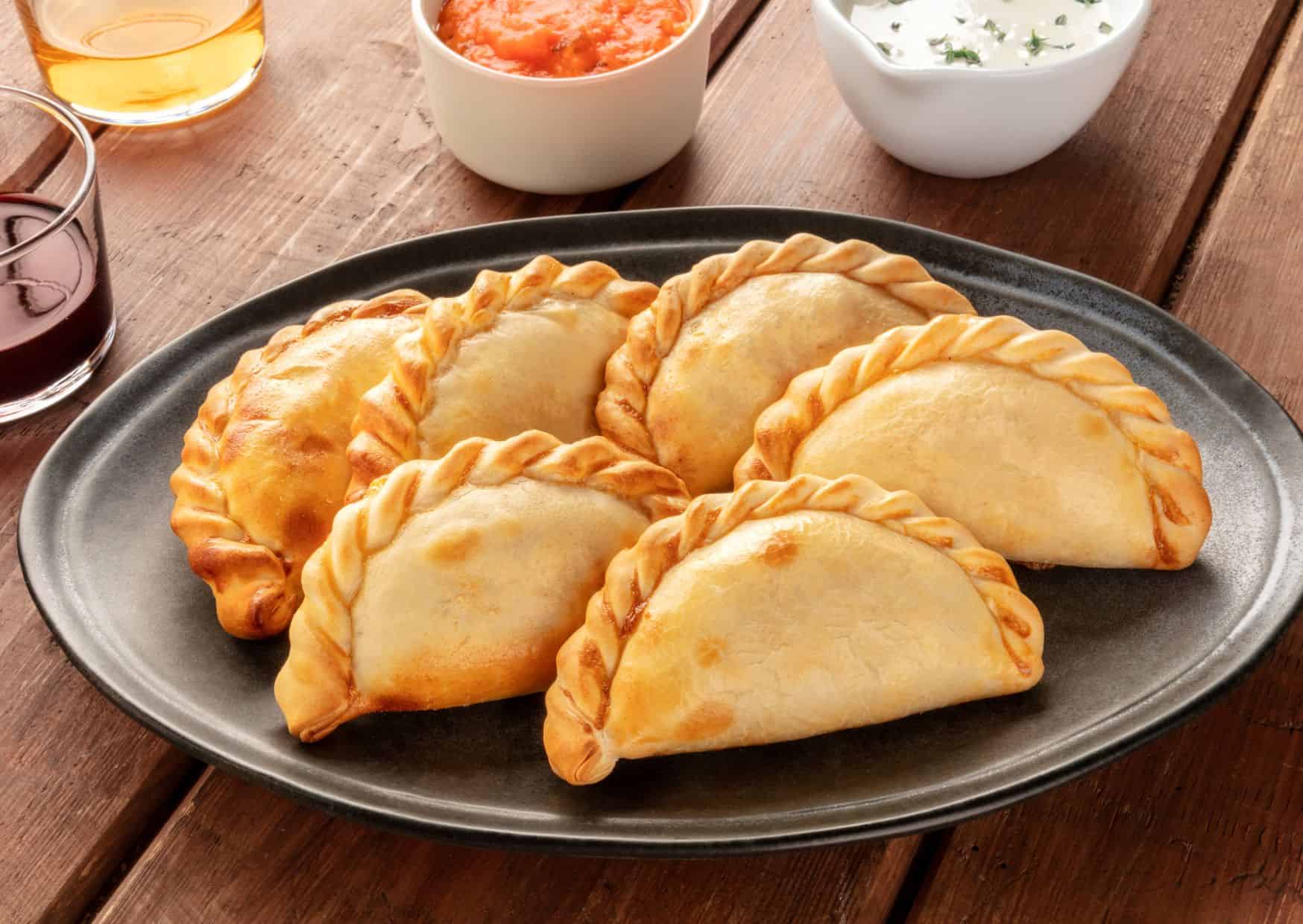
Few foods in Argentina stir as much passion as the humble empanada. These golden, hand-held pastries are more than just a snack they’re a national obsession. Whether filled with spiced beef, gooey cheese, or savory vegetables, Argentinian empanadas are a flavorful symbol of comfort, tradition, and regional pride.
Unlike the factory-made versions you might find frozen in a grocery store, real Argentinian empanadas are carefully folded by hand, often with a signature “repulgue” (crimped edge) that signals what’s inside. Each region has its own twist some sweet, some spicy, some oven-baked, others deep-fried but all are made to be shared and savored.
In this guide, you’ll learn how to make authentic empanadas from scratch, including classic fillings, dough-making tips, and techniques to get that perfect flaky crust. Whether you’re cooking for a party, prepping for the week, or just craving something cozy and flavorful, empanadas bring a bite of Argentina right to your kitchen.
BOOK YOUR TRAVEL INSURANCE
Two of our favorite travel insurance: Heymondo Vs Safetwing cheapest travel Insurance. You can get for $135 USD your Heymondo Travel Insurance with Heymondo discount code valid for 90 days. Read our full comparison of Genki vs Safetywing Travel Insurance Review and the comparison Heymondo vs Genki
Best Time to Eat & How to Partner This Dish
Empanadas are incredibly versatile and can be enjoyed any time of day breakfast with ham and cheese, lunch with a side salad, or dinner alongside roasted vegetables or chimichurri-drenched steak. But traditionally, they shine at family gatherings, picnics, and Sunday asados (barbecues).
For the full Argentinian experience, pair empanadas with a glass of Malbec or Torrontés wine, depending on your filling. Beef empanadas love red, while chicken or veggie versions go great with a crisp white. On the non-alcoholic side, a yerba mate served cold or hot adds a true cultural touch to your table.
Empanadas also partner well with salsas like chimichurri, salsa criolla, or a simple spicy tomato sauce for dipping. Don’t forget a side of marinated olives or pickled vegetables to balance the richness.
One of the most hotly debated topics in Argentina isn’t politics it’s which province makes the best empanadas. Ask someone from Salta, Tucumán, or Mendoza, and you’ll get wildly different answers. Some prefer raisins in the filling, others insist on boiled egg. For many Argentinians, these variations are deeply personal and even emotional.
Another misunderstood truth is that empanadas aren’t meant to be overloaded. Outside Argentina, people often stuff them with cheese, sauce, or even dessert-style fillings, turning them into mini calzones. In reality, Argentinian empanadas are about balance a juicy filling, well-seasoned but not dripping, with a dough that holds its shape but stays tender.
And finally, while empanadas are widely loved across Latin America, Argentinian empanadas are a specific culinary identity, not interchangeable with those from Chile, Colombia, or Spain. The difference lies in the dough, the folding technique, and the local pride that goes into every bite. Once you’ve made them the Argentine way, you’ll understand why they’re so fiercely protected.
How to Make Argentinian Empanadas
Argentinian Empanadas Recipe Ingredients
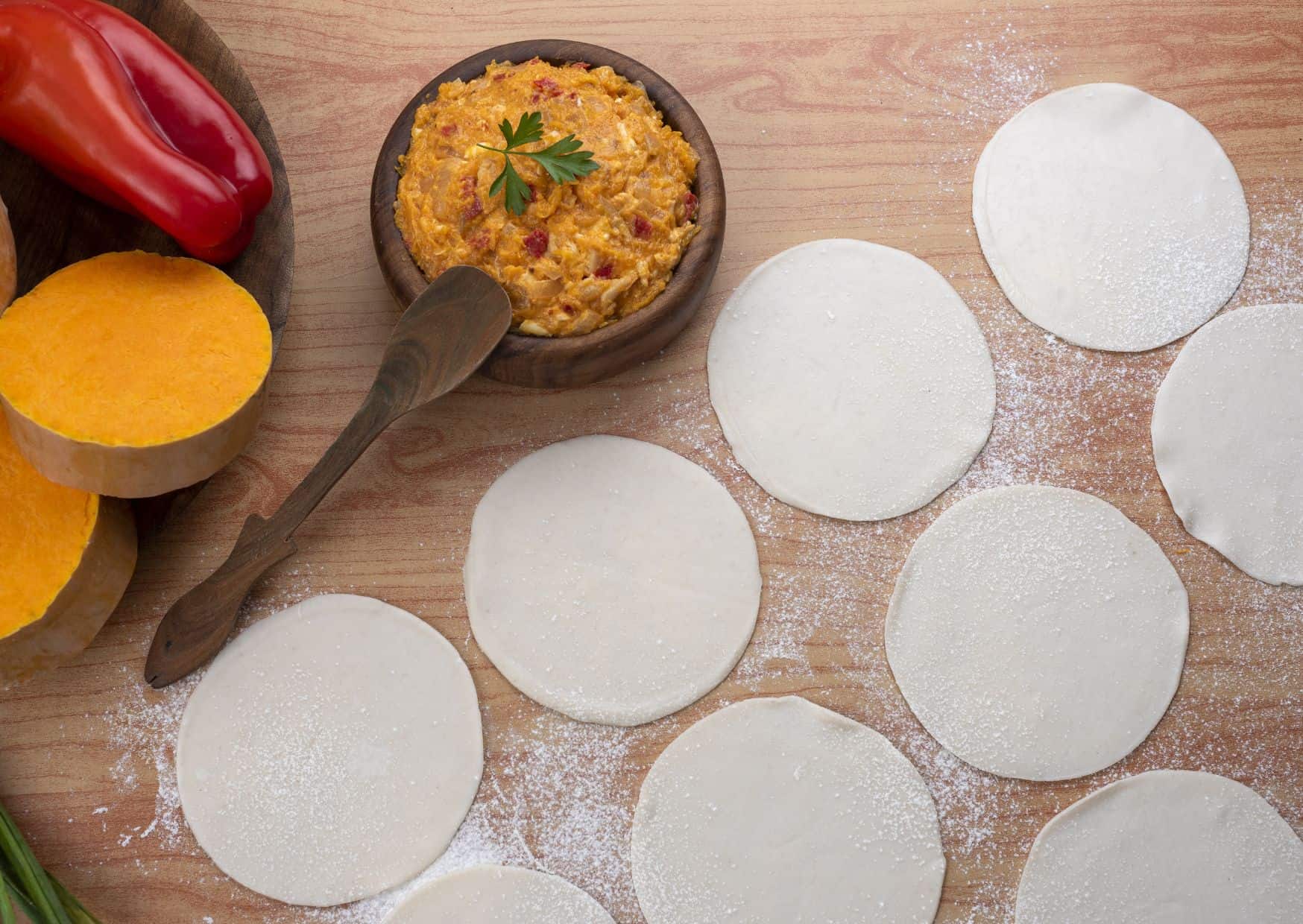
For the Dough:
3 cups all-purpose flour
1/2 cup unsalted butter (cold, cut into cubes)
1 teaspoon salt
1/2 cup cold water (plus more if needed)
For the Filling:
1 lb ground beef
2 tablespoons olive oil
1 large onion, finely chopped
2 cloves garlic, minced
1 red bell pepper, diced
1 teaspoon paprika
1 teaspoon cumin
1/2 teaspoon cayenne pepper (optional for spice)
Salt and black pepper to taste
1/4 cup green olives, chopped
2 hard-boiled eggs, chopped
For Assembly:
1 egg, beaten (for egg wash)
Get the best deals for your home and kitchen needs
Step By Step How to Make Argentinian Empanadas
Prepare the Dough
In a large bowl, mix the flour and salt. Add the cold butter cubes and use a pastry cutter (or your fingers) to work the butter into the flour until it resembles coarse crumbs.
Gradually add the cold water, mixing until the dough begins to come together. Knead briefly until smooth. If the dough is too dry, add a bit more water. Wrap the dough in plastic wrap and refrigerate for at least 30 minutes.
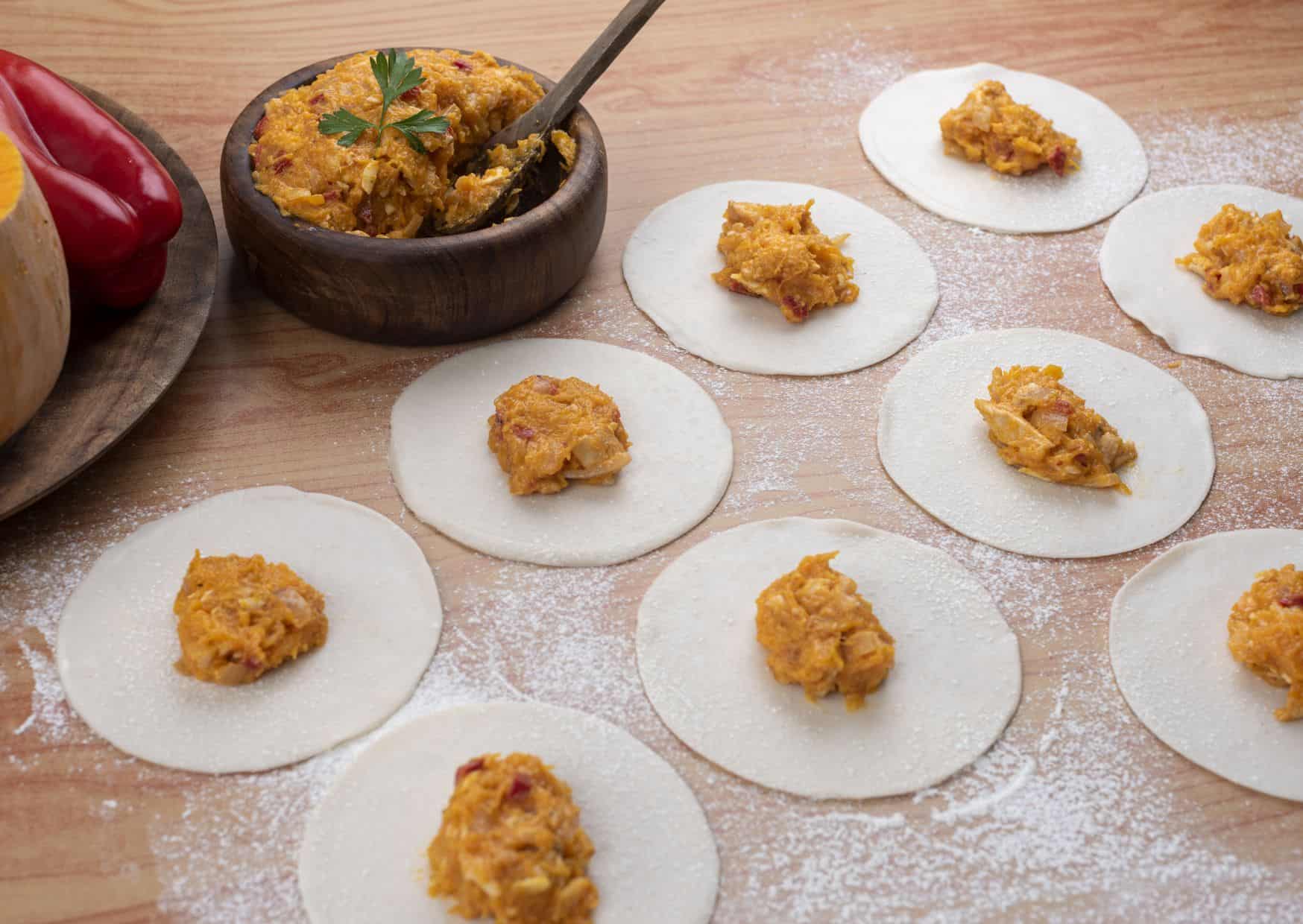
Make the Filling
In a large skillet, heat the olive oil over medium heat. Add the onions and garlic, cooking until softened. Add the red bell pepper, paprika, cumin, cayenne pepper, salt, and black pepper. Stir well to combine.
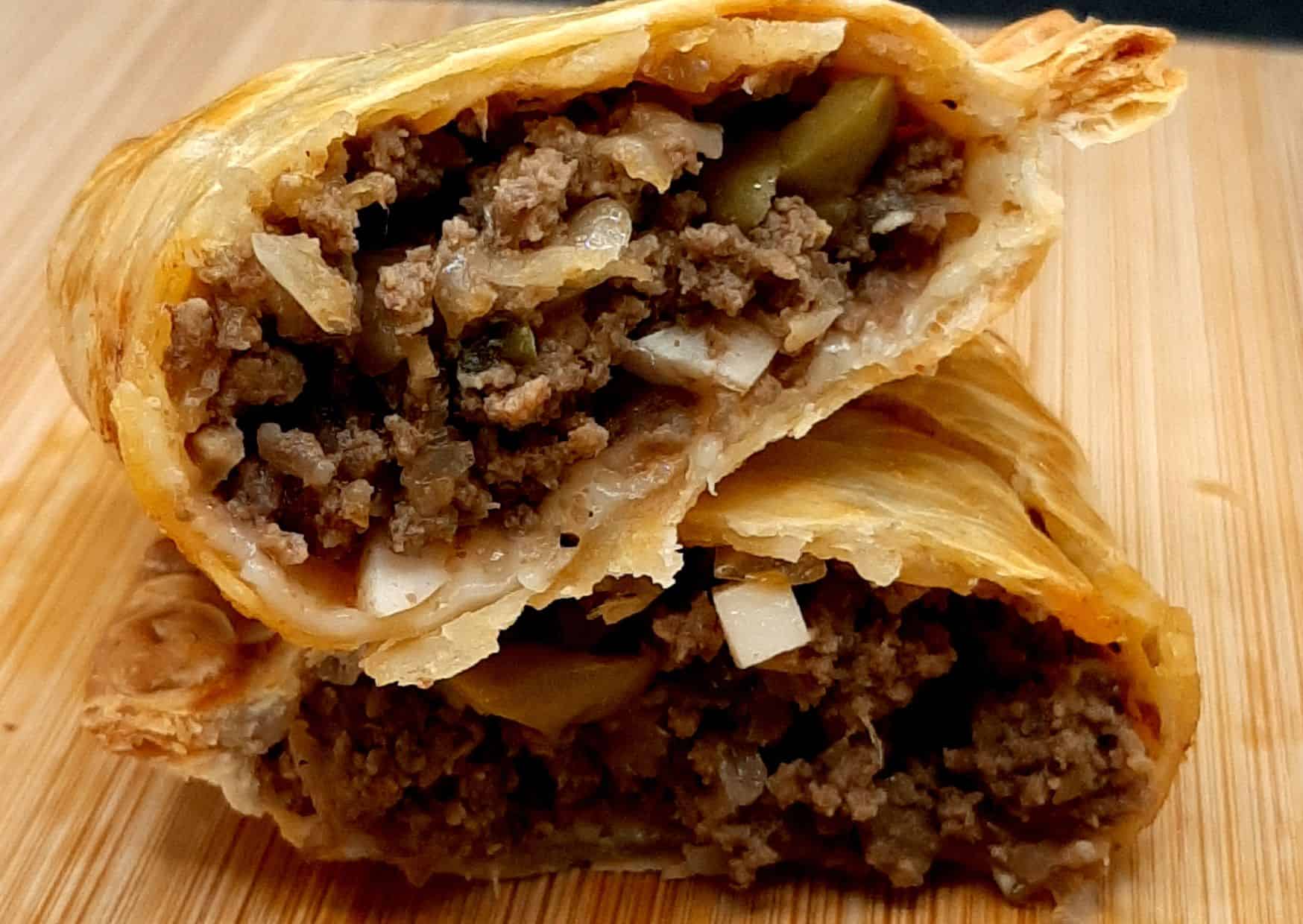
Increase the heat slightly and add the ground beef, cooking until it’s browned and fully cooked. Remove from heat and let it cool slightly. Once the filling is cooled, stir in the chopped green olives and hard-boiled eggs.
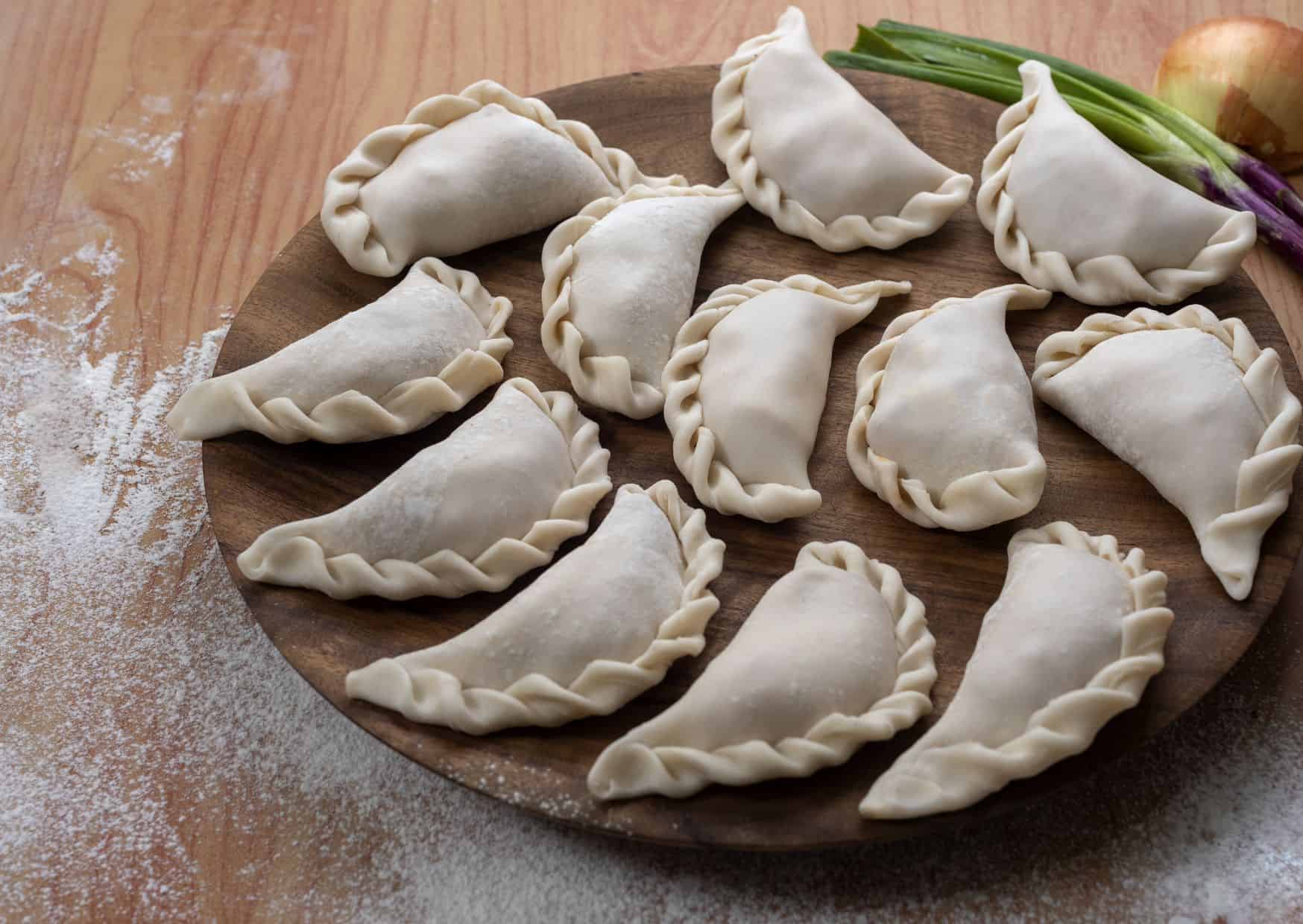
Assemble the Empanadas
Preheat your oven to 400°F (200°C) and line a baking sheet with parchment paper. On a lightly floured surface, roll out the dough to about 1/8-inch thickness. Use a 4-5 inch round cutter to cut out circles.
Place about 1 tablespoon of the filling onto one half of each dough circle. Fold the dough over the filling to form a half-moon shape. Press the edges together to seal, then crimp the edges with a fork. Brush the tops of the empanadas with beaten egg for a golden finish.
Bake
Place the empanadas on the prepared baking sheet and bake for 20-25 minutes, or until golden brown.
Let cool slightly before serving.
Tips To Make Argentinian Empanadas
Cold dough is easier to work with and helps create a flaky crust. Ensure the filling cools before assembling the empanadas to prevent the dough from becoming soggy.
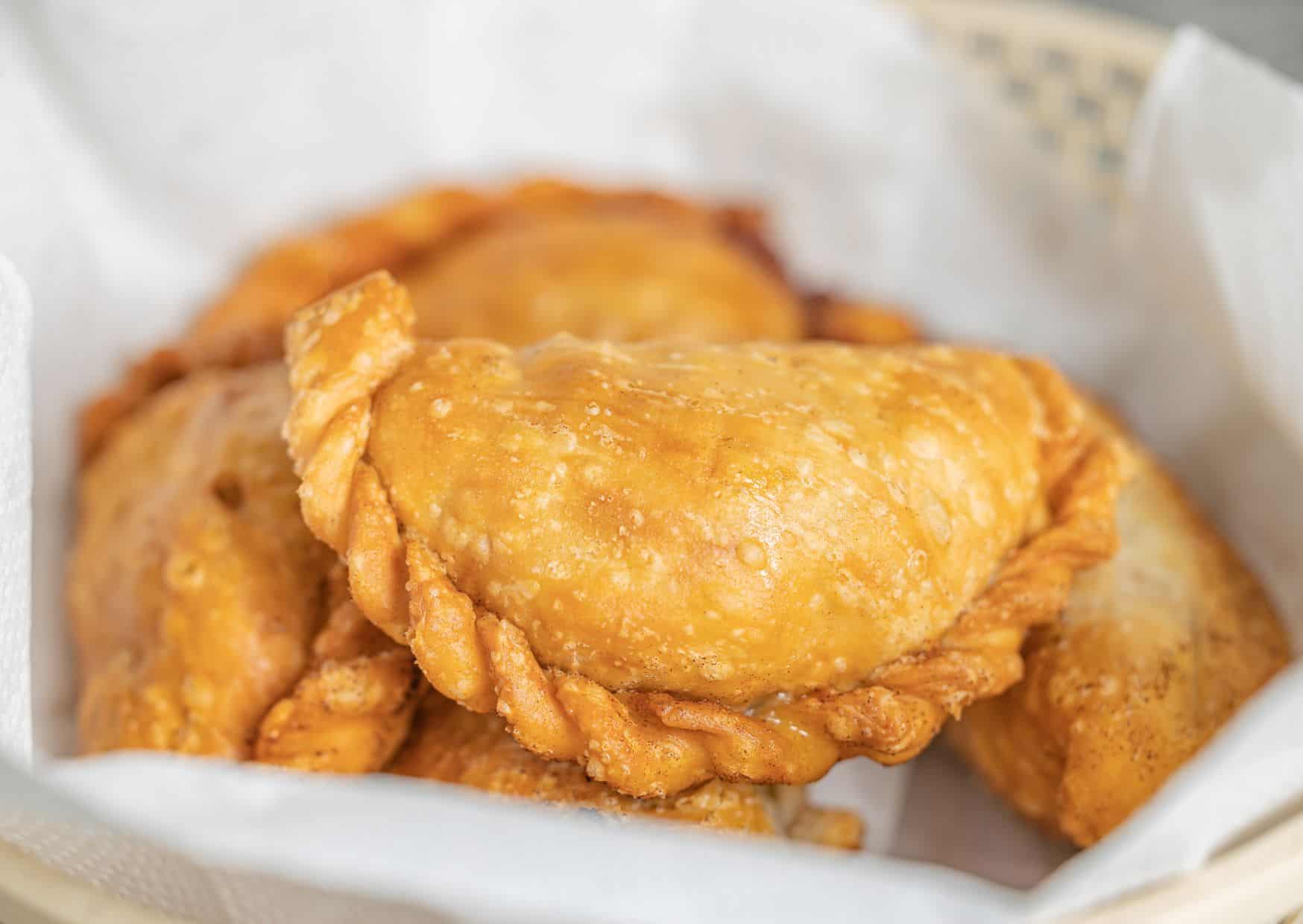
Experiment with different fillings, such as shredded chicken, cheese, or vegetables, for variety. For a more traditional approach, you can pan-fry the empanadas in oil until golden brown instead of baking them.
How Many Calories Have Argentinian Empanadas
Calories: 200-250 kcal
Protein: 7-10g
Fat: 10-12g
Carbohydrates: 20-25g
Origin and History
Empanadas are one of Argentina’s most beloved foods, but their story begins long before they reached South America. The concept of stuffed pastries traveled from the Middle East to Spain, where the technique of enclosing fillings in dough became widely popular. Spanish colonists later brought this culinary tradition to the Americas, where it evolved in distinctive regional ways.
In Argentina, empanadas quickly became embedded in local food culture. Each province developed its own preferred fillings, folding styles, and seasoning profiles. Northern regions often feature spiced beef mixtures, while coastal areas may include seafood variations. This regional diversity is part of what makes Argentine empanadas so culturally rich.
Historically, empanadas were practical food for workers, travelers, and families because they were portable, filling, and relatively inexpensive to produce. They appeared at markets, festivals, and family gatherings, becoming a reliable staple across social classes.
Today, empanadas remain deeply tied to Argentine identity. Whether bought from a neighborhood bakery, served at a family celebration, or enjoyed as street food, they represent a blend of heritage, convenience, and comfort that continues to resonate across generations.
Despite their popularity, empanadas inspire strong opinions about what counts as truly authentic. One of the biggest debates centers on baking versus frying. In many Argentine regions, baked empanadas are considered traditional, while fried versions are common in street settings. Each method produces a distinct texture and has its loyal supporters.
Another frequent point of contention is the filling. While seasoned ground beef with onions, olives, and hard-boiled egg is widely recognized, purists often insist that every province has its own legitimate version. This means there is no single “correct” filling, though some combinations are more traditional than others.
The dough itself also sparks discussion. Some cooks prefer homemade dough for its flavor and texture, while others rely on store-bought discs for convenience. Traditionalists tend to favor handmade dough, arguing it creates a more tender and authentic result.
Finally, even the folding technique, known as the repulgue, can become a matter of pride. Different regions use distinctive crimping patterns to identify the filling inside. While modern home cooks may use simple seals, many Argentinians view the decorative fold as part of the empanada’s cultural identity.
How Long You Take to Prepare
Making Argentine empanadas from scratch is very achievable, but it does involve a few stages. Preparing the filling typically takes about 20 to 30 minutes, including sautéing onions, browning the meat, and allowing the mixture to cool properly. Cooling is important to prevent the dough from becoming soggy during assembly.
If you choose to make homemade dough, plan for an additional 20 minutes of mixing and rolling, plus resting time. Using pre-made empanada discs can significantly reduce preparation time and is a common shortcut even in Argentina.
Assembling the empanadas usually takes another 20 to 30 minutes depending on how many you are making and how comfortable you are with folding. This step often becomes faster with practice and can even be turned into a group activity.
Cooking time is relatively short. Baked empanadas generally take 20 to 25 minutes in a hot oven, while fried versions cook in just a few minutes per batch. From start to finish, most home cooks can have fresh empanadas ready in about 1 hour to 1 hour and 30 minutes.
Serving Suggestions
Argentine empanadas are traditionally served warm, shortly after cooking, when the pastry is crisp and the filling is juicy. They are often enjoyed as a starter or casual main dish, making them suitable for both everyday meals and gatherings.
A classic way to serve them is simply arranged on a platter with no heavy sauces. The filling is meant to carry the flavor. However, a small bowl of chimichurri or a mild salsa on the side can complement the empanadas without overpowering them.
For entertaining, empanadas work exceptionally well as party food. You can prepare multiple fillings and label them, allowing guests to sample different regional styles. Their handheld nature makes them ideal for buffets and informal events.
To round out the meal, consider pairing empanadas with a fresh salad, roasted vegetables, or a light soup. These sides provide balance and prevent the meal from feeling too heavy while keeping the empanadas as the centerpiece.
Final Thoughts
Argentine empanadas have remained popular for generations because they combine practicality with deep, satisfying flavor. They are simple enough for everyday cooking yet special enough to appear at celebrations and gatherings.
Part of their enduring appeal is flexibility. Once you understand the basic technique, you can experiment with fillings, folding styles, and cooking methods while still respecting tradition. This adaptability has helped empanadas travel far beyond Argentina.
For home cooks, empanadas offer an approachable way to explore Argentine cuisine. The process is straightforward, the ingredients are accessible, and the results are consistently crowd-pleasing.
If you are looking for a recipe that delivers comfort, portability, and authentic flavor, Argentine empanadas are an excellent choice. After making them once, many cooks find they quickly become a regular favorite in the kitchen.

About the Author: Ruben, co-founder of Gamintraveler.com since 2014, is a seasoned traveler from Spain who has explored over 100 countries since 2009. Known for his extensive travel adventures across South America, Europe, the US, Australia, New Zealand, Asia, and Africa, Ruben combines his passion for adventurous yet sustainable living with his love for cycling, highlighted by his remarkable 5-month bicycle journey from Spain to Norway. He currently resides in Spain, where he continues sharing his travel experiences with his partner, Rachel, and their son, Han.