
When Americans talk about moving to Europe, Spain is the default answer now.
It’s the safe pick. The one that sounds normal at a dinner party. The one people can picture without effort. Sun, walkable cities, healthcare that does not require a second mortgage, and a daily rhythm that feels less like a hostage situation.
So yes, everyone said Spain.
We still chose somewhere else.
Not because Spain is overrated. Spain is excellent in a lot of ways. But “excellent” is not the same as “right for your specific life,” especially at 45–65, when your tolerance for friction gets lower and your need for stability gets higher.
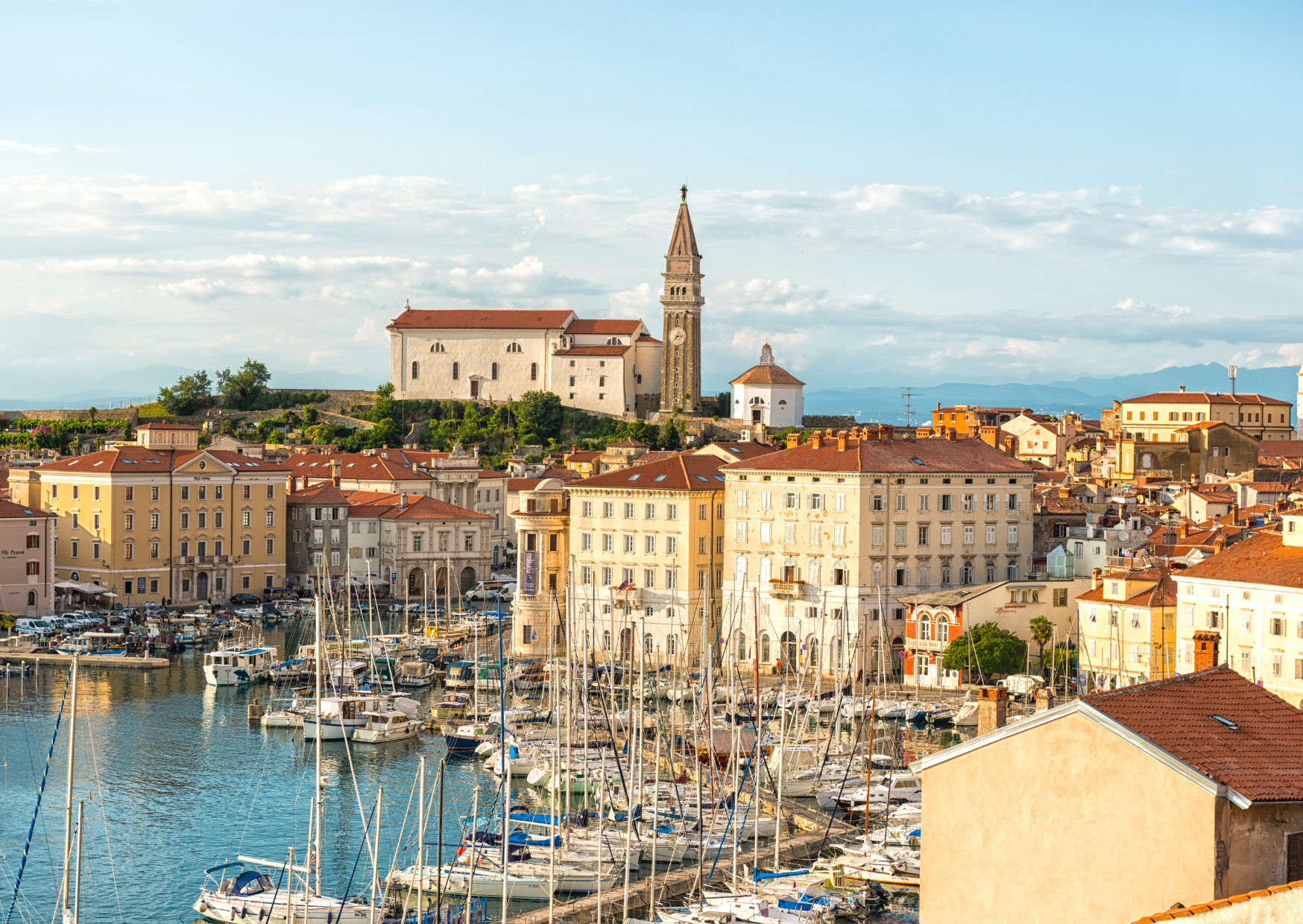
We chose Slovenia.
That surprises Americans, because Slovenia doesn’t have the big glossy expat mythology. No endless TikTok real estate tours. No mainstream retirement hype machine. No national identity built around foreigners moving in.
Which was part of the point.
Spain is the obvious choice for a reason, and that’s also the problem
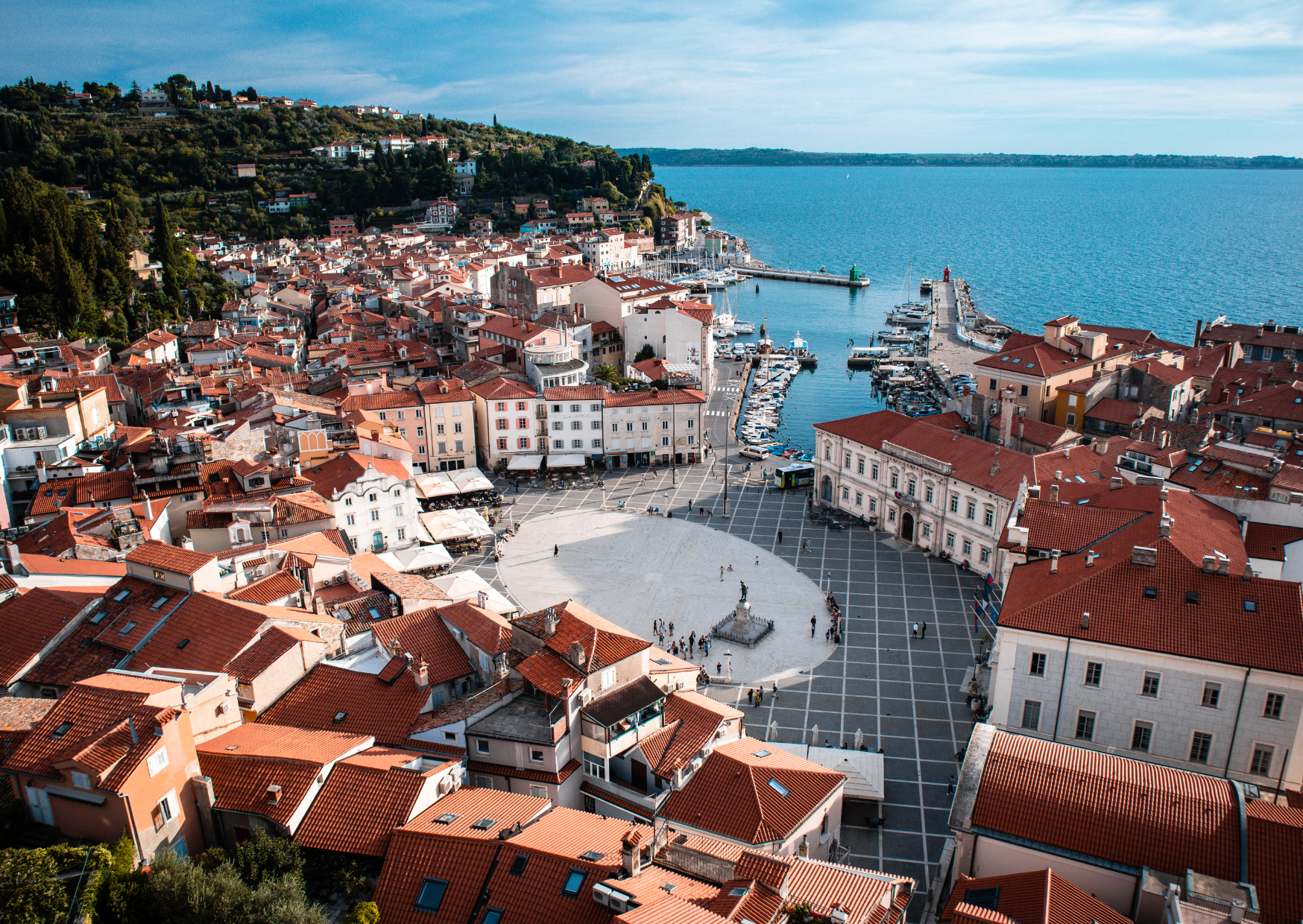
Spain’s strength is that it’s legible.
It’s big enough to offer multiple lifestyles. Cities, coast, mountains, islands. It has infrastructure that works in a way that feels comforting if you’re used to the U.S. being fast when it wants your money and slow when you need help. It has real public life. It has the café culture that makes loneliness less likely to swallow you whole.
Spain also has the gravitational pull of “everyone else is doing it.” That social proof matters. It makes a move feel less risky.
But the same things that make Spain the obvious choice also create predictable pressure points:
- Popular regions get saturated.
- Housing gets competitive.
- Tourist economies expand into normal neighborhoods.
- The “dream” becomes crowded, and crowds change the dream.
If your goal is a calmer second half of life, picking the most popular option can be a self-inflicted wound. Popularity brings services and community, but it also brings price creep and noise.
We wanted “Europe, but quieter.” Not rural isolation. Not a monastery. Just a place where daily life felt less like a performance.
Slovenia gave us that.
What Slovenia offered that Spain didn’t
Slovenia’s appeal is not one headline feature. It’s a bundle of small, daily advantages that add up.
It’s compact, and that changes your life
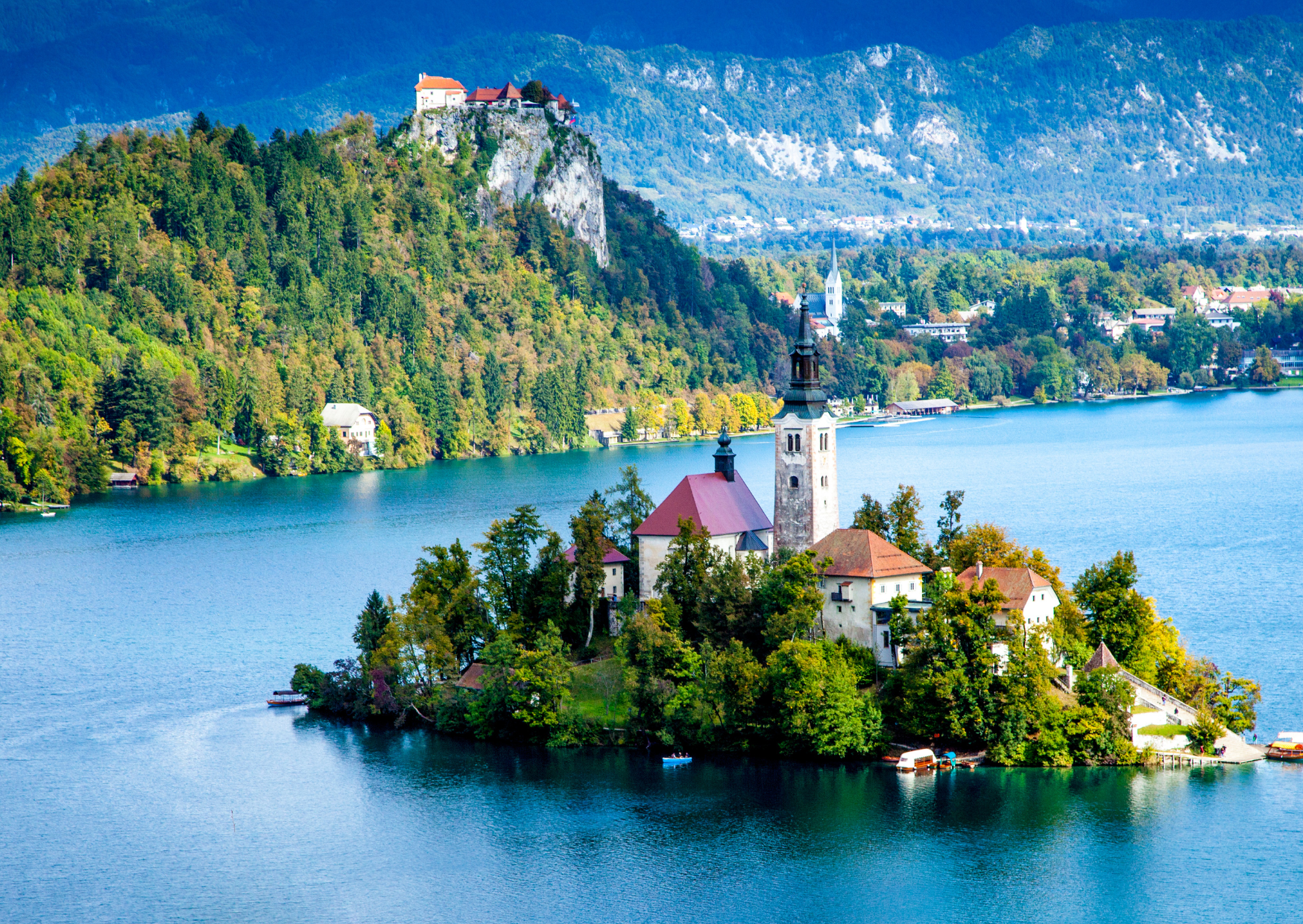
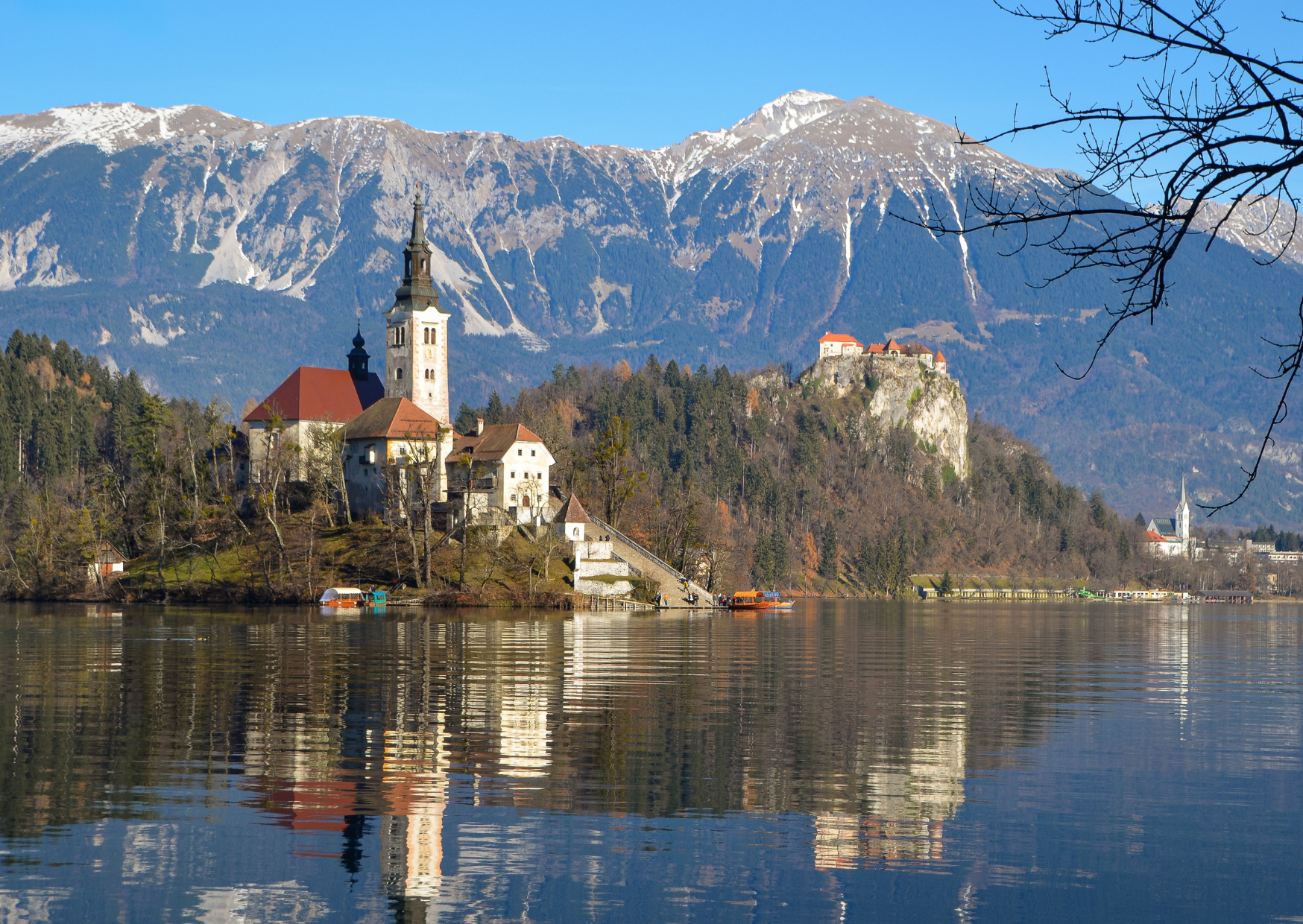
Slovenia is small in a way Americans don’t intuitively understand. Small means you can live in a city and still be near mountains, lakes, vineyards, and coastline without treating travel like an expedition.
That changes how you spend your weekends. You stop planning. You start going.
If you’re 55 and thinking about how you want your body to feel in ten years, “easy access to nature” is not a soft lifestyle perk. It’s a health strategy you will actually use.
The pace is calm without being sleepy
Spain can feel calm, and it can also feel socially intense. Late dinners, loud streets, dense nightlife, and a public culture that is wonderful unless your nervous system is tired.
Slovenia’s public life is quieter. People still go out. There are cafés and parks and a normal city rhythm. It’s just less performative.
If you’re coming from a high-stress American life, quieter is not boring. Quieter is recovery.
The healthcare burden can be lighter than people expect
This is one of the least discussed advantages.
Slovenia’s health spending structure includes lower out-of-pocket payments than the EU average, and it has historically had a system where copayments were widely covered through complementary voluntary insurance that was abolished in 2024 as part of reforms.
Translation: it’s a country where healthcare can be both accessible and financially predictable once you’re properly in the system, but you need to understand how the coverage structure works now.
Spain can also be excellent for healthcare. The difference is not “good versus bad.” It’s that Slovenia surprised us with how manageable it felt for routine access and costs in a smaller system.
It’s not built around expats
This is either a dealbreaker or the dream, depending on your personality.
Spain has massive foreign communities in certain areas. That can be wonderful. It can also create expat bubbles that make it harder to build a real local life, because the foreign ecosystem is so easy to live inside.
Slovenia has foreigners, but it’s not an expat factory. That forces you to engage more honestly with where you are.
For some people, that’s exhausting. For others, it’s how “home” gets built.
The money reality: Slovenia is not “cheap,” but it can be clean
Americans often put Europe into two buckets: cheap places and expensive places. Slovenia doesn’t fit neatly.
It’s not bargain-basement. It’s also not Switzerland.
What Slovenia offers is something more useful than cheap: fewer financial ambushes, if you pick your housing and location carefully.
Here’s a realistic monthly baseline for a couple living in or near Ljubljana, not trying to win Instagram, just trying to live:
- Rent (one-bedroom or modest two-bedroom, depending on area): €900–€1,500
- Utilities and internet: €180–€300
- Groceries and household basics: €450–€650
- Transportation (transit, occasional car share, regional trains): €70–€180
- Health insurance and out-of-pocket buffer: €150–€450 depending on your setup and status
- Eating out, cafés, social life: €250–€500
- Phone plans, subscriptions, misc: €80–€180
That’s €2,080–€3,760.
Spain can easily be cheaper than that in many regions, and also easily more expensive in saturated markets. The comparison that matters is not Slovenia versus Spain. It’s:
- A calm, stable neighborhood versus a hot zone
- A long-term lease versus short-term pricing
- A daily life built around local habits versus a lifestyle built around “being on vacation”
The cleanest money advantage Slovenia has over popular Spain markets is housing volatility. Slovenia has its own housing challenges, especially in Ljubljana. But it does not have the same scale of global lifestyle demand that certain Spanish cities and coastal areas now carry.
If your retirement math is tight, volatility is the enemy. You want “boring.” Slovenia is boring in the good way.
A simple line-item comparison that helps you think straight
Assume two adults, mid-50s to mid-60s, living normally.
A popular Spain coastal expat hub:
- Rent: €1,400
- Utilities and internet: €220
- Groceries: €550
- Transport: €150
- Healthcare: €250
- Eating out and social: €450
- Misc: €150
Total: €3,170
Ljubljana or nearby, living modestly:
- Rent: €1,250
- Utilities and internet: €240
- Groceries: €550
- Transport: €120
- Healthcare: €250
- Eating out and social: €400
- Misc: €150
Total: €2,960
The difference is not dramatic. The point is not “Slovenia is cheaper.” The point is that Slovenia can be financially predictable without requiring you to live in a tourist economy to feel like you’re in Europe.
For some people, that predictability is worth more than sunshine.
The real trade: language and social texture
This is where the Spain crowd often laughs, and they’re not wrong to raise an eyebrow.
Spanish is widely studied in the U.S. Americans show up with some ability, or at least some confidence they can learn it. Spanish culture also has a social warmth that can make it easier to build a life, especially if you’re willing to be visible and show up regularly.
Slovenian is not a casual language project.
In Ljubljana, you will hear English often, especially among younger people and in professional contexts. That makes life workable. It does not make it “easy.”
The social texture is also different. Slovenes can be polite, helpful, and private. You may not get the instant social adoption Americans sometimes expect from Southern Europe. You can build friendships, but you build them through consistency, not charm.
This is the real question you need to ask yourself:
Do you want warmth first, or stability first?
Spain often offers warmth faster. Slovenia often offers stability faster.
Neither is better. They’re just different roads to “home.”
The paperwork and residency reality: you are joining a system either way
If you’re an American looking at Europe, the legal layer matters more than people want to admit. Not the fantasy version, the real version: permits, renewals, health coverage requirements, documentation, and the bureaucracy that will shape your stress levels.
Spain has well-known residency pathways and a large ecosystem of professionals who work with Americans. That can make the process smoother, because you’re not reinventing the wheel.
Slovenia has pathways too, but the ecosystem is smaller. You may need more direct engagement with local administrative units, and you’ll need to understand the categories of residence permits that apply to your situation.
One practical detail that matters: Slovenia announced a digital nomad visa starting November 21, 2025, allowing eligible non-EU remote workers to live in Slovenia for up to a year. It’s non-renewable and requires a gap before reapplying. That’s not a retirement solution, but it’s a powerful “test drive” option if you still work remotely and want to pressure-test Slovenia without committing to a full long-term plan.
For retirees, the main point is this: Slovenia is not the place you choose because you want a famous expat pipeline. It’s the place you choose because you are comfortable doing adult paperwork in exchange for a calmer daily life.
If your tolerance for bureaucracy is low, Spain can feel easier simply because there’s more established help around you. If your tolerance is moderate and you value calm, Slovenia can be worth the extra effort.
Pitfalls most people miss when they choose Spain because “everyone said Spain”
This is where Americans accidentally sabotage their own move.
They choose Spain the brand, not Spain the neighborhood
Spain can be glorious. It can also be crowded, loud, expensive, and overly tourist-oriented, depending on where you land.
A calm life in Spain is often found in places Americans overlook, because they’re not famous.
They confuse expat community with belonging
An expat community can be a lifeline. It can also become a treadmill of temporary friendships, constant resets, and social life built around complaining.
Belonging usually requires locals, language, and routine, no matter where you go.
They underestimate housing quality and winter comfort
Spain is sunny, and housing can still be cold, damp, and noisy in winter, especially in older buildings. People budget for rent and forget to budget for comfort.
Comfort is not a luxury at 60. It’s mental health.
They assume warm culture means easy integration
Warm culture can help. It does not erase the reality that you are new, foreign, and learning. You still have to show up repeatedly. You still have to build trust.
They treat Spain as permanent before they’ve tested their own needs
A lot of Americans want permanence because it feels secure. But permanence chosen too early becomes a trap, especially if you buy property or lock into a region that later feels wrong.
The smartest relocators treat their first year as a data collection project, even if they don’t say it out loud.
Why choosing “somewhere else” can be the more adult decision
Choosing Slovenia was not a contrarian flex. It was a response to what we actually wanted our days to feel like.
We wanted:
- A calmer public life
- Easy access to nature without major planning
- A smaller system that feels navigable
- Predictable costs more than bargain pricing
- A place not built around foreigners
Spain can offer some of that, depending on where you go. Slovenia offered it more directly, with fewer moving parts.
The irony is that Americans often choose Spain because they want less stress, then move into the most stressed parts of Spain because that’s where the content and community are. That’s how people end up disappointed and confused.
Choosing “somewhere else” is often just choosing alignment over popularity.
Popularity feels safe. Alignment is what makes you stay.
Your first 7 days to decide if Slovenia beats Spain for you
If you’re considering both, do not decide from your couch. Decide from your nervous system.
This is the seven-day sprint that tells you which environment you actually thrive in.
Day 1: Do the noise test
Spend an evening in a lively Spanish neighborhood and an evening in Ljubljana or a smaller Slovenian town.
Notice how your body reacts.
If you feel energized by noise and late dinners, Spain may be your place. If you feel tired and overstimulated, you may want a quieter baseline.
Day 2: Do the language honesty check
Write down what you will realistically do with language in year one.
- Are you genuinely willing to study and practice weekly?
- Do you need a country where your half-competent Spanish can carry you sooner?
- Are you comfortable living in English for a while while you slowly learn basics?
If language is your biggest fear, Spain is often the easier ramp. If calm matters more than ease, Slovenia can still work, but you need to accept the language trade.
Day 3: Run the housing reality check in both
Look for the same thing in both places: a stable long-term rental that you would actually want to live in year-round.
Price it. Check availability. Ask what utilities look like. Ask what winter comfort looks like.
Housing is not just cost. Housing is your daily mood.
Day 4: Do the healthcare navigation drill
Not in theory. In practice.
Find a clinic. Find a pharmacy. Understand how you would register, how you would make appointments, and what private options look like.
If you want a calmer retirement, healthcare navigation is part of your calm.
Day 5: Simulate the “Tuesday problem”
Do one annoying task in each environment.
Set up a phone plan. Ask about residency requirements. Ask about registering an address. Do something that involves waiting and paperwork.
Your future self will spend a lot of time on Tuesdays. Test Tuesday.
Day 6: Try the daily rhythm, not the sightseeing
Eat a normal breakfast. Go for a walk. Work out. Do groceries. Sit in a café. Ride transit. Go home.
If you only love a place when you’re sightseeing, you’re choosing a vacation.
Day 7: Choose your friction
Every country has friction. You don’t eliminate it. You choose which kind you can live with.
- Spain’s friction can be crowds, noise, heat, housing competition, and the expat bubble effect in popular areas.
- Slovenia’s friction can be language, a smaller ecosystem, and a more reserved social texture.
Pick the friction you can handle without resentment. That is the most honest relocation strategy you will ever use.
Where this lands in real life
Spain is popular because it works for a lot of people. It has a strong quality-of-life reputation, and for many Americans it delivers exactly what they want.
But “everyone said Spain” is not a reason to move anywhere.
It’s a reason to slow down and ask what you actually need.
We chose Slovenia because we wanted Europe without the performance. We wanted nature without planning. We wanted quiet without isolation. We wanted stable more than we wanted famous.
If you’re 45–65 and planning the next chapter, that’s the real move. Stop shopping for the country that sounds best. Start shopping for the system that makes your daily life feel lighter.
Spain can do that, especially outside the hottest zones.
Slovenia can do that, especially if you value calm and can tolerate the language and the smaller pipeline.
And if neither fits, that’s also fine. Choosing “somewhere else” is not rebellion. It’s self-knowledge.

About the Author: Ruben, co-founder of Gamintraveler.com since 2014, is a seasoned traveler from Spain who has explored over 100 countries since 2009. Known for his extensive travel adventures across South America, Europe, the US, Australia, New Zealand, Asia, and Africa, Ruben combines his passion for adventurous yet sustainable living with his love for cycling, highlighted by his remarkable 5-month bicycle journey from Spain to Norway. He currently resides in Spain, where he continues sharing his travel experiences with his partner, Rachel, and their son, Han.