
Because no, you don’t need that jumbo bottle of shampoo or five pairs of jeans.
Packing for an international trip can feel like preparing for an expedition. Many American travelers, eager to be ready for anything, often end up overpacking their suitcases with items that either go unused or become burdensome abroad. From unnecessary toiletries to gadgets designed only for US outlets, these packing choices not only waste precious luggage space but can also mark travelers as unprepared for the realities of life overseas.
The truth is, most countries have their own versions of daily essentials, and lugging giant bottles of shampoo, full-size hair dryers, or stacks of backup medications you’ve never used at home often adds weight without adding value. Overpacking can also slow you down, making travel between cities or countries more stressful and expensive, especially when navigating public transport or budget airlines with strict luggage rules.
In this guide, you’ll learn 12 common items American travelers pack that are almost always useless overseas, saving you space, money, and back pain on your next trip. Streamlining your packing list will make you a more efficient traveler, helping you blend in with locals and focus on experiences rather than lugging around excess baggage.
Read Here European Things that terrify Americans and American Habits that make Europeans Cringe
Read here how to pack for Europe and Best eSIM for Europe
BOOK YOUR TRAVEL INSURANCE
Two of our favorite travel insurance: Heymondo Vs Safetwing cheapest travel Insurance. You can get for $135 USD your Heymondo Travel Insurance with Heymondo discount code valid for 90 days. Read our full comparison of Genki vs Safetywing Travel Insurance Review and the comparison Heymondo vs Genki
Quick & Easy Tips
Research local availability before packing full-size toiletries most global destinations have everything you need at local pharmacies or supermarkets.
Invest in a universal adapter instead of packing multiple bulky converters and extension cords.
Pack for versatility, choosing clothing that mixes and matches instead of bringing “just-in-case” outfits you’ll never wear.
One controversial truth is that overpacking reflects deeper travel insecurities. Many Americans fear being without specific comforts abroad, often due to stereotypes about cleanliness, infrastructure, or product availability in other countries. This mindset can unintentionally perpetuate cultural superiority narratives, implying that the US is the only country with “proper” products or amenities when, in reality, global standards often match or surpass American options.
Another issue is the environmental impact of overpacking. Checking large suitcases increases airplane fuel consumption, carbon emissions, and the production of disposable travel-size items that add to global plastic waste. Critics argue that minimal packing is not just a personal convenience but an ethical responsibility in an era of climate crisis and waste reduction.
Finally, there is a cultural disconnect when travelers arrive loaded with American products and refuse to try local alternatives. This signals a lack of openness to cultural immersion, which is the heart of meaningful travel. Embracing local soaps, snacks, or small brands deepens your travel experience while supporting local economies rather than multinational chains.
1. Full-Sized Toiletries
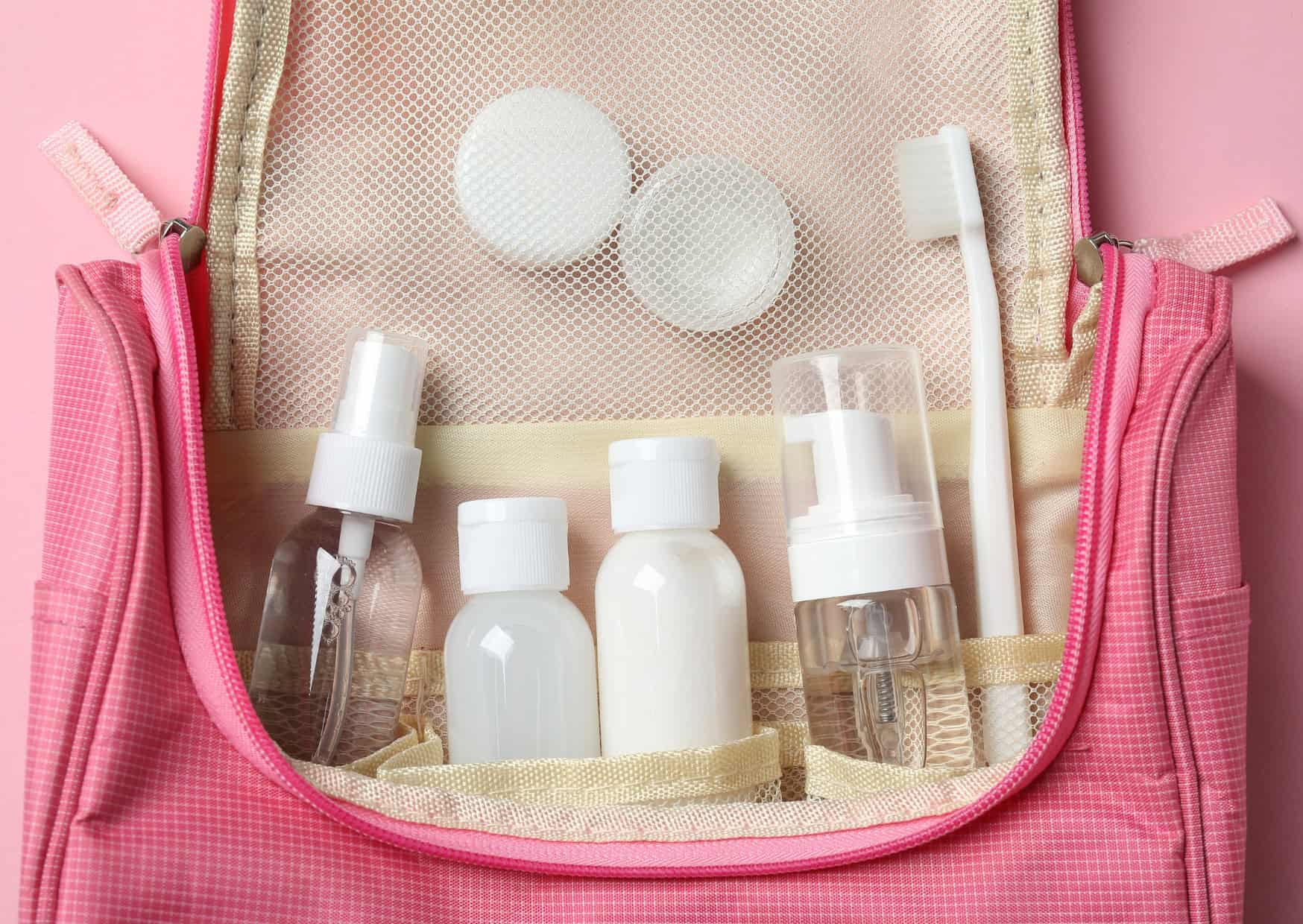
Why it’s useless:
They take up space, weigh down your bag, and might get tossed at airport security.
Bring this instead:
Travel-size toiletries (or refillable bottles)
Buy shampoo, soap, and toothpaste when you land—they’re available everywhere
Bonus: Local brands abroad are often cheaper and fun to try.
2. Too Many Clothes
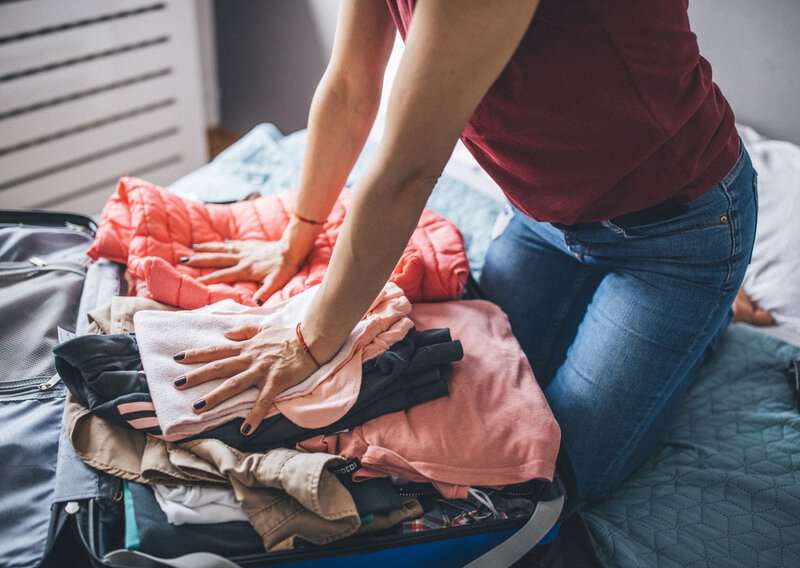
Why it’s useless:
Most travelers wear the same few outfits on repeat. Extra clothes = extra bulk.
Bring this instead:
Versatile layers you can mix and match
One nicer outfit if needed
Quick-dry or wrinkle-free items
Rule of thumb: Pack for one week—laundry exists worldwide.
3. Jeans x 3+
Why it’s useless:
Jeans are heavy, take forever to dry, and aren’t practical in hot or rainy climates.
Bring this instead:
One solid pair of jeans max
Add lightweight pants or breathable joggers
4. Hair Dryers, Curling Irons, or Straighteners
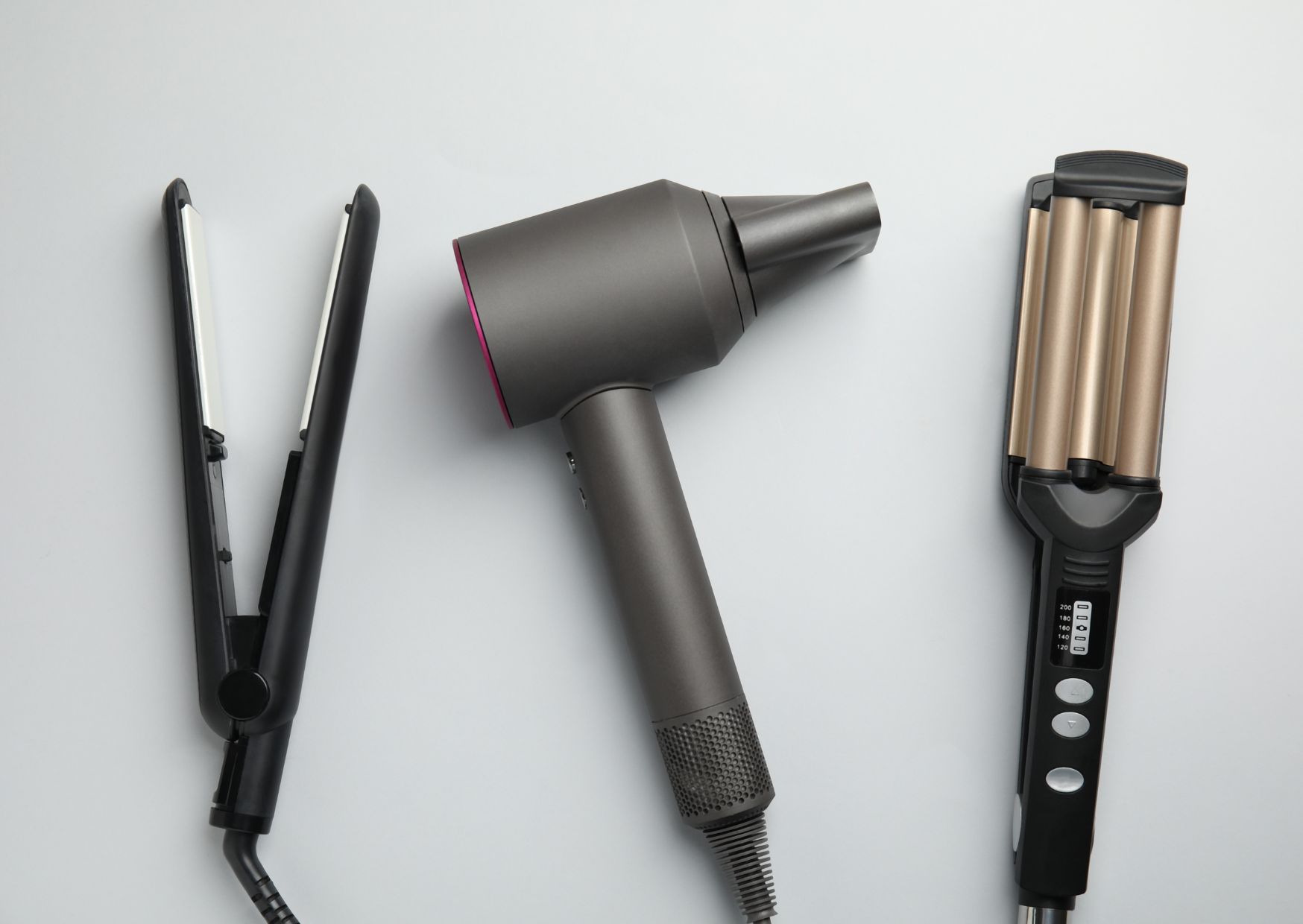
Why it’s useless:
They often don’t work with international voltage—even with a converter—and local accommodations often provide dryers.
Bring this instead:
A dual-voltage travel dryer if absolutely necessary
Embrace the air-dry look or use a local salon if you’re staying long
5. Too Many Shoes
Why it’s useless:
Shoes take up space and are rarely used all at once.
Bring this instead:
1 pair of comfortable walking shoes
1 pair of sandals or flats
Optional: lightweight slip-ons or flip-flops
Three pairs, max. Be ruthless.
6. U.S. Power Strips or Surge Protectors
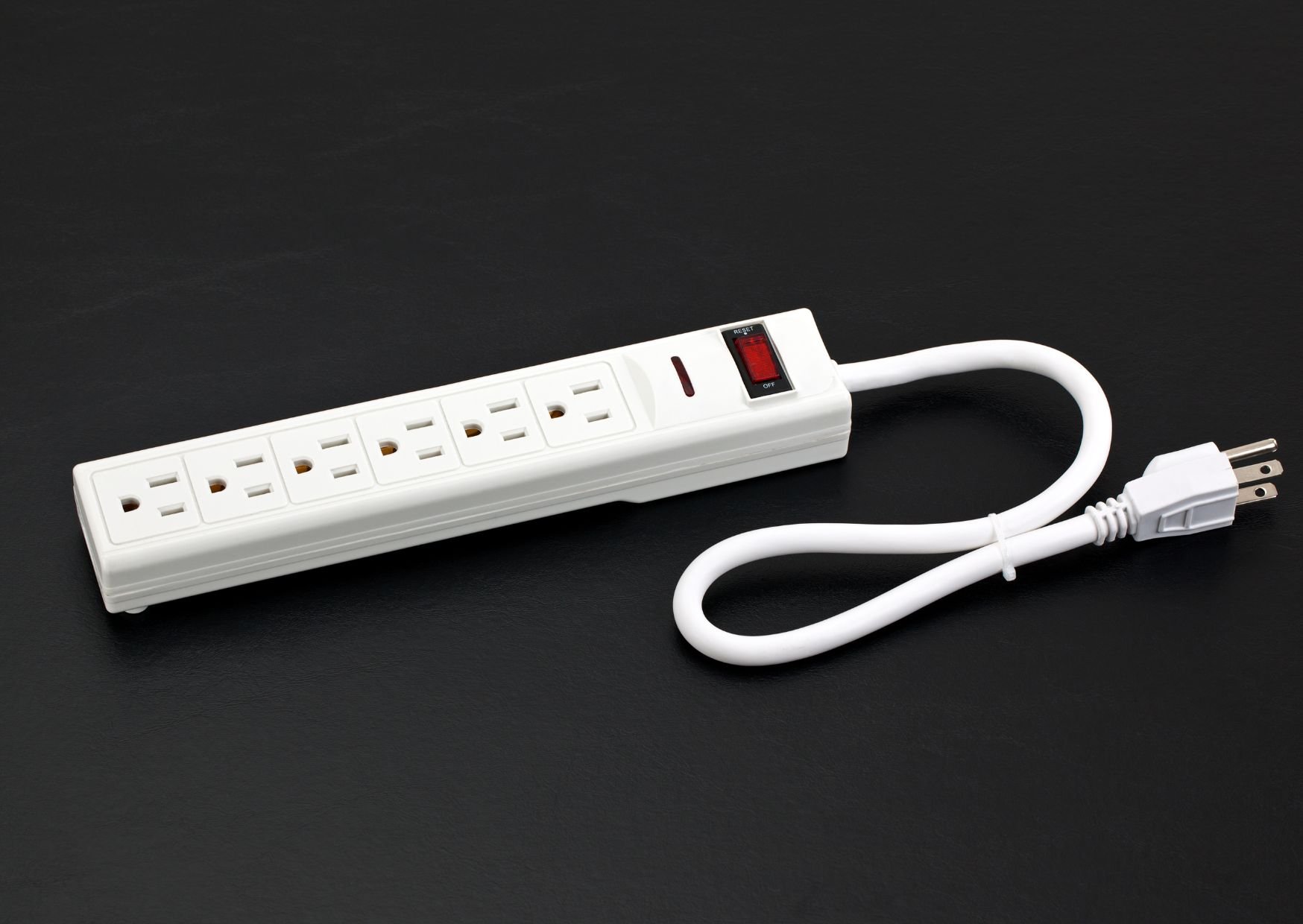
Why it’s useless:
Bulky, and often incompatible with local voltage or plug shapes.
Bring this instead:
A compact universal plug adapter
A USB wall charger with multiple ports
7. Over-the-Top Security Gear
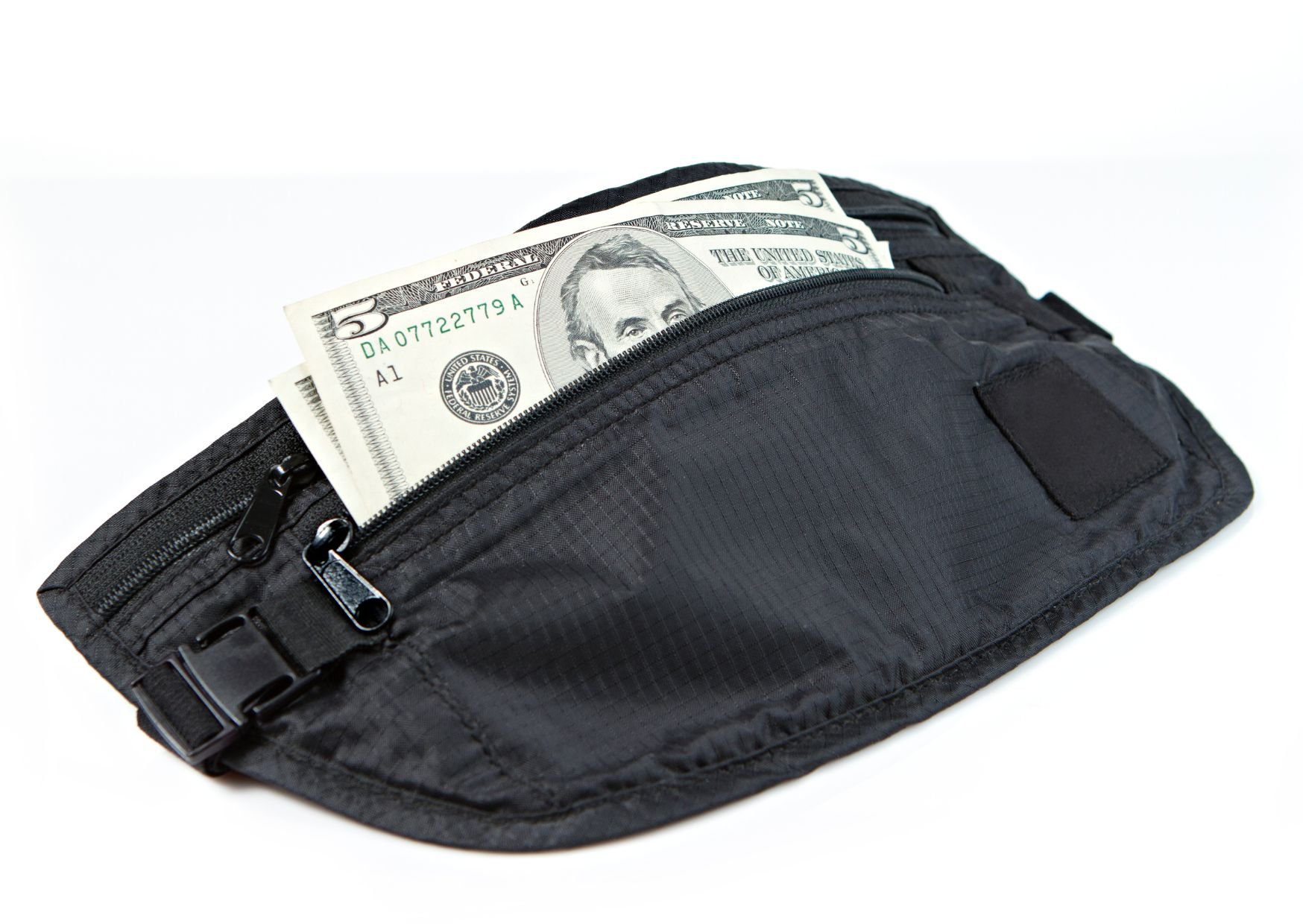
Why it’s useless:
Money belts, cable locks, and anti-theft vests scream “nervous tourist.” Most places are safer than you think.
Bring this instead:
A crossbody bag with zippers or an under-clothing pouch if truly needed
Confidence and street smarts
8. Giant First Aid Kits
Why it’s useless:
Unless you’re going off-grid, pharmacies abroad are well-stocked—and local remedies often work better.
Bring this instead:
A small kit with band-aids, painkillers, meds you need daily, and some Imodium
Buy the rest if/when you need it
9. Travel Pillows for Every Flight
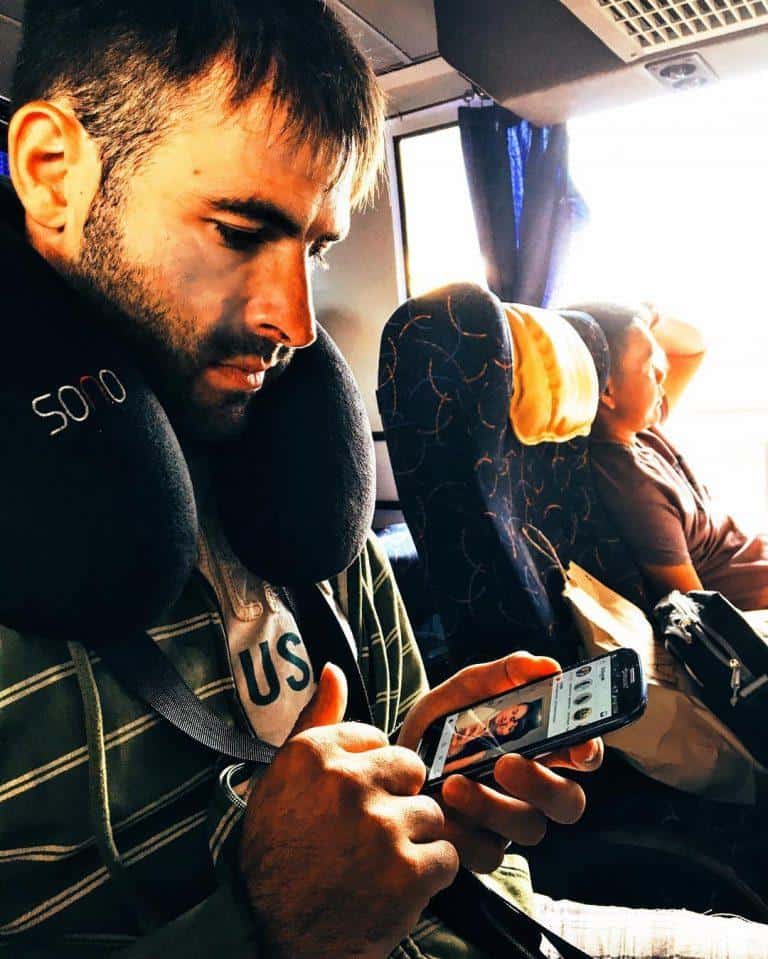
Why it’s useless:
They’re bulky and often don’t help unless it’s a long-haul flight.
Bring this instead:
An inflatable travel pillow (packs down small)
Or skip entirely for short flights—hotels have real pillows
10. Hard Copy Travel Books & Guides
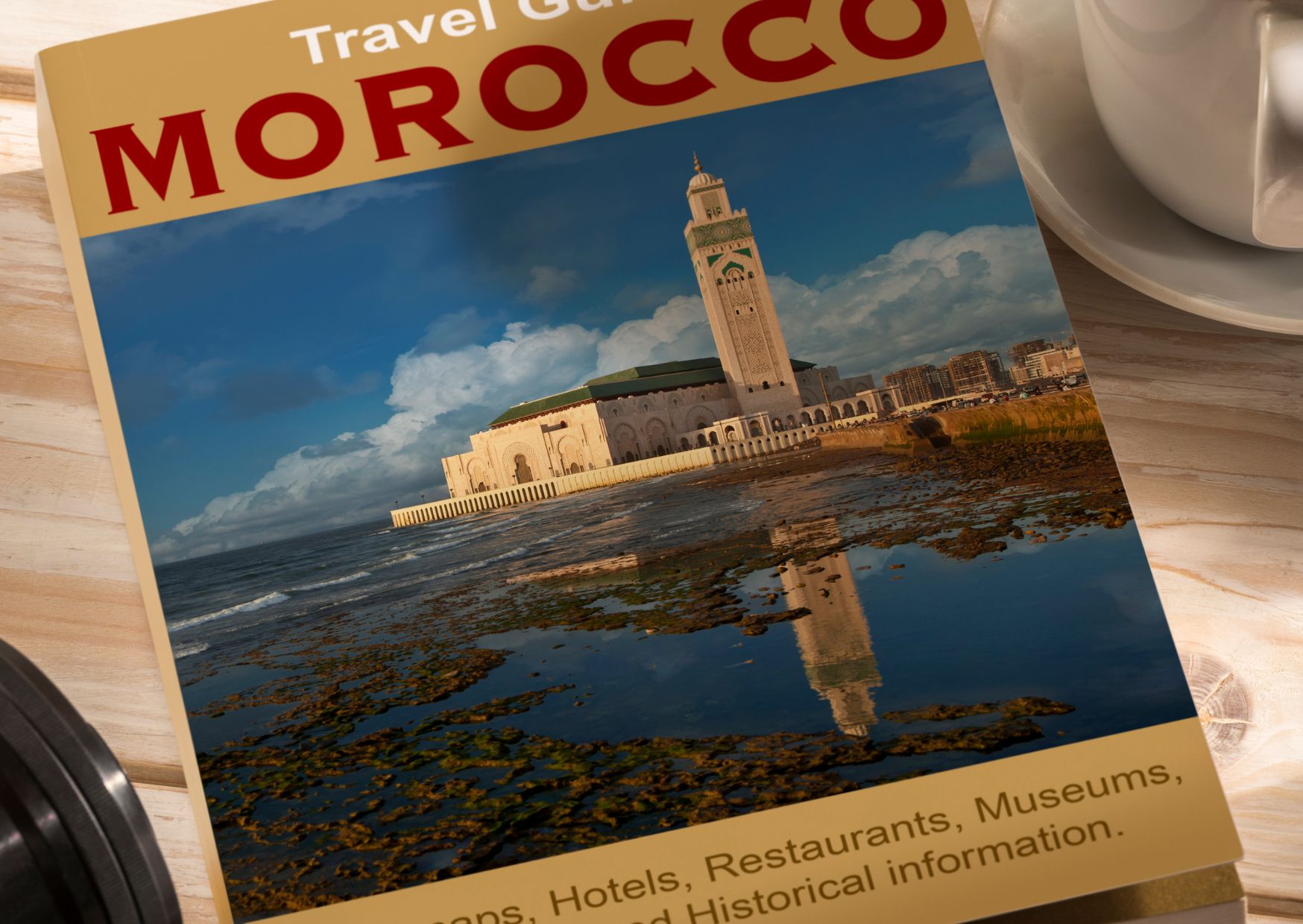
Why it’s useless:
They’re heavy, outdated fast, and everything’s online now.
Bring this instead:
Download offline maps and guides (Google Maps, Maps.me, Rome2Rio)
Bookmark key spots or use note apps for your itinerary
11. Snacks Like You’re Crossing the Sahara
Why it’s useless:
You’re not going to a desert island. Every country has snacks—and trying local ones is part of the fun.
Bring this instead:
A granola bar or two for travel days
An open mind for real local food
12. Paper Copies of Everything (In Triplicate)
Why it’s useless:
You’ll likely never need your printed itinerary, 12 passport photos, or every hotel confirmation.
Bring this instead:
One physical copy of your passport + backup copies saved digitally
Store travel docs in a secure cloud folder or travel app.
Why You Should Rethink What You Pack Abroad
Reevaluating what you pack can make your entire trip easier from the moment you leave home. Overpacked luggage slows you down at airports, makes trains and cobblestone streets more frustrating, and often adds unnecessary stress. By identifying the items Americans commonly bring but rarely use, you can streamline your suitcase and travel more comfortably.
Traveling lighter also gives you more flexibility once you arrive. Smaller bags are easier to store in overhead compartments, hotel rooms, and rental cars. Many experienced travelers find that reducing bulk makes spontaneous plans—like hopping on regional trains or walking longer distances—much more manageable.
There is a financial benefit as well. Avoiding overpacking can help you skip checked bag fees and reduce the risk of overweight luggage charges. Over time, these savings can add up, especially for frequent international travelers.
Rethinking your packing habits also encourages more intentional travel planning. When you carefully choose what goes in your suitcase, you are more likely to bring versatile clothing and truly useful items. This often leads to a smoother daily routine on the road.
Most importantly, learning what you do not need builds travel confidence. Many Americans pack “just in case,” but experience shows that most destinations have stores, pharmacies, and basic supplies readily available. Packing smarter helps you rely less on fear and more on practical preparation.
Why You Shouldn’t Take Minimalist Packing Too Far
At the same time, aggressively cutting items from your suitcase is not always the best strategy. Every trip has unique needs based on climate, activities, and personal comfort. What one traveler never uses might be essential for someone else.
There is also a risk of underpacking for specific situations. Business travelers, families with children, and people with medical needs often require extra items that minimalist packing lists tend to overlook. Following generic advice too strictly can leave you unprepared.
Comfort matters more than many packing guides admit. While traveling light is convenient, being without familiar or necessary items can add stress during longer trips. The goal should be efficiency, not discomfort.
Destination differences also play a role. Access to certain products varies widely between countries and regions. In some locations, replacing forgotten items may be inconvenient or more expensive than expected.
Ultimately, the smartest approach is balanced packing rather than extreme minimalism. Use common overpacking mistakes as a guide, but tailor your suitcase to your specific itinerary, health needs, and travel style. The best-packed bag is the one that supports your trip without weighing you down.
Final Thoughts
Packing smartly isn’t about deprivation it’s about freedom. Every unnecessary item left at home is extra space for souvenirs, artisanal crafts, or simply lighter luggage to navigate cobblestone streets, train platforms, and hostel stairs without breaking a sweat.
Challenge yourself before each trip: lay out everything you think you need, then cut it in half. Focus on versatile layers, universal essentials, and a willingness to adapt. You’ll find that traveling with less feels empowering and liberating, giving you more mental clarity and physical ease to truly enjoy your journey.
Ultimately, travel is about experiencing life beyond your borders, not recreating your American lifestyle in another setting. By packing less and embracing more of what your destination offers, you’ll return home not only with lighter bags but with a richer, more authentic sense of what it means to travel well.

About the Author: Ruben, co-founder of Gamintraveler.com since 2014, is a seasoned traveler from Spain who has explored over 100 countries since 2009. Known for his extensive travel adventures across South America, Europe, the US, Australia, New Zealand, Asia, and Africa, Ruben combines his passion for adventurous yet sustainable living with his love for cycling, highlighted by his remarkable 5-month bicycle journey from Spain to Norway. He currently resides in Spain, where he continues sharing his travel experiences with his partner, Rachel, and their son, Han.