
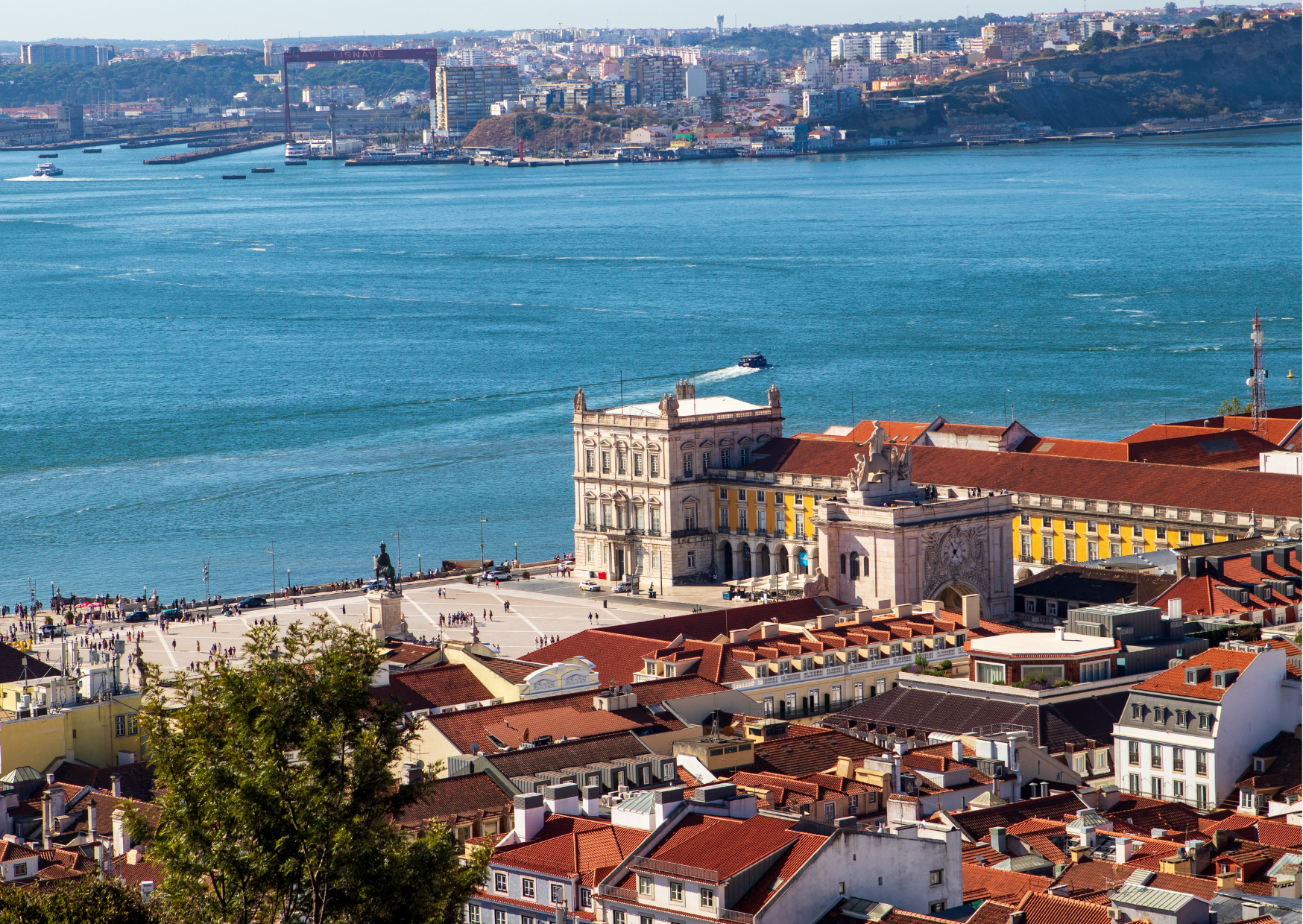
Portugal is the country Americans keep picking when they want Europe to be easy.
Warm weather, friendly people, lower costs than “real Europe,” good food, beaches, and that famous five-year citizenship storyline that has powered a decade of expat daydreaming. You can almost hear the group chat forming around it.
Then you arrive and realize something awkward: a place can be beautiful, safe, and objectively livable, and still never click as “home.”
That was our experience. We gave Portugal four honest years, not a fling, not a two-month coastal fantasy. We did the paperwork. We did the rent hikes. We did the “just learn Portuguese” pep talks. We built routines, tried neighborhoods, made friends, lost friends, tried again.
And it still didn’t land.
This is not a Portugal takedown. It’s a reality check for Americans 45–65 who are shopping for a second life and assuming the country with the nicest brochure will feel like belonging.
It might. It also might not, and the reasons are rarely the ones people talk about.
It wasn’t the beaches. It was the Tuesday
Portugal wins on first impressions. It’s designed for them.
Your first two months can feel like a sedative. You walk more. You eat better. You sleep deeper. You stop driving everywhere. People are polite. The pace is human. The light is soft. Even the grocery store feels less aggressive.
Then Tuesday shows up.
Tuesday is when you have to renew something, fix something, negotiate something, call someone, wait, and then wait again. Tuesday is when the romance gets replaced by admin friction, social distance, and a housing market that is not impressed by your dreams.
Portugal works beautifully as a short-term reset. It can also work as a long-term home for the right personality and the right expectations. But the “everyone feels at home here” story is false. A lot of expats feel happy, and a surprising number also report declining satisfaction in major hubs like Lisbon as costs rise and daily life gets harder.
The hard part to admit is that feeling “at home” is not the same as feeling “comfortable.”
Portugal is comfortable in many ways. Home is deeper. Home is when you stop translating your life in your head.
For us, Portugal stayed in translation.
The money wasn’t the problem, until it was
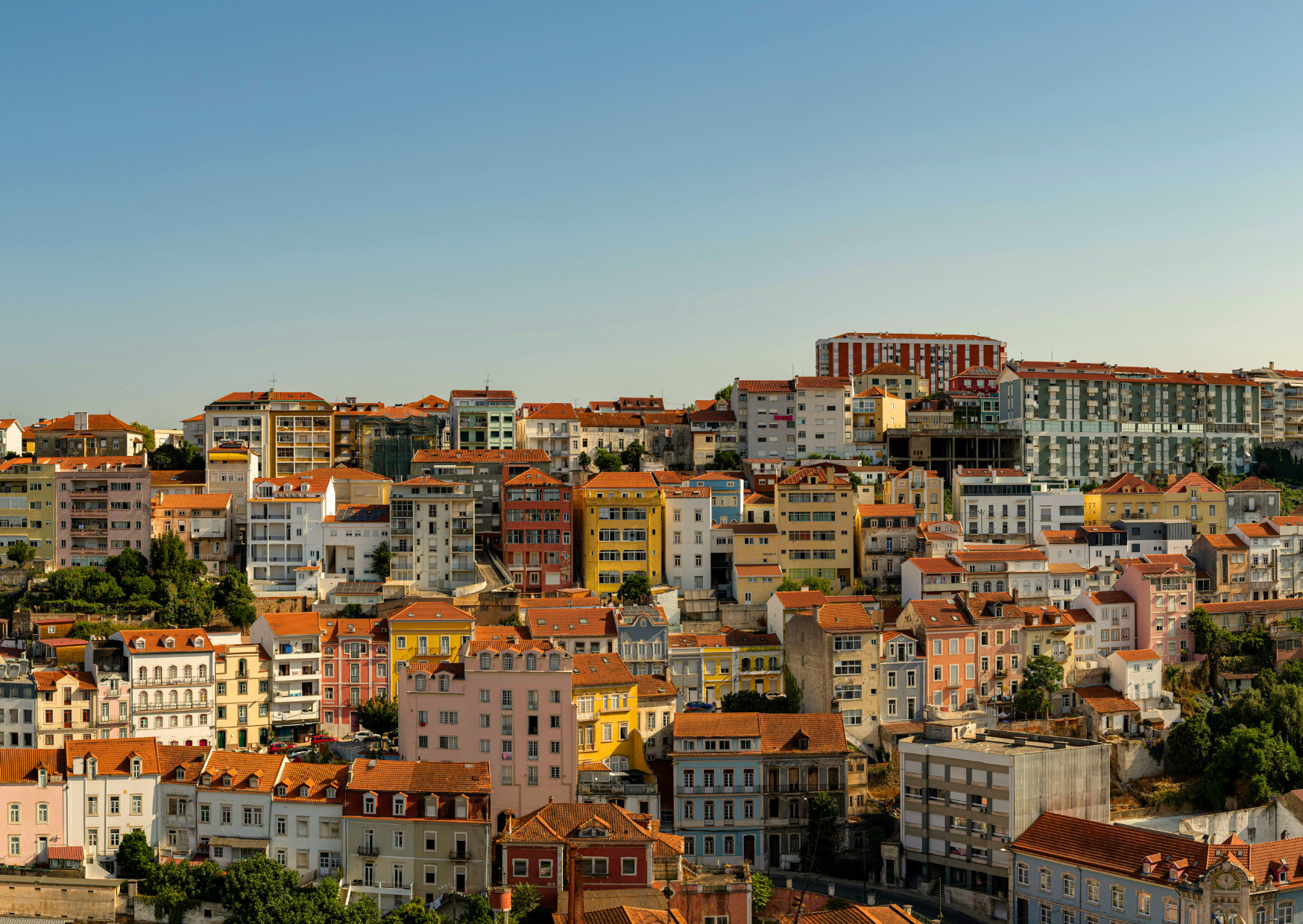
Americans often move with a mental model that Portugal is “cheap Europe.” That model used to be more accurate. It is less accurate now, especially in Lisbon, Porto, and much of the coast.
Even if your retirement income is strong, the day-to-day pricing psychology can wear on you because it’s uneven. You’ll buy a €1,20 espresso and feel like a genius. Then you’ll look at housing and feel like you’re being punished for optimism.
Here’s the real pattern that caught us off guard: cheap small things paired with expensive foundational things.
A realistic monthly baseline in a major market can look like this:
- Rent for a decent long-term place in Lisbon or Porto: €1.200–€2.500+ depending on neighborhood, size, and whether you want heat that works
- Utilities and internet: €120–€220
- Groceries for two adults: €350–€650 depending on habits and imported comforts
- Private health insurance (if you are using it): €70–€200+ per person depending on age and coverage
- Transportation: €40–€120 for transit passes and occasional rides
- Eating out, cafés, small trips: €250–€700 because Portugal makes it easy to socialize around food
Now convert loosely to USD for an American gut-check, and you are often living a €2.000–€4.000 month lifestyle that can feel like $2.200–$4.400 depending on the exchange rate at the time. It is still cheaper than many U.S. coastal cities, and it is not the bargain fantasy people are sold.
The deeper issue is not the number. It’s that housing inflation and shortage have become central to the Portuguese story. Reuters has described severe housing pressure, with steep price and rent growth over the past decade, particularly in Lisbon.
When housing becomes the stressor, everything else feels smaller and harder. You tolerate bureaucracy less. You forgive fewer social snubs. Your patience gets expensive.
And that’s when a place stops feeling like home.
The paperwork tax is not just time. It’s identity
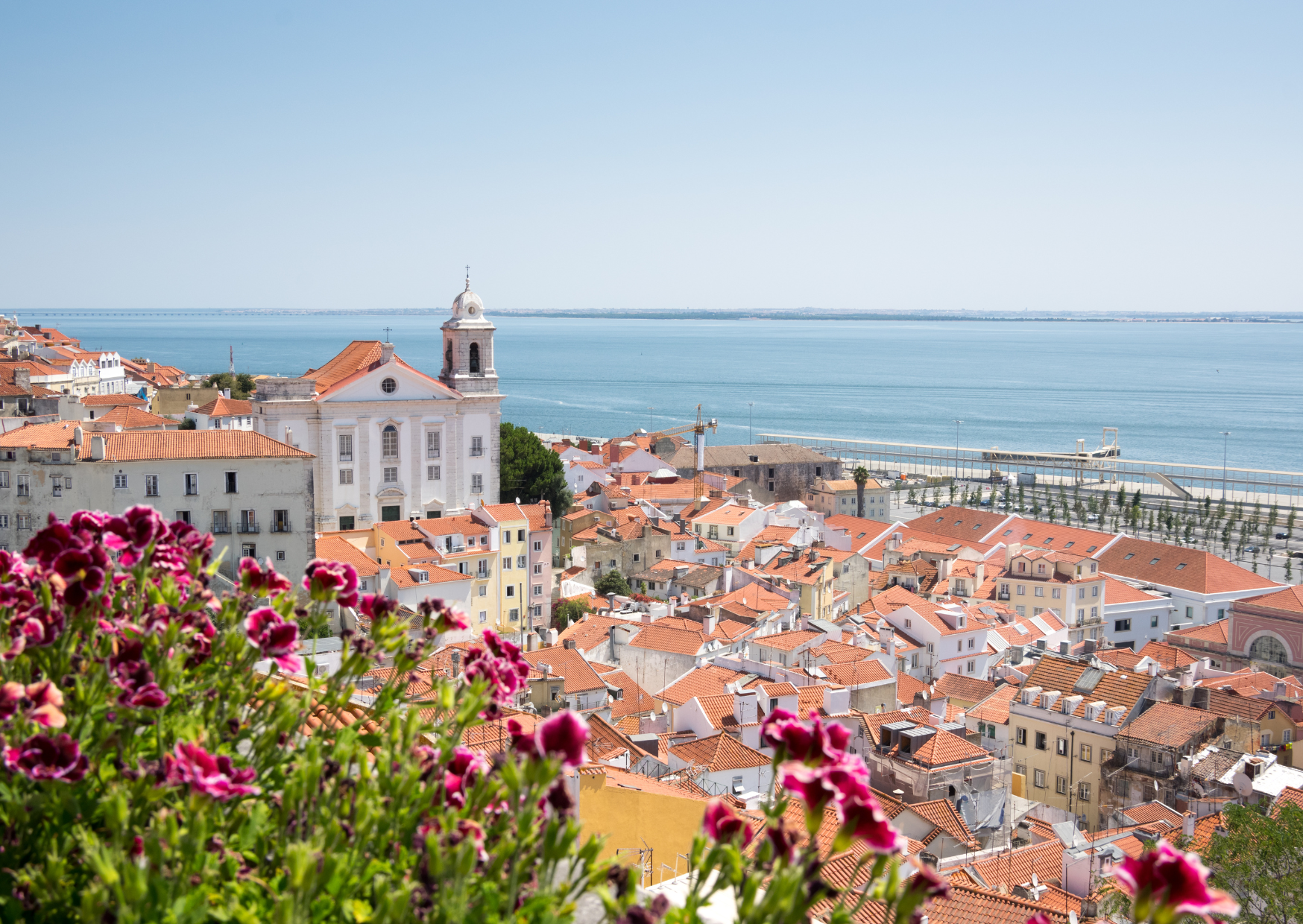
People warn you about Portuguese bureaucracy like it’s a quirky inconvenience. “Bring snacks.” “Bring copies.” “Be patient.”
That’s cute until you’re six months into a process and you realize the system has trained you into a new personality: always preparing, always scanning for the next requirement, always worried that missing one stamp will erase your progress.
You can handle a lot if you feel anchored socially. The problem is when paperwork becomes the center of your life because the rest of your life hasn’t rooted yet.
The expat trap is thinking bureaucracy is the obstacle you overcome, then life begins. In reality, the bureaucracy becomes part of the life.
There are ways to manage it:
- Keep a physical folder and a digital folder for every category: residency, tax, health, housing, banking.
- Over-document everything, even when it feels absurd.
- Assume every process will be slower than you expect.
- Treat renewal timelines like non-negotiable calendar events, not “we’ll do it later.”
But here’s what nobody says out loud: the paperwork tax is also emotional. Every time you have to prove yourself again, you are reminded you’re not fully inside the system. You’re tolerated, processed, categorized.
Some people can live in that state for years and feel fine. For others, it quietly erodes the sense of home.
We could do the tasks. We did them. The part that wore us down was never feeling done.
Portuguese isn’t optional if you want belonging

Americans love to believe they can move to Portugal and speak English forever, especially in Lisbon, Cascais, Porto, and the Algarve.
You can survive like that. You can even have a pleasant life. But if your goal is “home,” language is not a side quest. It’s the gateway.
Without Portuguese, you live in an expat bubble by default. Your friends are mostly foreign. Your doctor visits feel like negotiations. Your sense of humor shrinks because jokes die in translation. Your sense of competence takes hit after hit.
And the worst part is subtle: you start to feel like a visitor in your own week.
This matters more for Americans 45–65 because you’re not moving for a semester abroad. You’re moving for your actual life. That life needs normal friendships, not only dinner-party acquaintances.
Research across migrant populations consistently links social support and integration with lower loneliness risk. Migration is a major life transition, and building bonds in the receiving country is a real developmental task, not a vibe.
Portugal can be friendly without being easy to enter socially. Polite does not mean intimate. Smiles do not mean invitations. A lot of people interpret that as rejection, when it’s often just the local social structure.
Here’s the rule that saved us time: if you want Portuguese friends, you need Portuguese contexts.
Not “expat meetups in English.” Portuguese contexts:
- Local classes where you are the awkward one.
- A neighborhood gym where nobody is trying to network.
- Volunteering where you show up consistently.
- Hobby groups where the default language is Portuguese and you stay anyway.
The earlier you do this, the better.
If you wait until year three, you’re not behind. You’re just tired.
And tired people don’t build a new home. They retreat into what’s familiar.
Lisbon is not Portugal, and it can break you faster
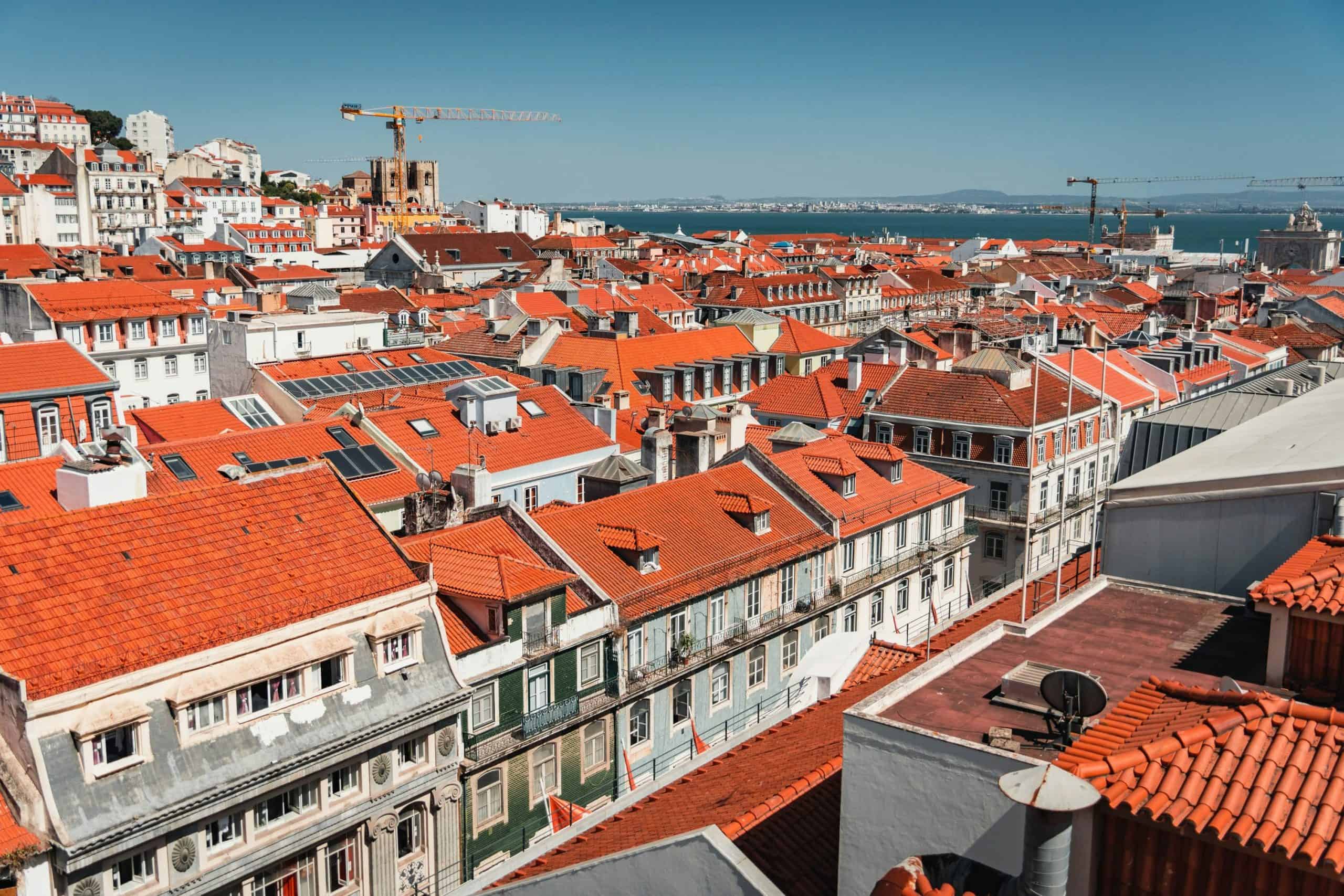
A lot of Americans pick Lisbon because it feels legible. It has the global-city signal. It has the airport connections. It has the restaurants, the tech crowd, the Instagram version of Europe.
It also has the sharpest edges of the current Portuguese reality: housing pressure, tourism saturation, and rising daily costs. Those things change how a city feels, even if you have money.
InterNations survey results have shown Portugal’s overall expat ranking slipping in recent years, and Lisbon’s city ranking falling as expat satisfaction metrics worsened. Surveys are not gospel, but they’re a useful signal that the Lisbon honeymoon is not guaranteed.
If you’re a 55-year-old American moving for calm, Lisbon can deliver calm in small moments and chaos in the infrastructure around housing and services. It’s a city where you can have a gorgeous morning and a bureaucratic afternoon that makes you want to throw your phone in the river.
Portugal can still work better in places where life is more local and less globally marketed:
- Smaller cities where landlords are not pricing for a revolving door of short-term demand
- Towns where your café becomes yours, not a tourist conveyor belt
- Regions where your routine is not constantly interrupted by crowds
This is not a “move to the countryside” speech. It’s a reminder that the most advertised version of Portugal is not always the most livable version.
For us, the places that felt best were the ones where we could disappear into normal life. The irony is that those places are rarely the ones Americans choose first.
The hidden deal: you’re not just moving countries, you’re changing your purpose
This is the part that makes people uncomfortable, especially retirees and near-retirees.
Americans often move thinking the country is the decision. It’s not. The country is the stage. The decision is what you do with your days.
If you leave behind a career, a community role, grown kids nearby, volunteer commitments, or just a familiar identity, you need a replacement. Not a hobby. A structure.
Portugal is great for leisure. It is not automatically great for meaning.
You can fill your time with cafés, walks, and trips. That’s wonderful for a while. Then the question shows up: who are you here?
If your answer is “a foreigner with residency paperwork,” you will eventually feel hollow, no matter how pretty the light is.
This is also why some Americans do better in Europe than others. The ones who thrive tend to have:
- A routine that includes contribution, not just consumption
- Relationships that include locals, not only expats
- A language plan that is real, not aspirational
- A housing setup that is stable enough to stop thinking about it daily
Portugal can support all of that. But it will not hand it to you.
For us, the missing piece was the slow accumulation of deep belonging. We had friendships. We had good days. We never fully stopped feeling like we were visiting.
That can be tolerable. It can also become quietly sad.
Pitfalls most people miss when they commit to Portugal
This is where Americans lose a year or two without realizing it.
They pick the country before they pick the life.
Portugal is not a personality trait. Decide what you want your week to look like, then see if Portugal supports it.
They underestimate housing stress.
Even if you can afford it, unstable housing makes everything worse. When rents are rising and supply is tight, your nervous system never fully relaxes. Reuters has described housing affordability as a crisis issue in Portugal, and it shows in daily life.
They treat Portuguese like a nice-to-have.
If you want home, language is not optional. The expats who never learn Portuguese often end up with a pleasant but shallow life that can crumble when friends move away.
They choose Lisbon because it feels safe, then feel lonely anyway.
A global city does not automatically mean community. Often it means churn.
They confuse “friendly” with “inviting.”
Portuguese culture can be warm and courteous. That does not mean your neighbor is going to adopt you. Building local relationships takes time, consistency, and language.
They plan for “five years,” not for “seven to ten.”
Even without law changes, eligibility and processing are not the same. Bureaucratic delays and processing backlogs can stretch timelines. Build slack into your mental model, or you’ll spend your best years resentful.
They ignore seasonality.
Portugal’s damp winter can be a shock if you arrive expecting permanent summer. Housing quality, insulation, and heating matter more than you think. A gorgeous country can still make you miserable if you’re cold and damp at home.
These are not dealbreakers. They are deal terms. If you accept them with open eyes, Portugal can be a great home. If you ignore them, you’ll spend your years arguing with reality.
Your first 7 days to find out if Portugal could feel like home
If you’re still considering Portugal, don’t start with a visa forum binge. Start with a fit test that forces you to live the Tuesday version, not the beach version.
Day 1: Do a neighborhood day like a local
Pick one neighborhood and stay there all day.
- Morning coffee in the same café twice
- Grocery shop with a basket, not a restaurant
- Walk errands, observe noise, observe older residents, observe strollers and school runs
- Sit in a park and watch how people occupy public space
If you only like Portugal when you’re consuming it, that’s a warning.
Day 2: Run the housing reality check
Pull actual listings and do the math in euros.
- What would you pay for the space you need, not the space you tolerate?
- What would you pay if you want heat that works and mold that doesn’t?
- How many places are available in your price band, and how fast do they move?
If you feel sick looking at rent, don’t cope by calling it “temporary.” Temporary is how you lose years.
Day 3: Spend two hours in Portuguese-only mode
Even if your Portuguese is basic, do this:
- Order food
- Ask a simple question at a pharmacy
- Read labels slowly in a grocery store
Notice what happens in your body. Some people find it energizing. Others find it exhausting. That difference matters for long-term home feelings.
Day 4: Simulate bureaucracy
Do something mildly bureaucratic on purpose.
Examples:
- Open a bank account inquiry
- Ask about registering with a local health center
- Call a service provider and try to set up internet
You’re not trying to “win.” You’re trying to see your tolerance for ambiguity and waiting.
Day 5: Find your anchor activity
Pick one activity that would exist in your life weekly.
- Gym class
- Language school
- Volunteer org
- Choir, hiking club, art studio
- A recurring market routine
You’re looking for repeatable structure, not novelty.
Day 6: Talk to two expats who have stayed, and one who left
Not influencers. Normal people.
Ask:
- What surprised you after the honeymoon?
- What made it feel like home, if it did?
- What made it hard?
If you only listen to people selling the dream, you’ll inherit their blind spots.
Day 7: Decide what “home” means for you
Write three non-negotiables. Keep them brutally plain.
Examples:
- “I need close friendships that aren’t transient.”
- “I need reliable healthcare access.”
- “I need stable housing with heat and dryness.”
- “I need a purpose outside leisure.”
Then ask whether Portugal, in the specific place you’re considering, supports those.
Not “Portugal the brand.” Your Portugal.
This week does not guarantee a perfect decision. It does something better. It reduces fantasy.
And fantasy is the enemy of a good relocation.
The part nobody wants to admit about “home”
Home is not the prettiest place you’ve lived. It’s the place where your nervous system stops scanning.
Portugal can do that for some people. For others, the scanning never stops. You keep monitoring rent, renewals, language gaps, the friend churn, the sense that your real life is somewhere else.
Giving a country four years and admitting it still didn’t feel like home is not failure. It’s data.
If you’re an American considering Portugal, the smartest way to think about it is not “Is Portugal amazing?” It usually is, in many ways. The smarter question is: can you build a life there that does not depend on novelty?
If the answer is yes, Portugal might become home in year five, six, or ten. If the answer is no, you can still enjoy Portugal, but maybe as a chapter, not a permanent address.
The most expensive mistake is forcing a permanent identity onto a place that only fits you as a season.
A visa can give you permission to stay. It cannot give you belonging.
That part you still have to build, and sometimes the honest outcome is that you built as much as you could, and the fit still wasn’t there.
That’s not disturbing.
That’s adulthood.

About the Author: Ruben, co-founder of Gamintraveler.com since 2014, is a seasoned traveler from Spain who has explored over 100 countries since 2009. Known for his extensive travel adventures across South America, Europe, the US, Australia, New Zealand, Asia, and Africa, Ruben combines his passion for adventurous yet sustainable living with his love for cycling, highlighted by his remarkable 5-month bicycle journey from Spain to Norway. He currently resides in Spain, where he continues sharing his travel experiences with his partner, Rachel, and their son, Han.