

You can walk into a supermarket in the U.S. and one in Europe, grab the same red can, and feel like you’re buying the same thing.
You’re not.
The “disturbing” part is not that Europe is magical and America is toxic. That story is lazy and usually wrong. The disturbing part is simpler: the brand is identical, the vibe is identical, the marketing is identical, and yet the formulation choices expose two completely different food systems, two different pricing incentives, and two different definitions of what “normal” looks like.
If you’re planning a move, this is the kind of tiny everyday difference that adds up fast. Not because cola is health food, but because labels are culture.
The ingredient list looks identical until line two
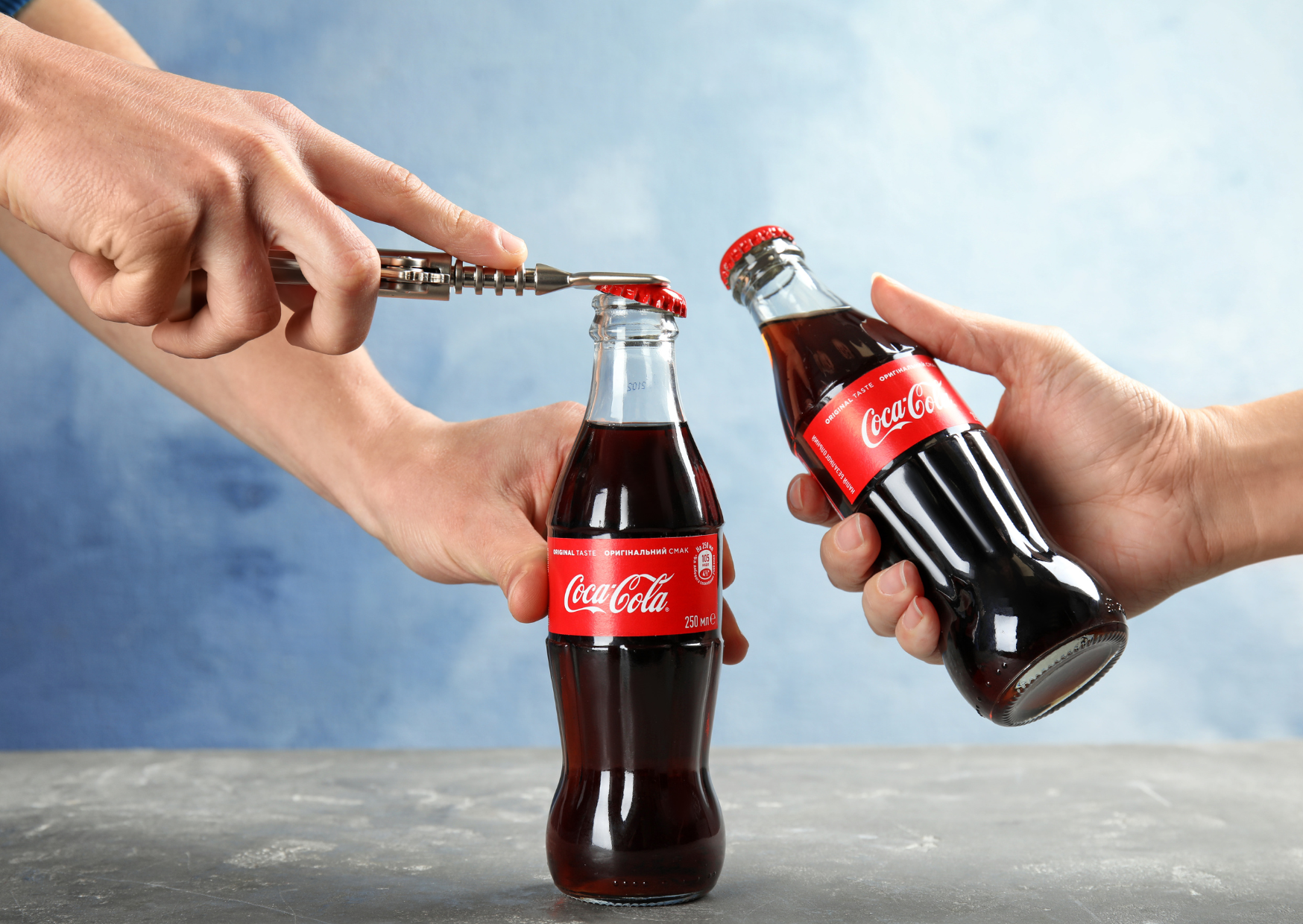
Here’s what makes this comparison so weird: the U.S. and European ingredient lists mostly line up like a photocopy.
Carbonated water. Color. Acid. “Natural flavors.” Caffeine.
Then you hit the sweetener line, and you realize you’re not dealing with one product. You’re dealing with one global brand that happily runs different versions depending on the local economics and norms.
In the U.S., the flagship formulation is widely listed as carbonated water plus high fructose corn syrup as the sweetener. In many European markets, the flagship formulation is carbonated water plus sugar as the sweetener, often shown as “sugar” with the caramel color and phosphoric acid spelled out, sometimes with E-numbers like E150d and E338.
That one swap changes how the drink tastes, how it behaves in cold storage, how it’s priced, and how people mentally file it under “real food” versus “industrial food.” It also changes how Americans talk about it online, because Americans have built an entire moral universe around the phrase “high fructose corn syrup.”
If you only take one thing from the comparison, take this: the ingredient list is a business decision.
Not a moral one.
The sweetener politics: why the U.S. got HFCS and Europe stayed on sugar
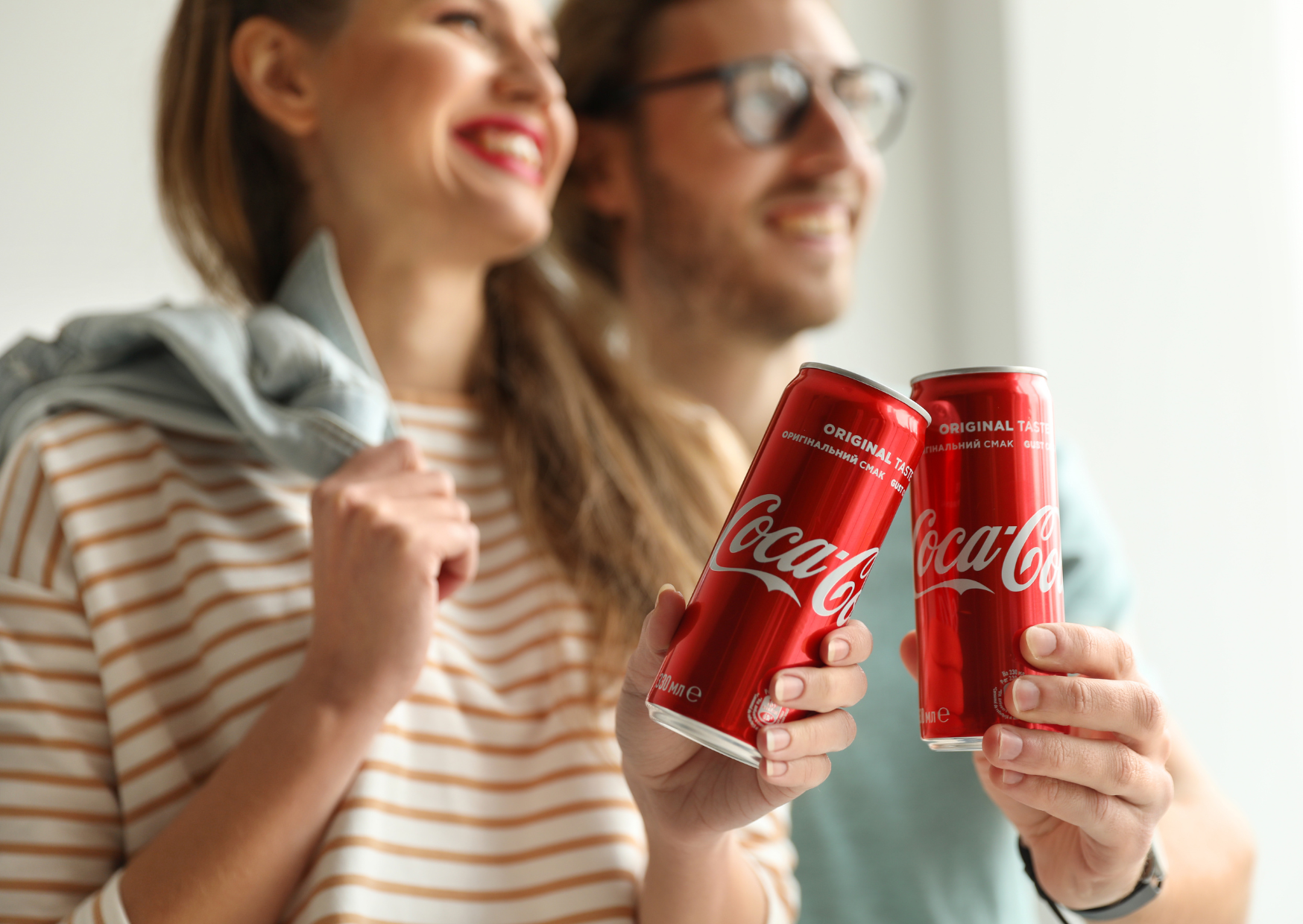
If you ask most Americans why U.S. Coke uses high fructose corn syrup, you’ll get a speech about corporate greed, chemistry, and “Europe bans everything.” The real answer is more boring and more useful.
High fructose corn syrup became the U.S. default sweetener because it fit U.S. agricultural and industrial realities. Corn is massively produced, corn processing is entrenched, and the sweetener supply chain is domestic, scalable, and price-stable. When a company sells billions of servings, a fraction of a cent matters.
In Europe, sugar from beets and cane has been the standard sweetener baseline for decades, and “sugar” reads as the normal thing to put on a label. You still have industrial food in Europe. You just have a different set of defaults.
Now the part that annoys people: nutritionally, high fructose corn syrup and table sugar are not as different as the internet wants them to be. Both deliver glucose and fructose. Sucrose is a bonded glucose-fructose pair that your body breaks apart. Many formulations of HFCS used in soft drinks have a similar split of glucose and fructose to sucrose.
That does not make either one “good.” It just means the honest argument is about added sugar quantity, not a magic difference between “corn syrup” and “sugar.” A 330 ml can is still a sugar bomb whether the label says cane, beet, or corn.
Where the difference becomes real is practical life:
- Taste perception is different. Many people describe the sugar-sweetened version as “cleaner” or less cloying. That is partly sweetness profile, partly expectation.
- Cost and availability are different. In the U.S., you will see sugar-sweetened versions sold as a specialty product. In Europe, you typically won’t.
- The label language triggers different cultural alarms. “Sugar” feels familiar, “corn syrup” feels engineered, even when the metabolic story is not a clean moral divide.
If you’re moving, this matters because you’re going to run into the same dynamic everywhere: the same multinational brand, the same packaging, and a different local “normal.” You learn quickly that normal is negotiated, not discovered.
The color story: caramel color, 4-MEI, and why Europe loves E-numbers
Both versions use caramel coloring. That sounds quaint until you learn there are multiple classes of caramel color, and some manufacturing processes can create compounds like 4-methylimidazole (4-MEI). This is where Americans tend to spiral, because “caramel color” sounds like something your grandmother made, and then you find out it has industrial subtypes and acronyms.
Here’s the grounded version:
- Caramel coloring is a common food colorant used in colas.
- Some caramel color processes can create 4-MEI as a byproduct.
- California’s Proposition 65 created a public pressure point around 4-MEI exposure thresholds in beverages, because products above certain levels can trigger warning requirements.
- European regulators have evaluated caramel colors and set acceptable daily intake levels for caramel colors as a group, with specific caution around certain classes.
If you’re expecting the European label to read “caramel color” and stop there, you’ll often see a different kind of transparency: E-numbers.
For example, you may see “Colour (Caramel E150d).” That E-number is not a scary code. It’s a classification system used for approved additives. Likewise, phosphoric acid may show up as E338 in additive lists.
Americans often read E-numbers as proof of chemical trickery, because it looks like a lab inventory. Europeans often read it as the opposite: the additive is named, classified, and regulated, so it gets its code.
The real “disturbing” point is not whether caramel color is evil. It’s that the U.S. consumer experience encourages vague familiarity. “Caramel color” feels harmless because it sounds like dessert. The European consumer experience often pushes you into a more explicit additives vocabulary.
You do not have to like either system. But you should notice the difference, because it shows up across categories: deli meats, flavored yogurts, packaged bread, even chewing gum.
This is also where expat life gets interesting. You will meet Americans who feel calmer seeing E-numbers, because it feels formal. You will meet Americans who feel more anxious, because it feels coded.
Same additive. Different emotional framing.
Phosphoric acid and caffeine: the part people love to mythologize

Both versions commonly include phosphoric acid. Both include caffeine. That’s not shocking. What’s funny is how much mythology gets stapled to these two ingredients.
Phosphoric acid becomes “acid that leaches your bones.” Caffeine becomes “drugged soda.” People then turn a soft drink into a courtroom drama.
A more useful way to look at it:
- Phosphoric acid is there to provide tang and balance sweetness. It is a core part of the cola taste profile.
- Caffeine is there for bitterness and stimulation, and sometimes the label language differs slightly. You may see “caffeine” or “caffeine flavouring,” depending on market labeling conventions.
If you’re trying to make health decisions, the big lever is still total sugar intake, plus how often you’re drinking it. If you’re drinking cola daily, the sugar load is the headline. If it’s an occasional treat, the conversation changes.
For relocation, this section matters for a different reason: Europe does not automatically mean “healthier” if your habits do not change.
You can move to Spain, walk more, eat better, and feel great. You can also move to Spain and discover that it is extremely easy to drink a cold sweet beverage every afternoon because cafés are everywhere and routine is social.
The environment nudges you, but it does not rescue you.
The label transparency myth: “Europe tells you everything” and “America hides everything”
A lot of online content sells a simple storyline: Europe has stricter rules, America is the Wild West, so European labels are inherently more honest.
Reality is messier.
Europe often uses standardized additive terminology and E-numbers. The U.S. often uses ingredient terms that feel familiar in plain English. Both systems still allow broad categories like “natural flavors” or “natural flavourings,” which is the most important non-answer on the label.
“Natural flavors” can cover many flavoring substances and extracts. It tells you less than you think, and that is true on both sides of the Atlantic.
So what does the label actually tell you that matters?
- The sweetener choice is real and meaningful for taste and cultural baseline.
- Additives are present in both versions, even if the naming style differs.
- The biggest health variable is still dose, not whether the sweetener came from cane, beet, or corn.
What Europe often changes is the background noise around food. People talk about ingredients differently. Packaging norms are different. Portion sizes are different. The number of ultra-sweetened drinks consumed daily is different in many communities.
That is not because Europe is morally superior. It is because food systems shape habits, and habits shape health.
If you’re considering a move, it’s smart to drop the fantasy that you’re moving to a place where corporations do not exist. You are moving to a place where the corporate dance steps are a little different.
Pitfalls most people miss when they do “American vs European ingredients” comparisons
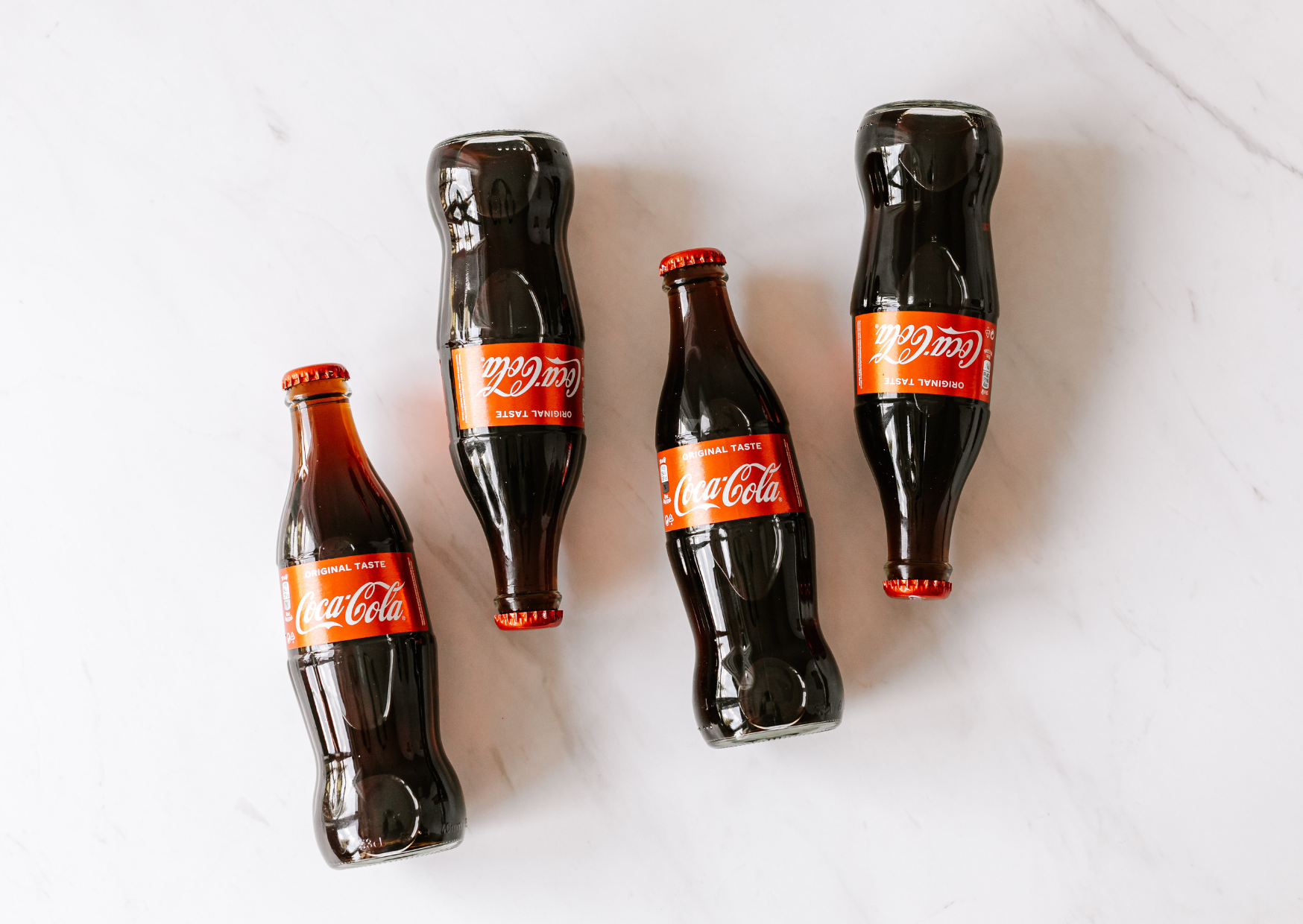
This is where the comparison usually collapses into viral nonsense. If you want to use this kind of label check as a real-life tool, watch for these traps.
The first trap is comparing the wrong products.
Coca-Cola is not one uniform thing. The U.S. has a standard formulation, but the U.S. also sells cane sugar versions, and imported sugar-sweetened bottles are common in some areas. Europe has “Original Taste,” “Zero,” “Light,” and local variants. If you compare U.S. “Zero” to European “Original,” you are basically doing fiction.
The second trap is confusing “different word” with “different risk.”
Europe might write “Colour (Caramel E150d).” The U.S. might write “Caramel Color.” People see the code and assume it’s a different chemical. Often it’s a different labeling convention, not a fundamentally different ingredient.
The third trap is ignoring dose.
Someone will post “Europe uses sugar, America uses HFCS” and then drink three cans a day, because the label felt more wholesome. That is how the brain works. It confuses familiar language with safety.
The fourth trap is treating “banned” as a magic stamp.
European regulation can be stricter in some areas, but the big story is not a constant ban-hammer. It’s a different style of standardization and precaution in certain categories. Meanwhile, the U.S. has its own patchwork of rules and state-level pressure points.
The fifth trap is making relocation decisions off a supermarket meme.
If you’re moving to Europe, your health outcomes are more likely to be shaped by: walkability, daily schedule, stress levels, sleep, social structure, alcohol frequency, and how much you cook. Your soda sweetener is not the hero of this movie.
Use the cola comparison for what it really is: a clean example of how the same brand adapts to local systems.
That’s the lesson you can apply to everything else.
The first-week label audit: use Coke as a template, not a moral panic
If you want something practical, do a seven-day label audit using one product you already know, then expand out. The goal is not to become a full-time ingredient detective. The goal is to stop being easily manipulated by packaging.
Day 1: Pick three “identical” products
Choose three multinational items you buy without thinking. Cola is one. Add a yogurt brand and a packaged snack. Look at the ingredient lists and notice what changes by market.
Day 2: Circle the sweetener line
Sugar, glucose-fructose syrup, corn syrup, dextrose, maltodextrin, fruit concentrates. Do not rank them morally yet. Just build awareness of how often sweeteners show up where you did not expect them.
Day 3: Identify the “category words”
Natural flavors. Stabilizers. Emulsifiers. Acidity regulators. Colorings. These are often the places where you learn the least, even when you feel like you’re learning a lot.
Day 4: Compare portion norms
Look at the standard container sizes you see in cafés and supermarkets. In many European places, a 330 ml can feels like a normal unit. In many U.S. settings, 20 oz bottles are treated as casual. Your environment quietly picks your dose.
Day 5: Price it like a grown-up
Take the cost per liter and write it down. Multinationals often use price psychology. Sometimes the “better” version is not the one you think. Sometimes the sugar-sweetened specialty version in the U.S. is priced like a luxury, which tells you exactly how the company expects you to treat it.
Day 6: Decide your personal rules
Make three rules you will actually follow. Not aspirational rules. Real ones. Example: “Sweet drinks only with meals.” Or “Only when walking, never as a desk drink.” Or “Two cans per week max.” A rule you follow beats a rule you post.
Day 7: Build the replacement habit
If cola is a nightly ritual, swapping sweetener type will not change much. Swap the ritual. In Europe, it can be sparkling water with citrus, a café con leche, a small beer, a zero-sugar soda, or just water because you are walking more. Pick one that fits your life and stick it in the same slot.
This is the boring part that works: systems beat willpower. Your kitchen defaults, your commuting pattern, and your café routine will decide more than your opinions about corn syrup.
What the Coke label is really telling you about Europe
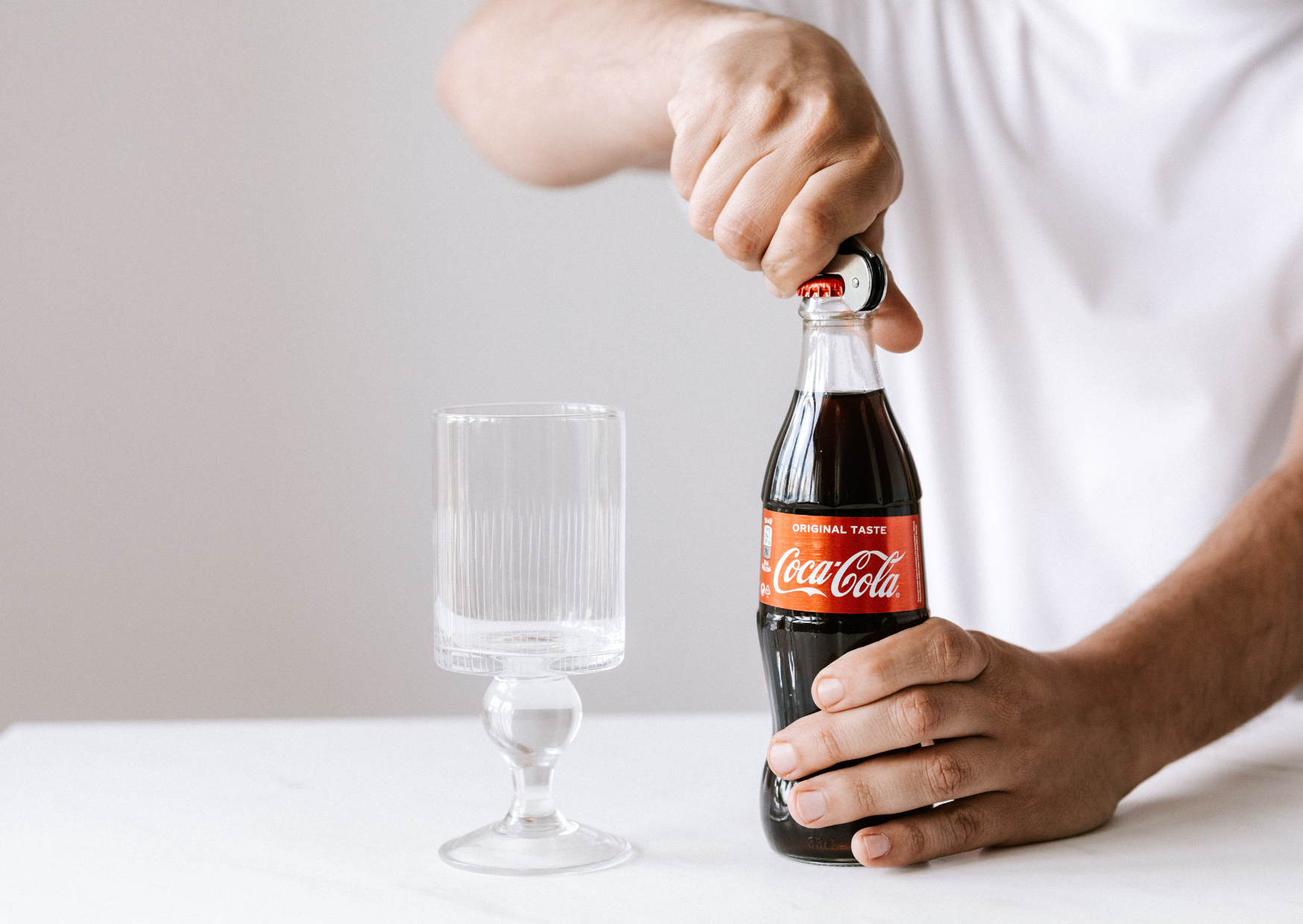
The honest takeaway is not “Europe has better Coke.” The honest takeaway is that Europe often feels calmer because daily life is built around smaller defaults.
Smaller package norms in many places. More walking baked into errands. More frequent short social stops instead of long isolated snacking stretches. Less constant driving. Different pacing.
Then you layer on the food system differences: labeling style, sweetener economics, additive naming. The result is that Americans often report feeling like they “eat cleaner” without trying, because the environment changes what “trying” even means.
But don’t romanticize it. You can absolutely move to Europe and keep the same old patterns. You can also move to Europe and accidentally upgrade your health because you stopped living inside a car and started living inside a neighborhood.
So yes, the cola ingredient comparison is disturbing. Not because one ingredient is a horror movie villain.
It’s disturbing because it shows how easy it is for a company to sell you “the same product” while quietly following whatever system makes them the most money and causes the least friction locally.
That’s relocation in miniature.
If you want European life to feel better, focus less on the myth that Europe is pure, and more on the parts that are actually different: habits, defaults, and friction. The label is just the receipt.

About the Author: Ruben, co-founder of Gamintraveler.com since 2014, is a seasoned traveler from Spain who has explored over 100 countries since 2009. Known for his extensive travel adventures across South America, Europe, the US, Australia, New Zealand, Asia, and Africa, Ruben combines his passion for adventurous yet sustainable living with his love for cycling, highlighted by his remarkable 5-month bicycle journey from Spain to Norway. He currently resides in Spain, where he continues sharing his travel experiences with his partner, Rachel, and their son, Han.