
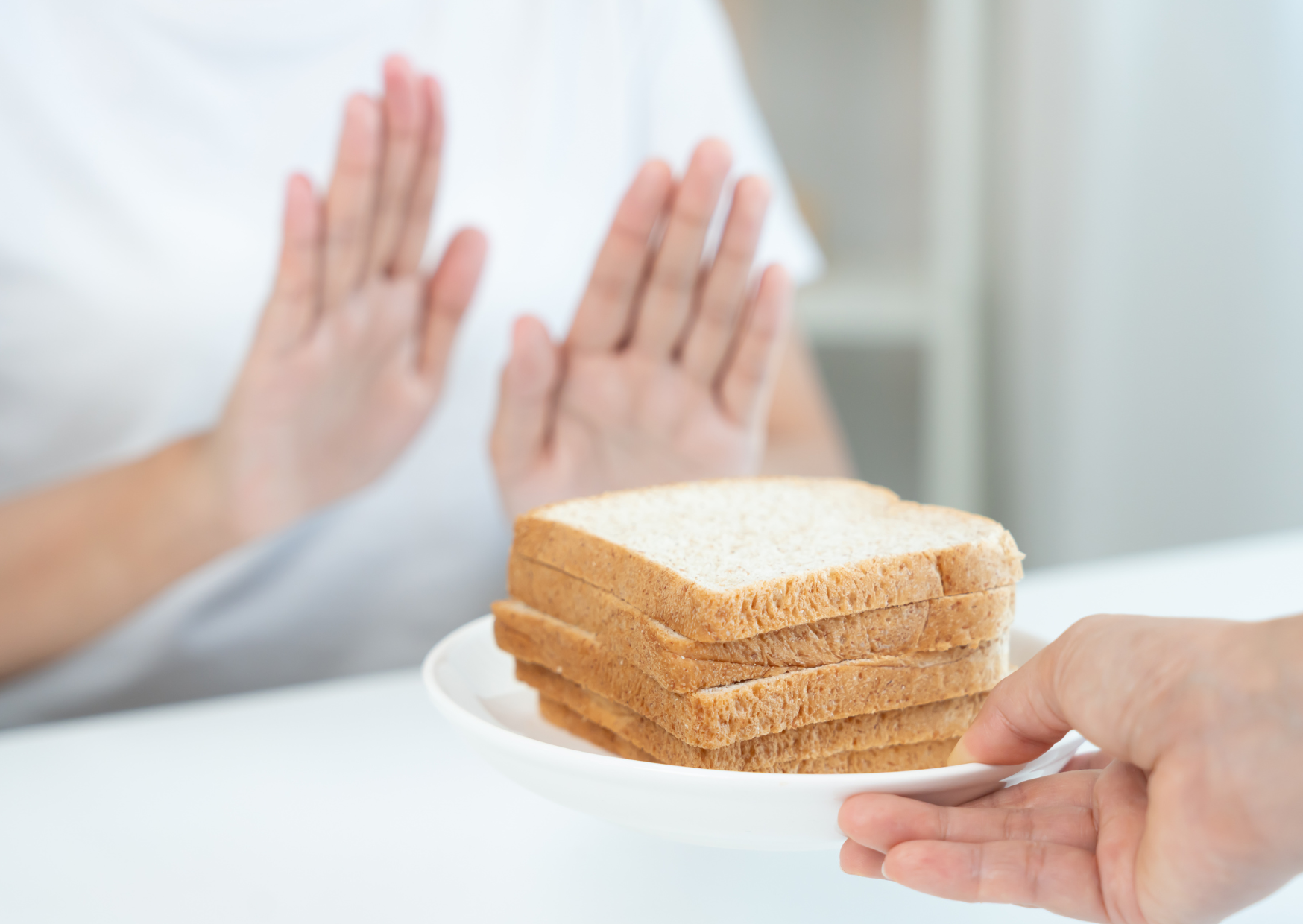
That “yoga mat chemical” line has done numbers on the internet for a decade. It’s the kind of sentence that makes people feel smart and furious at the same time. It also makes Americans who are considering Europe think, “So the whole food system over there is cleaner, right?”
Sometimes, yes. Sometimes, no. The real story is more interesting than the meme.
There is a chemical called azodicarbonamide. It has been used as a blowing agent in some foamed plastics and rubber, including things like yoga mats. It has also been used in food production as a flour treatment agent and dough conditioner, including in some mass-produced bread in the United States. In the European Union, it’s not permitted as a food additive in bread.
So the headline is basically true, but it’s missing the part that matters for your real life: most bread in the U.S. does not contain it, most bread in Europe is not magically pure, and the difference you will feel day to day is often less about one additive and more about how bread is made, sold, portioned, and eaten.
If you’re 45–65 and thinking about living in Europe, this is a perfect example of how you should evaluate “Europe vs America” claims: not as a morality play, but as a practical map of what changes and what doesn’t.
What the “yoga mat chemical” actually is, and what it does in bread
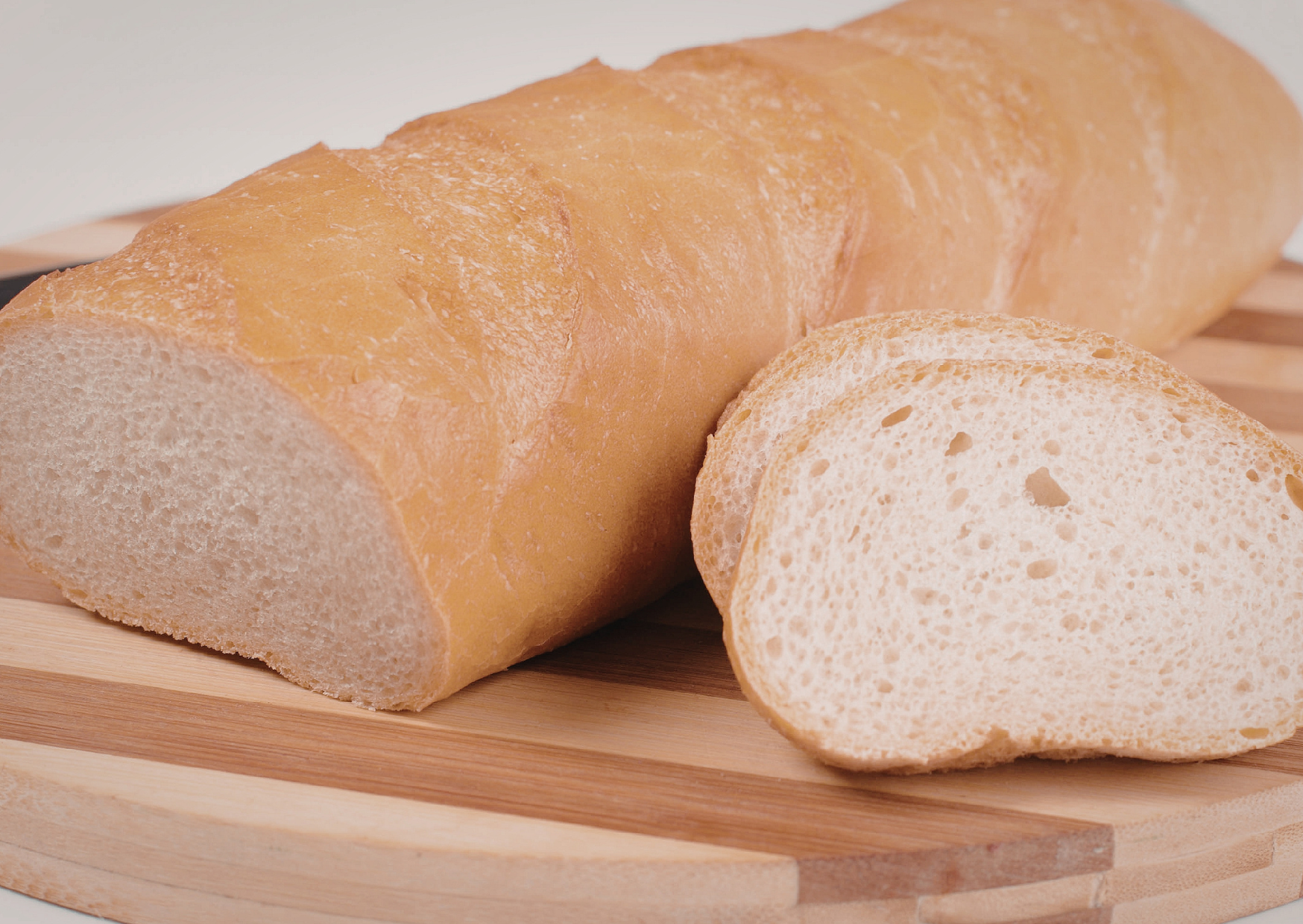
Azodicarbonamide sounds like a superhero villain. In bread, it’s used for boring reasons: to help dough behave more predictably in high-speed industrial baking and to whiten flour.
That predictability matters when you’re pushing out thousands of identical loaves an hour. Industrial baking wants a dough that can take mechanical mixing, hold gas, rise on schedule, and come out with a consistent crumb.
In the U.S., the FDA has allowed azodicarbonamide for use as a flour bleaching agent and dough conditioner at low levels. In that context, it’s not added because it’s delicious. It’s added because uniformity is profitable.
People hear “yoga mat chemical” and assume the bread contains chunks of plastic. It doesn’t. The more accurate concern is that azodicarbonamide can break down during baking into other compounds, and critics argue the safety data is not strong enough, especially when you consider cumulative exposure from multiple processed foods.
This is the part where internet content gets sloppy. You will see claims that it “becomes the same stuff as a yoga mat.” That’s not how chemistry works in the way the meme implies. The overlap is that it’s the same starting compound used in different industries. The food question is about why it’s used, how much is used, and what it becomes under heat and processing.
If you’re trying to make a personal decision, the useful line is simple: if you mostly eat supermarket packaged bread in the U.S., you are more likely to encounter flour treatment agents and dough conditioners, including azodicarbonamide in some products. If you mostly eat fresh bakery bread in Europe, you are less likely to encounter that specific additive because it’s not permitted there as a food additive.
That’s not virtue. That’s a system difference.
The Europe part: “European bread doesn’t” is mostly true, but not because Europe is a fairytale
In the EU, azodicarbonamide is not permitted as a food additive for bread. That’s why you won’t typically see it on ingredient lists in European bread. Europeans are not choosing purity out of personal discipline. The regulatory baseline is different.
But don’t let your brain do the lazy leap from “this additive isn’t allowed” to “European bread is additive-free.”
Europe has plenty of approved additives. You’ll see emulsifiers, enzymes, preservatives in some packaged breads, especially long-shelf-life sandwich loaves and imported products. You’ll also see a much bigger culture of buying bread fresh, which naturally reduces the need for some preservatives and stabilizers.
That second piece is the practical one. Short supply chains change ingredients. When bread is made, sold, and eaten quickly, the incentive to engineer it for two weeks of softness declines.
So yes, “European bread doesn’t” contain azodicarbonamide in the usual consumer context. But the deeper difference you feel is often this: European bread is more likely to be a daily fresh purchase, in smaller quantities, with a different texture baseline. American bread is more likely to be a weekly purchase, in larger quantities, designed to stay soft for longer.
That soft, long-lasting loaf is a feature, not a conspiracy. It’s also why the ingredient list can look like a small novel.
Why American bread got weird: shelf life, softness, and the sandwich economy
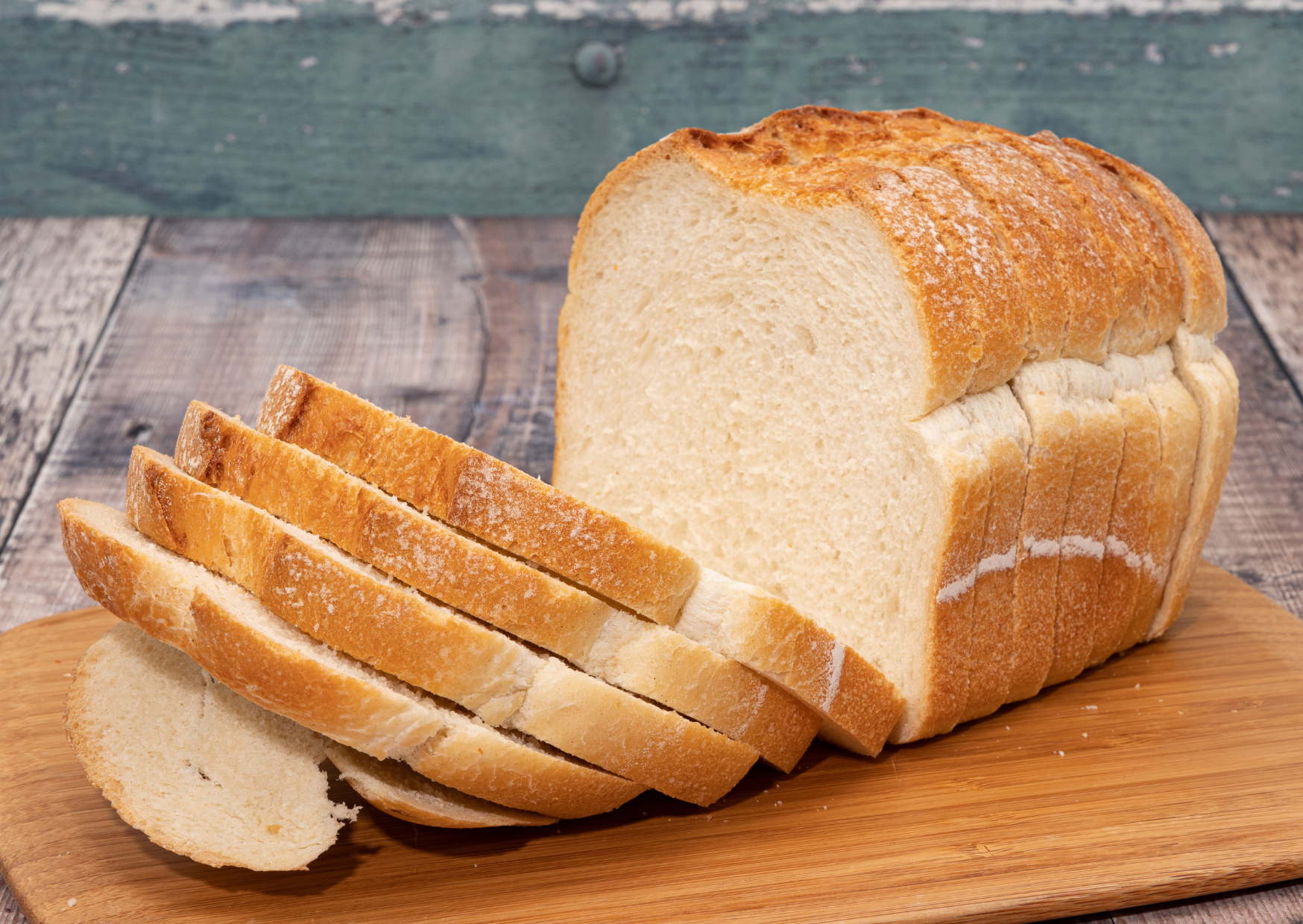
Americans are not uniquely careless. Americans are living inside a food environment built around cars, big weekly shops, lunchboxes, and convenience.
If you need a loaf to survive a week on the counter and still be flexible enough to fold around peanut butter without tearing, you end up with a specific kind of bread. Industrial producers optimize for softness, shelf stability, and consistency.
That’s where the chemical help comes in.
Not only azodicarbonamide. The bigger universe includes:
- Flour treatment agents to standardize flour performance
- Dough conditioners to strengthen or relax gluten behavior
- Emulsifiers to keep crumb soft
- Preservatives to slow mold
- Added sugars and fats to improve softness and extend palatability
When you hear “America uses chemicals in bread,” the correct response is: yes, because American industrial bread is often engineered for a different job.
Europe has industrial bread too. The difference is that fresh bread culture is stronger in many countries, so the engineered loaf is not always the default loaf. In much of the U.S., the engineered loaf is the default, and the “real bread” loaf is a premium product.
That’s why a meme about one additive caught fire. It’s a proxy for a larger frustration: why does the simplest food feel industrial?
If you’re moving to Europe, you’ll likely experience a subtle shift: bread becomes something you buy more often, in smaller quantities, and eat faster. That alone can change how it feels in your body and in your daily routine, even if you never become a sourdough snob.
The meme is effective because it’s emotionally correct, even when it’s factually incomplete
The “yoga mat chemical” story stuck because it points at something real: Americans are tired of ingredient lists that feel engineered for the logistics chain, not for a kitchen.
But it also pulls focus away from more common bread issues that matter more for most people:
- Added sugar in many packaged American loaves
- Higher sodium in some sandwich breads
- Texture that encourages overeating because it’s easy to eat fast
- Portion size norms where two thick slices become a meal base
- The fact that a lot of Americans are eating bread plus processed meat plus processed cheese, and blaming bread alone
This is why Europeans can eat bread daily and not necessarily have the same outcomes. It’s not that bread is magical. It’s that the whole pattern is different: smaller portions, more walking, more meals built around simple ingredients, less constant snacking in the car.
If you want to use the meme as a tool, use it as a prompt to ask better questions:
- Is this bread designed to last 10 days, or to be eaten today?
- Is it built around flour, water, salt, yeast, or around an industrial softness target?
- Do I feel satisfied after two slices, or do I keep eating because it dissolves?
Those questions do more for your life than memorizing the name azodicarbonamide.
The real comparison you should run: supermarket loaf vs bakery loaf, not America vs Europe
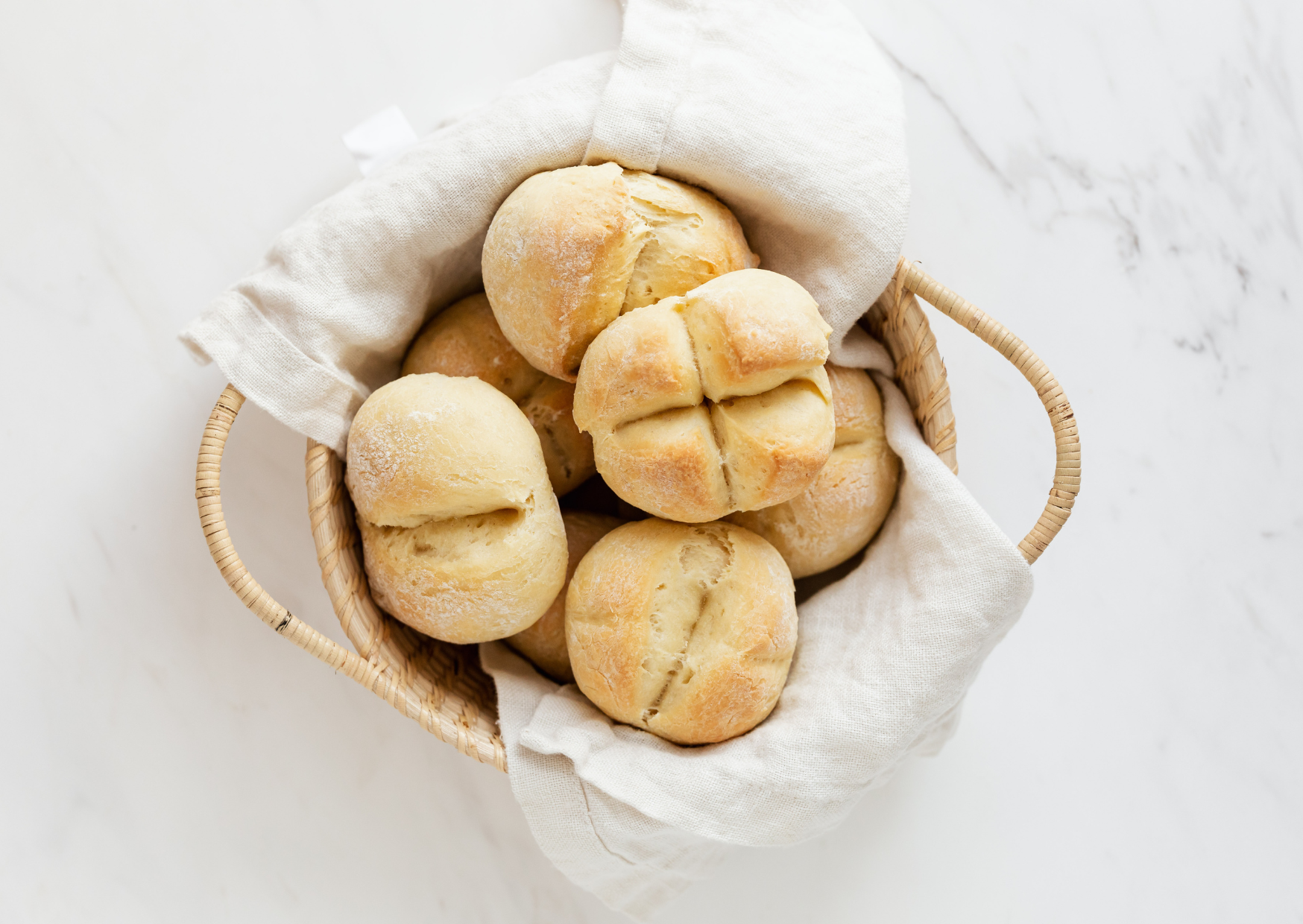
If you walk into a good bakery in the U.S., you can buy a loaf that looks and behaves like European bread. If you walk into a big supermarket in Europe, you can buy packaged bread that behaves like American bread.
The difference is the baseline and how easy it is to choose the simpler option.
In many European cities and towns, bakeries are normal. You pass one on the way to errands. You buy bread like you buy milk. That infrastructure nudges you toward fresher bread, and fresher bread does not need the same engineering.
In many American suburbs, the bakery is a destination. The supermarket loaf is the default. The default option is designed for mass distribution and shelf life.
So yes, you may eat “cleaner bread” in Europe without trying. But the reason is often not the ban list. It’s that fresh bread is convenient.
For relocation planning, this matters because people routinely over-credit “Europe’s rules” and under-credit “Europe’s daily logistics.” Walkability, density, and local retail patterns change what you eat.
That’s the kind of difference you can actually build your life around.
Pitfalls most people miss when they decide bread is the problem
Bread is an easy villain because it’s visible and constant. But if you’re using bread to think about health and relocation, don’t step on these rakes.
Pitfall 1: Thinking “no azodicarbonamide” equals healthy.
A bread can avoid that additive and still be high in salt, low in fiber, and eaten in huge portions. Absence of one ingredient is not a full nutrition strategy.
Pitfall 2: Ignoring your actual bread type.
A lot of Americans already eat bread that doesn’t contain azodicarbonamide. Many brands removed it under public pressure years ago. The meme can make you panic about something you’re not even consuming.
Pitfall 3: Treating Europe as a detox camp.
You can move to Europe and still eat packaged snacks, drink daily, and gain weight. You can also stay in the U.S. and eat better bread by changing where you shop. The country is not the whole answer.
Pitfall 4: Missing the role of routine.
The biggest shift many Americans report in Europe is not “better ingredients.” It’s that they walk more, snack less, and eat at more predictable times. Your body responds to rhythm.
Pitfall 5: Forgetting the price story.
In the U.S., the simplest bread can be more expensive. In parts of Europe, decent bread can be very affordable, especially outside the tourist centers. That changes your default choices.
If you want one blunt sentence: the bread story is not primarily about a chemical. It’s about what a food system rewards.
A practical bread test you can do without becoming a food influencer
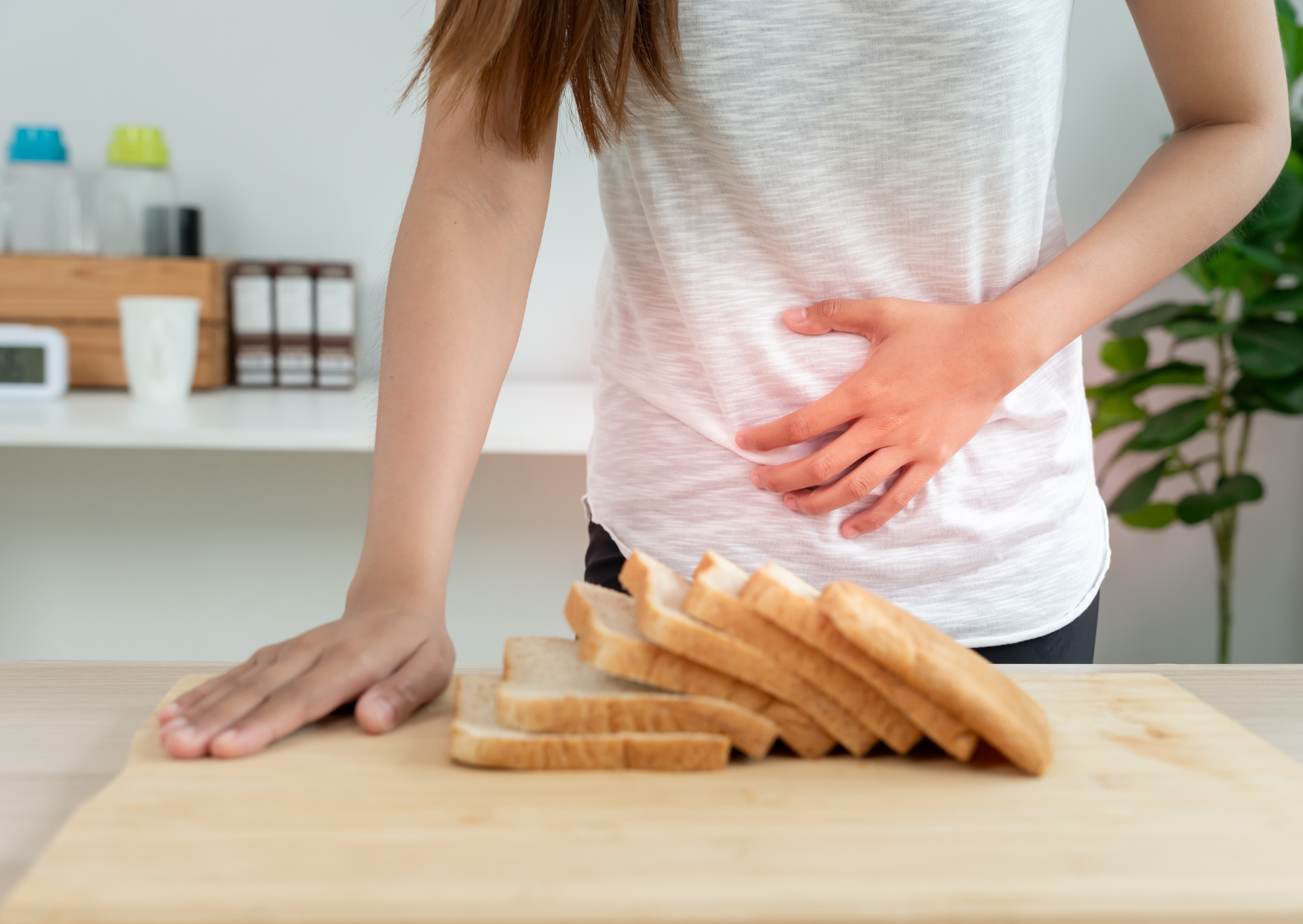
You don’t need to memorize additive lists. You need a quick way to identify whether a loaf is engineered for logistics or made for eating.
Here’s the easiest test: compare two breads side by side.
Pick one mass-market sliced loaf and one bakery-style loaf. Do not overthink brands. Use what’s accessible.
Now look at:
- Ingredient count and whether the list includes multiple conditioners, emulsifiers, or preservatives
- Sugar content per slice
- Fiber per slice
- How it stales over 48 hours
- How satisfied you feel after a normal portion
Engineered bread often stays soft in a way that feels impressive and slightly uncanny. Bakery bread often goes stale faster, which is annoying and also a clue: it’s not built for a long logistics chain.
Then do the only test that matters: how you live with it.
If you are moving to Europe and you plan to buy bread daily, bakery-style bread makes sense. If you are living somewhere car-dependent and shopping weekly, you may prefer a loaf that survives.
A lot of relocation frustration comes from forcing one lifestyle’s food into another lifestyle’s logistics.
The first 7 days to fix your bread life, whether you move or not
If you’re considering Europe partly for food and health, you can start with bread because it’s daily and behavioral. This is an actual one-week sprint that will change your defaults, not just your opinions.
Day 1: Identify your bread role
Write one honest sentence: what is bread in your life?
- Breakfast base
- Lunch sandwich vehicle
- Snack
- Emergency filler
- Comfort food
If bread is an emotional snack, no ingredient swap will help until you address the habit.
Day 2: Buy bread in the smallest quantity possible
This is a Europe-style move that works anywhere.
If you can buy a half loaf, do it. If you can buy rolls, do it. If you can freeze slices, do it.
The goal is to reduce stale bread guilt, which is how people end up eating bread they didn’t actually want.
Day 3: Eat bread with protein and fat, not alone
This sounds obvious, but most people don’t do it consistently.
Bread alone is easy to overeat. Bread with eggs, cheese, olive oil, tuna, yogurt, or legumes behaves differently in your appetite.
You’ll feel the change within a week.
Day 4: Upgrade one bread purchase, not all bread
Pick one “anchor loaf” per week that is the better version for you. Maybe it’s a bakery sourdough. Maybe it’s a whole grain loaf with higher fiber and lower sugar. Maybe it’s a simple baguette you eat the same day.
Do not turn it into a personality. One better loaf is enough.
Day 5: Make staling your friend
European households often have bread rituals that assume staling.
Use stale bread for:
- Toast
- Croutons
- Breadcrumbs
- Soup thickening
- Pan-fried slices with olive oil and garlic
If you treat staling as failure, you will keep buying engineered bread. If you treat staling as normal, you can buy simpler bread without waste anxiety.
Day 6: Read two labels, then stop
Read the ingredient list and nutrition panel for two products, not twenty.
Look for:
- Added sugar per slice
- Fiber per slice
- Sodium per slice
- Obvious conditioners and preservatives if that matters to you
Then make a decision and move on. The goal is better defaults, not a new hobby.
Day 7: Decide your Europe bread plan
If you move, decide this in advance because it will shape your routine:
- Will you buy bread daily or every other day?
- Do you have a bakery in walking distance?
- Do you need freezer space for backup?
- Are you okay with bread that stales faster?
This is the kind of small plan that makes relocation feel smoother. People underestimate how much daily friction comes from basics like bread, laundry, and grocery cadence.
The honest takeaway: the chemical is real, but the bigger shift is how bread fits into life
Yes, azodicarbonamide is the “yoga mat chemical” people talk about. Yes, it has been allowed in the U.S. at low levels for flour treatment and dough conditioning. Yes, it’s not permitted as a food additive in the EU, which is why it’s not part of the normal European bread landscape.
But if you are moving to Europe because you want to feel better, your daily outcomes will be driven more by the boring things:
- How often you buy bread
- What your neighborhood food access looks like
- Whether you walk to get it
- Whether your meals are built around whole ingredients
- Whether your bread is the meal or the side
The meme is satisfying because it gives you a villain. The adult move is to use it as a signpost.
When a food system optimizes for shelf life and uniformity, you get bread that behaves like a product. When a food system supports frequent fresh buying, you get bread that behaves like food.
Europe nudges you toward the second pattern in many places. Not everywhere. Not automatically. But often enough that Americans notice it quickly.
And that’s the point. The difference you’ll feel is less “Europe banned the yoga mat chemical,” and more Europe makes it easier to live like you’re feeding yourself, not stocking a pantry for survival.

About the Author: Ruben, co-founder of Gamintraveler.com since 2014, is a seasoned traveler from Spain who has explored over 100 countries since 2009. Known for his extensive travel adventures across South America, Europe, the US, Australia, New Zealand, Asia, and Africa, Ruben combines his passion for adventurous yet sustainable living with his love for cycling, highlighted by his remarkable 5-month bicycle journey from Spain to Norway. He currently resides in Spain, where he continues sharing his travel experiences with his partner, Rachel, and their son, Han.