
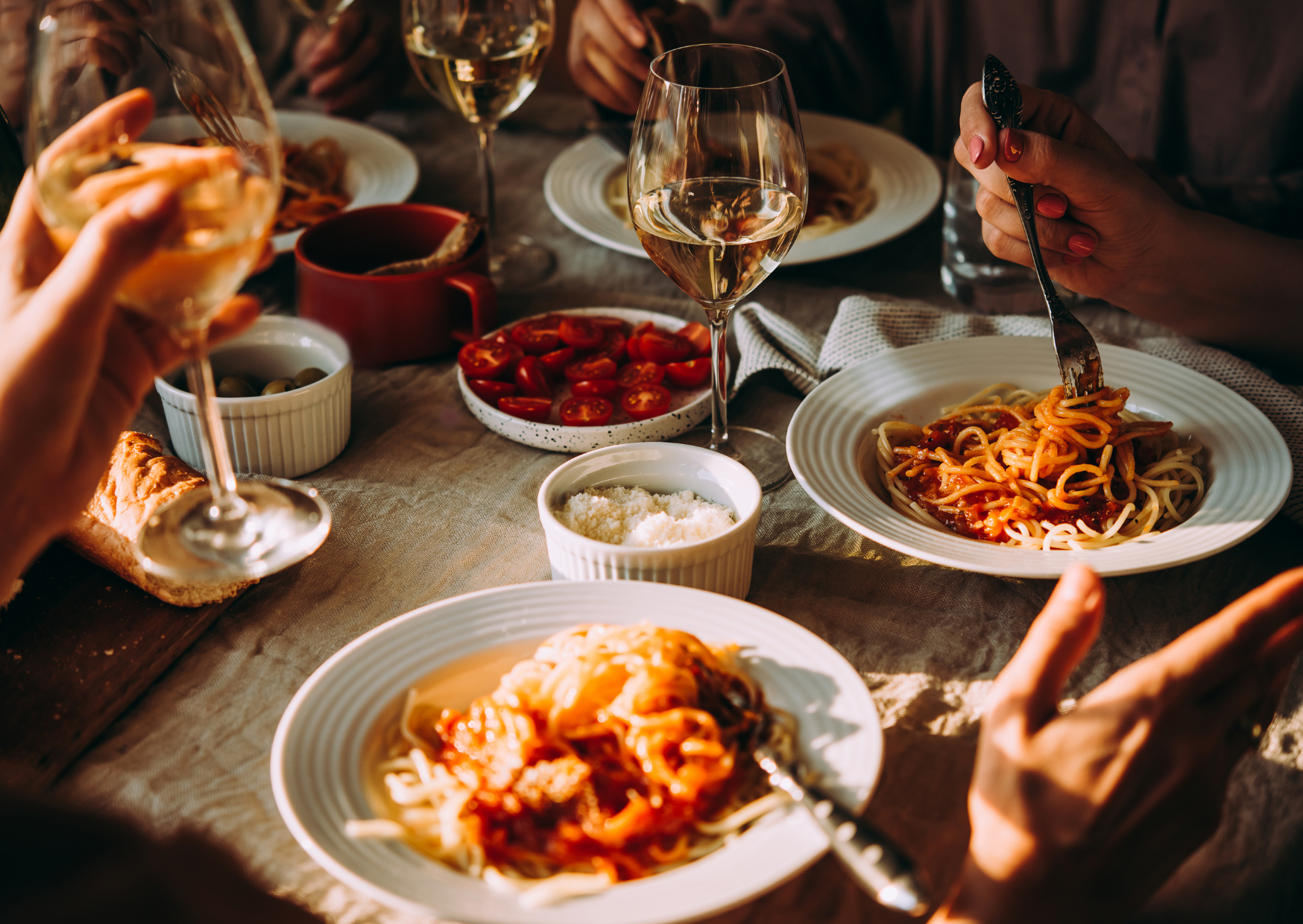
If you’ve ever dealt with reflux, you know the most annoying part.
It’s not the burn. It’s the way it hijacks your night.
You eat “normally,” you go to bed, and then your body starts negotiating with gravity. You prop pillows. You sip water. You swear you’ll never eat again. You Google things at 2:00 a.m. that make you more anxious.
Then you go to Italy, or you live around Italian rhythms, and you notice something that feels backwards.
Dinner is often later, yes. But it’s also structured differently. The meal has a beginning, a middle, and an end. People don’t graze the entire evening. They don’t eat dinner and then keep eating in small bites until midnight. And the “night eating” Americans do without noticing is a huge reflux trigger.
So when someone says “Italian dinner timing fixed my reflux,” it’s usually not the clock time that did it.
It’s the system around the clock time.
This is a story about what changed when I adopted an Italian-style dinner rhythm for 30 days. Why reflux can calm down fast when you stop feeding it after dinner. What the actual timing looked like. What to copy if you want the benefit without moving countries. And what this will not fix if you have real medical issues that need real care.
First, the uncomfortable truth: reflux is often a pattern problem
Reflux has medical causes. Hiatal hernia, GERD, medication, pregnancy, certain foods, body weight, stress, anatomy, all of it.
But in a lot of adults, reflux is also a behavior loop.
- You eat late or big.
- You snack afterward.
- You drink alcohol afterward.
- You lie down too soon.
- You wake up burned.
- You try to “fix it” by skipping breakfast.
- You get hungrier later.
- You eat bigger later.
- Repeat.
People treat reflux like a random curse when it’s often an extremely predictable response to timing, portion size, and what happens after the meal.
Italian dinner timing, done properly, changes those variables without making you feel like you’re “dieting.”
That’s why it can work.
What “Italian dinner timing” actually means in real life
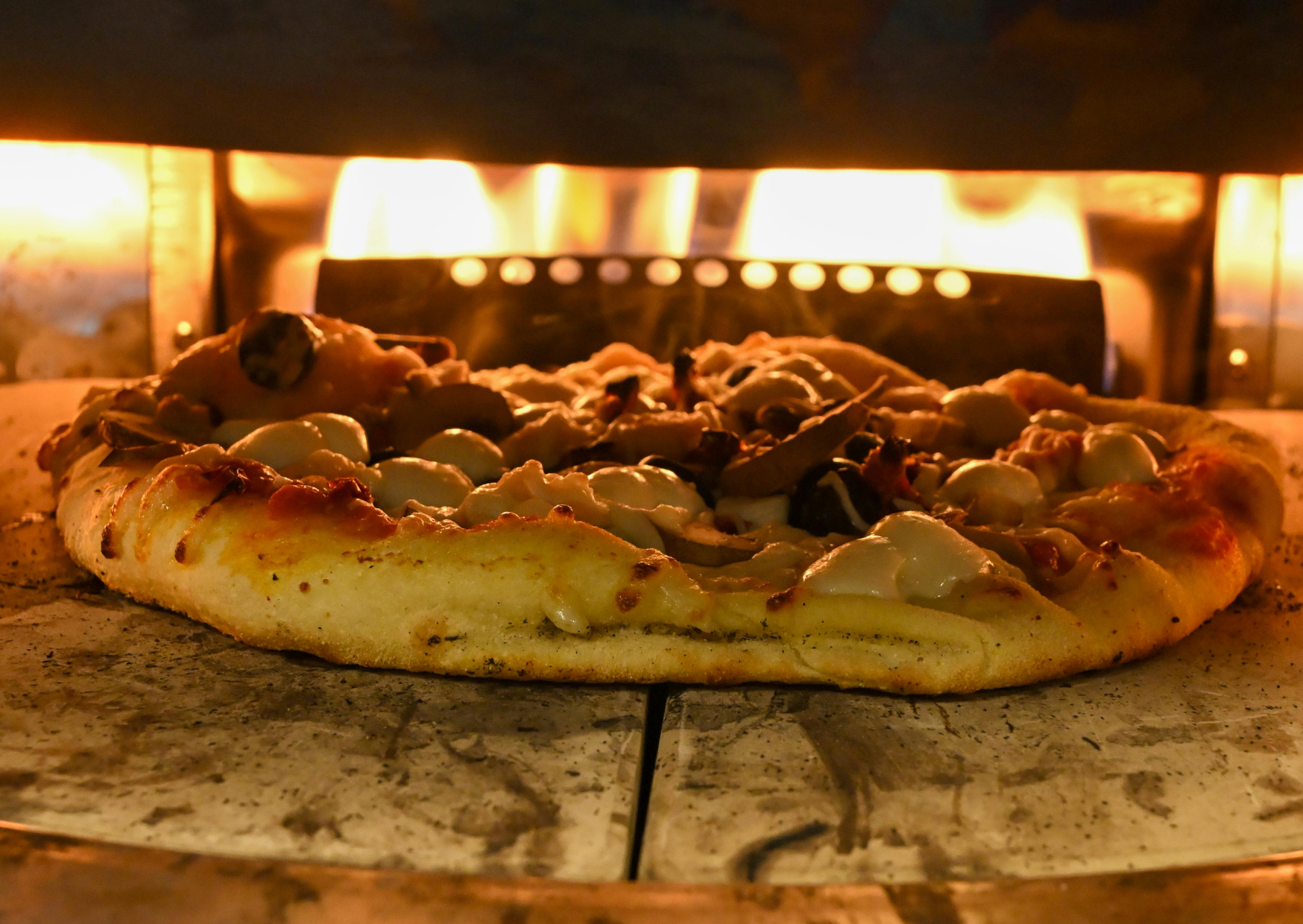
Americans hear “Italians eat late” and imagine a country eating pasta at 10:30 p.m. every night and then sleeping like babies because they’re magical.
That’s not the useful part.
The useful part is the rhythm.
A common Italian structure looks like this:
- lunch is substantial
- afternoon has a defined pause (sometimes a small snack, sometimes not)
- dinner is a real meal, but it’s not a constant grazing session
- after dinner, you might have a small espresso, maybe fruit, then you stop
The key is that there is a stop.
American evenings often don’t have a stop. They have “dinner” and then a long tail of:
- a little something while cleaning
- a little something while watching a show
- a little something because you’re still awake
- a little something because you feel like you deserve it
That tail is reflux fuel.
Italian dinner culture tends to be more contained. The meal is social, then it ends. You might linger at the table, but you’re not opening the pantry every 20 minutes.
So the “timing” that matters isn’t 21:00 vs 19:00. It’s last calorie time.
The 30-day experiment: what I actually did
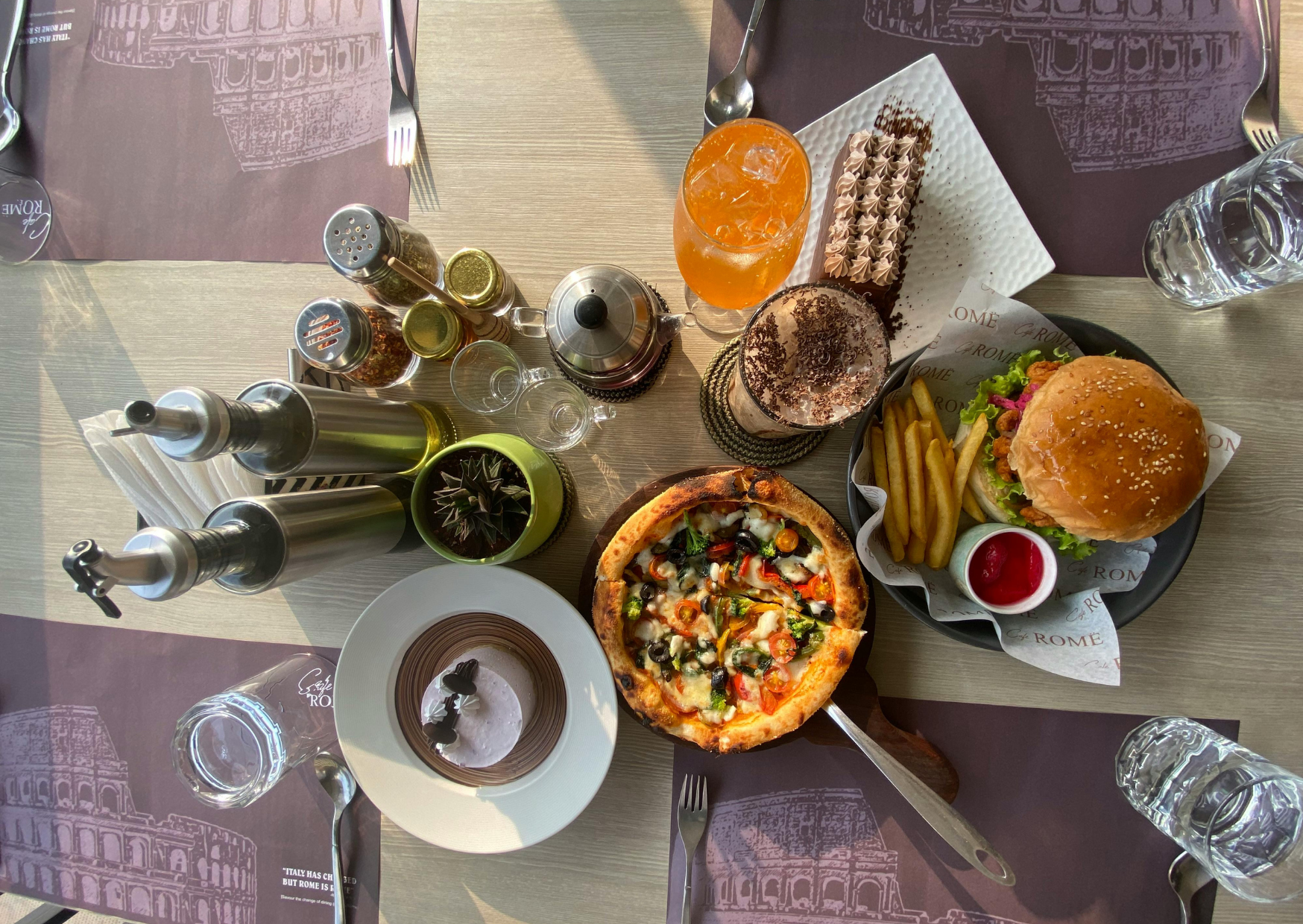
Here’s the version I followed. It’s not a fantasy version. It’s a realistic system you can copy.
The rules
- Dinner starts between 20:15 and 21:15 most nights.
- Dinner ends within 45 to 75 minutes.
- After dinner: no grazing. If I wanted something, it had to be non-triggering and intentional, not wandering bites.
- Bedtime stayed consistent: around 23:30 to 00:30.
- I kept a buffer: minimum 2.5 to 3 hours between the end of eating and lying down.
That last line is the reflux lever. People underestimate it because they count “dinner time” and ignore “snack time.”
If dinner ends at 21:15 and you stop eating, 23:45 bedtime is fine for many people. If dinner ends at 21:15 and you eat chips at 23:15, you’re basically inviting reflux.
What I did not do
- I did not eliminate tomato.
- I did not eliminate coffee.
- I did not eat tiny meals.
- I did not do a strict diet.
- I did not pretend stress vanished.
I just changed the evening rhythm.
Why reflux can improve when you stop the evening “snack tail”

Reflux happens when stomach contents move the wrong way. Certain behaviors make that easier:
- lying down too soon after eating
- larger meals late in the day
- fatty meals late in the day
- alcohol late in the day
- chocolate or mint late in the day
- constant eating that keeps the stomach active for hours
The Italian rhythm accidentally reduces several of those:
- If lunch is bigger, dinner often becomes lighter without trying.
- If dinner is structured, you stop eating earlier than your “snacky” evening used to end.
- If dinner is social, you eat slower and often stop earlier.
- If you stop eating after dinner, the stomach has time to settle before bed.
This is why reflux can feel dramatically better in a few weeks. It’s not a miracle. It’s biology responding to less provocation.
What changed first: sleep quality, then symptoms
Week one didn’t feel like magic. It felt like “huh, my evenings are calmer.”
Then the reflux started disappearing in a very specific way:
Days 1 to 5
- Less “heavy” feeling at bedtime.
- Fewer nights with that burning throat feeling.
- Fewer midnight wake-ups.
Days 6 to 14
- Big improvement in night symptoms.
- Less morning throat irritation.
- Less need to sleep propped up.
Days 15 to 30
- It stopped being a daily thing.
- When it did happen, it was traceable. A heavy meal, too much wine, a late snack I regretted.
This is what people mean when they say it “disappeared.” It’s rarely perfect. It’s that the baseline drops dramatically and the flare-ups become obvious and preventable.
The part Americans don’t want to hear: dinner got smaller without trying
This is the sneaky effect of shifting dinner later and shifting the rhythm.
If you eat a real lunch, you’re not starving at 18:00. That reduces the “eat like I’m recovering from war” dinner.
Italian eating tends to put more weight on lunch. So dinner becomes:
- simpler
- lighter
- more about finishing the day than fueling it
That matters for reflux because meal size late is a major trigger for a lot of people.
When Americans try to “fix reflux” they often do it by dieting during the day and then eating a huge dinner because they’re finally home. That is the worst pattern.
Italian timing nudges you away from that pattern.
Not through discipline. Through structure.
What the Italian dinner looked like (so you can picture it)
This matters because reflux is not just timing. It’s what you do at the table.
Italian weeknight dinners often look like:
- a simple protein
- vegetables
- bread or a small portion of pasta
- fruit afterward
- then done
Not every night, not every family, not a purity contest. But the default leans simple.
That simplicity helps reflux because you’re not stacking:
- heavy fatty meal
- dessert
- alcohol
- then snacks
When dinner is the event, not the beginning of a long eating evening, the gut gets a break.
The social factor: slower eating without “mindful eating” cringe
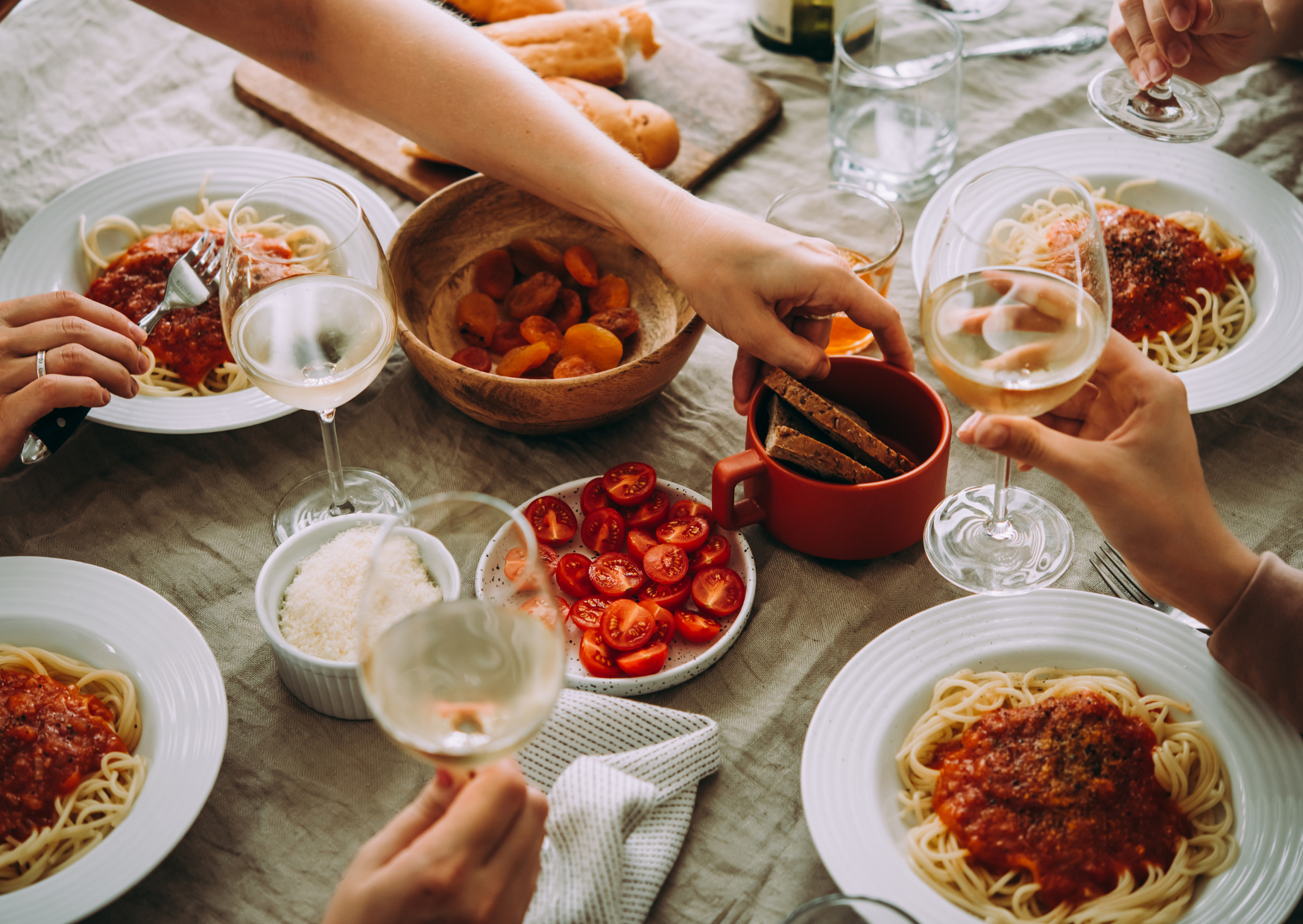
Americans are often told to “eat mindfully” and it sounds like a wellness scam.
But eating slower matters for reflux because it changes:
- how much you eat before you feel full
- how much air you swallow
- how much pressure builds in the stomach
- how fast the stomach is overloaded
Italian dinners often involve conversation, pauses, and not inhaling food while standing at the counter.
When you eat slower, you often eat less and you reduce the pressure that contributes to reflux.
And you didn’t have to meditate. You just had dinner like a human.
What about the “Italians eat late” contradiction?
This is the thing people get stuck on.
If late eating causes reflux, why would Italian late dinners help?
Because “late” is relative and the key variable is not the dinner start time. It’s the time between eating and lying down, plus what happens after dinner.
Many Americans eat dinner at 18:30 but then snack at 22:30. Their real “last calorie time” is late.
Many Italians eat dinner at 20:45 and then stop. Their last calorie time is earlier than the American snacker’s.
So yes, dinner started later. But eating ended earlier.
That’s the trick.
Pitfalls most people hit when they try this
Mistake 1: They move dinner later but keep snacking
That defeats the whole purpose. You just extended your eating window.
Mistake 2: They eat a huge late dinner because they skipped lunch
Then of course they get reflux. Their body is not confused.
Mistake 3: They pair late dinner with alcohol
Alcohol relaxes the lower esophageal sphincter in many people and can worsen reflux. A glass of wine with dinner might be fine for some. Several drinks late is a different story.
Mistake 4: They lie down right after eating
It’s not moral. It’s gravity. Give it time.
Mistake 5: They ignore trigger foods that are personal
Some people can eat tomato nightly. Some people cannot. Some people can handle garlic. Some cannot. The point is to notice your personal triggers instead of adopting internet rules.
The “Italian” version you can do without changing your whole life
Most people can’t suddenly have a 2-hour lunch and a 22:00 dinner. That’s not modern work life.
So here’s the portable version:
- Make lunch more substantial than you currently do.
- Eat dinner in a defined window.
- Stop eating after dinner.
- Keep a buffer before bed.
That’s it.
If you can’t eat dinner later, fine. Eat it earlier. The benefit still comes from ending eating and keeping the buffer.
The Italian lesson is not “eat at 21:00.” It’s “stop feeding reflux at night.”
A 7-day plan to test this without becoming weird about it
Day 1: Track your real last calorie time
Not your dinner time. Your last bite time.
Day 2: Create a “hard stop” after dinner
Brush teeth. Drink water. Tea. Done.
Day 3: Move calories to lunch
Add protein and a real portion at lunch so dinner doesn’t become a binge.
Day 4: Make dinner simple
Protein + vegetables + small starch. No dessert stack.
Day 5: Add the buffer
Aim for 3 hours between last bite and bed.
Day 6: Identify your top two triggers
Common ones: alcohol, late snacks, high-fat meals, chocolate.
Day 7: Repeat the pattern on a weekend night
This is where people break it. If weekends are chaotic, reflux returns. Keep the structure one weekend and see what happens.
If reflux improves on this plan, you’ve found something actionable.
If it doesn’t, you’ve learned it’s not mainly timing and may need medical evaluation.
The honest takeaway
Italian dinner timing didn’t fix reflux because Italy is magical.
It fixed reflux because it changed the evening pattern:
- dinner became structured
- the snack tail disappeared
- dinner size often got smaller naturally
- there was a real buffer before bed
- eating slowed down without performance
For a lot of people, that’s enough to turn reflux from “constant” into “occasional and predictable.”
If you want the benefit, steal the real lesson:
Eat dinner like a meal, not the start of a night-long eating window. Then stop. Give your body a few hours before bed.
That’s the boring fix. And it works more often than people want it to.

About the Author: Ruben, co-founder of Gamintraveler.com since 2014, is a seasoned traveler from Spain who has explored over 100 countries since 2009. Known for his extensive travel adventures across South America, Europe, the US, Australia, New Zealand, Asia, and Africa, Ruben combines his passion for adventurous yet sustainable living with his love for cycling, highlighted by his remarkable 5-month bicycle journey from Spain to Norway. He currently resides in Spain, where he continues sharing his travel experiences with his partner, Rachel, and their son, Han.