

Americans don’t usually overpay for European hotels because they’re careless.
They overpay because they book Europe the way they book the US.
One tab. One familiar brand. One “looks legit” listing. Done.
Europeans tend to run hotels like a two-step: they start with the biggest inventory engine, then they squeeze the price with the app, the member tier, and one final check that Americans skip because it feels like extra work.
The most common engine for that in Europe is still Booking.com. Not because it’s perfect. Because it’s everywhere, it’s fast, and the discount structure is designed to reward the exact behavior Europeans already have: booking on mobile, booking repeatedly, and treating cancellation flexibility like a normal feature, not a luxury add-on.
So this is not a love letter to Booking.com. It’s a practical explanation of how Europeans use it, why Americans overpay when they don’t, and how to copy the parts that actually save money without getting burned by fine print.
The headline truth: “the site” is not the trick, the behavior is

If you take nothing else from this, take this:
You don’t save money because you used a European website. You save money because you used it the way locals do.
That usually means:
- you search broad, then filter hard
- you check the app price, not just desktop
- you log in, because loyalty tiers matter
- you treat cancellation terms like part of the price
- you cross-check direct booking, because parity rules have changed in Europe
That last point matters more than it used to. A lot of hotels in Europe have been pushing more direct bookings, and legal pressure around parity clauses has been a big part of the backdrop.
So yes, Booking.com is often the starting point. But the real “European method” is a small process that stops you from paying the tourist price.
Why Booking.com is the default for a lot of Europeans
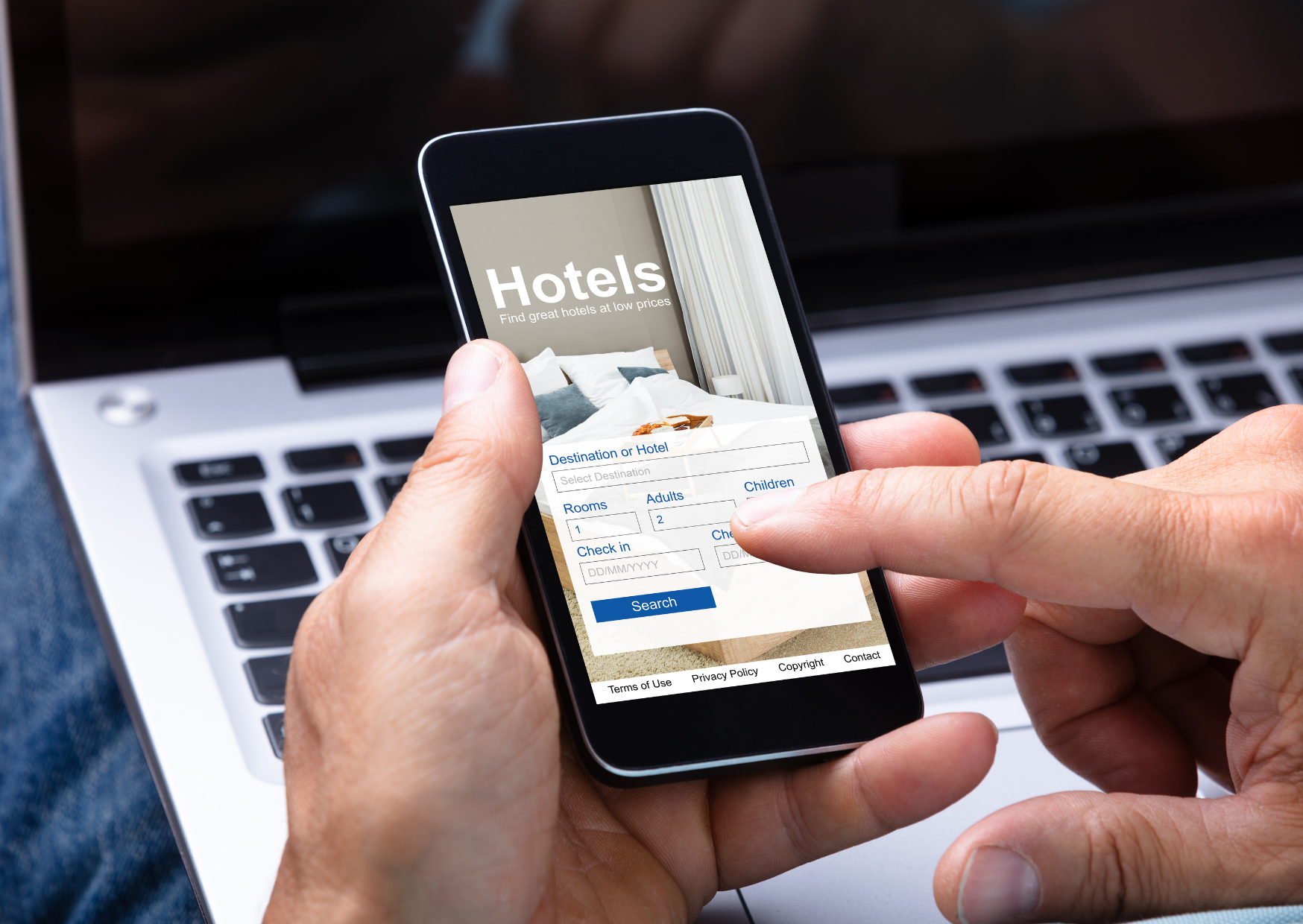
Americans often assume Expedia is the default everywhere because it’s familiar in the US.
In Europe, Booking.com has been the dominant habit for years. It’s where people start when they want a place that is real, cancellable, and searchable fast. The market dominance and controversy around it is well documented, including hotel association claims about market share in Europe and ongoing litigation.
The practical reasons Europeans use it are not romantic:
- huge inventory across cities, towns, villages
- consistent review volume
- fast filtering
- clear cancellation labels
- mobile-first booking behavior
And then there’s the discount stack: Genius and mobile rates.
Booking’s own Genius program advertises tiered discounts and perks based on completed bookings.
Booking’s partner materials also describe “mobile rates” as a discount properties can offer to people booking on mobile, often 10% or more.
That’s a very European pattern: open the app, book quickly, move on.
Americans often do the opposite: research on laptop, book on laptop, never log in, and then wonder why a friend got the same room cheaper.
The two price leaks Americans step into immediately
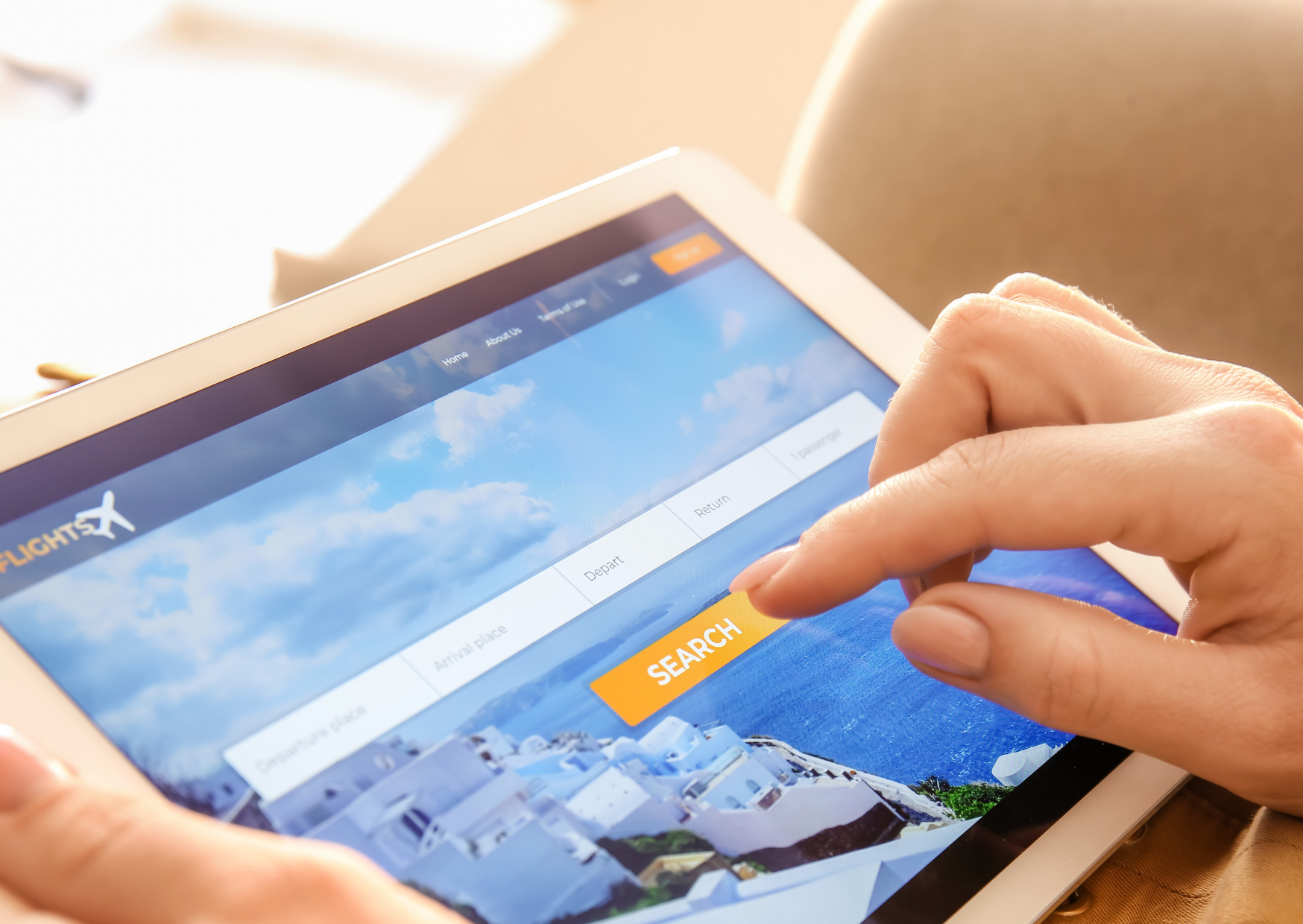
Leak 1: Booking on desktop and never checking the app
Mobile-only pricing is real. Even consumer watchdog testing has shown meaningful differences between laptop and phone pricing on the same property and dates, and further drops when logged in.
This is why Europeans look like they’re “getting deals.” They are not necessarily hunting. They are just buying in the channel that gets discounted.
If you do one habit shift, make it this: always check the app price before you pay.
Leak 2: Comparing headline prices without matching cancellation terms
This is the most expensive rookie mistake because it hides in plain sight.
Two listings can look identical until you notice:
- one is non-refundable
- one is free cancellation
- one includes breakfast
- one doesn’t
- one includes taxes and fees in the price shown
- one adds them later
Americans get tricked because they compare “€180 vs €205” and don’t realize they’re comparing two different products.
Europeans compare the full package. Because they’ve learned the hard way that flexibility is worth money when plans change.
So when you’re comparing prices, match:
- room type and bed type
- refund policy
- whether breakfast is included
- total price with taxes and fees
Otherwise you’re not saving money. You’re buying a cheaper rule set.
The real “European” advantage: discounts stack quietly
This is where the savings can get real, and also where Americans feel mildly annoyed.
Booking discounts can stack in ways that don’t show up unless you’re logged in and on mobile.
The building blocks:
- Genius discount based on tier
- mobile rate discount offered to app users
- occasional property promos
There are also explanations in partner ecosystem documentation about how certain discounts apply sequentially rather than as one combined percent, which matters when you’re trying to sanity-check “is this real.”
You don’t need to memorize any of that. You just need to know the behavior:
- app
- logged in
- compare totals
- book
That’s why Europeans look casual about deals. Their default is already optimized.
But isn’t Booking.com controversial right now?

Yes. And you don’t need to pick a side to book a hotel.
Booking.com has been under legal and regulatory pressure in Europe, including large hotel group actions and consumer legal actions tied to parity clauses and market conduct allegations.
Here’s the only part that matters for you as a traveler:
The hotel landscape is more likely now to have real price differences between OTAs and direct sites.
If parity clauses are weaker or removed in some contexts, hotels have more room to offer a better deal on their own website, or at least a better bundle (breakfast, late checkout, upgrade).
So the most “European” move in 2026 is not loyalty to any platform. It’s using Booking.com as the search engine, then checking direct before paying.
That’s what a lot of Europeans do now, especially repeat travelers.
The exact workflow Europeans use that Americans should copy
Here’s the process. It’s boring. It works.
Step 1: Search wide, then tighten with filters
Start with your area, then filter down:
- neighborhood
- review score threshold
- cancellation policy
- air conditioning if it’s summer
- elevator if you care
- breakfast only if you truly use it
The European difference is that people filter aggressively because they’re not trying to browse for fun. They’re trying to solve for comfort and logistics.
Step 2: Open the listing and check what’s actually included
Look for:
- taxes and fees
- cancellation cutoff time
- whether the rate is pay now or pay later
- bed size, not just “double”
- soundproofing notes if you’re in a nightlife zone
This is where Americans get burned in Europe: old buildings, street noise, no lift, tiny showers. None of that is a crisis if you read before you book.
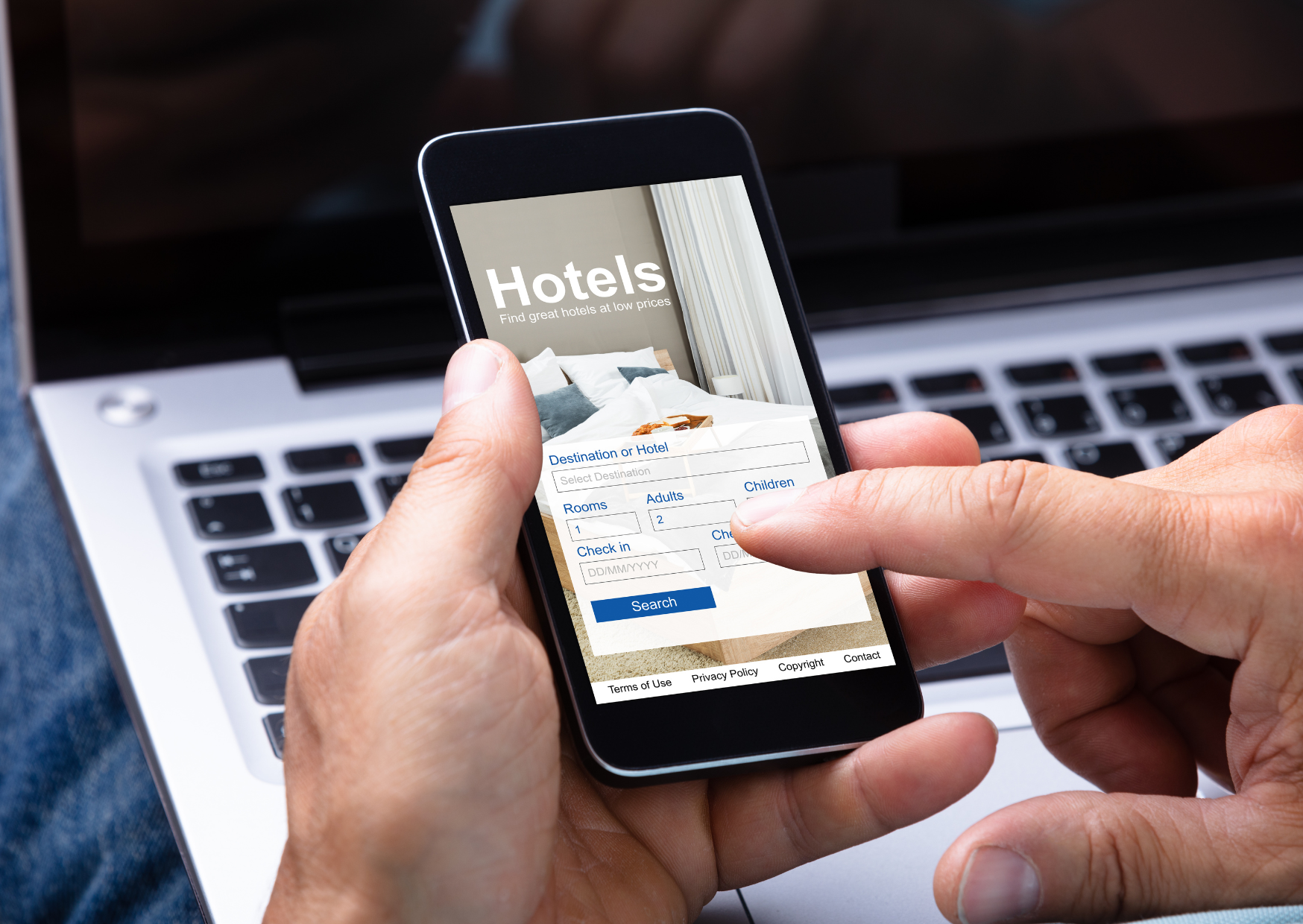
Step 3: Switch to the app and log in
This is where the price can drop.
Do not assume your laptop price is the “real” price. In 2026, mobile-first pricing behavior is common across travel shopping, and Booking specifically encourages mobile rate discounts for app bookings.
Step 4: Screenshot the best offer, then check direct
This takes 60 seconds and can save real money, or at least upgrade your package.
On the hotel’s own site, look for:
- member rates
- breakfast bundles
- free cancellation differences
- late checkout
- a room category jump for the same money
If direct is equal, you choose based on what you value:
- OTA convenience and unified support
- or direct perks and direct relationship
Either can be correct. The point is you checked.
Where Americans lose the most money
1) Weekend city breaks with zero flexibility
Friday and Saturday nights in European cities are priced like a sport.
If your dates are fixed and it’s peak season, you’re competing with everyone. The discount stack helps, but the real savings often comes from:
- changing neighborhood
- changing property type
- or shifting a night
Europeans do this without drama. Americans often refuse because “we’re only there two nights.” That’s exactly why it’s expensive.
2) “I need a big room” thinking
European rooms are often smaller. That’s not an insult. It’s the housing stock.
If you insist on American square footage in the center, you’ll pay.
Europeans accept:
- smaller rooms
- better location
- more time outside
If you want bigger, choose:
- a quieter neighborhood
- a residential zone near transit
- or an aparthotel slightly outside the core
This is one of the fastest ways to drop your nightly rate without dropping comfort.
3) Not understanding city tax and fees
Many European cities have tourist taxes, and fee display varies by platform and settings. Sometimes it’s included, sometimes it’s listed separately.
If you’re comparing prices, always compare totals. Otherwise you think you saved €20 and then you pay €20 at check-in.
4) Booking the cheapest rate and then rage-paying to fix it
The pattern looks like this:
- book non-refundable because it’s €18 cheaper
- plans shift
- pay to change or lose the booking
- end up paying more than the flexible rate would have cost
Europeans tend to treat flexibility as part of the price. Americans treat it like an optional add-on until they learn the lesson.
What to use instead when Booking.com is not the best option
This is where I’ll be direct: Booking.com is not always cheapest, and it’s not always the best experience.
Here are the “instead” options Europeans use depending on the situation:
Direct booking for chains and boutique hotels
If you’re booking:
- a known chain
- a boutique hotel with a strong brand
- a place with perks for direct
Direct can win on bundles, cancellation, and upgrades.
Metasearch for price checks
Many Europeans use a metasearch step to sanity-check rates across sites. It’s not loyalty, it’s verification.
Country-specific habits
Some countries have stronger local booking habits for certain categories (business hotels, pensions, ski lodges). The “European way” is not one website. It’s using the site that fits the region and property type.
But for Americans who want one default: Booking.com as a search engine plus direct check is the most transferable system.
Pitfalls most buyers miss
Here’s the stuff that causes real pain.
- Assuming “city center” is always best. In Europe, a well-connected neighborhood often beats the postcard zone.
- Ignoring air conditioning. Many European buildings do not have it. If you’re traveling in heat, make it a filter.
- Forgetting elevators. Lots of older buildings, lots of stairs. If mobility matters, filter for lift.
- Not reading parking notes. If you have a rental car, “parking available” can mean “public garage 12 minutes away, €28 per night.”
- Booking “apartment-style” without checking cleaning fees and check-in process. Some places run smoothly, some feel like a scavenger hunt.
None of this is complicated. It’s just the difference between browsing and booking.
A first-week travel booking plan that actually saves money
You don’t need 20 hacks. You need a process you’ll repeat.
Day 1: Pick three neighborhoods, not one
Choose:
- one central
- one well-connected residential
- one “value” zone near transit
This alone can swing pricing.
Day 2: Set your non-negotiables
Examples:
- lift
- air conditioning
- free cancellation
- breakfast only if you’ll use it
Write them down so you stop negotiating with yourself at midnight.
Day 3: Do one Booking.com search and save 10 properties
Do not book yet. Build a shortlist.
Day 4: Check the same shortlist on the app while logged in
This is where discounts show up.
Day 5: Direct-check your top three
Look for a better bundle. If it’s equal, decide what you value.
Day 6: Re-check cancellation and total price
Make sure you’re comparing apples to apples.
Day 7: Book and stop shopping
The most expensive thing in travel planning is endless reconsideration. Pick the best total deal that meets your needs, then move on.
The honest takeaway
Americans don’t overpay in Europe because hotels are a scam.
They overpay because they book like tourists:
- desktop-only
- not logged in
- comparing the wrong totals
- skipping the direct check
Europeans start on Booking.com because it’s convenient and enormous, then they shave the price with app pricing, Genius tiers, and a quick direct booking check when it matters.
You can copy that in five minutes.
And once you do, you stop paying the “I didn’t know” tax that shows up on so many European trips.

About the Author: Ruben, co-founder of Gamintraveler.com since 2014, is a seasoned traveler from Spain who has explored over 100 countries since 2009. Known for his extensive travel adventures across South America, Europe, the US, Australia, New Zealand, Asia, and Africa, Ruben combines his passion for adventurous yet sustainable living with his love for cycling, highlighted by his remarkable 5-month bicycle journey from Spain to Norway. He currently resides in Spain, where he continues sharing his travel experiences with his partner, Rachel, and their son, Han.