
Americans go into a French bistro and order like they’re trying to have the “right” France.
Steak frites. Onion soup. Escargots if they’re feeling brave. Maybe duck confit if they want a story.
Then they leave thinking French food is either heavy or fancy, and that the best stuff is locked behind white tablecloths and 14-course menus.
The joke is that the best bistro dishes are usually the ones tourists skip because they sound too normal, too weird, or too beige.
They’re not camera food. They’re daily-food-for-adults food.
They’re also the dishes that explain why French cooking still wins, even when nobody wants to admit it. Not because it’s complicated. Because it’s practical: good technique, cheap cuts, and sauces that make leftovers feel like a plan.
If you want to eat in France like you actually live there, these are the bistro staples Americans overlook and then regret later when they learn what they missed.
Why Americans skip these dishes in the first place
Three reasons, mostly.
- The names sound like “things your grandmother would eat,” not vacation food.
- The description looks bland on paper because French menus often assume you know what you’re looking at.
- Americans are trained to order the dish they recognize, then complain they didn’t find anything “special.”
French bistros are not built around novelty. They’re built around technique and repetition. That’s why certain plates keep showing up. They exist because they work.
Also, bistro menus are often seasonal and regional. You might not see every dish in every city. But if you know the categories, you can spot the local equivalent.
1) Oeufs mayo
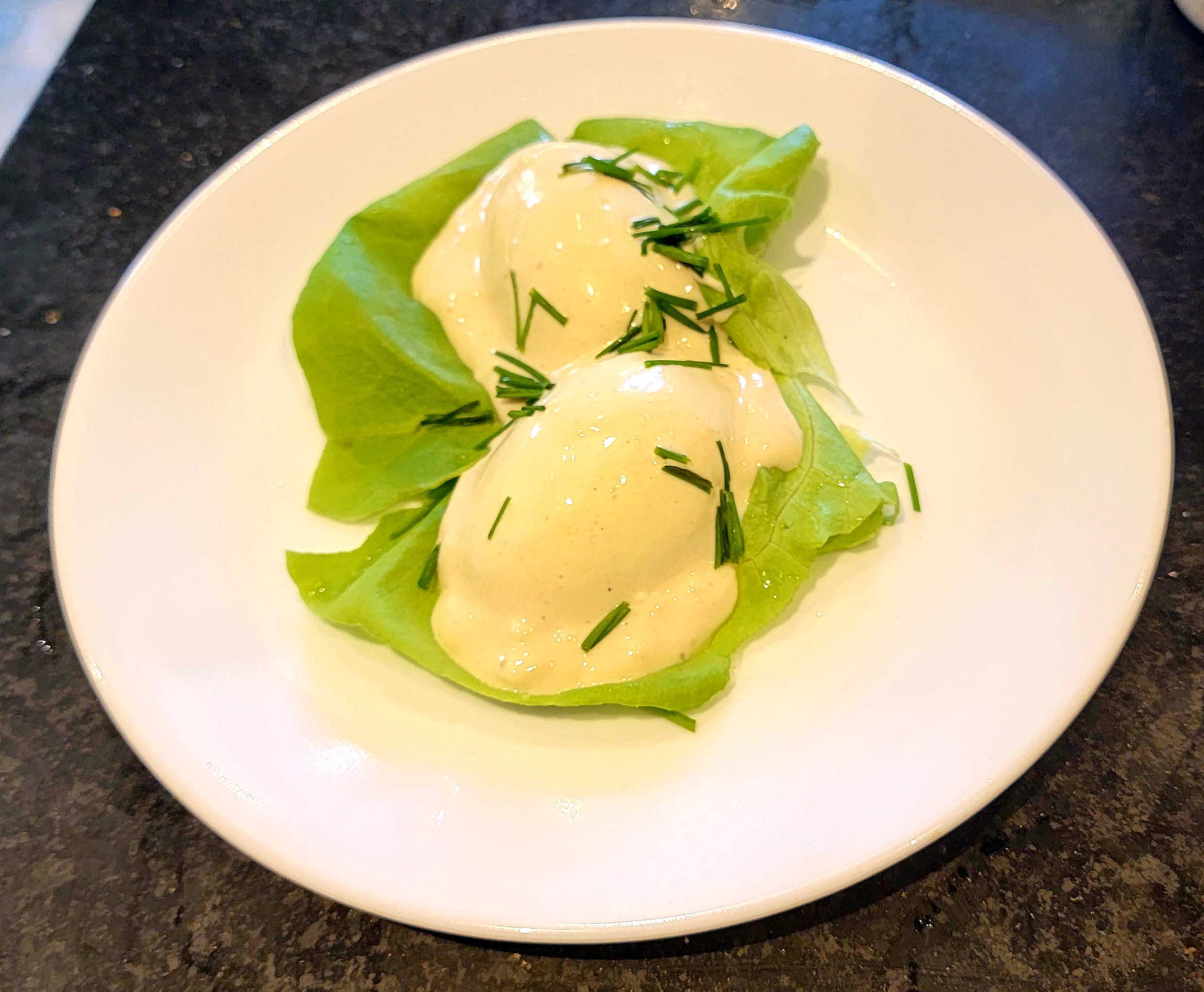
This might be the most bistro thing on earth and Americans walk right past it because it looks like a sad appetizer.
Hard-boiled eggs. Mayonnaise. Maybe a little salad.
That’s it.
Except it is not “just eggs.” When it’s done right, the eggs are cooked perfectly, the mayo is actually good, and the whole dish tastes like a calm flex. It’s savory, comforting, and weirdly satisfying in a way that makes you realize how much American food relies on extreme flavors to feel interesting.
Why Americans skip it: it sounds like cafeteria food.
Why locals eat it: it’s a simple plate that rewards quality. It’s also the kind of starter that doesn’t wreck your appetite.
How to order: if you see oeufs mayo on a bistro menu, it’s often a sign the place isn’t trying to impress tourists. It’s feeding people.
2) Poireaux vinaigrette
Leeks, cooked until tender, served cold or room temp with a vinaigrette.
Another dish tourists skip because they see “vegetable salad” and panic that they’re wasting a meal in France.
This dish is quietly excellent when the kitchen understands it: leeks sweet and soft, vinaigrette sharp enough to wake it up, sometimes a sprinkle of herbs or chopped egg.
Why Americans skip it: vegetables feel like a sacrifice.
Why locals eat it: it’s balanced, light, and makes the next course taste better.
The bigger point: French bistro eating is often about pacing. A lighter starter makes the richer main feel good instead of exhausting.
If you keep ordering the heaviest thing in every course, you’ll end up blaming France for what is basically a personal decision.
3) Terrine de campagne
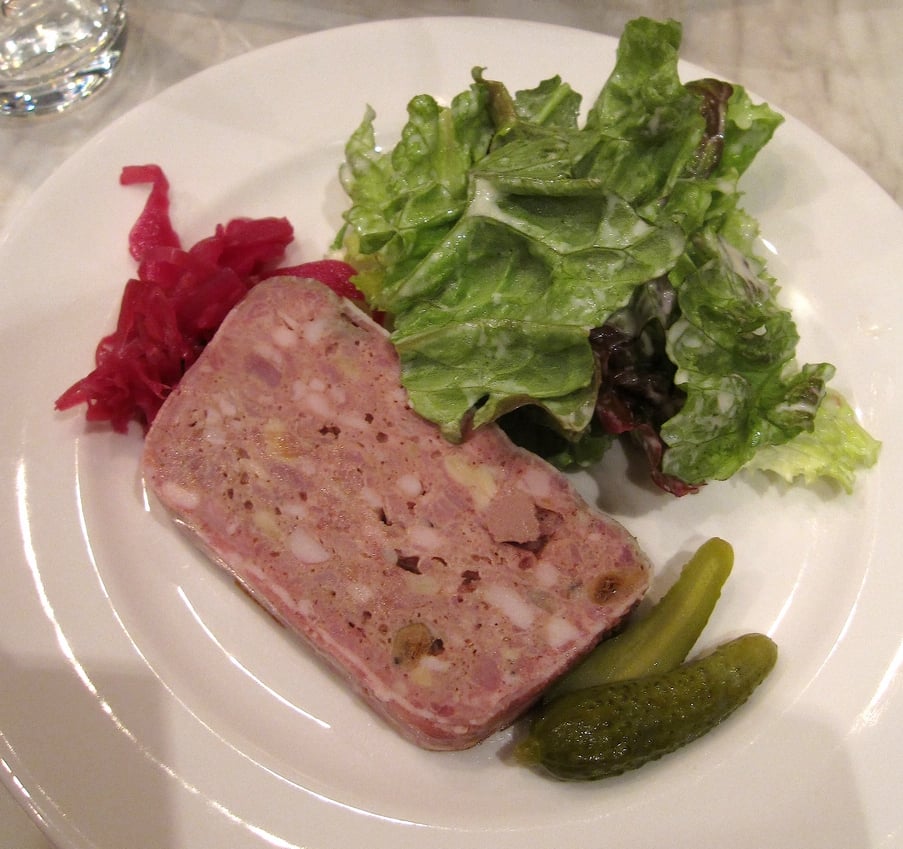
This is where American brains short-circuit.
Terrine sounds fancy until you realize what it is: country-style pâté, often pork-based, served with cornichons, mustard, sometimes a little salad, always bread.
Tourists skip it because they’re nervous about texture, or they think pâté is a luxury item they should only eat in tiny amounts, or they associate it with something old-fashioned.
In a bistro, terrine is not precious. It’s the opposite. It’s a practical way to turn meat into something that lasts, slices cleanly, and tastes better with pickles and mustard.
Why Americans skip it: fear of pâté, fear of fat, fear of being confronted with “meat as itself.”
Why locals eat it: it’s a perfect starter that feels like a proper meal without being huge.
How to eat it like you know what you’re doing:
A bite of terrine, a bite of pickle, a smear of mustard, bread. That’s the rhythm. It’s built on contrast.
4) Rillettes
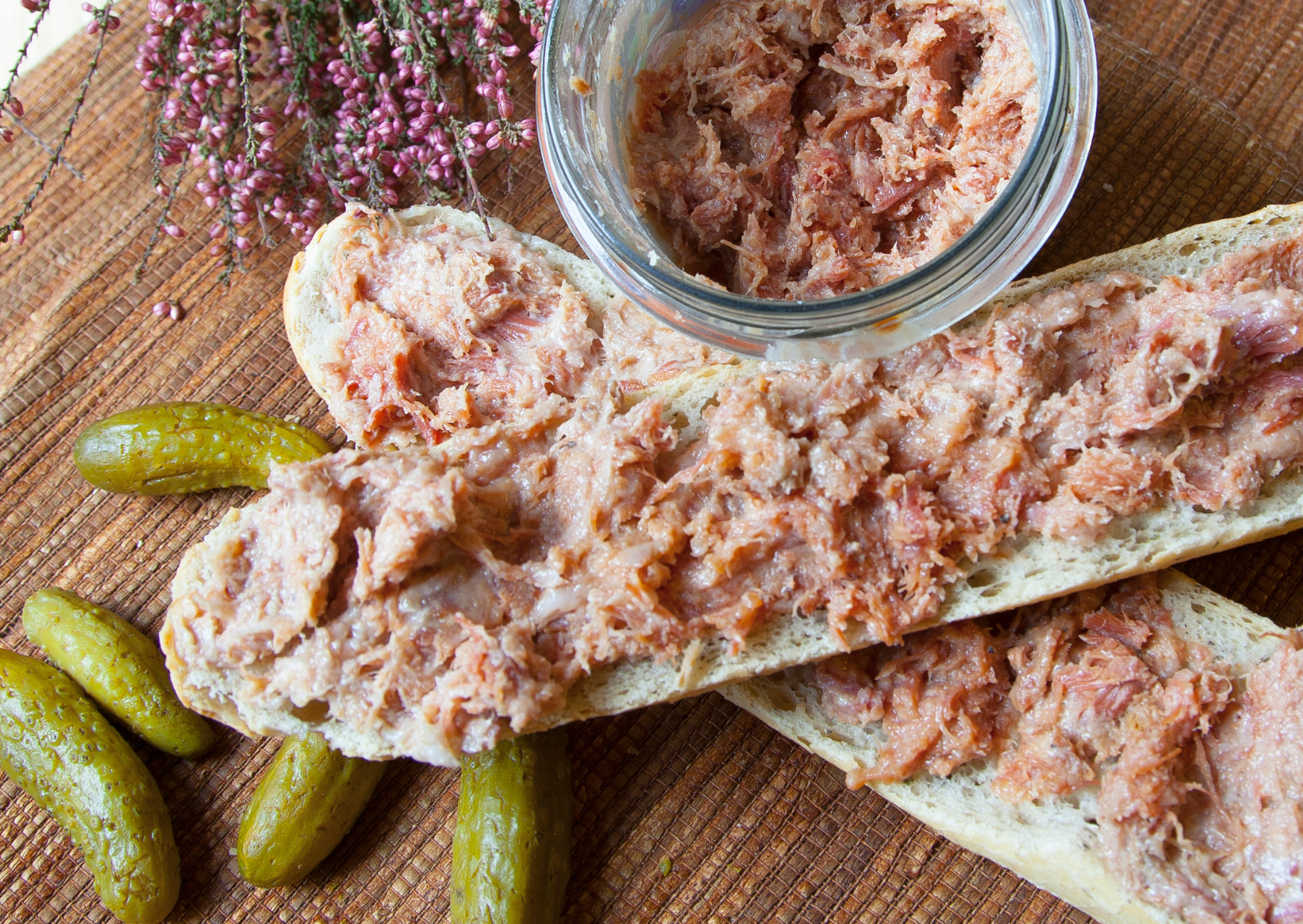
Rillettes are a cousin of terrine but even more bistro-coded.
Meat, cooked slowly in its fat until it falls apart, then shredded into a spread. Often pork, sometimes duck, sometimes fish.
It’s not pretty. It is delicious.
Americans skip it because it looks like “meat paste.” Which is fair as a visual. But once you get past that, it’s basically the most comforting savory spread you can put on bread.
Why locals eat it: it’s rich but simple, and it turns bread into dinner.
If you want a starter that feels French without being a performance, order rillettes.
5) Saucisson sec and charcuterie boards that aren’t trying to be a board
Americans see a “charcuterie board” and expect a grazing platter that shows off variety.
In France, charcuterie is not a board. It’s a plate of good sausage, maybe a few slices, maybe pâté, with bread and pickles.
It’s not arranged like a wedding centerpiece. It’s arranged like food.
This matters because a lot of tourist places sell charcuterie as a markup product. A real bistro serves it as a normal plate. When it’s good, it’s one of the simplest joys of eating in France.
If you’re trying to find the bistro vibe, this is one of the easiest tells: if their charcuterie looks normal and tastes excellent, you’re in the right place.
6) Andouillette
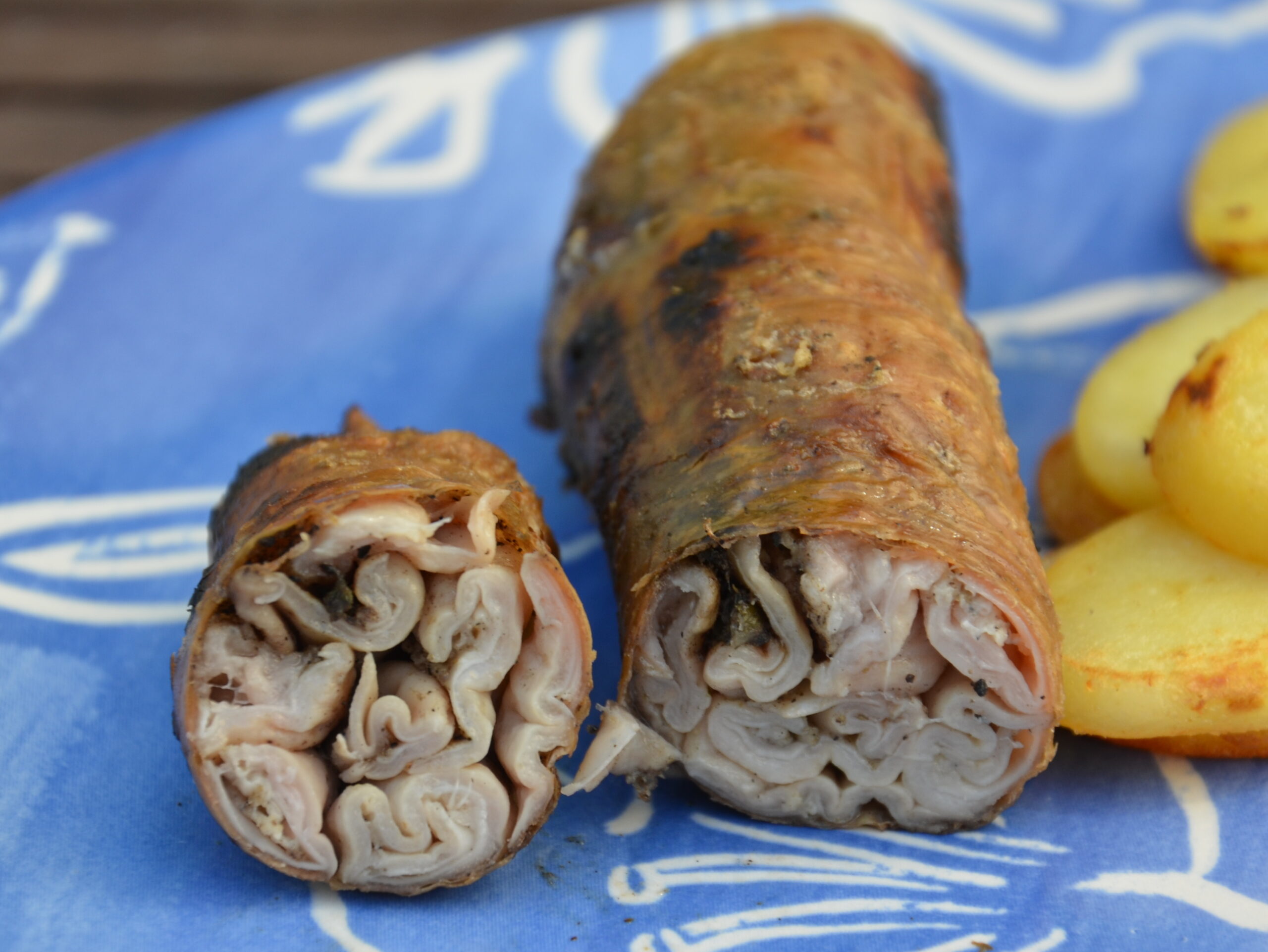
This is the dish Americans love to talk about and almost never order.
Andouillette is a sausage made with tripe. It has a very specific aroma and flavor. People either love it or hate it, and French people argue about it like it matters. Because it does, in certain regions.
Tourists skip it because they’re scared of being grossed out.
Fair. But if you can handle strong cheese, you can handle a lot more than you think.
Why locals eat it: it’s traditional, it’s intensely savory, and when it’s done well it tastes like a real bistro isn’t afraid to serve real food.
How to order if you’re not fully committed: order it in a place known for classic bistro cooking, and don’t start with it on day one of your trip. Get your palate warmed up first.
Also, if it’s served with mustard sauce, that’s usually your friend.
7) Boudin noir
Blood sausage.
This is where Americans either suddenly get adventurous or suddenly remember they’re “not that hungry.”
Boudin noir is rich, iron-y, and deeply satisfying when paired correctly, often with apples or mashed potatoes. The sweetness cuts the richness. The starch turns it into comfort.
Why tourists skip it: the word “blood.”
Why locals eat it: it’s an old-school staple, it uses the whole animal, and it tastes far better than the name suggests.
If you want one “French bistro dish Americans skip but should try once” this might be the one, because it tastes like something you can’t fake with modern food tricks.
8) Pied de cochon
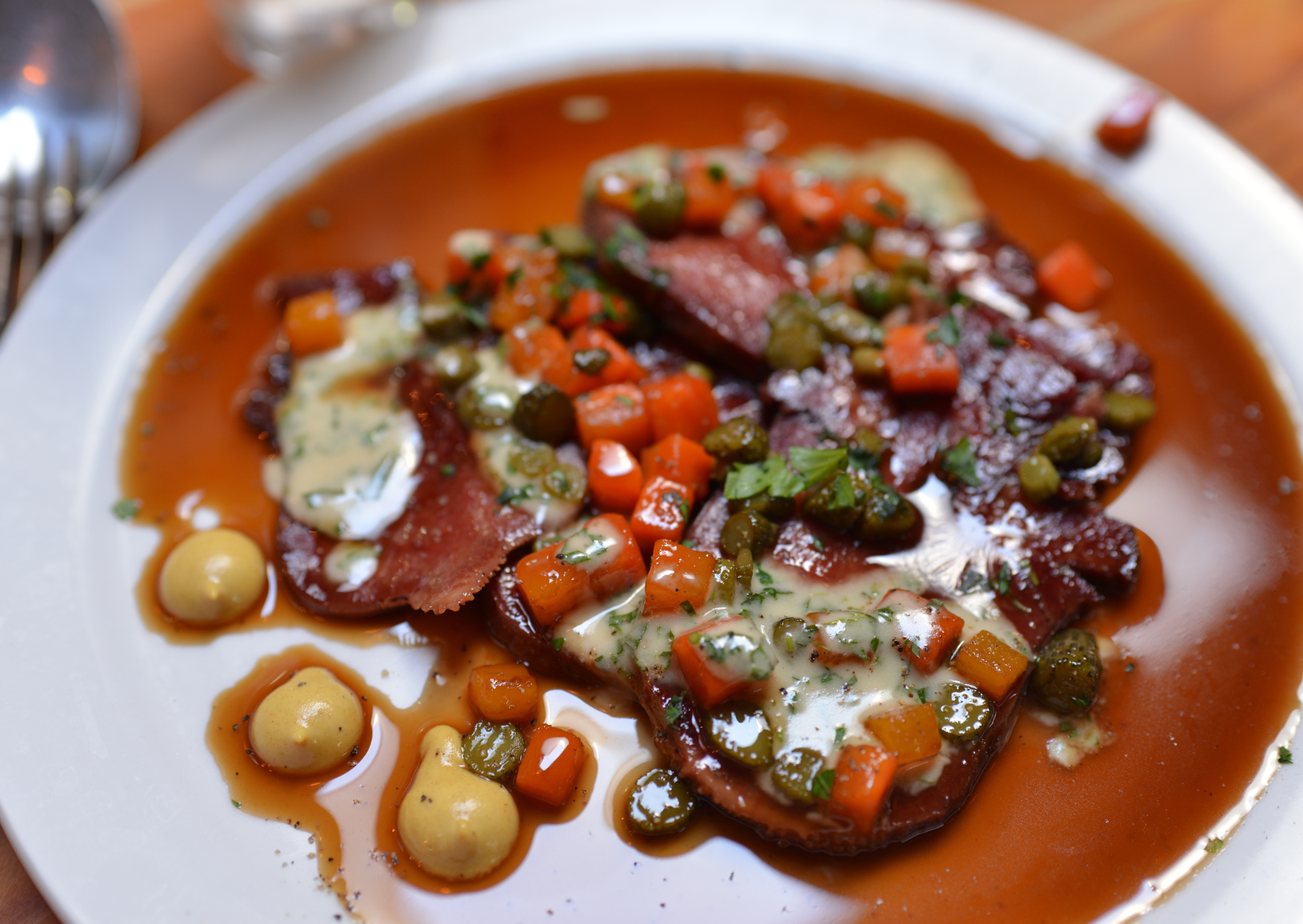
Pig’s trotter.
Another dish Americans avoid because they don’t want to see what they’re eating.
Pied de cochon is gelatin-rich, crisped or braised, sometimes served with a sharp sauce or mustard. It’s the kind of dish that makes you understand why French cooking loves collagen.
When it’s done right, it’s crispy in places, tender in places, and the sauce is there to cut the richness.
Why locals eat it: it’s cheap, it’s satisfying, and it’s built for long lunches where you talk and drink and don’t pretend you’re going to jog later.
Why tourists skip it: fear, plus it doesn’t match their mental image of “French elegance.”
Bistros are not here to be elegant. They’re here to feed you well.
9) Blanquette de veau
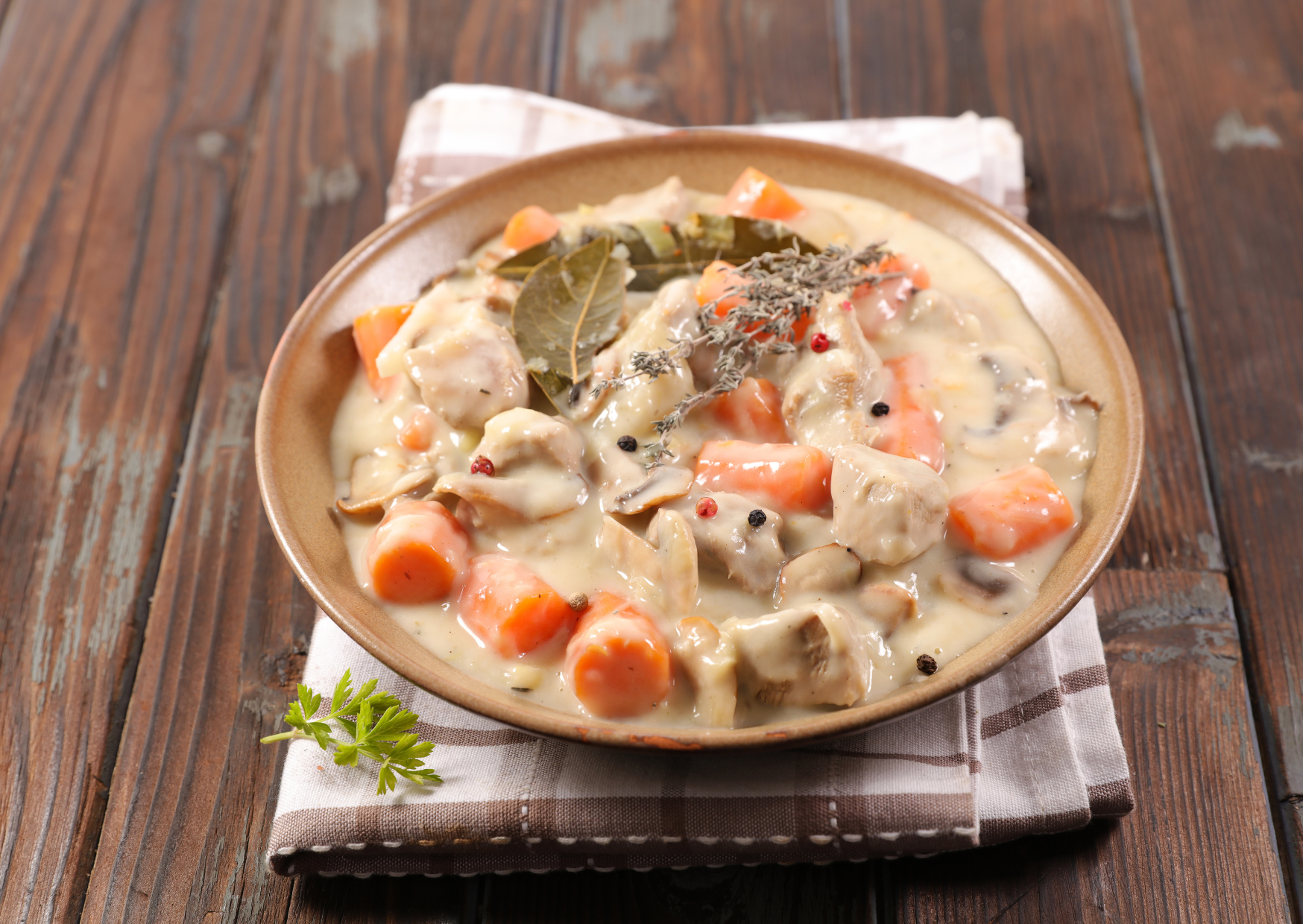
This is one of the most classic French comfort dishes and tourists skip it because it looks pale.
Blanquette is veal (sometimes other meats) gently cooked until tender in a creamy, lemony sauce with mushrooms and carrots. It’s not aggressively browned. It’s not spicy. It’s soft and soothing.
Americans see pale sauce and assume bland.
They’re wrong.
Blanquette is built on gentle cooking and a sauce that tastes like it took time. It’s also a dish that shows the French obsession with texture: tender meat, silky sauce, vegetables that still have identity.
If you want to understand French comfort food, blanquette is a direct line.
10) Lentilles with sausage or duck
Americans often treat lentils like health food.
In a French bistro, lentils are not health food. They’re a serious side or main, cooked in a way that makes you understand why people eat them on purpose.
Often served with sausages, sometimes duck confit, sometimes bacon, sometimes just as a richly flavored base.
Why locals eat it: it’s filling, it’s cheap, and it tastes better than most “protein bowls” Americans pay for.
This dish is also a clue that French bistro food is not all butter and cream. A lot of it is legumes, vegetables, and meat used like an accent rather than a mountain.
11) Steak tartare
Tourists do order this sometimes, but Americans often skip it because raw meat feels like a dare.
In a good bistro, tartare is not a dare. It’s a classic. It’s usually chopped by hand or finely cut, seasoned well, and served with fries and salad.
Why locals order it: it’s fresh, it’s satisfying, and it feels lighter than a big cooked steak.
Why Americans skip it: fear of raw meat, fear of getting sick, fear of being judged by their own stomach later.
If you’re going to order it, do it in a place that looks busy and competent. Not a dead tourist strip. Also, ask for it the way you like it if the menu suggests options.
The key is not bravery. The key is picking a place that takes it seriously.
12) Moules marinières
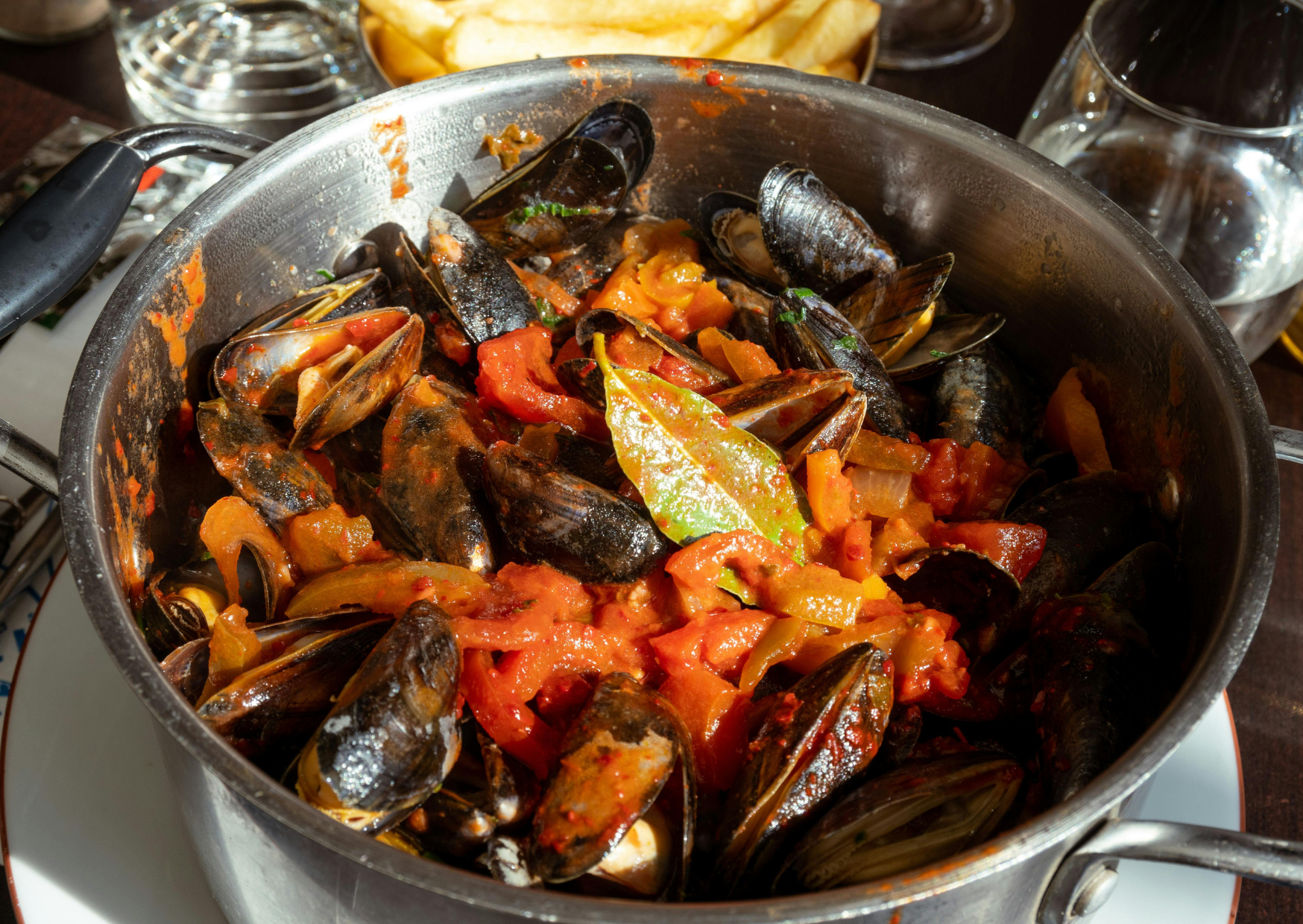
Yes, tourists order mussels. But Americans often skip them because they’re nervous about shellfish, or they think it’s messy, or they don’t want to deal with the whole ritual.
Moules marinières, mussels cooked in white wine with aromatics, is one of the best value meals in a bistro when it’s done well. It’s also one of the most French ways to eat: simple ingredients, correct technique, and a broth that demands bread or fries.
The mistake Americans make is ordering mussels and not treating the broth like part of the meal. The broth is the payoff.
If you order moules, you order it for the pot liquor.
13) Fish of the day with beurre blanc or meunière
Americans often skip fish in France because they assume it will be expensive and small.
Sometimes it is. But when bistros do fish properly, it’s one of the cleanest expressions of French technique: simple cooking, correct sauce, correct seasoning.
Meunière is a classic: fish lightly floured, browned in butter, finished with lemon and parsley.
Beurre blanc is another: emulsified butter sauce with acidity that lifts everything.
Why locals order it: it’s lighter than meat but still feels like a real meal.
Why tourists skip it: they want the iconic French meat dishes and assume fish is “something you can eat anywhere.”
You can eat fish anywhere. You can’t eat a properly done meunière everywhere.
14) Endives, salade lyonnaise, and “salads that are meals”
Americans hear salad and think diet.
French bistro salads are often meals because they include:
- warm bacon or lardons
- poached or soft egg
- mustardy dressing
- sometimes chicken liver or other rich elements
Salade lyonnaise is the classic example: greens, lardons, croutons, poached egg, sharp dressing.
Why locals order it: it’s satisfying without being heavy.
Why tourists skip it: they didn’t come to France to eat salad.
They should. Because it’s not the salad they think it is.
How to order these dishes without feeling like you’re taking a test
You don’t need to be precious about it. You just need one mindset shift:
Order for rhythm, not for bragging rights.
A very French bistro meal can look like:
- oeufs mayo or poireaux vinaigrette
- then blanquette or lentils with sausage
- then dessert if you’re still standing
Or:
- terrine or rillettes
- then fish meunière
- then a coffee and done
You don’t need to order escargots to prove you’re adventurous. You don’t need to order duck confit every time to prove you understand France. Those are good dishes. They’re just not the only door into the cuisine.
Also, if something feels too risky, don’t force it. There’s plenty here that’s approachable and still local.
The “menu tells” that signal a real bistro
If you want these dishes to taste good, you need to eat them in places that actually cook.
Look for:
- a short menu
- daily specials
- lots of locals at lunch
- starters like oeufs mayo, leeks vinaigrette, terrine
- mains that include legumes or braises
- desserts that look boring in the best way
A long menu with 40 items is usually a sign you’re not getting the best version of anything.
A small menu with a few classics is how bistros stay good.
Common ways Americans accidentally ruin the bistro experience
They over-order. They order the heaviest thing in every course. They treat dinner like an event instead of a meal.
French bistro food is rich, but it’s also structured. The pacing matters.
If you order:
- onion soup
- then steak frites
- then crème brûlée
you might leave thinking French food is exhausting.
If you order:
- leeks vinaigrette
- then blanquette or fish
- then something small
you leave thinking French food is livable.
This is a real difference.
Also, don’t ignore lunch. A lot of bistro magic shows up at lunch because locals actually eat there. Dinner can get touristy fast in popular areas.
A practical 7-day plan for your next France trip
If you want to stop ordering the same three tourist classics, do this across a week.
Day 1: Order oeufs mayo or leeks vinaigrette. Start simple.
Day 2: Order a terrine or rillettes with pickles and mustard.
Day 3: Order a classic comfort main like blanquette or lentils with sausage.
Day 4: Order fish meunière or beurre blanc if you see it.
Day 5: Order moules marinières and treat the broth like the dish.
Day 6: Try one “you’d normally skip” dish: boudin noir or andouillette if you’re curious.
Day 7: Repeat the best thing you ate. Locals repeat food. Tourists chase novelty.
That’s how you stop eating France like a checklist and start eating it like a place.
The honest takeaway
Americans skip the best French bistro dishes because they sound too plain, too weird, or too unphotogenic.
But the bistro classics are classic for a reason. They’re built around technique, not theater. They use cheap cuts intelligently. They rely on contrast, mustard, pickles, acidity, and timing.
If you want the best bistro meal, don’t order what you think you’re supposed to order.
Order what looks normal.
That’s where the good stuff lives.

About the Author: Ruben, co-founder of Gamintraveler.com since 2014, is a seasoned traveler from Spain who has explored over 100 countries since 2009. Known for his extensive travel adventures across South America, Europe, the US, Australia, New Zealand, Asia, and Africa, Ruben combines his passion for adventurous yet sustainable living with his love for cycling, highlighted by his remarkable 5-month bicycle journey from Spain to Norway. He currently resides in Spain, where he continues sharing his travel experiences with his partner, Rachel, and their son, Han.