
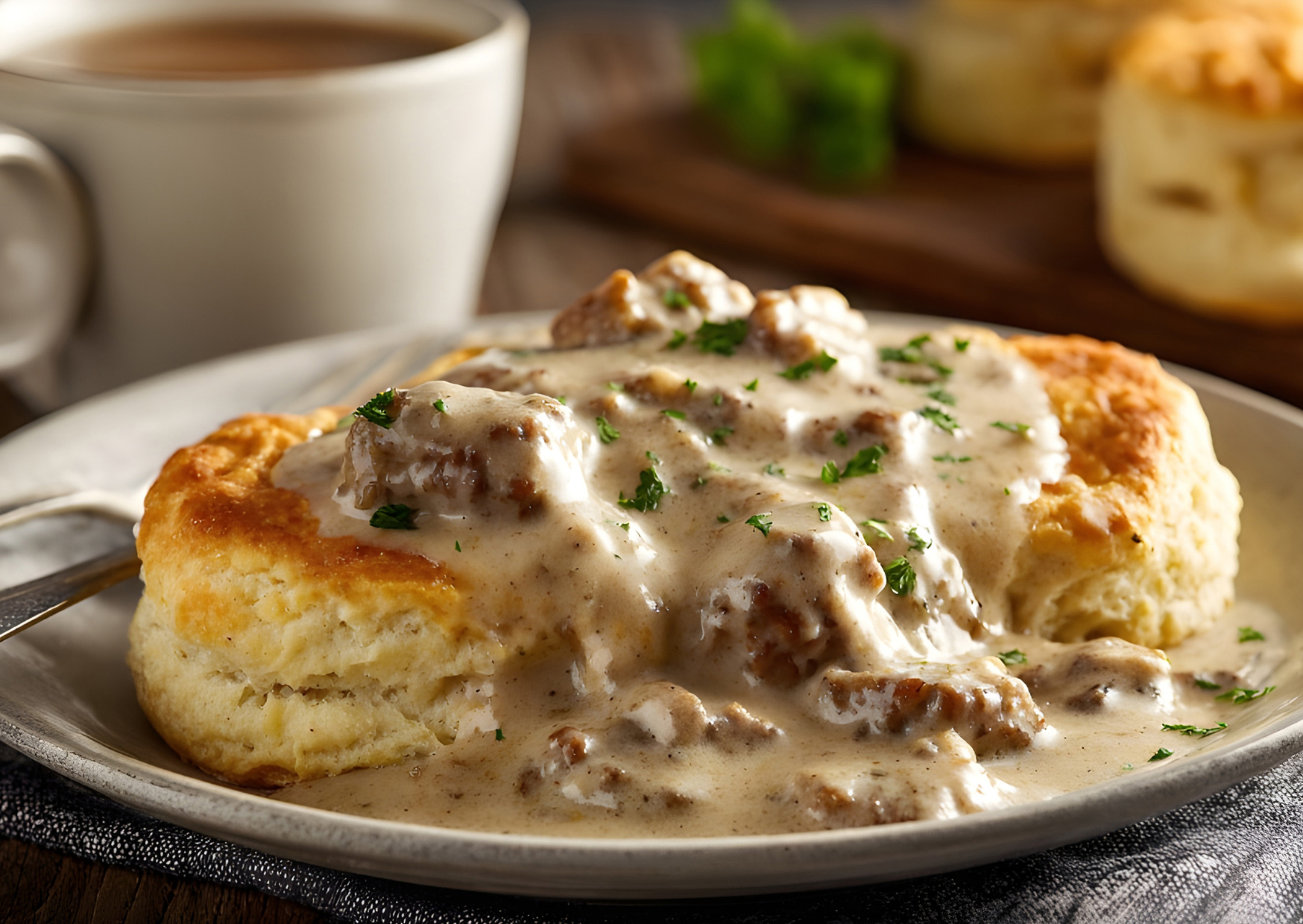
There are recipes people hand you like paperwork. Measurements. Temperatures. Exact times. No mystery.
Southern biscuits are not that.
Biscuits are the kind of food where a grandmother can “teach” you for three hours and still never actually give you the recipe. Not because she’s trying to be difficult. Because the recipe isn’t the point. The feel is the point.
And Americans who grew up around this know what that means: you can follow the same ingredient list and still miss it by a mile. Too bready. Too dry. Too tall and weird. Or flat and tough like you punished the dough for existing.
The secret isn’t exotic. It’s not a hidden ingredient. It’s a chain of small decisions that don’t look like decisions until you’ve messed them up enough times to respect them.
This post is the version people wish they got the first time: a real, repeatable biscuit recipe, plus the unwritten rules that make it work. The stuff grandmothers don’t measure because they don’t have to.
Why they won’t write it down
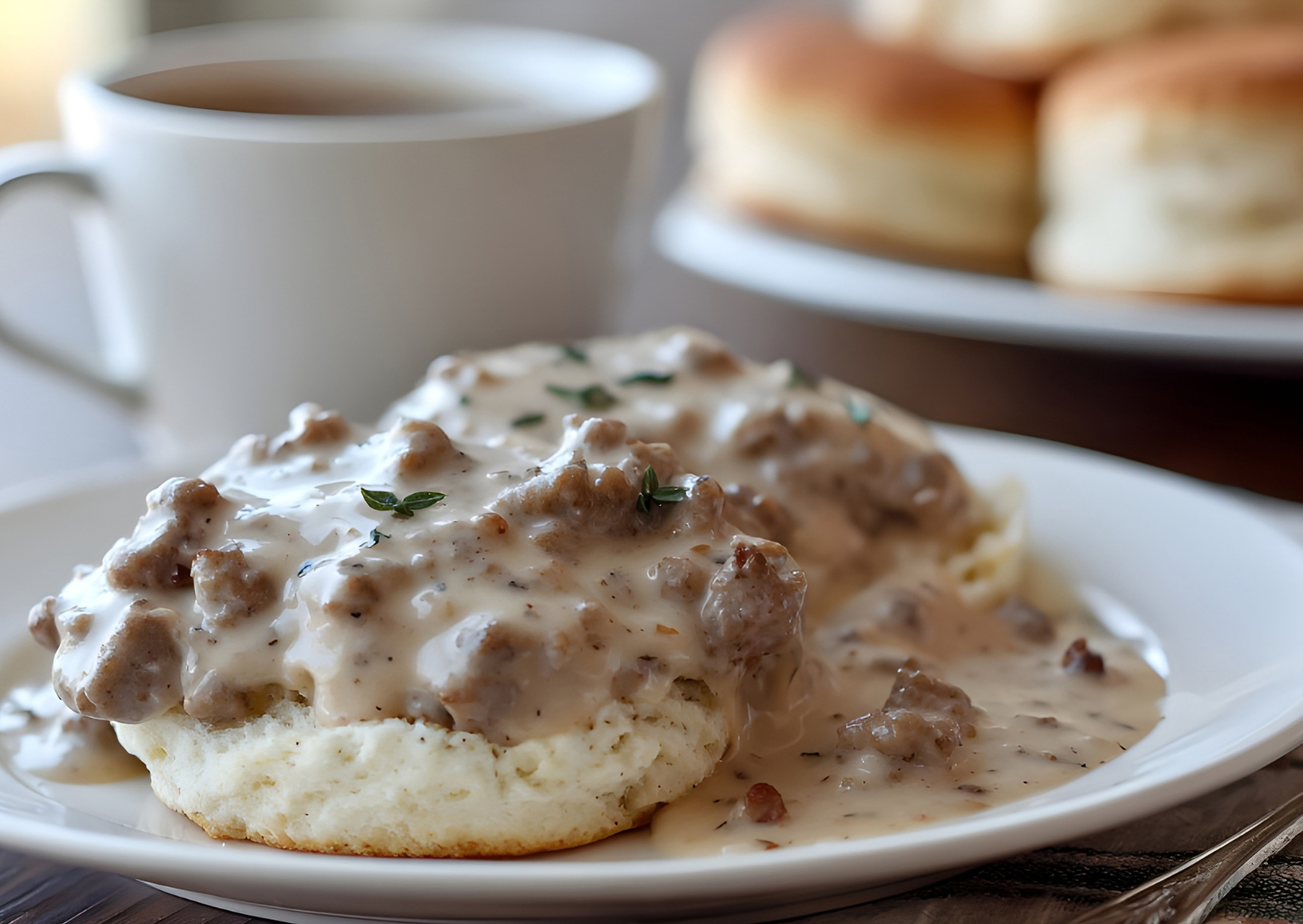
If you ask for “the biscuit recipe,” you’ll often get something suspiciously vague.
Two cups flour. Some fat. A little buttermilk. Don’t overwork it. Bake it hot.
Thanks.
The reason it’s vague is because biscuits are less like a cake and more like a negotiation with physics. Flour absorbs liquid differently depending on humidity and brand. Buttermilk varies. Your butter is warmer than you think it is. Your hands are hotter than you think they are. Your kitchen is warmer than you think it is. Your baking powder is older than you think it is.
So if someone writes down an exact amount of liquid, and you follow it like a contract, you can still end up with dough that’s too wet, too dry, or weirdly tight.
Southern biscuit makers learn to read the dough instead of worshipping the measurement. That’s why they “won’t write it down.” The written version feels incomplete to them.
The recipe is not the secret. The secret is how the dough should look and feel right before it goes into the oven.
What a real biscuit is supposed to be
A good Southern biscuit is not a scone. It’s not a dinner roll. It’s not a flaky croissant impersonation.
It’s tender inside, lightly crisp outside, and it pulls apart in layers without being greasy. It tastes like butter and salt and wheat. It can handle gravy, jam, honey, fried chicken, or just being eaten standing at the counter like a quiet personal victory.
A good biscuit has three non-negotiables:
- cold fat that stays in pieces
- minimal mixing so gluten never gets confident
- high heat so steam creates lift fast
That’s it. Everything else is just how you manage those three things without panicking.
The five unwritten rules that make or break you
These are the rules people mean when they say “you’ll know.”
1) Keep everything colder than feels necessary
If the butter melts into the flour before baking, you lose layers. You can still get a biscuit, but it won’t be that biscuit.
Cold butter is not a vibe. It’s structure.
2) Dough should be shaggy, not smooth
Smooth dough is a warning sign. It means you mixed too much, developed gluten, and are headed toward toughness.
A biscuit dough should look slightly messy, like it’s not finished. That’s the point.
3) Less flour on the counter than you think
People dump flour everywhere, then wonder why the biscuits are dry. Extra bench flour becomes extra dough flour, and the whole thing tightens up.
Use a light dusting. Keep a bench scraper nearby. Stop treating flour like confetti.
4) Pat, don’t roll
Rolling pins encourage overworking and over-flattening. Biscuits want gentle hands. You’re not laminating pastry. You’re stacking and cutting.
5) Cut straight down and don’t twist
Twisting the cutter seals the edges. Sealed edges don’t rise as well.
Straight down. Straight up. Done.
Cold, shaggy, gentle, hot oven, straight cut. Those five rules fix most failures.
The biscuit recipe that actually works
This is a classic buttermilk biscuit, tuned for repeatability. It’s not fancy. It’s what you make when you want biscuits that behave.
Ingredients (makes 8 to 10 biscuits)
- 300 g all-purpose flour (about 2 1/2 cups)
- 12 g baking powder (1 tablespoon)
- 5 g fine salt (1 teaspoon)
- 15 g sugar (1 tablespoon), optional but helpful
- 113 g unsalted butter, very cold (1 stick)
- 240 g cold buttermilk (1 cup), plus 1 to 2 tablespoons as needed
Optional for finishing:
- 1 to 2 tablespoons melted butter for brushing
Equipment
- baking sheet
- parchment paper
- biscuit cutter (6 to 7 cm) or a sharp glass
- box grater or pastry cutter
- bench scraper if you have it
Method, with the parts that matter
1) Heat the oven like you mean it
Set oven to 230°C (450°F). If your oven runs weak, go 240°C (465°F).
Biscuits need a hot start to rise. A timid oven gives you short biscuits and a dry crumb.
2) Mix dry ingredients
In a large bowl, whisk flour, baking powder, salt, and sugar.
3) Cut in cold butter
Grate the cold butter on a box grater right into the bowl, or cut into small cubes and use a pastry cutter.
Toss to coat and break it up until you have pieces ranging from peas to small flakes.
You want visible butter. That butter becomes steam pockets and layers.
4) Add buttermilk and stop early
Pour in 240 g cold buttermilk. Stir with a fork until the dough is shaggy and barely coming together.
If it looks dry, add 1 tablespoon more buttermilk at a time. Stop as soon as no dry flour pockets remain.
The dough should be soft and shaggy, not wet and sticky, and not smooth.
5) Fold for layers, but don’t knead
Turn dough onto a lightly floured surface. Pat into a rectangle about 2 cm thick.
Fold it in thirds like a letter. Rotate. Pat down again. Repeat this fold 2 more times.
Three folds is enough. More folds starts to toughen.
6) Pat to final thickness
Pat dough to about 2.5 cm thick. Thicker than you think. Biscuits are not supposed to be thin.
7) Cut cleanly
Cut straight down. Don’t twist. Place biscuits close together on the sheet so they help each other rise.
8) Bake fast
Bake 12 to 15 minutes until tall and deeply golden on top.
9) Finish
Brush tops with melted butter if you want the classic soft shine.
Rest 5 minutes, then eat while they’re still warm and slightly steamy inside.
Draft biscuit reality check: if the dough feels too wet to handle, you added too much liquid. If it feels stiff and cracks, it’s too dry. You’re aiming for soft, shaggy, and cooperative.
Why this recipe works
Biscuits are a steam and gluten story.
- The baking powder creates gas.
- The cold butter melts in the oven and releases steam.
- That steam pushes layers apart.
- Minimal mixing prevents gluten from creating a chewy bread structure.
The folds create a simple layering effect. Not croissant-level, but enough to give pull-apart texture without turning this into a pastry project.
Also, buttermilk adds acidity, which can help tenderness and adds that tang people associate with “real” biscuits.
It rises because of steam. It stays tender because gluten never gets built.
Cost and pantry reality
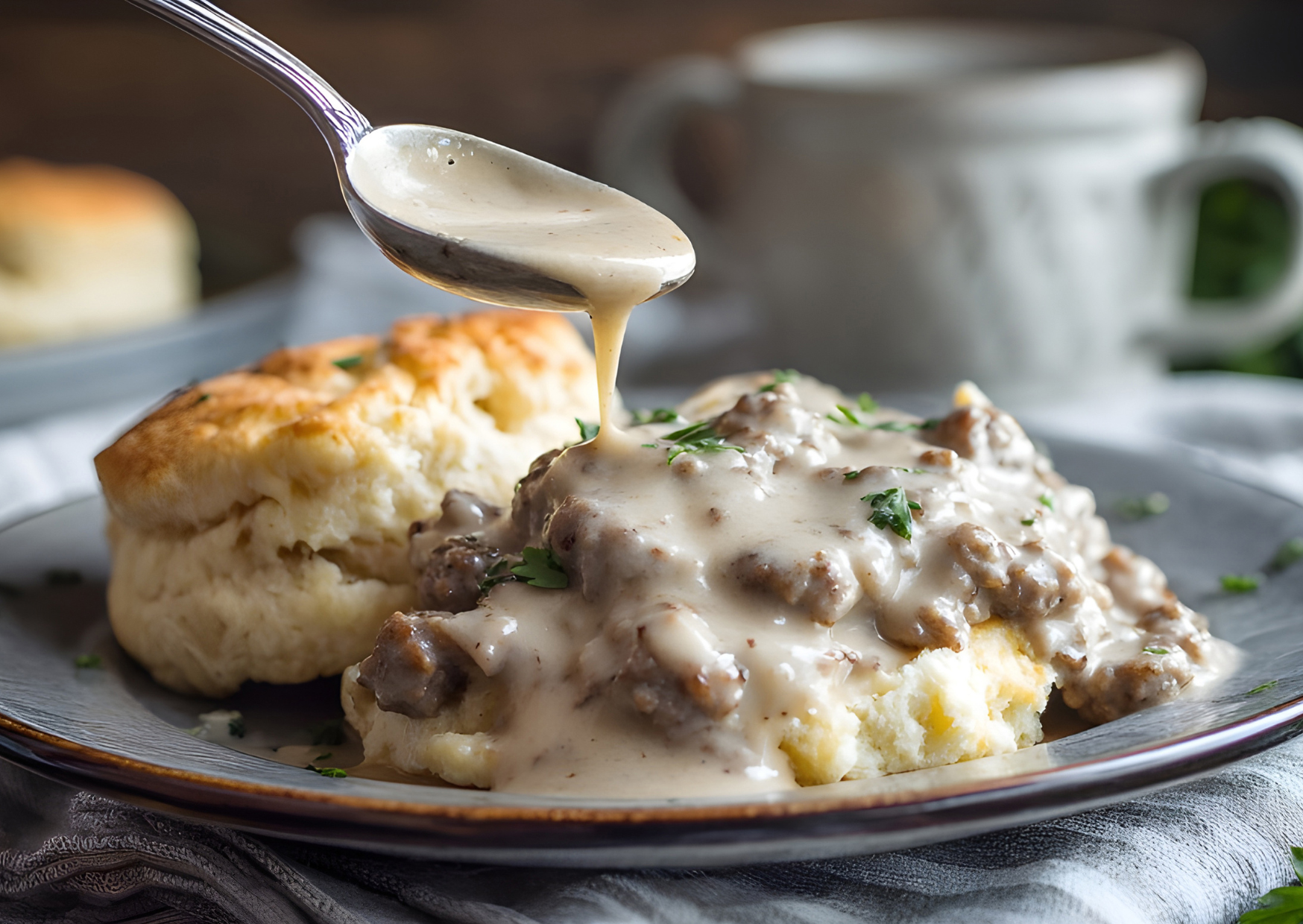
This is one of the cheapest impressive baked things you can make, which is why it shows up at big family breakfasts.
Rough costs in Spain and much of Europe vary by butter price, but the math usually looks like:
- flour: low cost
- baking powder: pennies per batch
- buttermilk: moderate, sometimes the hardest to find
- butter: the real cost center
If buttermilk is hard to find, you have options:
- use kefir
- use plain yogurt thinned with milk
- use milk with a small amount of lemon juice or vinegar and let it sit 10 minutes
None are identical. But they can still produce excellent biscuits.
Butter quality matters. Cheap butter can work, but better butter tastes better because biscuits are not hiding behind spices.
Common mistakes and how to fix them
My biscuits are tough
You mixed too much or added too much flour.
Fix:
- stop stirring earlier
- use less bench flour
- fold fewer times
- handle the dough less
My biscuits didn’t rise
Oven wasn’t hot enough, baking powder was old, or you twisted the cutter.
Fix:
- preheat fully
- buy fresh baking powder
- cut straight down
- place biscuits close together
They’re dry
Too much flour, not enough liquid, or overbaked.
Fix:
- dough should be soft
- add buttermilk in small additions
- pull them once golden, not once they look “safe”
They spread sideways
Butter got warm or dough got too wet.
Fix:
- chill cut biscuits 10 minutes before baking if your kitchen is warm
- use colder butter and colder buttermilk
- reduce liquid slightly next time
Most biscuit problems are temperature and handling. Not talent.
Five variations Southern cooks actually use
These aren’t novelty. These are the versions that show up on real tables.
1) Cream biscuits
Swap buttermilk and butter for heavy cream and skip cutting in fat. It’s the easiest biscuit and very tender.
2) Cheddar and scallion
Add 100 g grated sharp cheddar and sliced scallions to the dry mix. Increase buttermilk slightly if needed.
3) Sausage and pepper
Add cooked crumbled sausage and black pepper. Great for breakfast sandwiches.
4) Sweet breakfast biscuits
Increase sugar to 2 tablespoons and brush with butter and a little honey after baking.
5) Freezer biscuits
Cut, freeze on a tray, then store. Bake from frozen with a few extra minutes. This is how people look like they “just bake biscuits” casually.
Freezer biscuits are the real grandmother flex.
If you care about health, here’s the honest deal
Biscuits are not a health food. They’re butter and flour.
But they can still fit into a sane eating pattern because they’re satisfying and portionable. One biscuit with eggs, fruit, or yogurt is a meal. The problem is when biscuits become the base plus the gravy plus the sausage plus the second biscuit plus the sweet tea situation.
If you’re watching blood markers or weight, the simplest changes are:
- make smaller biscuits
- pair with protein
- eat one, not three
- treat biscuits as a once-a-week thing, not a daily default
Your body won’t change because of biscuits. It changes because of patterns.
One biscuit can be fine. The chaos is the stack.
The first week biscuit plan
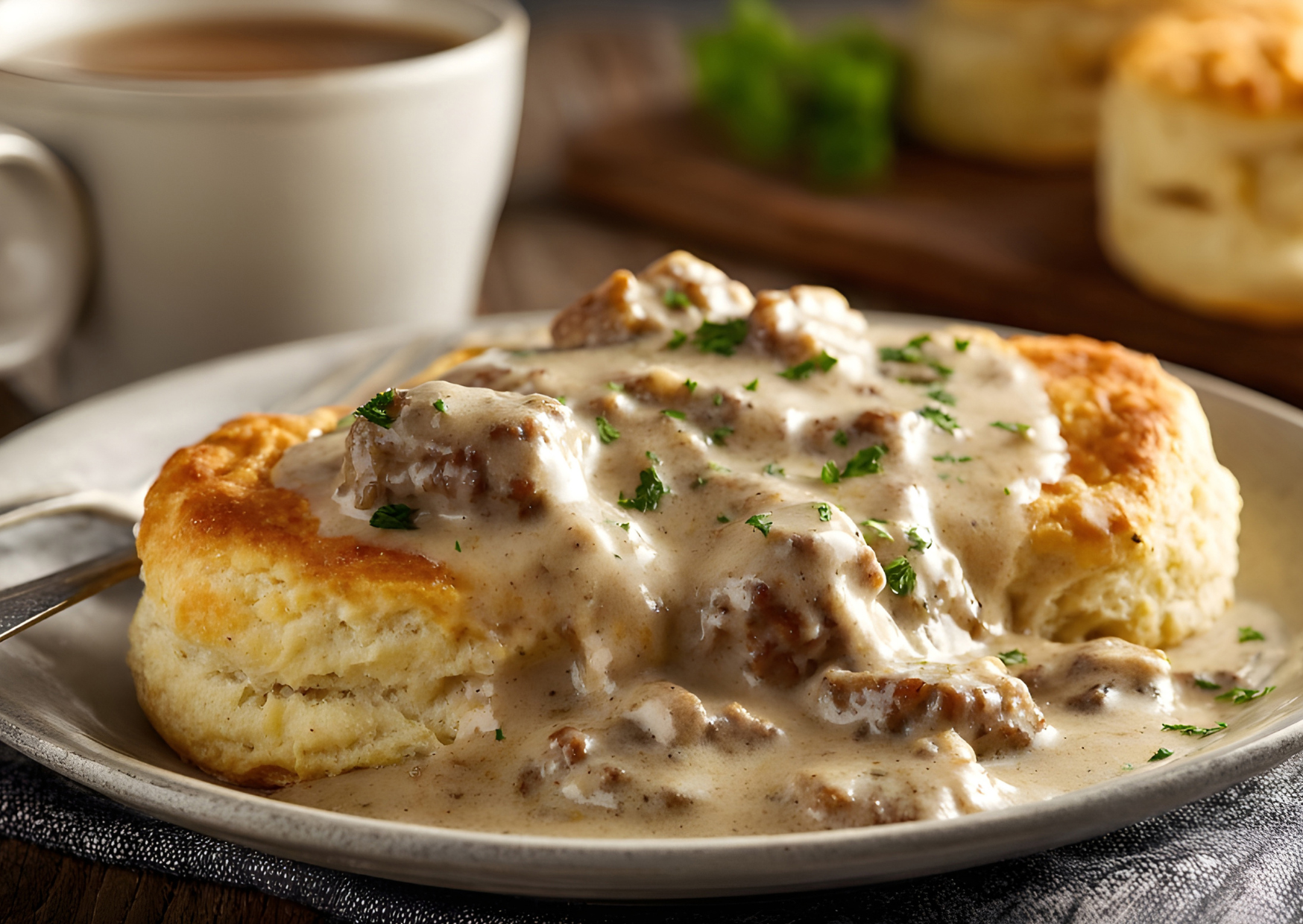
If you want to actually learn this instead of baking one sad batch and giving up, do it like this.
Day 1: Bake the base recipe exactly once
No add-ins. Learn what the dough feels like.
Day 2: Bake again and reduce handling
Make a point of stopping earlier. Shaggy dough. Minimal flour.
Day 3: Try the chill
Cut biscuits, chill 10 minutes, bake. Notice the difference in rise and layers.
Day 4: Test your oven
Bake one tray on the middle rack, one on the upper-middle. Learn where your oven browns best.
Day 5: Make freezer biscuits
Freeze half the batch. Bake a few days later. This is the biscuit lifestyle.
Day 6: Try one savory add-in
Cheddar and scallion is the easiest win.
Day 7: Make biscuits for someone else
Biscuits are a feedback food. If someone eats one and immediately reaches for another, you nailed it.
Make the dough soft. Handle it less. Bake hot. That’s the whole game.
What grandmothers were really protecting
They weren’t protecting a secret ingredient. They were protecting a way of cooking that doesn’t translate cleanly into a typed recipe.
Biscuits teach you to pay attention. To stop when the dough is ready, not when the instructions end. To trust your hands and your oven and your timing.
That’s why the recipe never gets written down properly.
Now you have a version that does.

About the Author: Ruben, co-founder of Gamintraveler.com since 2014, is a seasoned traveler from Spain who has explored over 100 countries since 2009. Known for his extensive travel adventures across South America, Europe, the US, Australia, New Zealand, Asia, and Africa, Ruben combines his passion for adventurous yet sustainable living with his love for cycling, highlighted by his remarkable 5-month bicycle journey from Spain to Norway. He currently resides in Spain, where he continues sharing his travel experiences with his partner, Rachel, and their son, Han.