
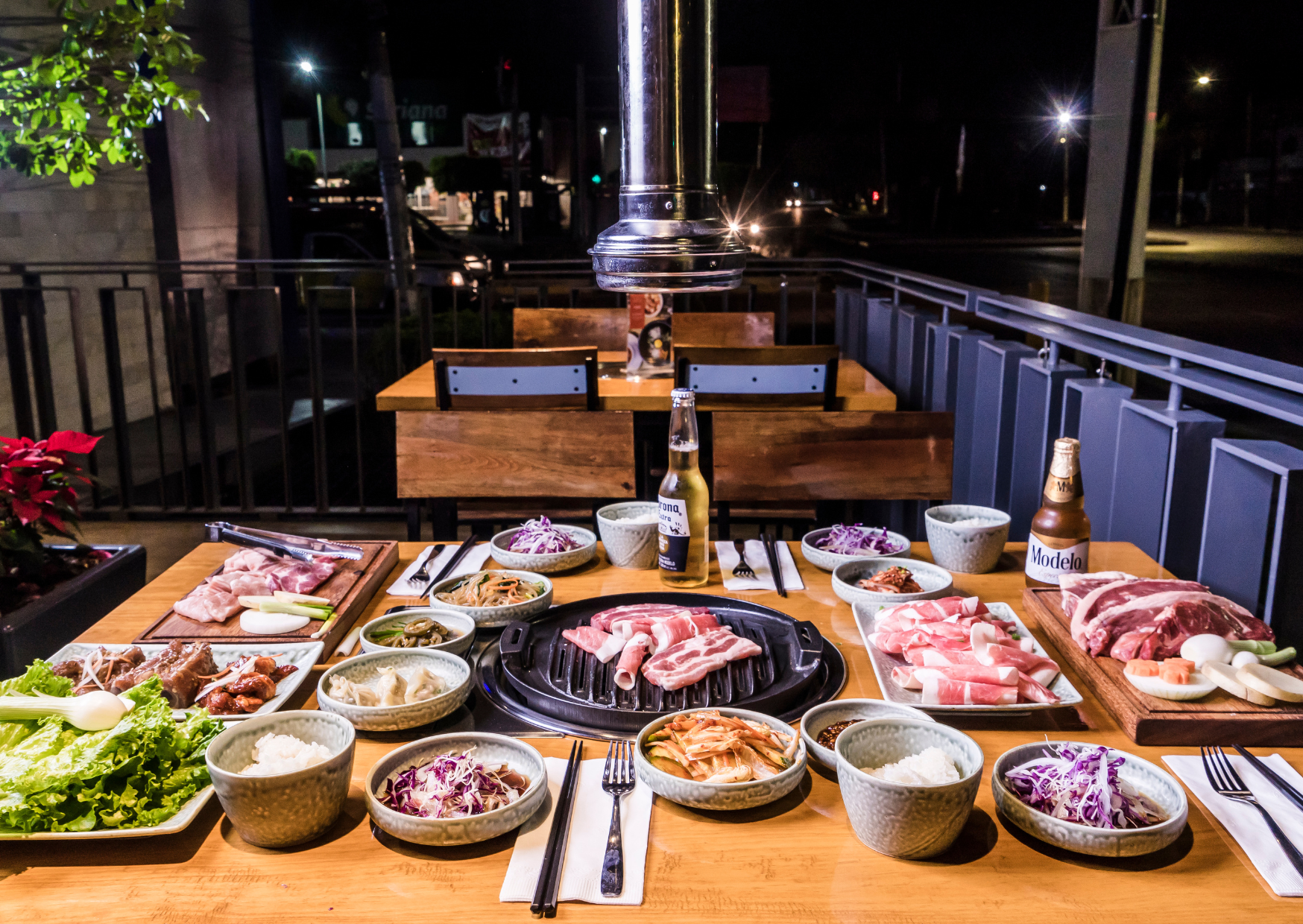
Korean cooking is having a moment in the way “having a moment” actually matters: it’s not just restaurant hype. It’s weeknight food. It’s pantry staples showing up in normal kitchens. It’s the fact that you can walk into a regular supermarket in 2026 and find gochujang in the same aisle as ketchup, because somebody finally realized people want flavor that does something.
Some of this is culture. Some is convenience. Some is the plain reality that Korean food has an unfair advantage: it’s built around big flavor with simple structure. A lot of dishes rely on a few fermented anchors, quick aromatics, and techniques that scale from “I have 12 minutes” to “I’m making a pot for tomorrow.”
Also, Korea’s food visibility is not slowing down. Between media, exports, and the global appetite for bolder flavors, the momentum keeps compounding.
If you’re new to Korean cooking, do not start with the “authenticity” anxiety. Start with five dishes that teach you the system, stock your fridge with leftovers you actually want, and make you dangerous in under a month.
The only pantry you need to start
You do not need a specialty store haul. You need a short list that unlocks everything.
The core five
- Gochujang (Korean chili paste): sweet, spicy, fermented depth
- Doenjang (soybean paste): savory, funky, miso’s louder cousin
- Gochugaru (Korean chili flakes): heat + color without harshness
- Toasted sesame oil: finish, not fry
- Soy sauce (regular, not sweet): structure and salt
The “makes life easier” add-ons
- Rice (short grain if you want, jasmine works fine)
- Kimchi (store-bought is fine, find one you like)
- Garlic, ginger, scallions
- Sesame seeds
- Rice vinegar or apple vinegar
- Sugar or honey (tiny amounts, but it matters)
- Dried anchovy or kelp (optional, but broth gets better fast)
If you buy nothing else: gochujang + doenjang + kimchi will carry you. Everything below is built around those three.
What changes when you cook Korean for 30 days
This is why it sticks. Korean cooking quietly fixes common weeknight problems.
- You stop needing a “sauce.” The sauces are already in the fridge.
- Leftovers get better. Stews deepen. Rice bowls assemble in minutes.
- Vegetables become normal again. Not as virtue. As flavor vehicles.
- You eat more protein without trying. Eggs, tofu, pork, chicken show up naturally.
- Your kitchen gets faster. Because the meals are modular: rice + banchan + main.
If you want a simple health timeline that’s not fake:
- Week 1: less takeout panic, more real meals
- Week 2: cravings calm down because meals are more satisfying
- Weeks 3 to 4: you start reaching for vegetables and broth-based meals without negotiating with yourself
Nothing magical. Just structure plus fermented flavor that makes “simple” food feel finished.
Now, the five recipes.
1) Kimchi Jjigae (Kimchi Stew) that tastes like you know what you’re doing
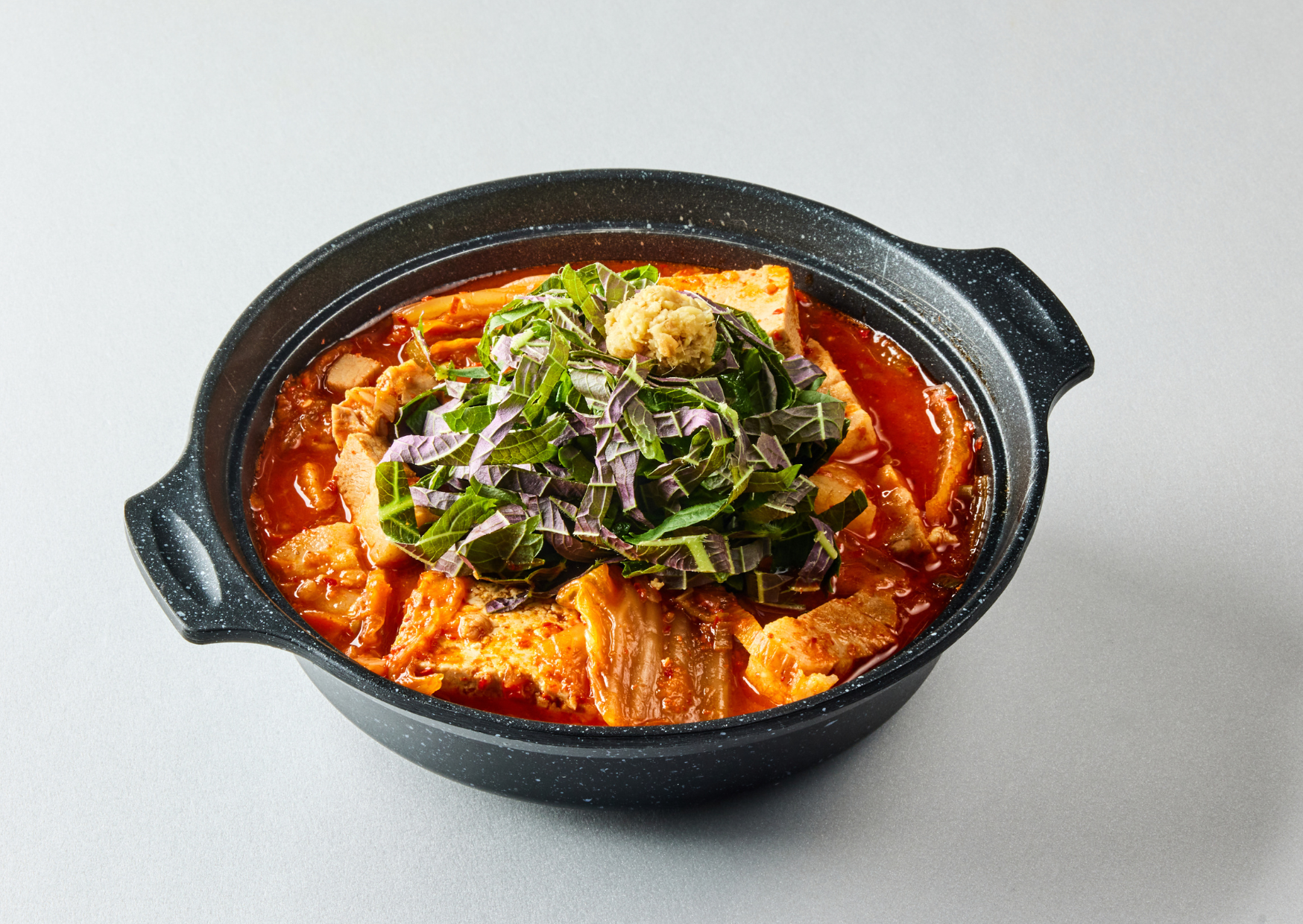
This is the gateway drug. One pot. Cheap ingredients. Deep flavor. And it teaches you the big Korean lesson: aged kimchi is an ingredient, not a side dish.
You need
- 2 cups kimchi, chopped (older is better)
- 1 to 2 tablespoons kimchi juice (if you have it)
- 200 to 300 g pork belly or shoulder, sliced (optional but great)
- 1 tablespoon gochugaru (optional if you want more heat)
- 1 teaspoon sugar (balances sour)
- 2 cloves garlic, minced
- 1 tablespoon soy sauce
- 600 to 800 ml water or broth
- 200 g tofu, cubed
- 2 scallions, sliced
- Neutral oil
How to make it
- In a pot, heat a little oil. Brown pork lightly if using.
- Add kimchi and sauté 3 to 5 minutes until it smells richer, less sharp.
- Add garlic, sugar, soy sauce, gochugaru. Stir 30 seconds.
- Add water or broth plus kimchi juice. Simmer 15 to 25 minutes.
- Add tofu. Simmer 5 more minutes.
- Finish with scallions and a few drops of sesame oil.
Why it works
- Sautéing kimchi builds Maillard depth and tames harsh acidity.
- Sugar is not “making it sweet,” it’s rounding the sour edge.
- Tofu goes in late so it stays tender.
Cost reality in Europe
This is a budget meal if kimchi is reasonably priced. Pork is optional. Tofu stretches it. One pot easily feeds 3 to 4.
Make it easier
Cook a big batch. Day two is better. Day three is elite.
2) Doenjang Jjigae (Soybean Paste Stew) for the nights you want comfort, not heat
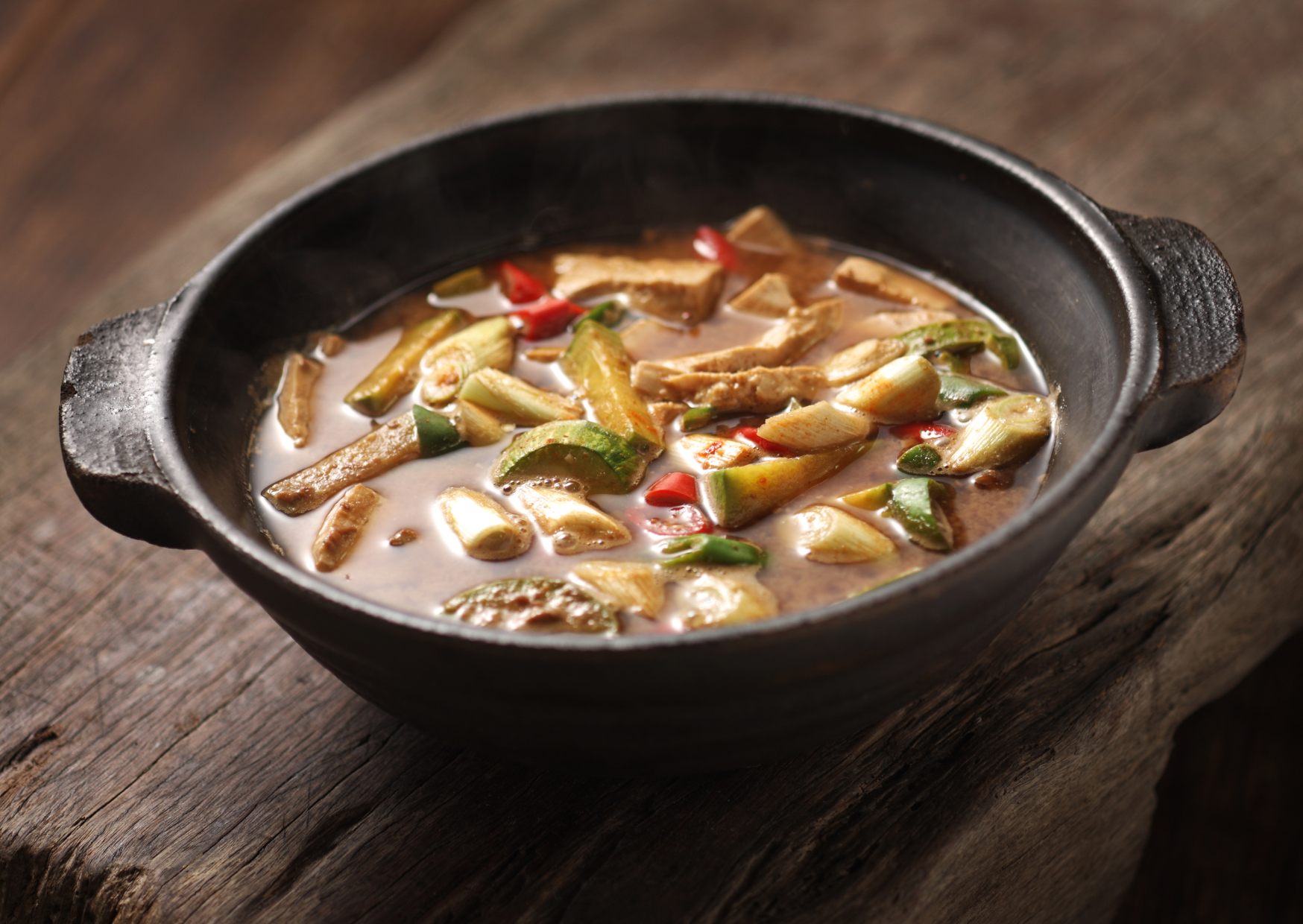
If kimchi jjigae is loud, doenjang jjigae is grounded. It’s savory, earthy, and feels like the food version of being put back together.
You need
- 1.5 tablespoons doenjang
- 1 teaspoon gochujang (optional, adds depth)
- 700 ml water or simple broth
- 1 small zucchini, chopped
- 1 small potato, chopped (optional but nice)
- 1/2 onion, chopped
- 150 to 200 g tofu, cubed
- A handful of mushrooms (optional)
- 2 cloves garlic, minced
- 1 scallion, sliced
Optional upgrade: a small handful of dried anchovy or a strip of kelp simmered in the water for 10 minutes, removed before cooking.
How to make it
- Bring water or broth to a simmer. If using anchovy or kelp, do that first.
- In a ladle or small bowl, dissolve doenjang in a bit of hot broth, then add back to pot.
- Add vegetables. Simmer 12 to 15 minutes until tender.
- Add tofu and garlic. Simmer 5 minutes.
- Finish with scallions.
Why it works
- Dissolving the paste first prevents clumps and keeps flavor even.
- Doenjang gives fermented umami without needing heavy meat.
Cost reality
This is one of the cheapest “real dinners” you can make: vegetables + tofu + paste.
Best habit
Make this once a week and your fridge starts behaving better.
3) Gochujang Butter Noodles for when you need a 12-minute win
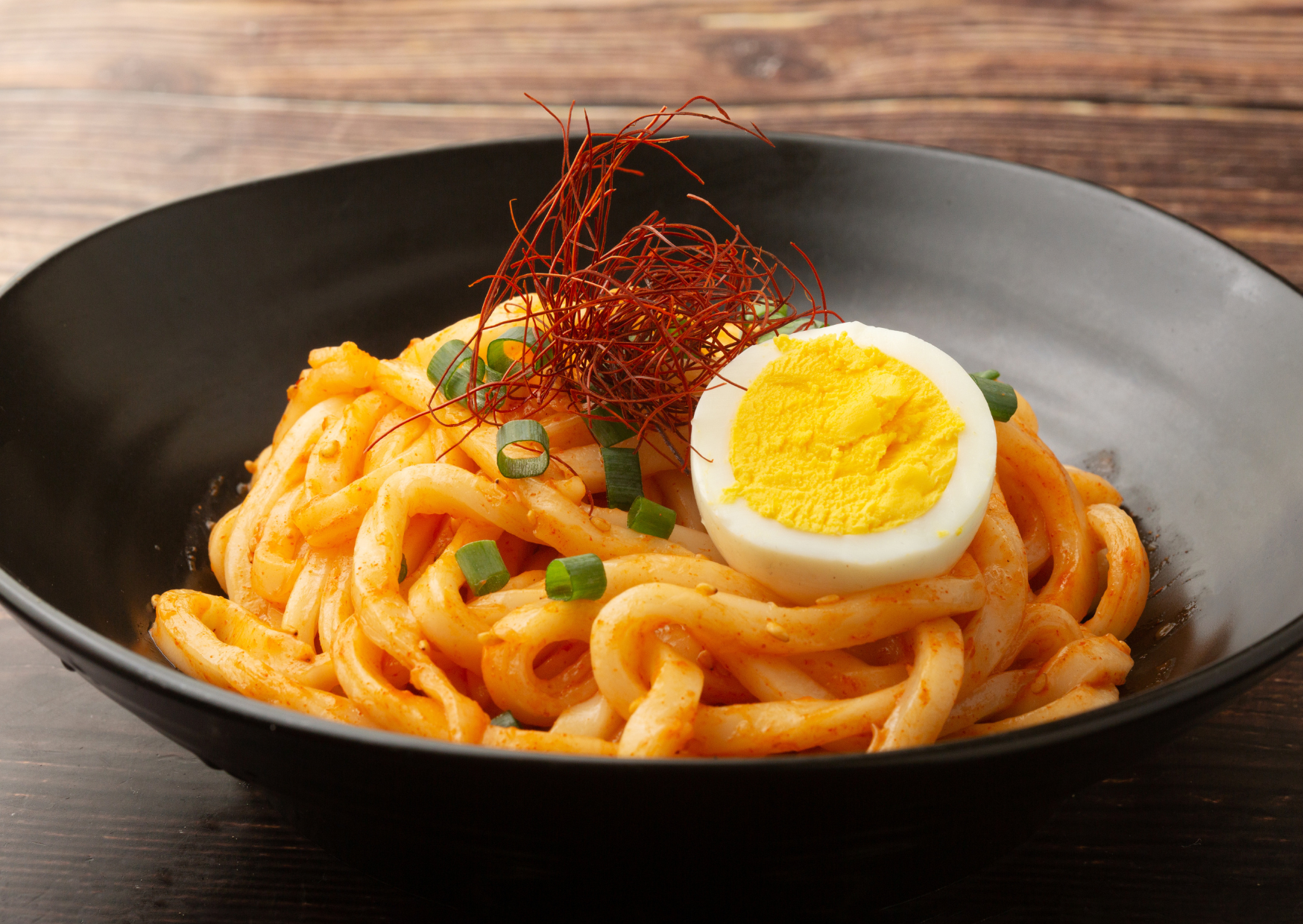
This is the dish that makes Korean flavors feel instantly accessible. It’s also the reason gochujang has gone mainstream in the West.
It’s not traditional in a grandmother sense. It’s modern pantry genius. And it’s exactly how people actually cook in 2026.
You need
- 200 to 250 g noodles (spaghetti, ramen, udon, whatever)
- 2 tablespoons butter
- 1 to 1.5 tablespoons gochujang
- 1 clove garlic, minced
- 1 teaspoon soy sauce
- 1 teaspoon vinegar or lemon (optional, brightens)
- 1 teaspoon honey or sugar (optional, balances)
- Sesame seeds and scallions
Optional add-ons: fried egg, leftover chicken, sautéed mushrooms, spinach.
How to make it
- Boil noodles. Save a splash of pasta water.
- In a pan, melt butter. Add garlic for 20 seconds.
- Add gochujang, soy sauce, and a splash of pasta water. Stir until glossy.
- Add noodles. Toss hard. Add more pasta water if needed.
- Finish with sesame seeds, scallions. Top with egg if you’re smart.
Why it works
- Butter carries flavor and smooths chili heat.
- Pasta water emulsifies the sauce so it clings instead of sliding off.
Cost reality
Cheap, fast, and it kills the “I guess I’ll order food” impulse.
The rule
Do not overthink it. This is weeknight power, not a purity test.
4) Bulgogi-Style Beef (or Mushroom Bulgogi) that tastes expensive
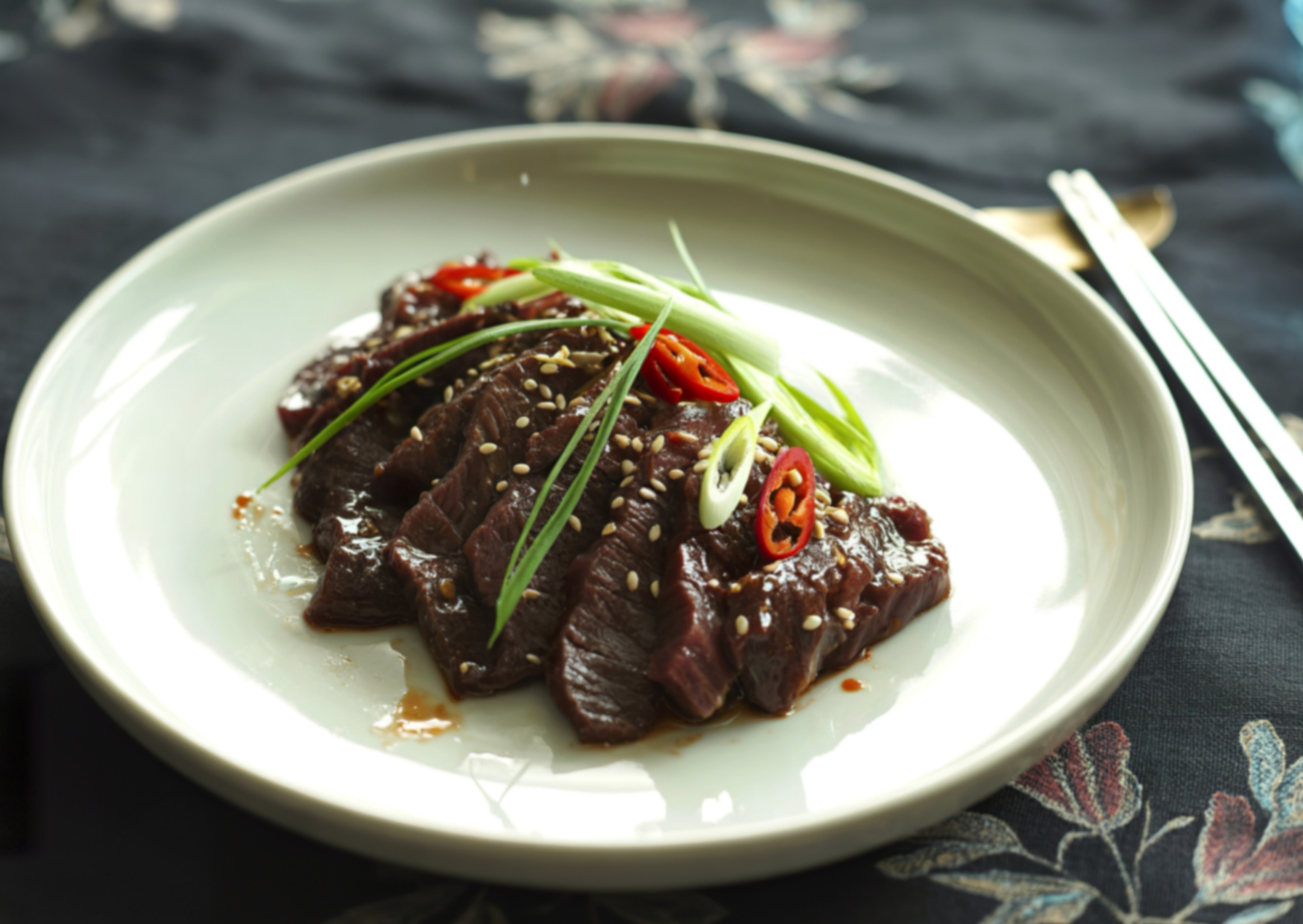
Bulgogi is one of the flavors showing up everywhere right now for a reason: it’s sweet-savory, easy to like, and it turns basic ingredients into something people remember.
This version is designed for a European kitchen. No special equipment.
You need
- 400 g thinly sliced beef (ribeye, sirloin, or any quick-cook cut)
- or 500 g mushrooms, sliced for a meatless version
- 3 tablespoons soy sauce
- 1.5 tablespoons sugar or honey
- 1 tablespoon sesame oil
- 2 cloves garlic, grated
- 1 teaspoon grated ginger
- 1/2 onion, thinly sliced
- Optional: grated pear or apple (2 tablespoons) for tenderness
- Black pepper
How to make it
- Mix soy sauce, sugar, sesame oil, garlic, ginger, pepper. Add pear if using.
- Toss meat and onion in marinade. Rest 15 to 30 minutes.
- Sear in a hot pan in batches. Don’t steam it.
- Finish with sesame seeds and scallions.
Why it works
- Sugar and fruit help browning and tenderness.
- High heat gives you the caramelized edge that makes it feel restaurant.
Cost reality
Beef can be pricey. The mushroom version is shockingly good and cheaper.
Serve it
Rice, lettuce wraps, cucumber salad. Done.
5) Bibimbap at Home, the lazy way that still feels legit
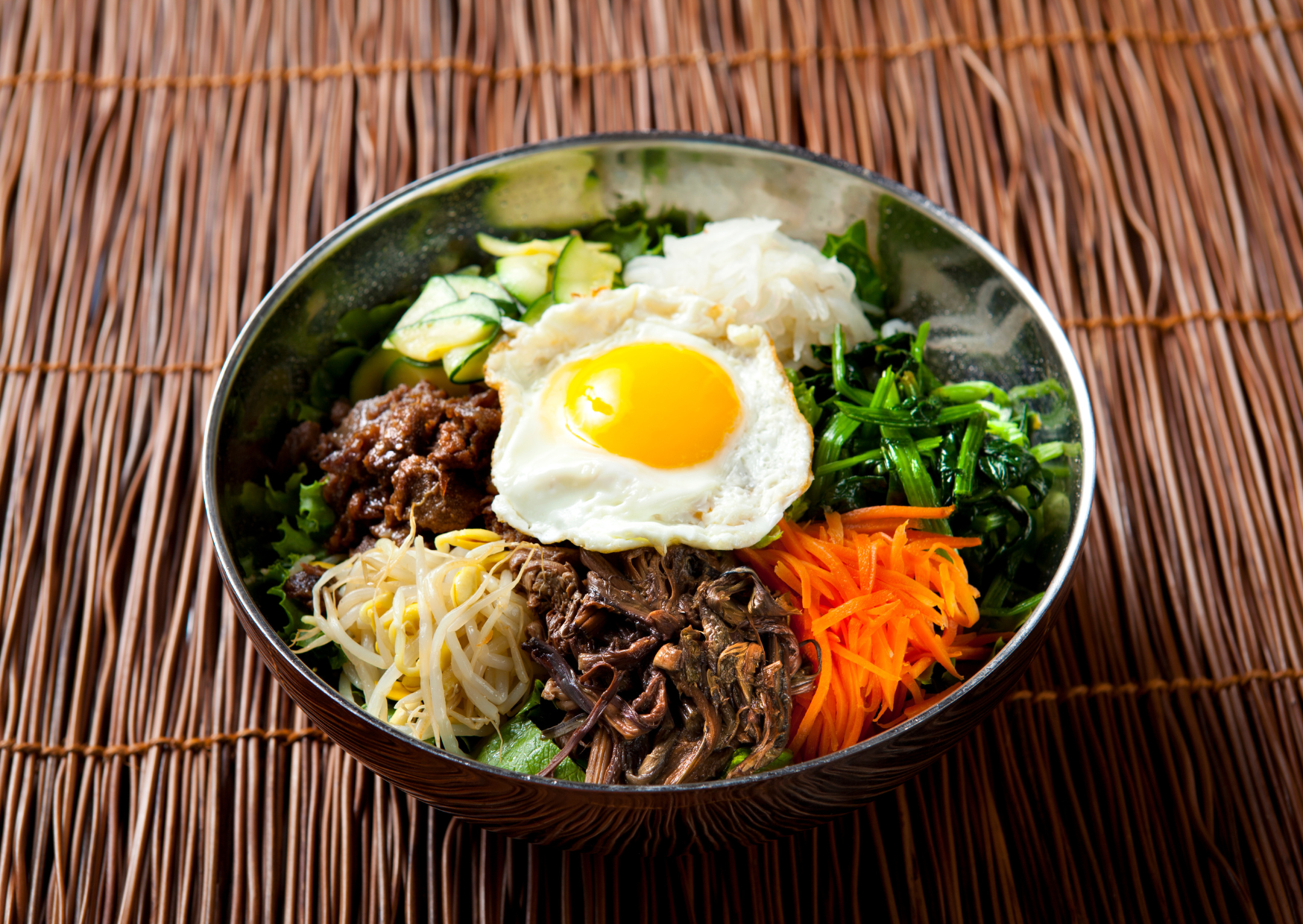
Bibimbap is not one recipe. It’s a format: rice + toppings + sauce + egg. It teaches you how Korean meals become modular.
You need
- Cooked rice
- 1 to 2 vegetables, quickly cooked or raw
- spinach, carrots, zucchini, mushrooms, bean sprouts are easy
- Protein: leftover bulgogi, tofu, or a fried egg
- Kimchi, optional but recommended
- Sesame oil, sesame seeds
Simple bibimbap sauce
- 1.5 tablespoons gochujang
- 1 tablespoon sesame oil
- 1 tablespoon vinegar
- 1 teaspoon sugar or honey
- 1 teaspoon soy sauce
- Water to thin
How to make it
- Prep toppings: quick sauté vegetables with a pinch of salt, or use raw cucumber and carrots.
- Put rice in a bowl. Add toppings in piles.
- Add fried egg. Add kimchi.
- Spoon sauce over and mix hard.
Why it works
- The contrast is the point: hot rice, crisp veg, creamy egg, spicy sauce.
- You can use leftovers and it still tastes intentional.
Cost reality
This is the “stretch the fridge” meal. It saves money because it prevents food waste.
The habit
Cook rice once, eat bibimbap twice. That’s how people actually live.
The mistakes beginners make, and how to not do them
Mistake 1: Buying 12 sauces and using none
Start with the core five. Cook. Then expand.
Mistake 2: Using sesame oil like frying oil
Sesame oil is a finish. Use it at the end, small amounts.
Mistake 3: Making everything spicy
Korean food is not “everything is heat.” It’s balance: savory, sour, sweet, spicy.
Mistake 4: Treating kimchi like a garnish
Kimchi is a cooking ingredient. Use it in stews, fried rice, pancakes.
Mistake 5: Skipping rice and wondering why it feels unanchored
Rice is not filler. It’s the base that makes bold flavors livable.
A tight 7-day plan to start without burning out
Day 1: Make gochujang butter noodles. Stock sesame seeds and scallions.
Day 2: Make doenjang jjigae. Eat it twice.
Day 3: Make bulgogi-style beef or mushroom bulgogi. Save leftovers.
Day 4: Make bibimbap using leftovers. This is the system clicking.
Day 5: Make kimchi jjigae. Freeze one portion.
Day 6: Do a simple cucumber salad and rice. Eat like a normal person.
Day 7: Repeat your favorite and stop pretending you need more recipes.
After a week, you’ll have the pantry, the rhythm, and at least two meals you can do without thinking.
Where this lands in real life
Korean cooking is having a moment because it’s practical. Fermented bases give you depth fast. The food scales well. Leftovers behave. And the flavors are strong enough that “simple” doesn’t feel sad.
Start with these five, and you’ll understand why it’s everywhere.
You’ll also understand the real secret: it’s not about chasing authenticity. It’s about learning a structure that makes weeknight cooking easier.

About the Author: Ruben, co-founder of Gamintraveler.com since 2014, is a seasoned traveler from Spain who has explored over 100 countries since 2009. Known for his extensive travel adventures across South America, Europe, the US, Australia, New Zealand, Asia, and Africa, Ruben combines his passion for adventurous yet sustainable living with his love for cycling, highlighted by his remarkable 5-month bicycle journey from Spain to Norway. He currently resides in Spain, where he continues sharing his travel experiences with his partner, Rachel, and their son, Han.