
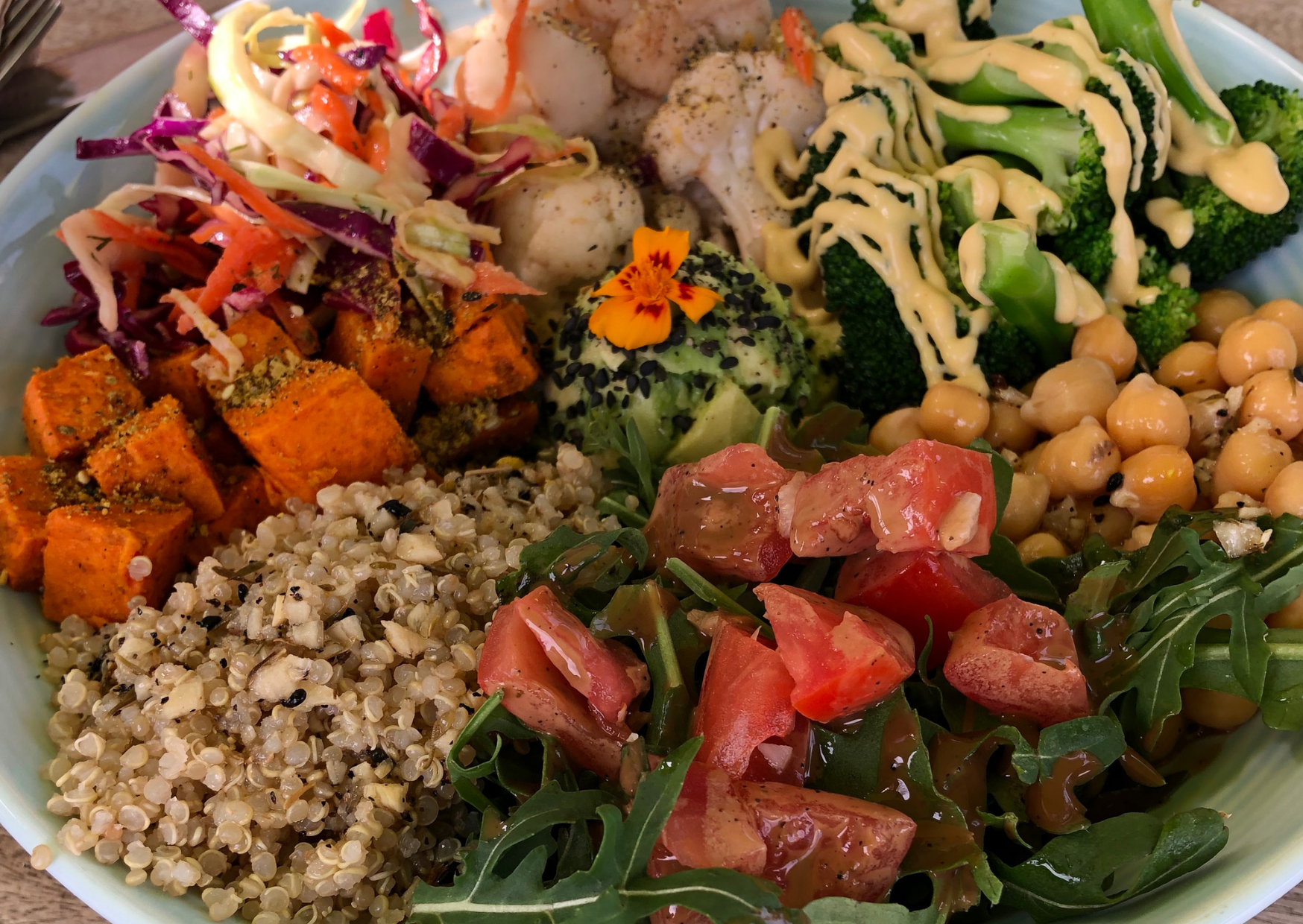
The first week, nothing felt dramatic.
No hunger panic. No heroic willpower. No sad desk salad energy. Just smaller plates showing up like that’s normal and the world isn’t ending.
Week two is when it got weird.
Not the food. The way your brain starts scanning for the missing part. The extra side. The second basket of bread. The “and also” that American meals quietly include without calling attention to it.
By day 30, I had to get bloodwork for something unrelated. The doctor asked what changed. I said, honestly, “Mostly portion sizes.”
He looked at me like I was giving him a PR line.
Then he asked what I meant. I described the last month. And he did the thing doctors do when they’ve heard a thousand fake lifestyle claims and they’re deciding whether you’re lying to yourself.
He thought I was lying.
Not maliciously. More like: this sounds too simple. People don’t change that cleanly. People don’t eat like that and see numbers move.
Except portion size changes are not motivational. They’re environmental. They happen when you stop living inside an eating culture that treats a normal meal like a dare.
European portion sizes are not tiny. They’re just calibrated differently. And that calibration does something to you if you live inside it long enough.
The part Americans misunderstand: this isn’t “less food.” It’s less excess.
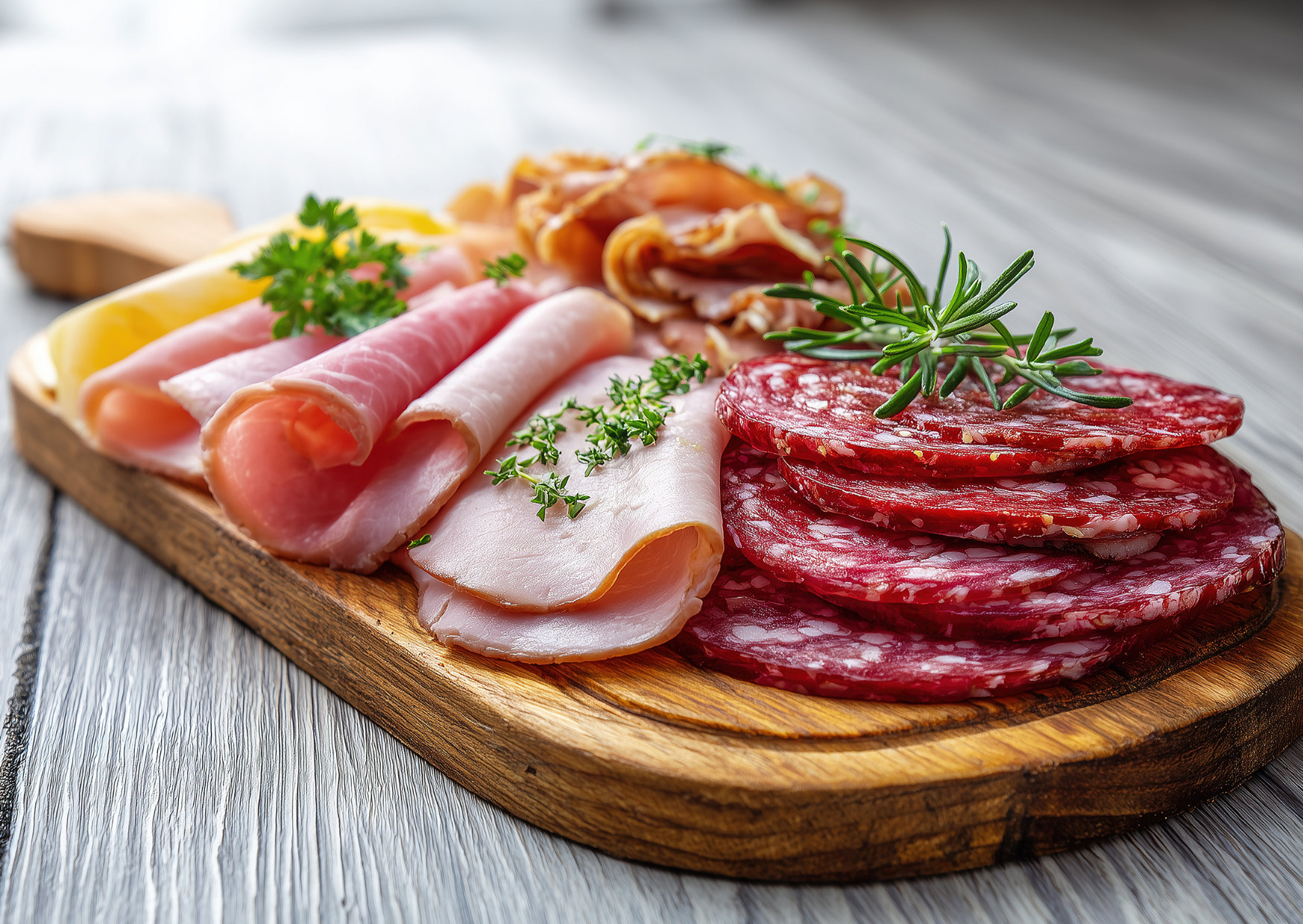
Americans hear “smaller portions” and imagine a sad half-meal designed to punish you.
That’s not what most Europeans are eating.
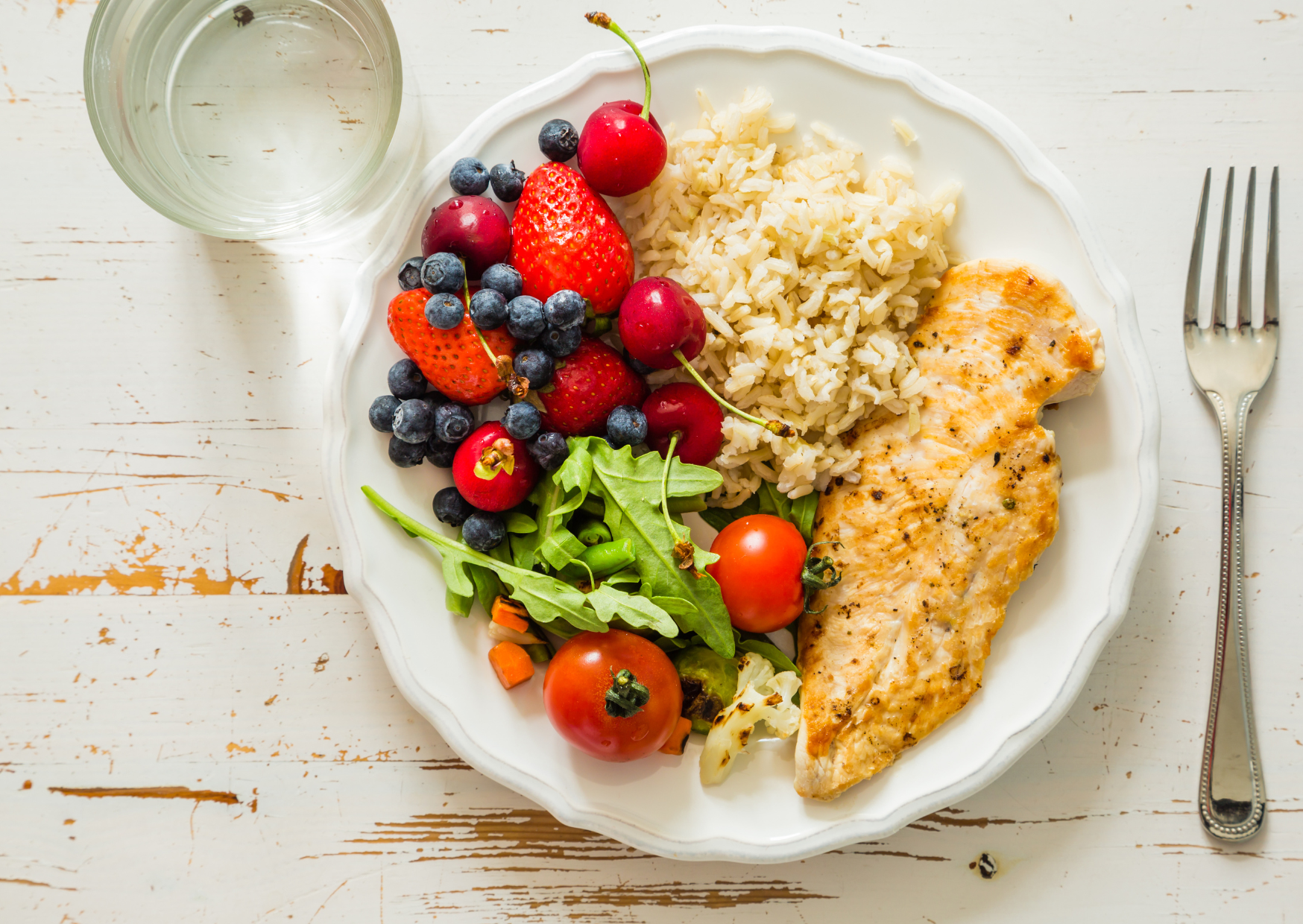
It’s a complete meal. Protein, carbs, fat, vegetables. Bread sometimes. Dessert sometimes. Wine sometimes. The difference is the meal is not engineered to leave you with leftovers plus a second meal’s worth of calories still sitting in front of you.
A lot of American portioning is built around abundance as reassurance. More fries means value. A bigger soda means you won the transaction. A large plate means the restaurant respects you.
Europe is different. You’re often paying for the meal, not the volume. And you’re not expected to eat like you’re storing energy for winter.
That’s why this shift can feel strangely emotional. Portion sizes are tied to identity. To comfort. To the feeling of being taken care of.
When portions get smaller, your brain initially interprets it as loss. Then your body catches up and realizes you’re not actually deprived. You’re just not overloaded.
Less excess, not less life.
What “European portions” actually looks like in real meals
Let’s make this concrete, because vague food talk is useless.
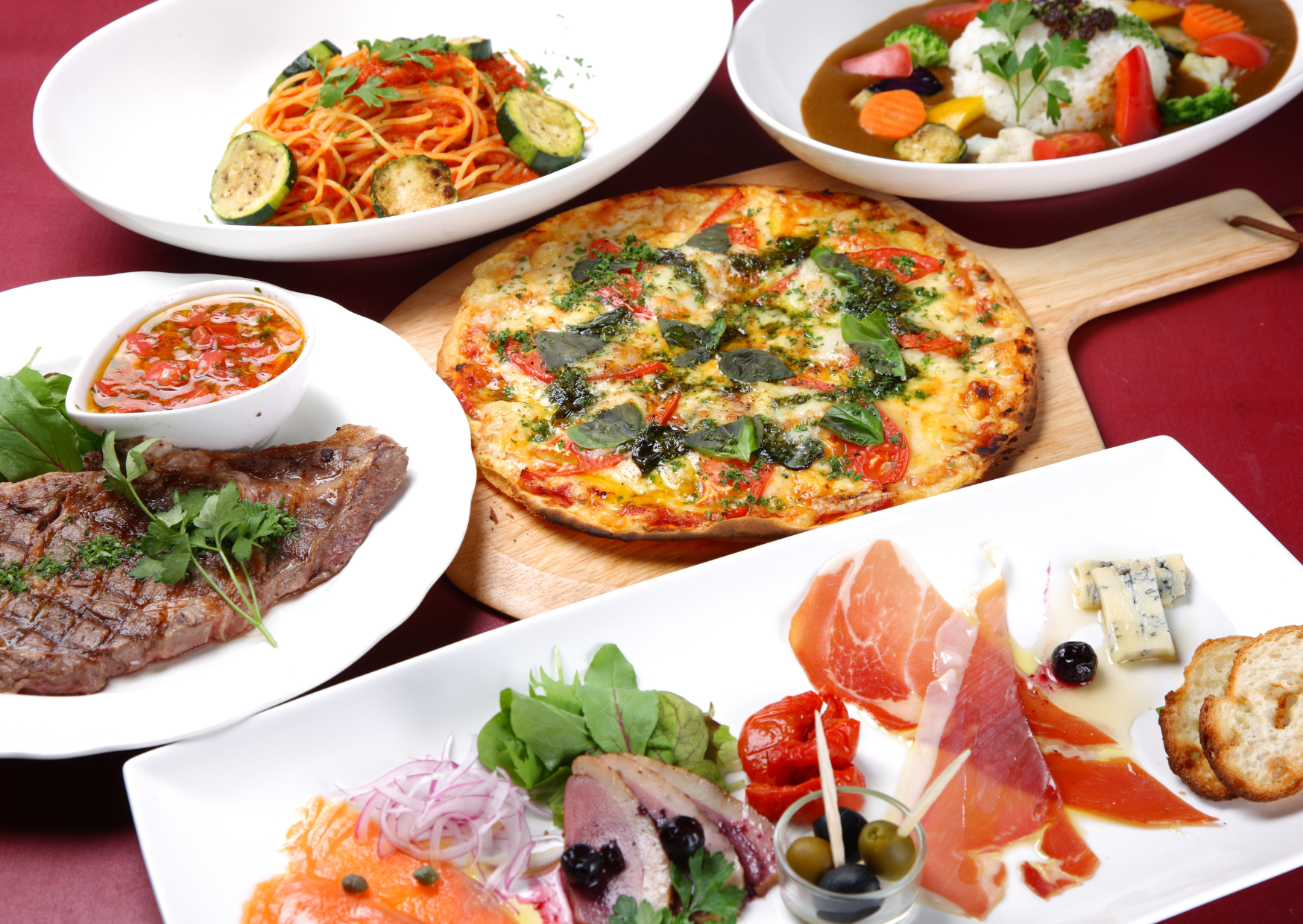
In Spain, a normal weekday lunch pattern in a lot of places still revolves around the menú del día: a first course, a second course, bread, drink, and often coffee or dessert.
That sounds like a lot. But the individual pieces are usually sized like parts of a day, not parts of a binge.
A typical lunch that feels normal here:
- a bowl of lentils or a salad as first course
- grilled fish or chicken with vegetables as second
- bread, yes
- water or a small beer
- coffee
The portions are enough. They’re just not absurd.
And outside the menú world, Spanish ordering culture gives you another tool Americans ignore: tapas, raciones, and medias raciones.
You’re not locked into one giant plate. You can share. You can order two smaller things. You can stop when you’re satisfied without leaving half a mountain behind.
That flexibility changes intake without turning your day into a diet plan.
In the US, the default meal often arrives already oversized, and the only way to “portion control” is to fight the plate or plan leftovers. In Spain, a lot of meals are structured so you can simply eat the meal.
Portion control becomes passive, which is the only kind that works long-term.
The 30-day experiment that isn’t really an experiment
Here’s what “European portions for 30 days” actually meant in real life.
It was not 30 days of perfect food. It was 30 days of eating like the default environment expects you to eat.
Rules were simple:
- No seconds unless I was genuinely hungry, not bored.
- One plate. No “plus a side that is basically another plate.”
- Bread was allowed, but not as a filler sport.
- Dessert only if it was wanted, not automatic.
- Wine sometimes, but not paired with a second dinner’s worth of snacks.
What changed wasn’t virtue. It was structure.
Breakfast became smaller and calmer. A coffee and toast, yogurt, fruit, maybe eggs. Not a breakfast designed to carry you emotionally through the day.
Lunch became the real meal. Dinner became lighter.
That alone shifts everything.
Because in the US, dinner is often treated like the main event, and it comes late, and it’s heavy, and it’s paired with screens and exhaustion. That combo is a calorie trap.
In Spain, if lunch is the main meal, your evening intake naturally falls. You still eat. You just don’t stack.
Fewer stacks, fewer “bonus calories,” fewer accidental second meals.
The “I’m still hungry” week and why it passes
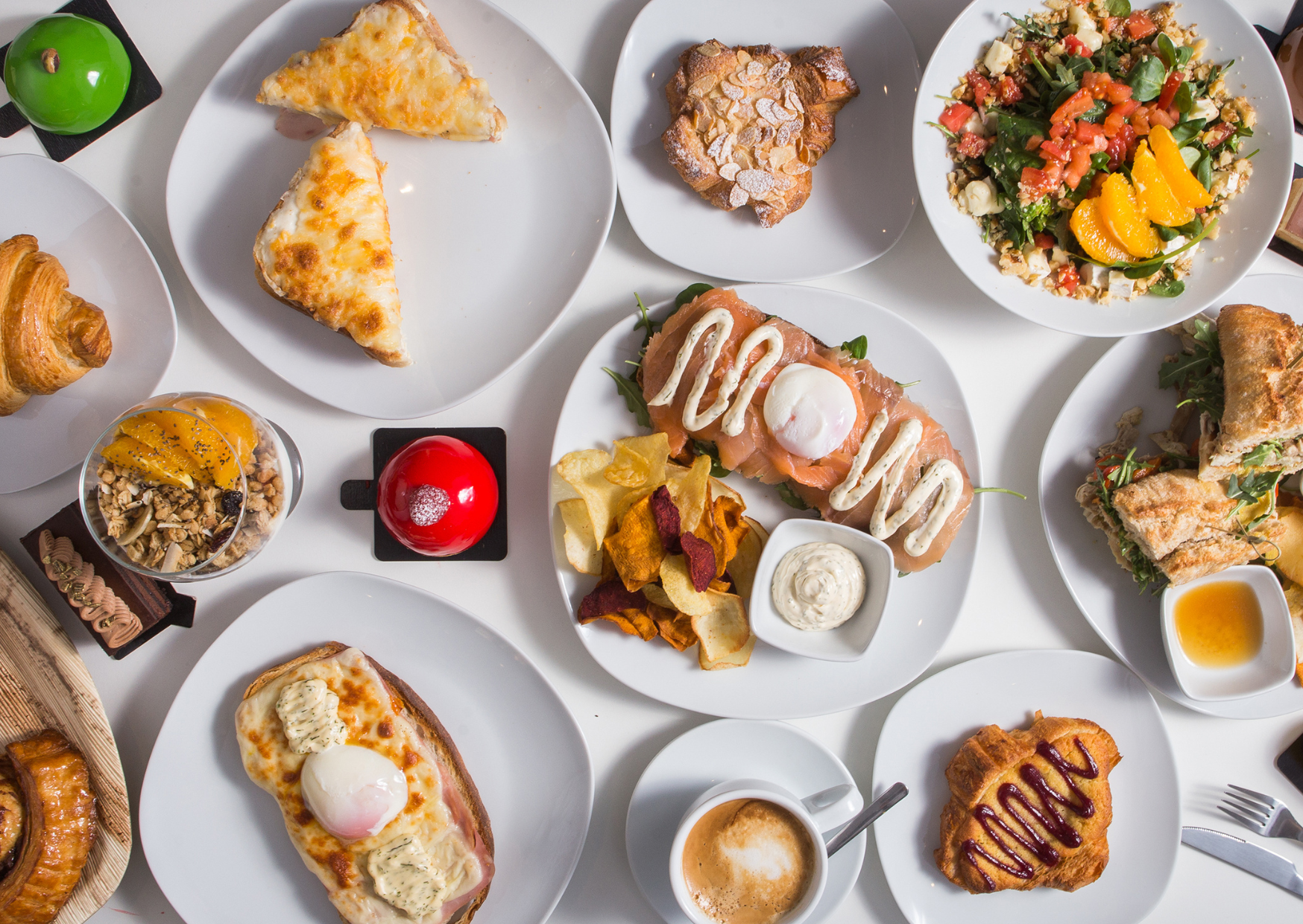
Week one is when Americans struggle.
Not because the portions are too small, but because hunger and habit get confused.
You’re used to eating to full, not to satisfied. There’s a difference.
Full is physical pressure. Satisfied is your body quietly saying: we’re fine.
If your baseline is “full,” European portions feel like a tease for the first week. Your body expects a certain volume. It expects the signal of fullness that comes from stretching the stomach, not from meeting nutritional needs.
Then two things happen:
- your stomach adapts to lower volume
- your palate starts noticing the point where the meal is enough
That adaptation is real. It’s not spiritual. It’s physiology and routine.
This is why people fail at portion control in an American environment. They are fighting their own calibration daily. In a European environment, the environment calibrates you for free.
By week two, you stop thinking about it as much. By week three, you start forgetting you ever ate differently.
The first week is withdrawal from excess, not hunger from scarcity.
Why the numbers can move faster than you expect
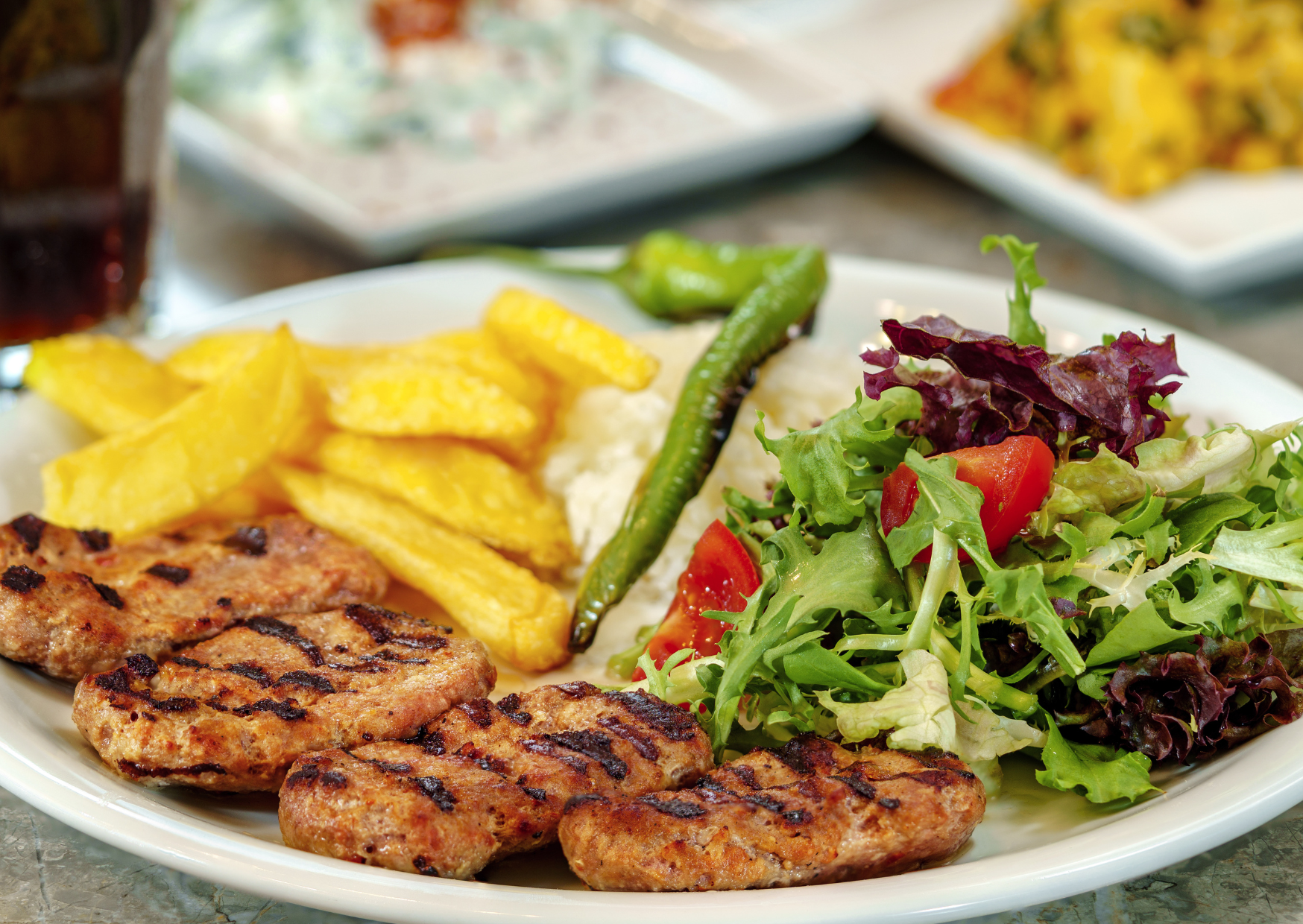
Doctors are understandably skeptical. People say things like “I stopped eating bread and my cholesterol halved” all the time. It’s usually not true.
But portion size is one of the few changes that can move markers faster than people think because it hits multiple levers at once:
- fewer total calories without obsessive tracking
- fewer ultra-processed “volume foods” used as filler
- fewer sugary drinks because beverages aren’t supersized by default
- less late-night intake if dinner gets lighter
- less snacking because meals are more structured
It also tends to shift macros without trying. When you stop eating a massive plate of pasta plus bread plus dessert, your overall carb load often drops. When you stop defaulting to fries as a side, your saturated fat intake can drop. When you stop drinking huge sodas, your sugar intake drops.
None of that requires you to become a fitness person.
It’s not that European food is magic. It’s that portions reduce the opportunity for accidental overeating.
Research on US portion growth has documented how marketplace portions increased over decades and exceeded standard serving sizes, and how larger portions can drive higher energy intake. That’s the baseline context Americans are swimming in. When you remove it, your body responds.
Portions are leverage, not a motivational slogan.
The stealth difference: Europeans don’t drink calories the same way
This is one of the biggest hidden portion changes.
In the US, drinks are part of the meal volume. A “normal” soda can be enormous. Refill culture turns one drink into three without feeling like three.
In Spain, most people drink:
- water
- coffee
- beer or wine in smaller quantities
- soft drinks, but often smaller
Even when there’s alcohol, it’s not typically paired with a giant sweet drink the way American dining can be.
If you cut nothing else except drink calories, you can save a shocking number of calories per week without feeling like you’re dieting.
European portion culture makes it easier to do that because the default beverage size is smaller and refills aren’t the same social expectation.
No refill pipeline is a bigger deal than people admit.
Restaurant culture matters more than home cooking
A lot of Americans try to fix diet with grocery habits alone. That helps, but restaurants are where portion culture becomes toxic fast.
In the US, restaurant portions are often designed to impress and justify price. Bigger plate equals more value. And because Americans eat out often, that portion inflation becomes normal.
Studies and public health analyses have connected expanding portion sizes in US restaurants and packaged foods with increased calorie consumption and obesity trends.
Europe has restaurants with large portions too. This is not a purity contest. But the baseline is different in many places, and the ordering structure often lets you choose smaller formats.
In Spain, you can order:
- a tapa
- a media ración
- a full ración
- a menu
- something to share
That menu structure is a quiet portion-control tool. You’re not stuck with one “entrée” that is the size of a small mattress.
Even in touristy areas where portions inflate, you can often choose your portion category in a way Americans aren’t used to.
Structure beats willpower. It’s one of the real advantages of eating here.
The part that surprised me: I stopped thinking about food all day
This is the piece people don’t expect.
When portion sizes are huge, you spend mental energy negotiating:
- should I finish this
- should I save it
- am I wasting money if I don’t
- am I being “good” if I eat less
- why am I still hungry later
- why do I feel heavy after lunch
- why do I want sugar at 10 pm
Smaller, more reasonable portions reduce the negotiation.
You eat. You move on.
Lunch actually does its job. Dinner doesn’t become a second lunch. Snacking becomes less necessary because meals are not built around spikes and crashes.
It’s a calmer relationship with food, which is the real prize. Not the scale. Not the bragging rights.
When the doctor looked skeptical, what I wanted to say was: the numbers moved because my brain finally stopped fighting the plate.
Less negotiation is a health intervention by itself.
Pitfalls most Americans hit in week one
If you try this for 30 days, here’s where Americans mess it up in predictable ways.
They compensate with snacks
Smaller meals plus constant snacking turns into equal or higher calories.
Fix: keep meals structured. If you need a snack, make it real, not endless handfuls.
They under-eat at lunch
If you eat a tiny lunch because you’re still thinking in American dinner-first mode, you’ll be starving at night and you’ll eat like a raccoon.
Fix: make lunch your real meal for the month. It changes everything.
They treat bread like the enemy
Bread isn’t the issue. The issue is bread plus fries plus dessert plus sweet drink plus a giant main.
Fix: let bread exist, but don’t let it become a volume sport.
They chase “healthy” but forget “enough”
Portion control is not eating air.
Fix: include protein and fat so the meal actually satisfies.
Small portions without structure turn into snacking chaos. Lunch is the lever. Bread is not the villain.
A 7-day plan to make the 30-day shift stick
If you want this to work without counting calories, do this in the first week.
Day 1: Redefine “a meal”
One plate. No extra side that doubles it. No drink calories unless you genuinely want them.
Day 2: Make lunch the main meal
Even if you work. Even if it’s annoying. Do it for one week and watch what happens to your evening hunger.
Day 3: Choose one restaurant strategy
Either:
- order a tapa plus one plate, or
- share a ración, or
- choose menú del día and stop there
No “and also.”
Day 4: Fix your beverage default
Water becomes default. Coffee is fine. Alcohol is optional. Sweet drinks become a choice, not a reflex.
Day 5: Replace one “volume side”
If fries are your default, swap them once a day for vegetables, salad, or something that doesn’t hijack the whole meal.
Day 6: Build a simple snack rule
One planned snack if needed. Not all-day grazing.
Examples: yogurt, fruit, nuts in a measured portion, a small sandwich.
Day 7: Audit the one place you overeat without noticing
For most people it’s:
- late-night snacks
- weekend brunch
- “just a little” while cooking
- mindless bites while scrolling
Fix that one leak and the month becomes easy.
One plate, lunch-first, no accidental doubles. That’s the whole method.
The appliance lesson, but for food
European portion sizes teach the same lesson European washing machines teach.
The system is not designed around your urgency.
It’s designed around stability.
That doesn’t mean it’s better in every way. It means it’s easier to live inside without constantly feeling like you’re failing.
After 30 days, the most noticeable change wasn’t moral. It was physical calm. Less heaviness. Less spike-crash eating. Less obsession with “being good.” More normal.
And when the doctor looked skeptical, that was the moment I realized how unusual it is for Americans to believe something simple could work.
Portion sizes are simple.
They are also powerful.
You don’t need a cleanse. You don’t need a program. You need a plate that isn’t trying to win a contest.
Normal portions, fewer stacks, calm meals. That’s the whole story.

About the Author: Ruben, co-founder of Gamintraveler.com since 2014, is a seasoned traveler from Spain who has explored over 100 countries since 2009. Known for his extensive travel adventures across South America, Europe, the US, Australia, New Zealand, Asia, and Africa, Ruben combines his passion for adventurous yet sustainable living with his love for cycling, highlighted by his remarkable 5-month bicycle journey from Spain to Norway. He currently resides in Spain, where he continues sharing his travel experiences with his partner, Rachel, and their son, Han.