

That “69%” number is exactly the kind of statistic the internet loves because it sounds precise, alarming, and shareable.
It also doesn’t appear to come from a credible, public, independently verifiable study. Not in any obvious way, anyway. If there’s a real dataset behind it, it’s buried or private.
But here’s the thing: you don’t need a clean percentage to know the theme is real.
People regret coastal property purchases all the time. And Americans are especially vulnerable to it in Europe because they buy the coast for the wrong reasons, in the wrong season, with the wrong mental model of how “a beach town” works when it’s not built for American convenience.
So let’s treat the 69% as what it actually is: a hook.
Then let’s talk about the real reasons regret happens, what the numbers look like, and how to buy coastal property in Europe without turning your dream into a slow, expensive argument with your own past self.
The “regret” story is real, even if the percentage is questionable
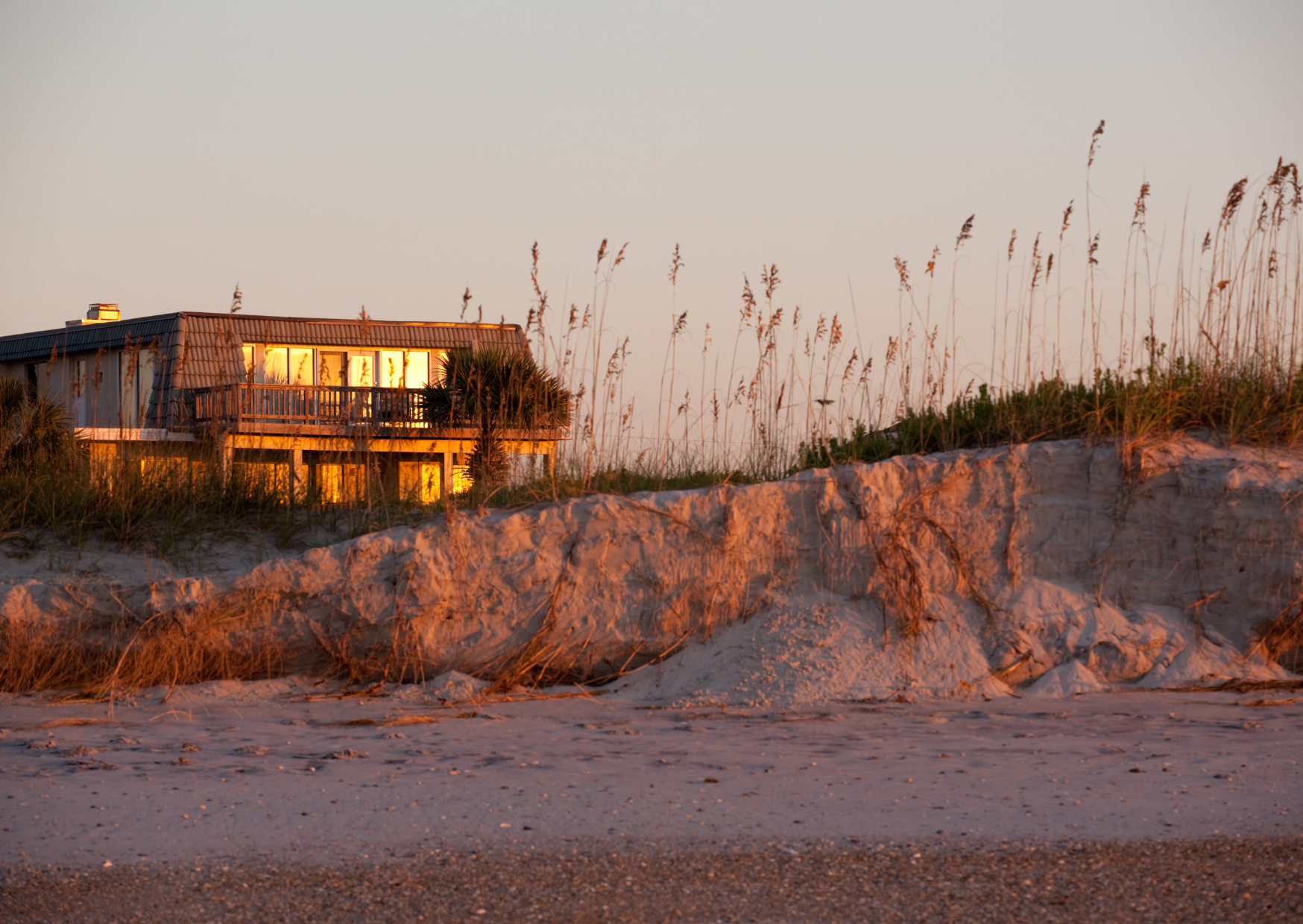
If you’ve ever watched someone buy near the water, you already know the pattern.
They fall in love with the view. They ignore the wind. They ignore winter. They ignore the fact that the “cute little town” is actually a high-season machine that empties out the moment the weather shifts.
Then reality arrives with receipts.
In the US, homebuyer regret is common in general. Bankrate’s 2025 homeowner regrets survey found a large share of homeowners report at least one regret, with maintenance and hidden costs among the most common. Location also shows up as a regret category. That’s domestic, not Europe, but it tells you something: people regret houses even when they understand the system.
Now add:
- a foreign legal process
- language friction
- different building standards
- different maintenance cycles
- different insurance assumptions
- and a location that is literally designed around tourism
Regret becomes easier.
Also, coastal property is where foreign demand concentrates. In Spain, foreign buyers have been a notable part of the market, and coastal areas in particular pull international interest. Recent reporting has pointed to high transaction volumes and foreign participation in Spanish property markets, with ongoing political attention on non-resident buyers. That context matters because high demand plus tourism plus policy uncertainty is not a calm environment for a first-time buyer.
Key point: the exact percentage might be questionable, but the mechanics of regret are very real.
Why Americans buy the coast in Europe, specifically
Americans don’t buy coastal Europe the way locals do. They often buy it like a movie set.
A few common motivations show up again and again:
- “I want to walk to the beach every morning.”
- “I want a simple life.”
- “I want a place that always feels like vacation.”
- “I want something I can rent out when I’m not there.”
- “I want an investment that will hold value.”
None of those are inherently stupid.
The problem is the assumptions baked into them.
A lot of Americans assume coastal Europe is:
- warm year-round
- easy to maintain
- easy to rent out
- easy to access
- full of community
- and basically like a US coastal town but cheaper and more charming
Then they discover the coast is also:
- wind, salt, humidity, mold
- seasonal emptiness
- strict rental regulation in many places
- higher maintenance cycles
- higher insurance complexity
- and communities that may be transient or tourism-driven
And if they bought as non-residents, they may be buying into a policy environment that is getting more politically sensitive, especially in places like Spain where proposals have been floated around taxing or discouraging non-resident non-EU property purchases.
The coast sells a lifestyle. The coast delivers logistics.
Regret #1: The coast is not “always nice.” It’s often harsh.
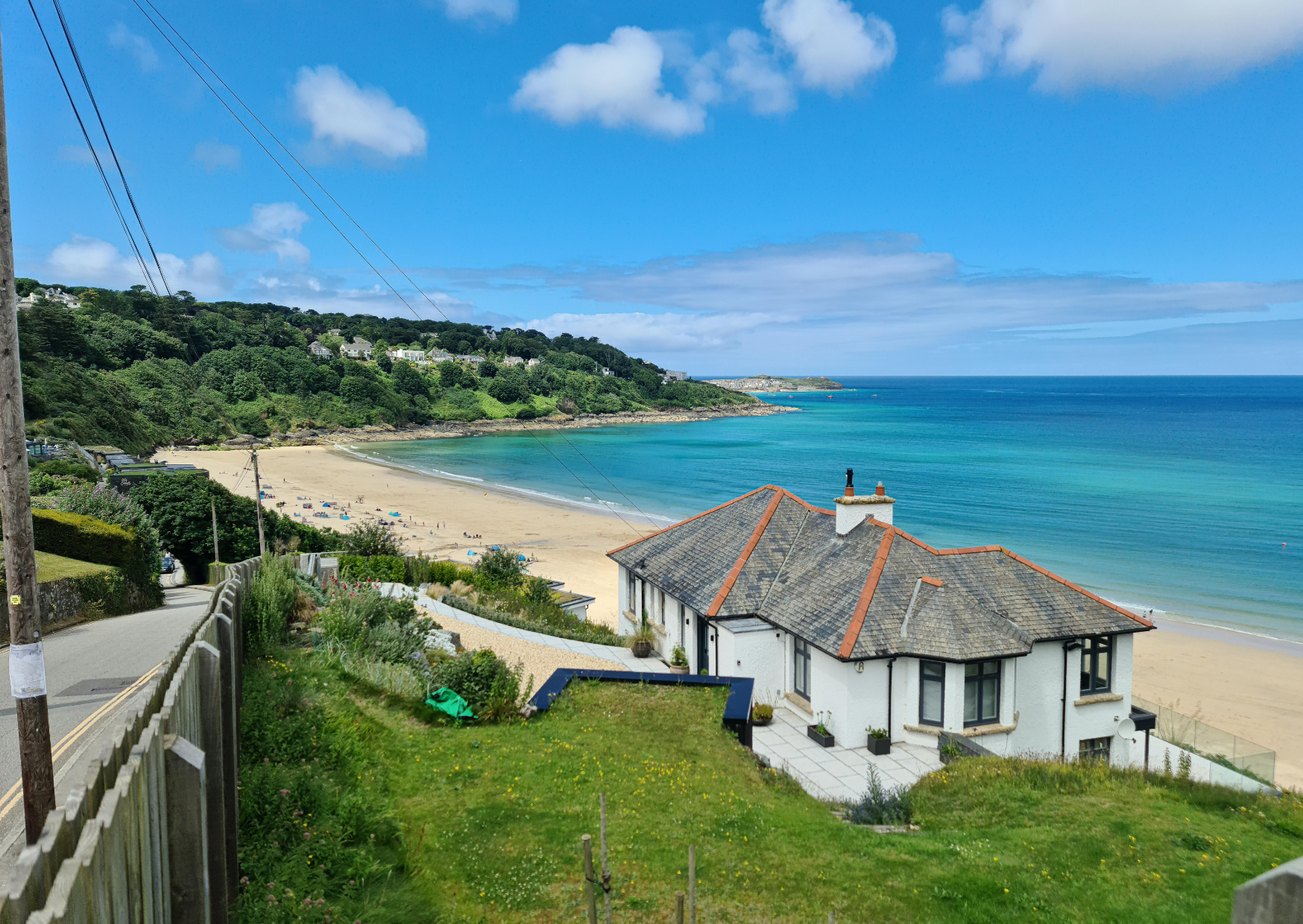
People picture a soft Mediterranean breeze.
Then they meet coastal reality: salt air and humidity and wind that never takes a day off.
Coastal homes deal with:
- corrosion
- paint failure
- window seal issues
- metal rail deterioration
- faster appliance wear
- damp and mold risk in certain climates and building styles
Even if the property is solid, you will do maintenance more often than you expected. And if the property is older or poorly ventilated, you will spend time thinking about moisture like a person who never wanted to think about moisture.
The coast is beautiful. It is also an aggressive environment for buildings.
A lot of regret isn’t “I hate the coast.” It’s “I didn’t budget for coastal ownership.”
Bold truth: salt wins unless you plan for it.
Regret #2: You bought the “vacation town,” not the “life town”
This is the big one.
A coastal place can be perfect for two weeks and miserable for eight months.
In high season, everything is alive:
- restaurants are open
- streets are busy
- the vibe is social
- you feel like you made the right decision
Then shoulder season hits.
Then winter hits.
And you learn what your town actually is when it’s not performing for tourists.
Some places stay vibrant year-round. Many don’t.
Common winter realities:
- reduced restaurant hours
- fewer services
- fewer events
- fewer people
- a quiet that feels peaceful for some and bleak for others
If you need community, routine, and year-round infrastructure, you want a place with a real local economy. Not a place whose economy is “summer.”
Key phrase: August is a lie. Don’t buy based on August.
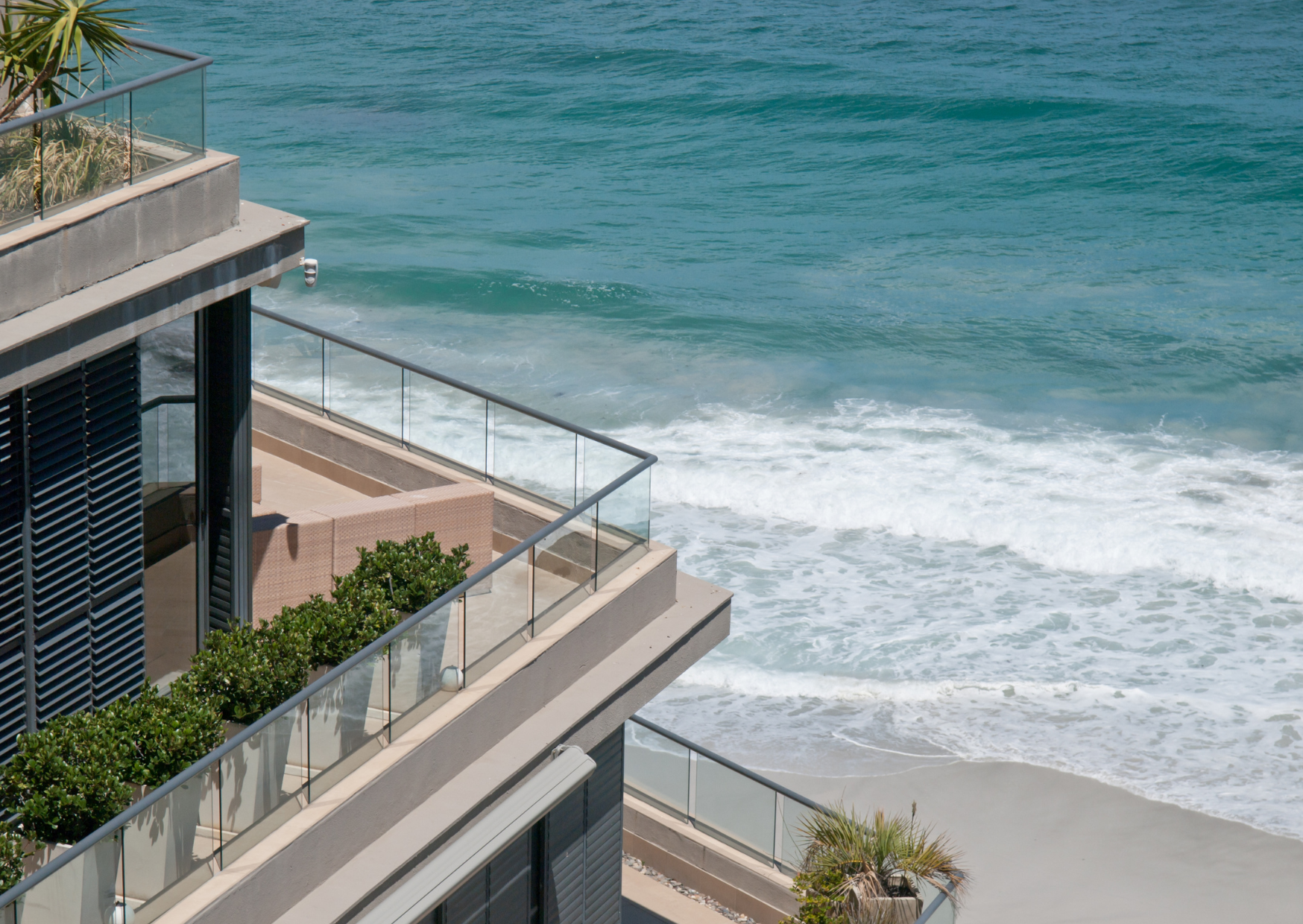
Regret #3: Rental “income” is not as automatic as Americans think
Americans hear “European coast” and immediately think:
“I’ll rent it out when I’m not there.”
Sometimes that works. Sometimes it becomes a paperwork-heavy headache.
Depending on country, region, and city, you may be dealing with:
- licensing requirements
- tourist rental limits
- community restrictions in buildings
- tax registration
- management fees
- platform rules
- and shifting regulation
Spain has been actively debating short-term rental controls and has had political focus on housing affordability and tourism pressure. That policy environment is not stable in the way Americans want it to be.
Even if you can legally rent it, your true math includes:
- management cut
- cleaning
- repairs
- higher wear
- vacancy
- seasonality
Many coastal rentals make money in summer and limp the rest of the year. Your cashflow is lumpy, your costs are not.
Also, if you’re buying in a saturated tourist zone, you are competing with professional operators. Your little apartment is not special just because you love it.
Bold truth: rental income is a job, not passive income.
Regret #4: The buying process and ownership structure is more complex than expected
Americans buy property with a set of expectations:
- clear disclosure norms
- familiar escrow structure
- familiar inspection culture
- familiar remedies if something is wrong
Europe varies by country, but the pattern many Americans describe is: the process is more formal, more document-heavy, and less emotionally hand-held.
In Spain and Portugal, buyers often encounter roles and concepts they didn’t budget for:
- notaries
- registries
- tax offices
- gestors or equivalent helpers
- legal due diligence expectations
None of this is impossible. But it can be shockingly exhausting if you thought you were buying a “simple beach place.”
Also, foreign buyers are a visible political topic in parts of Europe. Spain, in particular, has seen proposals and reporting around discouraging non-resident non-EU purchases through taxes or other measures, even if details and legislative outcomes remain uncertain.
That uncertainty itself can create regret because people don’t like buying an asset under a cloud of policy debate.
Key phrase: bureaucracy is part of the purchase price.
Regret #5: Coastal liquidity is not guaranteed, especially outside prime zones
Coastal property can feel like a sure thing because people assume: “It’s near the sea. Someone will always want it.”
Sometimes true. Sometimes not.
Liquidity depends on:
- exact micro-location
- building quality
- noise levels and road access
- parking
- year-round infrastructure
- true local demand, not just foreign hype
- policy environment
- and whether the property is in an oversupplied tourist segment
If you buy the kind of property that mostly appeals to foreigners, you are betting your exit on foreign demand continuing at the same intensity, with the same ease of purchase, under the same rules.
That’s a real risk. It may still be a good bet, but you should know you’re making it.
Recent reporting has highlighted strong foreign activity and interest in Spanish coastal markets, plus ongoing political debate about non-resident buying. Those two facts together are exactly why liquidity is not a simple story.
Bold truth: the coast is not one market. It’s thousands of micro-markets.
The money reality: the coast has ongoing costs Americans undercount
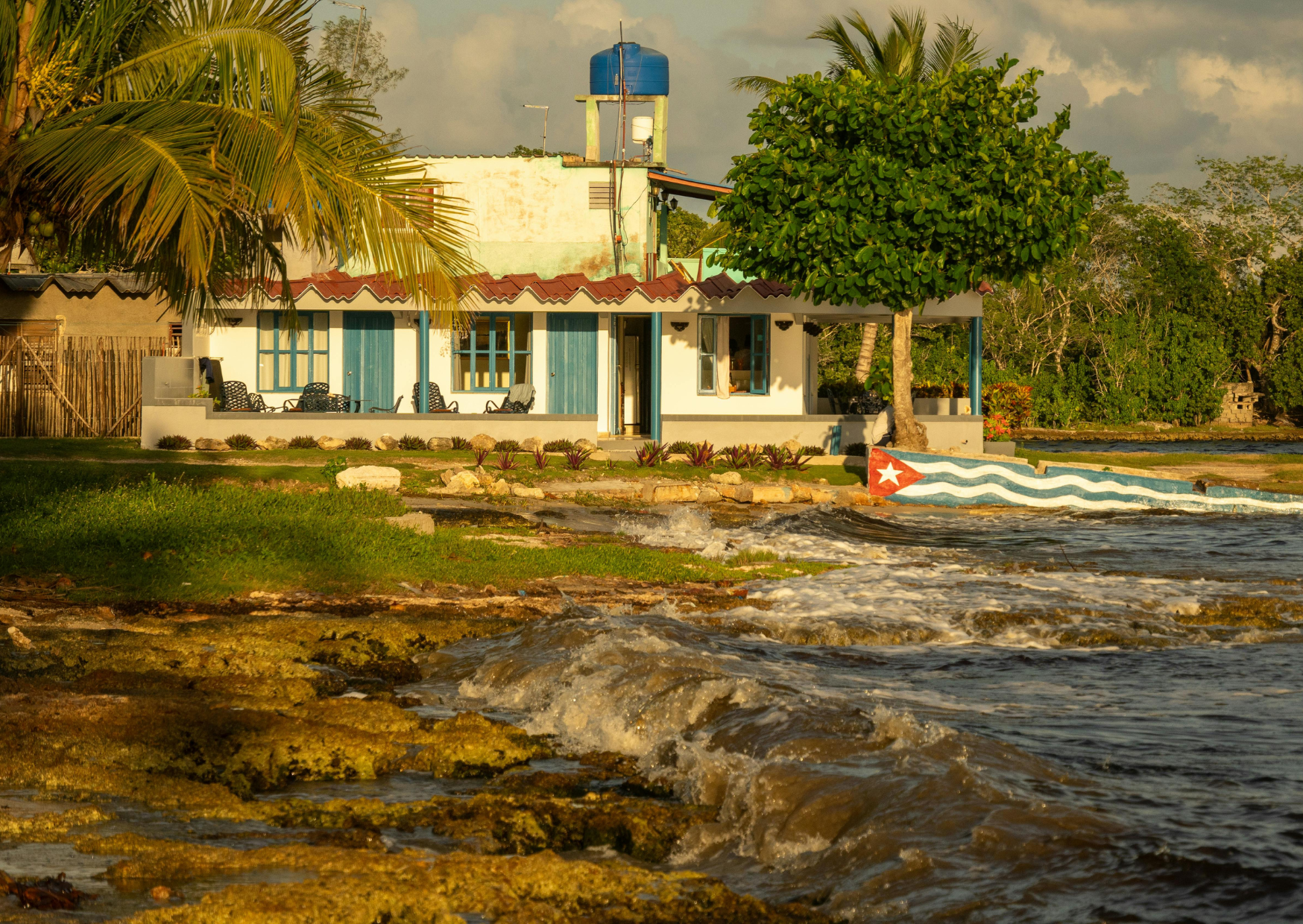
Here’s the part people never want to talk about because it ruins the fantasy.
A coastal home costs more to keep “nice.”
A simple annual budget framework that is actually realistic:
1) Maintenance reserve
Plan 1% to 2% of property value per year as a rough reserve. Coastal may push you toward the higher end depending on building age and exposure.
A €300,000 property:
- €3,000 to €6,000 per year in maintenance reserve
2) Community fees and building upkeep
Apartments near the coast often have shared costs for:
- elevators
- pools
- gardens
- facade maintenance
- security
- common area cleaning
3) Utilities and climate costs
Humidity management and heating can surprise people. Coastal can be damp and cold in winter in ways Americans don’t expect, especially in older buildings with mediocre insulation.
4) Insurance complexity
Depending on location, you may face:
- higher premiums
- different coverage assumptions
- flood and storm considerations
- limitations if the property is left empty often
5) Rental management costs if you rent it out
If you want truly passive, you pay for it:
- management cut
- cleaning
- guest issues
- emergency maintenance
So the “cheap little coastal place” can quietly become a fixed annual cost center. Not always huge, but steady.
In US terms, that maintenance reserve could be roughly $3,200 to $6,500 at typical exchange rates, but the euro number is what matters because the spending happens here.
Key phrase: purchase price is the cover charge. Ownership is the real bill.
The location traps that create regret fast
If you want to avoid regret, you don’t need magic. You need a ruthless location filter.
Trap 1: “Walking distance to the beach” but zero daily-life infrastructure
If the grocery store is far, healthcare access is limited, and winter services shrink, you’re buying a postcard, not a life.
Trap 2: The noise illusion
Ocean-facing often means promenade-facing.
Promenade-facing often means:
- late-night noise
- seasonal crowds
- delivery chaos
- tourist foot traffic
Trap 3: The car dependency surprise
Some coastal towns are charming but require a car for everything. If you expected a walkable European life and you end up driving to buy milk, the romance fades.
Trap 4: Too far from a real airport
If visiting is hard, you’ll visit less. If renting requires complicated travel, you’ll manage it less. If selling requires buyers who can easily access it, your pool shrinks.
Trap 5: Buying where foreigners concentrate because it feels familiar
Foreign-heavy zones can be comfortable, but they can also be less integrated and more volatile in pricing.
None of these traps make a place bad. They make it risky for a certain buyer type.
Bold truth: coastal regret is often just location mismatch.
The de-risk method: how to buy coast without hating yourself later
Here’s the short version: don’t buy based on peak season.
Buy based on the worst season you’re willing to live through.
A practical de-risk checklist that works:
1) Spend time there in the off-season
Not one weekend. A real stretch.
If you love a town in February, you’ll probably love it in July.
The reverse is not true.
2) Rent a winter
This is the adult move.
Rent the exact kind of place you think you want.
Learn:
- humidity behavior
- noise reality
- service availability
- community vibe
3) Talk to people who live there year-round
Not just expats running Airbnb empires.
Talk to:
- pharmacy staff
- local bar owners
- neighbors
- the person who runs the ferretería
Ask about winter, services, and what changes.
4) Get ruthless about micro-location
A five-minute walk difference can change everything:
- noise
- humidity
- view
- parking
- resale
5) Assume rental rules can tighten
If rental income is part of your plan, model your finances so you still survive if:
- licensing becomes harder
- you can only do medium-term lets
- or you stop renting entirely
If the deal only works with maximum rental income, it’s not a deal. It’s a gamble.
Key phrase: buy the boring version that still works.
A 7-day plan for buyers who are still in the fantasy phase
If someone is “about to buy coastal Europe,” this is what they should do this week before they sign anything.
Day 1: Write your real use case
Be honest:
- primary home
- seasonal home
- rental-first investment
- future retirement base
If you can’t name the use case, you’re buying vibes.
Day 2: List your three non-negotiables
Examples:
- walkable groceries
- year-round community
- near a real airport
- quiet at night
- low humidity risk
Day 3: Run the winter test
Look up:
- average winter temperatures
- humidity
- rainfall
- wind patterns
Then ask yourself if you still want that lifestyle without the summer filter.
Day 4: Build a maintenance reserve line item
Pick a number and commit to it. If you refuse to budget for maintenance, you’re pre-buying regret.
Day 5: Identify rental feasibility and risk
Not “can I list it.”
Feasibility means:
- what licensing exists
- what limits exist
- what building rules exist
- what taxes apply
- what management costs exist
Day 6: Do the micro-location walk
If you can’t physically walk it, simulate it:
- noise sources
- distance to essentials
- slope and accessibility
- parking reality
- promenade intensity
Day 7: Decide the one condition that cancels the purchase
Examples:
- “If winter is dead, we don’t buy.”
- “If noise is constant, we don’t buy.”
- “If the building has chronic damp, we don’t buy.”
A cancel condition is how adults avoid emotional purchases.
Bold truth: coastal property is not a product. It’s a lifestyle contract.
Where this lands in real life
Coastal property in Europe can be an incredible decision. It can also be an expensive way to learn what you actually value.
Most regret isn’t about the sea. It’s about the mismatch between the fantasy and the day-to-day:
- you wanted vacation energy, you got winter emptiness
- you wanted “easy renting,” you got regulation and management
- you wanted “simple life,” you got maintenance and paperwork
- you wanted “walkable Europe,” you got car-dependent sprawl
- you wanted “investment,” you got liquidity uncertainty
So no, I can’t tell you it’s exactly 69%. That number doesn’t stand on its own.
But I can tell you this: if you buy coastal Europe like it’s a postcard, you’ll probably regret it. If you buy it like it’s a long-term logistics decision, you might love it for decades.
Buy winter, not August. Budget for salt. Respect the micro-location.
That’s how you beat coastal regret.

About the Author: Ruben, co-founder of Gamintraveler.com since 2014, is a seasoned traveler from Spain who has explored over 100 countries since 2009. Known for his extensive travel adventures across South America, Europe, the US, Australia, New Zealand, Asia, and Africa, Ruben combines his passion for adventurous yet sustainable living with his love for cycling, highlighted by his remarkable 5-month bicycle journey from Spain to Norway. He currently resides in Spain, where he continues sharing his travel experiences with his partner, Rachel, and their son, Han.