
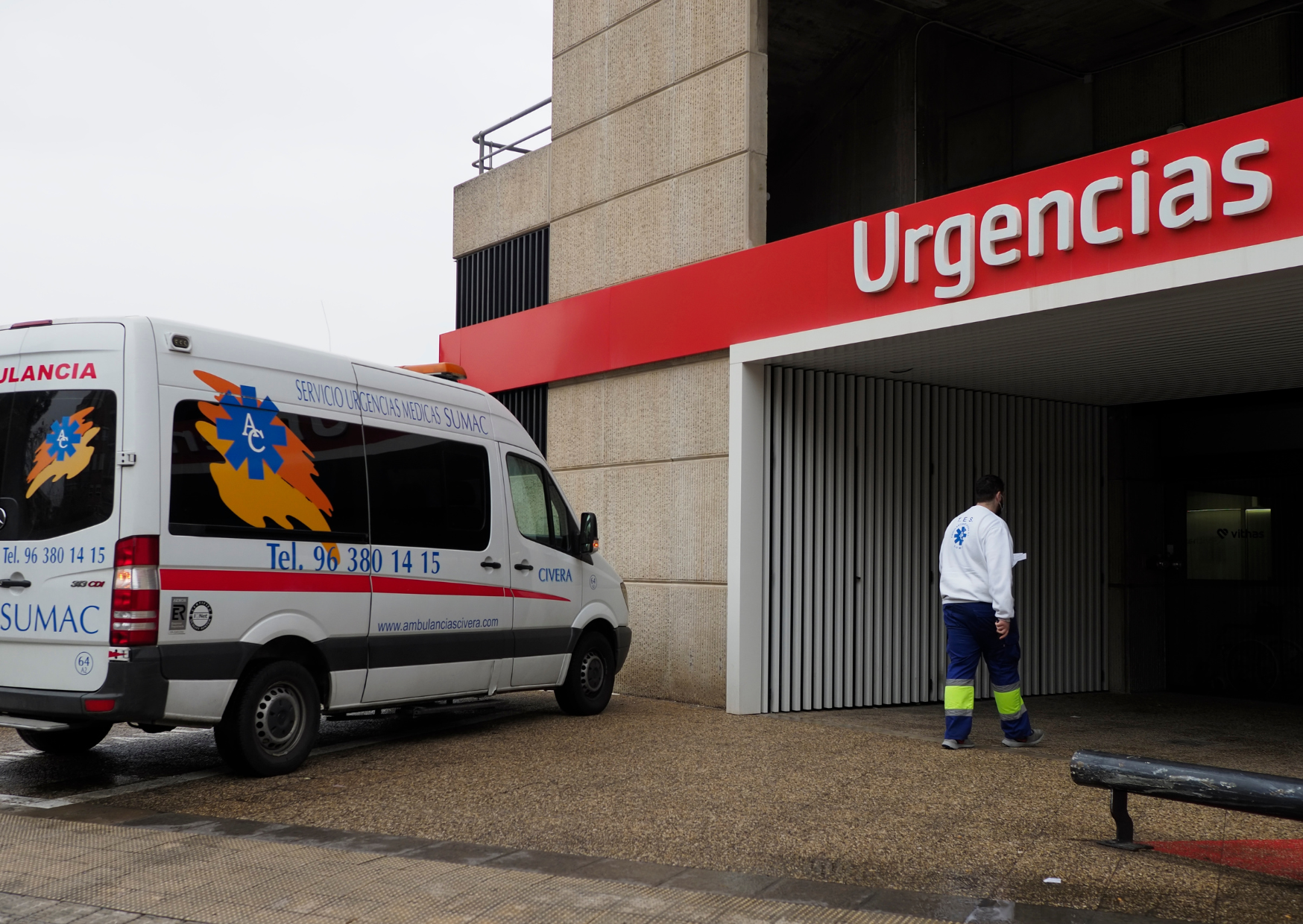
Most Americans picture two extremes.
Either Europe is a healthcare utopia where an ambulance shows up like a public service fairy, no bill, no questions.
Or it’s a bureaucratic maze where you’ll be asked for a passport, a credit card, and your blood type before anyone lifts a finger.
Real life is more boring, and more useful to understand.
In most of Europe, the experience is usually this:
You call 112. Someone answers. They triage you fast. The ambulance comes if the situation fits “ambulance-worthy.” Treatment starts before you reach the hospital. You’ll be stabilized first, paperwork later.
Then, depending on the country and your status, one of three things happens afterward:
- You never see a bill, or you see a small fixed co-pay.
- You get a bill that looks scary but is handled by local insurance rules if you’re covered.
- You get a real bill because you’re not covered, you used a private service, or you’re in a system where ambulance transport is charged.
If you’re American, the shock is often not the cost. It’s the logic. Europe’s systems care less about “can you pay today” and more about “is this an emergency” and “which system is responsible.”
So here’s the plain-language guide to what happens, what can go wrong, and how to avoid paying for mistakes that have nothing to do with medicine.
The first 90 seconds: what happens when you call 112
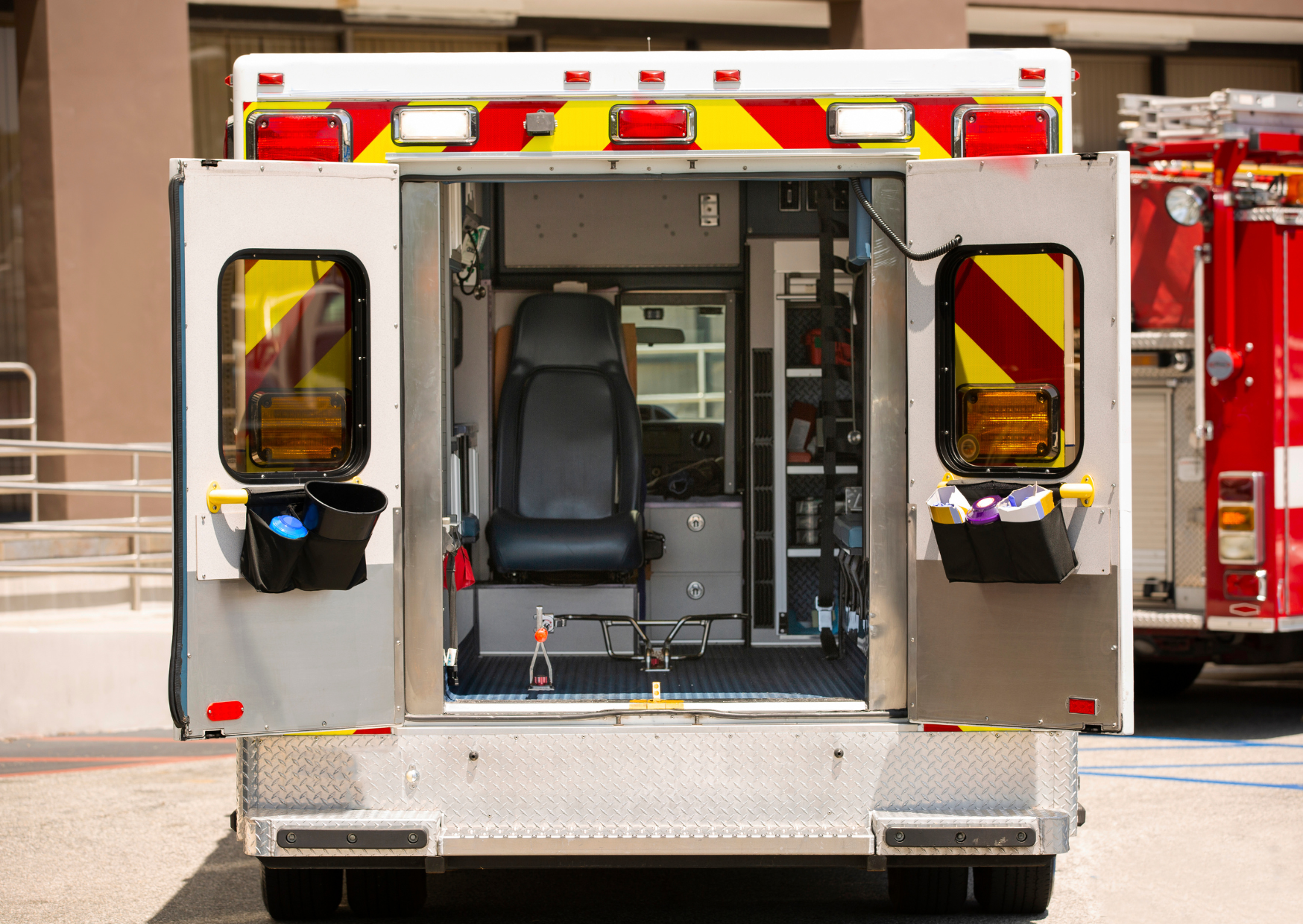
112 is the EU-wide emergency number, and you can call it free of charge in EU countries. In many places it works even without a SIM card.
When you call, the operator is doing triage, not customer service. They’ll ask things that feel blunt because they’re trying to decide two things quickly:
- Does this need an ambulance right now?
- If yes, what level of response?
Expect questions like:
- Where are you exactly?
- What happened?
- Is the person conscious?
- Are they breathing normally?
- Chest pain, severe bleeding, stroke symptoms, major trauma, severe allergic reaction?
If you’re in a country where there’s also a medical line (like 061 in Spain in many regions), 112 still works. The operator will route it to medical services.
Two practical tips that matter more than people realize:
- Give your location like you’re talking to someone who cannot see you. Street name, number, nearby landmark, floor, entry code if relevant.
- If you don’t speak the local language well, start with: “English, please.” It often helps, but don’t assume perfect English everywhere.
What shows up: ambulance types are not one-size-fits-all
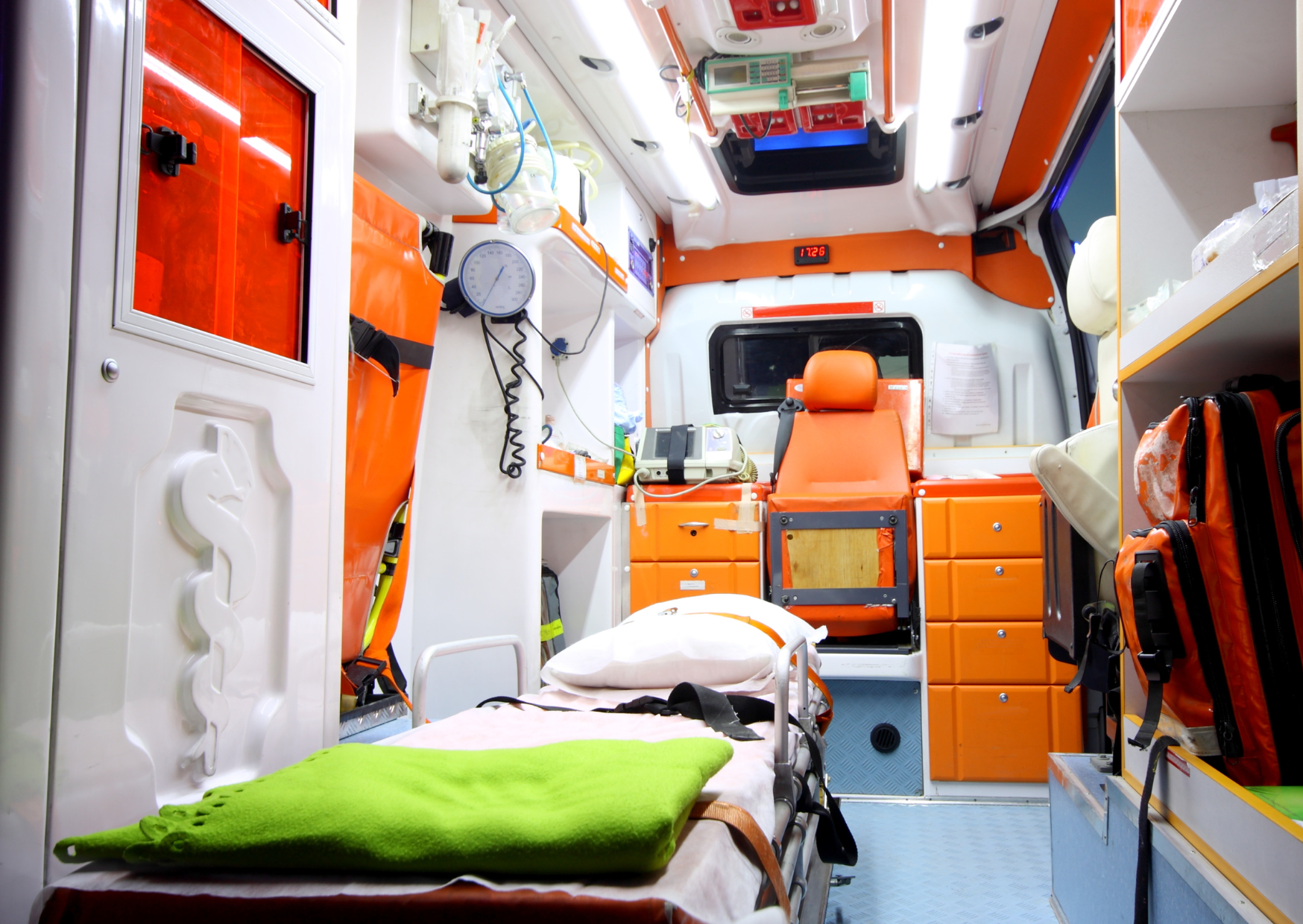
In many European systems, “ambulance” can mean different vehicles and staffing levels.
You might get:
- A standard ambulance for urgent transport
- A higher-level medical unit for critical cases
- A lower-acuity transport unit when the situation is not time-critical
- In some places, a doctor-led response for certain categories
This is where Americans sometimes misread the system. They assume if an ambulance comes, you must be “really sick.” In Europe, dispatch can be more nuanced. They may send a unit to evaluate you, then decide whether you need transport.
If they treat you on scene and don’t transport you, that can affect billing in some countries.
The part Americans get wrong: “ambulance” is a medical decision, not a convenience decision
In a lot of Europe, ambulance services are not meant for “I don’t have a car” situations.
If you call an ambulance for something that is not truly urgent, you might still get help, but you may also experience:
- A firm triage response that directs you elsewhere
- A long wait if the situation is not critical
- A refusal to dispatch if it doesn’t meet criteria
- In some countries, fees or partial charges for inappropriate use
This isn’t cruelty. It’s system protection. European emergency systems are built around prioritizing the highest risk cases.
If you’re not sure whether you need an ambulance, many countries also run non-emergency medical advice lines (for example 116 117 in Germany for out-of-hours medical care and guidance). That’s not a replacement for emergencies. It’s a pressure valve for “I need medical help but I’m not dying.”
What it costs: the three cost realities Americans need to know
1) Calling 112 is free. The ambulance may not be.
The call itself is free. The medical response depends on the country, the provider, and whether you’re covered.
2) “Free ambulance” usually means “public system, public rules”
If a public healthcare provider dispatches and transports you, costs can be minimal or zero for covered people in many countries.
If you end up using a private provider, or you go outside the system, you can trigger real charges even in countries with strong public healthcare.
3) Tourists and new residents get caught in the “coverage gap,” not in the emergency room
In an emergency, they treat you. The bill drama happens later if you:
- have no valid coverage document
- are in a private hospital network without coverage
- cannot be billed through a reciprocal system
- used private transport or requested a specific private facility
The emergency isn’t where you get punished. Administration is where you get punished.
Spain as an example: what happens there
Spain is a good reality check because the mechanics are straightforward.
- 112 is the general emergency number.
- 061 often connects you to health emergencies specifically, depending on region.
If you are using the public system, ambulance transport is typically handled as part of public emergency care.
There’s also a trap Americans hit in Spain: they assume private insurance means they should avoid the public system at all costs. In a true emergency, the nearest appropriate care matters. Many private plans have networks, but emergencies can override that, and the dispatch system may route you to public hospitals.
What matters is not what you prefer. What matters is what is safest and fastest in the moment.
So the practical guidance is:
- In a real emergency, call 112, get help, stabilize first.
- Sort insurance routing later.
Germany as an example: why Americans hear “ambulances cost €1,300” and panic
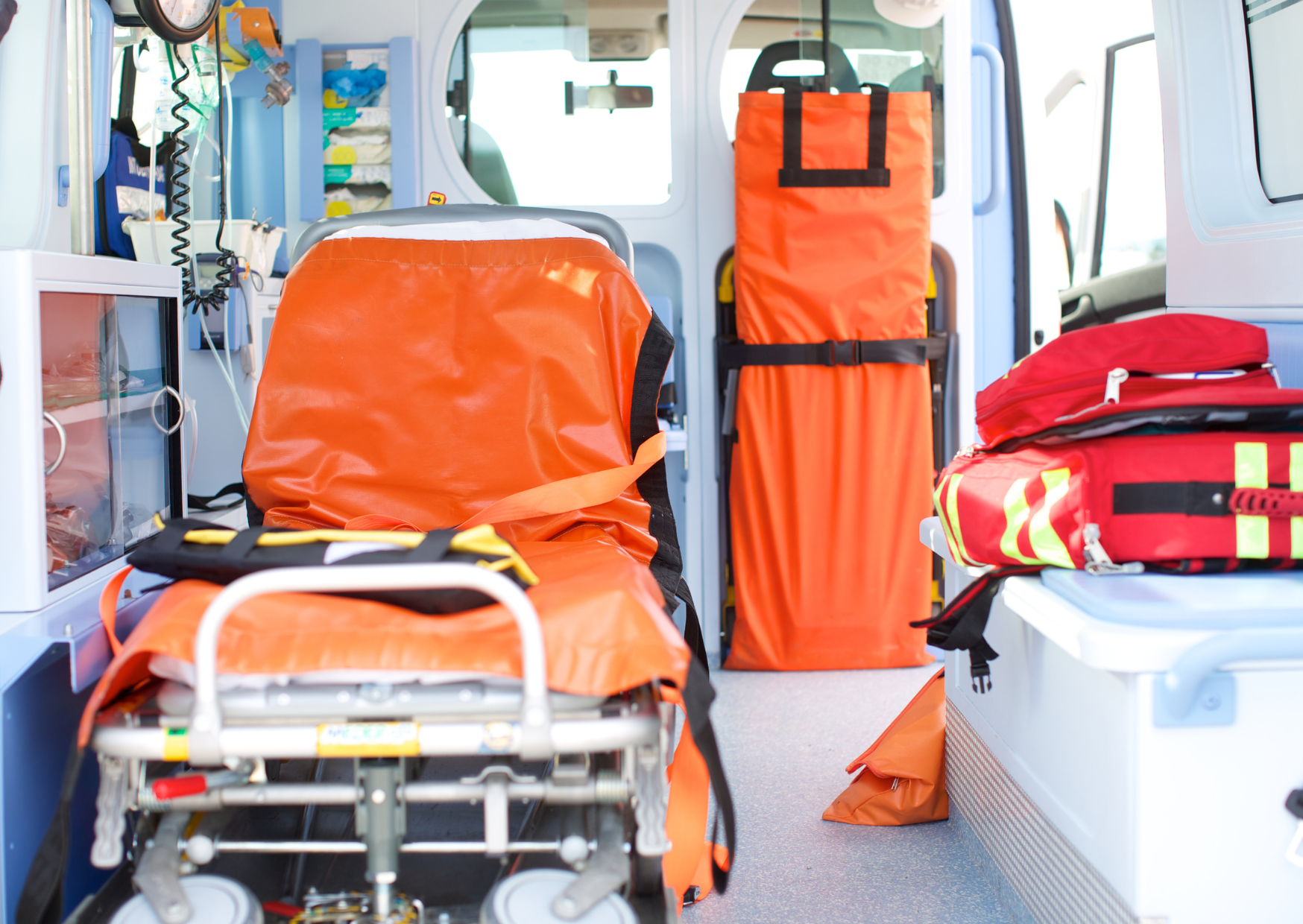
Germany is where a lot of Americans get whiplash because you can find real-world ambulance fee figures that look high. They are high.
But you have to separate two things:
- The service cost billed in the system
- The out-of-pocket amount for an insured person
In Germany, people who are insured often pay a small co-pay for medically necessary transport, while the system covers the bulk. The billed cost can still be hundreds to over a thousand euros depending on location and type of response.
Recent German research has shown large variation in reimbursements for ground EMS transport by federal state, with median reimbursements in some places cited in the high hundreds to over a thousand euros. That doesn’t mean everyone pays that out of pocket. It means that’s what the system pays providers.
There’s also public debate inside Germany about rising rescue service fees at the municipal level. Hamburg’s published rescue service fee changes for 2026 are a concrete example of how these costs can be discussed as line-item fees inside the system, even when insured patients only see a small share.
So if you’re American and you see “€750” or “€1,300” online, don’t immediately translate it to “I will personally pay that.”
Ask the real questions:
- Am I insured in this country’s system?
- Was the transport medically necessary?
- Was it a public rescue service?
- Am I being billed as a private, uninsured patient?
The UK is different: emergency care can be free, but visitors can still be charged
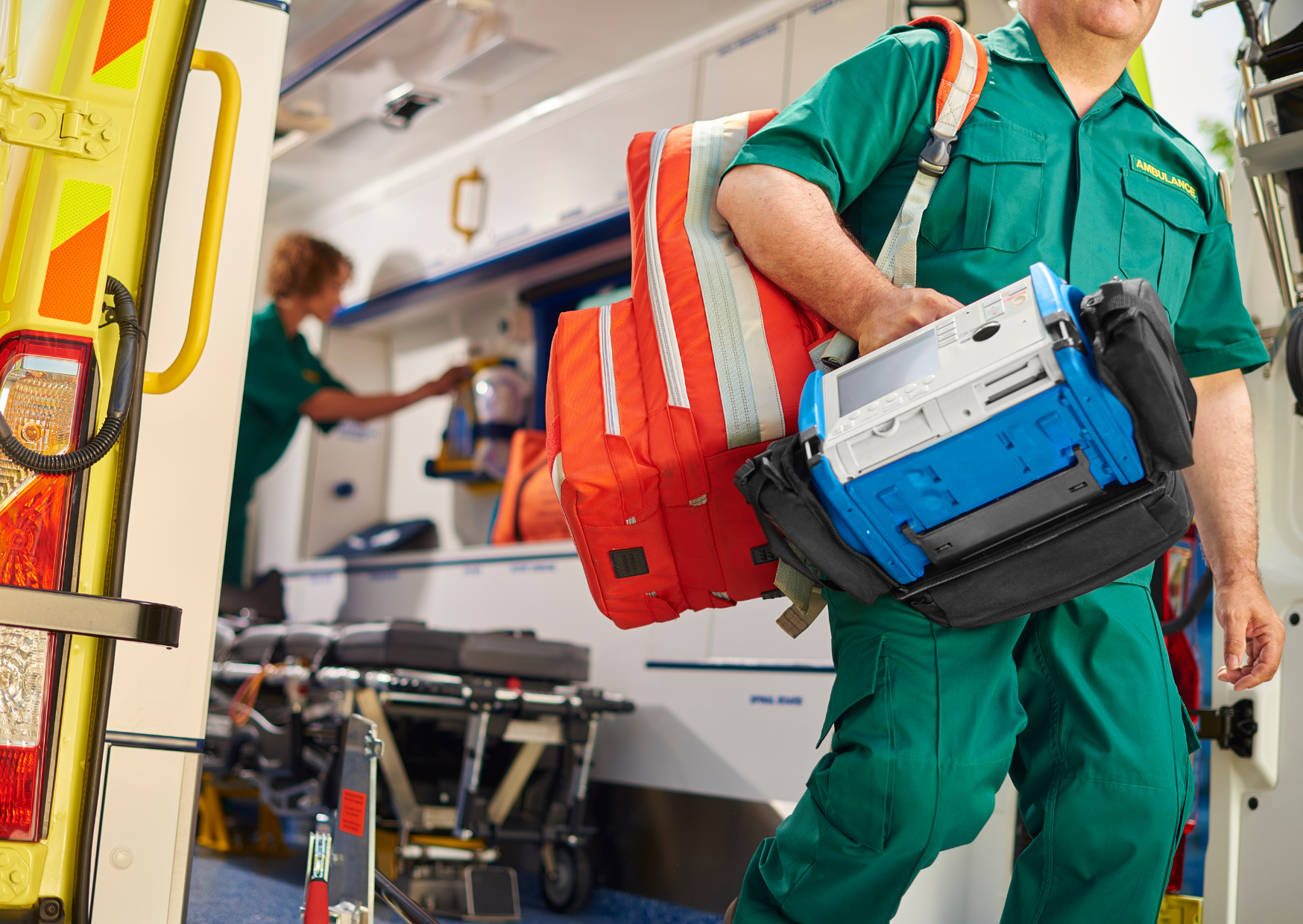
The UK is not in the EU, and its rules for visitors are specific. Emergency treatment in an A&E department is generally free, but hospital admissions and other care can be chargeable for some visitors depending on status and exemptions.
The practical takeaway is the same: in a true emergency, go get care. But don’t assume “Europe” equals “no charges anywhere.” The rules are national, not continental.
The one scenario that can get expensive everywhere: repatriation and medical transport home
This is the cost Americans almost never budget for.
Even if your emergency care is covered or low-cost locally, getting back to the US with medical supervision can be extremely expensive if you need:
- a medical escort
- special equipment
- or, in worst cases, air ambulance transport
That’s the difference between “my ER visit was manageable” and “why is there a five-figure bill?”
This is why travel insurance and expat health insurance often matter less for the ambulance itself and more for the “what happens after” logistics.
The paperwork reality: what you’ll be asked for, and when
In many European emergencies, the scene is not “show your insurance card.” It’s “are you conscious, are you breathing, what happened.”
But eventually you will be asked for identifiers, typically:
- name and date of birth
- passport or ID if available
- address where you’re staying
- insurance card or policy details if you have them
If you’re a legal resident, you’ll usually have a health card or proof of entitlement in the public system.
If you’re a tourist, you may need:
- private travel insurance details
- proof of reciprocal coverage if applicable
- or you may be billed and then reimbursed later depending on your situation
The important behavioral rule is simple:
- Don’t refuse care because you’re afraid of paperwork.
- But do gather your documents when things calm down.
The “tourist mistake list” that leads to avoidable bills
Here are the top avoidable mistakes Americans make.
Mistake 1: Taking a private ambulance because it looks faster
Sometimes it is faster. Sometimes it isn’t. Sometimes it’s the only option. But if you choose private transport when public emergency services were appropriate, you can create a bill your insurance won’t love.
Mistake 2: Accepting currency conversion (DCC) if you pay anything by card
If you’re paying any medical bill by card and a terminal offers to charge you in USD, decline it. Pay in euros or local currency.
Mistake 3: Going to a private hospital network without knowing the coverage rules
Some private insurers cover private hospitals well, others have limits, and emergencies can route you into public care anyway. The danger is not the emergency. The danger is “we chose a private hospital for convenience without checking anything.”
Mistake 4: Not budgeting for the post-emergency phase
Follow-up appointments, prescriptions, physical therapy, transportation, and possibly repatriation are where costs and logistics stack.
A calm, practical plan for Americans living in Europe
If you want to be the person who handles this well, do these boring steps now.
Put these in your phone
- 112 (emergency)
- Your local non-emergency medical line if your country has one (Germany: 116 117)
- Your insurer’s emergency assistance line
Keep one “emergency folder” ready
- Passport photo and ID
- Insurance policy number and contact
- Local address and a backup contact
- Any critical medical info (allergies, meds) in simple language
Know your nearest hospitals
Not the “best hospital” on an expat forum. The nearest emergency-capable hospital.
Decide your risk tolerance for insurance
If you are living in Europe, the big financial risk is often not the ambulance. It’s:
- private hospital exposure
- specialist care outside coverage
- repatriation
If you want one concept to remember, it’s this: the emergency is rarely where the money blows up. The aftermath is.
Seven days to make this idiot-proof
Day 1: Save 112 and your insurer line
Do it now. Most people never do.
Day 2: Find your nearest emergency hospital
Write it down. Map it. Know the route.
Day 3: Learn the local non-emergency number
If your country has a medical advice line, store it.
Day 4: Make the emergency folder
Digital and paper. Keep it simple.
Day 5: Decide your private vs public plan
If you have private insurance, understand what happens in emergencies and what hospitals it actually covers.
Day 6: Check your travel and repatriation coverage
If you’re visiting family in the US or traveling within Europe, understand what your plan does across borders.
Day 7: Run a rehearsal
If someone collapses at home, who calls, who speaks, who grabs documents, who meets the ambulance downstairs?
You don’t want your first conversation about this to be during the emergency.
Bottom line
If you need an ambulance in Europe, you will almost always be treated first and sorted later.
The experience is usually calmer than Americans expect, and the costs are usually lower than the US system for people who are covered. But “Europe” is not one system. It’s many systems, and your bill outcome depends on coverage, provider type, and whether you accidentally stepped outside the public lane.
Call 112 when it’s real. Don’t try to self-triage into a cheaper option. The money mistakes come from wrong choices after the emergency, not from the emergency itself.

About the Author: Ruben, co-founder of Gamintraveler.com since 2014, is a seasoned traveler from Spain who has explored over 100 countries since 2009. Known for his extensive travel adventures across South America, Europe, the US, Australia, New Zealand, Asia, and Africa, Ruben combines his passion for adventurous yet sustainable living with his love for cycling, highlighted by his remarkable 5-month bicycle journey from Spain to Norway. He currently resides in Spain, where he continues sharing his travel experiences with his partner, Rachel, and their son, Han.