

€1,800 a month in Spain sounds reasonable on paper.
It’s the number people throw around when they’re trying to calm themselves down. Rent will be cheaper. Groceries will be cheaper. Healthcare will be cheaper. Public transport will be cheaper. Life will be simpler.
Then you live here for real, not as a tourist, not as a “we’ll figure it out later” experiment, but as a household that has to run every day.
And your monthly number quietly becomes €2,900.
Not because you’re living like royalty. Because the costs you didn’t model show up with a rhythm: housing reality, utilities variability, household setup, small fees, bureaucracy friction, “Spain is cheaper but not free,” and the big one most people ignore until it bites them: you can’t import an American budgeting mindset and expect it to survive European life logistics.
This is what we got wrong when we budgeted €1,800. This is what pushed it to €2,900. And this is how to build a Spain budget that doesn’t collapse the first time you need a dentist, a dehumidifier, or a second train ticket you didn’t plan.
The budgeting mistake that creates the €1,800 fantasy

The €1,800 budget usually assumes two things:
- You’ll find “good rent” quickly.
- Your costs will behave like a spreadsheet.
Spain does not behave like a spreadsheet. Spain behaves like a system.
A system has:
- fixed costs (rent, insurance, school, transport passes)
- variable costs (electricity, gas, pharmacy, home maintenance)
- and friction costs (time and paperwork that push you into paid shortcuts)
Most €1,800 budgets only model the fixed costs. They ignore friction and variability. They also ignore the setup phase, which can take months and quietly feels like “one-off” spending until you realize you’re still doing it a year later.
The real Spain budget is not one number. It’s a base plus drift.
When we budgeted €1,800, we built a base. We did not build drift.
What €2,900/month actually looks like in real life
Before the “why,” here’s the “what.” A typical month at €2,900 for two adults, renting, living normally, not trying to impress anyone:
- Housing: €1,350 to €1,750
- Utilities: €120 to €220
- Groceries and household supplies: €450 to €700
- Transport: €60 to €220
- Health and pharmacy: €40 to €180
- Home and admin friction: €80 to €350
- Eating out and cafés: €150 to €450
- Miscellaneous: €50 to €200
That’s how you arrive at €2,900 without doing anything dramatic.
The number isn’t a sign you failed. It’s a sign your model was incomplete.
Spain can be cheaper than many US metros. That doesn’t mean it’s cheap in the way people want it to be.
For comparison only, €2,900 is roughly $3,100 to $3,200 depending on exchange rates. But you should think in euros, because your spending life here is in euros.
Housing is where the fantasy dies first
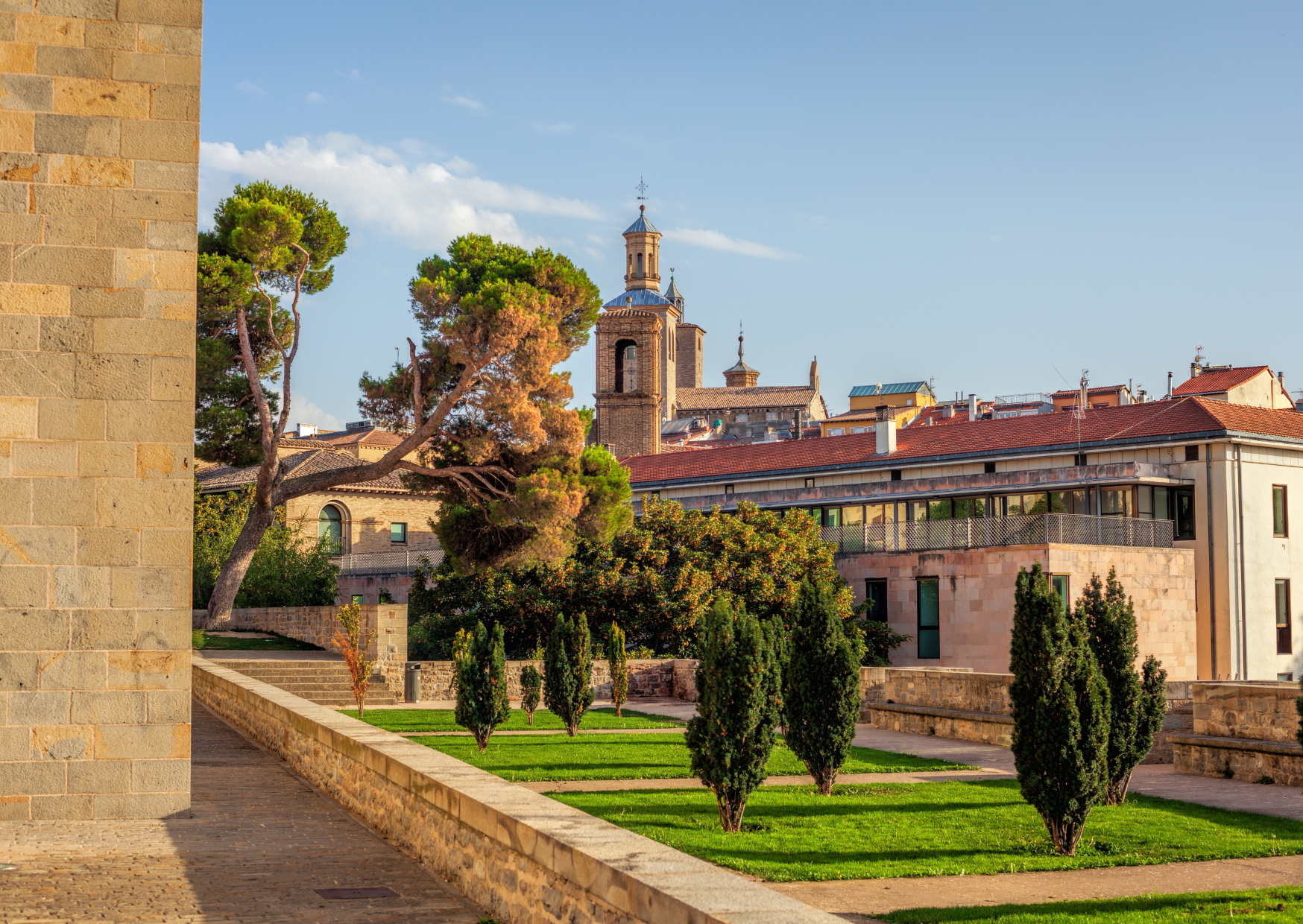
This is the biggest reason €1,800 becomes €2,900: housing.
People budget Spain rent like it’s 2016. Or like it’s a small inland town when they’re actually moving to a city or a desirable coastal area.
Rents in many parts of Spain have risen sharply in recent years, and the cities that foreigners and retirees tend to choose are also the places where housing is most competitive.
Here’s what ruins budgets:
1) “We’ll just take something temporary”
Temporary rentals often cost more, not less. Furnished, short-term, and “easy to move into” tends to be priced like convenience.
You tell yourself it’s for three months. It becomes six. Then nine. Now your “temporary” rent became your long-term burn rate.
2) You budget for rent, not for the housing ecosystem
Housing costs are often not just rent. They can include:
- agency fees in some cases
- higher deposits than expected
- occasional up-front payments
- basic home setup spending
3) You choose location with your eyes, not your daily routine
Newcomers pay extra to live near a beach, a historic center, or a postcard neighborhood. Then they realize daily life is easier somewhere else, but moving is costly and annoying, so they stay.
The housing truth: if your rent is too high, Spain becomes stressful no matter how cheap groceries are.
We planned a housing number that assumed we’d get a “local deal.” What we got was a normal market rent for a normal newcomer timeline.
That’s not failure. That’s reality.
Bold reality: Rent is the budget. Everything else is details.
Utilities look small until you live through a whole year

Utilities in Spain often feel cheap compared to places with heavy heating and cooling. Then you live through a full cycle and realize they don’t behave consistently.
The monthly swings come from:
- electricity pricing and tariff structure
- heating style (electric, gas, portable heaters)
- building insulation quality
- humidity management
- summer cooling habits
A common budgeting error is using one month’s bill as the annual average.
It’s rarely true.
Why electricity surprises people
Electricity costs can move, and households on different contracts feel it differently. Some months are calm. Other months are a “why is this bill rude” month.
Also, Spain has a lot of older apartments where you end up spending more to get the same comfort level.
The hidden utility nobody budgets for: humidity control
In many homes, especially coastal or older buildings, you end up buying:
- a dehumidifier
- extra fans
- moisture absorbers
- better bedding
- sometimes even a small heater you didn’t plan
Those are not “utilities” on a bill. They are still utility spending.
We budgeted for a flat utility number. Spain gave us variability plus tools we had to buy to make the apartment comfortable.
Bold reality: A “cheap” apartment can become an expensive environment.
Groceries are manageable. Household supplies are where people underestimate.

Spain can be friendly for grocery spending if you shop like locals:
- markets
- neighborhood fruit shops
- supermarket basics
- seasonal produce
But people underestimate two things:
1) Household supplies are not free
Detergent, cleaning products, trash bags, paper goods, pharmacy basics, toiletries, water filters, and all the boring restocking add up.
In a month where you “didn’t buy much,” you still buy €60 to €140 of household supplies without realizing it.
2) “We don’t eat out much” is often untrue in Spain
Spain makes it easy to spend small amounts frequently:
- a coffee here
- a tostada there
- a menú del día because it’s convenient
- a bakery stop
- a quick beer and something small
None of it feels like “dining out.” It is still outside-food spending.
If you do cafés and small meals a few times a week, that can easily become €150 to €400 a month for two people.
We budgeted groceries. We didn’t budget the reality that Spain turns food into a daily micro-spend.
Bold reality: The coffee budget is the hidden food budget.
Transport is cheap if you live like the system. It’s not cheap if you live like your old habits.
Spain can be genuinely good for transport spending, especially in cities with strong transit.
But transport costs balloon when:
- you rely on taxis because paperwork and errands exhaust you
- you choose a neighborhood that looks nice but makes daily life harder
- you travel internally more than expected because Spain is easy to explore
A realistic range for two adults:
- basic local transport: €60 to €120 monthly
- plus occasional taxis: €120 to €250 monthly
- plus regular intercity travel: €200+ monthly
The surprise isn’t the metro pass. It’s the “one more trip” spending that happens because Spain’s rail and bus networks make moving around feel normal.
We budgeted for local transport. We did not budget for the fact that we’d be on trains and buses more often than our spreadsheet-self predicted.
Bold reality: Spain makes travel feel casual. Your bank app disagrees.
Healthcare is usually not the budget killer. The admin friction can be.
Spain’s healthcare situation depends on your status and your setup. Some households rely mainly on the public system. Some need private insurance for residency requirements or peace of mind. Many use a mix.
The budgeting errors happen in three places:
1) People budget “cheap healthcare” and forget insurance premiums
Private health insurance can be a meaningful monthly line item depending on age and plan. If you need it for residency or you want faster access, you may be paying monthly whether you use it or not.
2) People ignore dental and vision
Dental costs are often outside standard coverage. Vision and glasses are their own thing too. A single dental issue can create a lumpy month.
3) People pay for convenience because admin is tiring
The real cost is not always the medical bill. It’s the decision fatigue:
- making appointments
- language friction
- documentation
- figuring out which clinic takes what
- waiting
- rescheduling
When people are tired, they pay for private appointments and faster solutions. That’s not wrong. It just needs to be budgeted.
We budgeted “healthcare is cheaper.” We didn’t budget for the fact that building a healthcare routine takes time and creates paid shortcuts in the early years.
Bold reality: Time friction turns into money spending.
The category nobody budgets: Spain startup costs
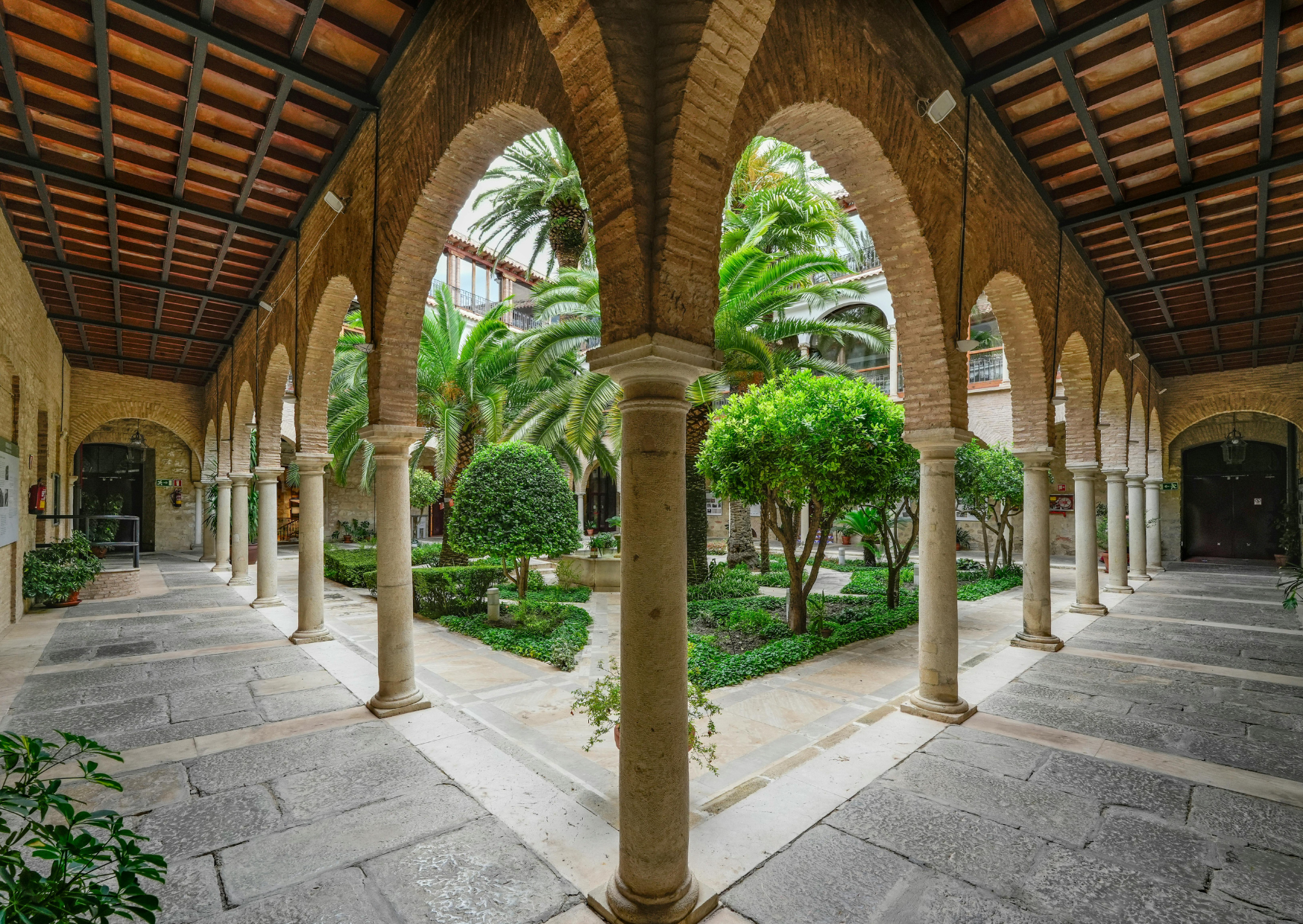
This is the difference between “vacation spending” and “real life spending.”
Spain has a startup phase. You don’t pay it once. You pay it in waves.
Common Spain startup spending:
- home setup: kitchen basics, linens, storage, cleaning tools
- paperwork costs: copies, photos, certificates, translations in some cases
- professional helpers: gestor or legal help for specific tasks
- household gear: fans, heaters, dehumidifiers, a better router, adapters
- deposits and moving costs: always larger than expected
Many people treat these as one-time costs. They aren’t. They show up repeatedly, especially if you move apartments once, or if you upgrade a bad setup slowly because you didn’t buy it all at once.
This is exactly how budgets break. Because you keep telling yourself “this is the last one.”
Then there’s another one.
We budgeted a monthly number as if we were already settled. We were not settled. We were building a life.
Bold reality: Your first year is not your steady-state year.
Why €1,800 becomes €2,900 in one sentence
Because you budgeted Spain like a destination, not like a household system.
You modeled:
- rent
- groceries
- a neat utilities number
You didn’t model:
- housing reality and competitiveness
- variability and seasonality
- friction and paid shortcuts
- setup waves
- small daily spending that feels harmless
If you build those in, the €2,900 number stops feeling like a surprise and starts feeling like a forecast.
The rebuild: a Spain budget that doesn’t lie to you
Here’s a cleaner way to build your Spain budget.
Step 1: Choose your base number
This is your fixed monthly burn rate:
- rent
- insurance
- transit pass
- phone and internet
Step 2: Add three buffers that people hate adding
- seasonality buffer: €80 to €180
- admin friction buffer: €50 to €150
- home setup buffer: €50 to €200
That buffer range depends on your life stage and how settled you are.
But if you add nothing, you are lying to yourself.
Step 3: Decide how social your life is
If you want Spain’s café and social culture, budget for it. Don’t pretend you’ll live like a monk in a country built around plazas.
Step 4: Stress test with a “normal bad month”
Add:
- one surprise home purchase
- one dental or clinic visit
- extra transport spending
- a social weekend
If your budget collapses under that, you built an aspiration, not a plan.
Bold reality: A budget that can’t survive a bad month is not a budget.
A 7-day plan to fix your Spain money model quickly
If you’re already here, or moving soon, this is the fastest way to stop guessing.
Day 1: Track every euro for one week
Not forever. One week. You need reality data.
Day 2: Split food into three categories
- groceries
- cafés and “small” meals
- actual dining out
Most people discover their café spending is their real problem.
Day 3: Identify your top two friction costs
Examples:
- taxis because errands are exhausting
- paying for convenience deliveries
- paying for private appointments
- buying tools to make your apartment livable
Name them. Budget them.
Day 4: Build a utilities seasonality range
Look at your last two or three bills if you have them. If you don’t, assume a range and stop pretending it’s flat.
Day 5: Build a home setup sinking fund
Even settled households have replacement cycles:
- towels
- bedding
- small appliances
- fans
- cleaning tools
- unexpected repairs
Put a monthly number aside. Even €60 helps.
Day 6: Audit housing with brutal honesty
Ask: are we paying for location ego or daily function?
If your rent is too high, the rest is noise.
Day 7: Set one rule that stops drift
Pick one:
- “Cafés only on weekends.”
- “Two paid meals out per week max.”
- “No taxis unless it’s medical or time-critical.”
- “One travel weekend per month, not three.”
One rule changes the whole month.
Bold reality: You don’t need 15 rules. You need one rule you’ll actually follow.
The trade you’re really making
Spain can absolutely be a calmer, more livable place. But your budget won’t magically shrink just because you crossed an ocean.
Your spending becomes calmer when your system becomes calmer:
- the right apartment
- the right neighborhood
- the right routine
- fewer paid shortcuts
- realistic buffers for seasonality and setup
€1,800 was a hope. €2,900 was the truth.
The goal isn’t to feel bad about that. The goal is to stop being surprised by your own life.
The boring fix that works
If you want a Spain budget that holds, do the boring thing:
- set rent you can live with long-term
- build buffers for drift
- budget cafés like they’re a subscription
- treat the first year as startup mode
- stop expecting every month to be “steady-state”
When you do that, Spain feels financially calm again. Not because it’s cheap. Because it becomes predictable.

About the Author: Ruben, co-founder of Gamintraveler.com since 2014, is a seasoned traveler from Spain who has explored over 100 countries since 2009. Known for his extensive travel adventures across South America, Europe, the US, Australia, New Zealand, Asia, and Africa, Ruben combines his passion for adventurous yet sustainable living with his love for cycling, highlighted by his remarkable 5-month bicycle journey from Spain to Norway. He currently resides in Spain, where he continues sharing his travel experiences with his partner, Rachel, and their son, Han.