

If you grew up in an American hydration culture, you probably learned water in one of two ways.
Either it was a vague wellness slogan, usually attached to a giant plastic bottle and a person who talks about “toxins.”
Or it was something you remembered only after your third coffee and your first headache.
The European version is quieter. Less performative. More routine. And annoyingly effective.
It’s not “drink a gallon.” It’s not “add electrolytes.” It’s not “carry a motivational jug.”
It’s a habit built into meals, streets, cafés, and normal life: small, consistent water intake across the day, with food, and before thirst turns into a situation.
I tried that habit for 30 days. And my skin did the thing that makes you suspicious.
It calmed down. It looked clearer. It felt less reactive. The dry patches stopped cycling like a monthly subscription. The “why do I look tired” face softened.
This is not a claim that water cures acne. It doesn’t. Skin is hormones, stress, sleep, barrier function, climate, genetics, and a dozen other variables.
But if your baseline hydration is low, the European water rhythm can change your skin noticeably because it changes your whole system. It reduces the daily dehydration swings that quietly make skin look dull, tight, inflamed, or flaky.
Here’s what the habit actually is, why it works, what changed for me, what it will not fix, and how to copy it in a way that feels normal.
The European water habit is not more water. It’s less drama.
The habit has three parts:
- Water is the default drink with meals.
- Water is always nearby. A carafe, a glass, a small bottle, a fountain, a café asking if you want water without making it weird.
- Water happens in small repeats. A glass here, a glass there, not a massive chugging session at 21:00 because you forgot all day.
That is the whole thing. It’s boring. That’s why it works.
In a lot of European day-to-day life, water is treated like bread. It’s not a special wellness choice. It’s the base.
The American hydration pattern is often “ignore, ignore, ignore, then compensate.” The European pattern is “steady.”
Your skin likes steady.
Why skin can look better when hydration gets steady
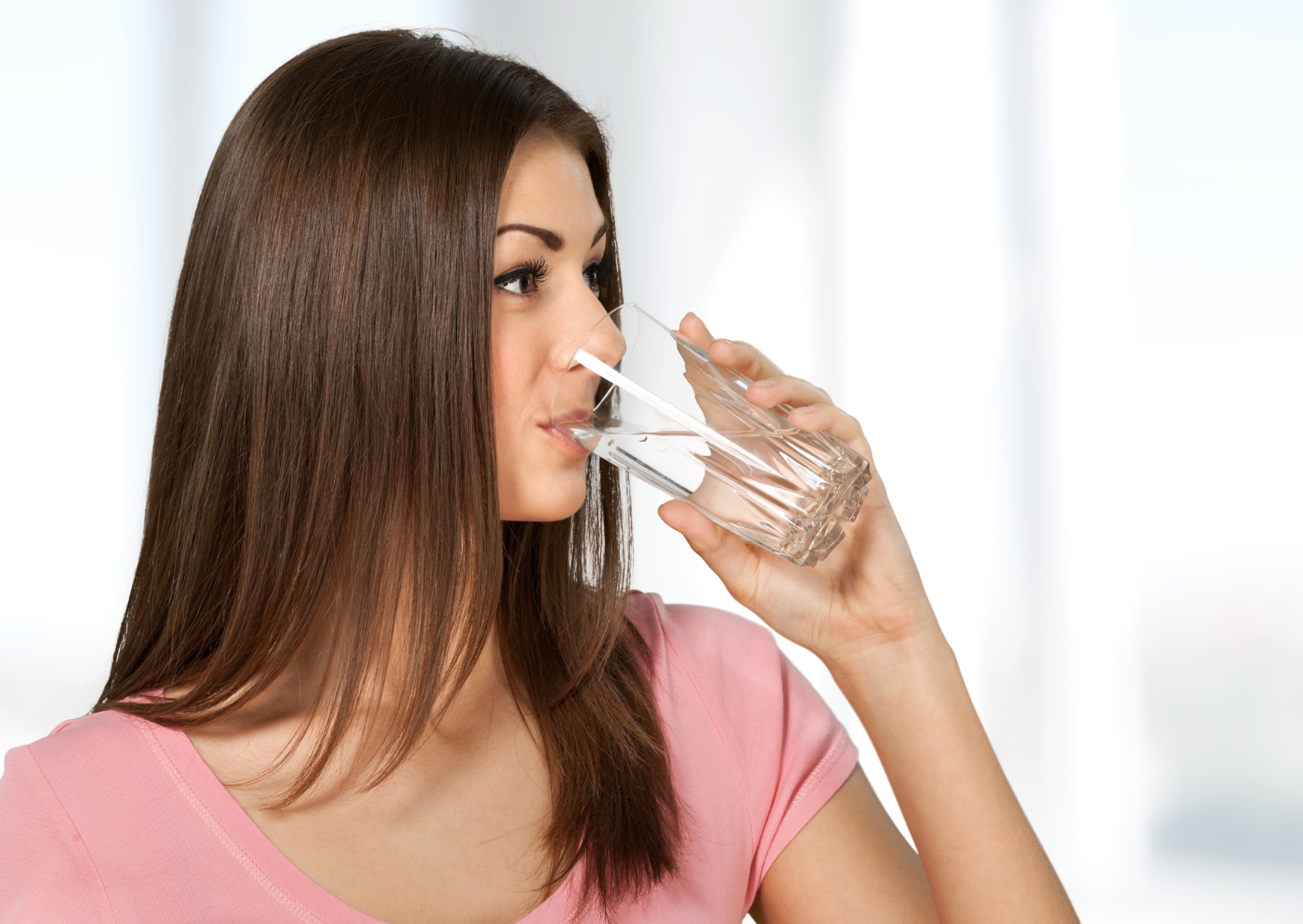
Let’s keep this grounded. Drinking water does not magically moisturize your face like a topical cream.
Your skin is not a sponge you refill directly.
But hydration does affect the things that make skin look and feel “clear”:
- circulation and nutrient delivery
- how efficiently your body regulates temperature and inflammation
- the way your skin barrier behaves under stress
- how your body handles salt, alcohol, caffeine, and heat
- how often you get that tight, dry, reactive feeling that leads to over-scrubbing and over-product use
Also, there’s a simple reality: a lot of people are mildly under-hydrated most days. Not dangerously. Just consistently enough that the body adapts and the skin shows it.
When you stop living in hydration peaks and dips, skin often looks calmer.
Not because water is a skincare product. Because your baseline stops wobbling.
The visible change is usually not “more glow.” It’s less irritation.
The hidden European advantage is that water is built into food culture
If you want to understand why this habit sticks in Europe, look at the meal rhythm.
A lot of people eat in a structure:
- breakfast
- lunch
- a small afternoon thing
- dinner
That structure comes with sitting down. Sitting down comes with a glass. And the glass is usually water.
Also, many people in Europe drink less sweet liquid by default. Not zero. But the default drink in many households is still water, sparkling water, or unsweetened coffee.
In the American pattern, liquids often arrive as:
- sweet coffee drinks
- soda
- juice
- “healthy” drinks that are still sugar
- large iced coffees that replace water
- alcohol as a social drink
So a person can feel like they’re drinking all day and still not be hydrating.
Europe is not morally superior. It just tends to keep water closer to food, and food closer to routine.
That reduces the “I forgot water existed” problem.
What I actually did for 30 days
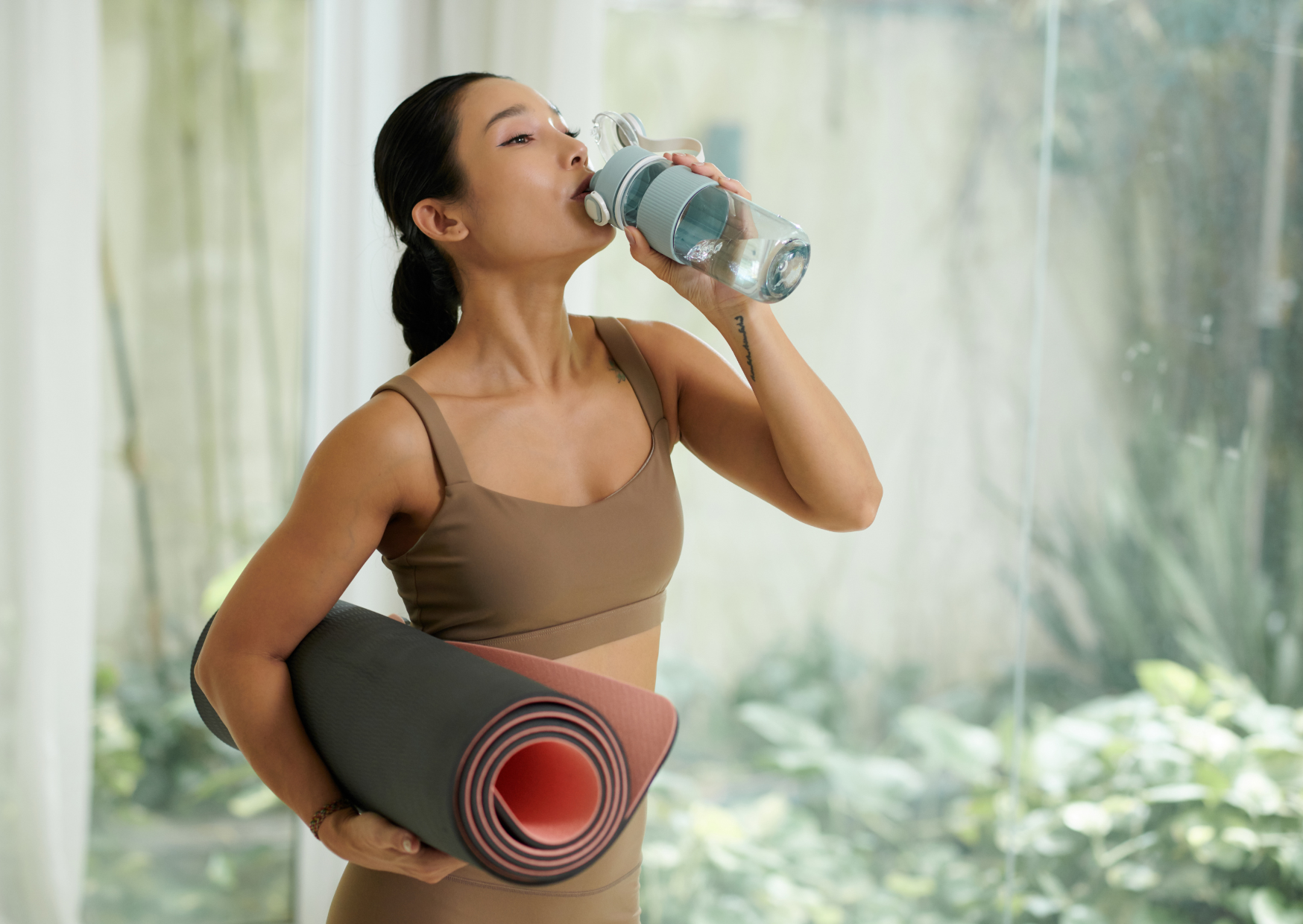
Here’s the version that worked because it was realistic.
The rules
- One glass of water within 10 minutes of waking up. Not a liter. A glass.
- One glass of water with every meal. Breakfast included.
- One glass mid-afternoon. The time when people usually reach for coffee number two or a snack.
- No chugging at night to make up for it. If I missed the day, I missed the day. The goal was consistency, not punishment.
- Alcohol nights got a water buddy. One glass of water before bed.
That’s it.
I did not carry a giant bottle. I did not track ounces. I did not force myself to drink when I felt sick of it. I did not make water a personality.
I just made it automatic.
The simple daily total
Most days, this landed around:
- 5 to 7 glasses of water from these habits alone
Then normal life added more through food and incidental drinks.
The key is that it was spread out.
A lot of people can hit a similar total in a day and still look dehydrated because they drink it in two bursts. That pattern does not help the same way.
Steady intake beats heroic intake.
The skin changes I noticed, and when they showed up
The timeline matters because people expect overnight miracles, then quit.
Days 1 to 4
Nothing dramatic. If anything, I felt slightly more aware of bathroom timing, which is normal when you stop living on coffee.
Skin looked about the same.
Days 5 to 10
This is when the first quiet shift happened: the “tight face” feeling reduced.
You know that moment when you wash your face and it feels tight even though you did nothing aggressive. That eased up.
My lips were less dry. That alone makes a face look less irritated.
Days 11 to 20
This is when the skin looked calmer.
Not perfect. Not filtered. Just less inflamed.
The kind of change where:
- redness settles faster
- texture looks smoother because it is not constantly irritated
- makeup sits better if you wear it
- you stop touching your face as much because it feels less “off”
Days 21 to 30
This is when it started to look like “clearer skin.”
But it was really a combination of:
- fewer dry patches
- fewer irritation flare-ups
- more stable barrier feel
- less dullness from dehydration swings
It looked like improvement because the baseline was calmer.
This is also when I realized the habit wasn’t about skin. Skin was just the visible scoreboard.
The deeper change was that my energy dips were less dramatic. And my cravings for salty snacks in the afternoon dropped.
That matters because when your body is under-hydrated, it sometimes asks for “something” and your brain translates it as food.
The biggest surprise: my skincare routine got simpler without trying
This is the part people won’t like because it ruins product culture.
When hydration steadied, I stopped “needing” as many fixes.
A lot of skincare overuse is a response to irritation. You feel tight, so you add more. You feel greasy, so you strip. Then you feel tight again. Then you add more.
It becomes a cycle.
Once skin felt less reactive, I stopped doing emergency behavior:
- less scrubbing
- less harsh cleansing
- less switching products in a panic
- less “try this serum” impulse
So the water habit indirectly improved skin by reducing the habits that sabotage skin.
If you’ve ever thought, why is my skin still irritated even though I buy good products, look at hydration and sleep before you buy anything else.
A calmer body makes calmer skin easier.
The European water habit also forces you to notice your environment
Another thing this habit does is it makes you notice how climate affects your skin.
Europe has a lot of older buildings, dry indoor air in winter, and humidity issues in certain regions.
If you live in a damp apartment, you can have skin that is dry and irritated because your barrier is constantly stressed. If you live with strong heating, you can have skin that is dry even when the weather outside is mild.
Hydration helps, but it doesn’t fix environment.
So the habit works best when you pair it with one boring environmental upgrade:
- a humidifier in dry months
- a dehumidifier in damp flats
- not taking extremely hot showers
- using a basic moisturizer that supports barrier function
This is why some people drink more water and see no skin change. Their environment is still hostile.
Water supports the system. It does not erase the system.
What it will not fix, and what people get wrong
Let’s make this blunt, because hydration gets oversold.
It will not fix hormonal acne by itself
If your breakouts are driven by hormones, water will not override that. It might help inflammation, but it won’t rewrite your biology.
It will not fix a damaged skin barrier if you keep stripping it
If you are using harsh products, over-exfoliating, washing too often, or taking very hot showers, water will not rescue you from that.
It will not replace moisturizer
Topical hydration and barrier support matter. Water intake supports the body. It does not seal moisture into your skin.
It will not help if you were already well-hydrated
If you already drink steadily, adding more may do nothing for your skin. The benefit tends to show up most when baseline intake was low.
The biggest mistake is chugging
People try to “catch up” at night. That creates:
- sleep disruption
- bathroom disruption
- and a false sense of success
The habit that works is small and consistent.
If you pee clear all day and feel miserable, you are doing it wrong.
The practical version for adults who hate tracking
If you want to steal this habit without becoming a water influencer, use this structure.
The three-glass core
- one glass in the morning
- one glass with lunch
- one glass with dinner
That alone fixes a lot of people.
The upgrade if you want the full effect
- add one glass mid-afternoon
- add one glass with breakfast
- add one glass before bed if you drink alcohol
No apps. No tracking. No obsession.
If you are the kind of person who needs a physical cue, use a small bottle you refill once or twice. But keep it normal-sized. The giant jug tends to create rebellion.
Make it easy enough that you don’t argue with yourself.
The money side nobody talks about: the easiest hydration upgrade costs almost nothing
This is where Europe quietly wins.
In many places, the normal hydration system is cheap:
- tap water is the default
- sparkling water is a routine grocery item, not a luxury
- cafés often provide water without making it a purchase war
- people carry smaller bottles and refill
If you’re in a country or city where you default to buying bottled water constantly, the habit becomes expensive and annoying. Then you stop.
So if you want the European habit, set up the environment:
- a reusable bottle you like
- a filter if your local water taste bothers you
- a case of sparkling water if you actually drink it
A realistic monthly hydration cost in a European household can be close to zero if you drink tap. It climbs if you buy bottled constantly.
If you want to keep it simple and cheap, tap water plus a bottle is the whole plan.
Pitfalls most newcomers miss
These are the things that break the habit or create fake results.
Pitfall 1: Replacing water with sparkling water plus sweeteners
Sparkling water is fine. Turning it into flavored sugar water is not the same habit.
Pitfall 2: Coffee replaces water
Coffee is not water. It can be part of your day, but if it’s your only fluid, your skin and your energy will show it.
Pitfall 3: “I drank more water, so I can stop moisturizing”
No. Hydration supports barrier. Moisturizer supports barrier. They are not interchangeable.
Pitfall 4: Drinking more water but keeping hot showers
Hot showers can destroy barrier function fast, especially in winter. If your skin is dry, treat shower heat like a variable, not a lifestyle.
Pitfall 5: Ignoring salt and alcohol
If you drink alcohol or eat salty foods, your body may need more water to feel stable. The habit still works, but you’ll see the value faster when you stop running dehydration triggers constantly.
A 7-day plan that makes the habit stick
This is the part most people need. Not a theory, a sequence.
Day 1: Morning glass
Put a glass by the sink. Drink it after brushing. No negotiation.
Day 2: Water with meals
Add one glass with lunch and dinner. Make it automatic.
Day 3: The mid-afternoon glass
This is the moment most people snack from fatigue. Drink water first. Then decide.
Day 4: Fix your “taste problem”
If you hate the taste of your water, solve it:
- filter
- chill it
- add a slice of lemon
- sparkling water from the store
Do not rely on discipline to overcome a taste problem.
Day 5: Add the alcohol rule if relevant
If you drink, add one glass of water before bed. Your skin will thank you in the morning.
Day 6: Pair it with one barrier-friendly move
Choose one:
- shorter showers
- slightly cooler water
- basic moisturizer after shower
- humidifier in dry months
- dehumidifier in damp flats
You do not need a full skincare overhaul. One move.
Day 7: Lock your cues
The habit sticks when it has cues:
- morning: after brushing
- lunch: with food
- afternoon: when you reach for coffee
- dinner: with food
Cues beat motivation. Every time.
What actually matters here
The European water habit isn’t a secret. It’s not even “more water.”
It’s a system that prevents dehydration swings by making hydration small, consistent, and built into daily life.
If your skin improved in 30 days, it wasn’t because water is a miracle skincare ingredient. It was because your baseline became calmer. Less tightness. Less irritation. Less reactive behavior. Better sleep on the edges. Better energy regulation.
For some people, that shows up as clearer skin.
For others, it shows up as fewer headaches, fewer cravings, and less afternoon collapse.
Either way, it’s one of the rare habits that costs almost nothing and actually pays you back.

About the Author: Ruben, co-founder of Gamintraveler.com since 2014, is a seasoned traveler from Spain who has explored over 100 countries since 2009. Known for his extensive travel adventures across South America, Europe, the US, Australia, New Zealand, Asia, and Africa, Ruben combines his passion for adventurous yet sustainable living with his love for cycling, highlighted by his remarkable 5-month bicycle journey from Spain to Norway. He currently resides in Spain, where he continues sharing his travel experiences with his partner, Rachel, and their son, Han.