
People plan the sexy parts of moving abroad like they’re producing a movie.
Where to live. What neighborhood. What the apartment should look like. How walkable it is. How much rent is. Where the cafés are. What the visa timeline is. Which health insurance policy looks least confusing.
They do not plan the part that quietly decides whether the whole move survives.
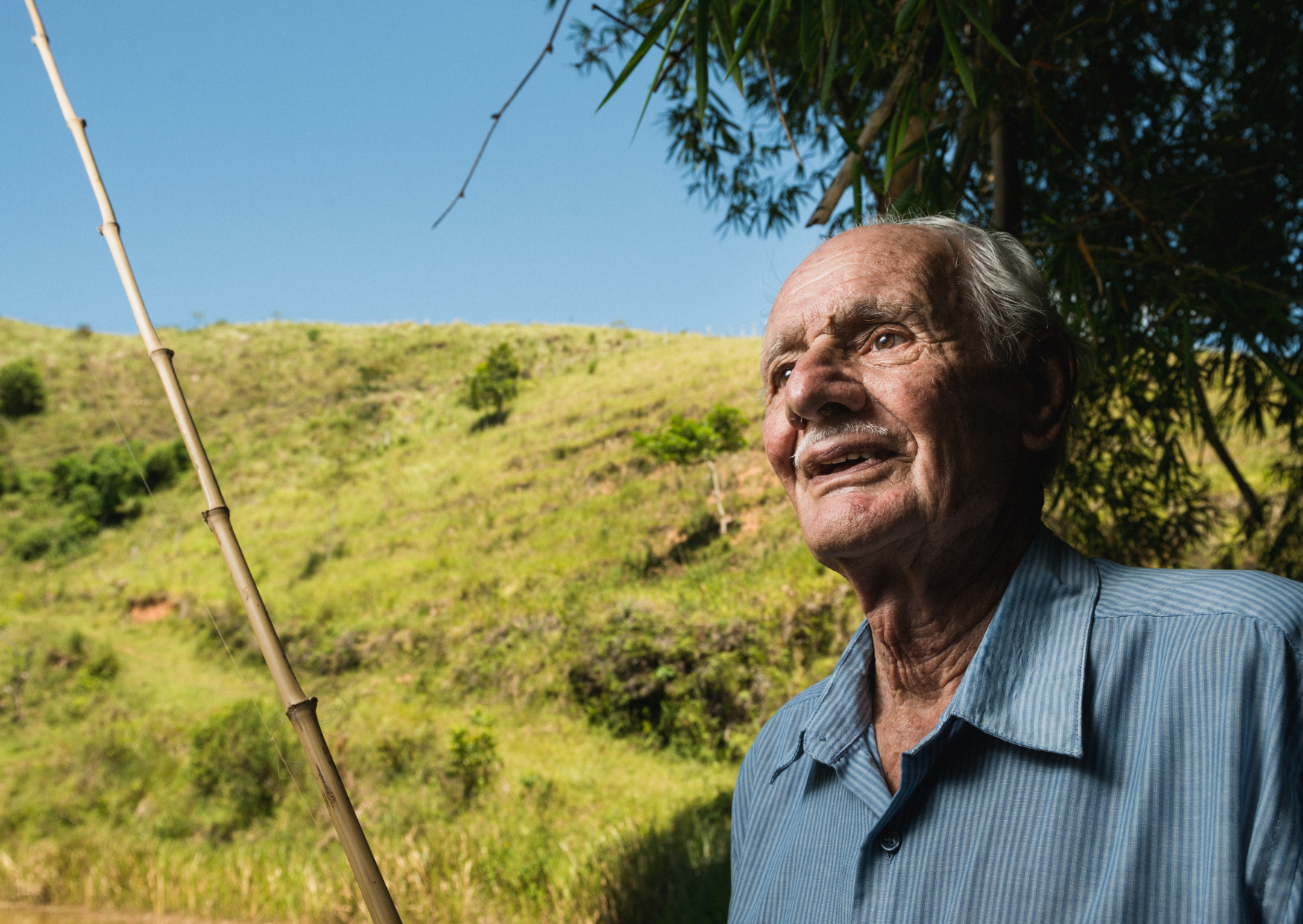
Your parents getting older, while you’re far away.
This is the conversation most Americans avoid until they’re forced into it by a fall, a diagnosis, a spouse dying, a sudden cognitive shift, a scary ER discharge, or the moment someone says, casually, “Your mom shouldn’t be driving.”
The distance makes everything harder. Not emotionally only. Practically. Logistically. Financially. Legally. It turns normal family stress into a cross-Atlantic project with real consequences and very little room for improvising.
If you’re considering Europe, or already here, and your parents are aging in the US, this isn’t pessimism. It’s planning. This is the conversation that protects everyone.
The lie people tell themselves: we’ll deal with it when it happens

This is the default. It’s also the reason so many families end up in crisis mode.
They tell themselves:
- They’re fine.
- They’ll tell me if something changes.
- My sibling will handle it if needed.
- I can always fly back.
- We’ll figure it out.
Here’s the problem: aging rarely arrives as one clean event. It arrives as a string of small slips that become a pattern.
A missed bill. A minor fall. A strange story repeated twice. Meds mixed up. A neighbor saying, “Your dad seemed confused.” A doctor visit that ends with a new restriction. A partner who was doing the caregiving suddenly can’t.
If you wait for the big event, you’ve waited too long to set up the system you needed. Because systems take time, and emergencies demand speed.
The other problem is emotional. Avoiding this conversation feels kind. It isn’t. It leaves your parents without a plan, your siblings without clarity, and you without the authority you will suddenly need from another continent.
Distance turns delay into danger. A plan is not pessimism. It is protection.
What Americans don’t understand about elder care until they’re inside it

Americans grow up with two cultural stories about aging:
- Families handle it privately.
- If it gets bad, you “put them in a home.”
Both stories hide the messy middle, which is where most real life happens. The messy middle is years long.
It looks like:
- someone needs help but insists they don’t
- someone is functional in public but struggling at home
- the “helper” child becomes the manager
- everyone else becomes the opinion
- money leaks happen quietly
- small safety issues stack up
- resentment grows
- nobody knows what the plan is
Then add one more layer: you live in Europe. Your parents live in the US. Time zones, flights, jobs, kids, and residency paperwork collide with the reality that elder care requires physical presence.
Even when you’re loving and involved, distance changes what you can do.
You can coordinate. You can pay for support. You can manage documents. You can plan travel. You cannot be the person who shows up in 20 minutes. You cannot be the person who notices the fridge is empty. You cannot be the person who sees the bruises and asks the right question.
So the real conversation isn’t “Do we love them?” It’s “What is the plan when love needs logistics?”
Elder care is operational. Proximity is a resource. Love without a system collapses under stress.
The three scenarios you must plan for

You don’t need to catastrophize. You do need to plan around the most common paths, because they shape the right decisions now.
Scenario 1: gradual decline
This is the slow one. It’s the most common and the most exhausting.
More appointments. Less mobility. More confusion. More isolation. More dependence on one family member. More home maintenance issues. A slow drift toward “unsafe but not dramatic.”
The danger here is not a single emergency. It’s the way gradual decline hides itself. It normalizes. Everyone adapts quietly until the situation is far worse than anyone wants to admit.
Scenario 2: sudden event
A fall. A stroke. A heart issue. A hospitalization. A serious infection. A scary ER discharge.
This is where families discover they don’t have the documents, the permissions, or the clear decision-maker roles they assumed existed.
Sudden events punish families who never did paperwork, never discussed money, and never decided who does what.
Scenario 3: caregiver collapse
This is the one people forget.
Your parent may be stable, but the system around them is fragile. The spouse dies. The partner gets sick. The neighbor who helped moves. The paid caregiver quits. The friend circle shrinks. The “I’m fine” story collapses in a week.
This is where distance becomes brutally obvious because the gap appears fast and demands physical solutions.
These scenarios are not rare. They are the normal progression of aging for many families. Your plan should not be based on the best case. It should be based on the most likely.
Plan for slow decline. Prepare for a sudden event. Assume the caregiver role can break.
The paperwork conversation nobody wants, but everyone ends up needing

This is where Americans avoid the subject the longest, then regret it the most.
If you live abroad and your parents age in the US, paperwork becomes your lifeline. Without it, you get locked out of the systems you need to manage.
You need clarity around:
- Who can speak to doctors and access information.
- Who can make decisions if capacity is impaired.
- Who can access accounts and pay bills.
- Who can handle insurance and claims.
- Who can sign legal documents if needed.
- Where the important documents actually are.
Most families assume “I’m the child” is enough. It’s not.
Hospitals and providers often have privacy rules and protocols. Banks have fraud prevention rules. Institutions may refuse to share anything unless you’re explicitly authorized.
If your parent becomes confused or incapacitated, you can’t simply step in as the adult child and take control, especially from abroad.
This is why early paperwork matters. Not because you want power. Because you want to avoid being helpless.
There’s also a psychological component: parents often resist because it feels like surrender. They think signing authorizations means losing independence. You need to frame it correctly.
The framing that works is:
- “This is not about control. It’s about access in emergencies.”
- “This keeps you safe if something happens suddenly.”
- “This prevents chaos if you are in the hospital.”
- “This protects you from scams and mistakes.”
The paperwork is uncomfortable. The crisis without paperwork is worse.
Access is not automatic. Authority must be documented. Emergency planning is an act of care.
Money, housing, and the “we don’t talk about it” problem
This is the conversation Americans avoid because it feels rude. It’s not rude. It’s survival.
You don’t need to interrogate your parents. You need a clear picture of the situation so you can plan without guessing.
You need to know:
- what the monthly fixed costs are
- whether the current housing is sustainable with less mobility
- what the insurance situation is
- whether there are debts or risky financial habits
- what income sources exist and how stable they are
- what happens if one spouse dies
- whether someone is vulnerable to scams
- whether the home is safe for aging
Housing is the quiet landmine.
Many American parents are living in homes that become unsafe as they age:
- stairs
- tubs without support
- long driveways
- icy steps
- isolated suburban locations
- homes far from services
- a house that requires constant maintenance
- a home designed around driving
From Europe, managing a failing property is brutal. It becomes a second job. Hiring services from abroad is possible, but you’re always reacting. You can’t inspect easily. You can’t respond fast. You can’t see whether your parent is actually living safely.
So the question you need answered early is simple:
Is this housing still safe if mobility declines?
Most families say yes until the first incident proves no.
Then the next question appears: what is the relocation plan?
- Downsizing locally
- Moving closer to family
- Assisted living
- In-home care
- A hybrid solution
If you don’t talk about money and housing now, you talk about it later under pressure. That’s when it becomes ugly.
Housing becomes the crisis before health does. Silence creates panic. Clarity prevents worst-case decisions.
The sibling problem: roles and resentment
If you have siblings, this conversation is harder, and more necessary.
The most common pattern looks like this:
- One sibling is local.
- One sibling is far.
- The local sibling becomes the default manager.
- The far sibling feels guilty and tries to compensate.
- The local sibling gets exhausted and resentful.
- Everyone starts fighting about fairness instead of solving the problem.
If you’re in Europe and you have a sibling near your parents, you need to confront a hard truth early:
Proximity is work.
The local person is doing physical tasks you can’t do:
- driving them
- going to appointments
- checking the house
- handling emergencies
- dealing with neighbors
- being present in scary moments
If you don’t acknowledge that, resentment grows fast.
The solution is division of labor that respects reality.
A workable split often looks like this:
- Local sibling handles physical presence and emergency response.
- Abroad sibling handles admin, scheduling, paperwork, insurance calls, financial management, documentation, and logistics that can be done remotely.
- Both agree on travel expectations and “when we fly back” rules.
The key is specificity. Vague promises like “I’ll help more” don’t reduce load. Concrete commitments do.
Examples:
- “I will manage insurance calls and paperwork every Tuesday.”
- “I will handle the monthly bills and account monitoring.”
- “I will pay for the caregiver and manage scheduling.”
- “I will fly back twice a year for deep reset and home maintenance.”
When roles are clear, families function. When roles are assumed, families fracture.
Also, you need a decision protocol. Who decides what in a crisis? Are decisions unanimous? Is one person primary? Are parents clear about preferences?
If that’s not defined, you’ll get conflict at the worst possible time.
Proximity is labor. Admin is labor too. Roles must be explicit or resentment wins.
What “support from Europe” actually looks like when it works

A lot of people imagine support from abroad as heroic emergency flights. That’s not the main value you bring.
The most useful support from Europe is usually boring:
- creating a shared family calendar
- maintaining a clean medical summary
- managing medication lists
- coordinating appointments
- calling insurance
- organizing home support services
- paying bills and monitoring accounts if needed
- handling paperwork, forms, and submissions
- keeping a folder of documents accessible to the family
- writing down what happened after each medical event
- ensuring the local caregiver has a backup plan
This kind of support reduces chaos. It makes the local sibling’s life survivable. It keeps your parent safer.
It also makes your travel more effective. Instead of flying back into chaos, you fly back into a plan.
If you can afford it, support can also mean paying for structure:
- a part-time caregiver
- a cleaning service
- meal delivery
- a home safety evaluation
- a medical alert device
- small home modifications
- a trusted local person for check-ins
Paying for structure is often more useful than paying for random crisis flights.
Also, support from Europe requires boundaries.
You can’t be on-call 24 hours a day forever. Time zones will break you. You need a plan for what happens when you’re asleep.
That means:
- someone local has authority to act
- emergencies have a protocol
- the “call me at any hour” threshold is defined
- you build a local safety net that does not depend on your immediate response
Remote support is systems work. Pay for structure when needed. Boundaries are not selfish, they are sustainable.
The 7-day conversation plan you can start now
You do not need a dramatic family summit. You need a sequence that respects emotions and creates real outcomes.
Day 1: start with values, not paperwork
Ask:
- “What do you want if you can’t live independently?”
- “What are you afraid of as you age?”
- “What matters most to you: staying home, being near family, staying independent, not being a burden?”
This makes the next steps feel like care, not control.
Day 2: map the support network
Name the people:
- siblings and their roles
- neighbors
- close friends
- church or community contacts
- paid services already used
- doctors and clinics
- who can show up quickly
If the answer is “nobody,” that’s your real emergency.
Day 3: create the “where is everything” inventory
Keep it simple:
- identity documents
- insurance info
- account list
- key contacts
- doctor list
- medication list
- where documents are stored physically
This is not a spreadsheet project. It’s a baseline.
Day 4: permissions and authorizations
Discuss what needs to exist so you can help if something happens.
This is the day where you talk about access without making it feel like a takeover.
Day 5: identify the biggest risk
Pick the top risk right now:
- driving
- falls and mobility
- isolation
- medication management
- finances and scams
- home safety
- cognitive changes
Then do one concrete thing to reduce that risk.
Day 6: decide your travel assumptions
Be honest:
- How quickly can you realistically fly back?
- How often can you come?
- What is financially possible?
- What is work-compatible?
Build the plan around reality, not guilt.
Day 7: set a monthly check-in rhythm
One recurring call with one goal:
- “Any changes this month?”
- “Any new meds?”
- “Any falls?”
- “Any new confusion?”
- “Any money issues?”
- “Any home issues?”
This is how you prevent surprises.
This week will not solve aging. It will reduce chaos, which is the difference between manageable and breaking.
Sequence beats intensity. One clear action reduces panic. Monthly check-ins prevent surprise crises.
The honest takeaway: your life abroad needs a plan that includes their aging
If you move abroad and your parents are aging in the US, you are choosing a life that includes distance during hard moments.
That doesn’t make you selfish. It makes you someone who needs a plan.
The families who suffer least are not the ones with the most money or the most optimism. They’re the ones who face reality early, document authority properly, define roles clearly, build local support, and stop letting guilt drive every decision.
Because guilt is loud. Systems are quiet. Systems are what hold when the phone rings at 3 am.
If you want Europe to stay livable, have the aging parents conversation before you’re forced into it. It is the most adult thing you can do.

About the Author: Ruben, co-founder of Gamintraveler.com since 2014, is a seasoned traveler from Spain who has explored over 100 countries since 2009. Known for his extensive travel adventures across South America, Europe, the US, Australia, New Zealand, Asia, and Africa, Ruben combines his passion for adventurous yet sustainable living with his love for cycling, highlighted by his remarkable 5-month bicycle journey from Spain to Norway. He currently resides in Spain, where he continues sharing his travel experiences with his partner, Rachel, and their son, Han.