
Chiles Rellenos stuffed poblano peppers wrapped in a delicate egg batter and fried to golden perfection are one of Mexico’s most beloved traditional dishes. They offer a beautiful balance of smoky, savory, and creamy flavors that showcase the heart of Mexican home cooking. Whether filled with cheese, seasoned meat, or vegetables, Chiles Rellenos are a comforting, flavorful staple with deep cultural roots.
What makes Chiles Rellenos truly special is their versatility. While the classic version features mild poblano peppers stuffed with melting cheese, countless variations exist across Mexico, each region putting its own spin on the dish. It’s a recipe that invites creativity while preserving its traditional soul a fusion of bold flavors wrapped in a crispy, golden exterior.
In this guide, you’ll learn how to make authentic Chiles Rellenos at home, with tips on roasting, stuffing, and frying for the perfect texture and taste. Whether you’re cooking for a family dinner, a festive occasion, or just craving a taste of traditional Mexican comfort food, this recipe brings the flavors of a classic Mexican kitchen right to your table.
Read here best fruits in Mexico, drinks in Mexico, best Mexican dishes and traditional Mexican Food, the most popular non alcoholic drinks and Vegetarian Food in Mexico
What Are Chiles Rellenos?
Chiles Rellenos means “stuffed chiles” in Spanish. The dish traditionally features roasted poblano peppers, filled with melty cheese or a savory meat filling, dipped in a fluffy egg batter, and fried until golden. Often served with a light tomato salsa, it’s a dish that captures the warmth and depth of Mexican home cooking.
Best Time to Eat & How to Partner This Dish
Chiles Rellenos are ideal for a hearty lunch or dinner, especially when served as the star of the meal. In Mexico, they are often enjoyed during special occasions, family gatherings, or festive holidays, but they also make for a satisfying weekday dish when you want something flavorful and filling.
Pair Chiles Rellenos with Mexican rice, refried beans, or a light tomato-based salsa to balance the richness of the fried batter. For drinks, a cold cerveza, a glass of horchata, or a light margarita pairs beautifully with the bold flavors and slight heat of the poblano peppers.
They’re also a fantastic addition to a Mexican-themed dinner spread, working as both a main dish or a generous side. Serve them fresh and hot to enjoy the perfect contrast between the crispy exterior and melty, savory filling.
One common misconception is that Chiles Rellenos are always intensely spicy. In truth, poblano peppers are mild with a slight smoky heat, making them perfect for stuffing. The dish is known more for its rich flavors than for being fiery though some regional variations do use hotter peppers for a spicier kick.
Another misunderstood belief is that Chiles Rellenos are too complicated or time-consuming for home cooks. While they do require a few steps roasting, stuffing, battering, and frying the process is straightforward with the right guidance. Like many traditional dishes, the effort put into making them at home is richly rewarded by the flavors.
Perhaps most surprising is the assumption that Chiles Rellenos must always be deep-fried to be authentic. While frying is traditional, some modern interpretations bake the stuffed peppers or even serve them unbattered with a light sauce. These variations still capture the essence of the dish while offering lighter or simpler alternatives that respect its heritage.
Ingredients (Serves 4)
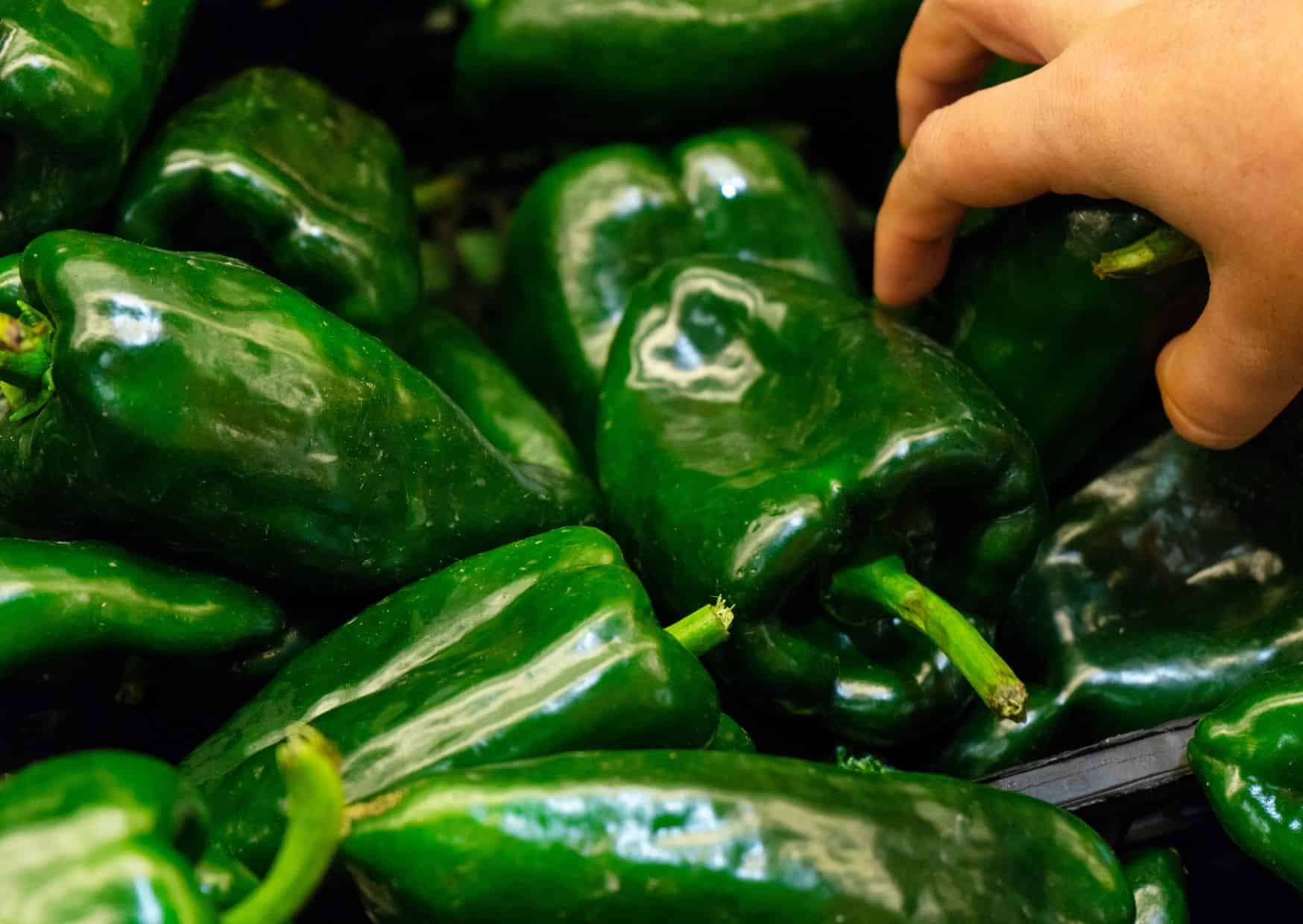
For the Peppers:
4 large poblano peppers
1 cup Oaxaca, Chihuahua, or Monterey Jack cheese, shredded (or substitute with mozzarella)
Optional: cooked and seasoned ground beef or picadillo for a meaty filling
For the Batter:
4 large eggs, separated
1 tablespoon all-purpose flour
1/4 teaspoon salt
Vegetable oil for frying
For the Tomato Sauce (optional but recommended):
3 medium ripe tomatoes, chopped
1/4 onion, chopped
1 clove garlic
1/2 cup chicken broth or water
Salt and pepper to taste
1 tablespoon oil
Chiles Rellenos Step-by-Step Instructions
Roast and Peel the Peppers
Place poblano peppers over an open flame (gas burner or broiler) and char the skins until blackened all over.
Transfer to a bowl, cover with a towel or plastic wrap, and let steam for 10–15 minutes.
Gently peel off the skin using your hands or paper towel.
Make a small slit and remove seeds and veins, being careful not to tear the peppers.
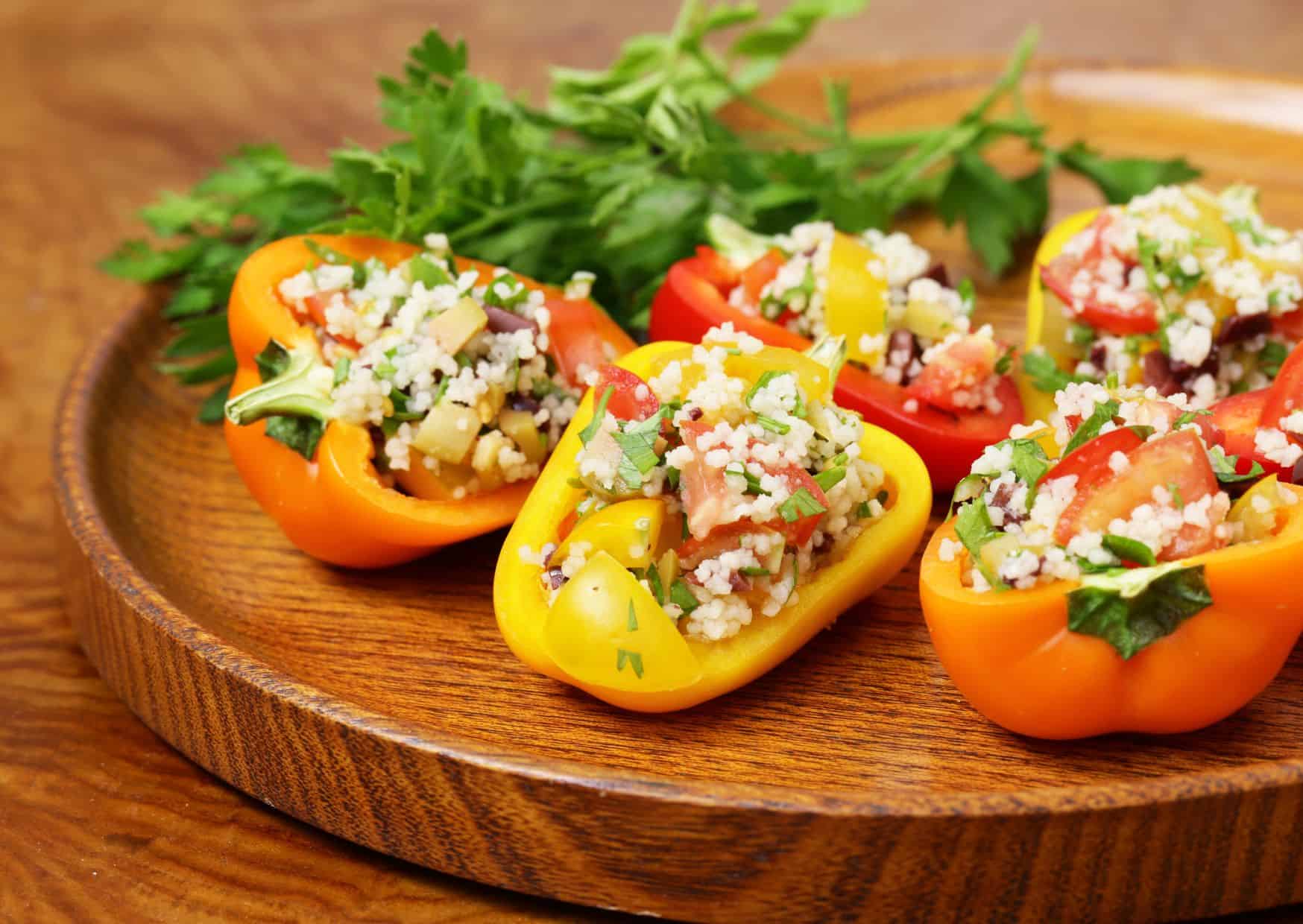
Stuff the Peppers
Fill each pepper with cheese (or meat + cheese), and gently close the slit with toothpicks if needed.
Make the Egg Batter
Beat egg whites until stiff peaks form.
In a separate bowl, lightly beat the egg yolks and gently fold into the whites.
Add flour and a pinch of salt to stabilize.
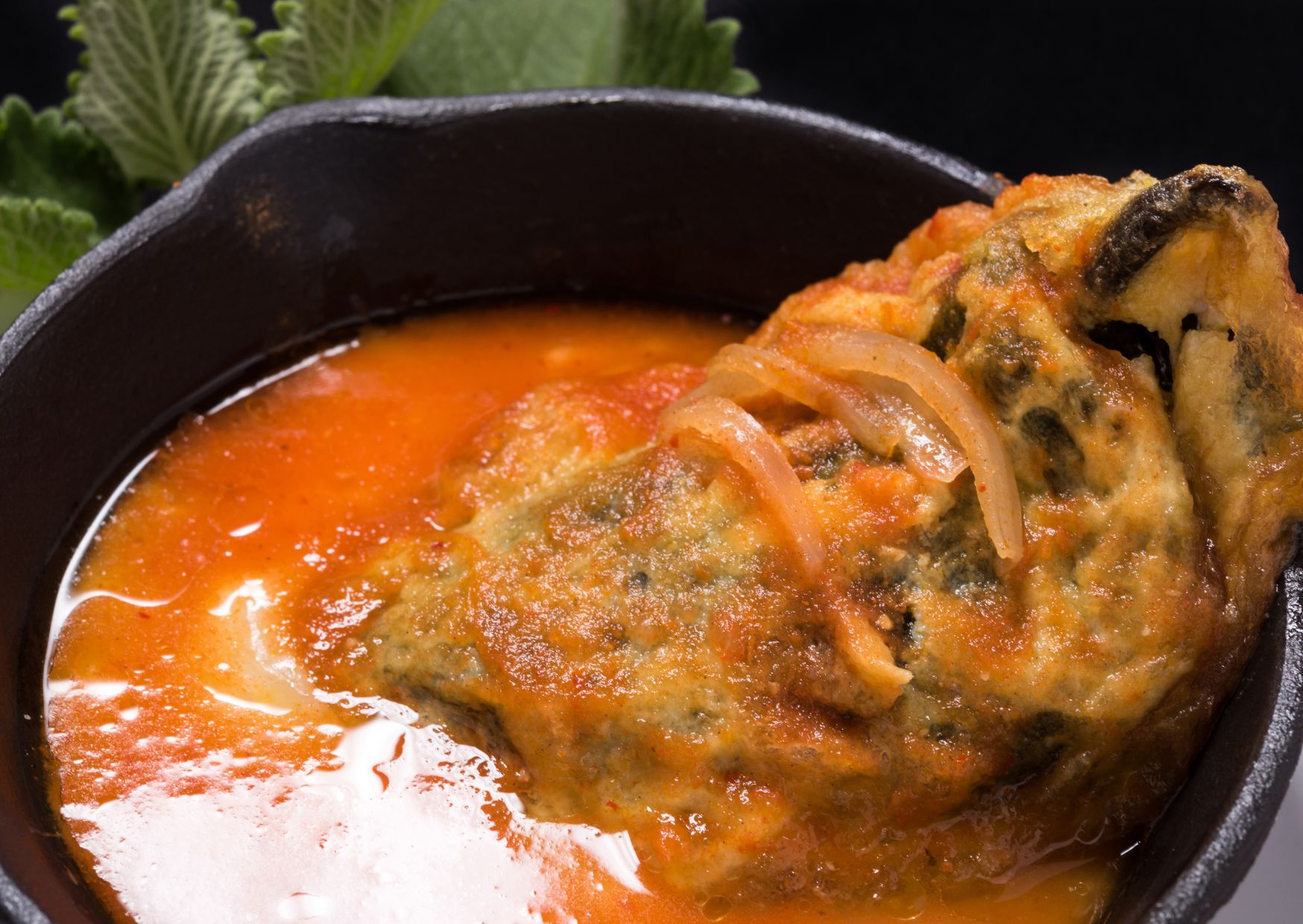
Fry the Chiles
Heat 1 inch of vegetable oil in a deep skillet over medium heat.
Lightly dust stuffed peppers with flour.
Dip each pepper into the egg batter, coating fully.
Fry until golden brown on all sides, about 2–3 minutes per side.
Drain on paper towels.
Make the Tomato Sauce (Optional but Traditional)
Blend tomatoes, onion, garlic, and broth until smooth.
Heat oil in a saucepan, pour in sauce, and simmer for 10–15 minutes.
Season with salt and pepper.
Serve
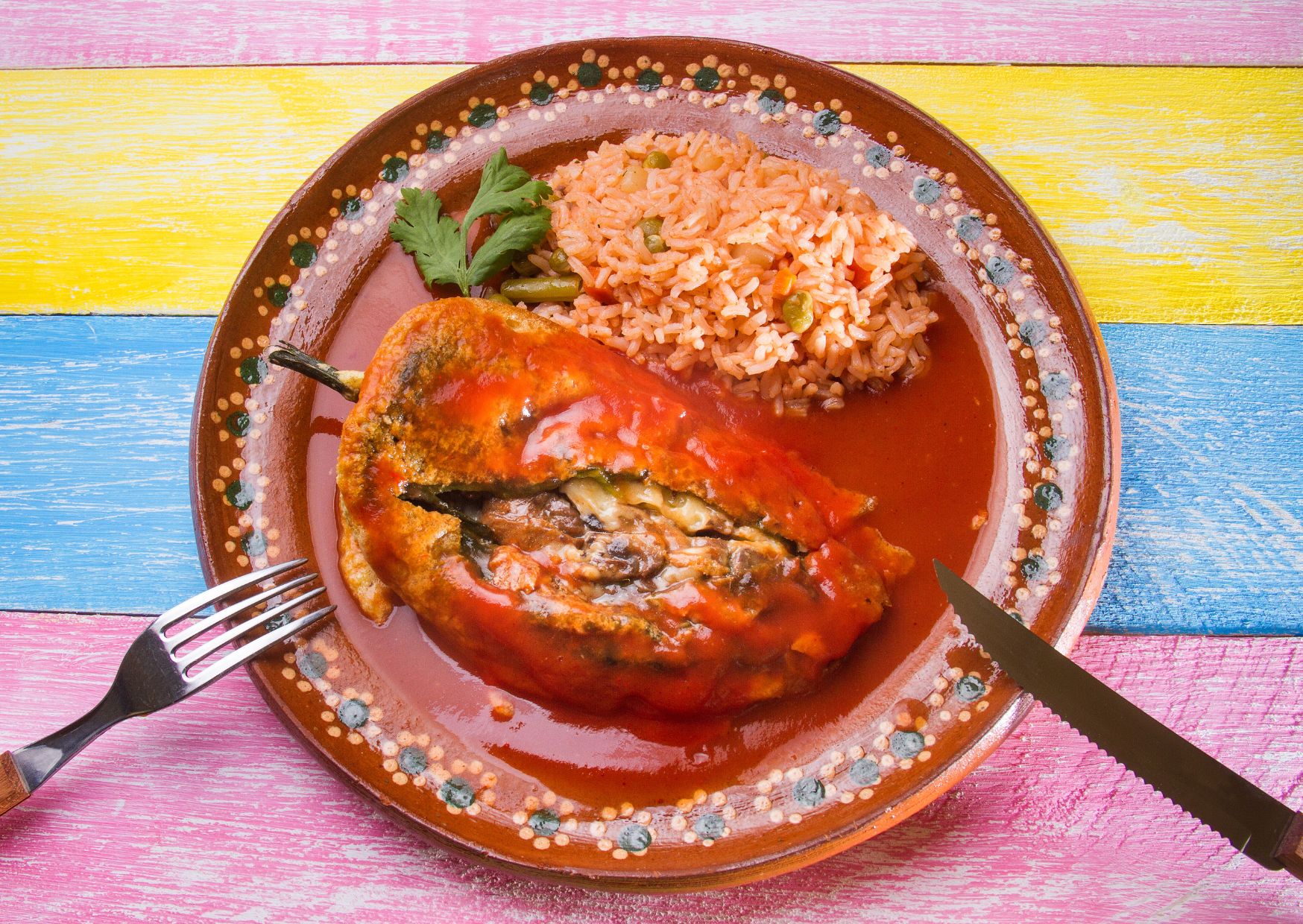
Plate chiles rellenos and spoon tomato sauce over the top. Serve warm, with rice and beans or fresh tortillas.
Chiles Rellenos Tips for Success
Use poblano peppers—they’re perfect for stuffing and mild in heat.
Don’t overstuff, or they’ll break while frying.
If you prefer a lighter version, bake the peppers after stuffing instead of frying.
For a gluten-free version, skip the flour or use a GF alternative.
Filling Variations
Ground beef or pork with cumin, onions, and raisins
Refried beans + cheese for a vegetarian version
Spinach + ricotta or queso fresco for a lighter option
Seafood, like shrimp or crab, for a coastal twist
Chiles Rellenos Nutrition Info (Per Serving – 1 stuffed chile with sauce)
Calories: ~350
Protein: 15g
Fat: 25g
Carbs: 12g
Fiber: 3g
Sodium: ~400mg.
Origin and History
Chiles Rellenos trace their roots to central Mexico, particularly the region around Puebla, where culinary traditions blend Indigenous ingredients with Spanish influence. The dish centers on roasted poblano peppers stuffed with cheese or meat, dipped in egg batter, and gently fried before being finished with sauce.
The technique reflects colonial-era kitchens where European frying methods met native crops like chili peppers and tomatoes. Over time, cooks refined the recipe to balance smoky heat with creamy filling and light batter. Each component evolved through repetition rather than strict documentation.
Unlike street tacos, which developed for portability and speed, chiles rellenos belong to the home and celebratory table. They require patience, careful handling, and family participation, reinforcing their role as a dish for gatherings.
Today they remain a staple of traditional restaurants and household kitchens, representing comfort rather than convenience. Their preparation connects generations through shared technique and memory.
One common debate concerns filling choice. Purists argue that fresh cheese preserves the pepper’s flavor, while others prefer seasoned meat for heartiness. The discussion centers on whether simplicity or richness defines authenticity.
Another disagreement involves the batter. Some cooks aim for a thick coating that seals the pepper completely, while others prefer a lighter, airy texture. The difference changes the balance between crunch and softness.
Sauce preparation sparks further argument. A classic tomato-based sauce is widely used, yet regional variations introduce nuts, cream, or additional spices. Each version claims legitimacy within its community.
Finally, there is the broader comparison to tacos. While tacos dominate global recognition, many believe they overshadow dishes that require greater skill. The debate is less about competition and more about visibility.
How Long You Take To Prepare
Preparing chiles rellenos begins with roasting and peeling peppers, which takes about fifteen minutes. Proper charring ensures easy skin removal and deeper flavor.
Stuffing and sealing the peppers requires another ten to fifteen minutes, depending on filling choice. Gentle handling prevents tearing.
Whipping egg batter and frying each pepper takes roughly twenty minutes. Maintaining steady heat ensures even browning without overcooking.
In total, the process averages about one hour from start to finish. While more involved than tacos, the steps are manageable with planning.
Serving Suggestions
Chiles Rellenos shine as a centerpiece, but they’re even better when served with the right sides. Pair them with a spoonful of Mexican-style rice, refried beans, or even a light cabbage slaw to add texture and balance to the richness of the dish. For an authentic touch, drizzle with a mild tomato salsa or ranchera sauce before serving to boost flavor without overpowering the poblano peppers.
For a heartier meal, you can serve Chiles Rellenos alongside warm corn tortillas or fresh bolillo rolls to help soak up the sauce. A chilled agua fresca or classic margarita also makes a refreshing pairing that complements the dish’s slight heat and creamy filling.
Don’t forget the garnishes fresh cilantro, crumbled queso fresco, and a squeeze of lime can elevate the dish visually and bring a zesty contrast to the warm, cheesy center.
Final Thoughts
Chiles Rellenos are often misunderstood as complicated or reserved for special occasions, but once you try making them at home, you’ll see just how accessible they can be. They offer that perfect combination of smoky, creamy, and savory that Mexican comfort food is known for and they never fail to impress at the dinner table.
Whether you stick with a traditional cheese filling or experiment with ground beef, beans, or even quinoa, Chiles Rellenos are endlessly adaptable. They embody the warmth and bold flavor of Mexico in every bite, all wrapped in a perfectly charred pepper and light egg batter.
So if this dish hasn’t been part of your regular rotation, it’s time to fix that. Once you serve it to friends or family, you’ll understand why it’s such a beloved staple and why one helping is never enough.

About the Author: Ruben, co-founder of Gamintraveler.com since 2014, is a seasoned traveler from Spain who has explored over 100 countries since 2009. Known for his extensive travel adventures across South America, Europe, the US, Australia, New Zealand, Asia, and Africa, Ruben combines his passion for adventurous yet sustainable living with his love for cycling, highlighted by his remarkable 5-month bicycle journey from Spain to Norway. He currently resides in Spain, where he continues sharing his travel experiences with his partner, Rachel, and their son, Han.