
Spain is not a country of perfection. It’s a country of standards.
Not “Pinterest clean.” Not “biohacker optimized.” Just a baseline most people treat as normal adult behavior, the same way they treat showing up on time or not blasting your phone speaker on the metro.
If you come from an American-style personal bubble culture, Spain can feel a little… exposed. People stand closer. People talk closer. People hug. Summer heat is not theoretical. And daily life happens in public, not behind a car door.
So hygiene here isn’t a private hobby. It’s social infrastructure.
These are the habits that read as non-negotiable in Spain, plus the parts newcomers usually miss: the money, the timing, the humidity, the laundry rhythm, the smell traps, and the quiet social rules that never get explained to you.
The Spanish hygiene baseline is built for heat and proximity
Spanish hygiene habits make more sense when you remember two realities.
First: the climate. Even in places that are mild in winter, people walk, climb stairs, and exist in sun. Sweat is not a character flaw. It’s math.
Second: the proximity. Spain is a country of small talk, close talk, and physical greeting. If you smell “yesterday-ish,” people will clock it. They might never say it. But your social life will feel oddly colder and you will not know why.
This is why hygiene standards feel stricter than you expect. It’s not moral. It’s practical.
And yes, Spaniards can be casual. But casual is not the same as sloppy. Clean and casual is the vibe.
1) The shower rhythm is daily, and it’s often short
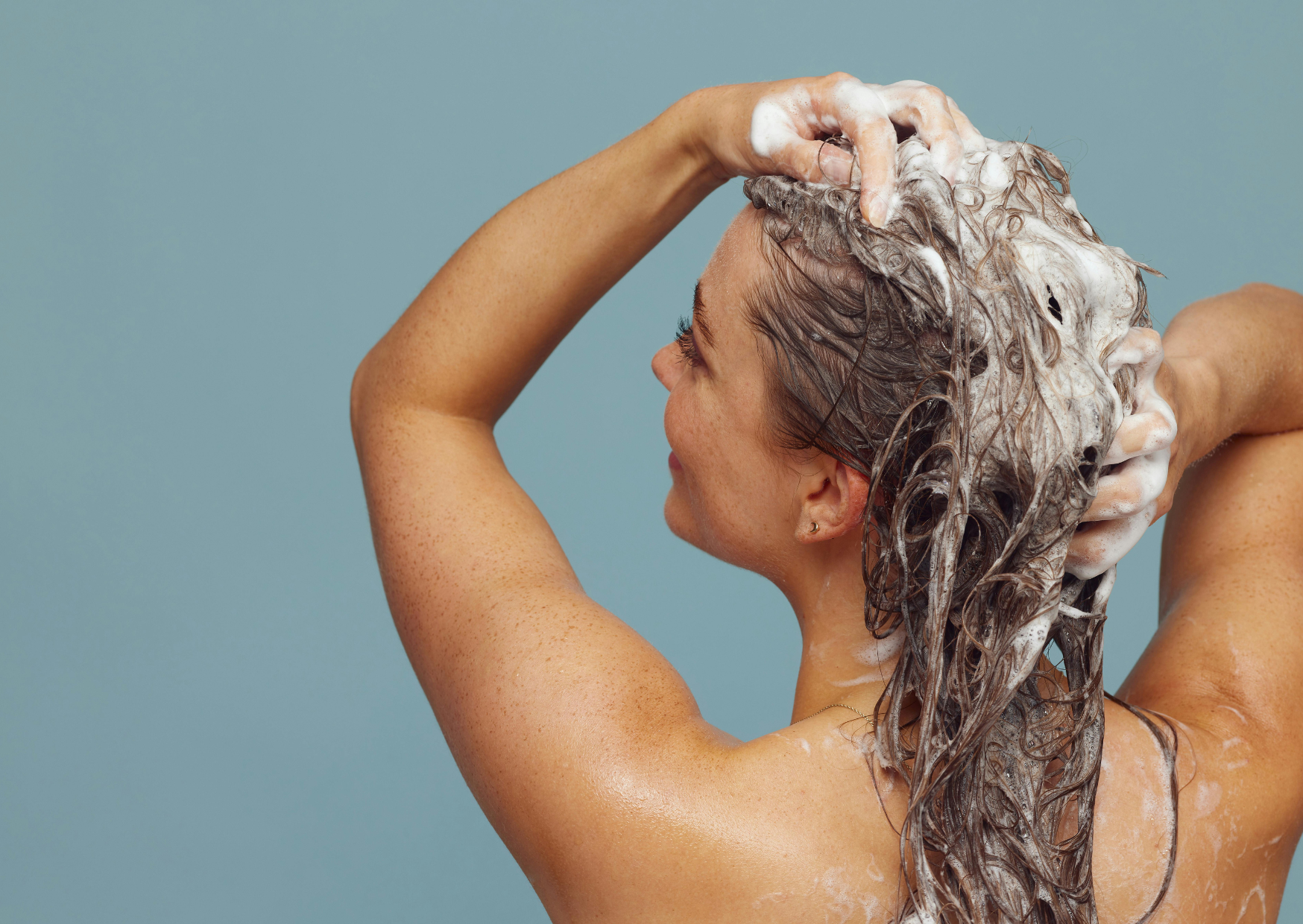
A daily shower is normal for a lot of people, especially from spring through October.
It’s not a spa ritual. It’s a reset. Five minutes, out. You’ll see it in the timing of life. People shower before work, before dinner plans, before going out. When it’s very hot, some people shower twice.
Newcomers often overthink this. They assume “Europe” equals “less showering.” Spain is not that stereotype.
What’s more Spanish than the shower itself is the timing. If you’ve walked home sweaty at 19:30 and you have dinner at 21:30, the shower is the bridge between day and evening. That’s why “evening shower” is common.
Practical reality:
- If you work out midday, you shower after.
- If you’re in humid coastal weather, you shower more often.
- If you’re in a dry inland city, a quick rinse is often enough.
The non-negotiable part is not frequency. It’s the expectation that you will show up fresh, not stale.
2) Deodorant is normal. Antiperspirant preferences vary
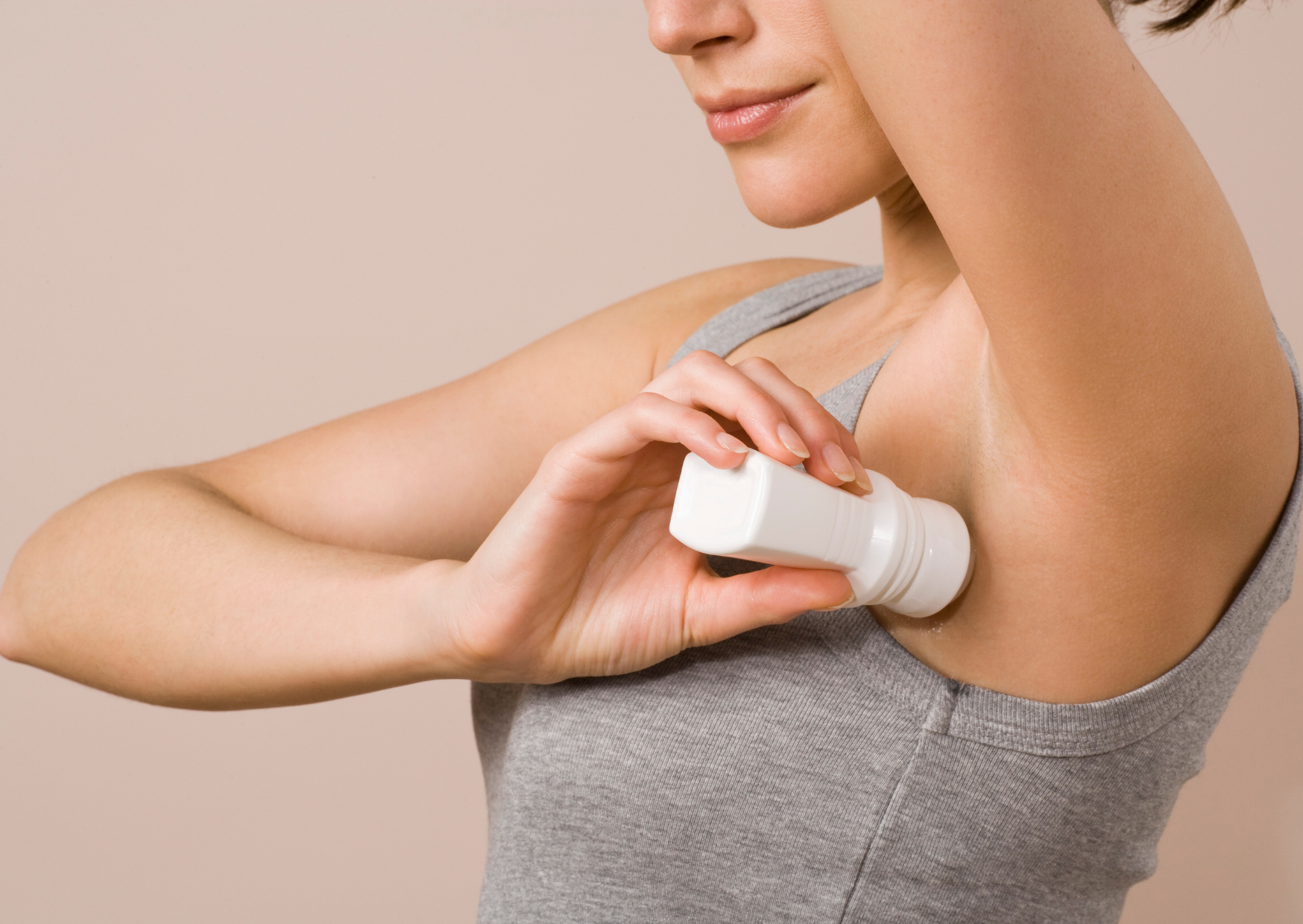
The internet loves the “Europe doesn’t do deodorant” myth.
Spain absolutely does deodorant. You’ll find roll-ons, sprays, sticks, pharmacy brands, and sensitive-skin options everywhere.
What varies more is antiperspirant versus deodorant. Some people prefer one, some the other. But the social expectation is simple: don’t arrive smelling like sweat that had time to mature.
A newcomer mistake is relying on perfume as cover. That doesn’t read as “clean.” It reads as “cleaning attempt.”
A realistic monthly cost in Spain:
- deodorant: €2 to €6 per unit depending on brand
- pharmacy options: €6 to €12
- if you buy the fancy stuff, you can spend more, but you don’t have to
In US terms that’s roughly $2 to $7 per unit, but this is one of those areas where the euro number matters more because you’re buying locally.
The non-negotiable is not the product. It’s the outcome: neutral smell in close spaces.
3) Clean clothes are about rotation and airing, not obsessive laundry
Spain is not a country where everyone is running huge American-style laundry loads every other day.
What’s more common is rotation:
- change your shirt if you sweat
- air clothes that are not dirty but need freshness
- keep light fabrics that release smell
- don’t repeat the same tight synthetic top for three days and pretend it’s fine
This matters because a lot of Spanish life is walking life. Even a “small” walk becomes sweat in summer. People adapt by changing clothes. It’s normal.
A common newcomer failure is trying to preserve American laundry habits in a European setup:
- smaller washer
- no dryer
- slower cycles
- air drying
The adjustment is not “do more laundry.” The adjustment is smaller loads, more often, plus airing things properly so they don’t get that humid, sour smell.
If you want one boring rule that prevents most clothing stink issues: never let damp fabric sit in a pile. Hang it. Air it. Let it finish drying.
4) Shoes are flexible. Floor dirt is not.
Spain is mixed on “shoes off.” Some families are strict. Many are casual. But even in casual homes, there’s an awareness that street grime is real and floors are part of the living space.
Tile floors make this obvious. Dirt is visible. Dust is visible. Hair is visible. If you track in street dirt, you see it immediately.
So you’ll often see:
- slippers or house sandals
- shoes left near the door
- quick mopping routines
- a cultural comfort with cleaning floors more often than some Americans expect
The habit isn’t always “shoes off.” The habit is “home stays reasonably clean.”
This becomes non-negotiable if you have kids who play on the floor, or if you host.
Which brings us to a Spanish truth: people actually come over. So your home being gross isn’t private for long.
5) Breath matters because social distance is closer than you think
Spain is a talk-close country. Even in professional settings, people can stand closer than many Americans are used to.
That makes breath a real social factor.
The baseline is:
- brush twice daily
- gum or mints are common, especially after coffee
- dental hygiene is not treated like vanity, it’s treated like basic decency
Coffee culture is strong, and coffee breath is real. People compensate. You’ll see gum everywhere, and it’s not a teen thing. It’s a normal adult thing.
If you want to blend in socially, don’t overthink it. Brush, floss when you can, and if you’re going into a close conversation after eating garlic, chew gum like everyone else.
This is also why “I don’t need gum” can read as stubborn. It’s not a health debate. It’s a proximity courtesy.
6) Hair and grooming are part of “showing up,” not vanity
Spain can be casual, but most people still show up looking like they tried.
Hair doesn’t have to be styled. It does need to look clean enough and controlled enough that you don’t look like you gave up.
This shows up more in cities and workplaces, but it’s also true in everyday errands. People leave the house. They see neighbors. They go to cafés. Being visibly unkempt reads as low effort in a way that can quietly affect how you’re treated.
This is not about expensive products. It’s about not looking greasy, not looking unwashed, and not looking like you slept in your clothes.
A small but real cultural difference: some Americans treat errands as “no one will see me.” In Spain, errands are part of public life. You will run into people. You will chat. You are “in society.”
So grooming becomes part of being present.
7) Fragrance is common, but heavy fragrance is a social mistake
Spain has fragrance culture. You will smell cologne. You will smell perfume. It’s normal.
But the line is clear: fragrance is a finish, not a substitute for hygiene.
Over-perfuming reads as:
- trying to cover something
- ignoring shared air space
- being inconsiderate on public transport
In tight spaces like the metro, elevator, or small café, too much fragrance is basically forcing a stranger to taste your choices.
A good rule:
- if you can smell yourself from a distance, it’s too much
- if people can smell you after you leave the room, it’s too much
Clean first, then a light fragrance if you want. That’s the Spanish sweet spot.
8) Bathroom readiness is a real social norm
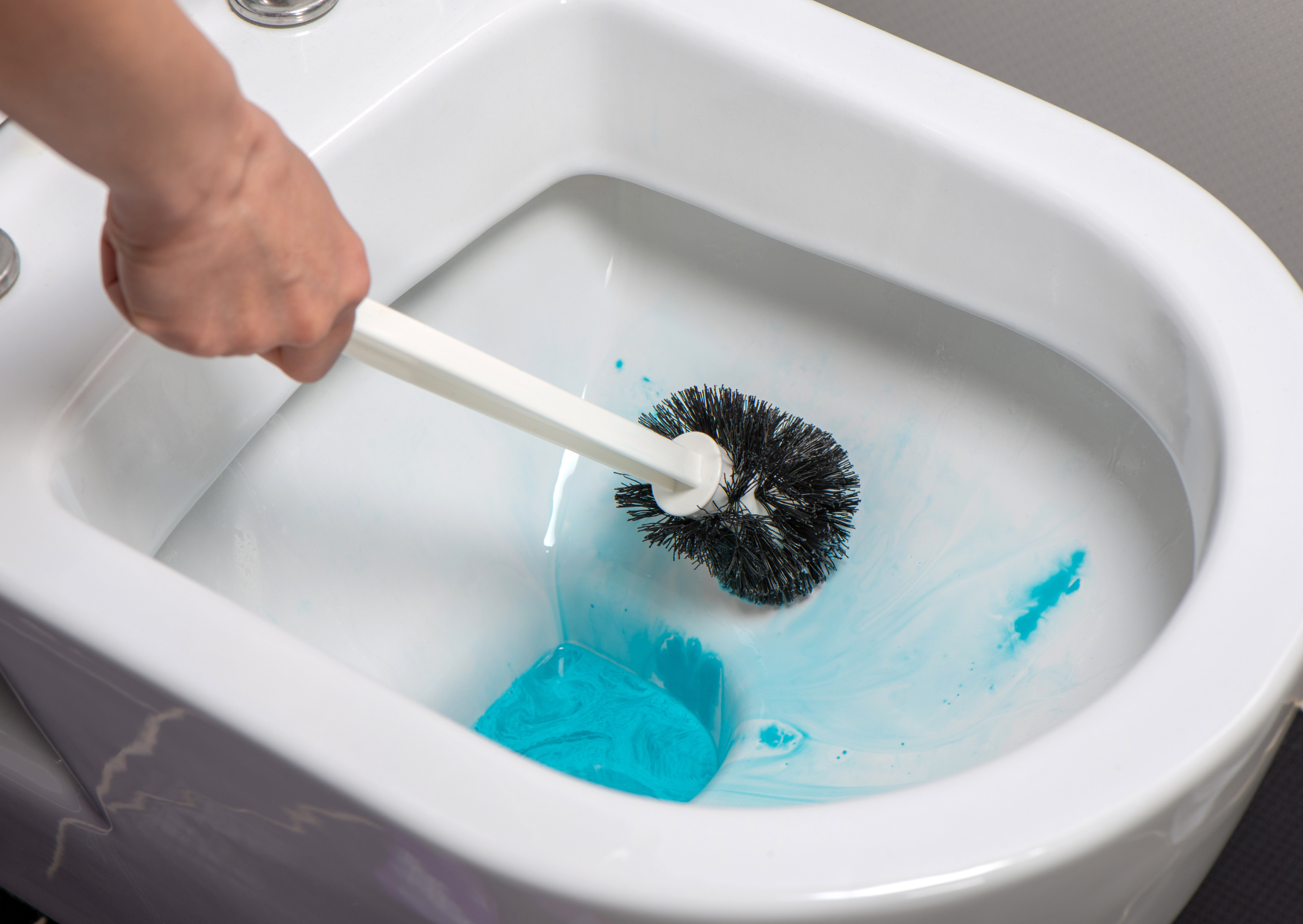
This one surprises newcomers because it’s not “hygiene” exactly. It’s house hygiene.
Spain has a lot of home socializing, family visits, and casual drop-ins. Your bathroom is not only for you. People will use it.
That creates an expectation:
- soap is present
- hand towels are clean
- toilet paper exists
- the bathroom is not embarrassing
Not hotel-level spotless. Just normal, decent, not gross.
A small budget and habit make this easy:
- a quick wipe-down once or twice a week
- replace towels frequently, especially in humid months
- keep a backup roll visible
The bathroom is one of the fastest ways a home signals “we’re functioning adults.”
9) Ventilation is hygiene. Windows get opened.
This is one of the most Spanish habits there is: airing out the home.
Even in winter. Even when it seems unnecessary. People open windows and let air move.
It does a lot quietly:
- removes cooking smells
- reduces mustiness
- helps with humidity
- resets the home’s “feel”
In many Spanish homes, the default is not a sealed climate-controlled box. It’s a space that breathes. If you never air it out, your home will smell like a closed room.
Newcomers often try to solve this with sprays or scented products. Spaniards solve it with air.
If you do one habit that makes your home feel instantly more Spanish, it’s this: open windows for 10 minutes daily.
The part newcomers miss: Spain has a “freshness economy”
Here’s where this gets real, because hygiene is not just habits. It’s logistics.
Spain’s household system pushes certain behaviors:
- smaller washing machines
- no dryer in many homes
- slower wash cycles
- air drying as default
- compact bathrooms
- warm weather plus humidity in many regions
So “hygiene” becomes a routine you build, not a task you finish.
This is why newcomers feel overwhelmed. They try to do laundry like it’s a weekend event. In Spain, laundry works better as a rhythm:
- one or two small loads midweek
- towels on a schedule
- bedding on a schedule
- drying racks as normal furniture
A quick cost reality check for a typical household:
- drying rack: €10 to €25
- clothespins: €2 to €5
- basic detergent: €3 to €10 depending on brand and size
- occasional dehumidifier if you have damp issues: €120 to €250
In US terms that dehumidifier might be $130 to $270, but again, the euro numbers matter because that’s what you will actually pay.
The point is not that Spain is expensive. The point is that freshness requires a system, and your American habits might not map neatly.
Pitfalls most newcomers miss
This is where people get tripped up. Not on showering. On the small traps that create a “something is off” vibe.
Damp towels are a smell factory
If your bathroom stays humid and towels don’t dry fully, they develop that sour smell fast.
Fix:
- rotate towels more often
- hang them spread out, not bunched
- use a towel rail or hook with airflow
- crack a window after showers
Overusing detergent makes clothes smell worse
Many people overdose detergent in European washers. The soap doesn’t rinse clean. Clothes hold residue. Then they smell sour.
Fix:
- use less detergent than you think
- run an extra rinse occasionally if needed
- clean the washer gasket and filter on a schedule
Leaving laundry sitting wet is the fastest way to lose
If clothes sit wet in the machine for hours, they will smell. Then you’ll wash again. Then they’ll still smell. Then you’ll think Europe is the problem.
Fix:
- set a timer
- hang immediately
- if you forget, re-rinse and spin
Too much fragrance reads as cover-up
This one is social. People will assume you’re masking sweat.
Fix:
- deodorant first
- shower rhythm
- light fragrance only
The “I don’t sweat” delusion
Newcomers underestimate walking sweat, sun sweat, and stair sweat.
Fix:
- carry a light change for summer days
- pick breathable fabrics
- accept that freshening up is normal
Spain doesn’t demand perfection. It demands competence.
The social layer Americans misread
A lot of Americans interpret hygiene as personal preference.
Spain treats it more like courtesy.
Because people are closer, hygiene becomes a form of respect:
- respect for shared air
- respect for shared space
- respect for the people you greet cheek-to-cheek
This is why newcomers can feel judged without anyone saying anything. It’s not cruel. It’s cultural. The baseline is assumed. When you miss it, it stands out.
Also, Spanish social life is not always planned a week in advance. You might get a message at 19:00 and you’re meeting at 20:30. The shower rhythm and “freshen up” culture makes that possible. You can pivot into social mode quickly.
If you’re used to “I’m staying home tonight,” Spain will slowly pull you into public life. Hygiene habits make that easier.
The first week in Spain: a hygiene reset that actually works
Here’s the section most newcomers need, because habits don’t change through shame. They change through a simple plan.
Your first 7 days: blend into the hygiene baseline without losing your mind
Day 1: Build a shower rhythm that matches your schedule.
Morning shower, evening shower, or both in summer. Pick a pattern you can actually maintain.
Day 2: Fix sweat control the simple way.
Deodorant every day. Bring a small one in your bag if you’re out all day in summer.
Day 3: Create an indoor footwear habit.
Slippers, sandals, or shoes by the door. The goal is less street grime inside.
Day 4: Upgrade breath without making it dramatic.
Brush twice daily. Add gum after coffee or lunch. Keep it normal.
Day 5: Set the laundry rhythm.
Two small loads per week beats one massive load that never dries. If you do one thing, stop overloading the washer.
Day 6: Towel and bathroom reset.
Fresh hand towel. Soap stocked. Toilet paper stocked. Quick wipe-down. You’re building “ready for visitors” as default.
Day 7: Air the home.
Open windows for 10 minutes in the morning. Make it automatic.
That week alone fixes 80 percent of the “why do I feel slightly grimy here” problem.
Where this lands in real life
Spanish hygiene habits are not complicated. They are consistent.
They’re built for:
- heat
- walking
- close social distance
- smaller living spaces
- and a public life that happens outside your front door
If you match the baseline, Spain feels easier. If you ignore it, you can end up feeling like you’re always slightly off, even when nobody says a word.
The goal is not to become obsessive. The goal is to become invisible in the good way. Competent. Fresh. Normal.
The part nobody budgets for: hygiene is part of integration
This is the blunt ending most people avoid.
If you want to integrate anywhere, you can’t only learn the paperwork and the language. You also have to learn the small social expectations that make people feel comfortable around you.
In Spain, hygiene is one of those expectations.
Not perfection. Not expensive products. Just:
- fresh body
- fresh breath
- fresh clothes
- fresh home air
- and no scent warfare in public
If you do that, you stop feeling like a newcomer faster than you expect.

About the Author: Ruben, co-founder of Gamintraveler.com since 2014, is a seasoned traveler from Spain who has explored over 100 countries since 2009. Known for his extensive travel adventures across South America, Europe, the US, Australia, New Zealand, Asia, and Africa, Ruben combines his passion for adventurous yet sustainable living with his love for cycling, highlighted by his remarkable 5-month bicycle journey from Spain to Norway. He currently resides in Spain, where he continues sharing his travel experiences with his partner, Rachel, and their son, Han.