
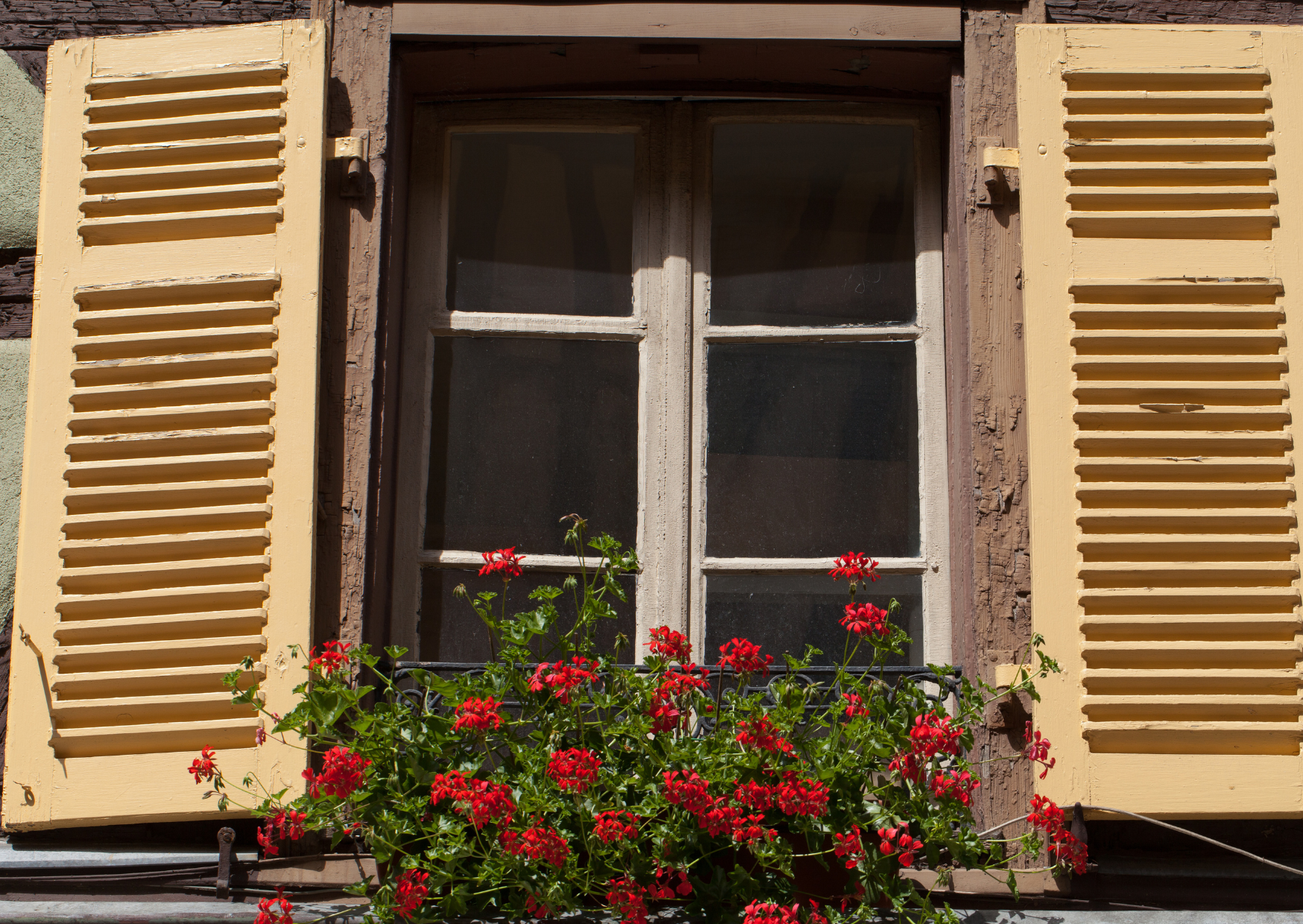
August in a European apartment without air conditioning is not a vibe. It’s a negotiation with physics.
You wake up already warm. The floor tiles feel like they’re storing yesterday’s sun for revenge. The air sits still. You take a shower and instantly feel like you need another one. By late afternoon, you start making the kind of decisions that would sound unhinged in January, like “Let’s go stand in the supermarket for 20 minutes because it’s cold.”
If you’re American, the shock is not just discomfort. It’s the idea that a modern home can exist without central AC and nobody treats it like an emergency. People complain, sure. But they also seem to have a whole set of habits built for it.
Once you stop expecting Europe to feel like a climate-controlled US suburb, you can survive August just fine. Not in a heroic way. In a practical, repeatable way.
Why so many European homes still don’t have AC
This is not one reason. It’s a stack of history, building design, and habit.
Older housing stock in many cities was built to handle winter far more than summer. Thick walls, shutters, stone, and cross-ventilation are great until the heat becomes persistent and nights stop cooling down.
There’s also a cultural factor. In a lot of places, people learned to manage heat with shade, timing, and small rituals, not a giant system that runs all day. AC adoption is growing fast, especially in southern Europe, but it’s uneven. Even in Spain, one widely cited housing data analysis in 2024 put air conditioning in about 41% of residential listings analyzed. That means a lot of homes still do summer the old way.
The most important point is practical: Europe is not “anti-AC.” It’s “AC is not assumed.” When you rent, you have to check. When you buy, you have to plan. When you arrive in August, you have to improvise.
The August problem is not the daytime heat. It’s the nights.
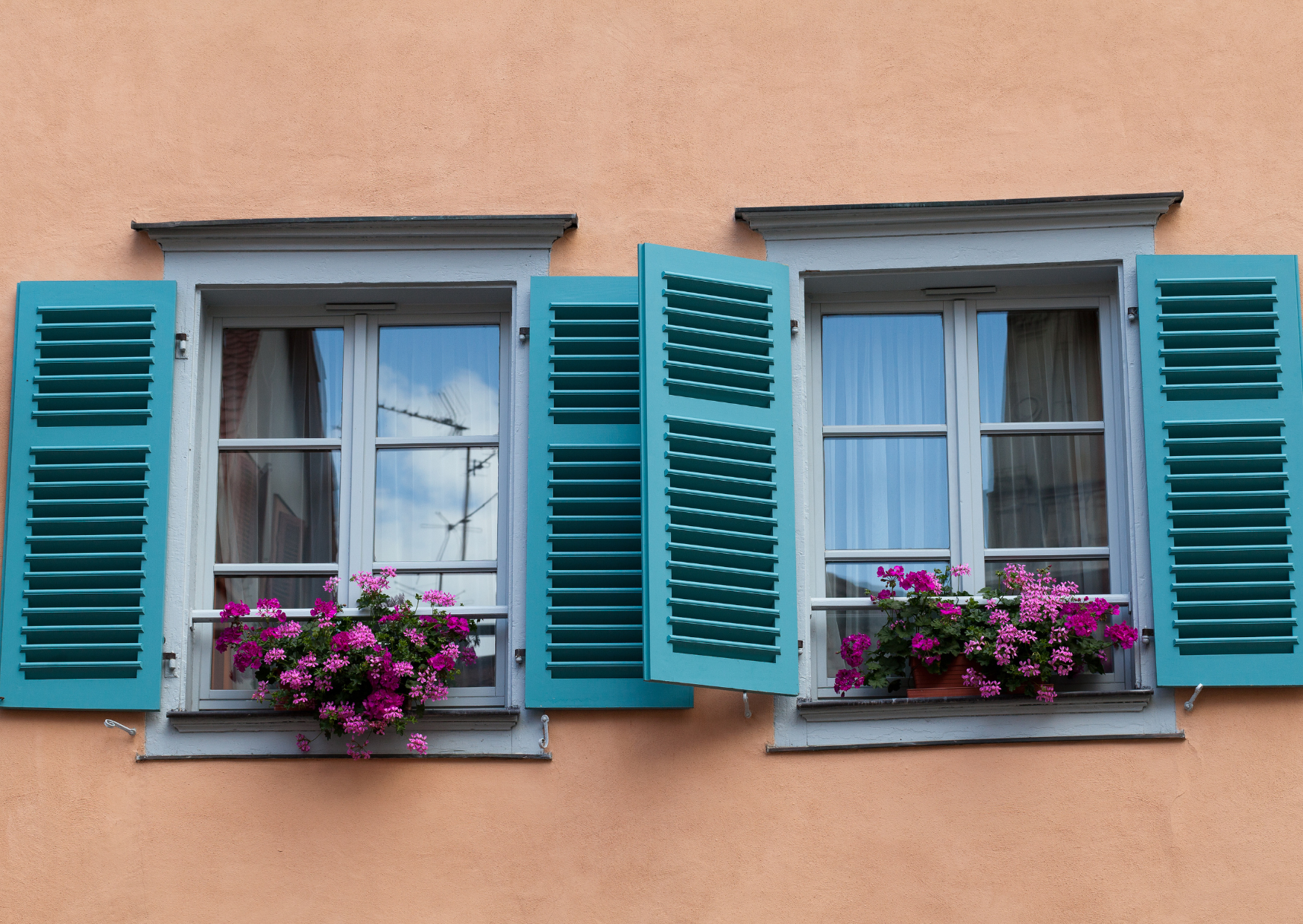
Daytime heat is manageable if you treat your home like a cave. The real suffering comes from nights that don’t cool down.
The whole European heat strategy depends on one thing: letting the building dump heat overnight. When nights stay warm, the building never resets. Your bedroom becomes an oven that accumulates heat day after day.
That’s when Americans spiral, because in the US the solution is automatic: set the thermostat lower and sleep.
In an AC-less setup, the solution is manual: you build a sleep microclimate. That’s the only way.
The European tools that actually work
If you want the blunt list of what works, it’s this:
- exterior shutters or blackout curtains
- cross-breeze timing
- fans placed strategically
- dehumidification when humidity is high
- cold water tricks that cool the body, not the room
- ruthless schedule changes
It’s not one magic product. It’s a system.
The Americans who suffer most are the ones who try to keep their normal schedule, keep the windows closed all day and night, and rely on one sad tabletop fan pointed at their face.
You need a setup that is boring and consistent.
Our August survival routine
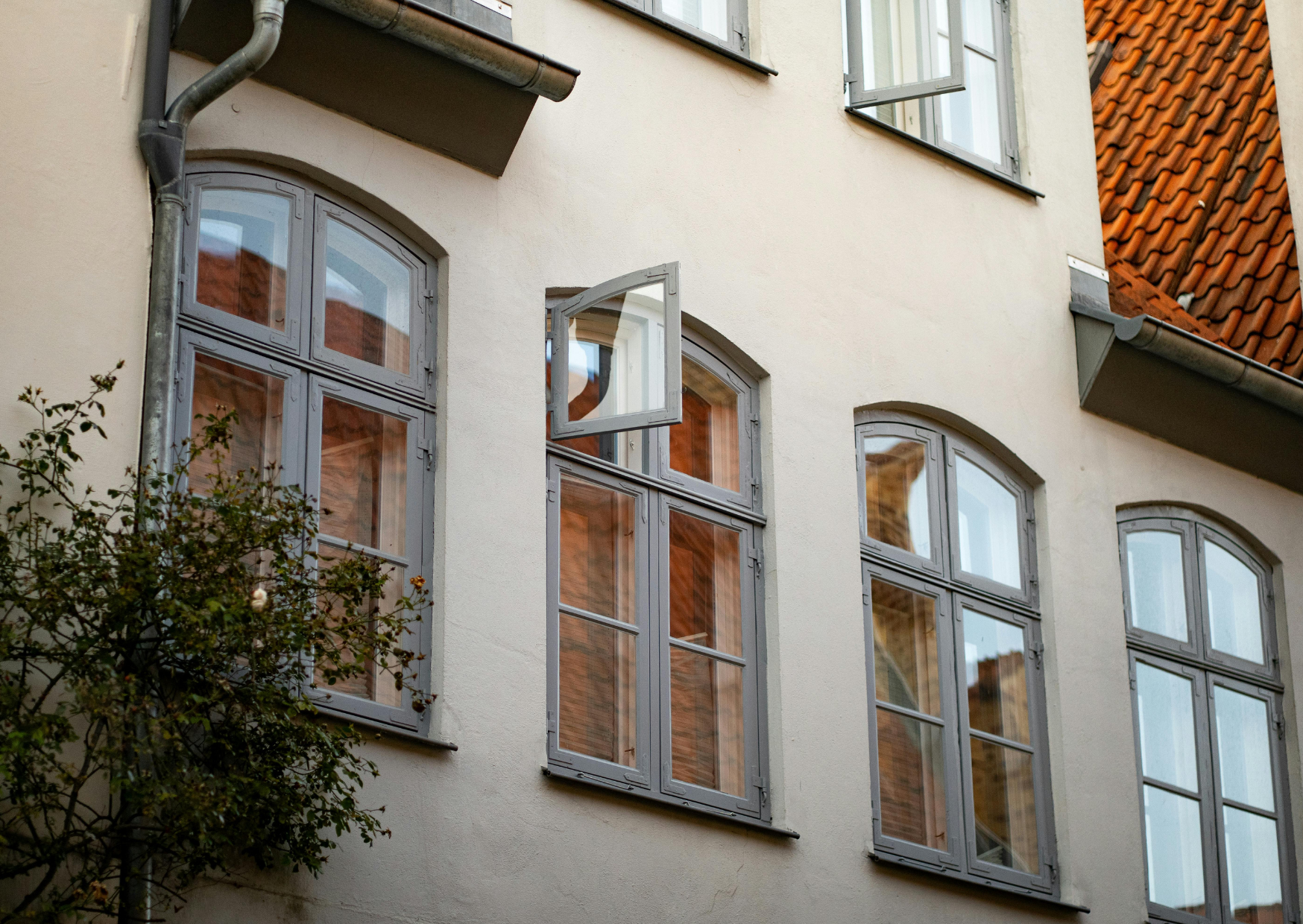
Here’s the actual rhythm that kept us functional in Spain-level summer heat without AC. Not “perfect.” Functional.
Morning: dump heat early, then seal the house
Early morning is when you win.
- Open windows wide to create a cross-breeze.
- Put a fan in one window facing out to push hot air out, and another pulling cooler air in from the shaded side if you have it.
- Let the apartment breathe for 30 to 60 minutes while the outdoor air is still cooler than indoor air.
Then shut it down:
- Close windows.
- Drop shutters.
- Close curtains.
The goal is shade and insulation, not fresh air all day. If you keep windows open once the outside air is hotter, you’re just importing heat.
Midday: become Mediterranean on purpose
This is where Americans fight the culture and lose.
If you try to do errands at 2 pm, you will feel like you are melting. If you try to “power through,” you’ll spend money on iced drinks and taxis and still end up exhausted.
So we shifted the day:
- errands before noon
- minimal movement in the hottest hours
- cooking either early or late
- cold lunch that doesn’t involve a hot kitchen
This is why siesta logic exists. Not because people are lazy. Because it’s rational.
Late afternoon: choose your cooling refuge
We treated the hottest hours like a weather event. You don’t “push through” a storm. You move around it.
So we picked one refuge daily:
- a shaded park
- a café with decent airflow
- a supermarket run
- a library or mall if you have one nearby
Not for hours. Even 45 minutes in a cool place can reset your body and mood.
This matters because heat fatigue is cumulative. A small reset prevents the evening crash.
Night: make the bedroom survivable
This is the real work.
We did three things consistently:
- Airflow engineering
A fan pointed at you is fine. Better is a fan that moves hot air out of the room and pulls cooler air in.
If your bedroom has one window, aim the fan outward for 10 minutes to dump hot air, then switch it to circulate.
- Cold shower timing
Not a full soak. A short cool shower right before bed, then you dry off slowly in front of the fan.
The goal is lowering body temperature, not blasting yourself with cold water and then sweating again.
- Bed setup
We ditched heavy bedding. We used:
- a light sheet
- breathable pajamas or none
- a second sheet you can swap if you sweat
This is not glamorous. It’s effective.
Bottom line: you survive August by making sleep possible. Everything else is secondary.
The mistakes Americans make that make it worse
This is the part that saves the most suffering, because these are easy to fix.
Mistake 1: Leaving windows open all day
If outside is hotter than inside, open windows are a heat pump. You are bringing heat in.
Vent early. Seal midday. Vent late.
Mistake 2: Using the wrong fan setup
A fan pointed at your face is comfort, but it doesn’t always lower room temperature. Fans work best when they create a pathway for air to move.
If you have two windows, you can create a crossflow. If you have one, you can still use a fan to push hot air out at the right time.
Mistake 3: Cooking like it’s winter
Oven meals and long stovetop sessions in August are self-harm.
In peak heat, we shifted to:
- salads with protein
- cold pasta
- tortilla, gazpacho, tuna, tomatoes
- fruit and yogurt
- anything that avoids heating the apartment
If you love cooking, do it early morning or late night.
Mistake 4: Sleeping in the wrong room
If your place has a cooler side, take it. Many apartments have one side that bakes in sun and one that stays calmer.
If the living room is cooler than the bedroom, sleep in the living room. Europeans do this without drama.
Mistake 5: Ignoring humidity
Heat with humidity is a different animal. If your air feels wet and sticky, a dehumidifier can be more useful than another fan.
A fan plus lower humidity feels dramatically cooler, even if the temperature hasn’t changed much.
What we spent to make it livable
Americans often assume “no AC” means “no spending.” Not true. You usually spend less than installing AC, but you still buy tools.
Here’s a realistic cost bucket for an August survival setup:
- 1 to 2 decent fans: €25 to €120 each depending on type
- blackout curtains or thermal curtains if shutters are weak: €30 to €120
- a drying rack plus strategic indoor drying to reduce humidity in some homes: €20 to €50
- a dehumidifier in humid areas: often €150 to €300+
- optional: cooling pillow, light summer bedding: €20 to €80
You can get very far with two fans and proper blackout. The dehumidifier is the upgrade when your apartment feels damp or you’re near the coast.
When it’s worth getting AC anyway

Some people treat AC like a moral issue. Don’t. Treat it like a tool.
AC becomes worth it if:
- you have health reasons where heat is dangerous
- you’re working from home and the apartment becomes unproductive
- nights stay hot and you can’t sleep for weeks
- you live in a top-floor unit that collects heat aggressively
- you have a baby or older family member who struggles
Also, the European version of AC is often different. Many households use wall units sparingly, not a whole-home central system running all day. The goal is targeted relief, especially at night.
If you’re renting, the simplest approach is often: choose a place with AC already installed. Installing later as a renter can be difficult and expensive.
The first 7 days to set up your home for a hot August
If you land in Europe and realize you have no AC, do this in the first week.
Day 1: Map the sun
Figure out which rooms get direct sun and when. Your whole plan depends on knowing where heat enters.
Day 2: Fix shading
If you have shutters, learn how to use them properly. If you don’t, buy blackout curtains. Shade is the first line of defense.
Day 3: Buy one good fan, not three bad ones
Get a fan that moves real air. Then learn how to place it for airflow, not just comfort.
Day 4: Establish the vent and seal rhythm
Early vent. Midday seal. Late vent. Make it automatic.
Day 5: Make the bedroom a cooling zone
Prioritize sleep tools: fan placement, bedding, and pre-bed cooling routine.
Day 6: Adjust your cooking and errands
Shift the day. Stop fighting the clock. Heat punishes stubbornness.
Day 7: Decide if you need a dehumidifier
If air feels wet and laundry never dries, get one. It changes everything.
The real takeaway
European homes without AC are not unlivable. They’re just not built around the American assumption that indoor life is climate controlled 24/7.
If you build the system, you can survive August without feeling like you’re being punished:
- shade early and aggressively
- vent at the right times
- use fans to move air, not just blow on you
- treat sleep as the main problem to solve
- shift your schedule like locals do
You don’t need to love it. You just need to stop fighting it.

About the Author: Ruben, co-founder of Gamintraveler.com since 2014, is a seasoned traveler from Spain who has explored over 100 countries since 2009. Known for his extensive travel adventures across South America, Europe, the US, Australia, New Zealand, Asia, and Africa, Ruben combines his passion for adventurous yet sustainable living with his love for cycling, highlighted by his remarkable 5-month bicycle journey from Spain to Norway. He currently resides in Spain, where he continues sharing his travel experiences with his partner, Rachel, and their son, Han.