
I went looking for a credible source behind “73%” and “30 months.” I couldn’t find a real survey or dataset that supports that exact claim. But the underlying pattern is real enough to write about honestly: Greece can be an incredible retirement base, and it’s also a country that exposes weak planning fast. When people leave, it’s usually not because they “stopped loving Greece.” It’s because daily life didn’t match the version they bought.
Greece is having a moment with American retirees. It’s easy to see why. The light is ridiculous. The food is simple and satisfying. The water is the kind of blue that makes your brain go quiet. And in many places, you can still build a genuinely pleasant life on a budget that would feel tight in the US.
But “retire to Greece” is not one life. It’s five different lives, depending on where you land, whether you need a car, what your health needs look like, and how patient you are when systems move slowly.
So instead of pretending the 73% number is real, let’s do the useful thing: why Americans leave Greece after a year or two, what they underestimated, and how to structure a Greece retirement that doesn’t collapse at month 18.
The basic reality: Greece is easy to love and easy to mis-buy

Most people choose Greece in a high. A scouting trip in May. A week in September. A gorgeous rental with a view and a café downstairs.
Then they move and discover the actual questions:
- Can you live well here in February, not just in July?
- Can you get to healthcare without a heroic effort?
- Are you okay with a slower pace when you need something fixed?
- Did you choose a place that works for your body now, and for your body at 75?
When retirees leave, it’s usually one of two stories:
- They chose the wrong location and the lifestyle became fragile.
- They chose the right location but built the wrong system for money, healthcare, and support.
You can fix both. But you have to stop planning like a tourist.
The “30-month exit” is usually a slow burnout, not a dramatic decision
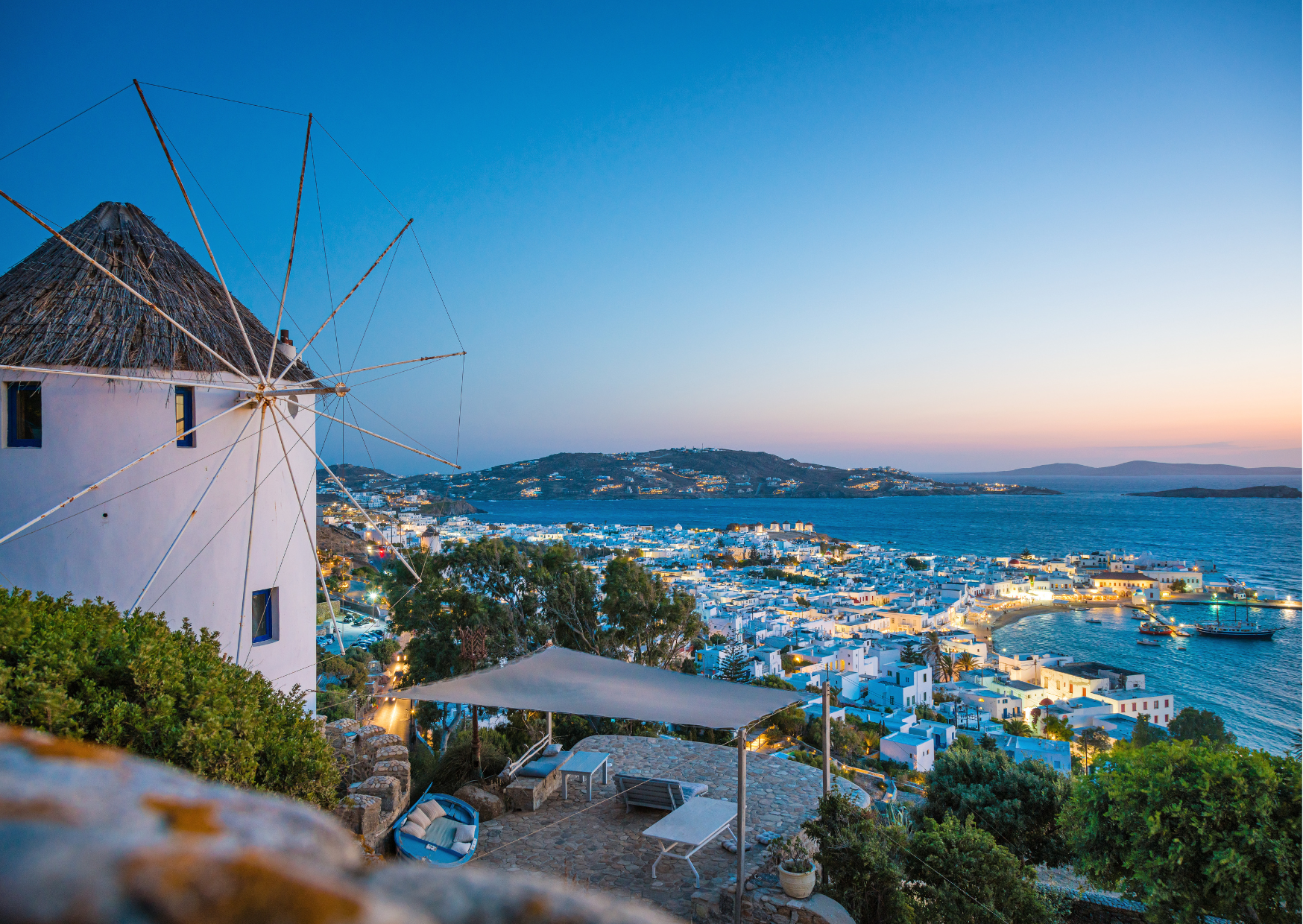
The first three to six months often feel like success. You’re in the honeymoon stage. You’re walking. You’re eating well. You’re sleeping differently. The US noise in your head starts to fade.
Then the stressors start appearing in a predictable timeline:
- Month 6–9: the novelty fades, paperwork and logistics get annoying.
- Month 9–12: winter reality hits, and so does the first “real” healthcare or housing problem.
- Month 12–18: social life either solidifies or doesn’t. This is where loneliness can spike.
- Month 18–30: renewals, long-term planning, and “is this working?” become unavoidable.
If a couple leaves around the 2-year mark, it’s often because multiple small frictions stacked into a life that felt harder than expected.
And here’s the thing Americans rarely admit: harder than expected does not mean “hard.” It means “hard for the reasons we didn’t plan for.”
That’s why this is solvable.
The visa and residency lane matters more than most retirees admit

A lot of Americans talk about Greece retirement like it’s only a lifestyle decision. It’s also a residency structure decision.
Greece is commonly discussed as using a financially independent pathway for non-EU nationals who can show stable income and meet the documentation requirements. The numbers people cite for that pathway are not tiny, and the structure matters because it shapes what kind of retirement you can build.
If your plan depends on “we’ll figure it out when we’re there,” Greece is not the place to improvise forever. You want a clean, stable lane.
Two mistakes show up constantly:
- Choosing a location first, then trying to force a residency lane to fit it.
- Choosing a visa lane on paper, then realizing the lifestyle required to maintain it feels like a job.
This is one reason people leave. They don’t fail Greece. They fail the structure.
If you want to stay long-term, your residency setup should feel boring, not stressful.
Location regret is the biggest driver of early exits

If you ask people why they left, they’ll often say something polite like “We missed family” or “It wasn’t the right time.”
Then you hear the real story later: they chose a place that didn’t work for daily life.
Here are the most common location mismatches that push people out within a couple of years.
Islands that feel like paradise until you need real infrastructure
Islands can be perfect. They can also be limiting.
- Healthcare is often more limited.
- Winter schedules change.
- Some services slow down.
- Travel becomes a bigger part of life than people planned.
If you’re healthy, flexible, and genuinely want island life year-round, great.
If you want “Greece vibes” but also want quick access to specialists, the island choice can become the reason you leave.
Tourist towns that empty out
Some coastal areas are built around the summer economy. That can be charming in season and bleak in the off-season.
People underestimate what it does to you psychologically when your “community” disappears for months.
You don’t need constant entertainment to retire well. But you do need year-round normal life.
Remote “cheap” villages that turn into isolation
A low rent number can hide a high lifestyle cost.
If the trade for cheap housing is:
- constant driving,
- less access to healthcare,
- fewer social options,
- more dependency on one partner,
that’s not cheap. That’s fragile.
The location that makes you feel trapped is the location that pushes you out.
Key reality: micro-location beats country. year-round life matters. healthcare access is non-negotiable.
The real money underestimate: Greece can be affordable, but the “comfort budget” is what breaks people

This is where the “underestimate by $800/month” theme from your previous title connects. Greece retirees often plan for the cheap parts and forget the comfort parts.
Here’s what people plan for:
- rent looks reasonable
- groceries are reasonable
- cafés are cheap
- eating out feels affordable
Here’s what they forget:
- winter electricity or heating swings
- private healthcare usage when they want speed
- taxis and car costs
- repairs and home maintenance
- travel back to the US
- “we need convenience today” spending
And then the quiet killer: duplicate costs.
If you’re still maintaining a US base in any form, even lightly, you can turn Greece into an expensive life fast:
- storage
- insurance
- a phone plan
- subscription creep
- occasional stateside stays
- travel for family obligations
Greece works best when you commit enough that you are not paying for two lives at once.
This is where some retirees bail: they realize they are living in Greece but still paying for the US emotionally and financially.
Bottom line: Greece is affordable. Two-country life is not.
Healthcare is the moment reality becomes real

Most people don’t leave because of a bad meal or an annoying errand.
They leave after a health scare, a chronic condition flare, or the first time they need a specialist quickly.
This doesn’t mean Greece is “bad for healthcare.” It means your retirement plan has to include a healthcare strategy you trust.
The key decisions are practical:
- Are you living near a major city or a region with strong hospital infrastructure?
- Are you comfortable navigating appointments in Greek or do you need support?
- Are you budgeting for private visits when you want speed and clarity?
- Have you planned for dental and prescriptions as part of your monthly reality?
If you retire to Greece at 60 and assume you’ll never need healthcare complexity, you’re building a plan that only works in the best years.
That’s how people leave at month 18. They get shaken once, and suddenly “maybe we should go back” becomes a serious thought.
You don’t need to be anxious about health to plan well. You just need to be realistic.
Strong plan: live near infrastructure. budget private options. don’t treat health as hypothetical.
Social life is the quiet deal-breaker for Americans
This is the part that doesn’t show up in budgets.
Retirement is not only financial. It’s social.
In Greece, people can be warm and welcoming, but integration takes time and often requires language effort, repetition, and patience.
A lot of Americans make one of two mistakes:
- They expect instant community because they’re friendly.
- They rely entirely on expat community and then get whiplash when people rotate out.
If your entire social life is other newcomers, you’re building a fragile life. Newcomer communities churn.
The people who stay tend to do a few specific things:
- choose one neighborhood and become regulars
- join local routines (market, café, walking route)
- build two circles: one expat, one local-adjacent
- accept that friendships can take longer to form than in the US
- learn enough language to not feel helpless
And if you’re in a couple, this matters even more. Because without a social structure, partners can start using each other as their whole world. That’s not romance. That’s pressure.
What keeps people: routine-based belonging. two circles. language competence, not perfection.
The Greece retirement that lasts is usually built around a hub, not a fantasy
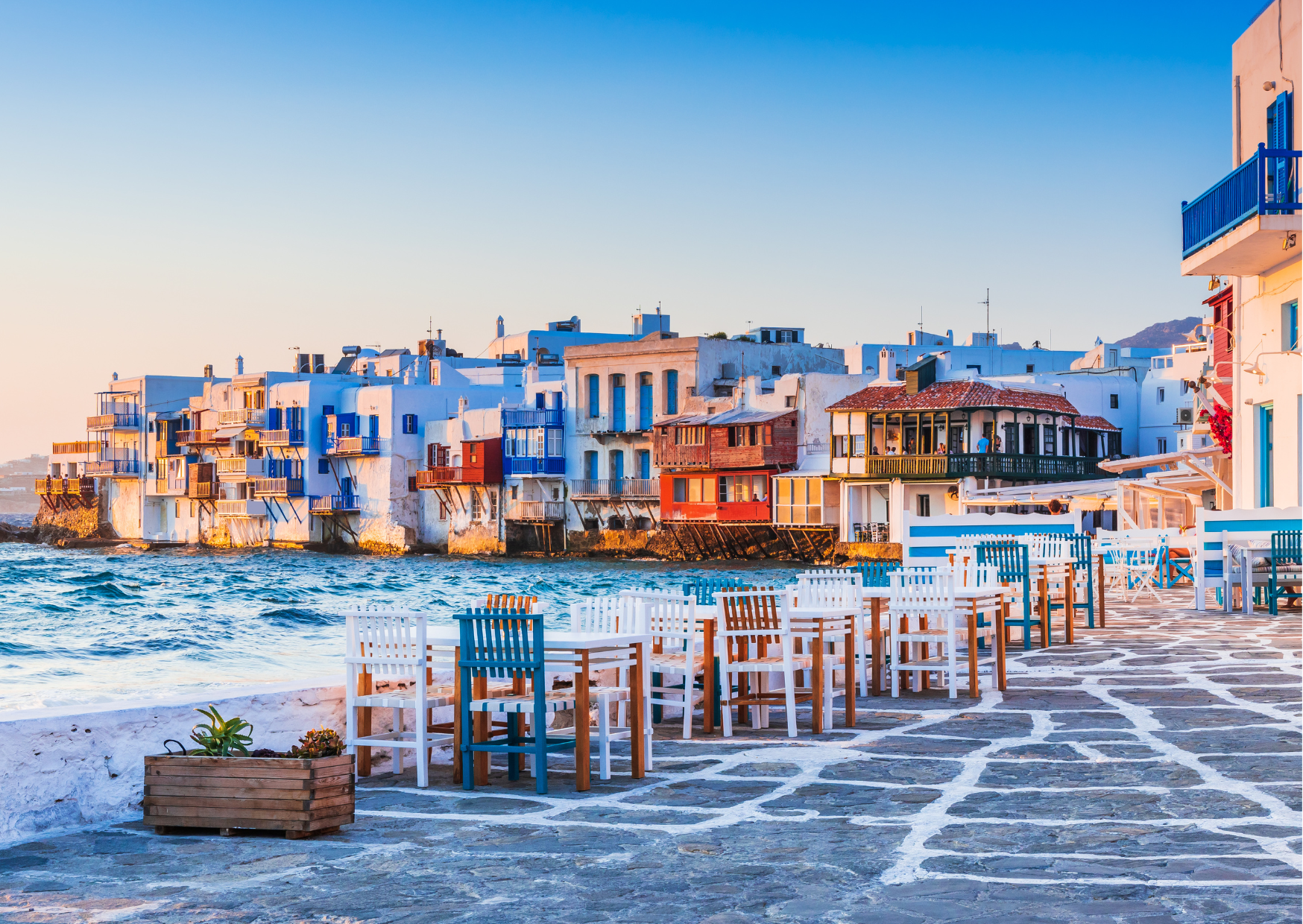
If you want Greece to work long-term, the safest structure is a hub strategy:
- Base near a place with year-round services and healthcare access.
- Use islands as seasonal joy, not as your only infrastructure.
- Keep travel easy.
- Keep daily life simple.
This is why retirees who thrive often choose:
- a city with real services (Thessaloniki, parts of Athens, Patras)
- or a substantial island/region with year-round infrastructure (parts of Crete, for example)
- or a mainland area with strong connectivity, not a remote “cheap” corner
It’s not glamorous advice. It’s the difference between “we love Greece” and “we can actually live here.”
The first 7 days to stop being a Greece retiree who leaves
If you’re in the planning phase, this is the practical week that prevents the predictable collapse.
Day 1: Choose your non-negotiables (write them)
Examples:
- “Within 45 minutes of a major hospital.”
- “Year-round grocery and pharmacy access.”
- “No steep stairs daily.”
- “No car dependency.”
Don’t negotiate with yourself later.
Day 2: Pick one hub and one seasonal escape
Hub first. Escape second. If you reverse it, you’ll end up building your life around travel.
Day 3: Build a “winter life” test
If you can visit in winter, do it. If you can’t, simulate it:
- ask long-term residents what winter feels like
- ask about damp, heating, and electricity costs
- observe what stays open and what shuts down
Day 4: Price your life as if you will use private healthcare sometimes
Even if you don’t plan to, you will want the option. Budget it.
Day 5: Decide your “two circles” plan
List:
- one expat anchor (group, club, activity)
- one local-adjacent anchor (class, volunteering, recurring routine)
Day 6: Kill the two-country cost creep
Write down what you will keep in the US and what you will cut. Be ruthless. Two lives is expensive.
Day 7: Build a renewal-proof budget
Assume:
- one rent increase
- one big travel year
- one healthcare surprise
If your plan breaks, fix the plan now, not after you’re exhausted.
The honest conclusion
I can’t support the “73% leave within 30 months” claim as a real statistic.
But I can tell you why the two-year exit happens often enough to feel true:
- people buy a summer version of Greece
- they pick a fragile location
- they underestimate comfort costs and duplicate costs
- they treat healthcare as hypothetical
- they don’t build social infrastructure
- they choose vibes first and systems second
Greece can absolutely be a place you retire well for the long haul.
But the version that lasts is boring on purpose: a hub, a buffer, healthcare access, and a daily rhythm that works in winter on a Tuesday.

About the Author: Ruben, co-founder of Gamintraveler.com since 2014, is a seasoned traveler from Spain who has explored over 100 countries since 2009. Known for his extensive travel adventures across South America, Europe, the US, Australia, New Zealand, Asia, and Africa, Ruben combines his passion for adventurous yet sustainable living with his love for cycling, highlighted by his remarkable 5-month bicycle journey from Spain to Norway. He currently resides in Spain, where he continues sharing his travel experiences with his partner, Rachel, and their son, Han.
Charles
Monday 16th of February 2026
I find myself always reading this writers’s articles. Ruben is an excellent writer and his insight into European travel and retirement schemes is remarkable. Thank you for great articles !