
I borrowed the plain habits Germans use to make sleep a civic routine. Thirty days later the pill bottle gathered dust, evenings got quiet, and my appetite calmed down enough to move the scale. The plan worked because it was small, repeatable, and built into the clock rather than my mood.
Before the Switch: Nights That Slid Later
My nights were tidy on paper and messy in practice. Midnight bedtimes drifted to one. A show turned into two. Dinner slid late because work slid late. I told myself I was a night person, but the truth was simpler. I slept enough hours, but at the wrong times. The result felt like sand in the gears. Mornings arrived without sharpness. Coffee covered the gap until early afternoon. Evenings got wide and unfocused.
Ambien started as a patch. A half tablet became a full one. It worked for a while, then it worked less. I woke foggy and felt the day begin behind schedule. My weight crept up during the same period. It did not explode. It accumulated. Late meals created late hunger. Late hunger created late calories. I had a body that was technically asleep enough and functionally out of rhythm.
The first hint that a different frame might exist was a building where nights went quiet on purpose. In my Berlin sublet, neighbors lowered voices after ten. Courtyards emptied. Stairwells muffled. It was not a romantic postcard. It was a set of ordinary behaviors that made the night feel like a shared agreement. Culture made the target obvious. I decided to copy what I saw for one month and see whether the shape of the day could do what willpower had not.
I wrote a simple rule on a sticky note and put it on the fridge. Same wake time all month. Everything else would hang from that rail. I did not try for perfection. I aimed for a social schedule that my apartment and my neighborhood already supported. That meant earlier dinners, a short walk most mornings, and a bedroom that looked like it had only one job.
Quick Easy Tips
Set a fixed bedtime and wake-up time and stick to it every day, even on weekends.
Get natural light within the first hour of waking to reinforce your internal clock.
Stop eating at least three hours before bed to improve digestion and sleep depth.
Remove screens from your evening routine and switch to analog activities.
Keep your room cool, dark, and quiet; Germans treat the bedroom as a sleep-only zone.
The idea that a structured sleep schedule alone can transform health triggers strong reactions, especially among those who rely on sleep medications. Many argue that adjusting bedtime routines cannot compare to the effectiveness of prescription aids. Yet the German approach challenges this belief by focusing on consistency, circadian alignment, and discipline instead of quick fixes. Critics often dismiss it as overly rigid, but its results force people to reconsider what actually underlies chronic exhaustion.
Another controversial point is how directly Germans link personal responsibility to sleep quality. In many places, sleep is viewed as something that happens when life allows it. In Germany, sleep is seen as a priority requiring planning, not luck. This cultural contrast can be uncomfortable for those used to staying up late, multitasking in bed, or treating rest as optional. The strict boundaries around bedtime, screen use, and meals strike some as unrealistic, yet they reflect a system built for long-term wellbeing.
The final debate centers around whether a foreign sleep routine can be realistically applied elsewhere. Critics argue that work schedules, childcare, and lifestyle differences make the German method impractical outside of its cultural context. Supporters counter that while not every detail can be replicated, the underlying principles regularity, daily exposure to morning light, and technology-free evenings are universally beneficial. This tension fuels ongoing conversations about how much of our sleep struggle is cultural rather than biological.
What Germans Actually Do Differently
German sleep is not a gadget. It is a pile of small, boring choices that add up. Start with quiet hours. Most buildings treat night silence as normal. This single social boundary does more than any app because rest is assumed, not negotiated. You are not fighting upstairs music at eleven. You are brushing teeth at nine thirty because everything around you also starts landing.
Dinner timing helps even when you do not mean for it to. A cold evening bread meal shows up often. Heavier food lands at lunch. People do cook at night, but the culture rewards earlier kitchens. When the big meal sits in the middle of the day, late-night hunger shrinks on its own and insulin gets a cleaner curve.
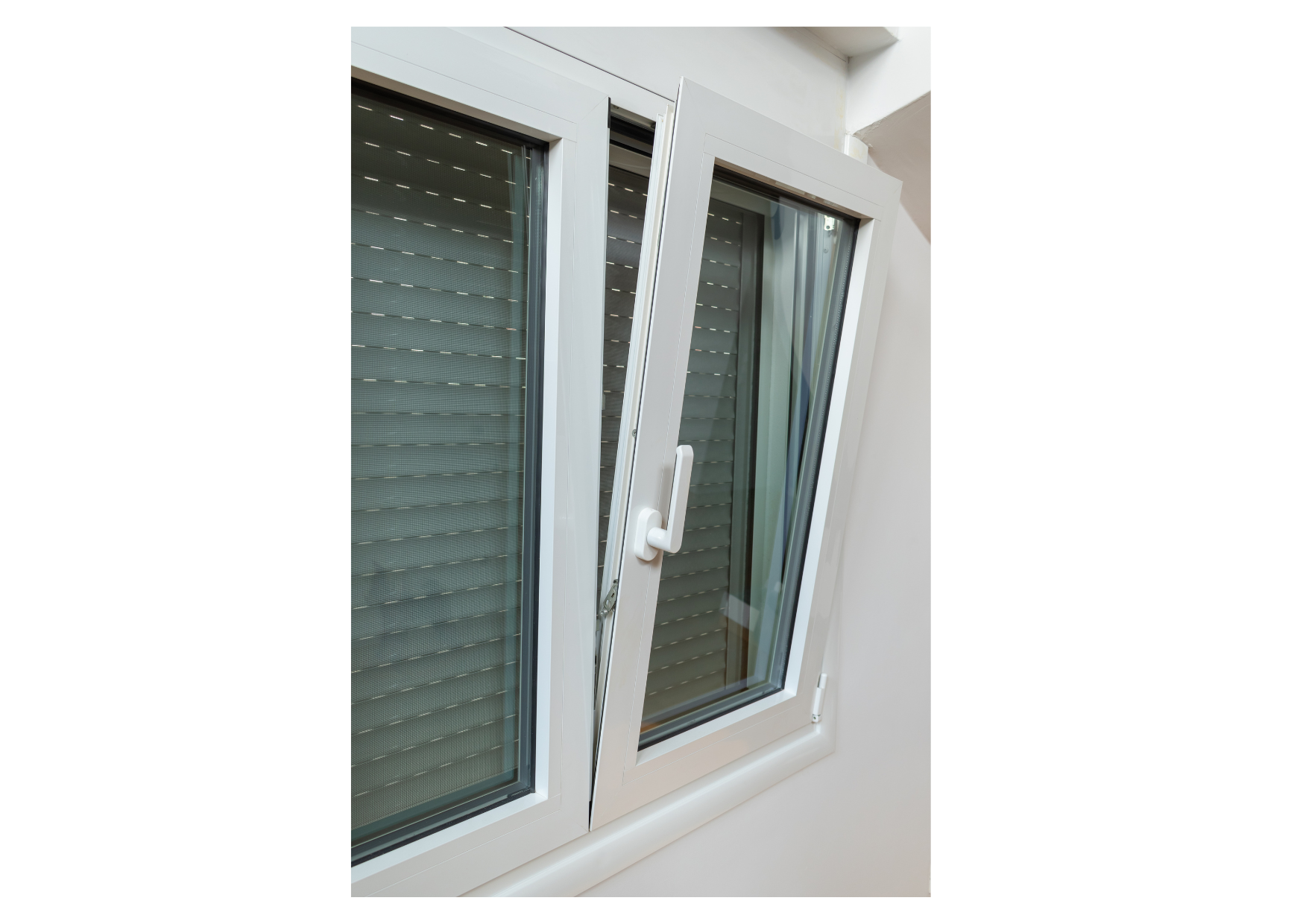
Bedrooms stay practical. External shutters or blackout shades make darkness uncomplicated. Mattresses tend to be firmer than many Americans would pick by default. Partners often use separate duvets, which kills the midnight tug-of-war and the tiny burst of adrenaline that follows it. Windows crack for a few minutes before bed in colder months, the quick flush called Stoßlüften. It clears the room without freezing it. Dark, cool, and quiet is not a slogan here. It is architecture.
Morning helps by having somewhere to go. Bakeries open early and sell out early. Offices start on time. Transit shows up when the timetable says it should. Streets give you a reason to get light to your eyes before your brain has a chance to bargain. The walk is not exercise in the dramatic sense. It is a signal. You step into the day and the day steps back into you.
None of this is exotic. It is enforceable because it relies on clocks and doors rather than motivation. When I adopted those constraints on purpose, even sloppily, the benefits arrived faster than any elaborate routine had ever delivered.
The Schedule I Followed for 30 Days

I promised myself no special purchases and no complicated tracking. Only the clock would change. The skeleton was simple. Same wake time daily within fifteen minutes. Early light. Earlier food. Predictable wind down. Bedroom stripped of anything that did not serve sleep.
Morning frame
- Wake at 6:45. The alarm sat across the room so I could not bargain horizontally.
- Shoes by the door. Jacket ready. Out by 7:10 for a light walk. Call it ten to twenty minutes. I faced the sky, not the phone. Light before screens became a non-negotiable.
- Coffee after daylight. Not a punishment. Just a different order. I wanted the clock set first and the caffeine second.
- Breakfast was protein forward. Eggs and rye. Quark or yogurt. Bread if I wanted it. Fruit if it looked good. The meal was small because the main meal would land at lunch.
Midday frame
- The biggest meal between twelve and two. If friends wanted dinner, I went, but I made lunch satisfy real hunger so night did not become the second dinner.
- No caffeine after two. Tea was fine if it was herbal. I ignored the days when I wanted the 3 p.m. espresso and learned that craving was just the echo of a later bedtime.
Evening frame
- Dinner target at seven. Kitchen closed by eight thirty. I brushed teeth early to mark the line. The cue helped more than I expected.
- Phone charging in the hall. Laptop lived in the living room. Bedroom had a book and a lamp.
- Wind-down at nine thirty with three cues I could keep anywhere. A hot shower. Socks. Ten pages on paper. I picked novels without cliffhangers to avoid the trap of one more chapter.
- In bed around ten. Window cracked for a few minutes to cool the room, then closed if outside noise demanded it. Same three steps, same order, every night.
I kept an escape valve for late events. If dinner pushed late, I did not abandon the plan. I still cut the kitchen at a hard stop when I got home, protected wake time within an hour, and walked in the morning even if it was shorter. A schedule survives if it bends. It fails if it breaks.
I wrote one more rule and put it next to the alarm. No arguing after lights out. If I could not sleep in twenty minutes, I did a quiet reset in the living room. A glass of water. Three pages of something slow. Back to bed. The point was not to hunt sleep, only to remove the habit of clock-watching.
The First Two Weeks: Withdrawal to Click

The first four nights were clumsy. My body asked for the pill because that was the habit. I did not white-knuckle into misery. I replaced the cue. The shower went hotter. The socks went on earlier. The pages went slower. I felt the itch to medicate and learned that boredom is a form of drowsiness if you hold it long enough. Night four clicked by degrees. Night six, I fell asleep reading. Night eight, I woke before the alarm for the first time in months.
Cravings reacted fastest. Without the second dinner, the late pantry walk evaporated. I did not perform discipline. I simply arrived at ten without appetite because dinner had ended earlier and the gap between that meal and bed had returned to something sensible. The hormones that drive hunger in the evening behave better when nights are actually nights. I did not measure ghrelin and leptin, but my plate did.
Work felt different by the end of week one. The morning walk did more for my head than a second coffee had ever done. Tasks took fewer false starts. The afternoon crash thinned. I still had stress. It moved through faster because the line between day and night got thicker.
There were two rough patches. The first was a Friday dinner that ran past ten. I kept wake time within an hour on Saturday and took a twenty-minute walk before breakfast. The second was a midweek crunch that tempted me to push the laptop into the bedroom. I did not. I wrote on paper instead and called it done. Both times the schedule stayed intact because I protected shape over perfection.
By day fourteen, my energy no longer depended on a narrow alley of conditions. I felt predictable in the best way. The pill bottle sat on the dresser where I could see it and ignore it. It helped to look at the choice I was not making.
What Changed on Paper and on the Scale
I did not chase data for its own sake, but I wanted proof that would outlast good mood. I logged three things by hand and let a cheap wrist tracker add a fourth.
Pills used. One on night one. Zero for the remaining twenty-nine nights. I kept the bottle in view on purpose. Seeing it without touching it became its own kind of motivation.
Sleep time and quality. The tracker is not a lab device, but trends are better than nothing. Time asleep settled near seven hours and forty minutes. Wake after sleep onset shrank. Deep sleep nudged up. The real proof came at 10 a.m. when I realized I had not thought about coffee since breakfast.
Weight and waist. Fourteen pounds down in thirty days and a belt hole reclaimed. The cause was not mysterious. Earlier main meal, earlier dinner, kitchen closed, and regular sleep removed the late-night eating I used to pretend did not count. Appetite at lunch rose. Appetite at night fell. I did not change what I ate as much as when I ate it.
Subjective notes. Two numbers each day. Energy from one to five. Mood from one to five. The lowest days still showed up. They stopped clustering. I learned that an early walk earned a better 3 p.m. even when work misbehaved. I learned that a late coffee won a short evening and cost me twice.
There is a temptation to call any fast weight change a fluke. Some water weight fell in week one as dinner shrank. The rest came from not eating when my clock wanted to be asleep. The absence of night calories will do that even when daytime food stays generous. The smaller, quieter sign was how clothes felt by week three. Waistbands tell the truth without drama.
For people who like numbers with authority, blood pressure settled by a few points. Resting heart rate ticked down. Those are side effects of routine replacing improvisation. I did not set out to collect them. They arrived because the day stopped running late.
Exactly How To Do This
If you want the same result, build on clocks rather than motivation. Pretend you are catching a train that leaves whether you show up or not. Pick times, then protect them.
Set the rails
- Choose a wake time you can keep seven days a week. Protect it within fifteen minutes. Do not pick a heroic hour you will hate.
- Anchor three cues at night that you can repeat anywhere. Shower, socks, pages worked because they were portable. Your trio may be different. The cue matters more than the content.
- Decide your kitchen cut-off and write it down. Teeth brushed early hardens the line. It is not diet culture. It is clock culture.
Fix the room
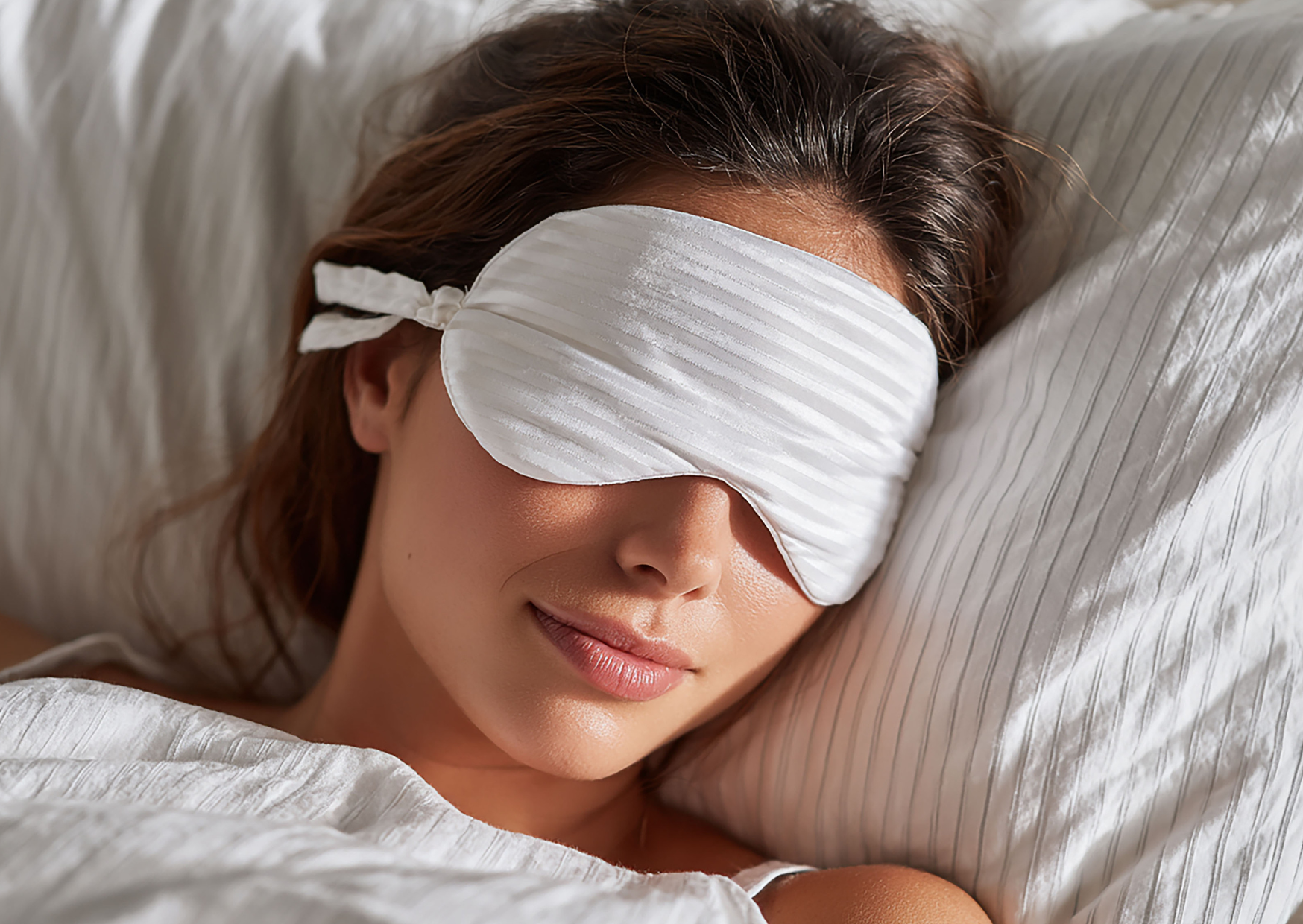
- Darkness first. Use shades or an eye mask. Remove light sources that blink.
- Coolness next. A five-minute window crack can flush a room without freezing it.
- Quiet always. Earplugs can rescue a loud street. White noise can hide a neighbor.
- If you share a bed, try separate covers for a week. You will never go back.
Make mornings automatic
- Put shoes by the door. Decide the route the night before.
- Walk outside within an hour of waking. Ten minutes is enough to start.
- Coffee after daylight. Screens after coffee. Light before scrolling is a cheat code for a better first hour.
Manage food timing
- Eat the largest meal at midday when possible. Your evening appetite will notice.
- Move dinner earlier by fifteen minutes a week until you land at a time you can keep.
- Close the kitchen like a shop. No snacks after the sign flips. Your breakfasts will get better on their own.
Treat caffeine like scheduling, not fuel
- Hold the line at two in the afternoon. If you need a warm cup, go decaf or herbal.
- Respect the days you slept badly by moving coffee later, not more of it. Let the clock reassert itself.
Protect the plan on messy days
- If dinner runs late, guard wake time and still collect morning light. The next night will land on time because the day started on time.
- If you travel, keep the wake time in local time after day one. Light in the morning, food near local lunch, and a strict kitchen closure will pull you to the new zone faster than wishful thinking.
If you currently use sleep meds
- Do this with your clinician when prescriptions are involved.
- Set a taper you can keep. Replace the pill cue with wind-down cues you choose.
- Expect two to four rocky nights. Plan them on lighter weeks. A plan beats willpower.
Pitfalls, Travel Days, and Real Life Fixes
Even good schedules wobble. The difference between people who keep a routine and people who abandon it is how they correct.
Caffeine drift. The 3 p.m. espresso returns when you stop watching. Put a sticky note on the machine. The rule is not a punishment. It is a way to protect a 10 p.m. you actually want.
Screen creep. A phone in the bedroom will win eventually. Charge it in the hall. Use a cheap alarm clock. If you must read, choose paper. Friction removes temptation. Make the good choice the easy choice.
Weekend jet lag. A late Friday can erase five good nights. Allow a small shift on Saturday, then land the wake time on Sunday. A short nap early afternoon can help if you keep it under thirty minutes.
Exercise timing. Hard workouts at nine at night push your body clock later. If evenings are your only slot, keep intensity moderate or accept a later bedtime and adjust everything else to match.
Alcohol truth. Two drinks at dinner will show up in your tracker and your morning. Save drinks for earlier in the evening and keep quantity small if sleep quality is the goal. The quiet you want at night comes from less chemistry, not more.
Hotel nights. Pack earplugs, an eye mask, and a paperback. Ask for a room away from elevators. Keep wake time in local time after the first full night. Breakfast at the hotel becomes your anchor. Light to the eyes at the door buys you an afternoon that behaves.
Shift workers. The rules still work, but the clock is different. Treat your schedule as non-negotiable even if it is inverted. Keep a small light exposure at the start of your “day,” dark glasses on the commute home, and a strict food cut-off before the sleep episode. You are building a night village inside a daytime world. The architecture can still protect you.
Parents of small kids. Protect the rails you can control. Keep kitchen closure. Keep phone out of the bedroom. Keep a tiny morning light moment even if it is at the window holding a child. Flex wake time within an hour and call that a win. Perfection is not the goal. Predictability is.
Sickness and deadlines. When life shoves, shrink the plan instead of abandoning it. Keep one cue at night and one in the morning. The habit survives because it packs small.
The part that stayed after thirty days was not the number on the scale, although that mattered. The part that stayed was how evenings felt. Quiet arrived by itself because the day had been resolved. I kept the three anchors even when work got loud. Same wake time, kitchen closed, phone sleeping in the hall. When those held, everything else followed.
I still miss sometimes. The schedule recovers quickly because it rests on clocks rather than feelings. Dinner with friends runs late. I enjoy it. I protect wake time within an hour. I walk in the morning whether I want to or not. The day remembers its job. My appetite remembers the plan.
If you try a month like this, pick rules you can keep when your week is average. Leave heroics for stories you do not have to live. Sleep behaves when the rest of your life does not need to. That is the point. You want a routine that survives your personality.
The Ambien bottle is still in the drawer. I keep it as a reminder that quick solutions taught me about speed, not about sleep. The boring schedule did the job I could not buy. The scale moved because nights stopped eating my calendar. The mood lifted because mornings began on time. The plan was not impressive. It was enforceable. That is why it worked.
Why You Should Try the German Sleep Routine
A structured sleep routine can improve consistency in daily energy levels. Many people who follow a more regular schedule find it easier to wake up naturally and feel less dependent on caffeine throughout the day.
The German approach often emphasizes predictable bedtimes, limited late-night eating, and cooler sleeping environments. These habits support the body’s internal clock, helping regulate sleep cycles more effectively.
Consistency can also benefit mental clarity. When sleep occurs at roughly the same time each night, concentration and mood stability tend to improve, especially during busy workweeks.
Another advantage is long-term sustainability. Simple routines are easier to maintain than complex sleep hacks, making them more practical for everyday life.
Ultimately, structured habits reduce guesswork. Instead of constantly adjusting sleep patterns, a steady rhythm allows the body to adapt and rest more efficiently.
Why You Shouldn’t Assume One Routine Fits Everyone
Sleep needs vary significantly between individuals. Work schedules, family responsibilities, and natural chronotypes can make rigid routines difficult to maintain.
Cultural routines may not translate perfectly across lifestyles. A schedule that works in one environment may feel restrictive in another with different social or work expectations.
Overly strict sleep rules can create anxiety. Worrying about perfect timing may make it harder to relax, which defeats the purpose of improving rest.
Environmental differences matter too. Climate, daylight hours, and housing conditions can influence sleep comfort more than timing alone.
The best approach is adaptation. Borrow helpful elements from structured routines while adjusting them to your own biology and daily obligations.
Final Thoughts
Following the German sleep schedule for 30 days revealed how small, disciplined habits can create major changes in energy, focus, and overall wellbeing. What starts as a strict routine gradually becomes a natural rhythm, making rest feel effortless instead of elusive. The consistency itself becomes the anchor that resets the body’s expectations around when to wind down and when to wake up.
The most surprising part of the process was how quickly the reliance on sleep aids began to fade. Once the body settled into a predictable pattern, the usual nighttime anxiety softened and deep sleep became more frequent. Weight loss, improved mood, and clearer thinking followed, showing how interconnected sleep is with every part of daily life.
This experiment made one thing clear: better rest is not about chasing the perfect product or supplement. It is about protecting habits that support the way the human body is designed to operate. The German approach works because it respects these natural rhythms. While it may feel demanding at first, the payoff is a level of restfulness many people haven’t felt in years.

About the Author: Ruben, co-founder of Gamintraveler.com since 2014, is a seasoned traveler from Spain who has explored over 100 countries since 2009. Known for his extensive travel adventures across South America, Europe, the US, Australia, New Zealand, Asia, and Africa, Ruben combines his passion for adventurous yet sustainable living with his love for cycling, highlighted by his remarkable 5-month bicycle journey from Spain to Norway. He currently resides in Spain, where he continues sharing his travel experiences with his partner, Rachel, and their son, Han.